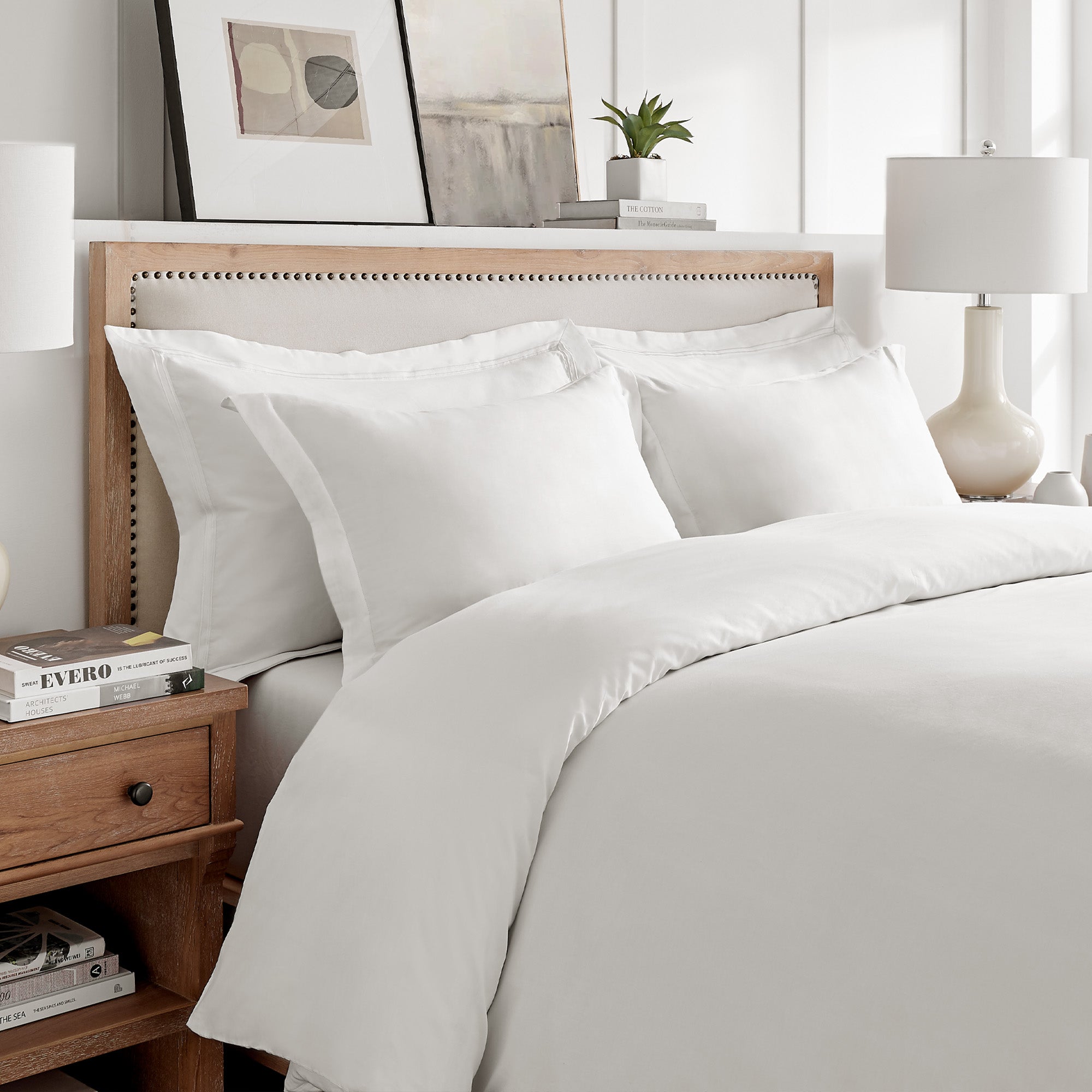
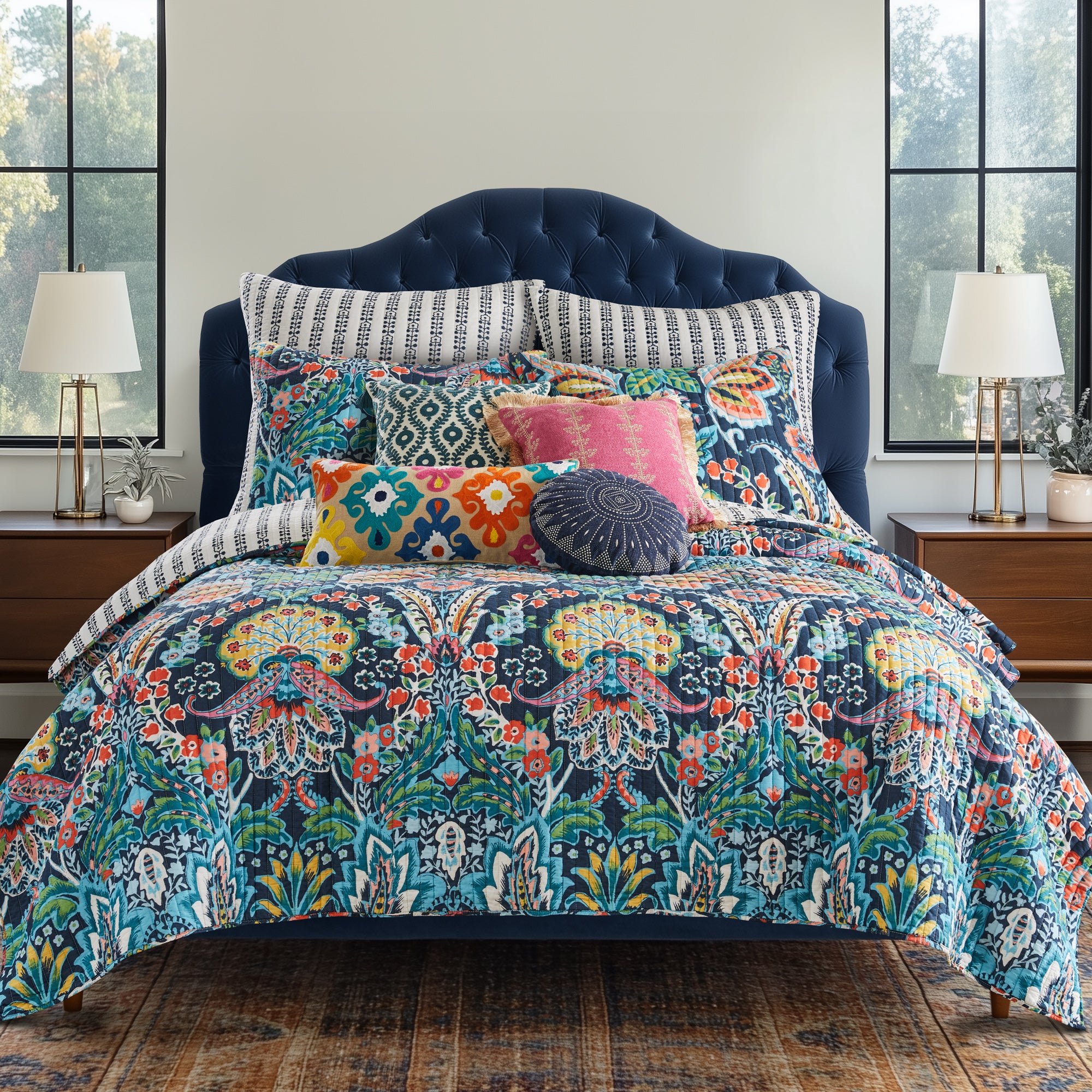
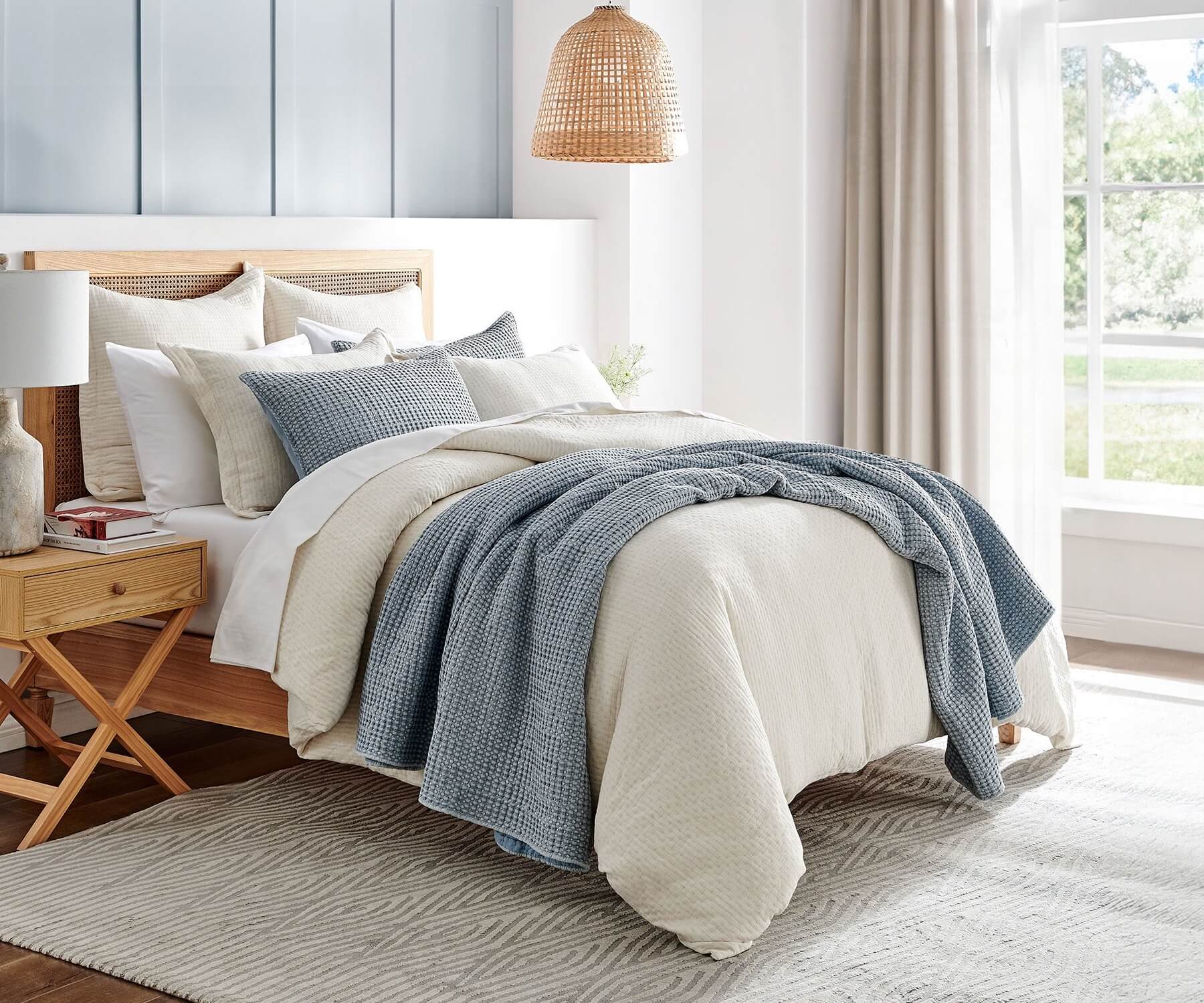
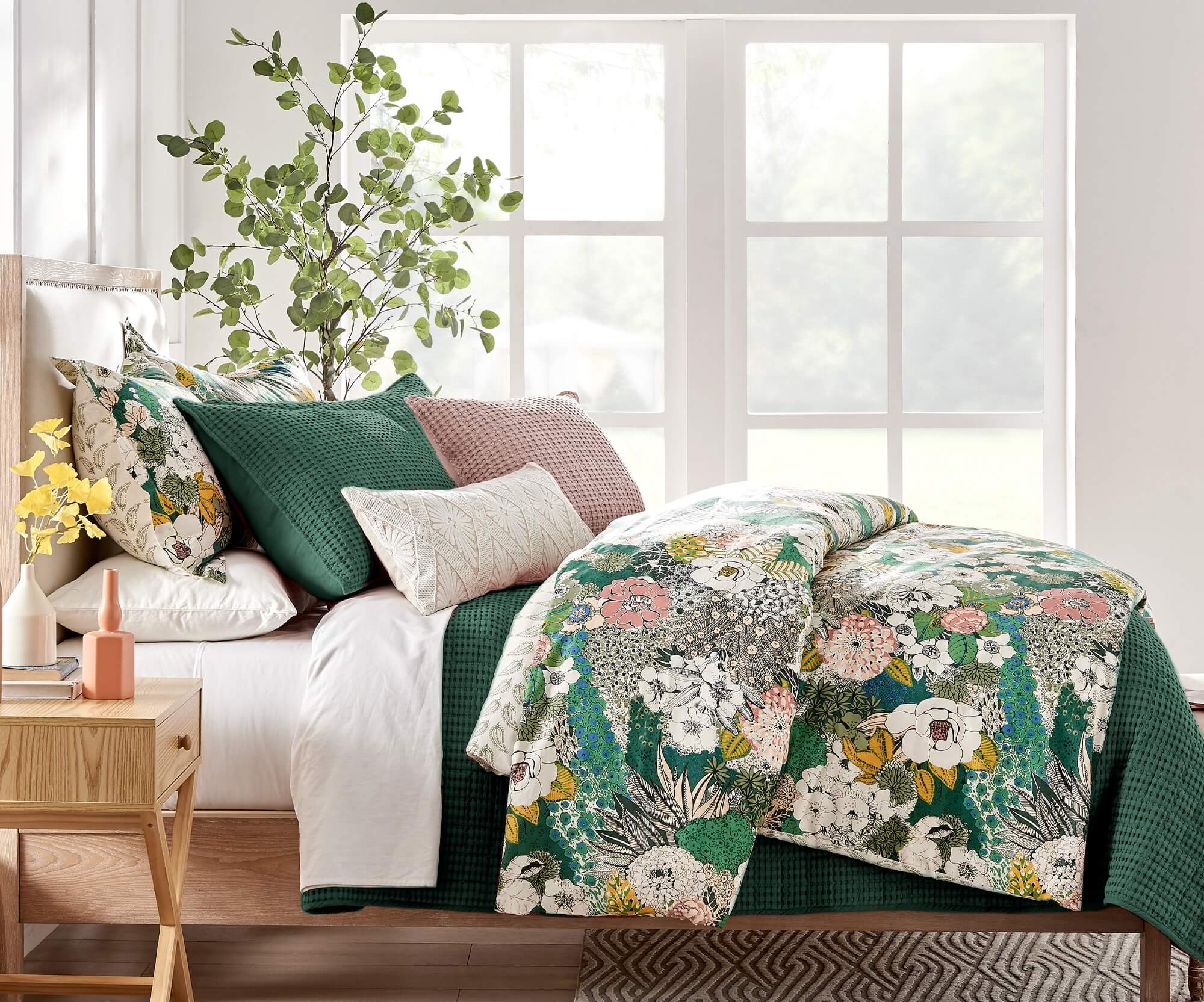

Design professionals know that the smallest details often make the biggest impression. While furniture, lighting, and paint colors tend to get the most attention, bedding is what transforms a bedroom from simply furnished to thoughtfully designed. A well-chosen quilt adds texture, warmth, color, and visual balance, helping create a finished space that photographs beautifully and feels welcoming in person.
For interior designers, decorators, home stagers, and hospitality professionals, quilts are also one of the most versatile styling tools available. They can soften modern interiors, bring character to traditional homes, refresh a guest room without a complete redesign, and create a polished look for vacation rentals or model homes. Unlike heavier comforters or seasonal bedding, quilts work year-round in many climates and can easily be layered to suit different clients and design styles.
We wrap quilts around our bodies to keep us warm. Our embodied connection to quilts forge an intimacy like no other. And much like basketry, their architecture and pattern language convey a material intelligence beyond words.Stephen Burks, designer and Columbia University professor
Professional projects also demand practical performance. Beds in Airbnb properties, luxury rentals, show homes, and staged listings need bedding that maintains its appearance after repeated use, launders well, and continues looking inviting between guests or client showings. Choosing the right quilt means balancing aesthetics with durability, making it an important investment rather than an afterthought.
Whether you're designing a luxury residence, furnishing a vacation rental, or styling a home for resale, understanding what makes the best quilts for interior designers can help elevate every project while delivering lasting value for clients.

What Interior Designers Look for in Quilts
Interior designers evaluate quilts differently than the average homeowner. While appearance is certainly important, long-term performance, flexibility, and consistency often determine whether a quilt becomes part of a designer's regular toolkit.
Durability & Washability
Interior designers frequently specify quilts for spaces that experience regular turnover. Vacation rentals, Airbnb properties, guest suites, and model homes may require frequent laundering, making durability a top priority.
High-quality cotton quilts are often preferred because they:
- Hold their shape after repeated washing
- Resist excessive fading
- Maintain stitching integrity
- Feel softer over time
- Continue looking crisp between guest stays
Machine-washable quilts also simplify maintenance for homeowners and property managers, helping preserve the room's finished appearance with less effort.
Versatile Design
One project may call for understated elegance while another benefits from bold personality. Designers often rely on quilts that can adapt to changing accessories and evolving color palettes.
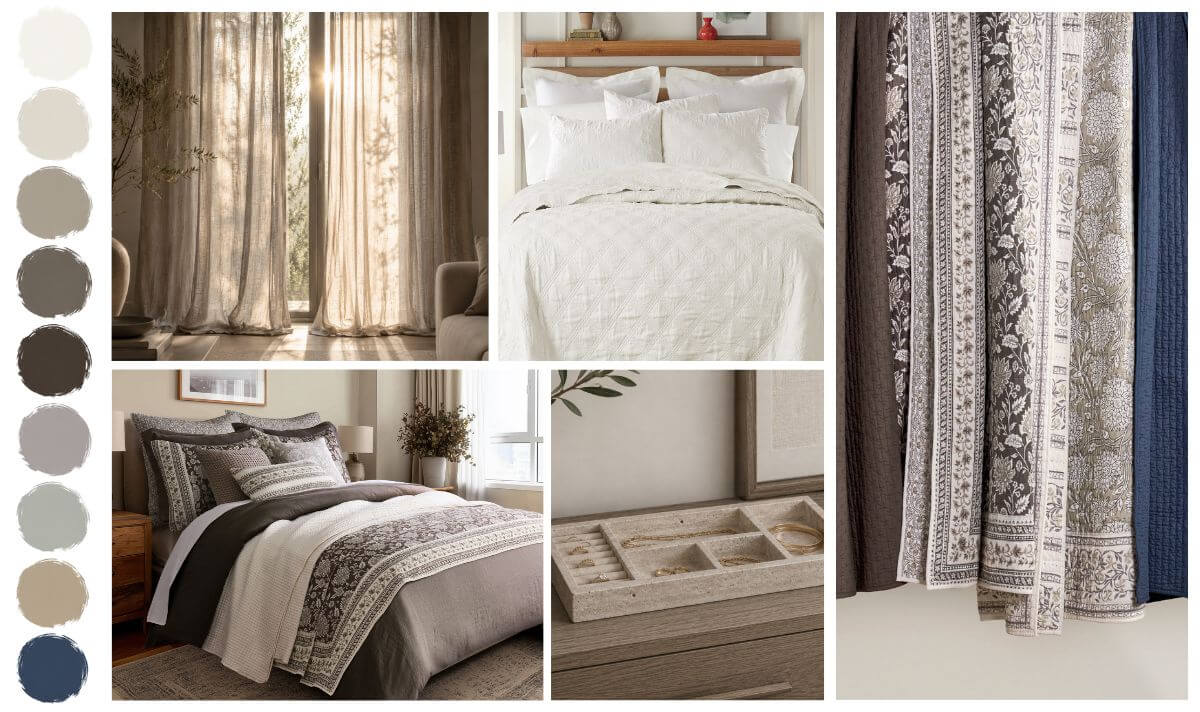
Neutral quilts remain especially popular because they pair easily with decorative pillows, area rugs, mirrors, artwork, accent furniture, and window treatments. Soft whites, warm ivory, beige, taupe, light gray, and muted earth tones create timeless foundations that appeal to a wide variety of clients.
Statement quilts also have their place, particularly in boutique hospitality projects or personalized residential spaces where color and pattern help establish a memorable identity.
Quilts can be a wonderful foil for another element in the room—whether it be a graphic departure from a floral-leaning space, or a tactile departure for a room that leans more modern and slick. Whatever textile you’re using, you should consider what it juxtaposes, and what secondary or tertiary colors it introduces in the context of the larger space.Mieke ten Have, interior stylist
Layering Potential
Layering is one of the defining characteristics of professionally styled bedrooms. Instead of relying on a single bedding element, designers build visual interest by combining multiple textures and materials.
A quilt can be layered with:
- Duvets
- Blankets
- Decorative throws
- Euro shams
- Accent pillows
This layered approach creates dimension while keeping the room comfortable rather than overly formal.
Put the quilt underneath the duvet for a pop of pattern. Position the quilt on top of the duvet for a bolder scheme.Shea McGee, interior designer
Rather than matching every textile perfectly, many designers combine complementary textures. Smooth cotton, woven linen, knit throws, and quilted stitching work together to create a more sophisticated, lived-in appearance.
Material Quality
Material selection directly impacts both appearance and comfort.
Cotton quilts continue to be a favorite among design professionals because they offer:
- Linen bedding
- Breathability
- Softness
- Natural texture
- Year-round comfort
- Easy maintenance
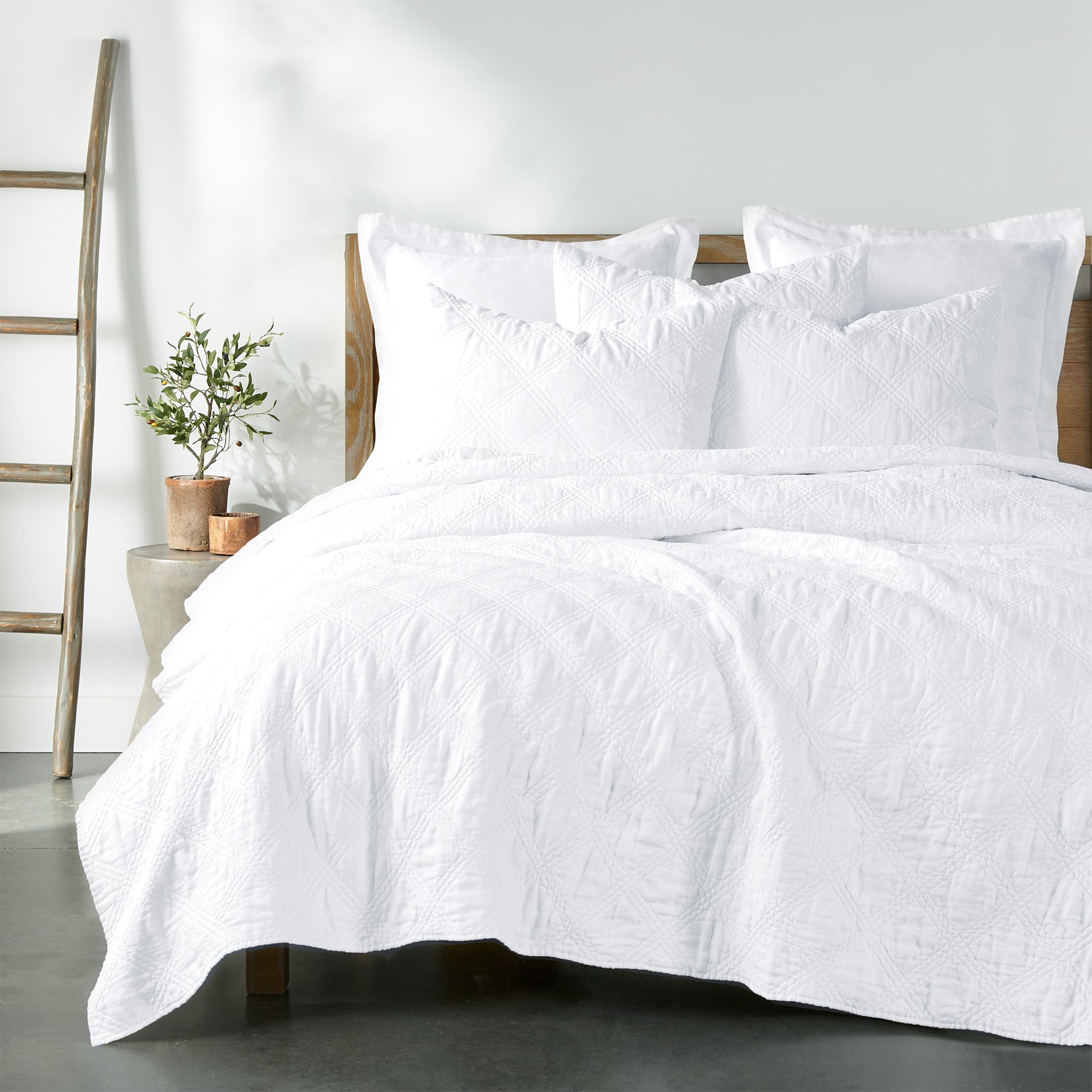
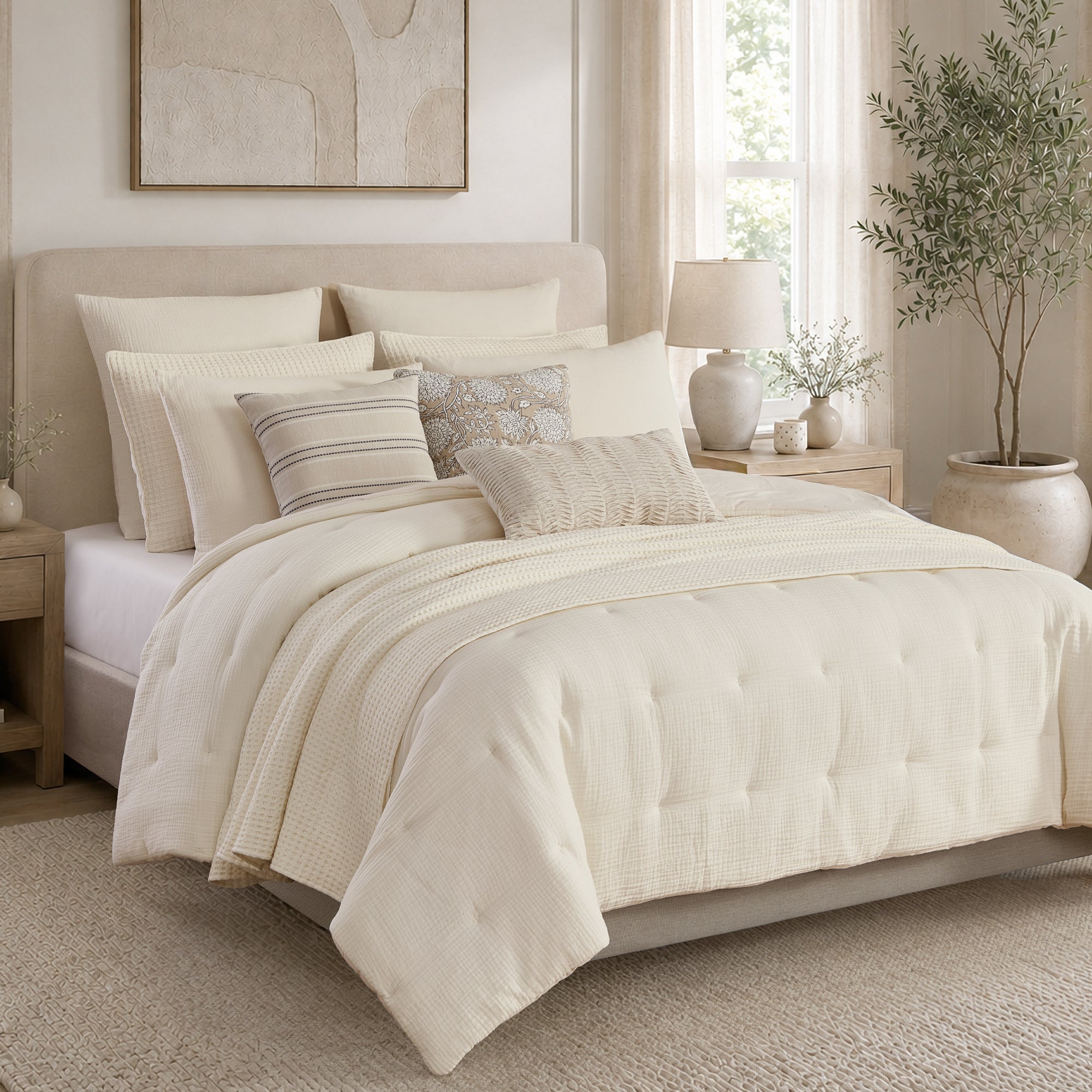
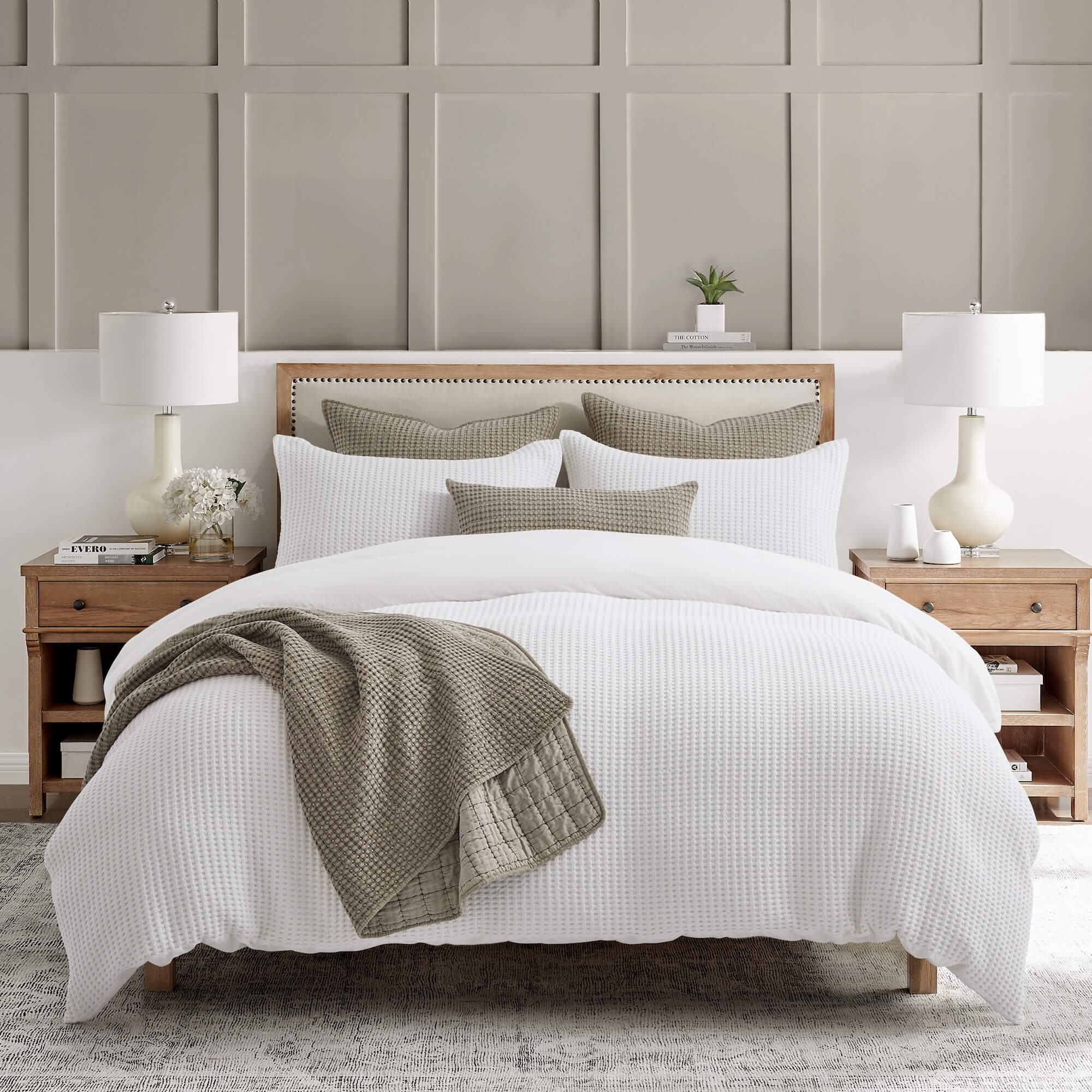
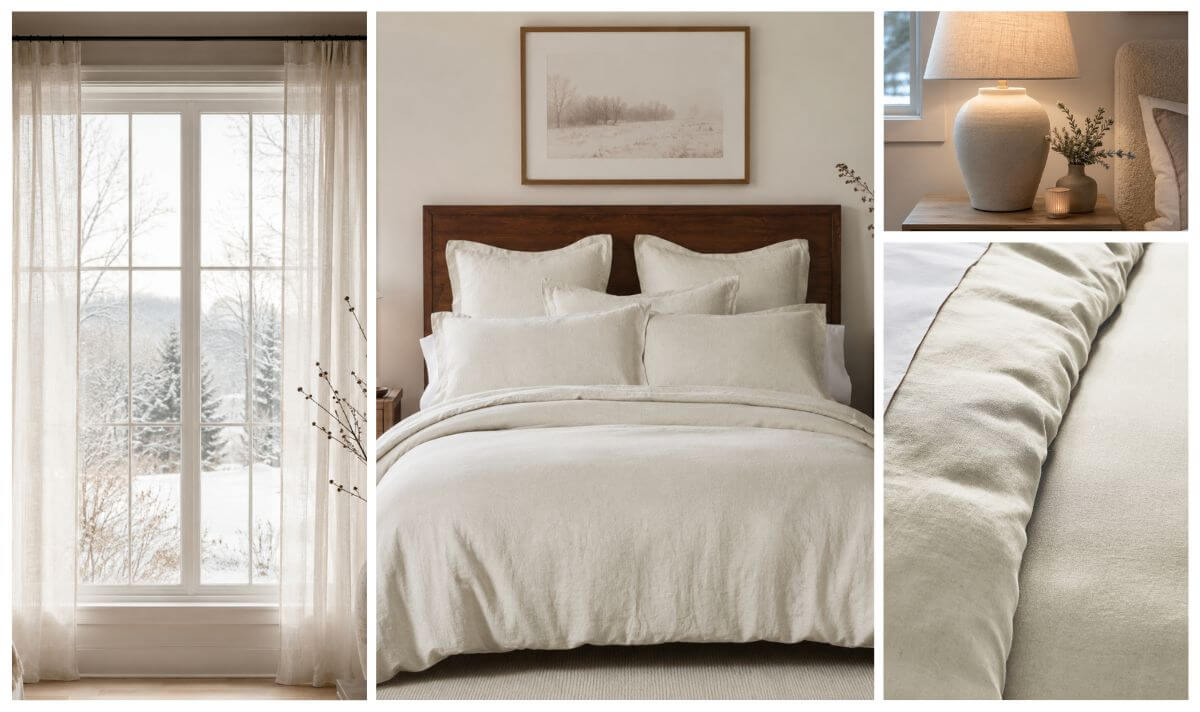
Organic cotton options have also become increasingly popular for environmentally conscious projects, while a linen quilt introduces relaxed elegance and subtle texture that works beautifully in coastal, European-inspired, or transitional interiors. The Levtex Home Linen Quilt is a great example of this timeless look, offering understated texture that layers effortlessly into a wide range of professionally designed spaces.
The quality of stitching also matters. Even quilting patterns, secure seams, and durable construction contribute to a polished appearance that stands up to everyday use.
Consistency Across Orders
Many professional projects involve furnishing multiple bedrooms rather than a single space. Designers often need matching quilts for vacation homes, boutique hotels, multi-bedroom residences, apartment developments, and model homes.
Consistent color, sizing, stitching, and availability make sourcing much easier throughout a project. Reliable product consistency also simplifies future replacements if additional rooms are added later or individual quilts need to be refreshed.

Best Quilt Styles for Professional Use
The best quilt for a project depends on the overall design vision, the client's lifestyle, and how the space will be used. While there is no one-size-fits-all solution, certain quilt styles consistently perform well across residential, hospitality, and staging projects because of their versatility and timeless appeal.
Neutral Quilts for Staging & Model Homes
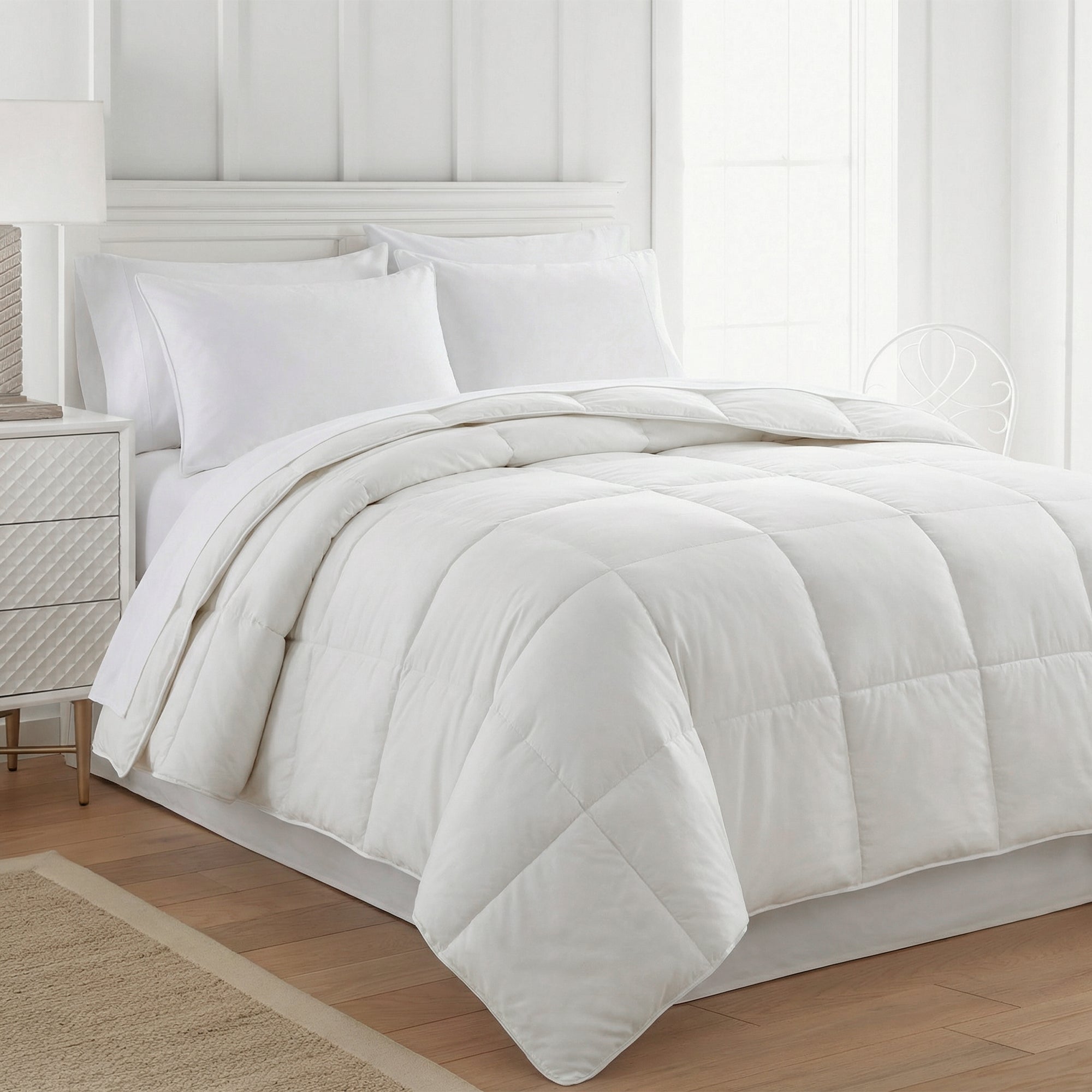
Neutral quilts remain the first choice for many interior designers because they appeal to the widest range of buyers and clients. When staging a home or furnishing a model residence, the goal is to create a bedroom that feels bright, clean, and universally inviting.
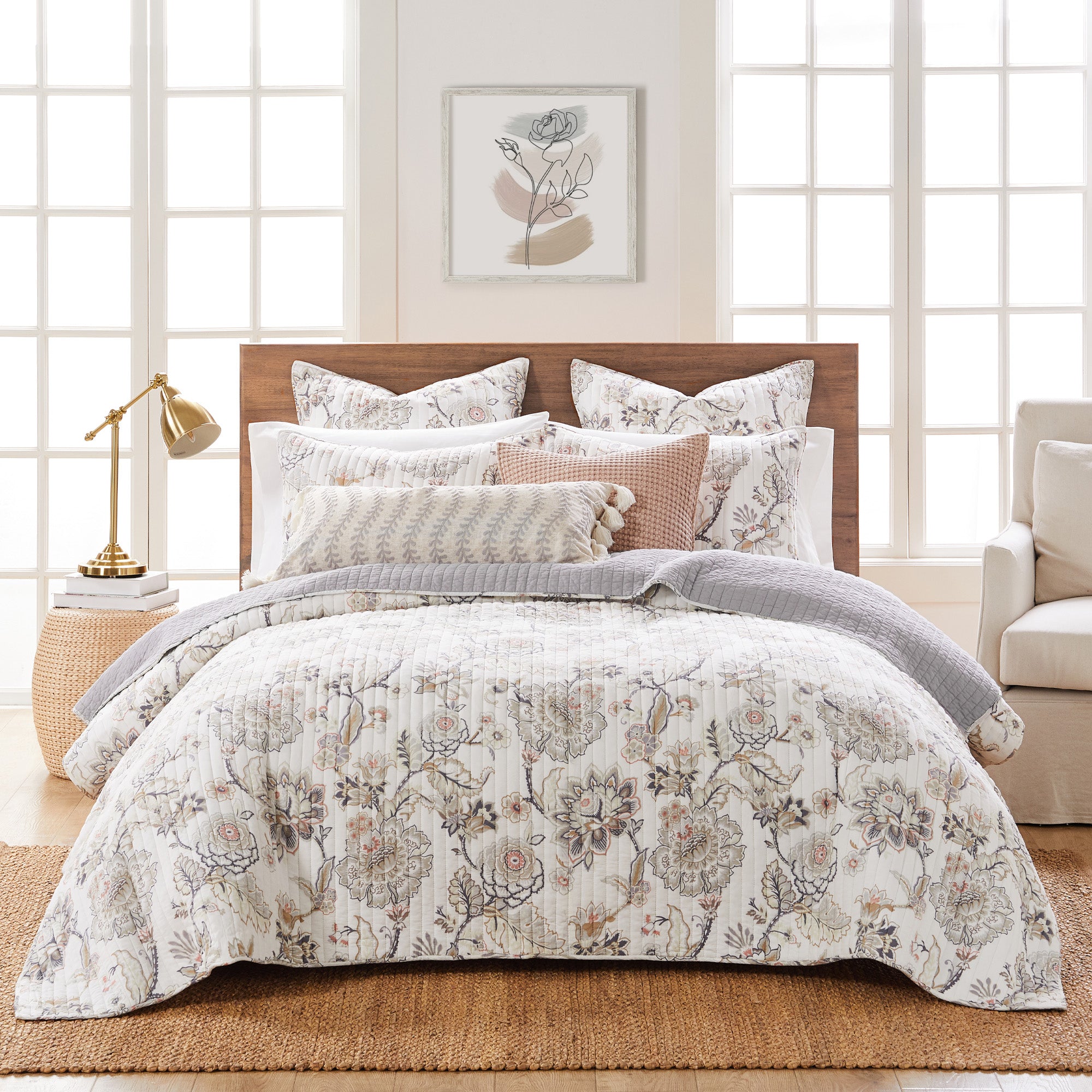
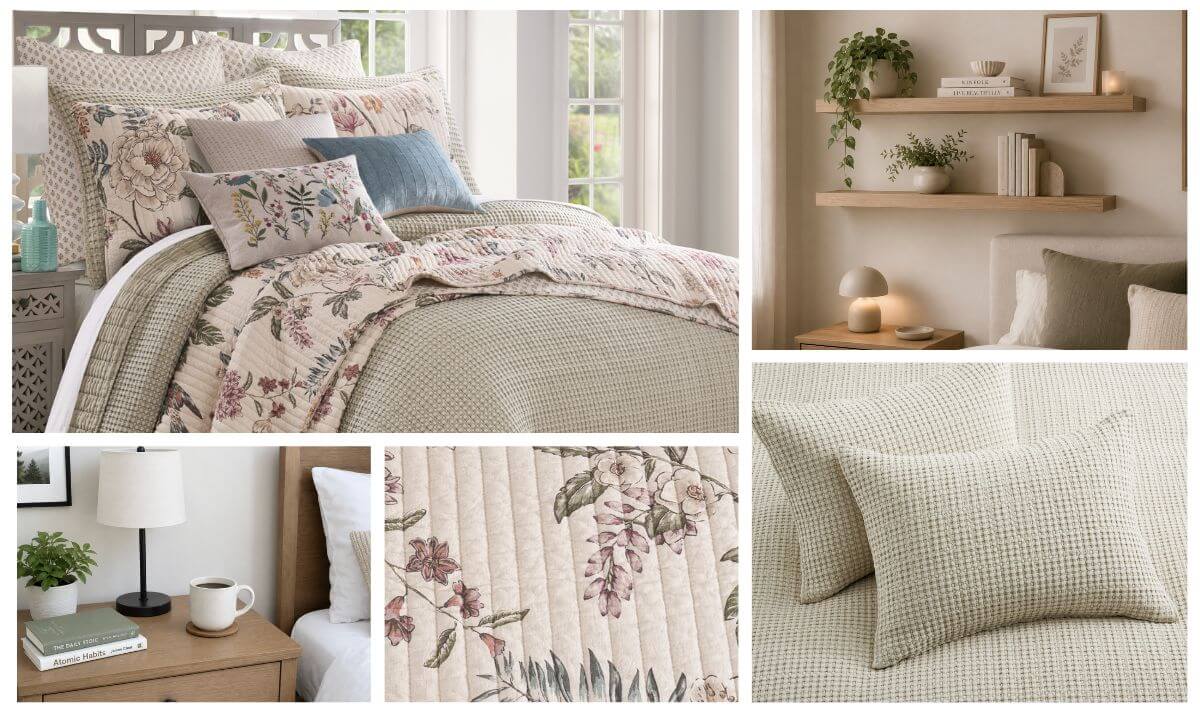
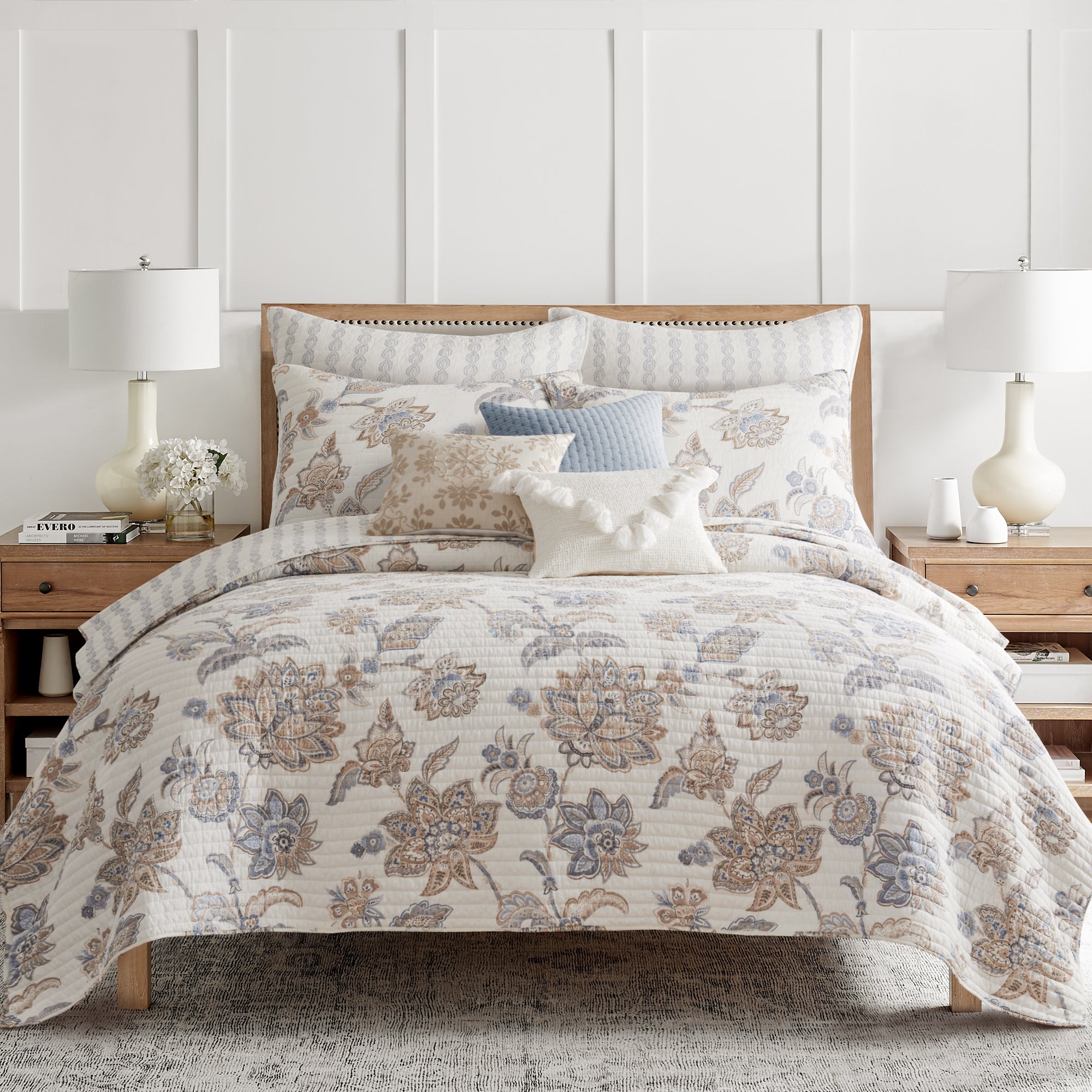
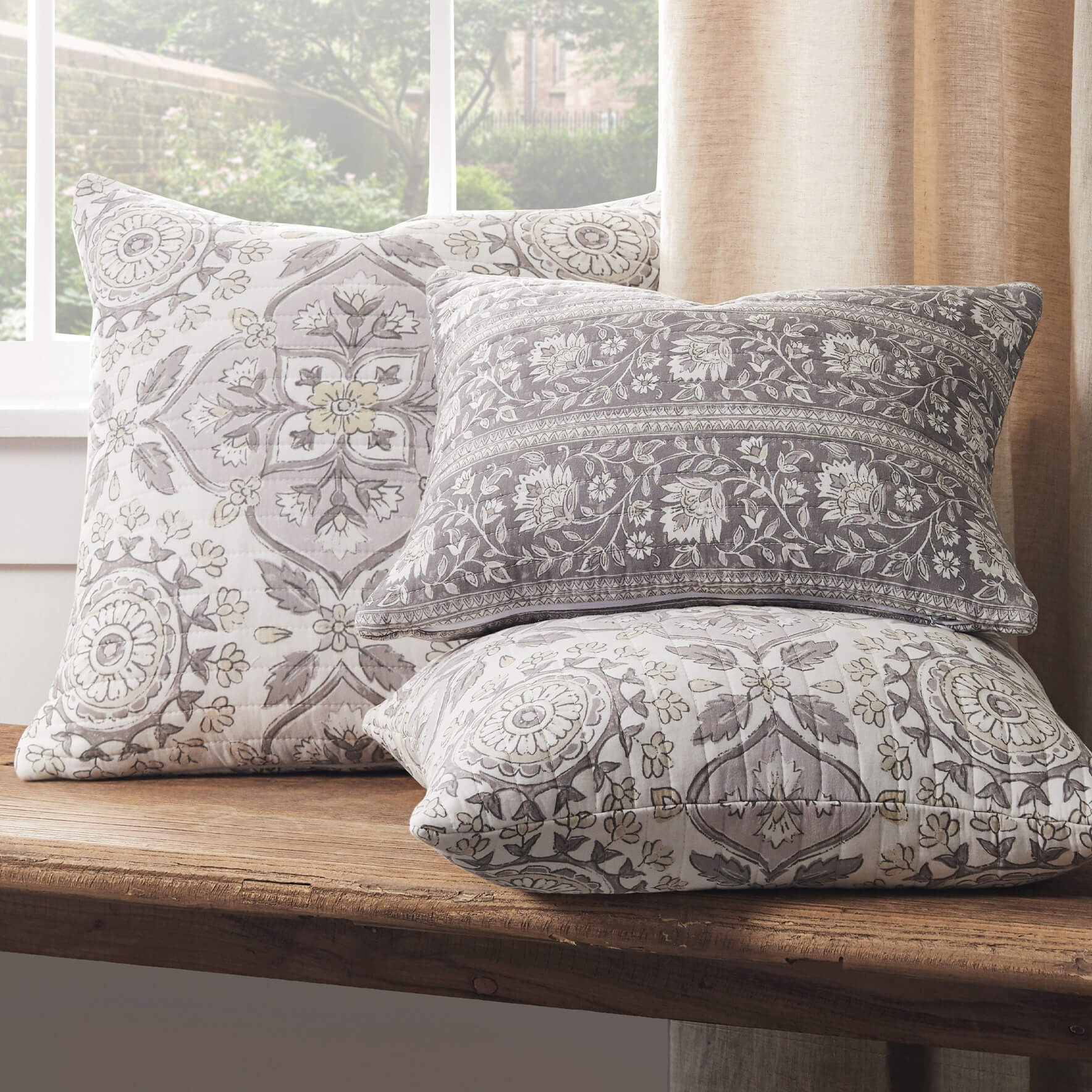
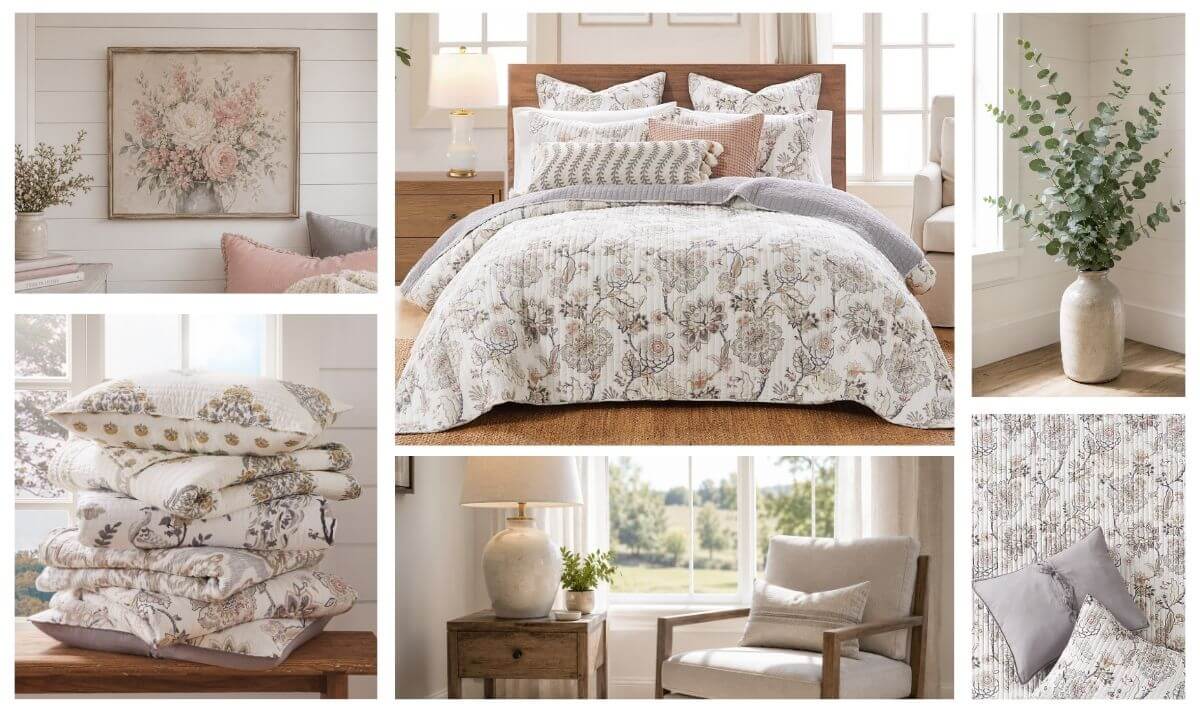
White, ivory, cream, beige, taupe, and soft gray quilts create a calming foundation that works with nearly every interior design style, from modern and Scandinavian to farmhouse and traditional. These colors also allow other design elements, such as artwork, lighting, mirrors, rugs, and decorative accessories, to stand out without competing for attention. For designers looking to incorporate a subtle pattern while maintaining a neutral palette, the Levtex Home Adare Quilt offers a sophisticated option that complements a variety of interiors without overwhelming the space.
Neutral quilts also make seasonal styling updates simple. Swapping decorative pillows, throws, or small accessories can completely change the look of a room without replacing the quilt itself.
Coastal & Relaxed Quilts for Vacation Rentals
Vacation rentals and beach homes benefit from bedding that feels light, welcoming, and comfortable. Coastal-inspired quilts help reinforce that relaxed atmosphere while creating spaces guests immediately associate with rest and relaxation.
Popular choices include:
- Soft blue quilts
- White and blue stripes
- Sand-colored neutrals
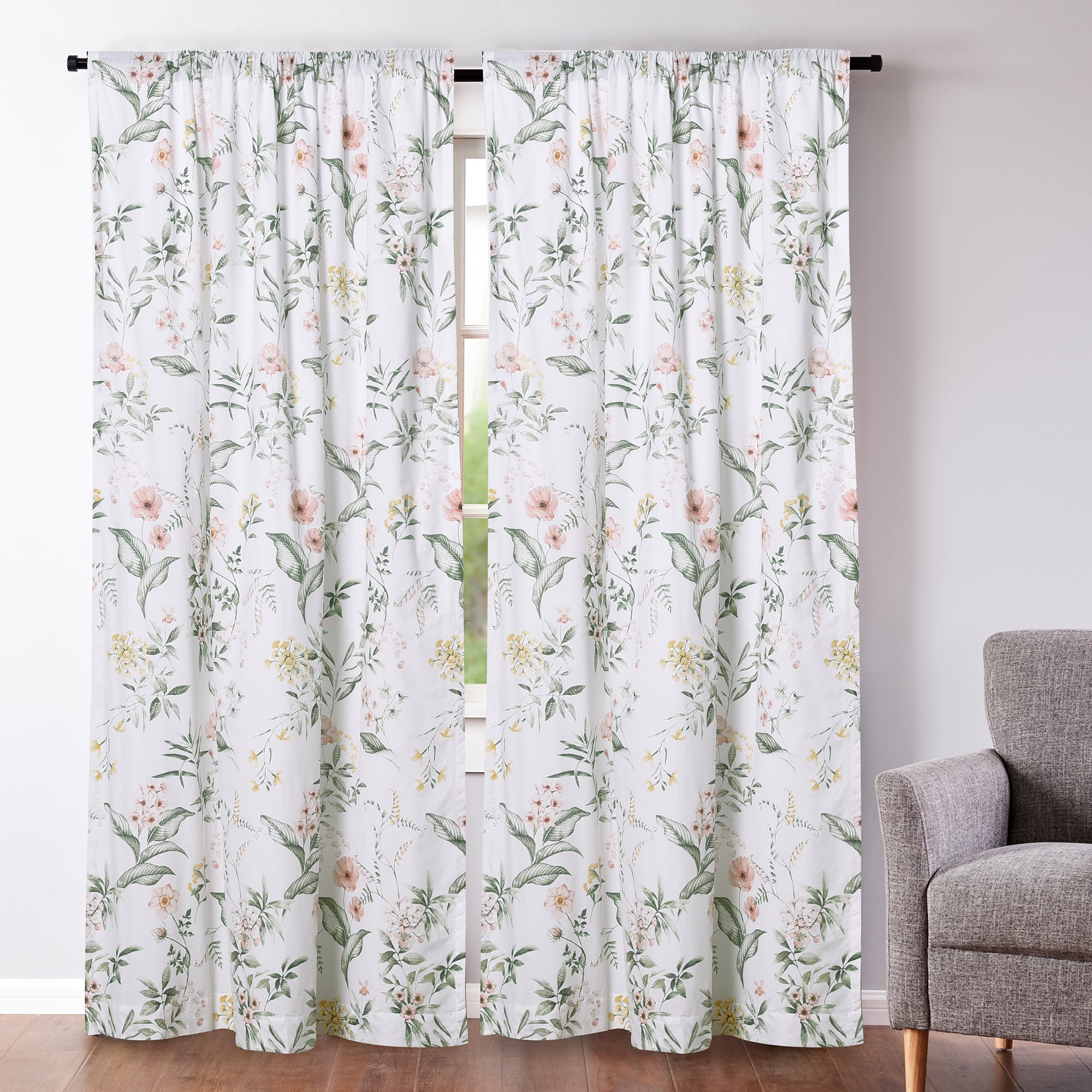
- Subtle botanical patterns
- Light geometric designs
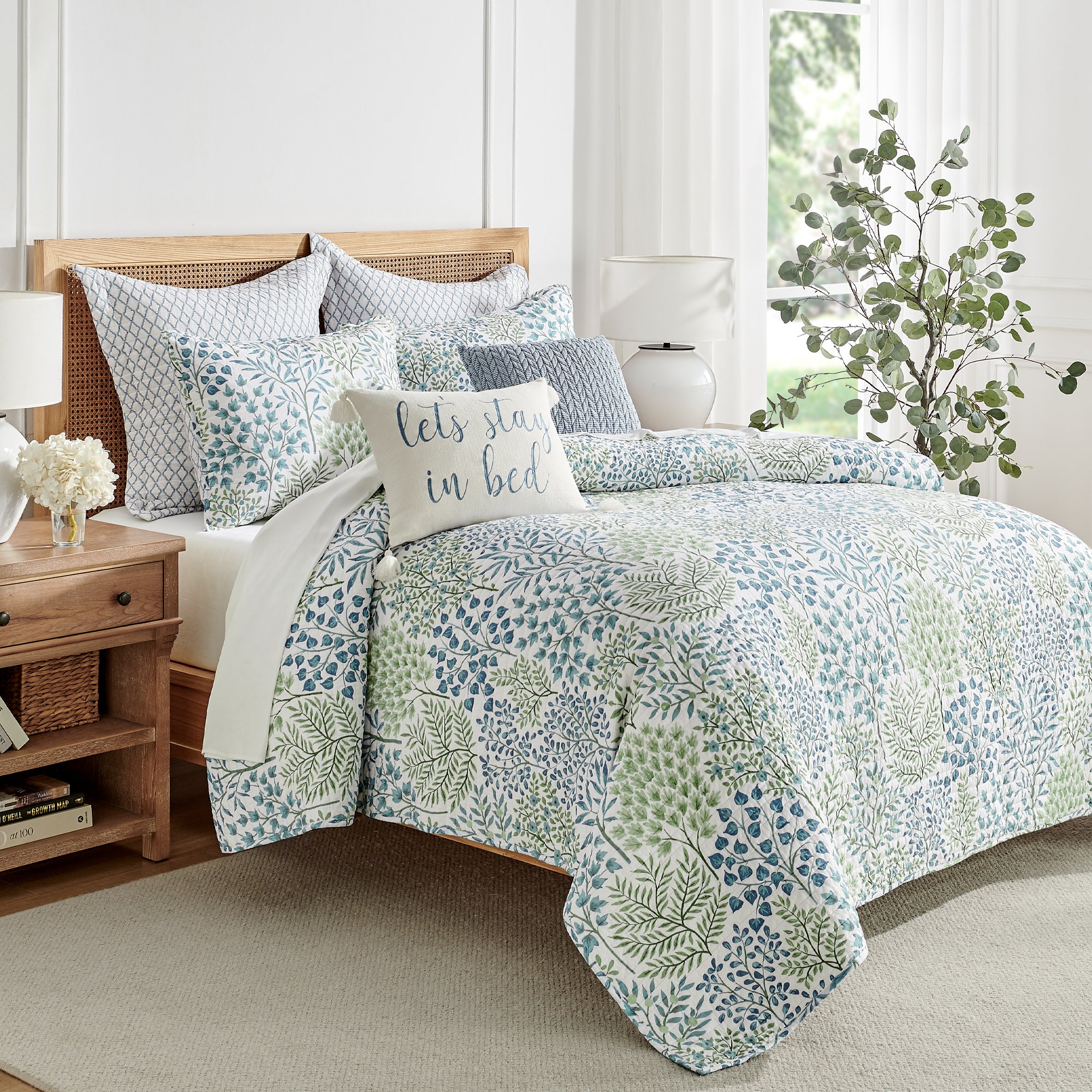
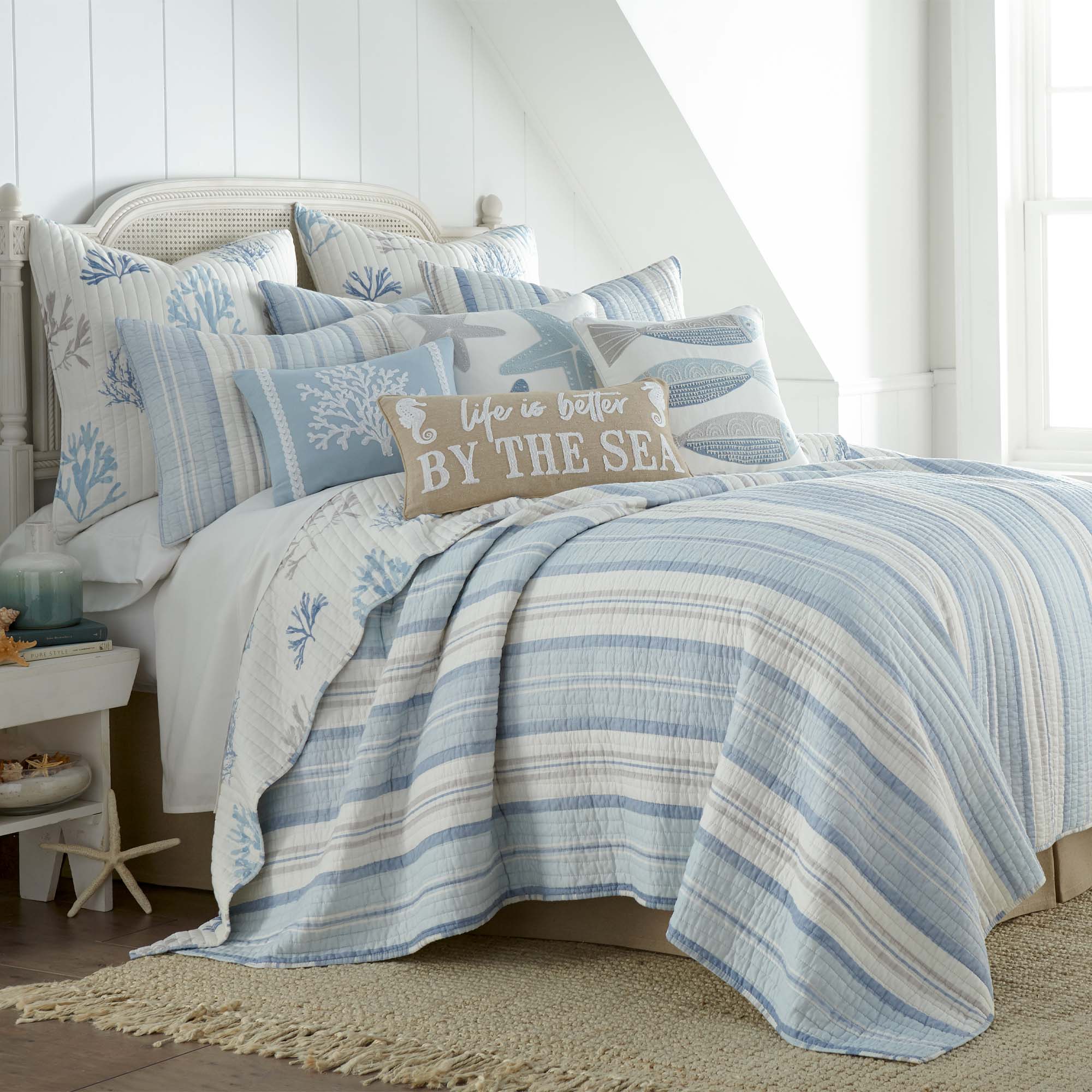
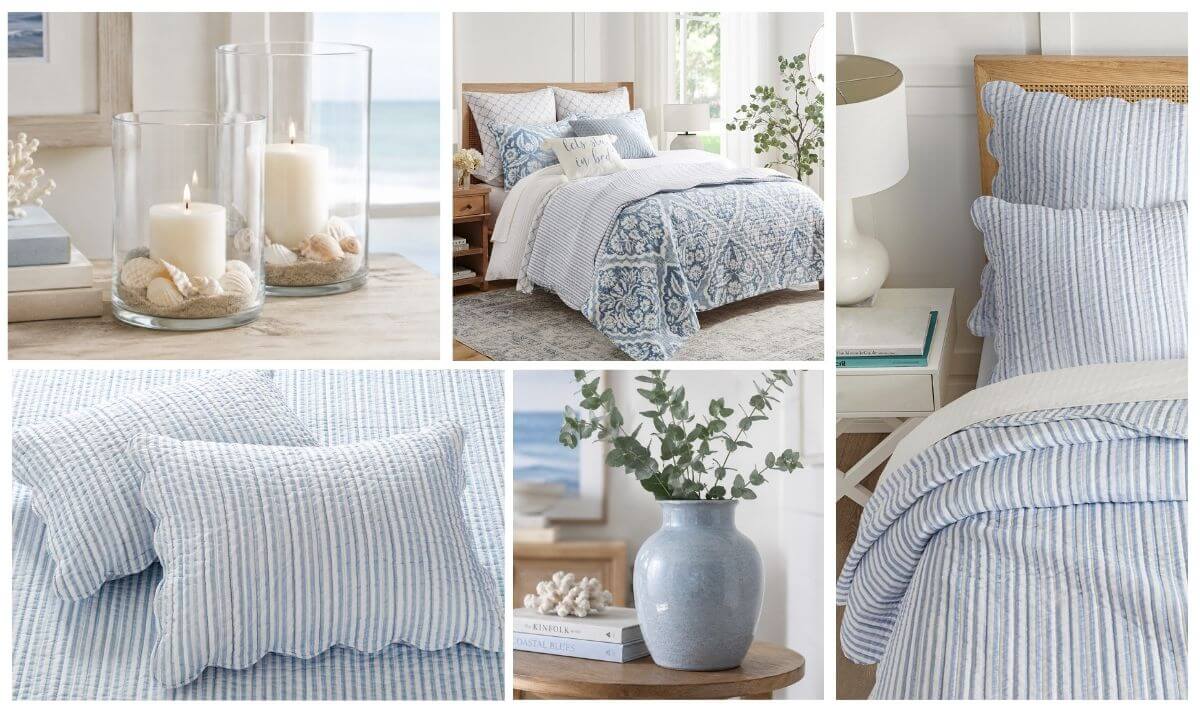
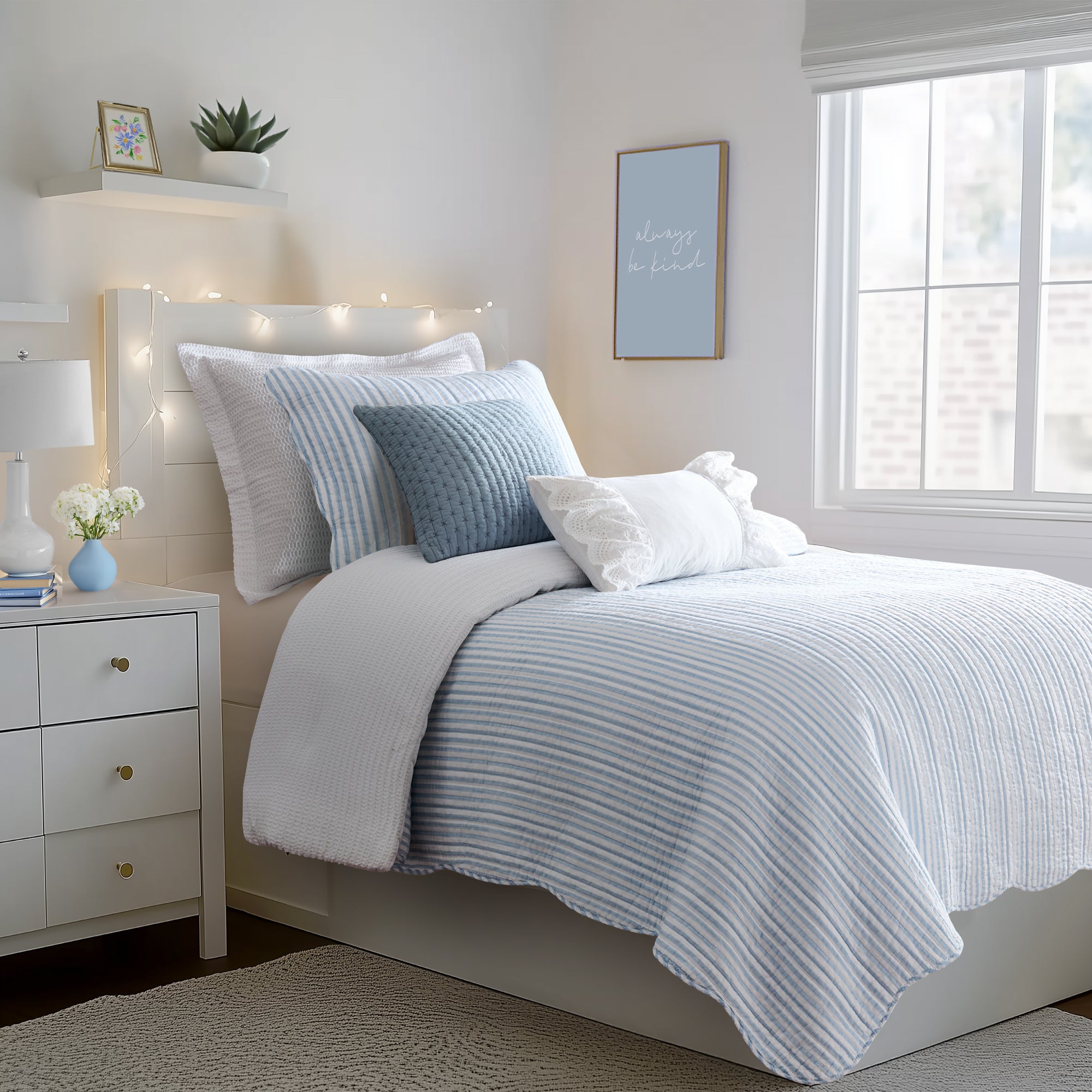
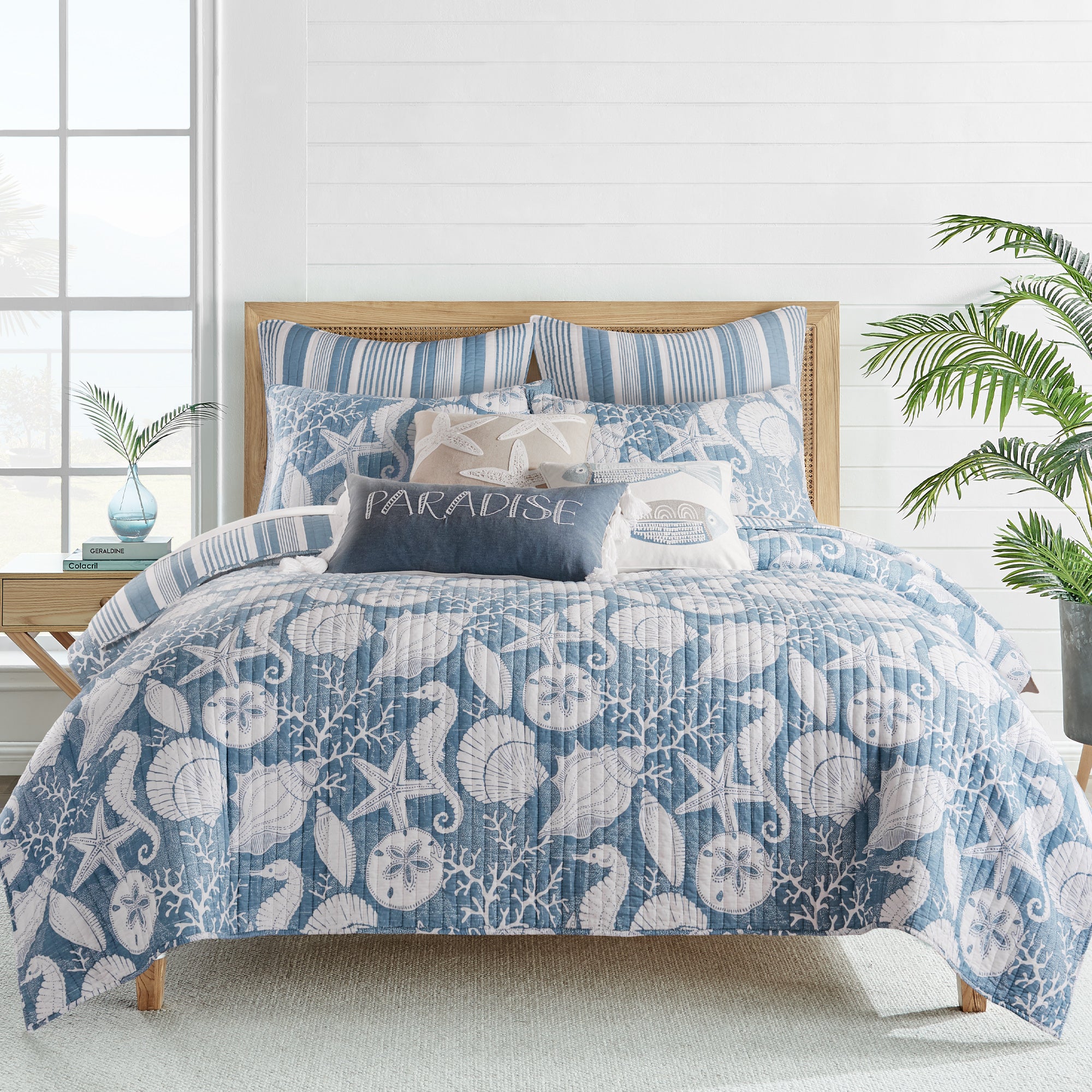
These quilts pair naturally with woven textures, natural wood furniture, linen curtains, and airy décor. They also photograph exceptionally well, making listing images more appealing for Airbnb, vacation rentals, and hospitality marketing. The Levtex Home Ipanema Quilt is a fitting example of this relaxed coastal aesthetic, combining soft blue tones with an inviting design that feels right at home in beach houses and vacation rentals.
Rather than overwhelming the room with bold color, coastal quilts introduce just enough visual interest to keep the bedroom feeling fresh and thoughtfully designed.
Bold or Patterned Quilts for Statement Bedrooms
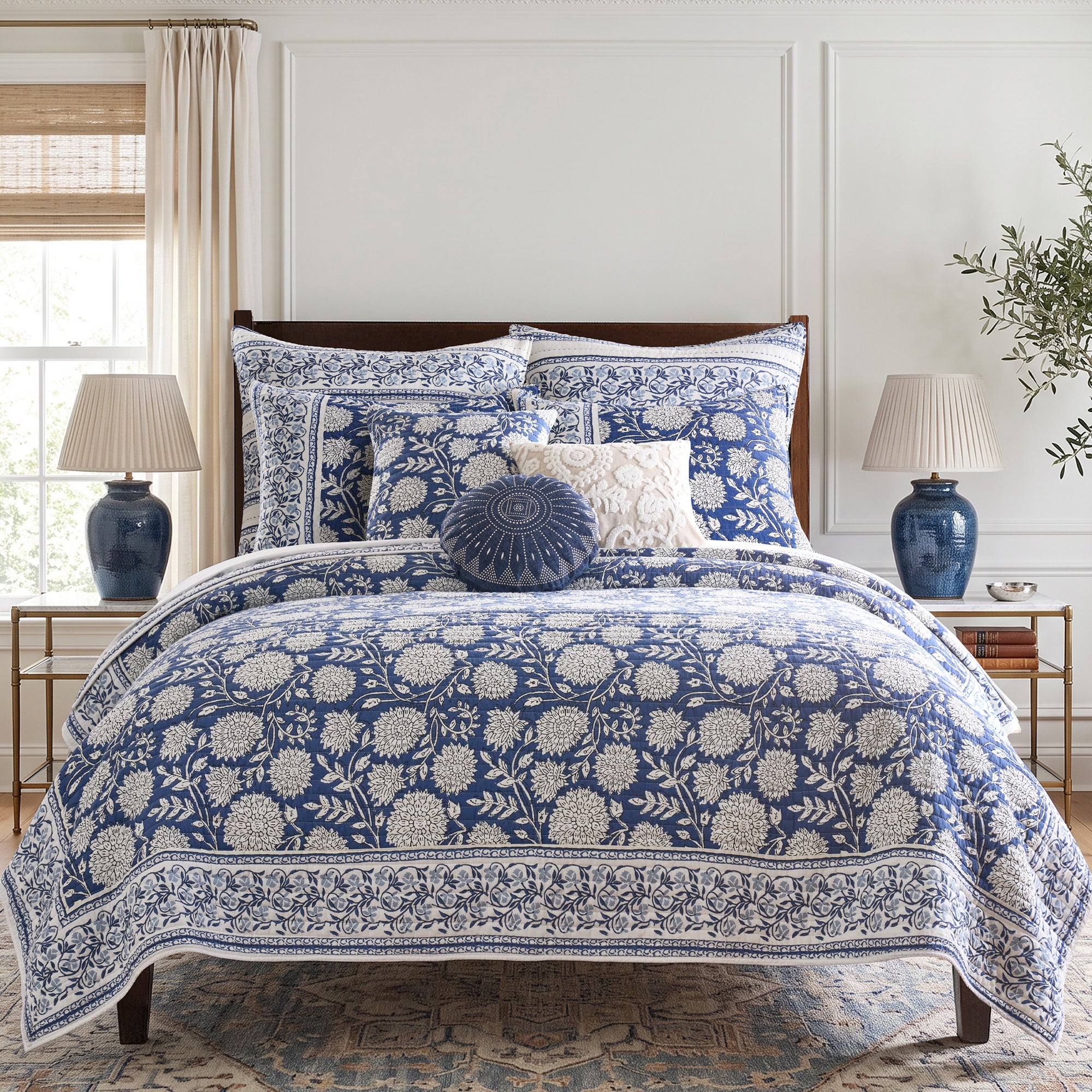
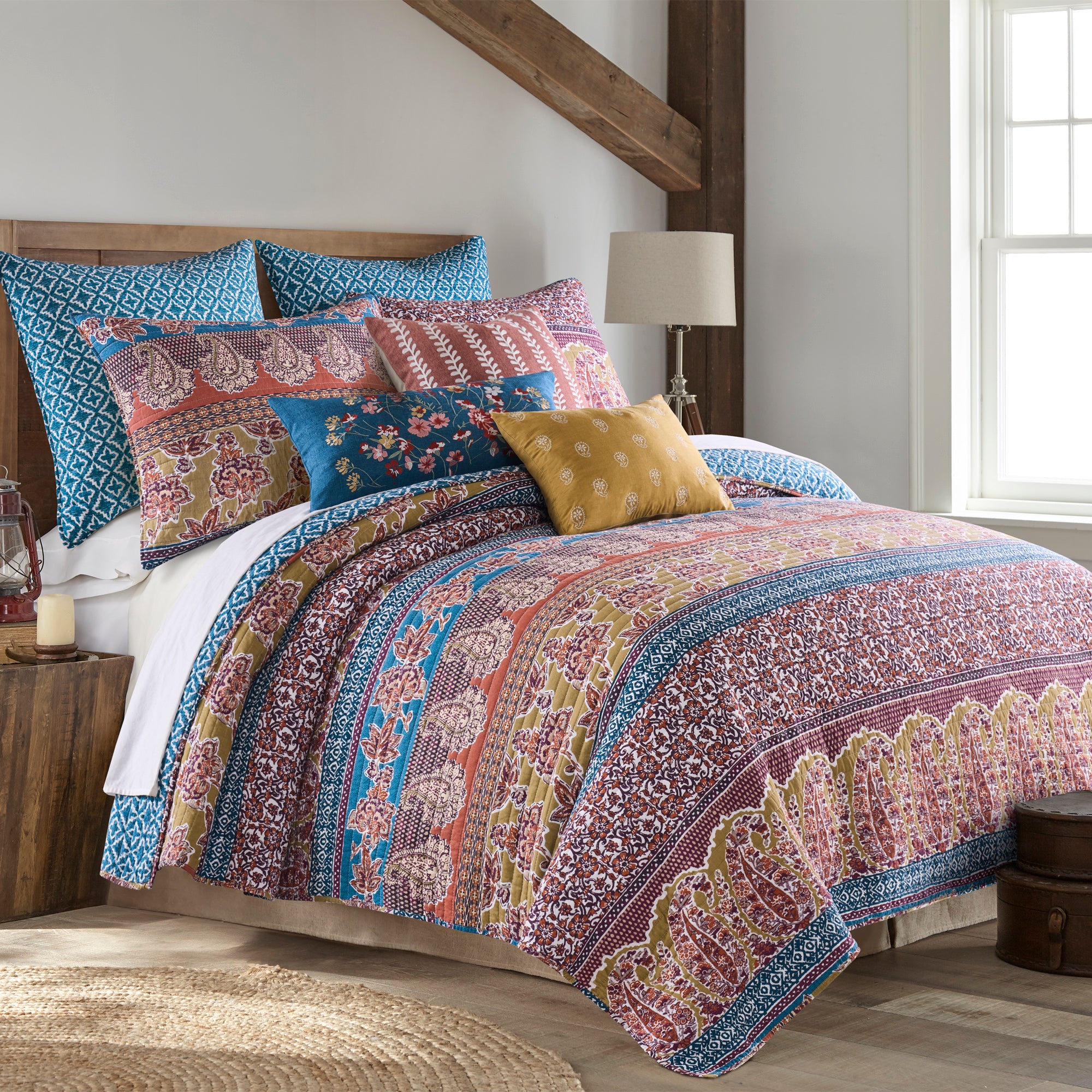
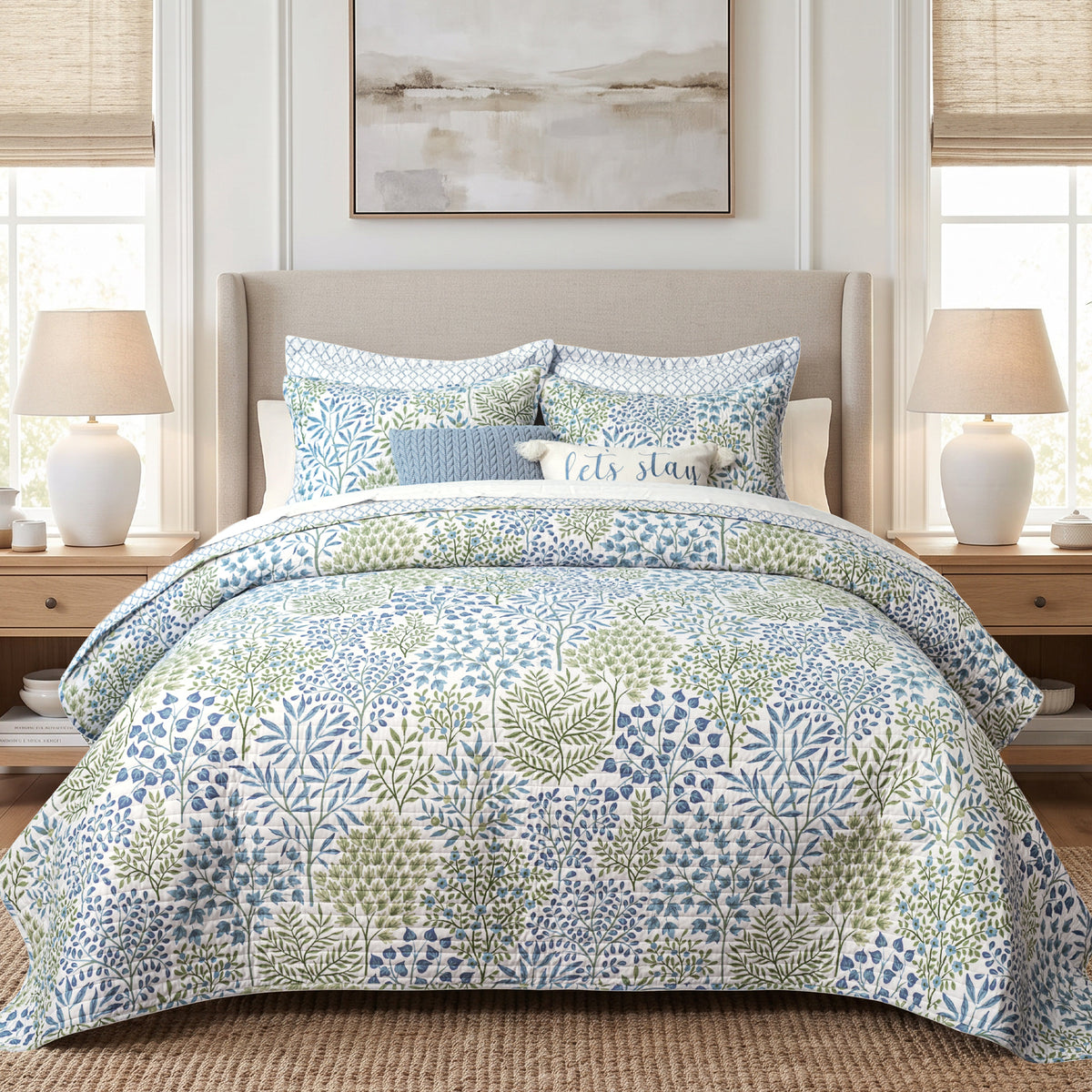
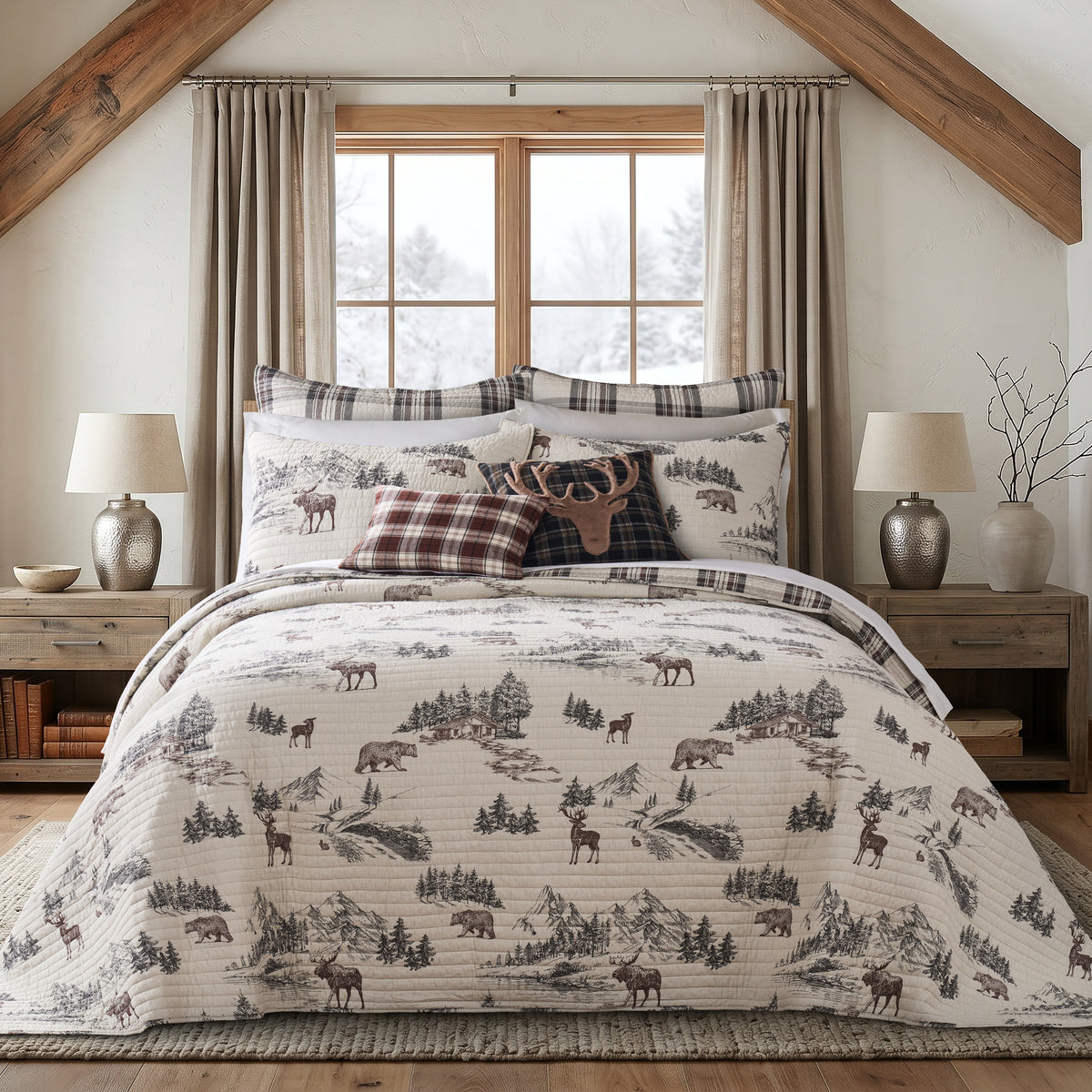
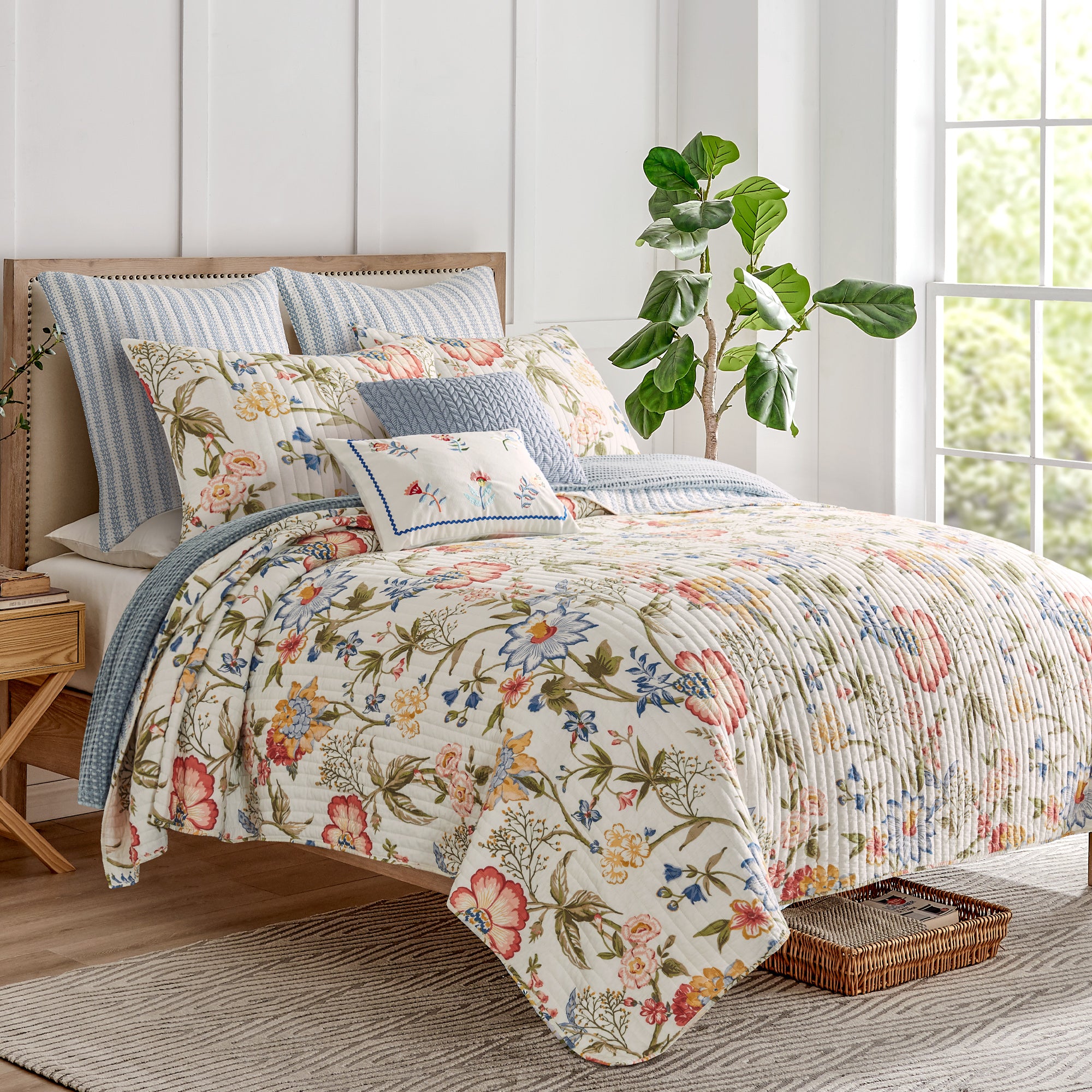
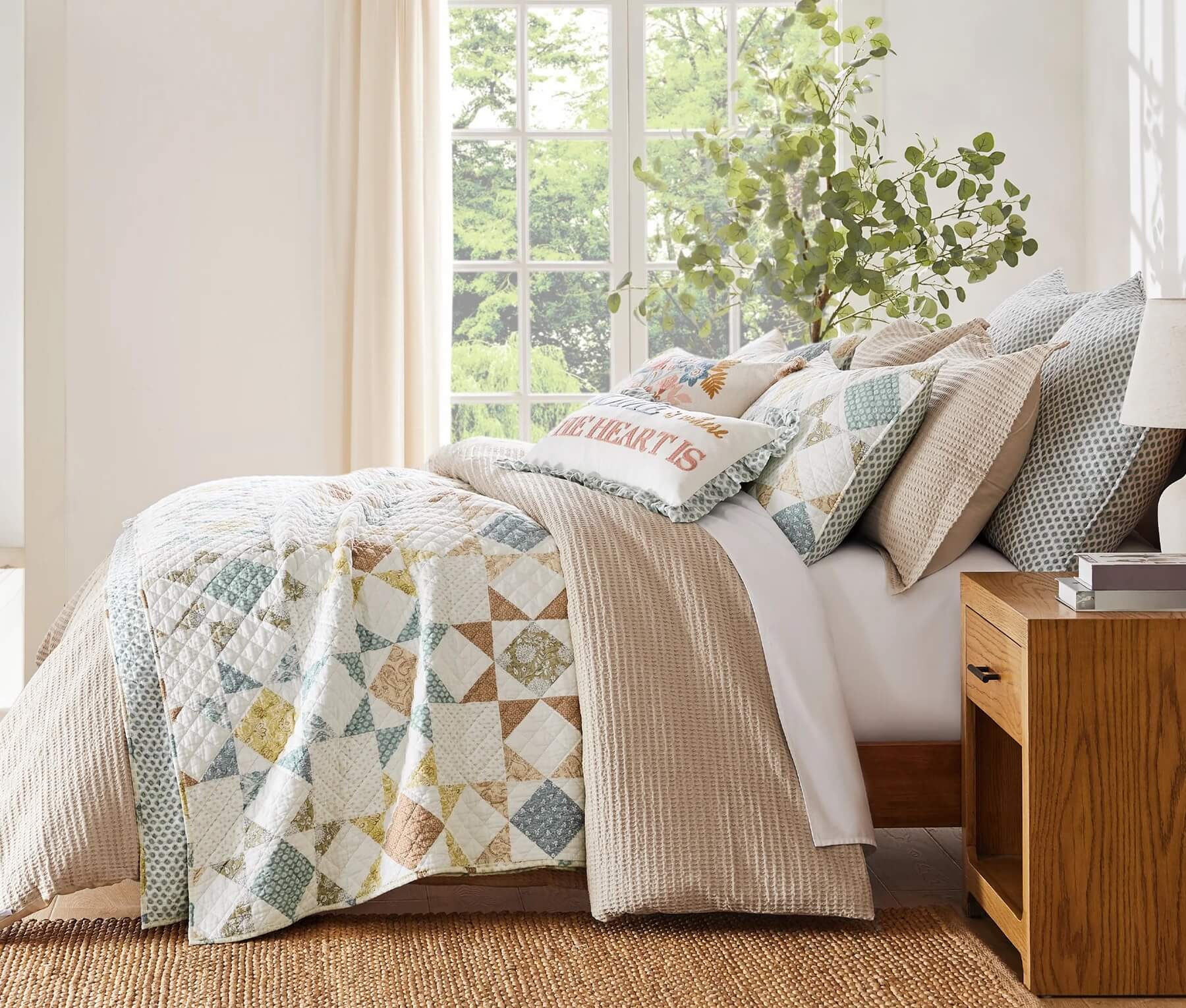
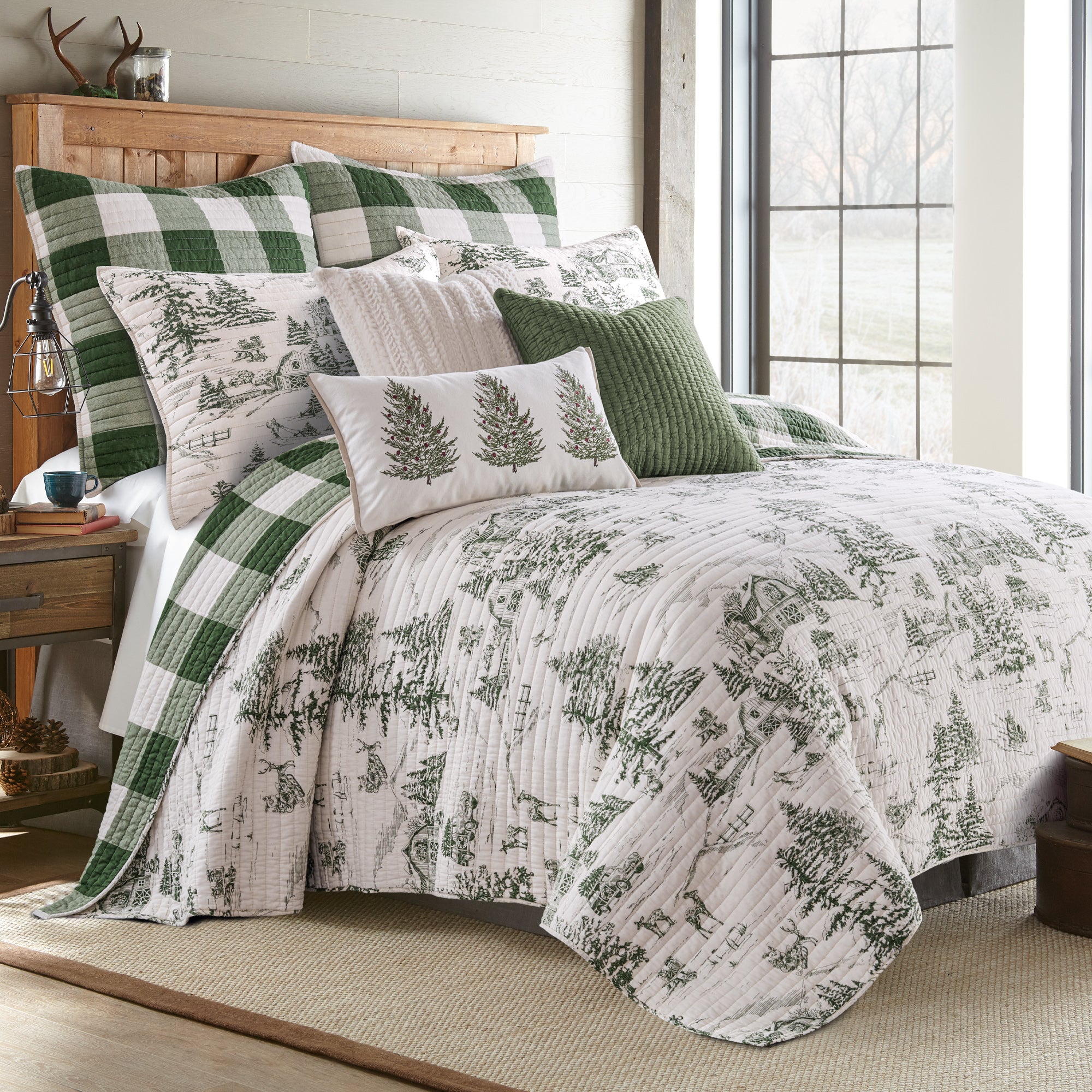
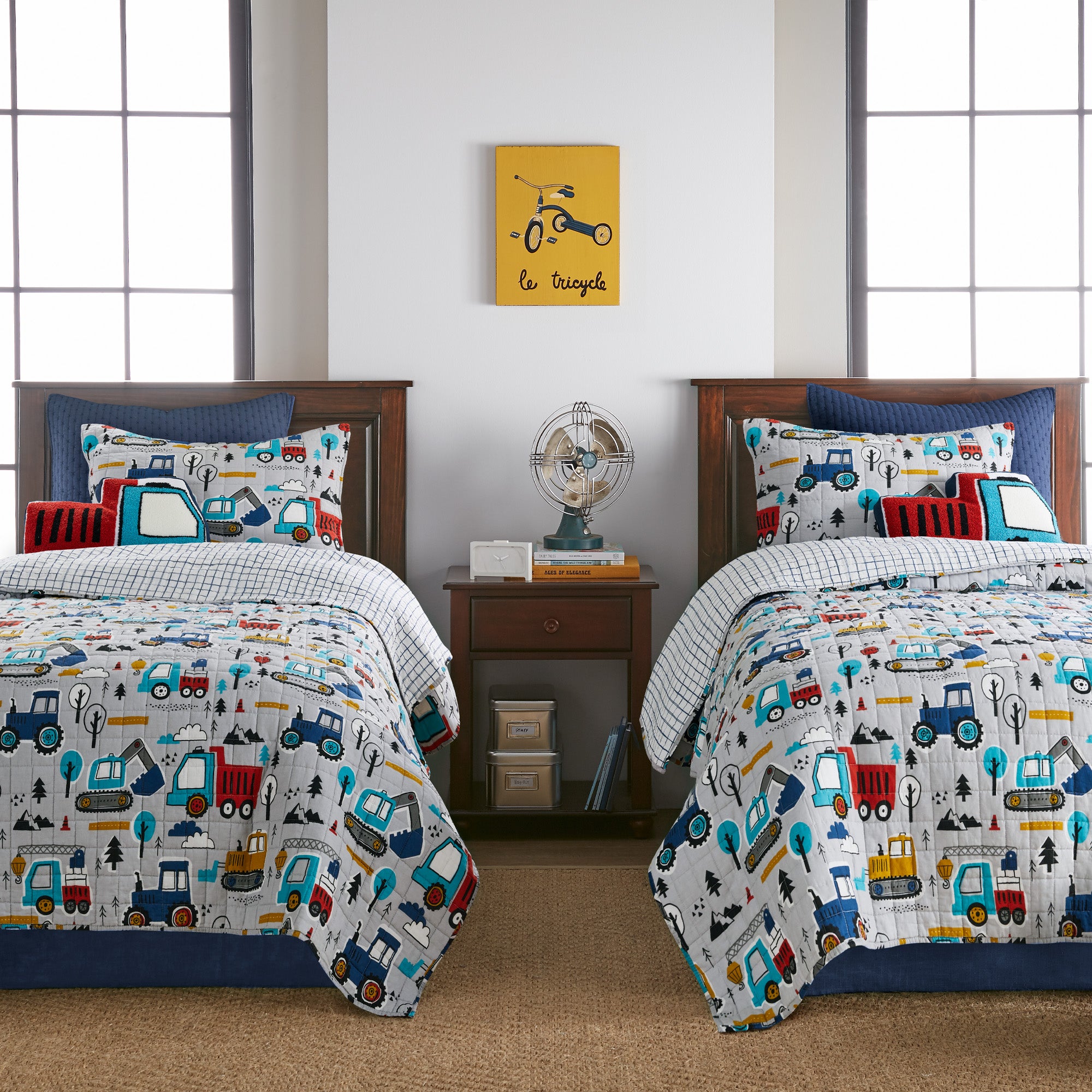
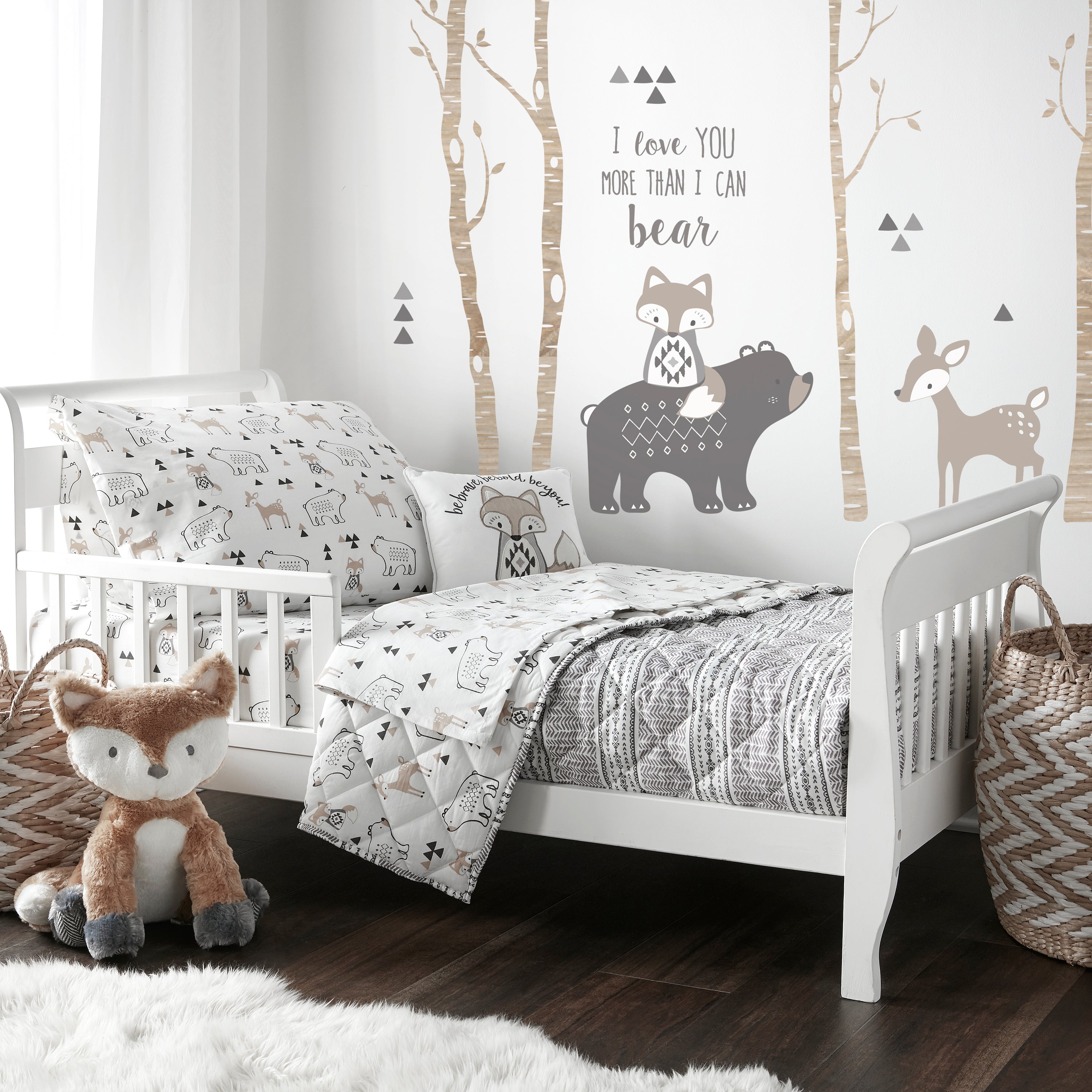
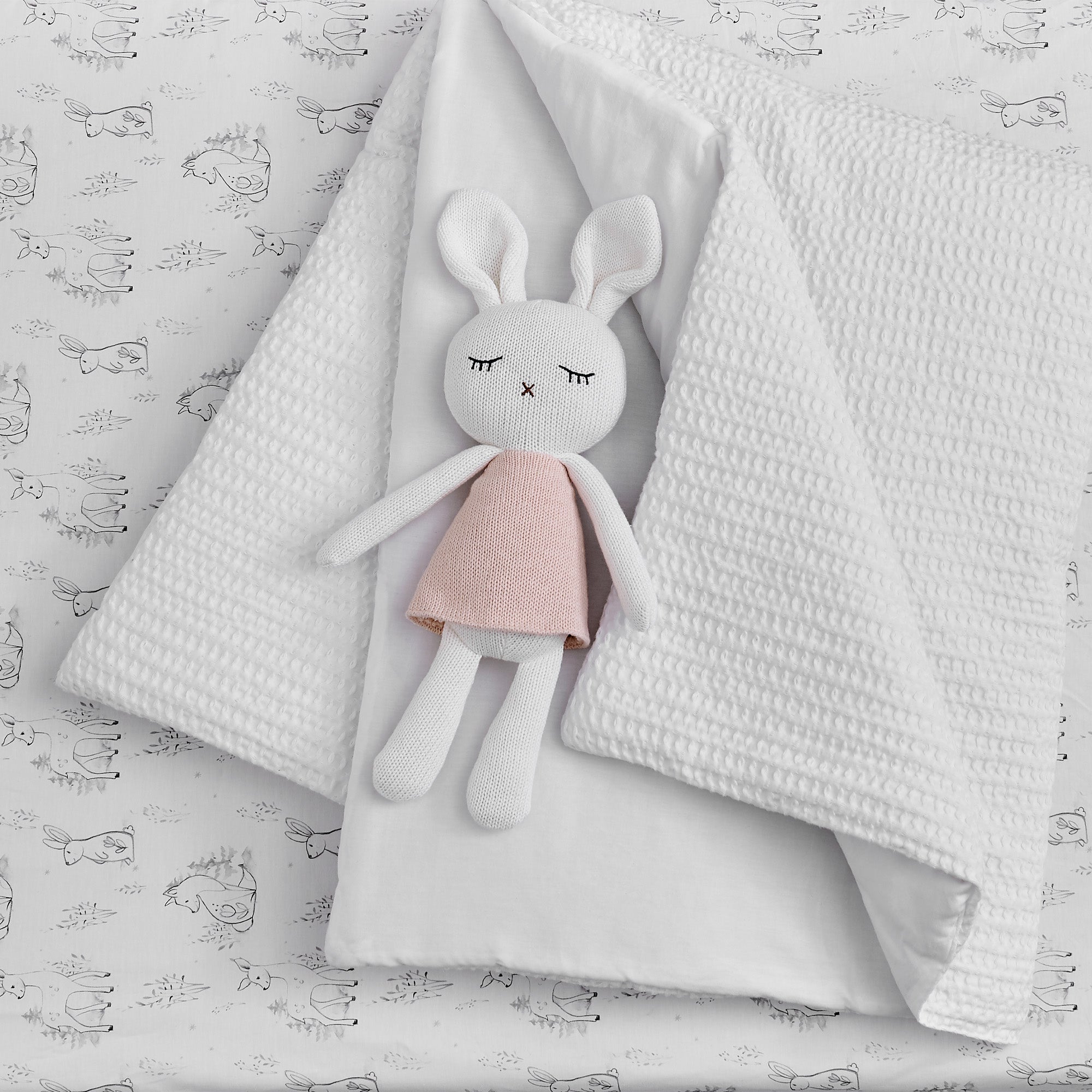
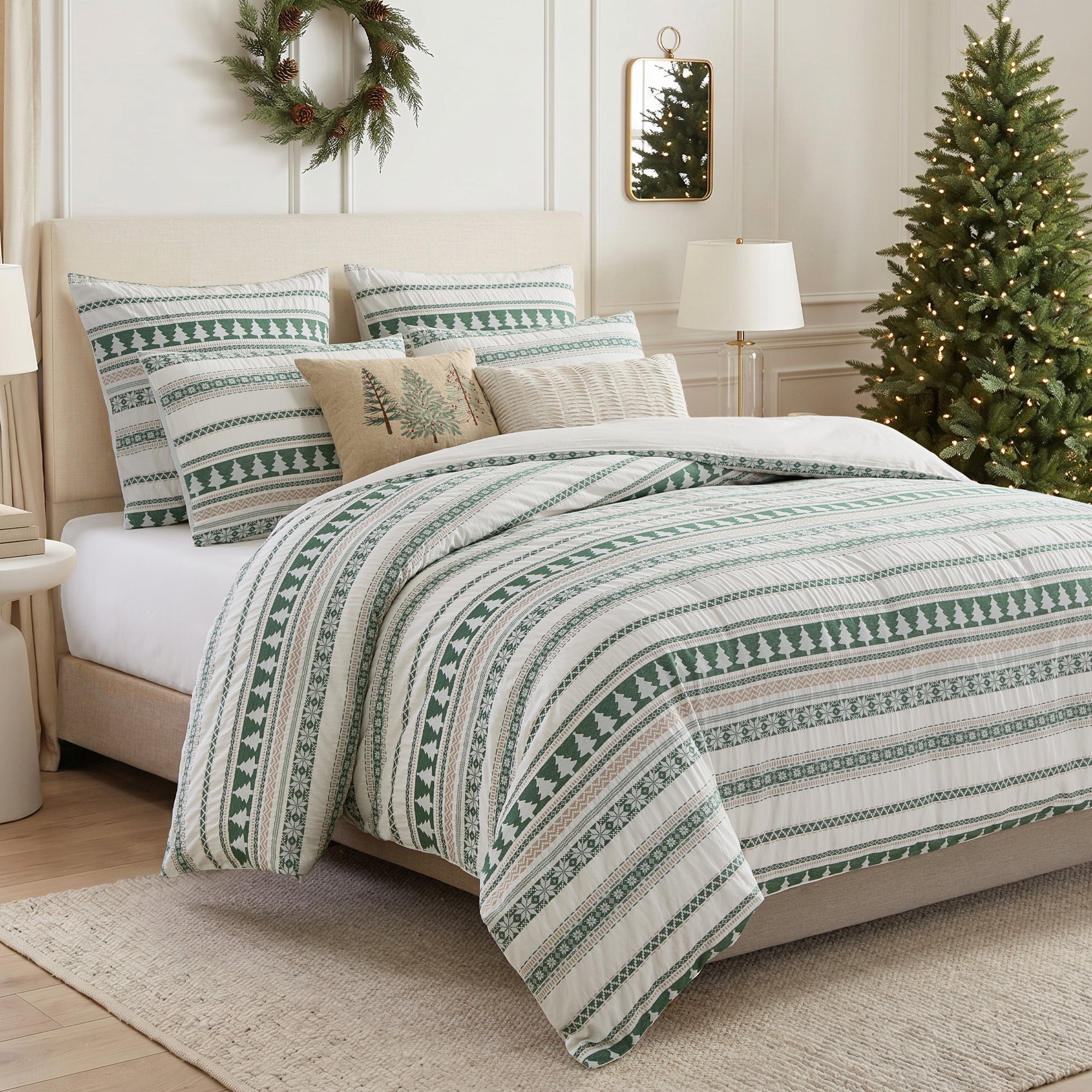
Not every professional project calls for subtle bedding. Boutique hotels, luxury residences, children's rooms, and carefully curated guest bedrooms often benefit from quilts with distinctive patterns or richer colors. Pieces like Levtex Home’s Kirana Quilt Set or the English Forest Quilt can introduce character while still feeling thoughtfully curated within the overall design.
Patterned quilts can become a focal point while still maintaining balance within the overall design. Florals, geometric motifs, traditional patchwork, textured stitching, or modern prints all add personality without requiring extensive decorative accessories.
To keep the room feeling cohesive, designers often repeat colors from the quilt in artwork, pillows, rugs, or decorative accents throughout the space. This creates visual harmony while allowing the bedding to anchor the room's overall color palette.
Classic Quilts for Timeless Interiors
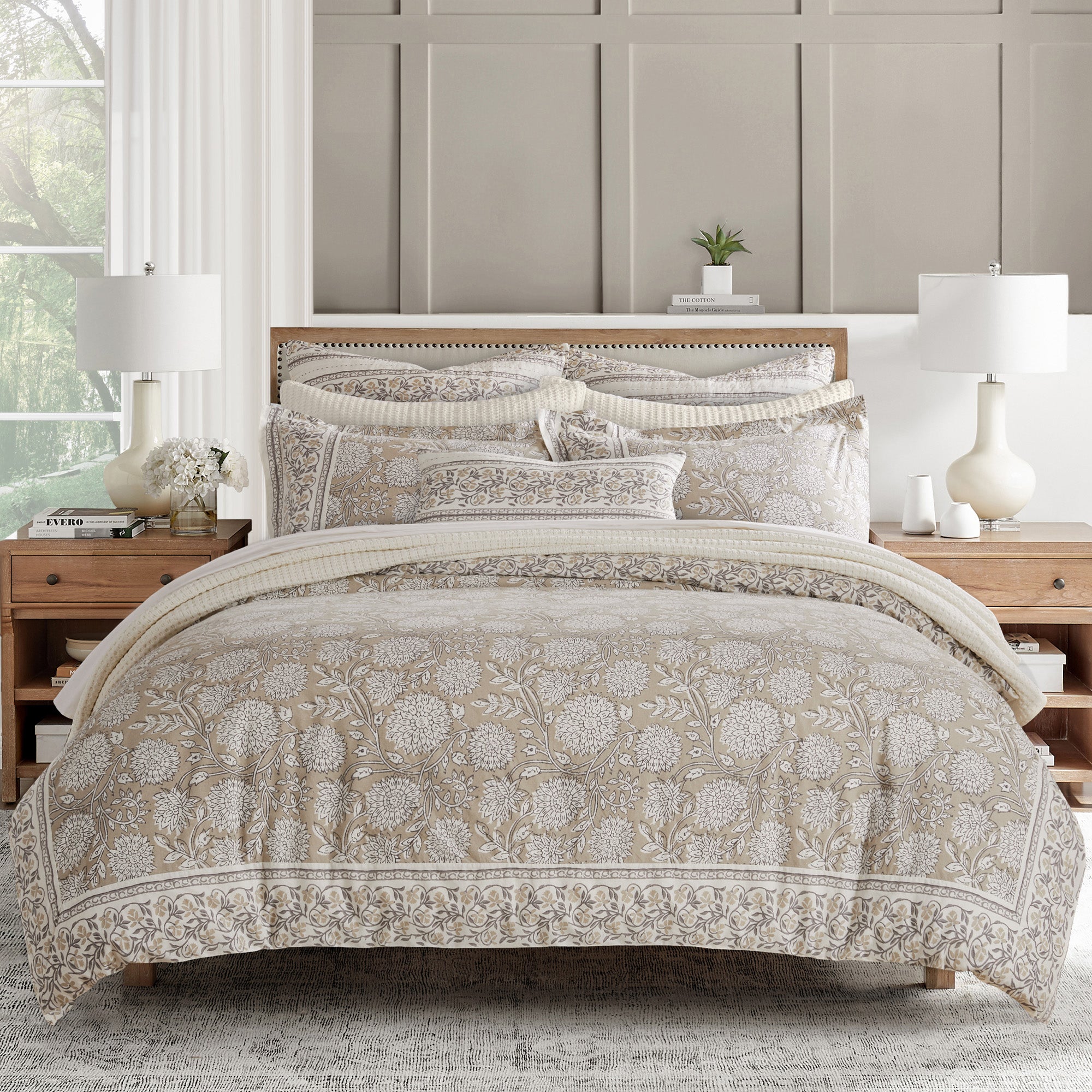
Classic quilts continue to be a favorite among designers because they rarely go out of style. Traditional stitching patterns, understated textures, and subtle designs create bedrooms that feel sophisticated today and remain relevant for years to come. The reversible Levtex Home Ophelia Quilt Set is a great example, offering classic styling with added versatility for designers who want multiple looks from a single bedding piece.
Classic quilts work particularly well in:
- Transitional interiors
- Traditional homes
- European-inspired bedrooms
- Farmhouse spaces
- Guest rooms
- Luxury residential projects
Their versatility also makes them an excellent investment for designers who frequently work across multiple project styles. Rather than purchasing trend-driven bedding for every installation, classic quilts provide a dependable foundation that can be refreshed through accessories and seasonal styling.

How to Choose the Right Quilt for Your Project
Selecting the right quilt involves more than choosing an attractive pattern. Professional designers consider how each quilt will function within the space, complement the surrounding décor, and support the client's long-term needs.
Start by considering the type of property. A luxury primary residence may benefit from layered bedding and textured fabrics, while an Airbnb or vacation rental may prioritize durability and easy care. Staged homes often require neutral quilts that appeal to the broadest audience, whereas boutique hospitality projects may embrace more distinctive colors or patterns.
Next, evaluate the room's existing color palette. A quilt should complement surrounding finishes rather than compete with them. Consider flooring, rugs, paint colors, furniture finishes, window treatments, and decorative accessories before making a final selection.
Lighting also plays an important role. Natural light can make whites appear brighter and cooler, while artificial lighting often warms neutral tones. Viewing fabric samples within the actual space helps ensure the quilt complements the room throughout the day.
Maintenance should remain part of every design decision. Machine-washable quilts are often the most practical choice for busy households, vacation rentals, guest accommodations, and high-traffic properties because they simplify long-term care while maintaining a polished appearance.
Finally, balance budget with perceived value. Investing in well-made quilts often delivers a stronger visual impact than spending more on decorative accessories alone. A thoughtfully chosen quilt can elevate an entire bedroom while providing years of everyday use.

Frequently Asked Questions
What type of quilts are best for interior designers?
The best quilts for interior designers are durable, versatile, and easy to style. Cotton quilts in neutral colors are especially popular because they work with a variety of design styles and can be layered throughout the year.
Are quilts better than duvets for staging?
Quilts are often preferred for staging because they create a clean, polished look with less bulk. They also add texture and photograph beautifully, helping bedrooms appear more inviting in listing photos.
What materials should designers look for in quilts?
Cotton is a top choice because it's breathable, durable, and easy to care for. Linen quilts are also popular for their relaxed texture and timeless appearance, especially in coastal or transitional spaces.
How many quilts should a designer keep on hand?
Many designers keep several neutral quilts in different sizes for staging and styling. Having a small selection on hand makes it easy to refresh bedrooms across multiple projects.
Can quilts be used in Airbnb or rental properties?
Yes. Quilts are a practical choice for Airbnb and rental properties because they're lightweight, easy to wash, and durable enough to handle frequent guest turnover.
What colors work best for professional projects?
Neutral colors like white, ivory, beige, taupe, and light gray are the most versatile. Soft blues and subtle patterns are also popular for creating inviting, timeless bedrooms.
References
1. Want to know how to style a quilt to make your bed look more luxurious? Shea McGee has two simple methods,
Homes & Gardens
3. How To Decorate With Your Favorite Vintage Quilt (Without Dating Your Home),
Elle Decor