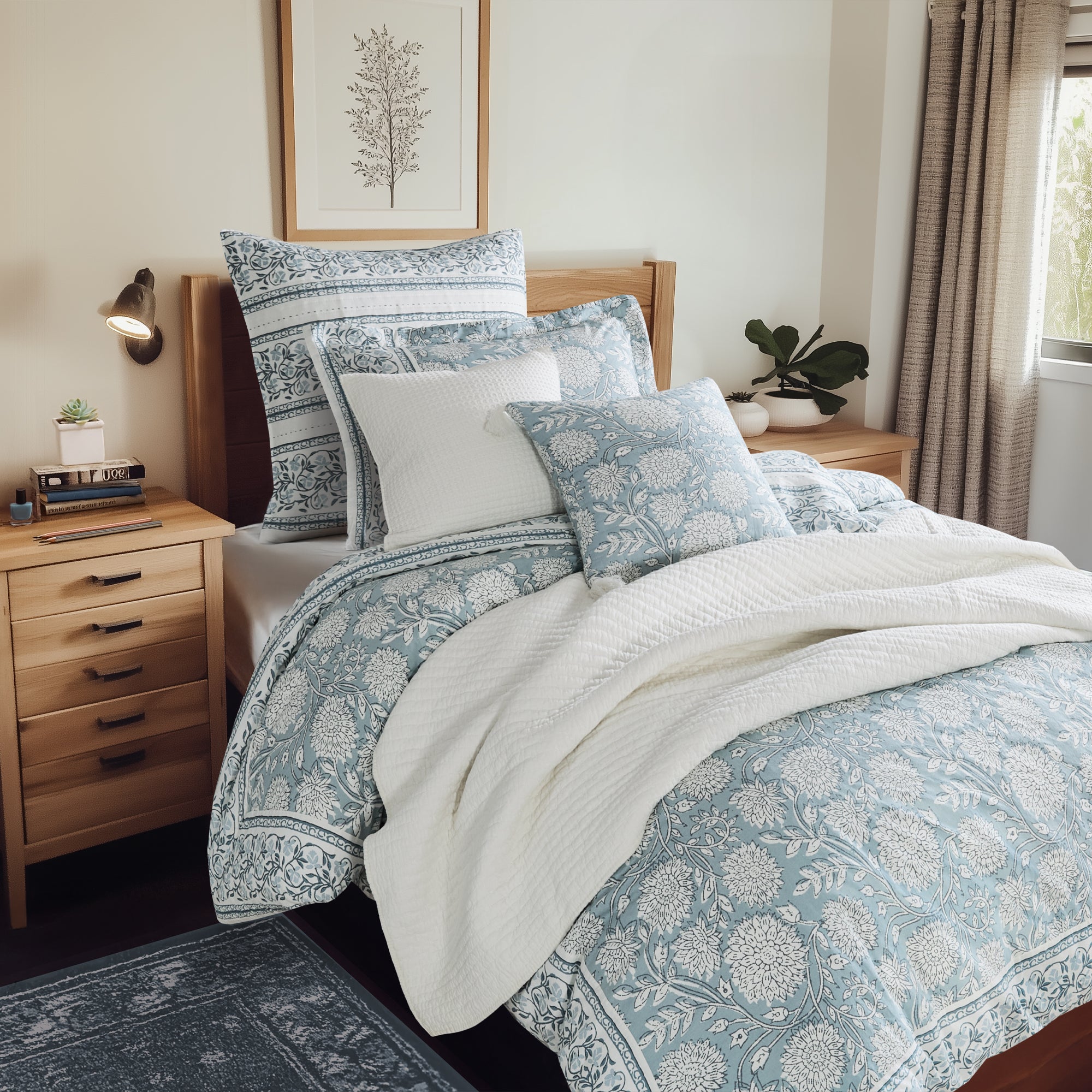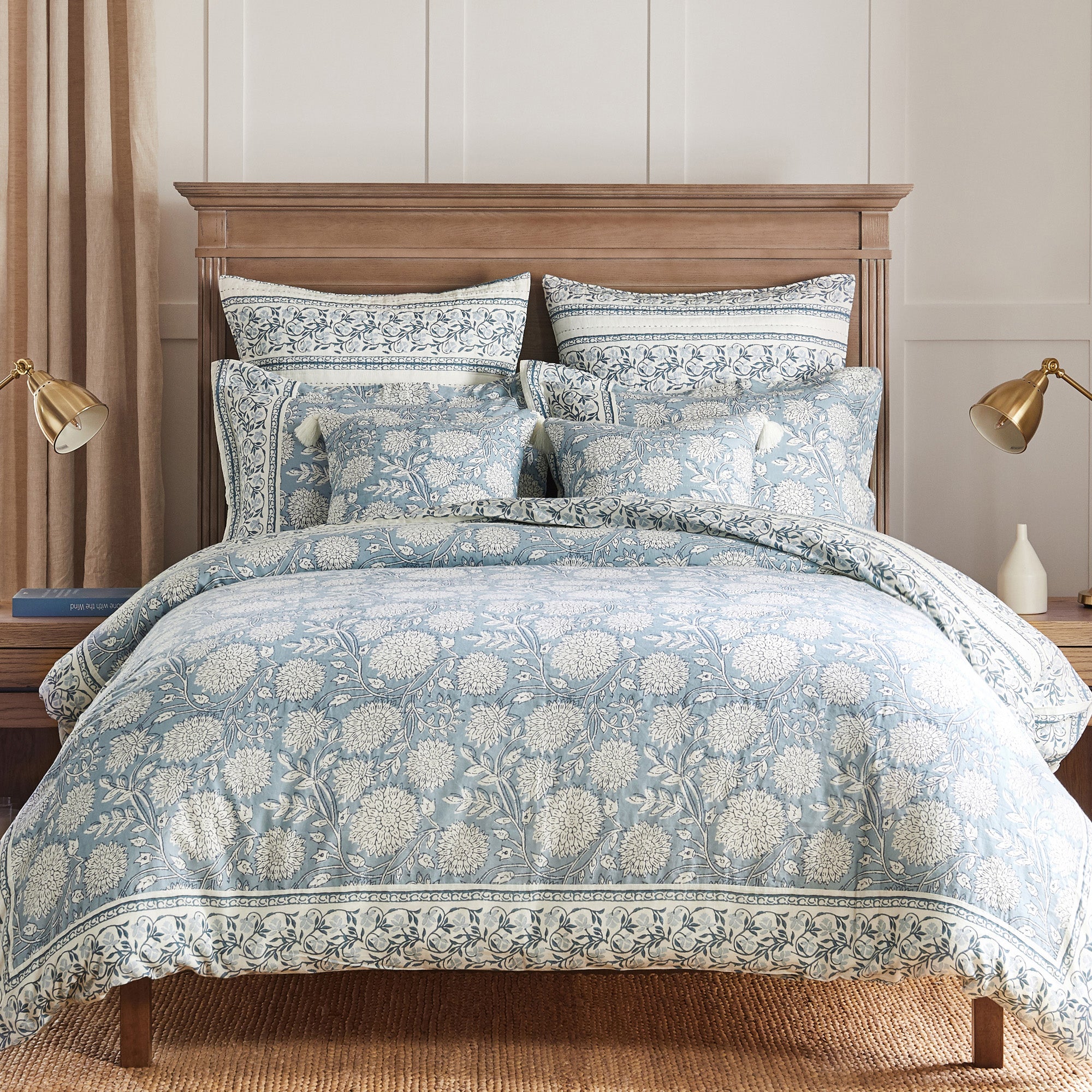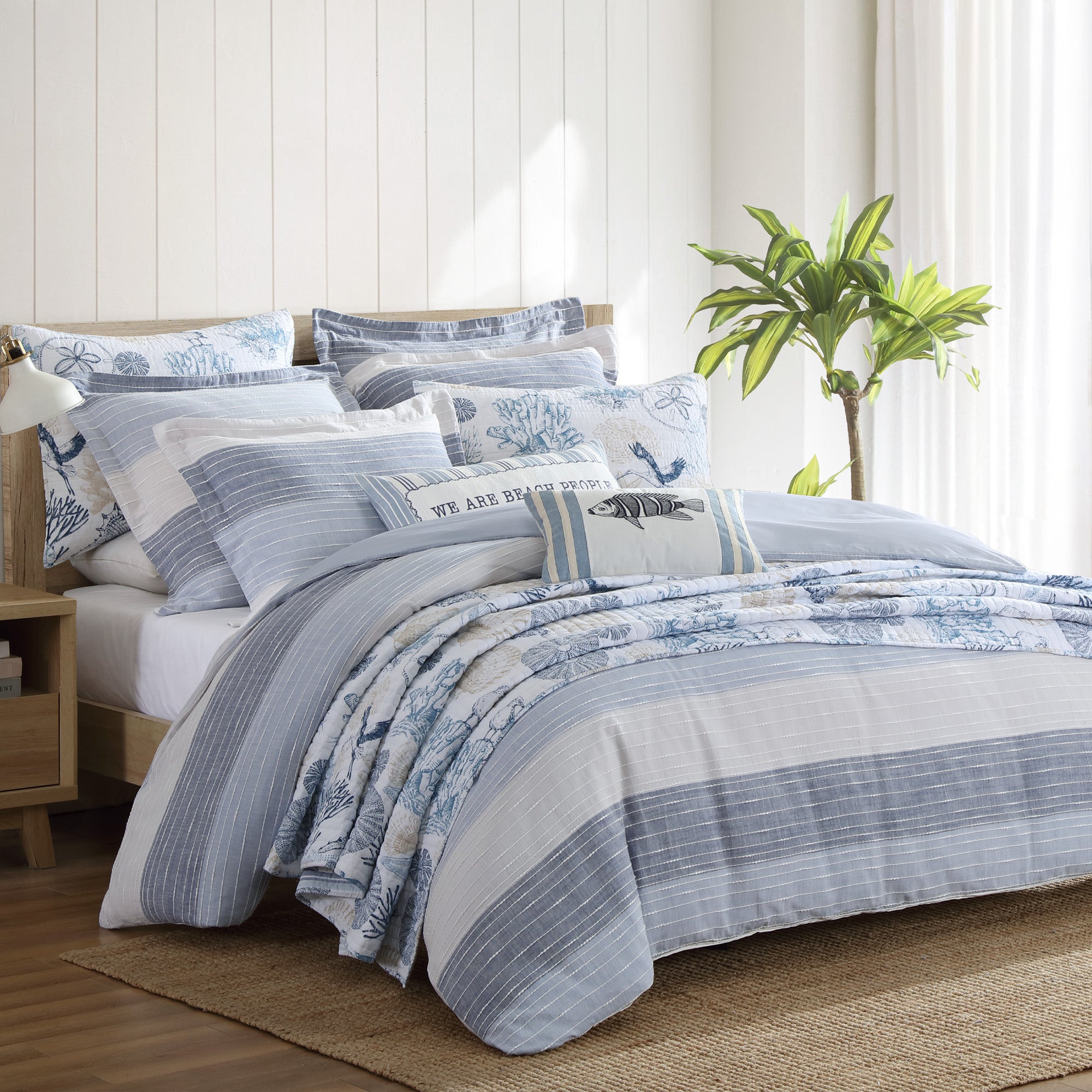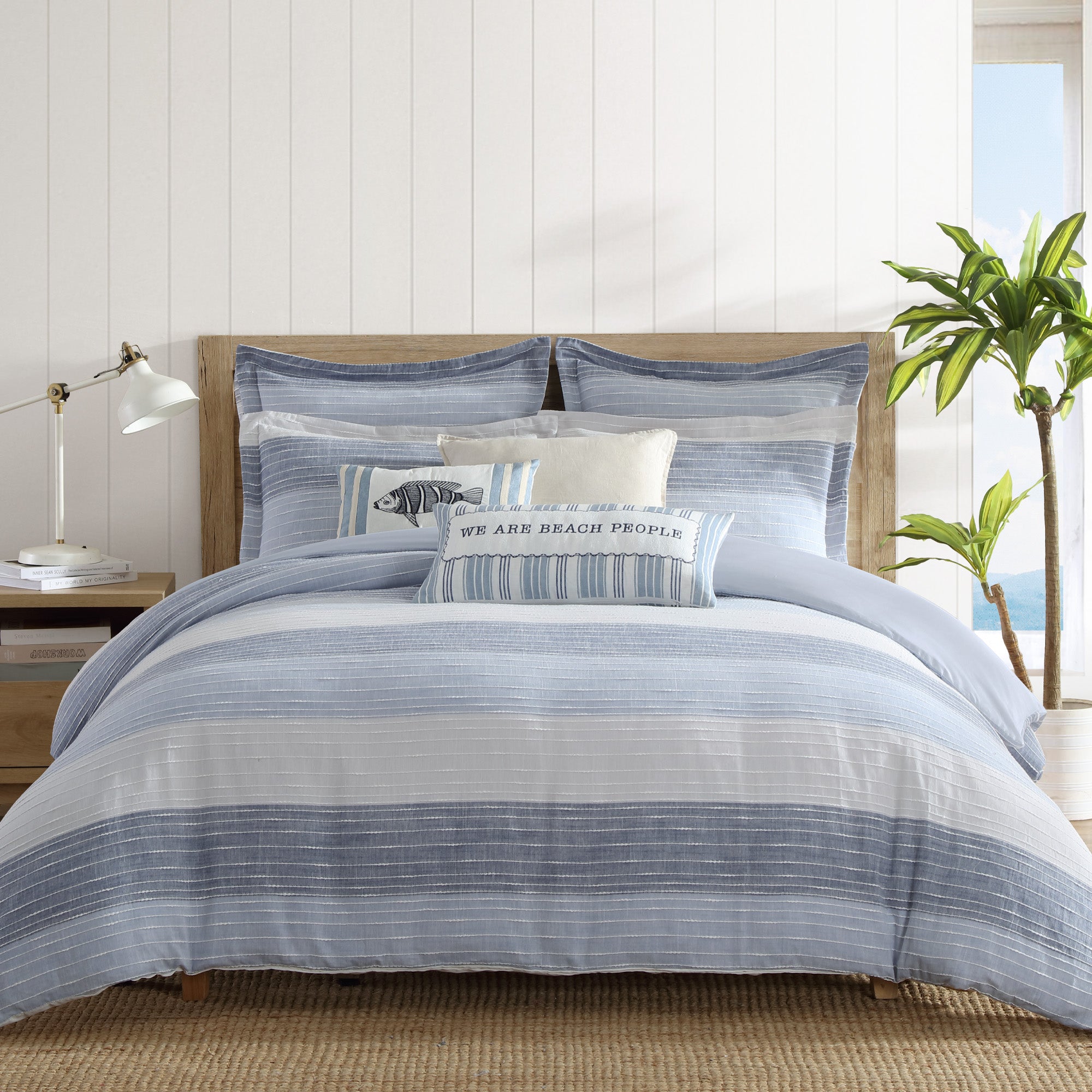
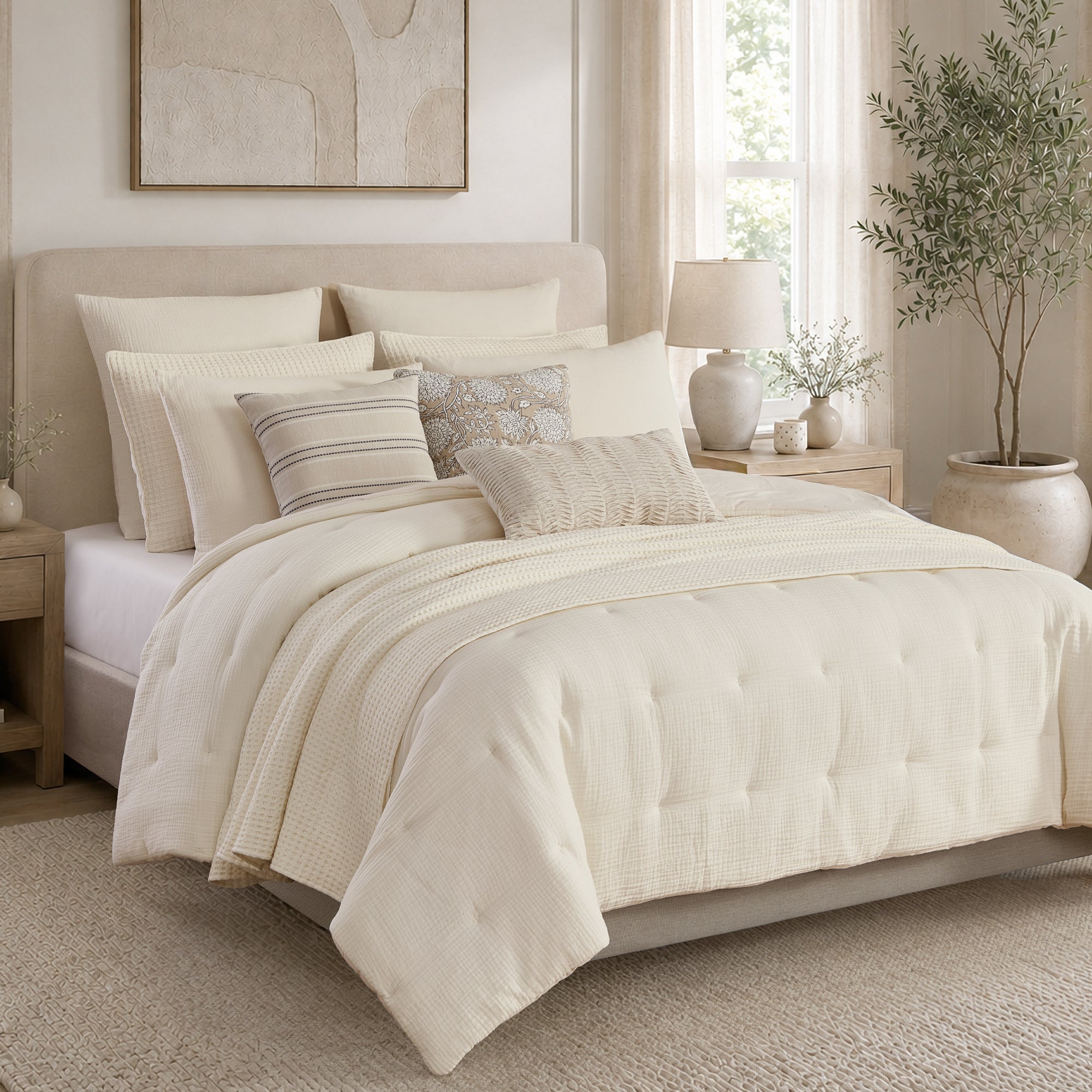
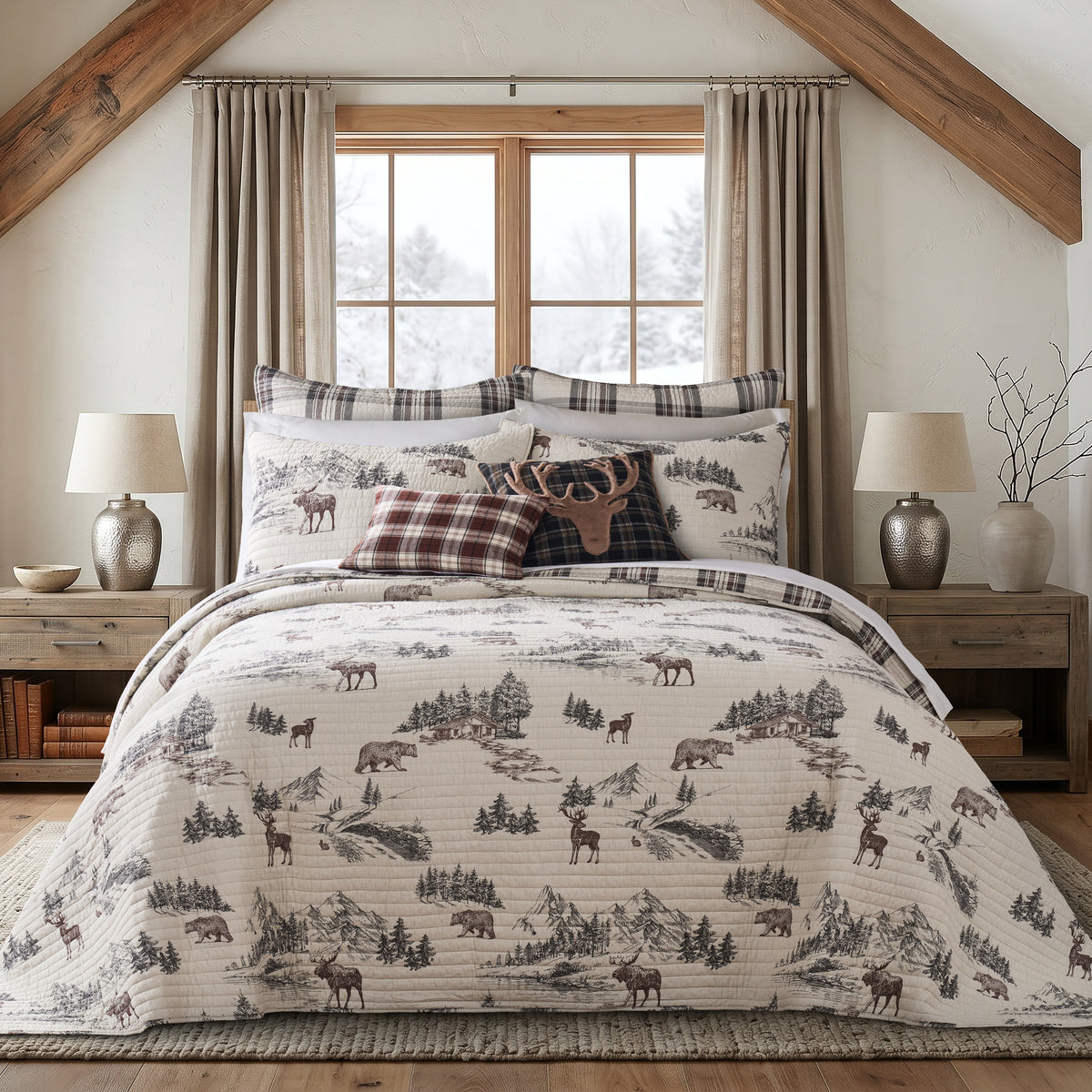
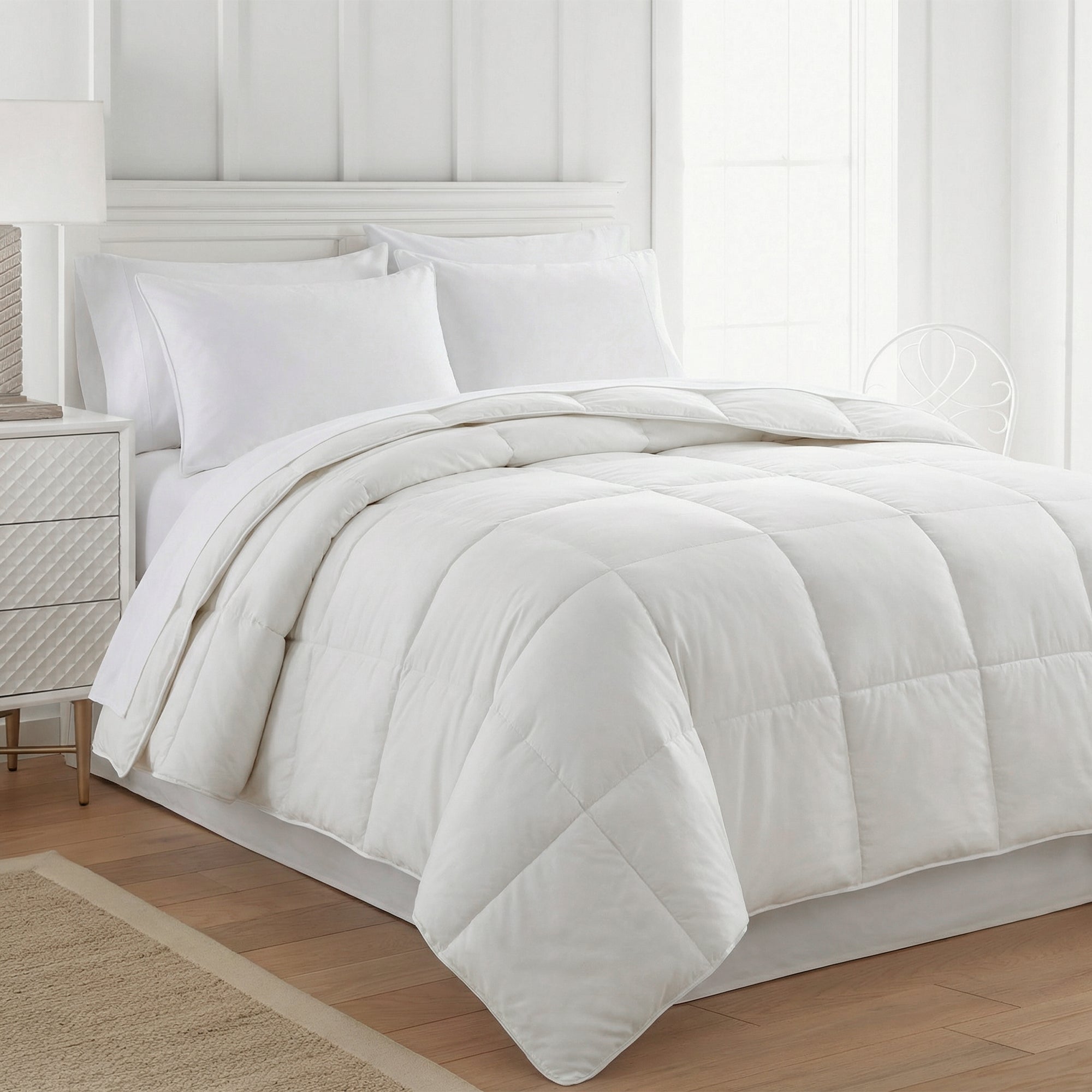
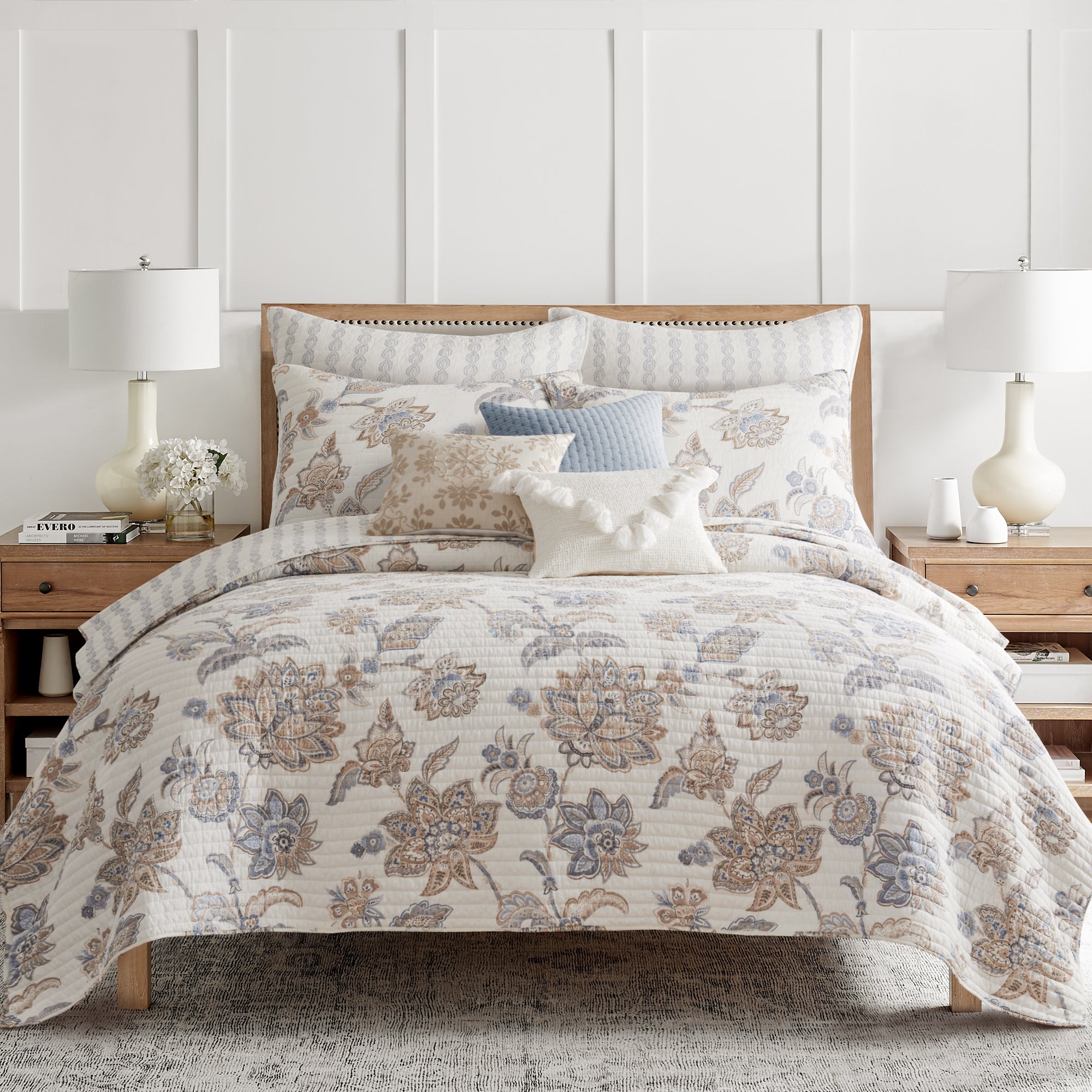
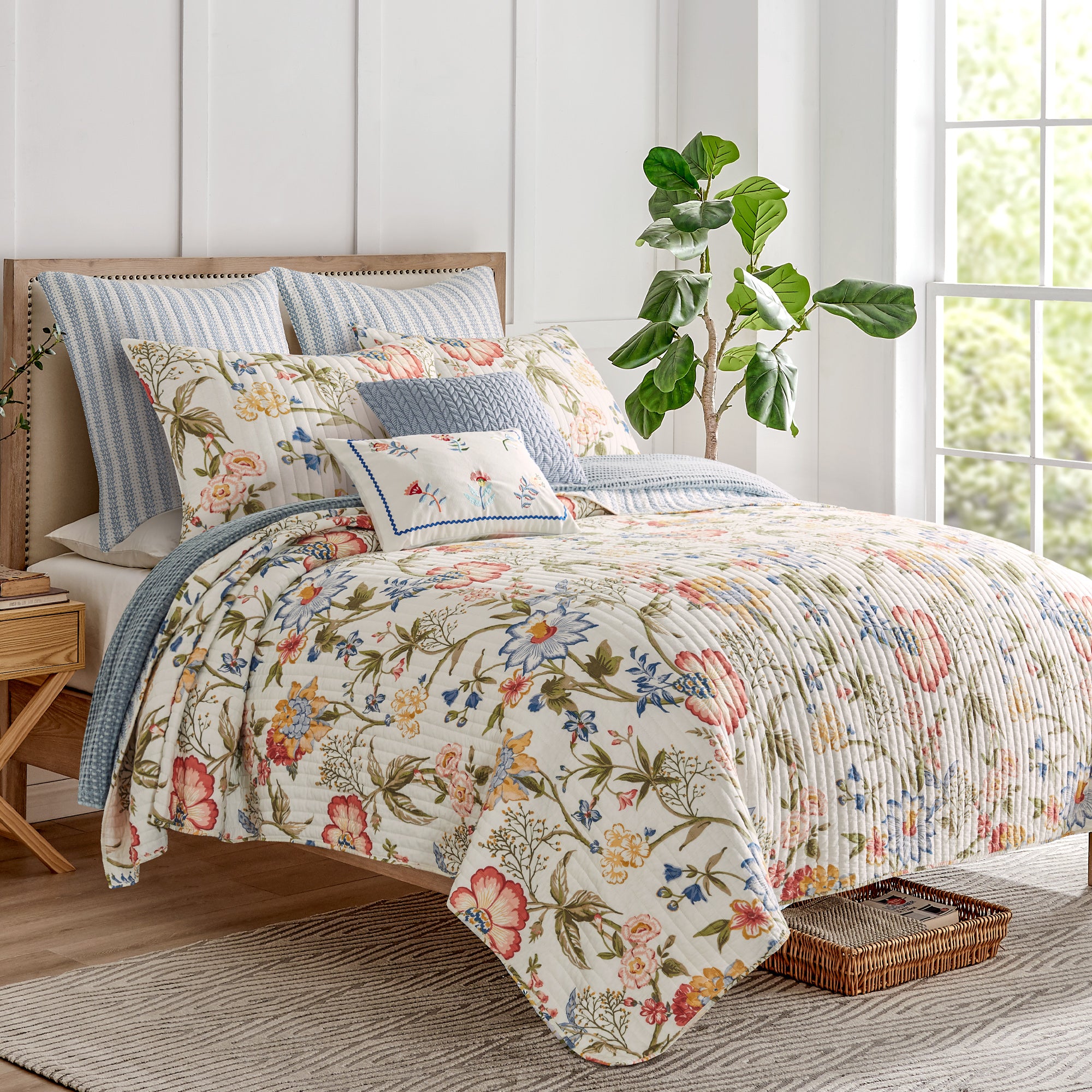
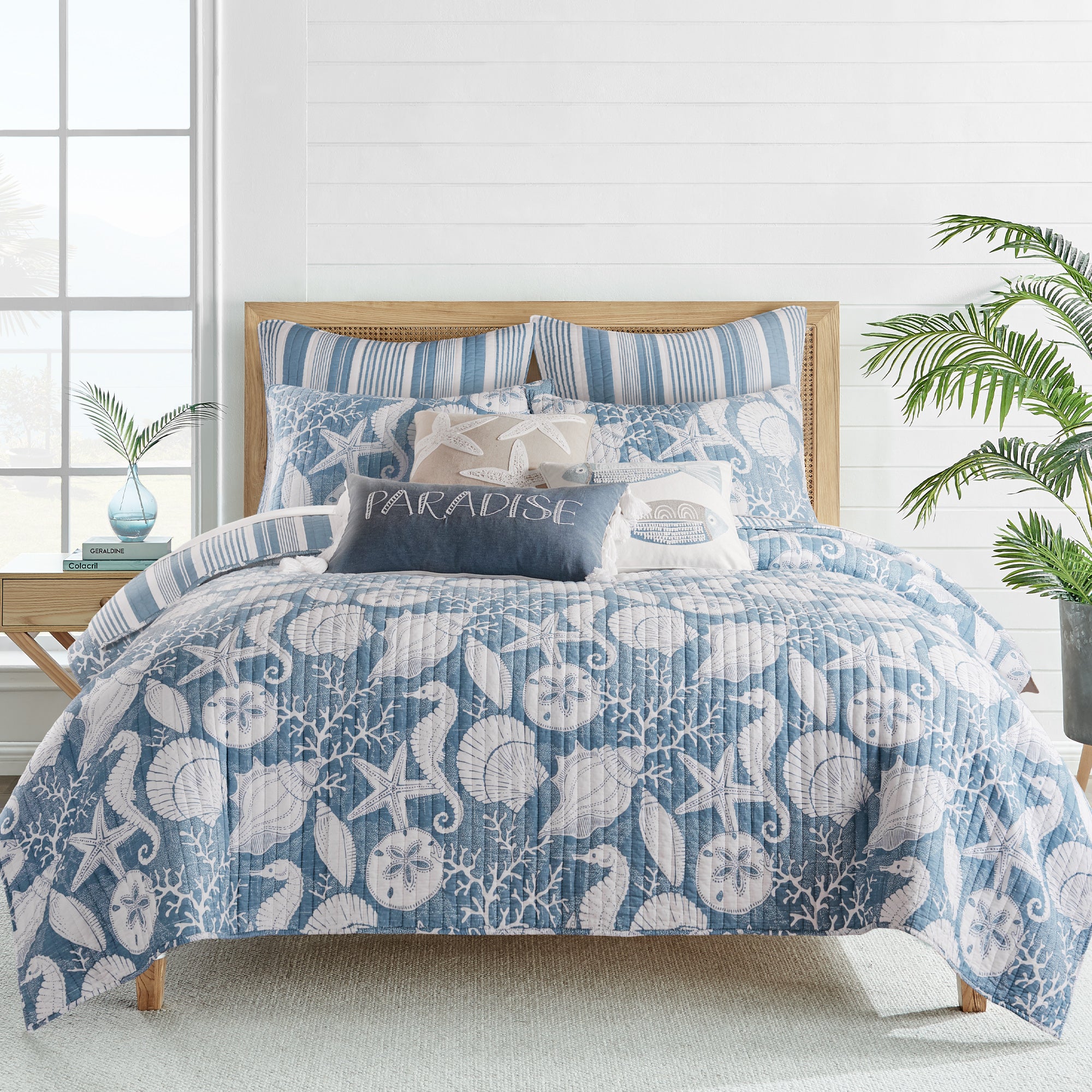
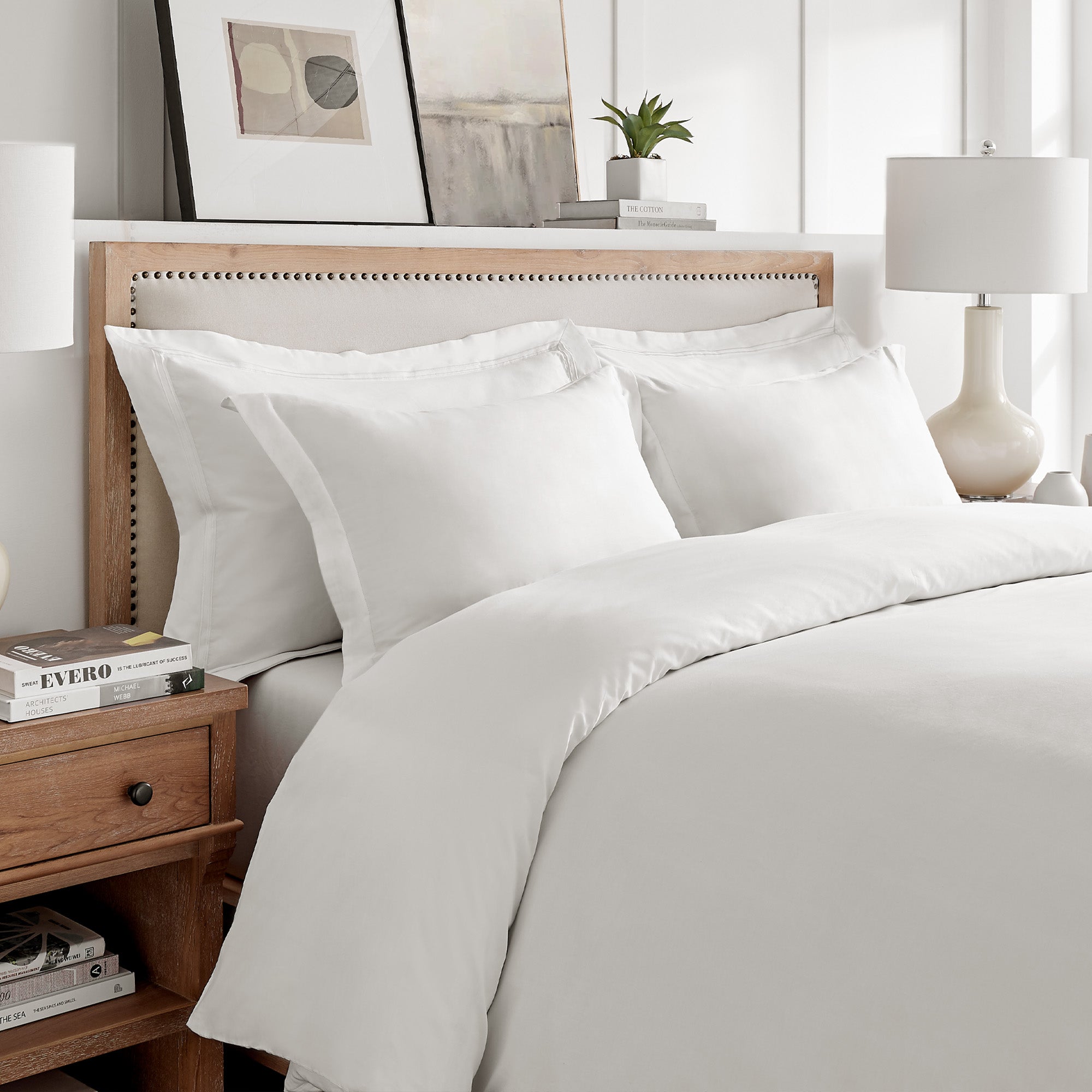
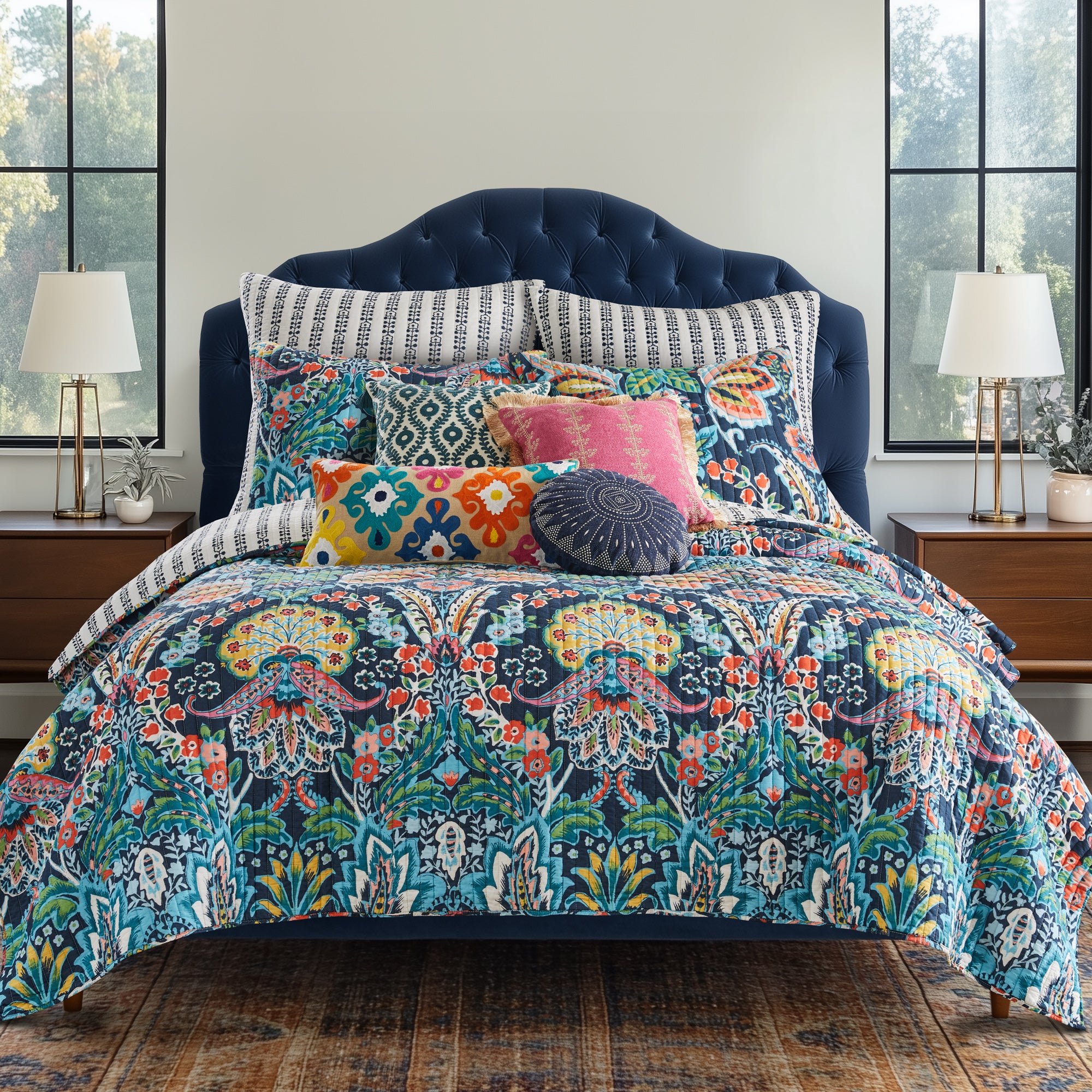
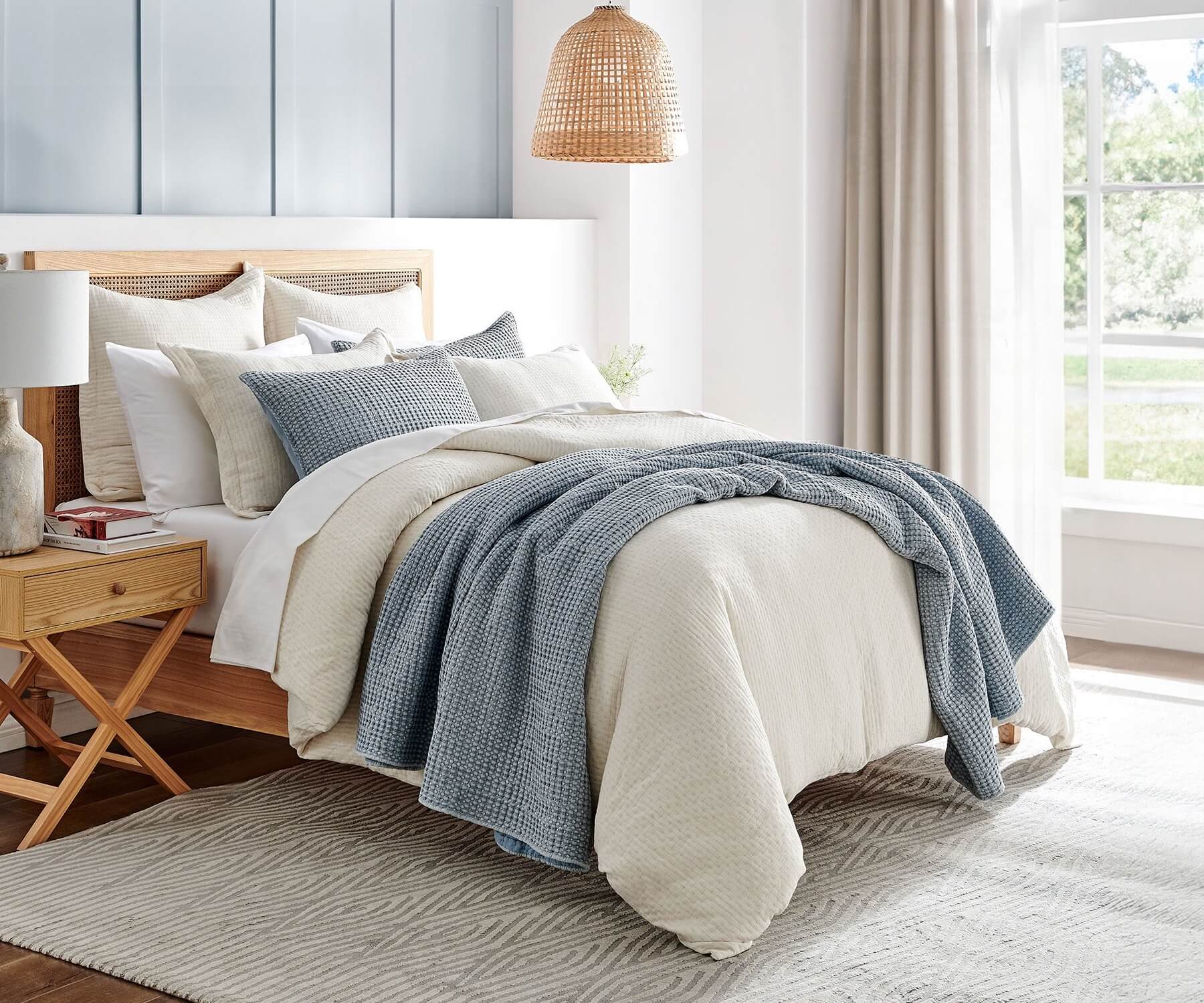
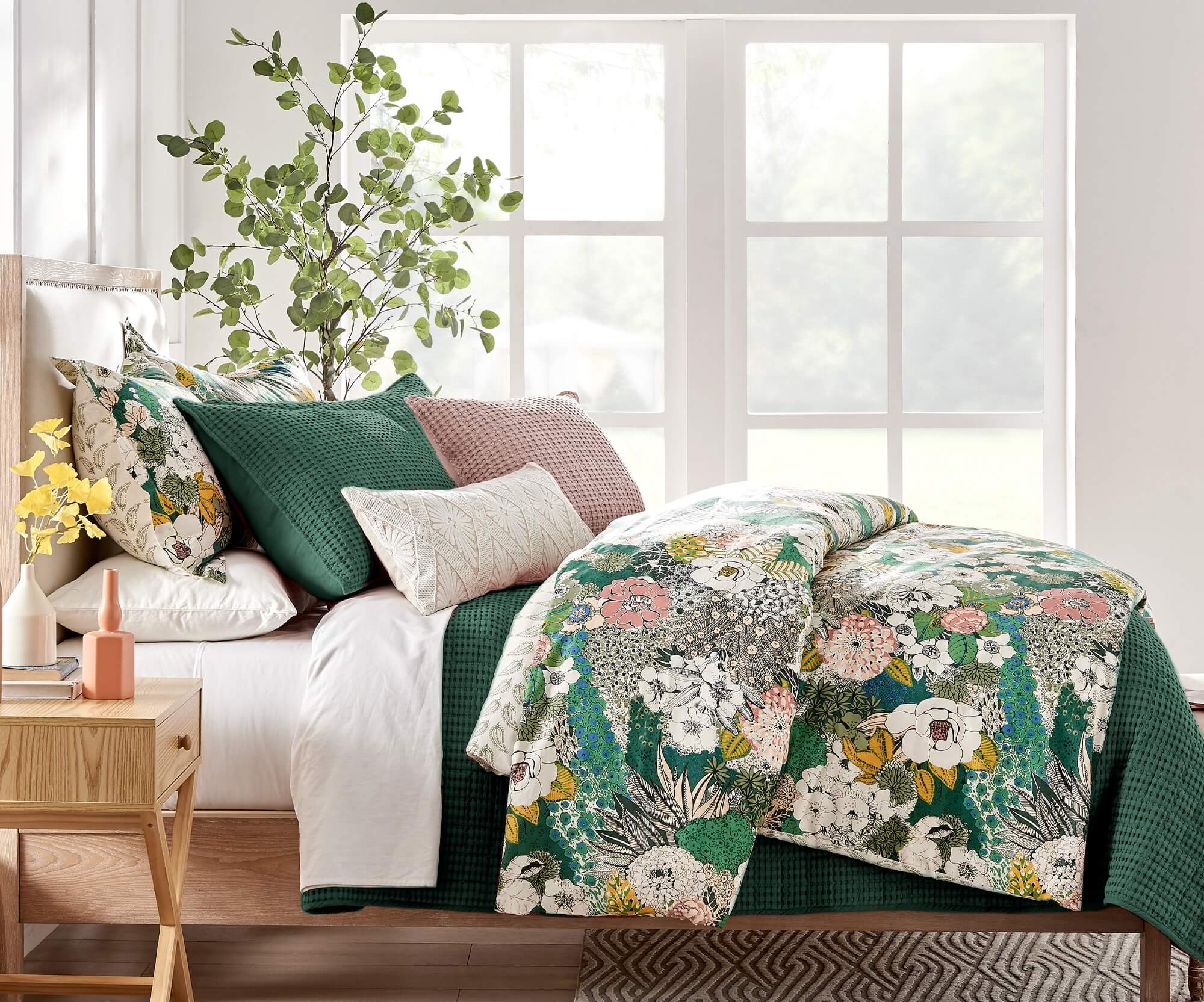
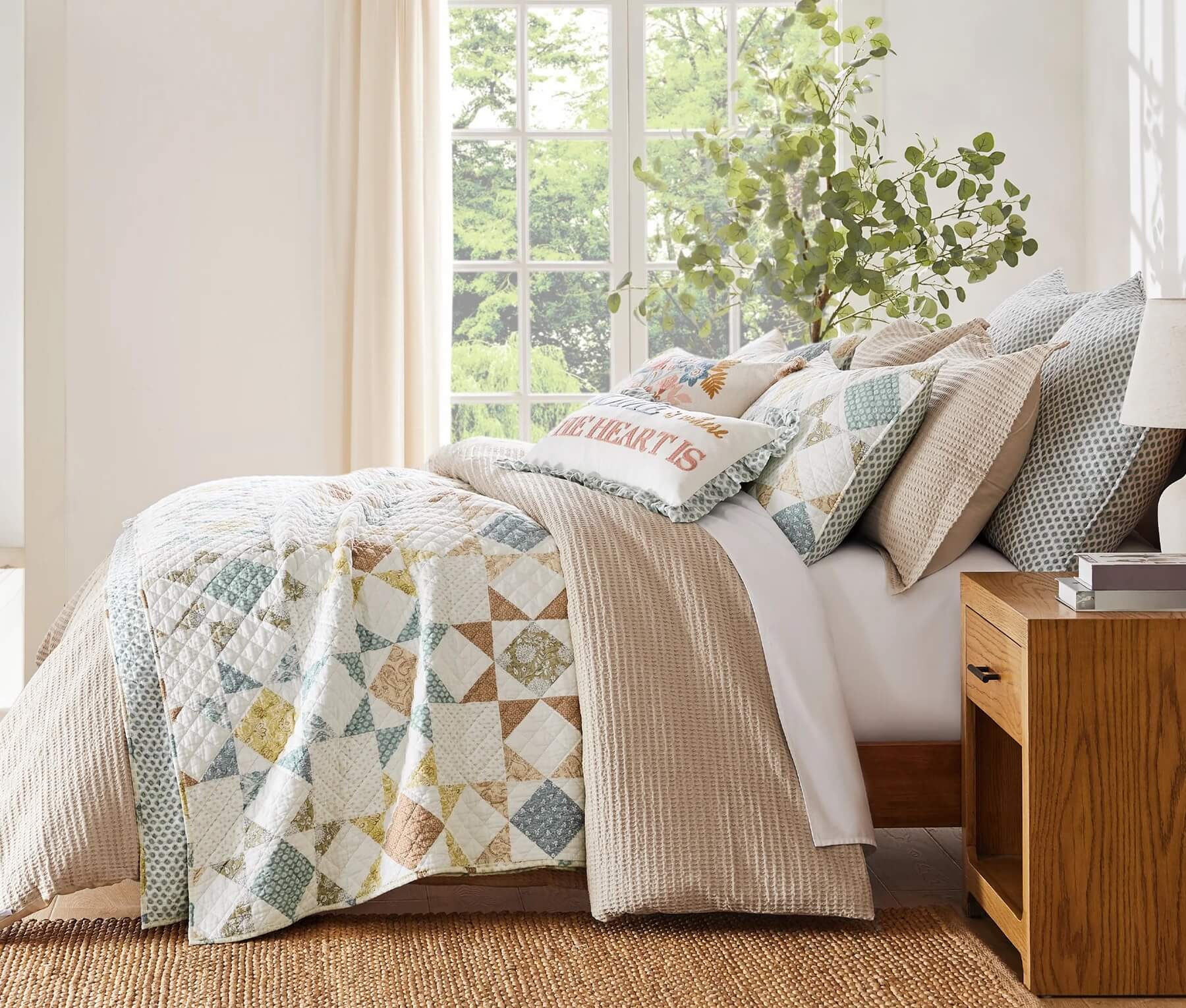

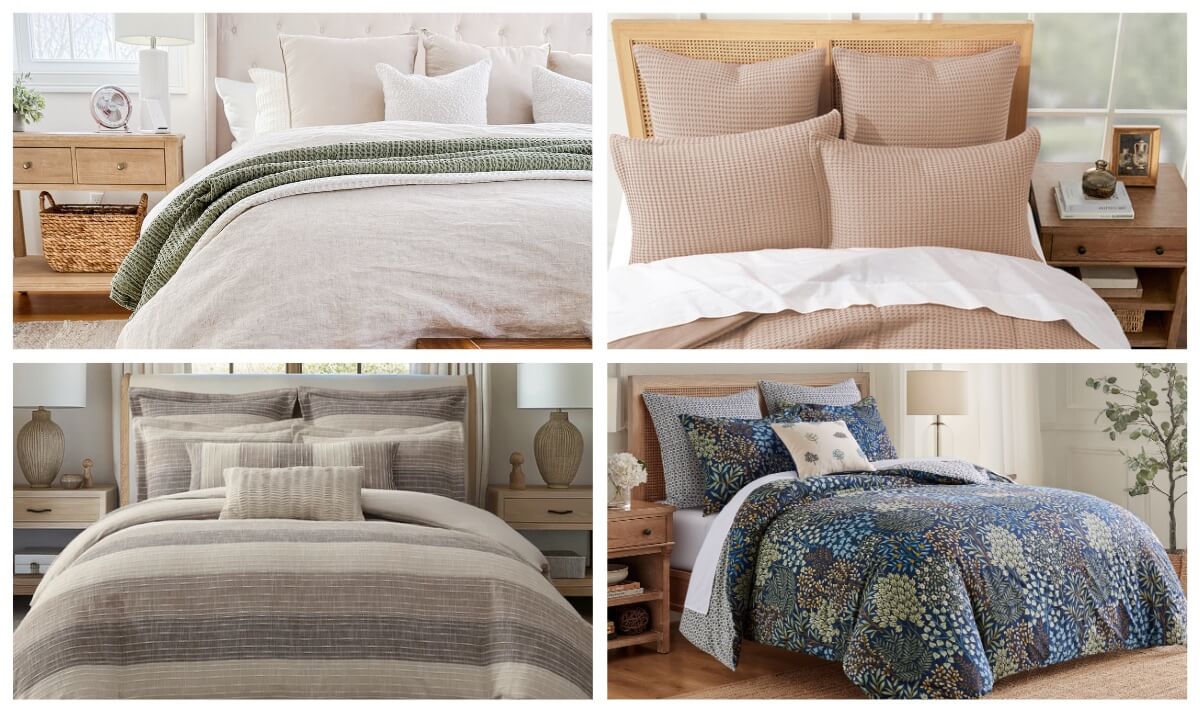
You're shopping for bedding. You find a pattern you love—then realize it's available as both a duvet cover and a comforter.
So what's the difference?
Both add warmth, comfort, and style to your bed, but they function differently. A comforter is a single piece of bedding with built-in fill, while a duvet is a removable cover that requires a filler that can be changed independently.
Neither option is better. The right choice simply comes down to how you live.
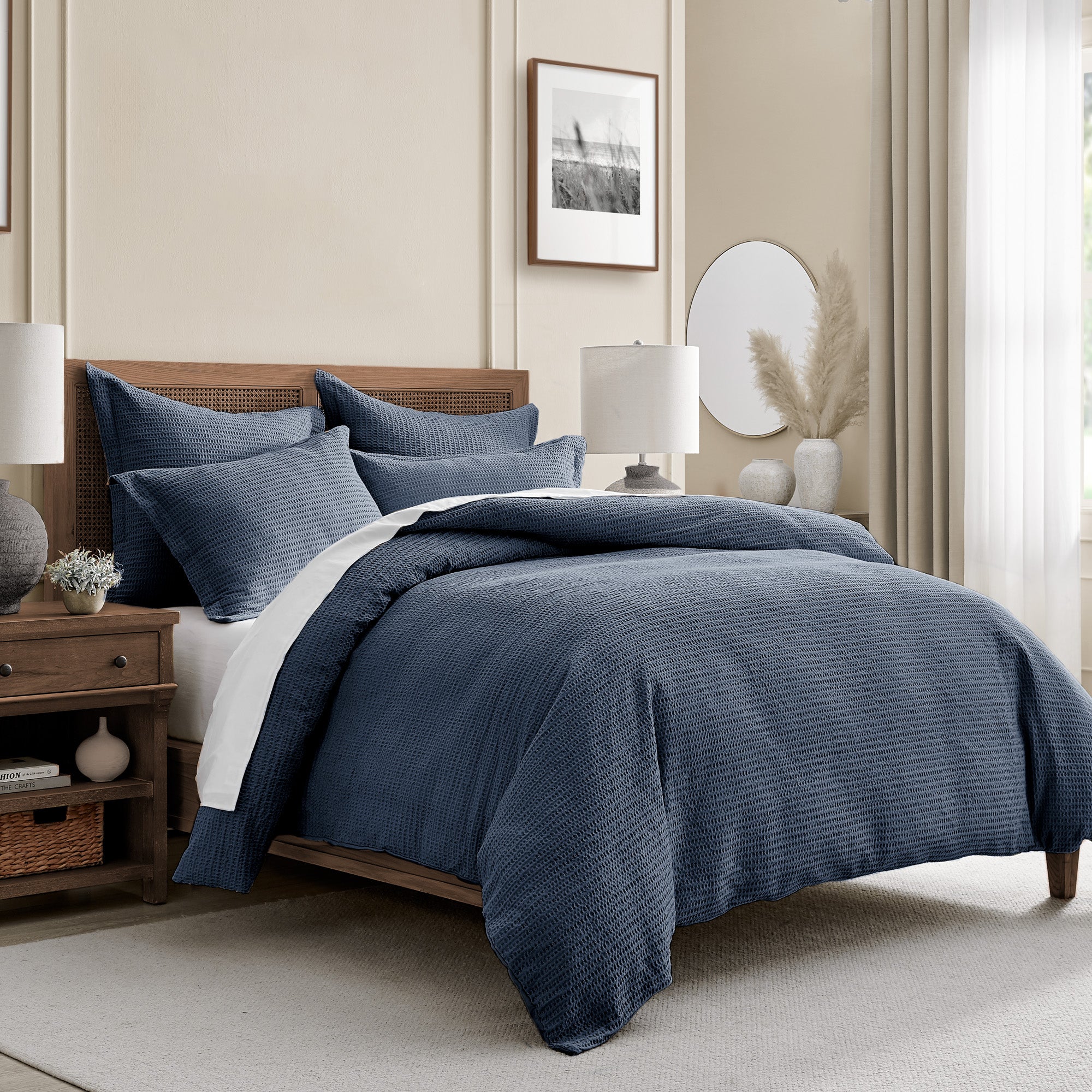
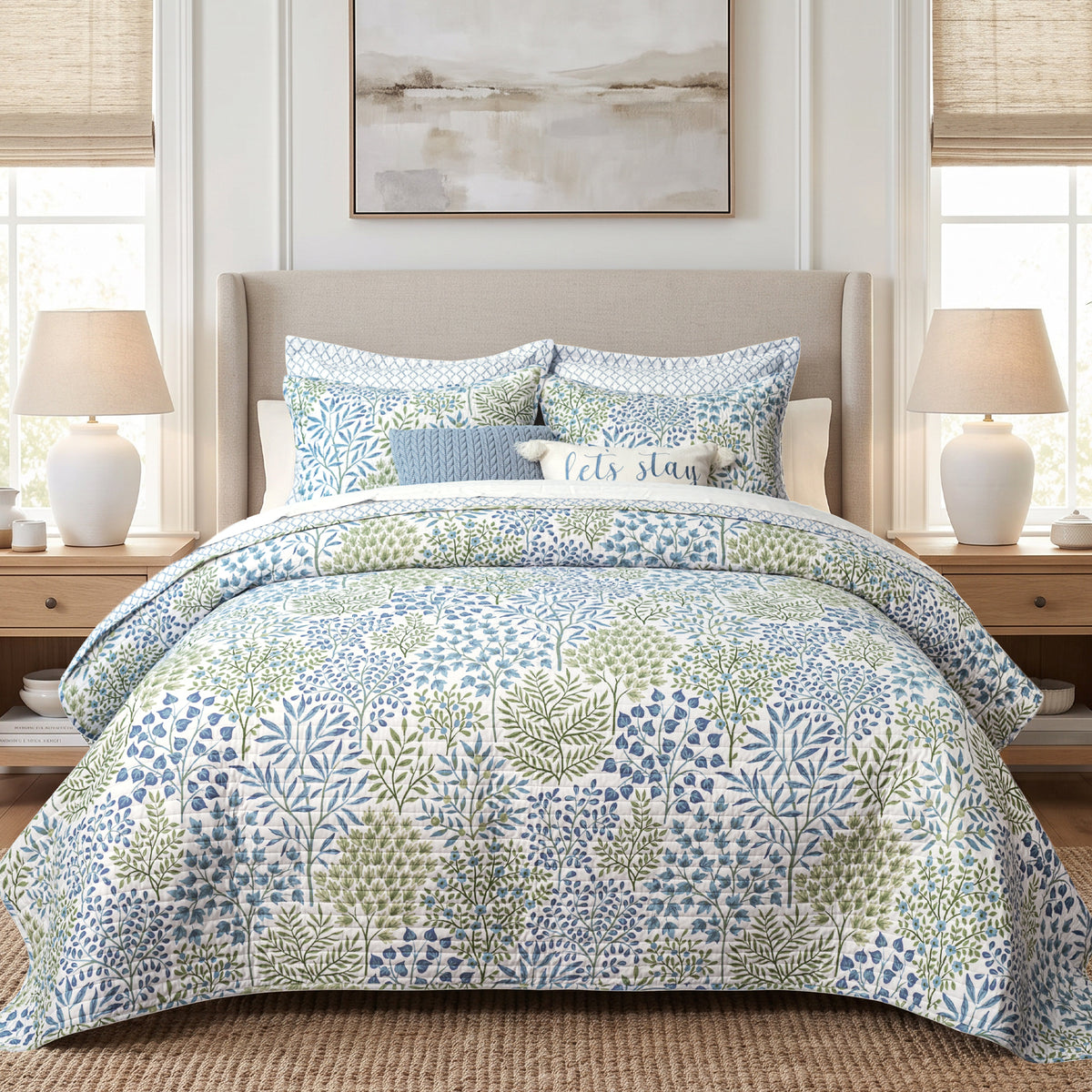
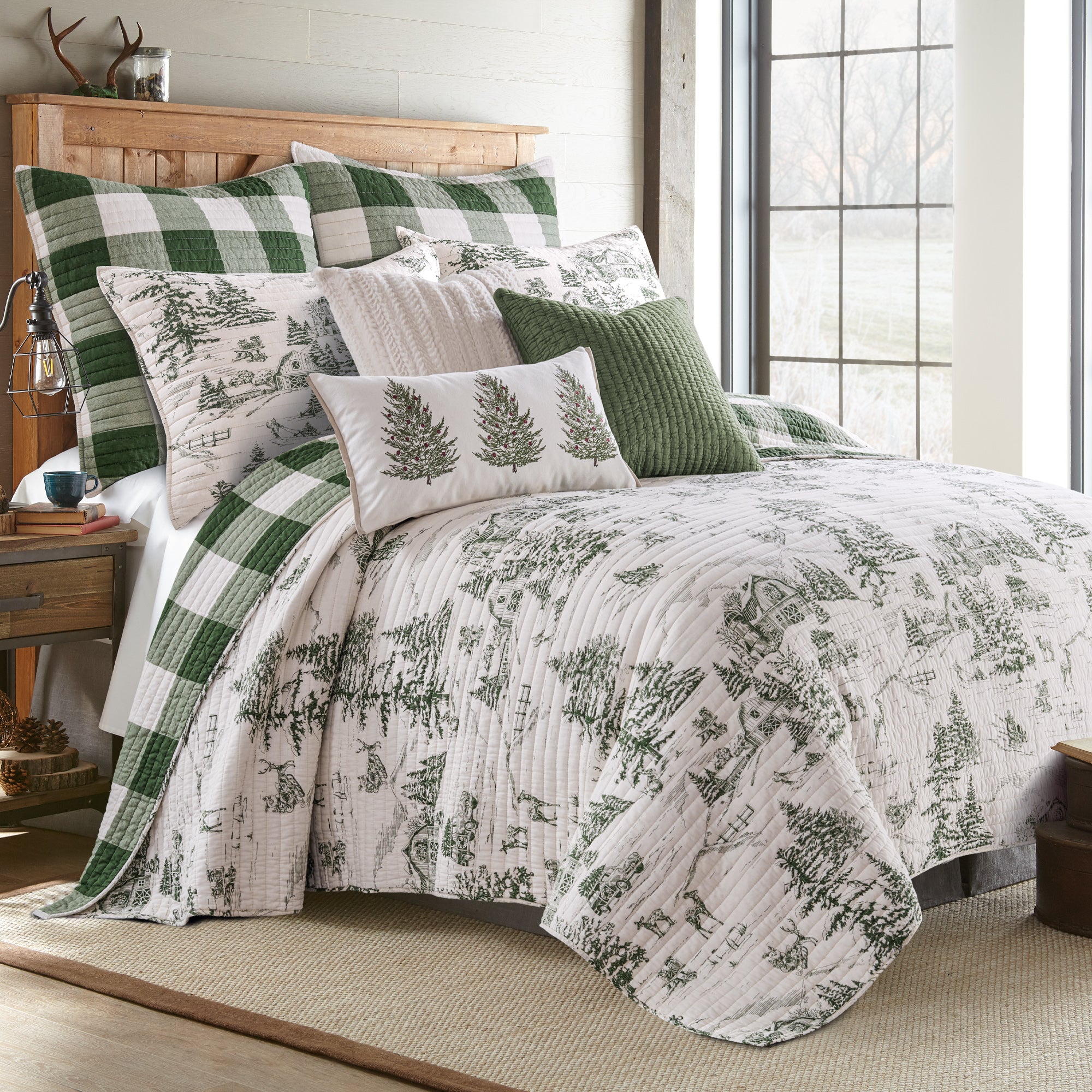
At Levtex Home many customer favorites, including French Flax Washed Linen, Cloud Waffle, Mills Waffle, English Forest, Sand Stripes, and Adare, are available as both duvet covers and comforters, making it easy to choose the bedding system that works best for your lifestyle.

Quick Answer: Duvet vs Comforter
Choose a Comforter If:
- You want a ready-to-use bed
- You prefer simple maintenance
- You like a coordinated look
- You don't plan to change your bedding style often
Choose a Duvet If:
- You wash bedding frequently
- You enjoy seasonal decorating
- You like flexibility
- You want a hotel-inspired look
What Is a Comforter?
A comforter is a single bedding layer made with a decorative outer shell and built-in fill. Because everything is contained in one piece, there's no need for a separate duvet cover or insert.
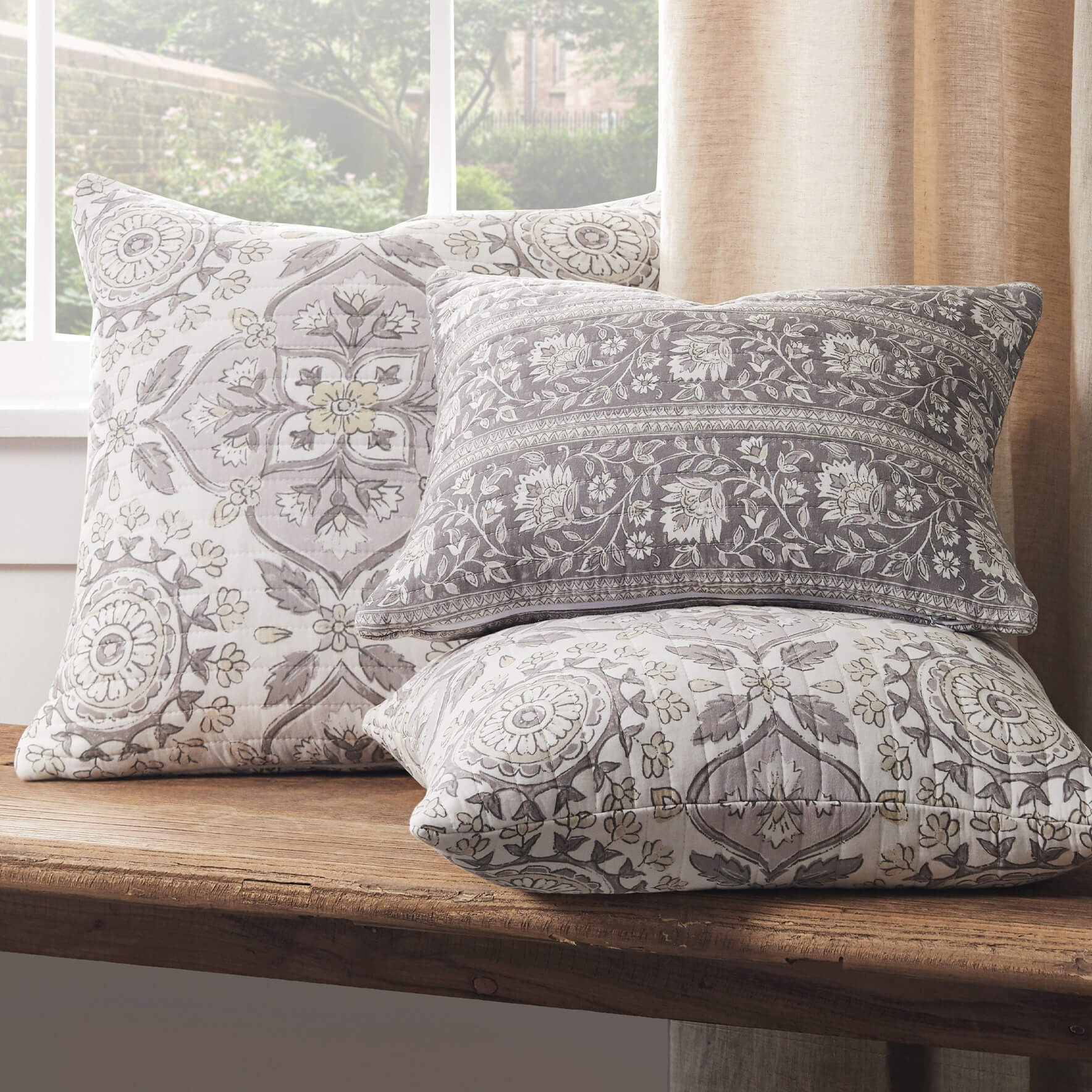
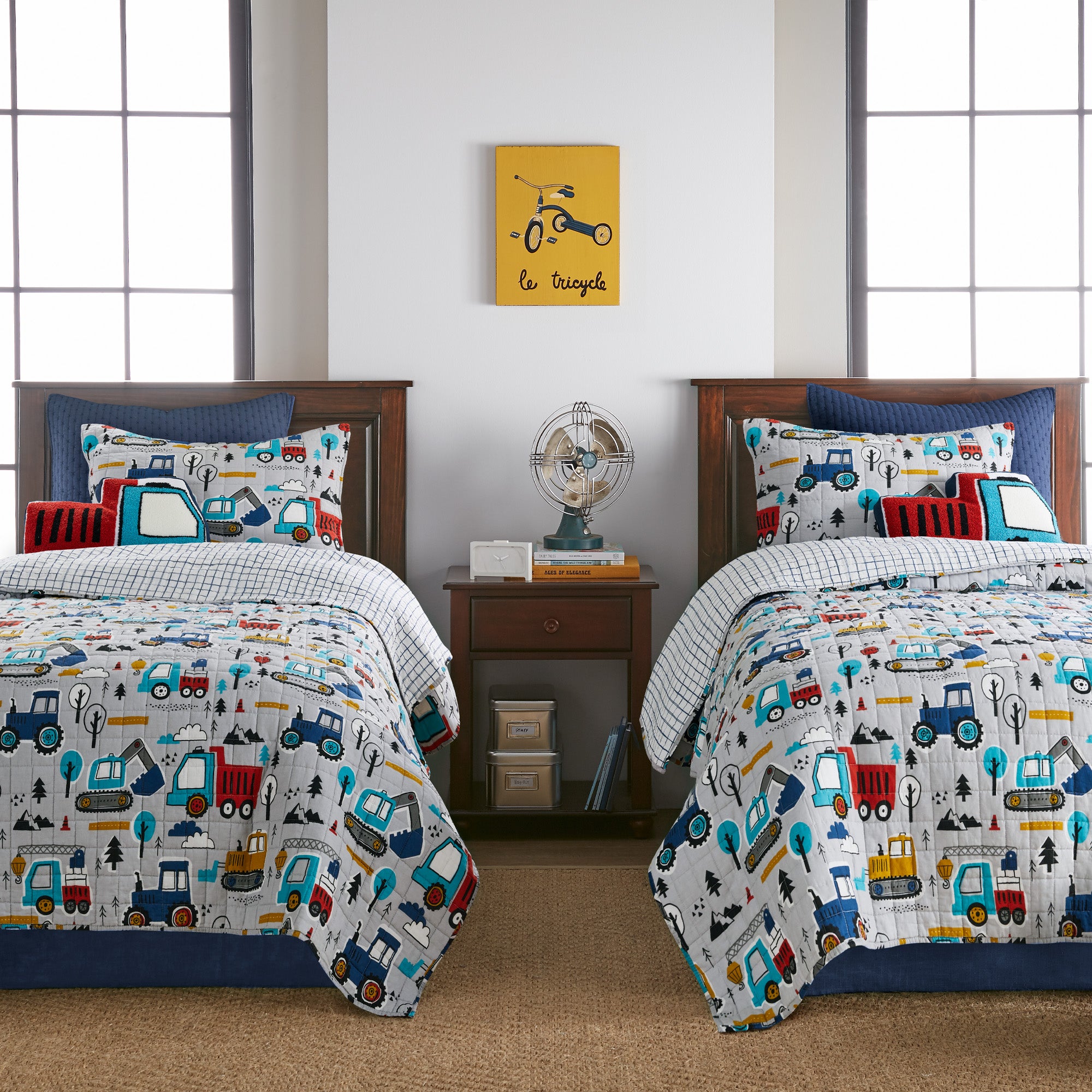
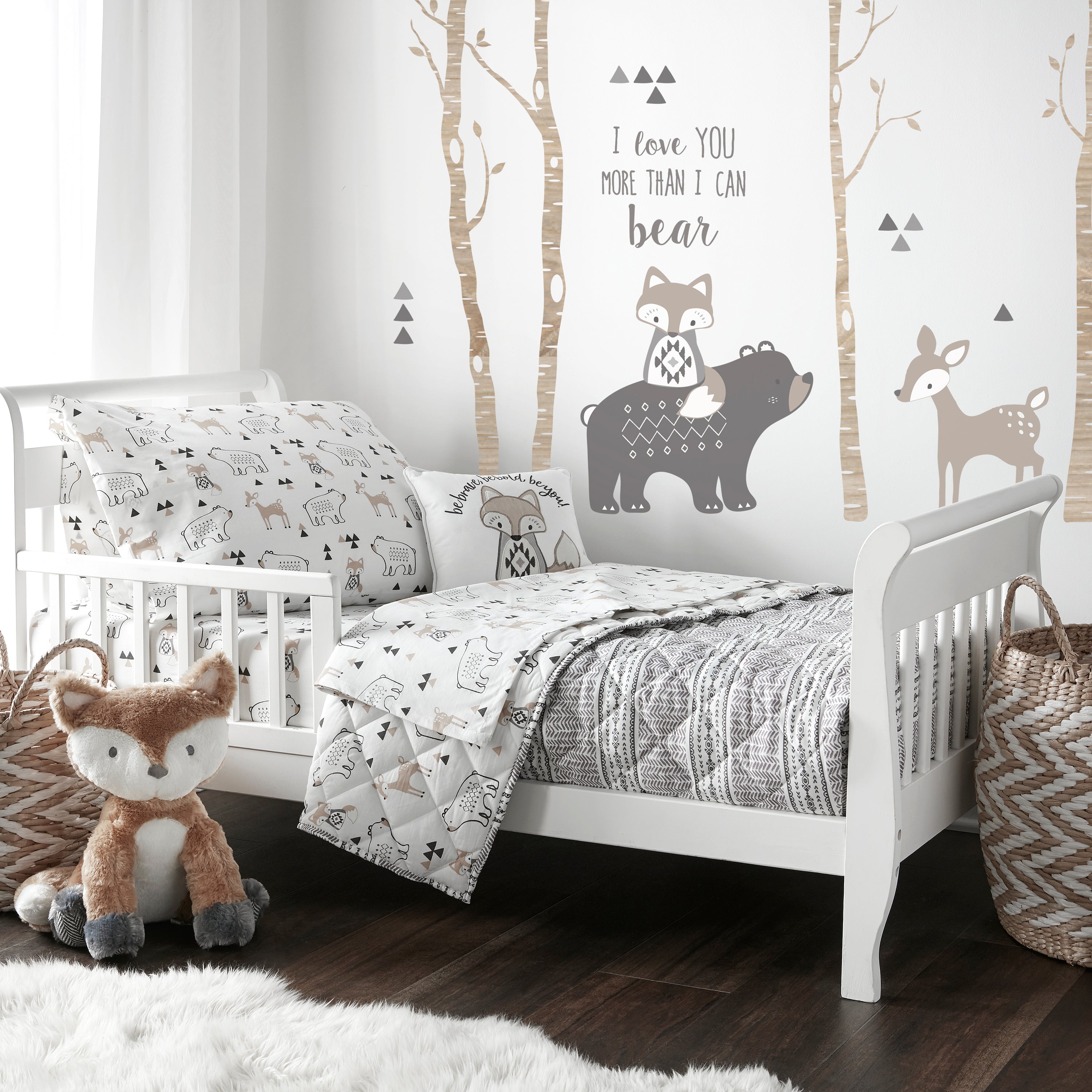
Most comforters are sold with matching pillow shams, making it easy to create a finished, coordinated bedroom.
Comforters remain one of the most popular bedding choices because they're simple. You take them out of the package, place them on the bed, and you're done.
Pros of Comforters
The biggest advantage of a comforter is convenience.
Because the decorative fabric and fill are already combined, making the bed is quick and straightforward. There are no inserts to purchase, no covers to secure, and no additional components to manage.
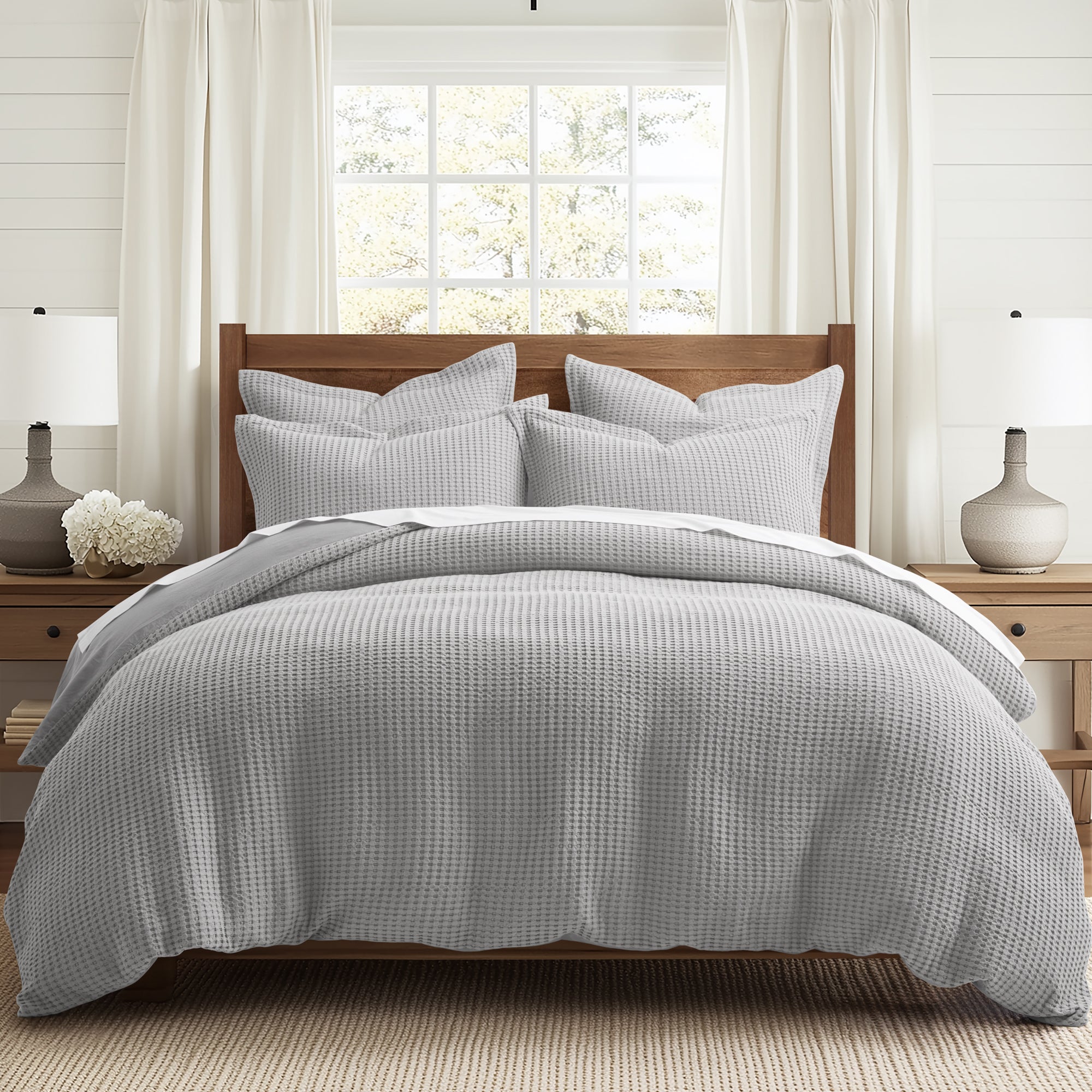
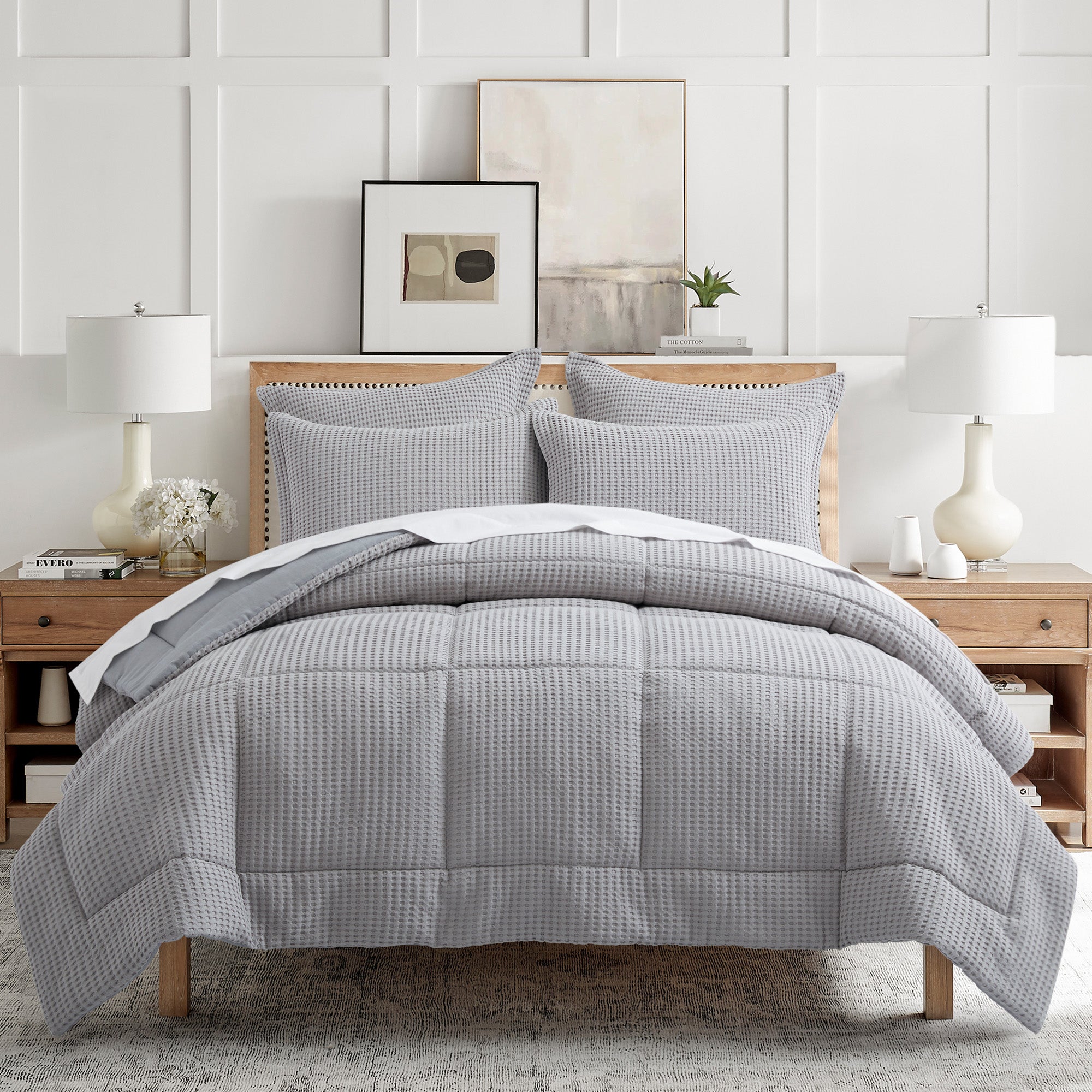
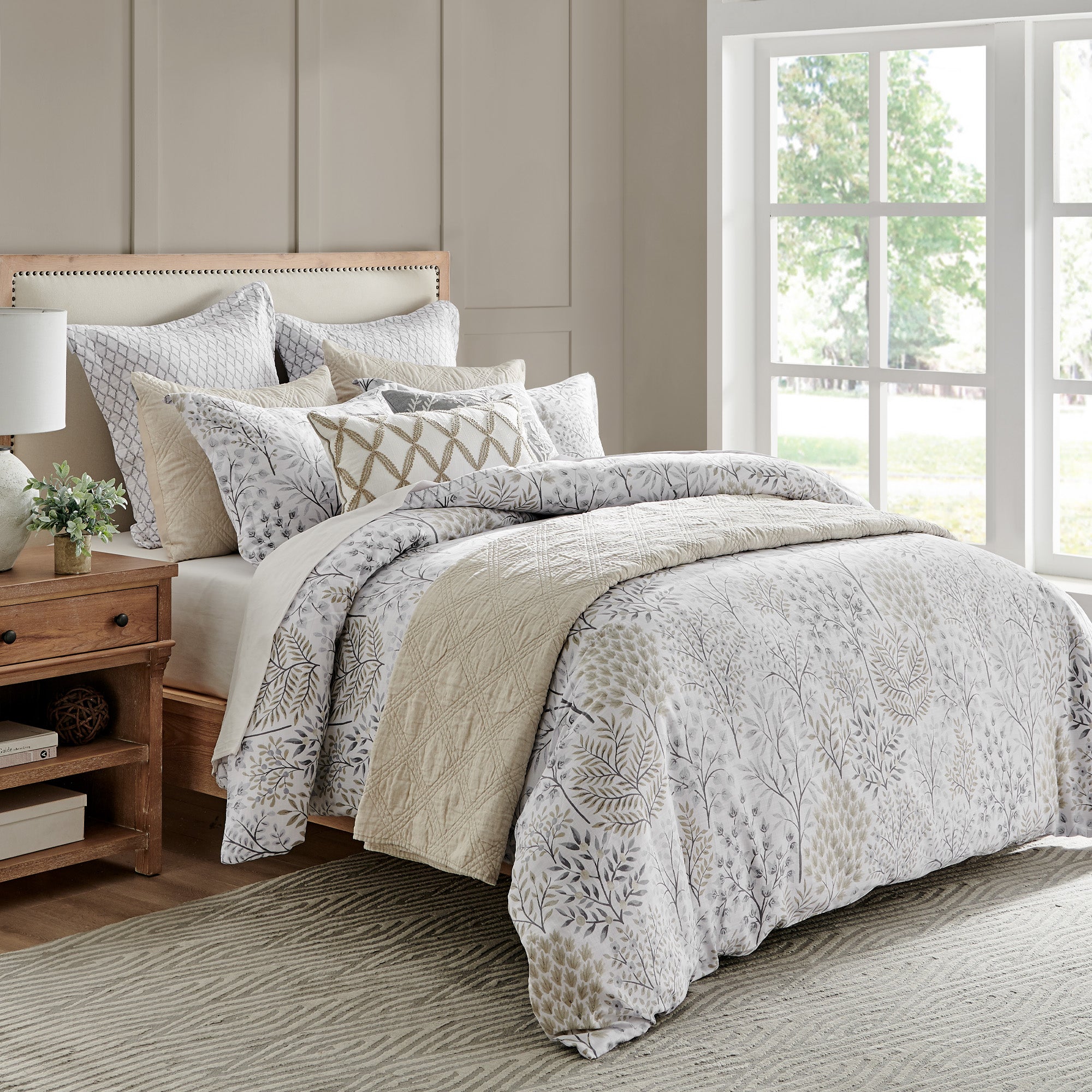
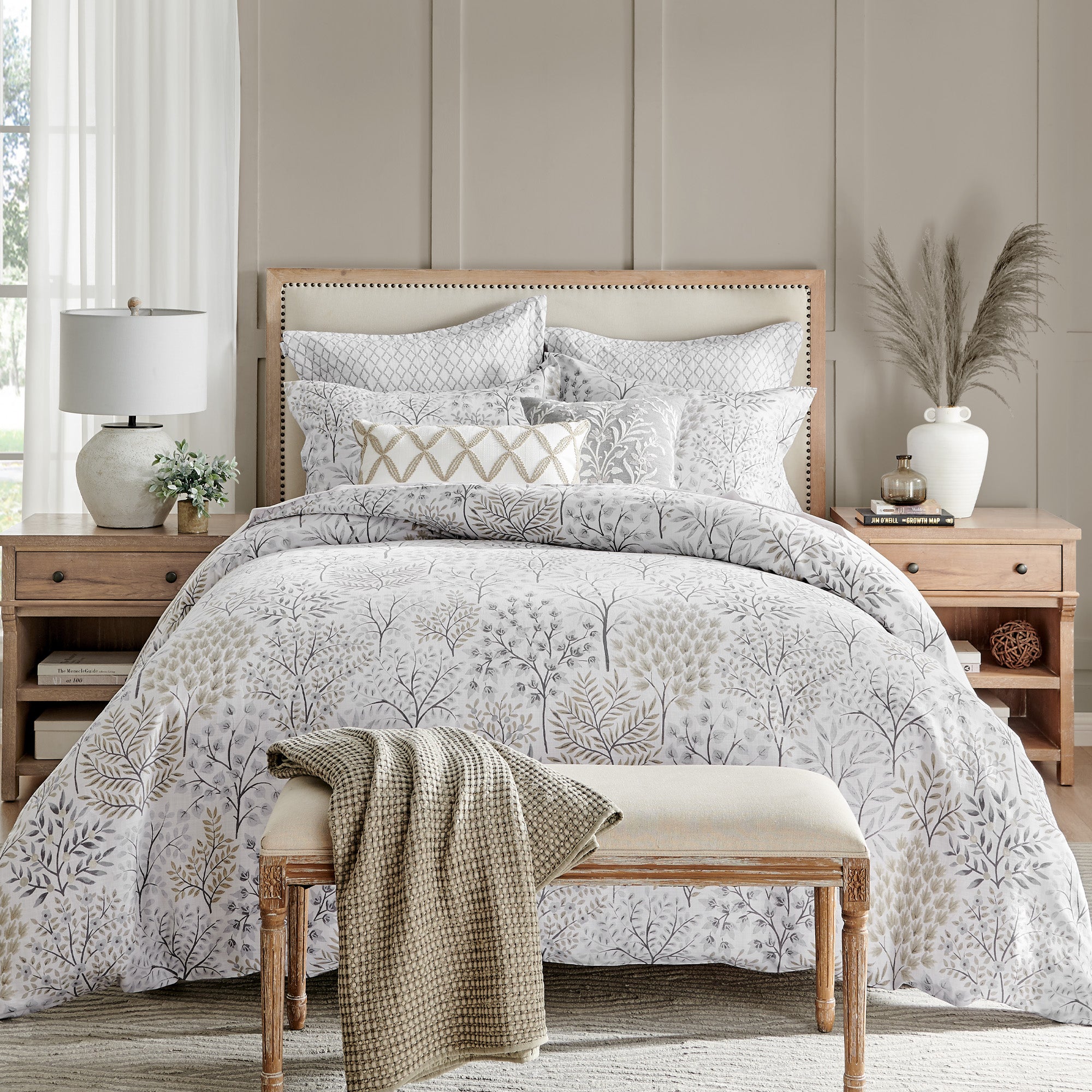
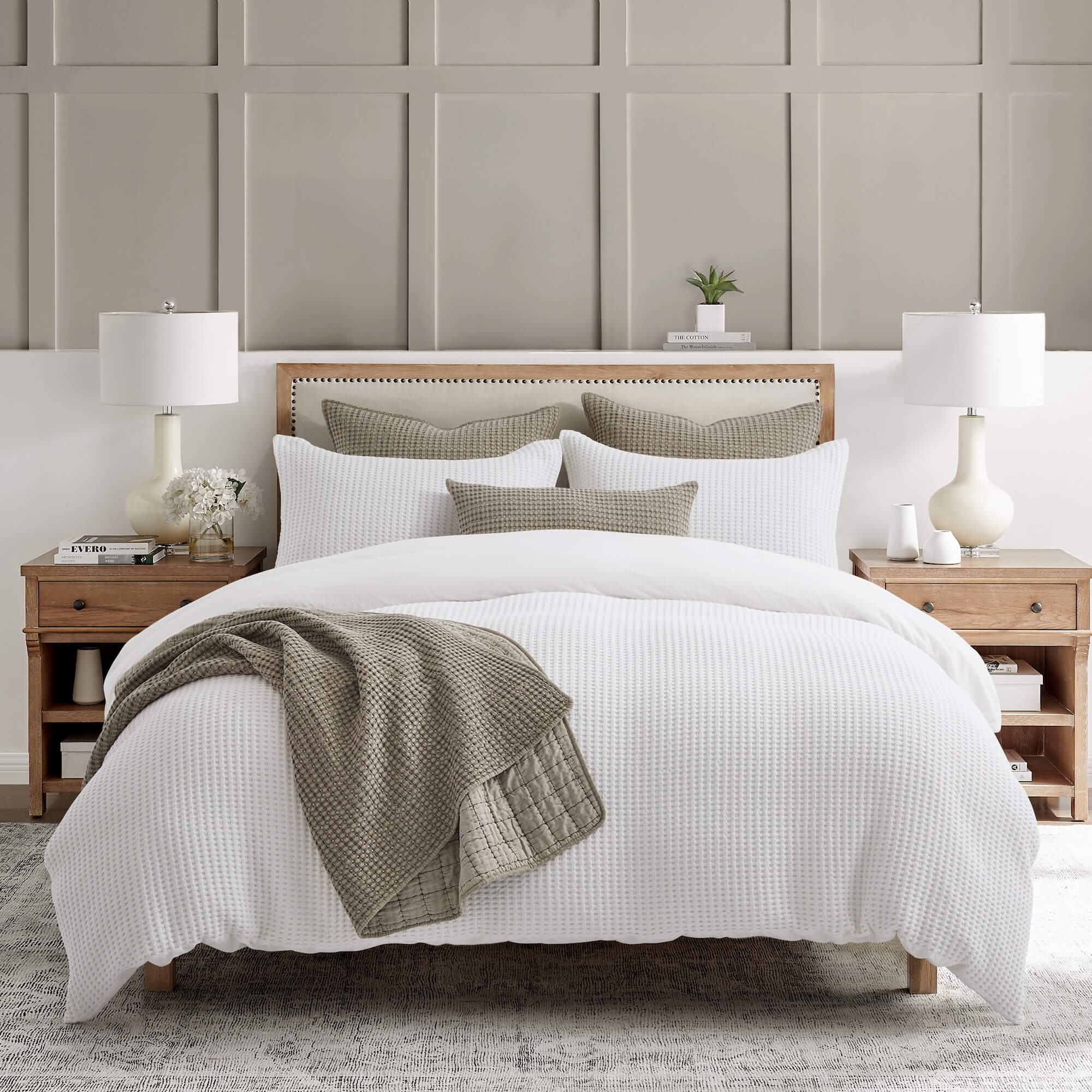
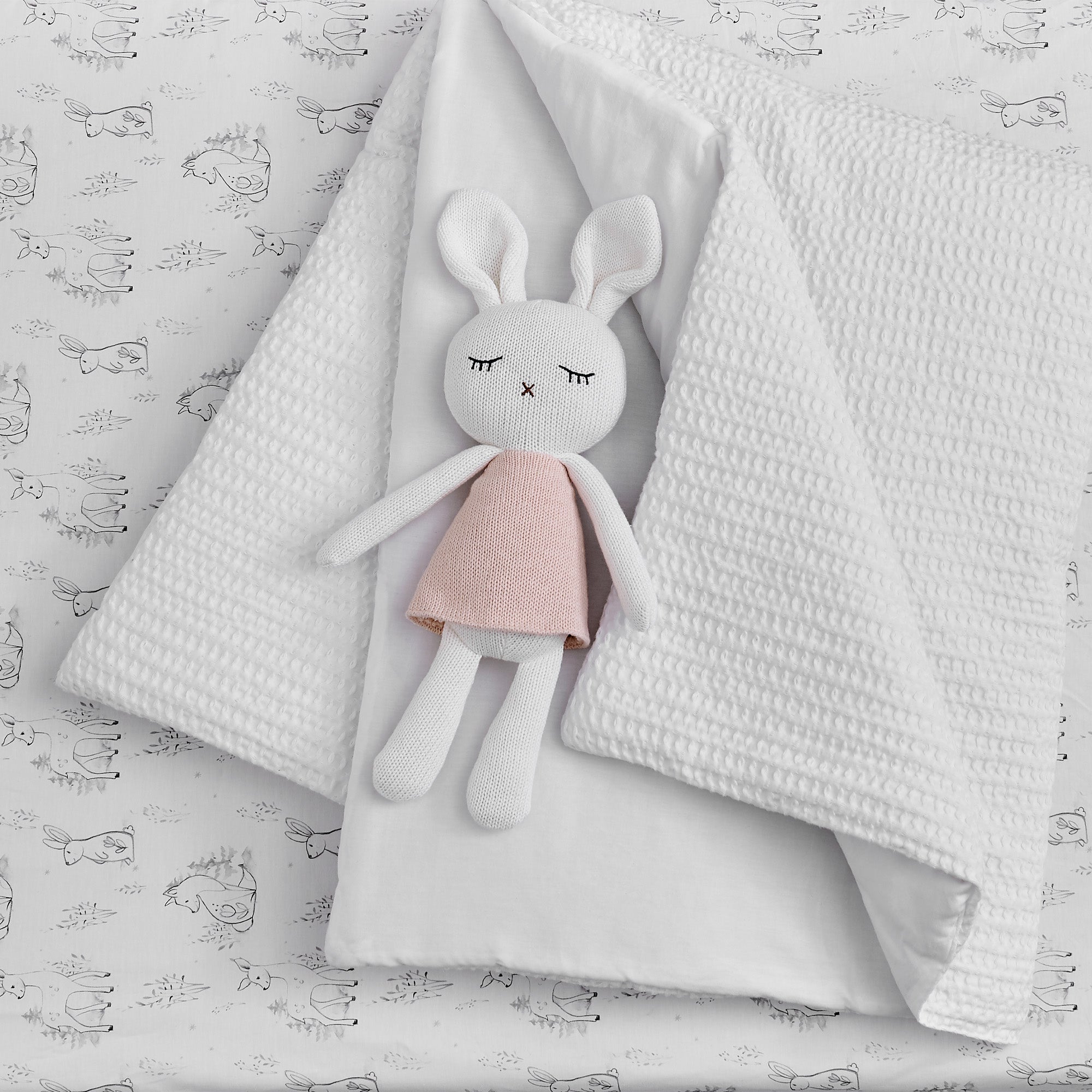
Comforters are also available in a wide range of styles, from textured bedding like the Cloud Waffle Comforter and Mills Waffle Comforter to patterned favorites like English Forest, Sand Stripes, and Adare.
Cons of Comforters
Because the fill is sewn inside the comforter, the entire piece must be cleaned when it needs washing. As a result, large comforters can be bulky to launder at home, especially in king sizes and will certainly take longer to dry. Over time, some comforters may experience fill shifting, although quality quilting and construction help minimize this issue.

What Is a Duvet?
A duvet is a two-piece bedding system consisting of a duvet insert and a duvet cover.
The duvet insert provides warmth and loft, while the duvet cover provides the style. Think of the insert as the foundation and the cover as the finishing layer.
This separation is what makes duvets so flexible. Instead of replacing your entire bedding setup, you can simply change the cover when you're ready for a new look. Or, if you like to change the weight of your bedding seasonally, you can easily shift inners depending on the season.
For example, you might use a French Flax Washed Linen Duvet Cover during the warmer months and switch to a textured option like the Cloud Waffle Duvet Cover or Mills Waffle Duvet Cover later in the year. If you like the look and feel of linen year round but want to alter the weight or fill depending on the season, you could use a lighter poly or cotton filler in the warmer months and a heavier down filler in the colder months.
Most Levtex duvet covers come as a set, which includes the cover and 1 or 2 shams (depending on the size), making them a popular all-in-one bedroom choice.
Pros of Duvets
The biggest advantage of a duvet is flexibility.
Because the cover is removable, it's easy to wash, replace, and update. Many homeowners rotate duvet covers seasonally, creating a fresh look without replacing their entire bedding setup. They also provide the ability to pick a fill based on your personal sleeping preference without changing your design choice for the exterior visible portion of your duvet.
Duvets are also popular for their lofty, hotel-inspired appearance and ability to adapt to changing styles over time. Duvets also come in a variety of styles, colors and textures.
Cons of Duvets
A duvet requires both an insert and a cover, which means a slightly higher upfront investment.
Some people also find changing duvet covers more time-consuming than using a comforter. While corner ties help keep inserts in place, shifting can occasionally occur if the insert isn't secured properly.

Duvet Cover vs Comforter: Key Differences
While both serve the same purpose, there are several important differences between a duvet cover vs comforter setup.
| Feature | Duvet | Comforter |
| Construction | Duvet insert + duvet cover | All-in-one design |
| Fill | Located in insert | Built into comforter |
| Washing | Wash cover separately | Wash entire comforter |
| Style Flexibility | High | Moderate |
| Warmth Options | Change inserts if desired | Fixed |
| Maintenance | Replace cover as needed | Replace entire piece if damaged |
| Best For | Style flexibility | Everyday simplicity |
The easiest way to think about duvet vs comforter is this: a comforter is an all-in-one bedding solution, while a duvet is a customizable bedding system.
Fill Materials: Down, Down-Alternative, Cotton & More
Most comforters and duvet inserts are filled with down, down-alternative, cotton, wool, or synthetic fibers.
Down is known for lightweight warmth and loft, while down-alternative offers a similar feel with easier maintenance and broader allergy compatibility. Cotton and wool are valued for breathability and temperature regulation.
Most Levtex Home comforters feature plush down-alternative fills that provide softness, comfort, and easy care.
Which Is Easier to Clean?
For many shoppers, cleaning becomes the deciding factor in the duvet vs comforter debate.
With a comforter, the decorative fabric and fill are permanently attached, so the entire comforter must be washed together.
A duvet works differently. Because the cover is removable, it can be washed separately from the insert
Expert Insight
Protection is key, and washing the duvet cover is a much better option than continuously washing the duvet insert itself."Ruthie Osswald, Textiles Director at Brooklinen, via Better Homes & Gardens
This is one reason many shoppers choose duvets. Washing the cover more frequently can help reduce wear on the insert while simplifying regular maintenance.
That doesn't automatically make a duvet better. Many homeowners happily wash their comforters only a few times per year. But if easy cleaning is high on your priority list, a duvet system may have the advantage.
Style & Design: Which Looks Better on Your Bed?
The answer is simple: whichever one fits your style.
Whether your bedroom leans toward relaxed linen, soft waffle texture, classic stripes, or botanical patterns, both duvets and comforters can create a beautiful space.
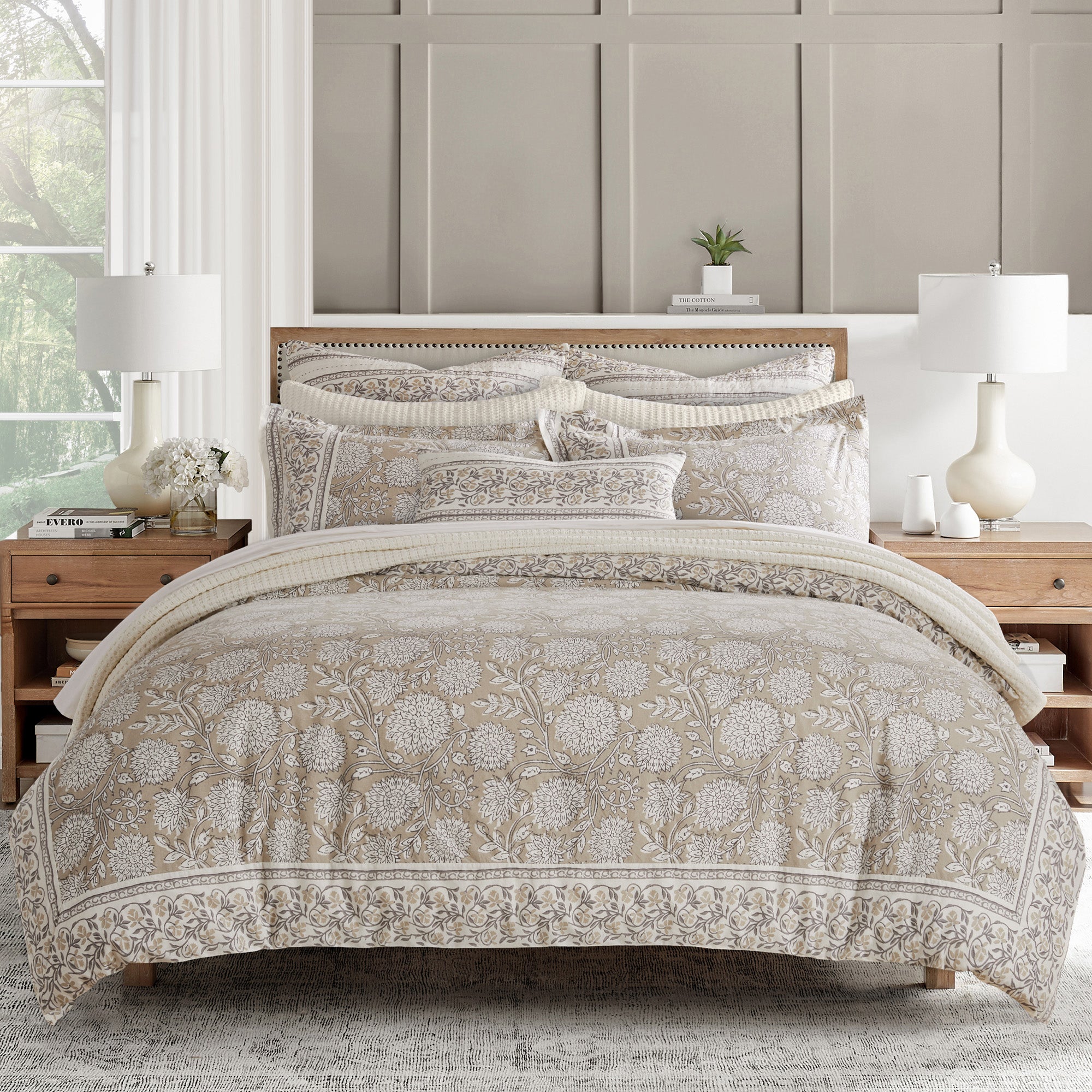
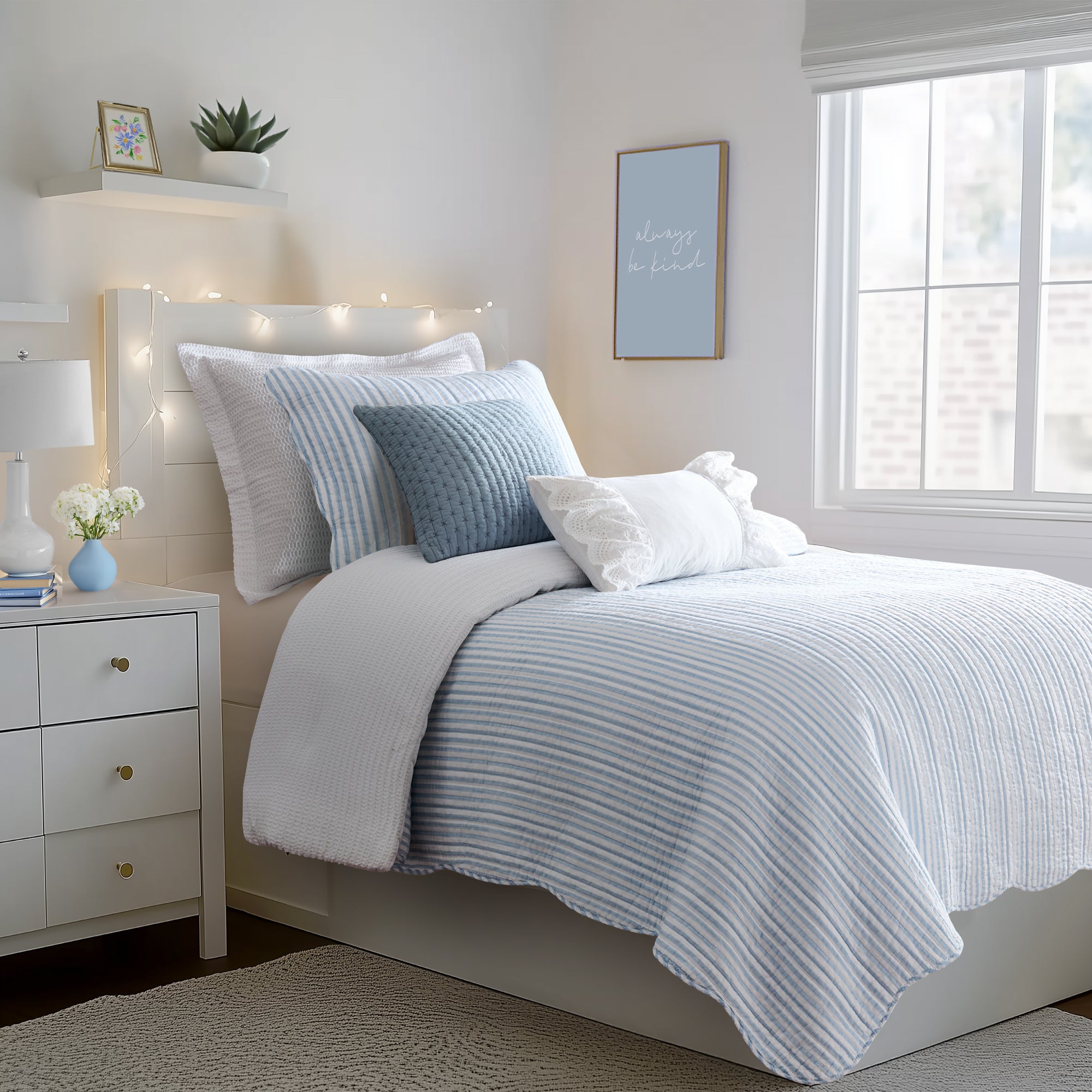
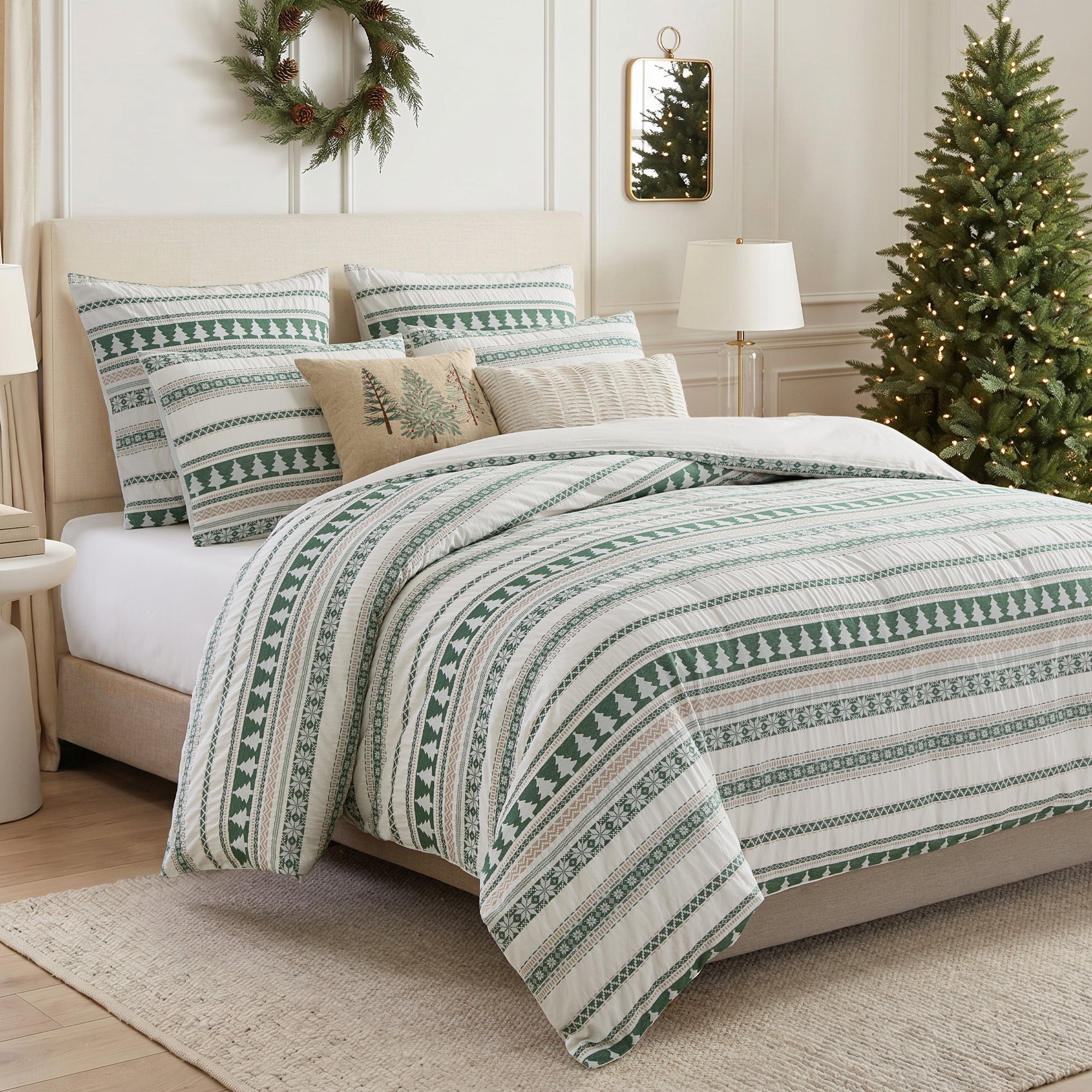
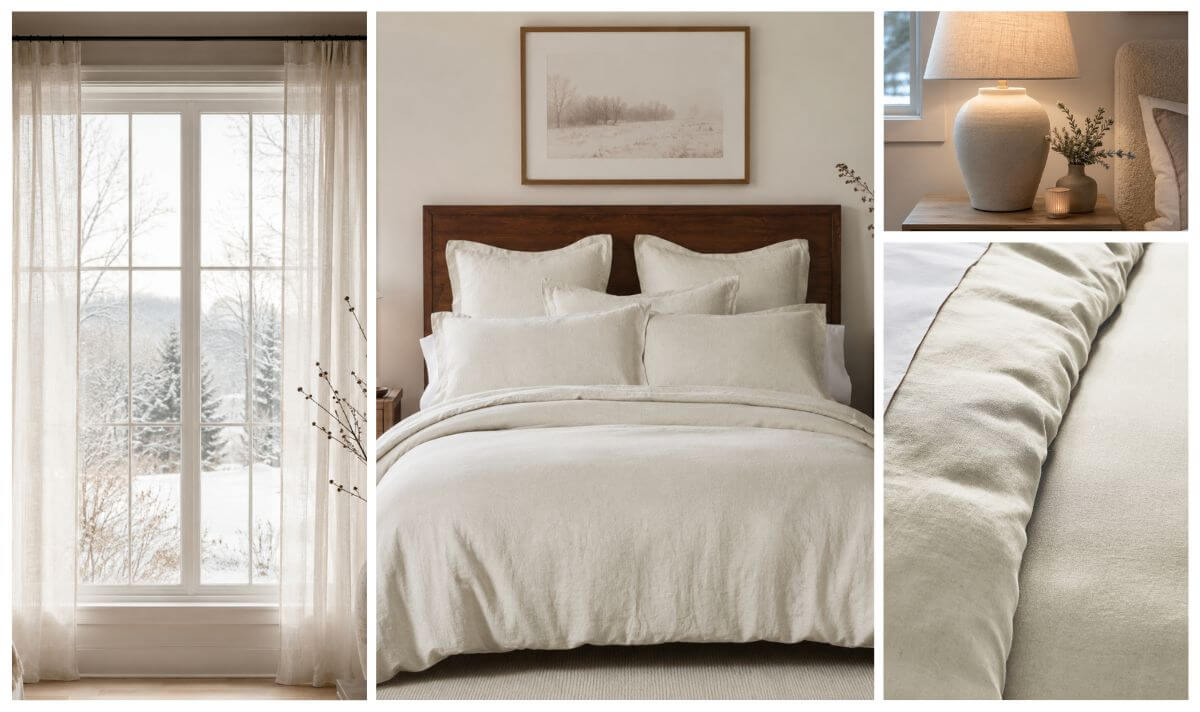
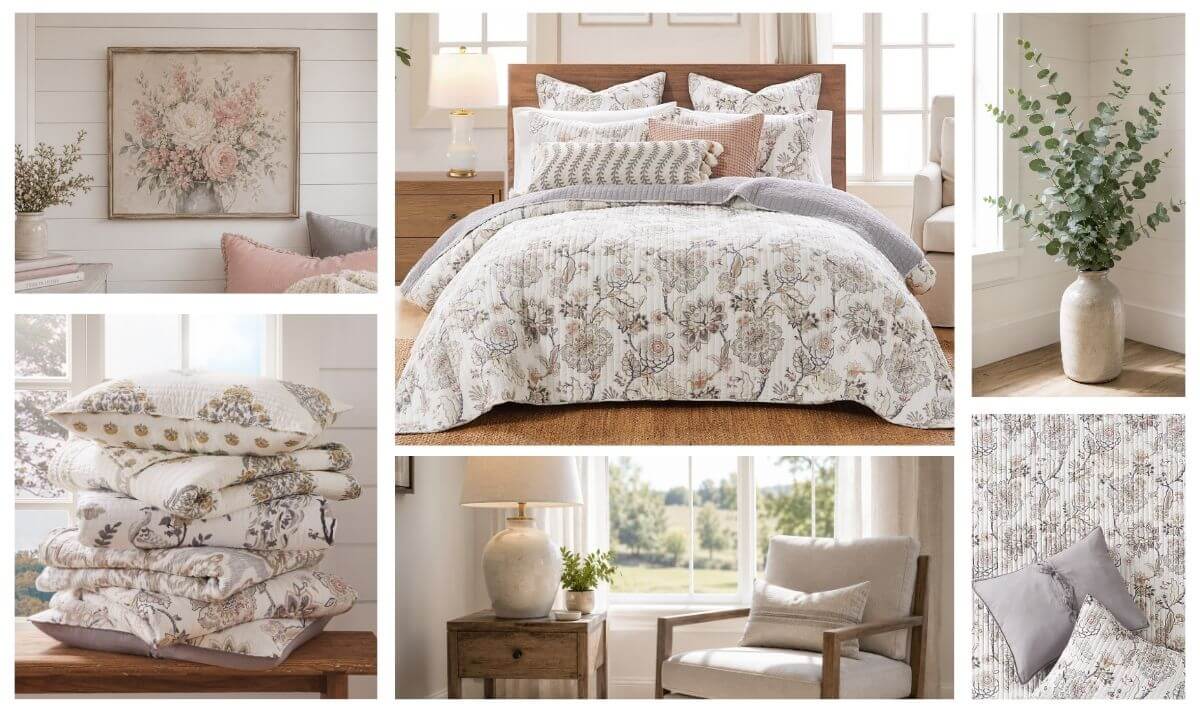
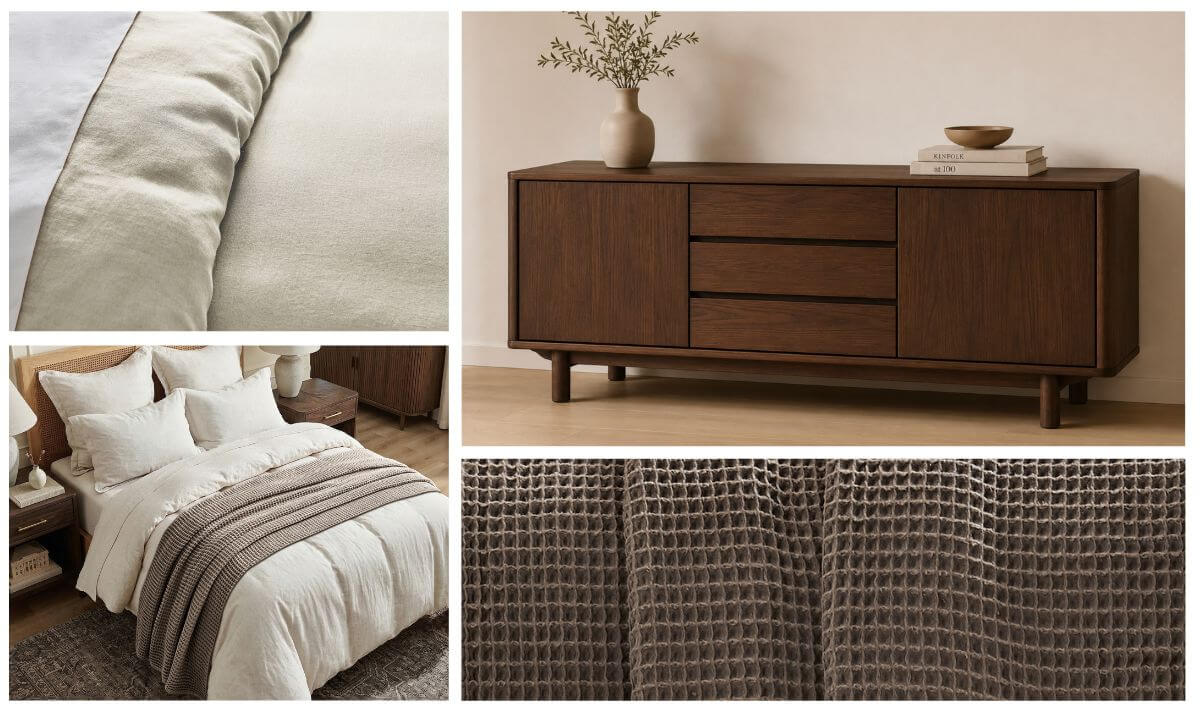
French Flax Washed Linen offers a relaxed, lived-in look. Cloud Waffle and Mills Waffle add texture and dimension. English Forest brings botanical charm, while Sand Stripes delivers timeless appeal.
Expert Insight
For those who like to change the look and aesthetic appeal of their bed more frequently, a duvet cover can be changed more frequently than a comforter.Clare Schifano, Global Marketing Director, Vispring, via Architectural Digest
For seasonal decorators, that's one of the biggest advantages of a duvet cover vs comforter. Swapping a duvet cover can dramatically change the look of a room without replacing the bedding underneath.
On the other hand, comforters appeal to shoppers who prefer finding a look they love and sticking with it year-round.
Budget Considerations: Duvet vs Comforter Cost
Comforters are typically more affordable upfront because they include both the decorative shell and fill, and often come with matching shams.
Duvets require both a duvet insert and a duvet cover, which can increase the initial investment.
However, duvet owners can often refresh the look of their bed simply by purchasing a new cover rather than replacing an entire bedding set.
The better value depends on how often you like to change your style.

So, Should You Choose a Duvet or Comforter?
The right choice comes down to lifestyle.
Choose a Comforter If:
- You want simplicity
- You prefer a ready-to-use bed
- You like coordinated bedding sets
- You don't redecorate often
- You don’t mind laundering something bulky
Choose a Duvet If:
- You enjoy flexibility
- You wash bedding frequently
- You like changing your decor seasonally
- You prefer a layered, hotel-inspired look
The best choice isn't about what's better—it's about which bedding system fits the way you live.
Levtex Home Top Picks: Duvets & Comforters We Love
French Flax Washed Linen
Our best-selling linen collection, loved for its relaxed, lived-in look that works beautifully across decorating styles.
English Forest
A customer favorite that brings timeless botanical pattern and personality to the bedroom.
Mills Waffle
Perfect for creating a relaxed, layered bedroom with soft waffle texture and subtle dimension.
Cloud Waffle
A versatile favorite that adds texture and effortless style year-round.
Sand Stripes
Classic striped bedding that feels fresh, timeless, and easy to layer.
Adare
A sophisticated pattern that blends beautifully with both traditional and modern spaces.
Levtex Home Duvet Insert
The foundation of any duvet bedding system, providing loft, warmth, and comfort. But, the best news is that the Levtex duvet inner fits the Levtex duvet covers perfectly. Unlike mattresses, there is no standard size for duvet inners! So two products, both labeled the same size, may be totally different actual sizes when measured. Pay attention to the size of your inner and make sure you purchase a cover and inner that will work well together.
Conclusion
When comparing duvet vs comforter, there isn't a universal winner.
A comforter offers simplicity, convenience, and a ready-to-use design. A duvet offers flexibility, easier style updates, and customizable comfort through a duvet insert and removable duvet cover.
Whether you're drawn to the relaxed look of French Flax Washed Linen, the texture of Cloud Waffle and Mills Waffle, or the timeless patterns of English Forest, Sand Stripes, and Adare, Levtex Home offers both duvet covers and comforters designed to fit the way you live.
Frequently Asked Questions
What is the main difference between a duvet and a comforter?
A comforter is a single bedding piece with built-in fill, while a duvet consists of a duvet insert paired with a removable duvet cover.
Is a comforter or a duvet better?
Neither is inherently better. Comforters prioritize convenience, while duvets prioritize flexibility and easy style updates.
Do duvets need a cover?
Yes. A duvet is designed to be used with a duvet cover, which protects the insert and provides the visible style of the bed.
Is a duvet cover the same as a comforter?
No. A duvet cover is a removable cover designed to fit over a duvet insert, while a comforter is a single-piece bedding layer with built-in fill.
Which is warmer — a duvet or comforter?
Warmth depends more on the fill material than the bedding type itself. Both can provide lightweight warmth or substantial insulation.
Do comforters come with shams?
Many comforter sets include matching pillow shams, making it easy to create a coordinated bedroom look.
References
1. Duvet vs. Comforter: What's the Difference?,
Better Homes & Gardens
2. Duvet vs. Comforter: Which Is Right for You?,
Architectural Digest
3. Duvet vs. Comforter,
Sleep Foundation