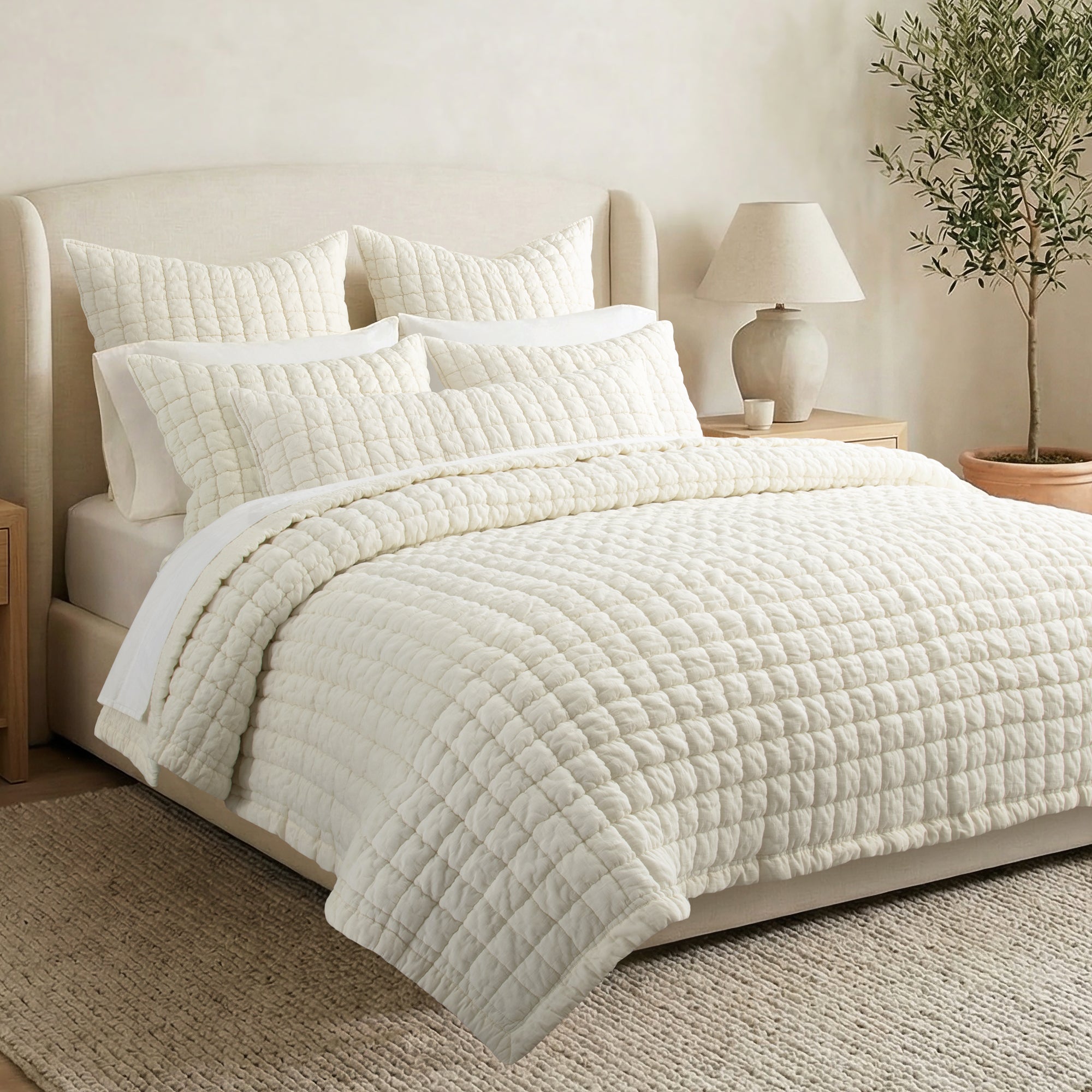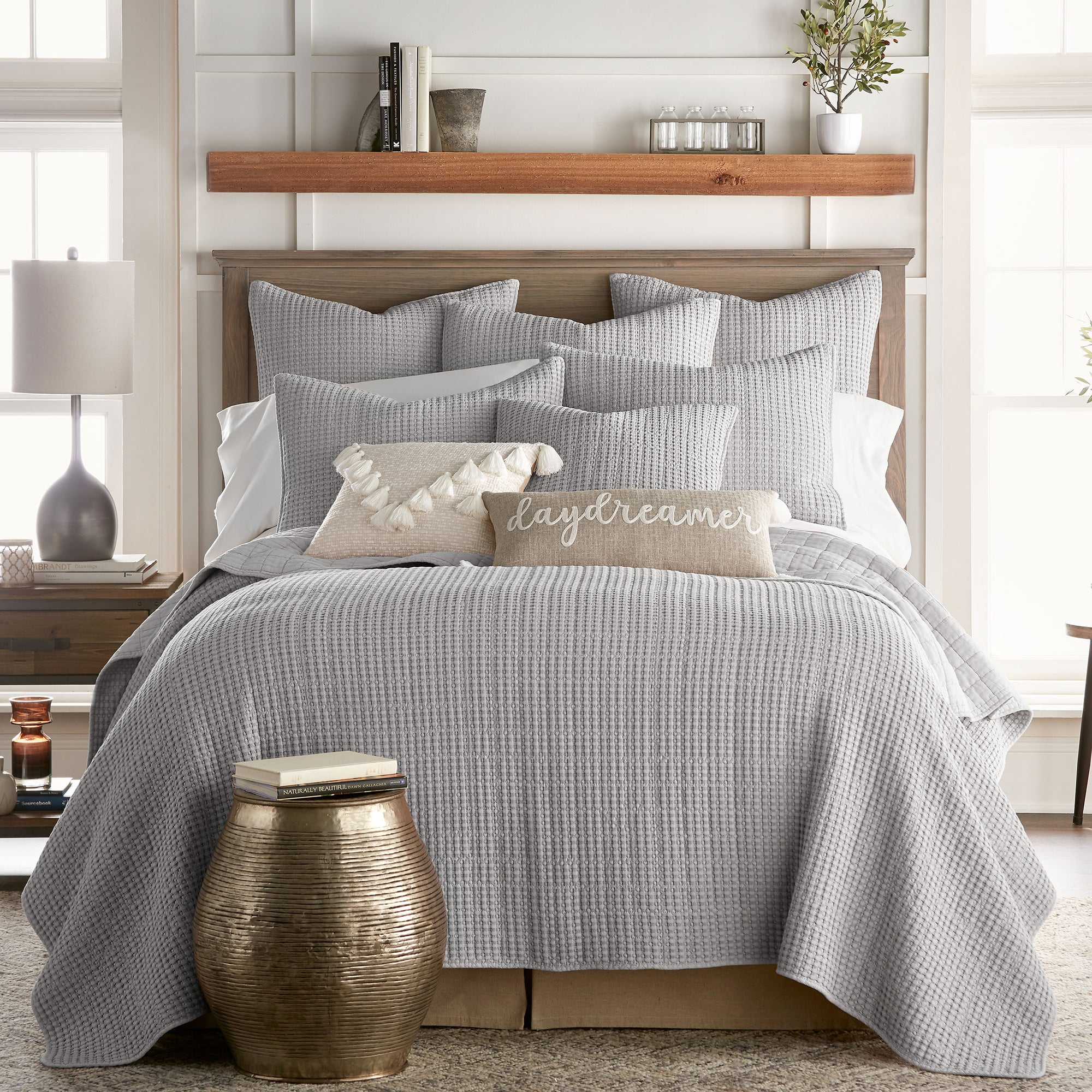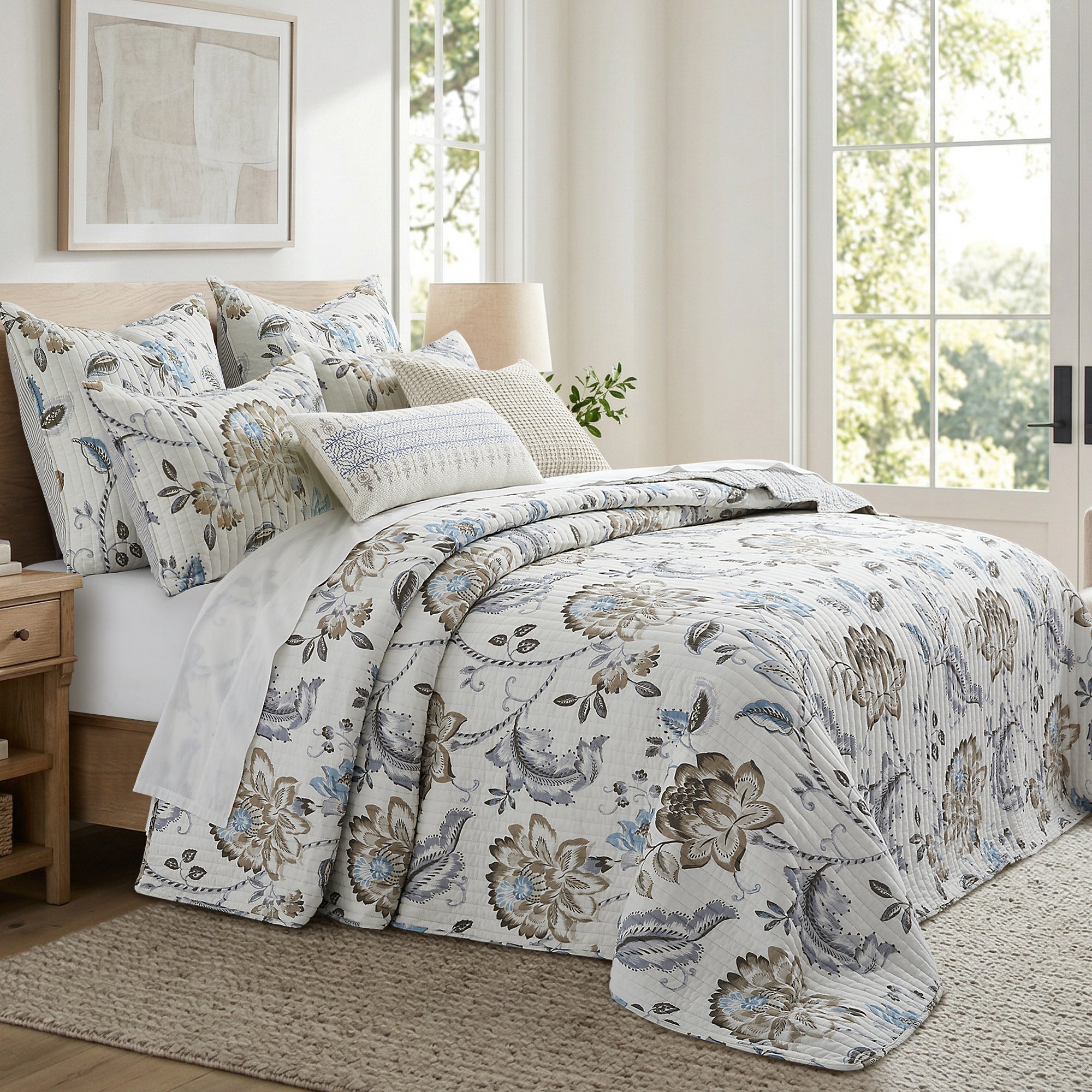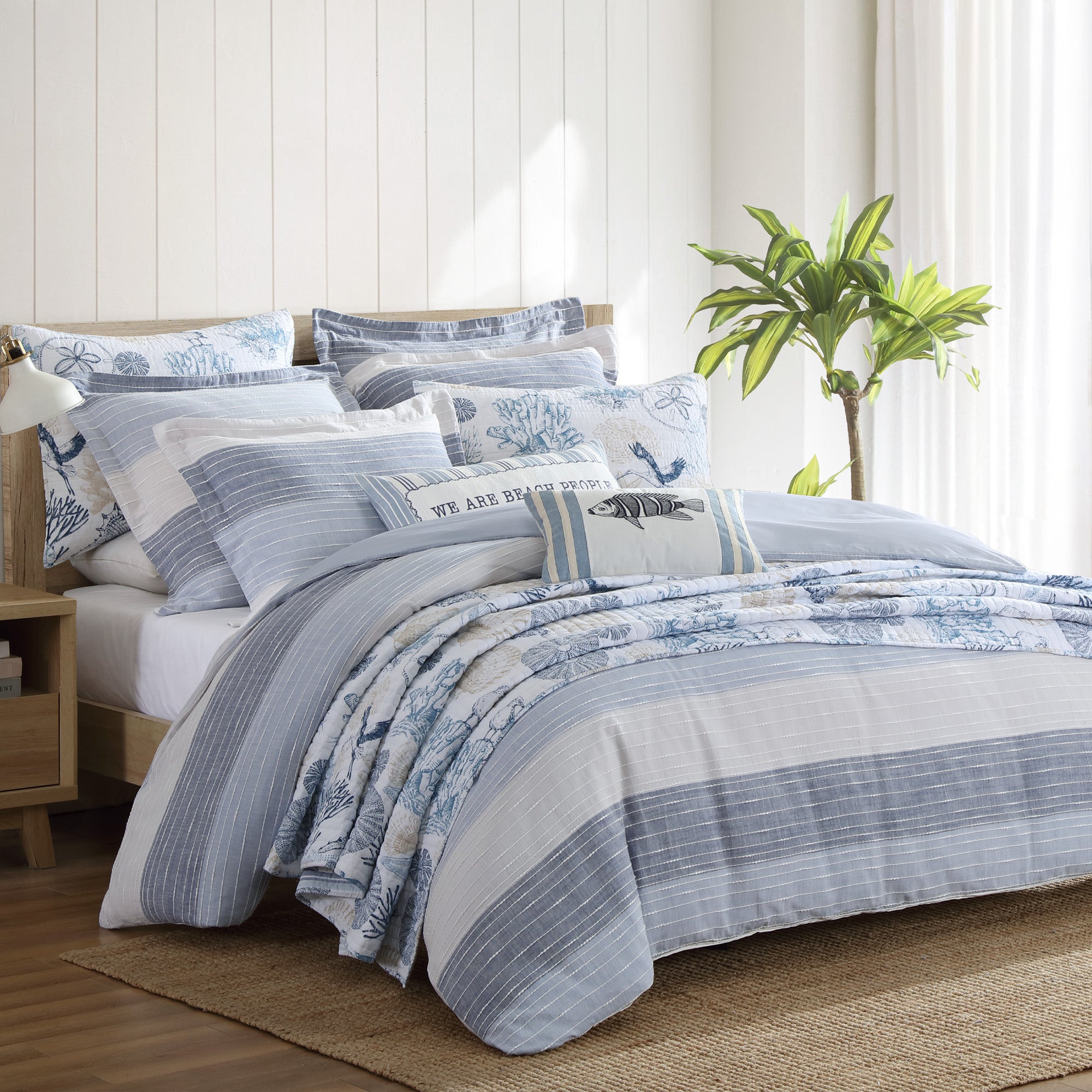

Your bedroom should be more than just a place to sleep. It is where you begin and end each day, making it one of the most important rooms in your home. A thoughtfully decorated bedroom can help you relax, recharge, and create a space that feels comfortable, functional, and uniquely yours.
Whether you are decorating a new bedroom or refreshing your current space, the process does not have to feel overwhelming. By focusing on the essentials, including layout, furniture, color, bedding, and décor, you can design a room that reflects your personal style while supporting your everyday routine.
The best bedroom designs are not defined by passing trends or expensive furnishings. Instead, they are built around thoughtful choices that balance comfort, practicality, and timeless style. With a few simple decorating principles, you can create a bedroom that feels welcoming today and for years to come.
Start With a Bedroom Layout
Every successful bedroom begins with a functional layout. Before choosing paint colors or decorative accents, take time to arrange the room so it feels balanced and easy to navigate.
The bed is typically the focal point, so start there. Position it where it feels most natural within the room, then arrange the remaining furniture around it. Leave enough space to walk comfortably on each side of the bed and make sure drawers, closet doors, and windows remain easy to access.
The most important piece in any bedroom is the bed itself. While having lots of floor space is wonderful, the majority of the time you spend in the room will be in bed, so opting for the largest one you can fit often feels the most luxurious use of the space.Ellen Cumber, interior designer
Think about how you use the room each day. If you enjoy reading before bed, consider creating a small seating area if space allows. If storage is limited, look for furniture that serves multiple purposes, such as a storage bench or a bed with built-in drawers.
A well-planned layout can make any bedroom feel more open and organized, regardless of its size. Even small adjustments to furniture placement can improve both the appearance and functionality of the room.
Remove What Doesn't Belong
Before introducing new furniture or décor, spend time removing anything that no longer belongs in the room. Bedrooms often become places where laundry, paperwork, shopping bags, and miscellaneous items accumulate over time.
Start by clearing surfaces such as nightstands, dressers, and shelves. Then move on to closets, under-bed storage, and any areas where clutter tends to collect. Donate or relocate anything you no longer use, wear, or need.
Once unnecessary items have been removed, organize what remains. Storage baskets, drawer dividers, and decorative boxes can help keep everyday essentials accessible while reducing visual clutter.
A tidy bedroom instantly feels calmer and more inviting. Creating an organized foundation also makes it easier to decorate because each design choice has room to stand out.

Invest in the Right Bed
The bed is the centerpiece of the bedroom, so choosing the right one is one of the most important decorating decisions you will make. Its size, style, and placement influence the look and feel of the entire room.
Begin by selecting a bed frame that complements your design style and fits comfortably within the available space. Upholstered headboards create a soft and inviting look, while wood and metal frames offer timeless appeal across a variety of decorating styles.
Comfort is just as important as appearance. When choosing a mattress, consider your preferred sleeping position, desired level of support, temperature preferences, and whether you share the bed with someone else. Selecting the right mattress can improve both sleep quality and everyday comfort.
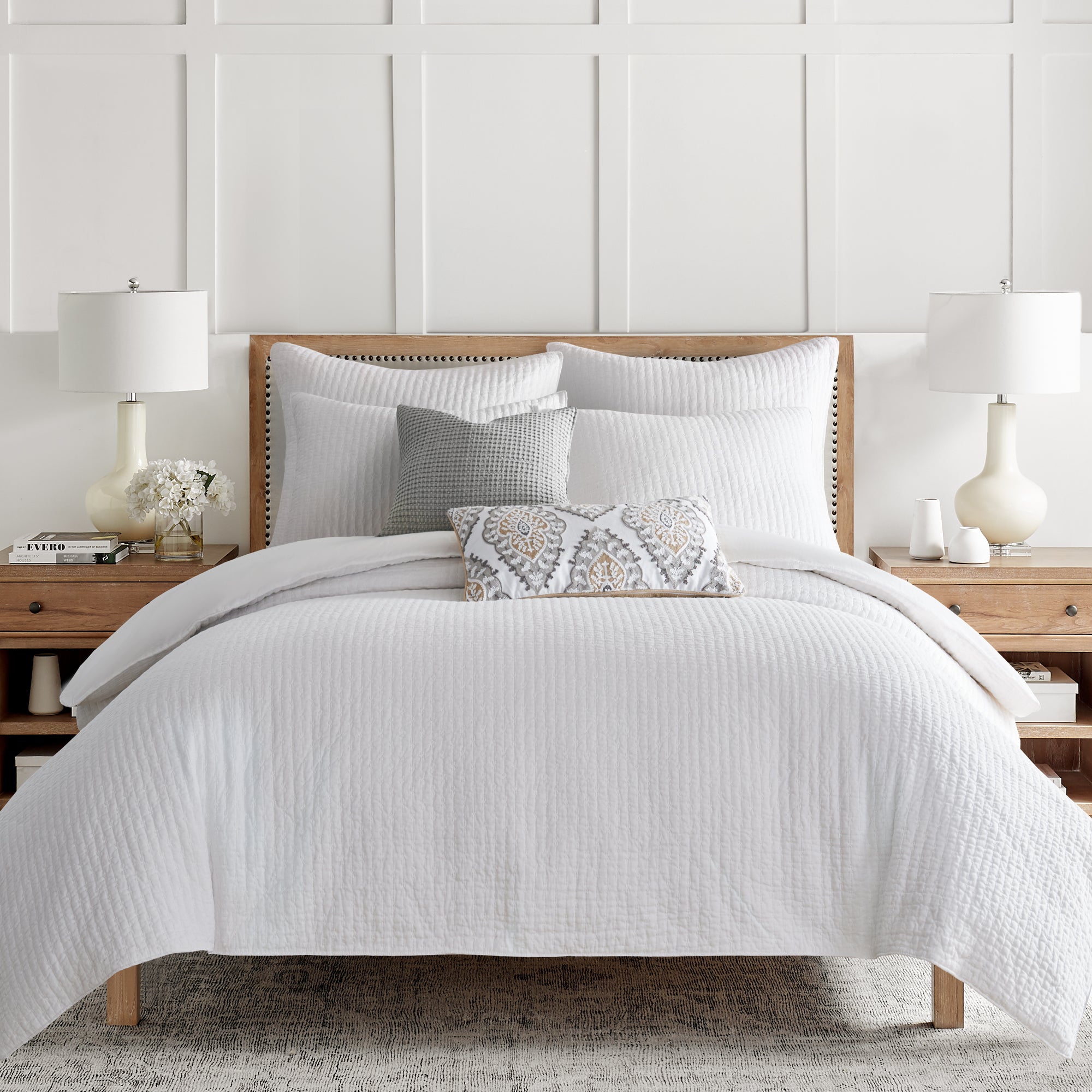
Complete the space with furniture that works well alongside the bed. Nightstands provide convenient storage for everyday essentials, while a bench at the foot of the bed can add both function and visual balance. Rather than focusing on perfectly matching furniture, consider mixing complementary materials and finishes to create a collected, intentional look.
Building the room around a bed that meets both your practical needs and your personal style creates a strong foundation for every subsequent decorating decision.
Choose Bedding That Fits Your Lifestyle
Bedding has a significant impact on both the appearance of your bedroom and the quality of your sleep. Choosing materials and layers that suit your preferences can help create a bed that feels as comfortable as it looks.
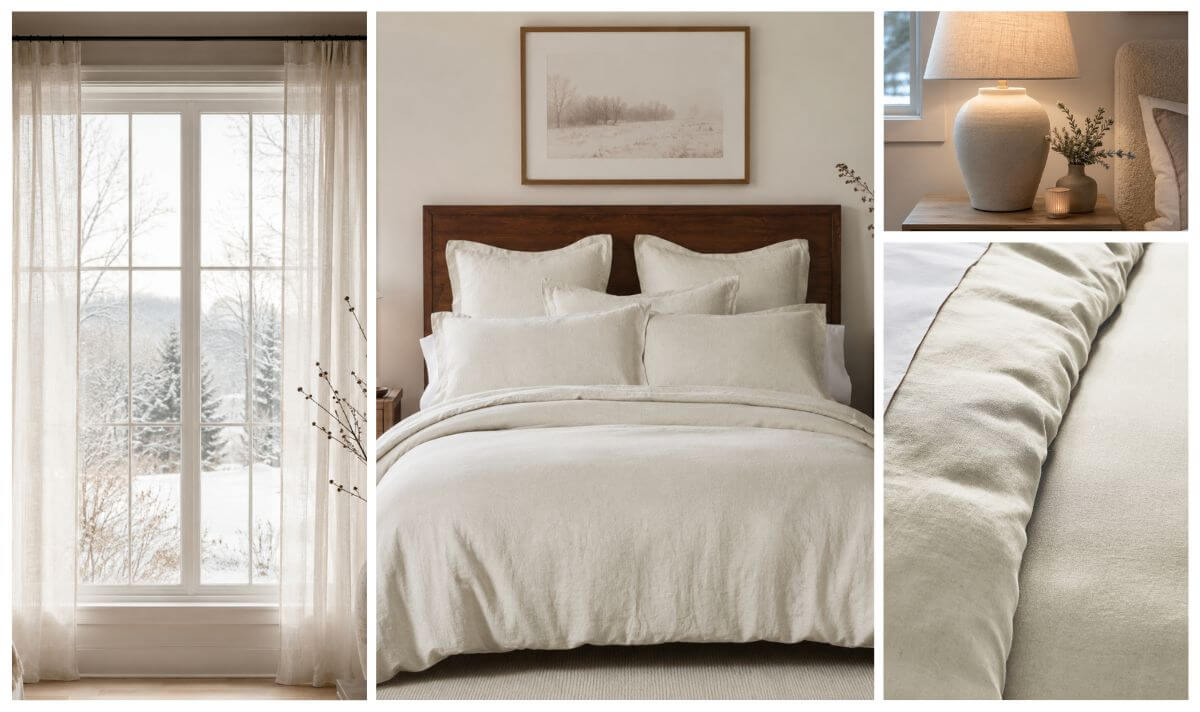
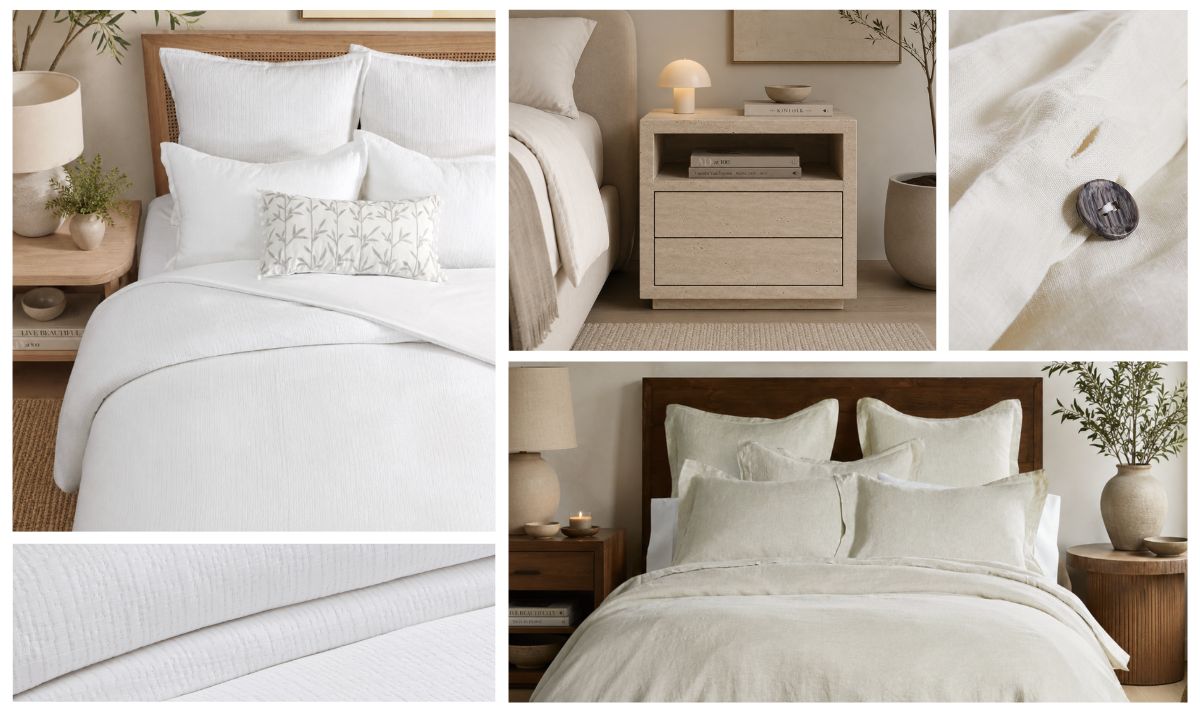
Cotton is one of the most popular bedding fabrics because it is soft, breathable, and easy to care for. Linen offers a relaxed look and becomes softer over time, making it a favorite for casual and airy bedrooms. Bamboo fabrics are known for their smooth feel and moisture-wicking properties, while microfiber is an affordable, low-maintenance option that resists wrinkles.
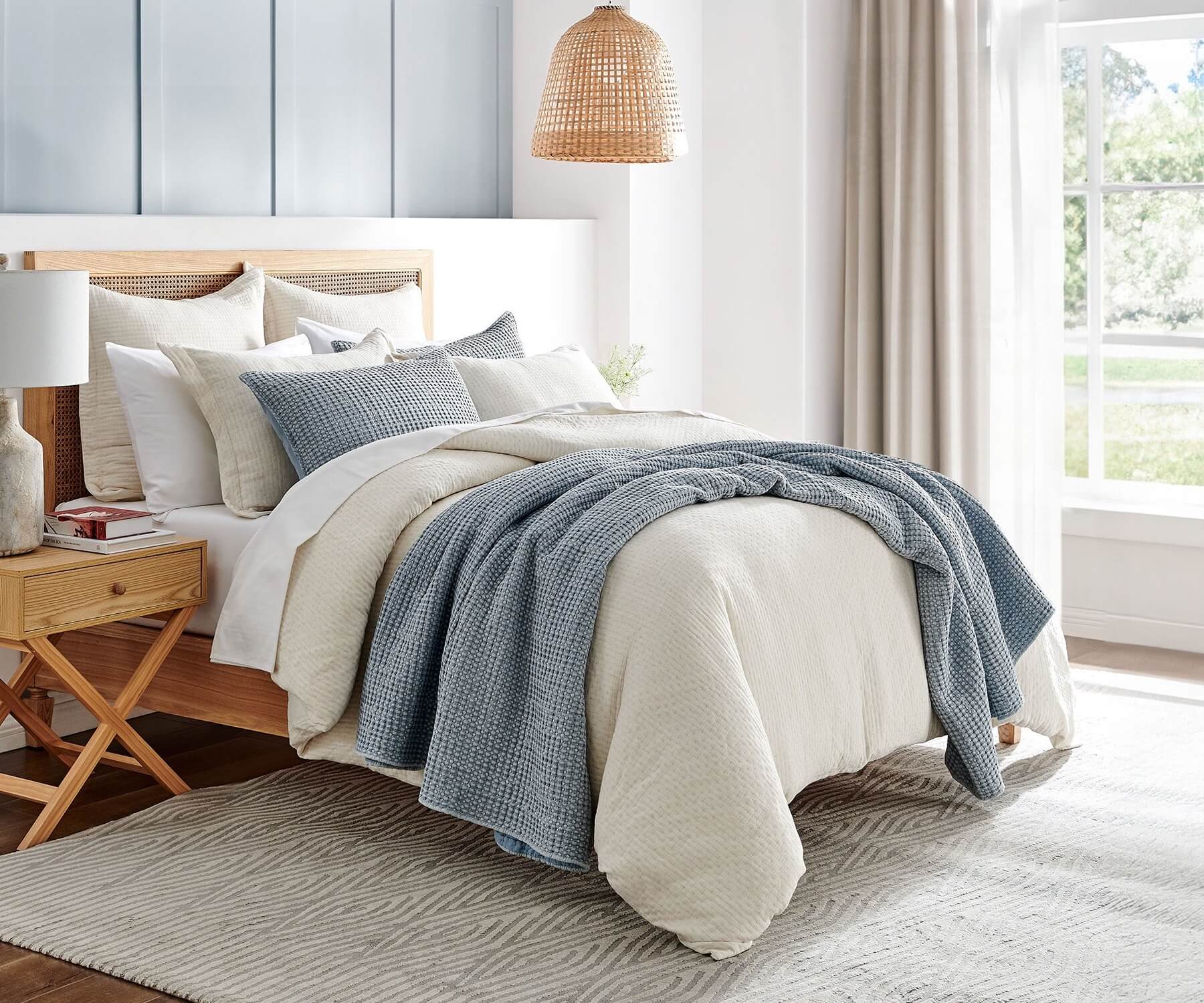
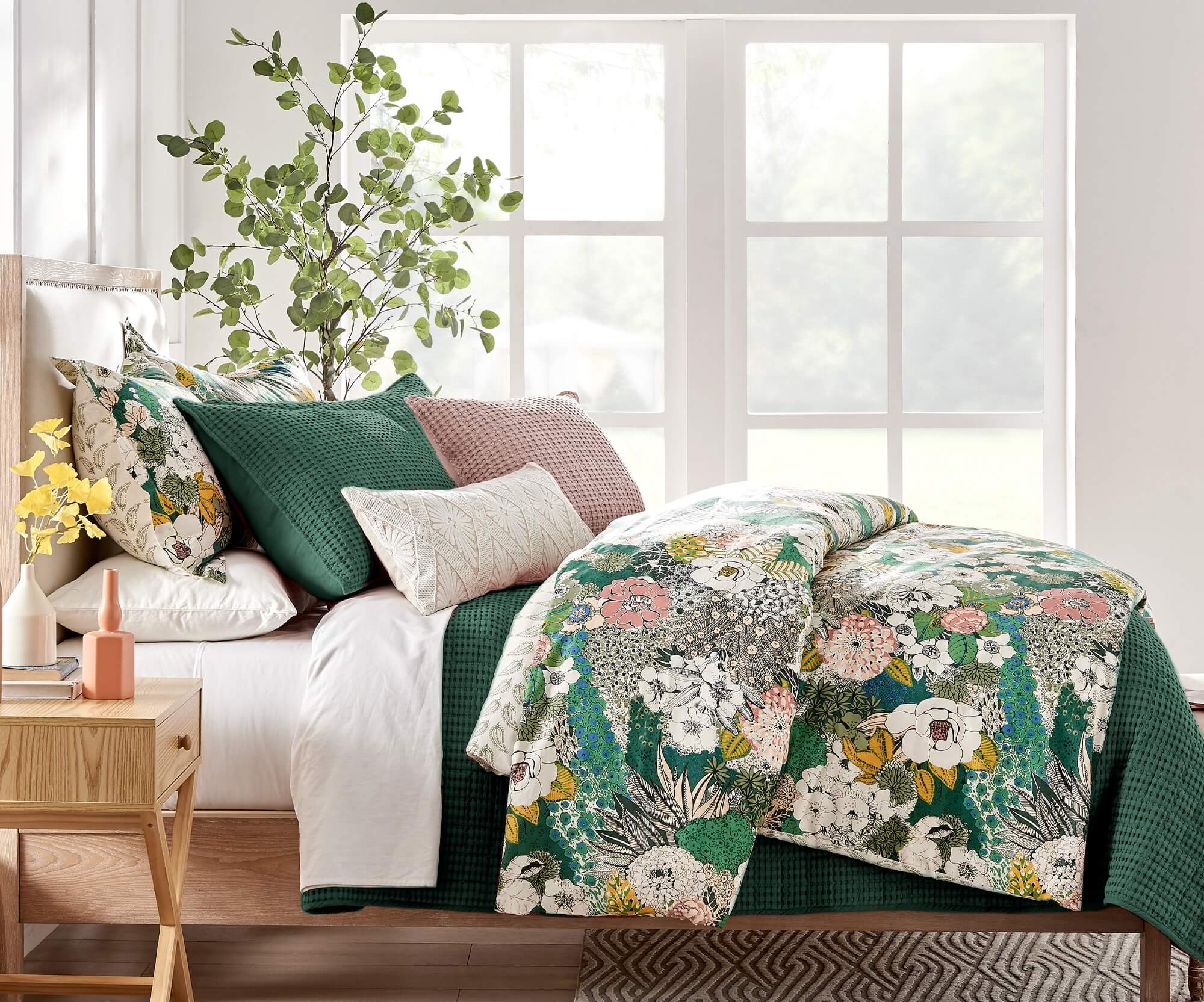
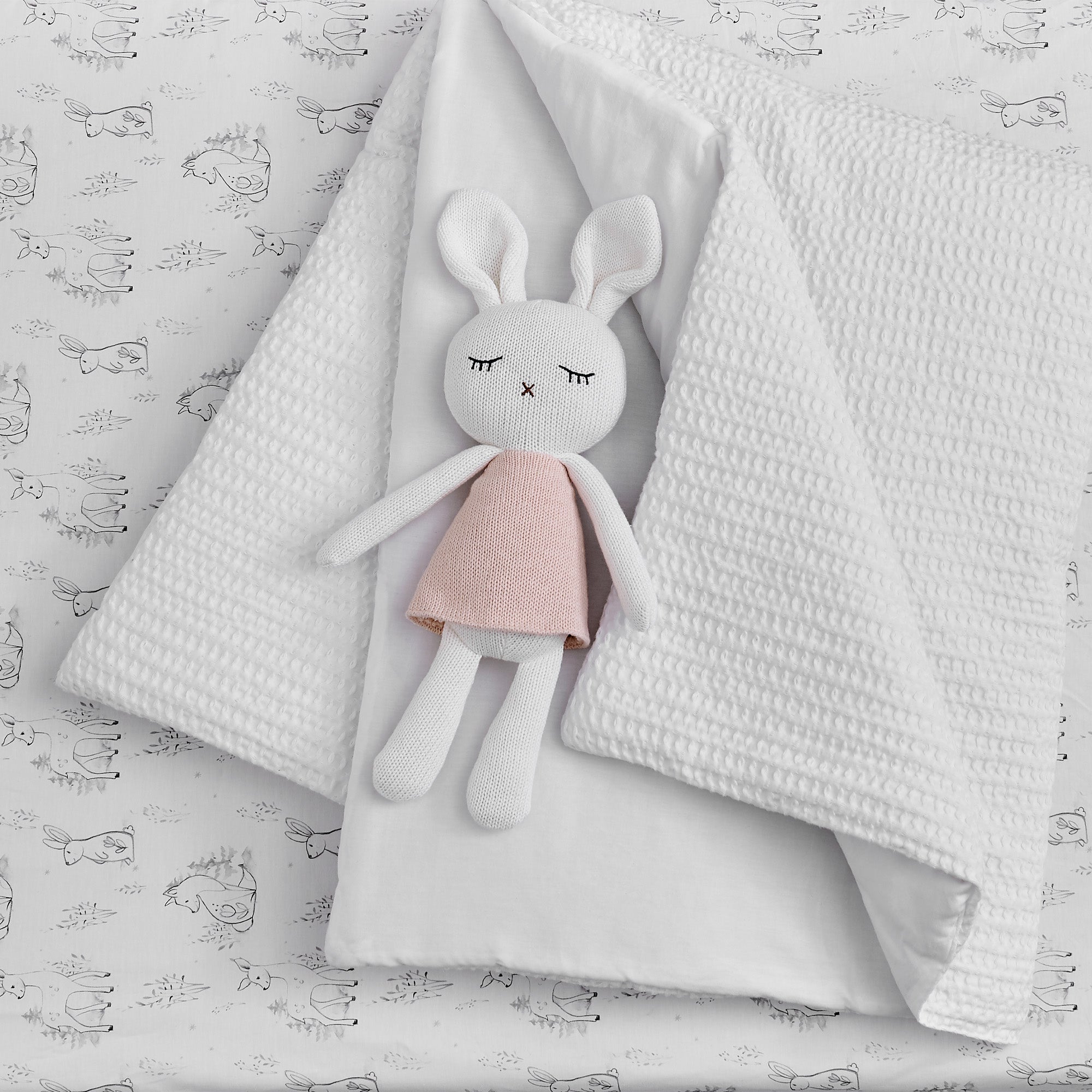
Beyond fabric, think about how you use your bed throughout the year. Layering lightweight blankets, quilts, or coverlets makes it easy to adjust for changing temperatures without completely redesigning the bed each season. Mixing different textures can also add warmth and visual interest, helping the room feel more inviting.
Choose bedding that complements your lifestyle as much as your decorating style. Easy-care fabrics may be the best choice for busy households, while natural materials can provide enhanced breathability and comfort for those who tend to sleep warm.

Quilt, Duvet, or Comforter?
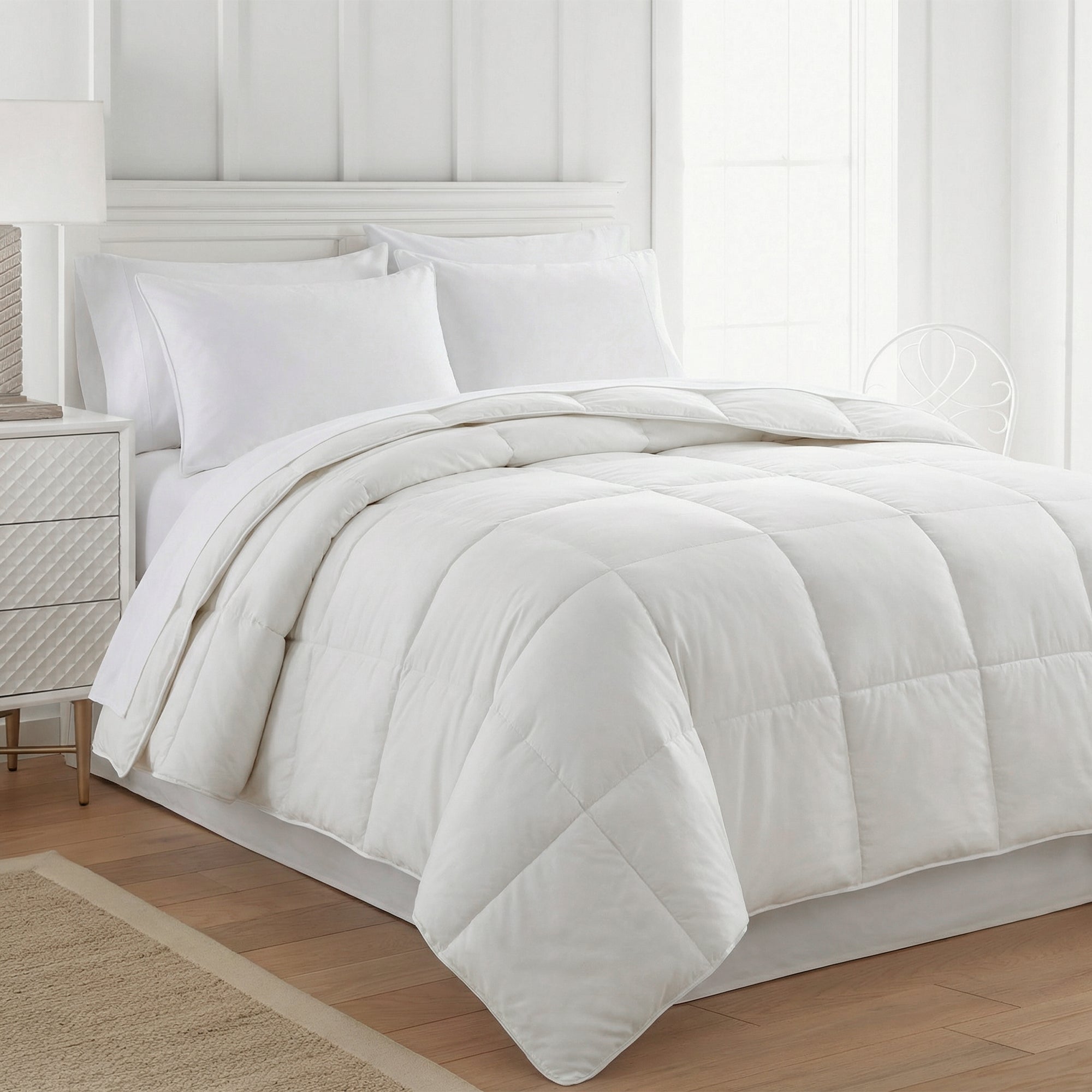
One of the most common questions when decorating a bedroom is deciding what type of bedding works best. Quilts, duvets, and comforters each offer different benefits, and the right choice depends on your preferences, climate, and desired look.
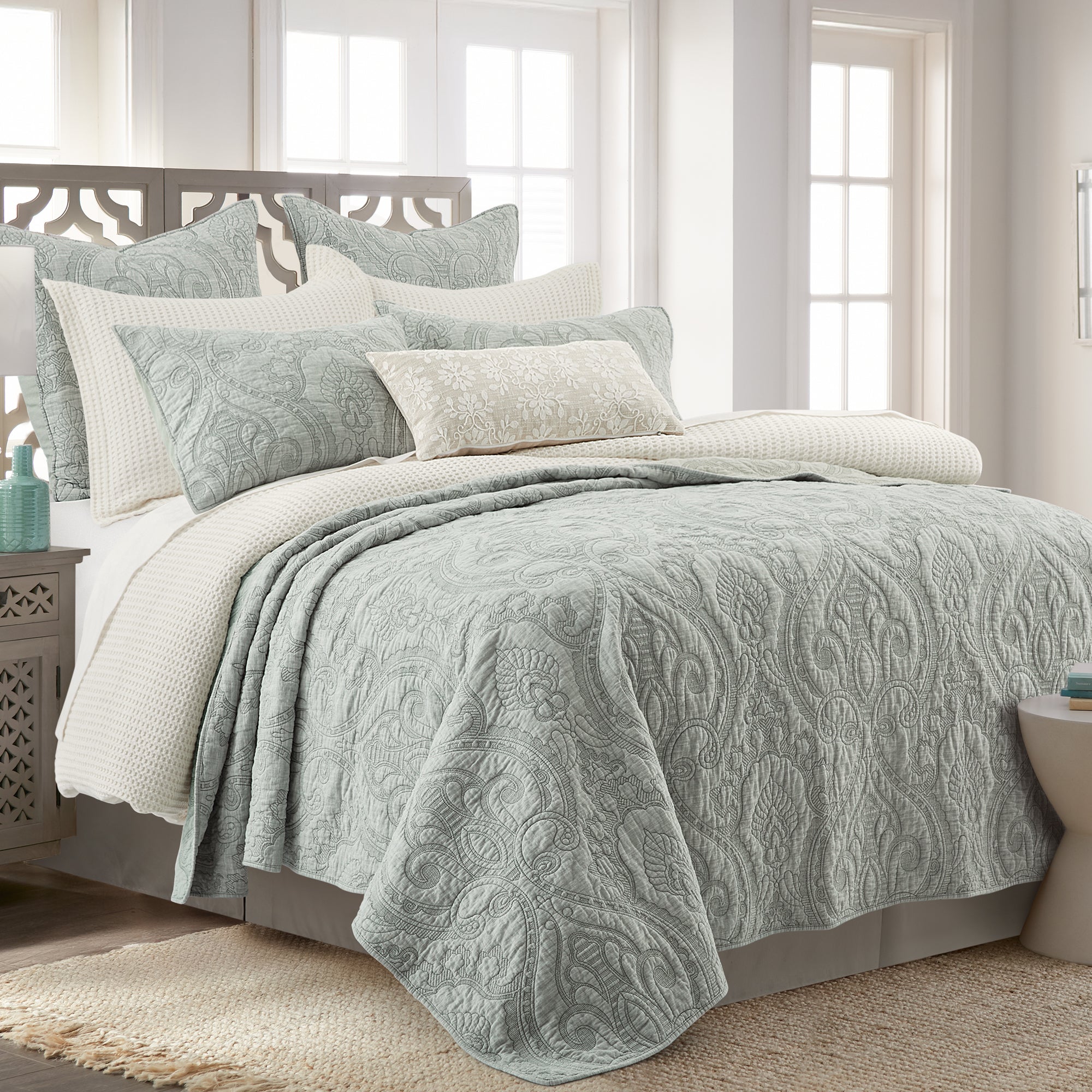
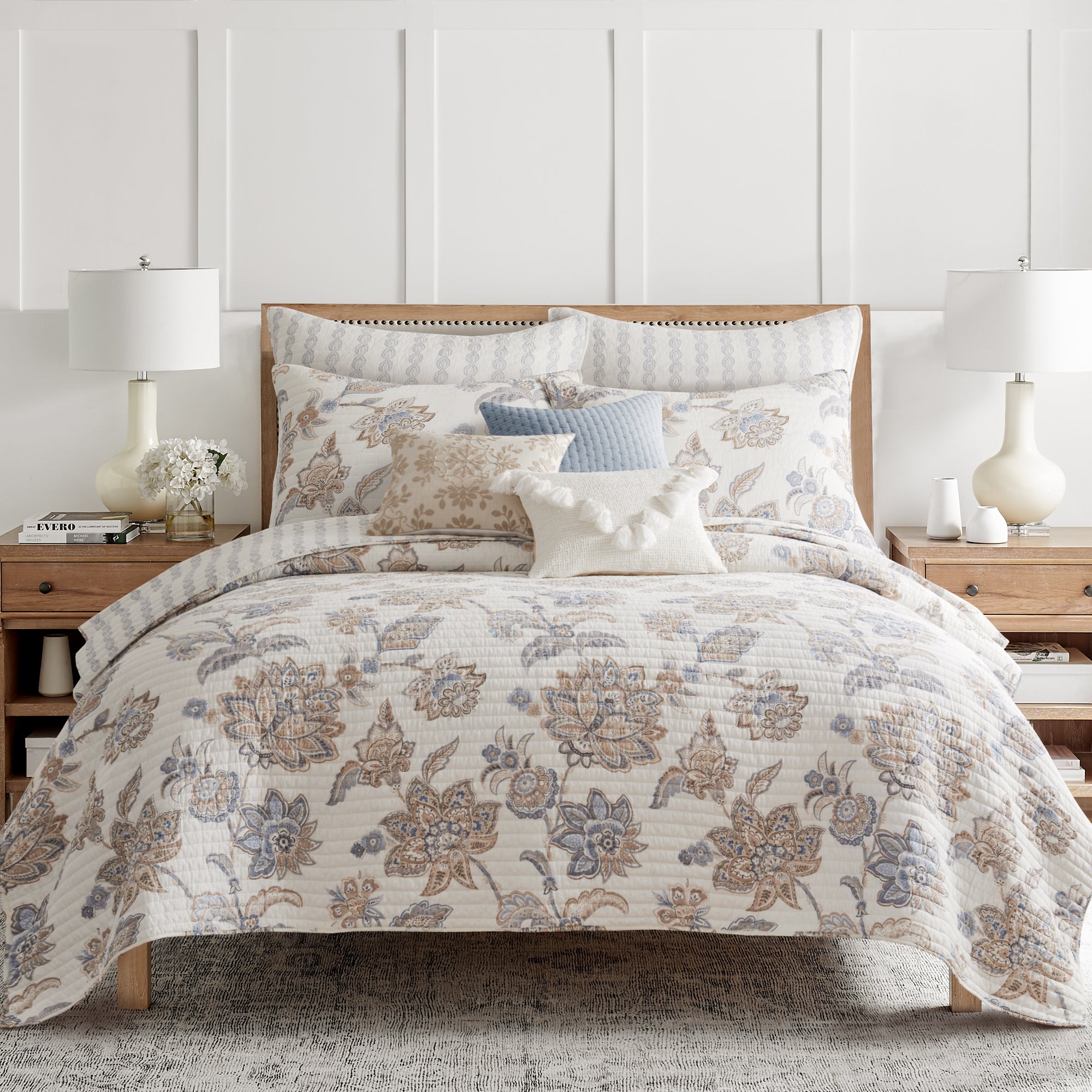
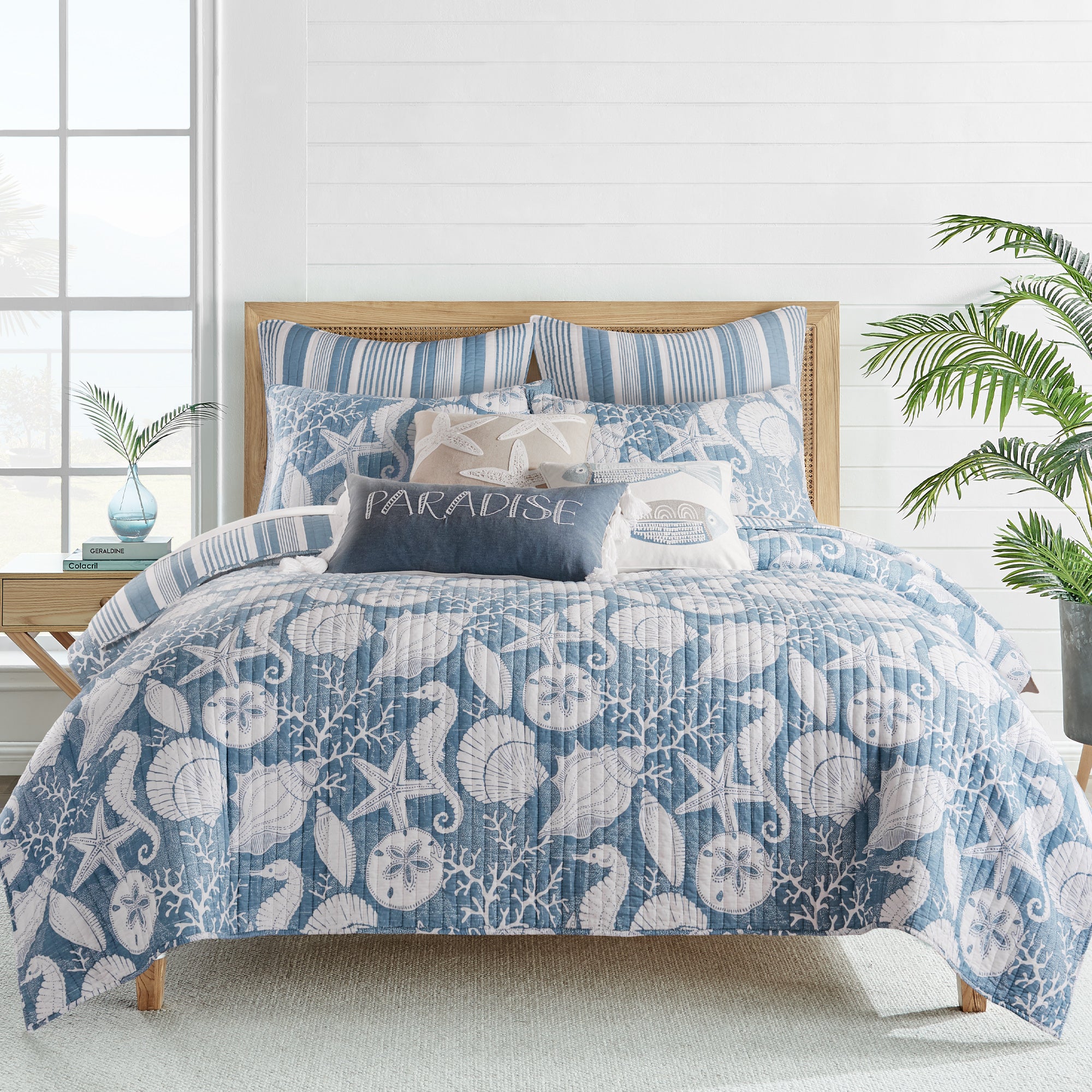
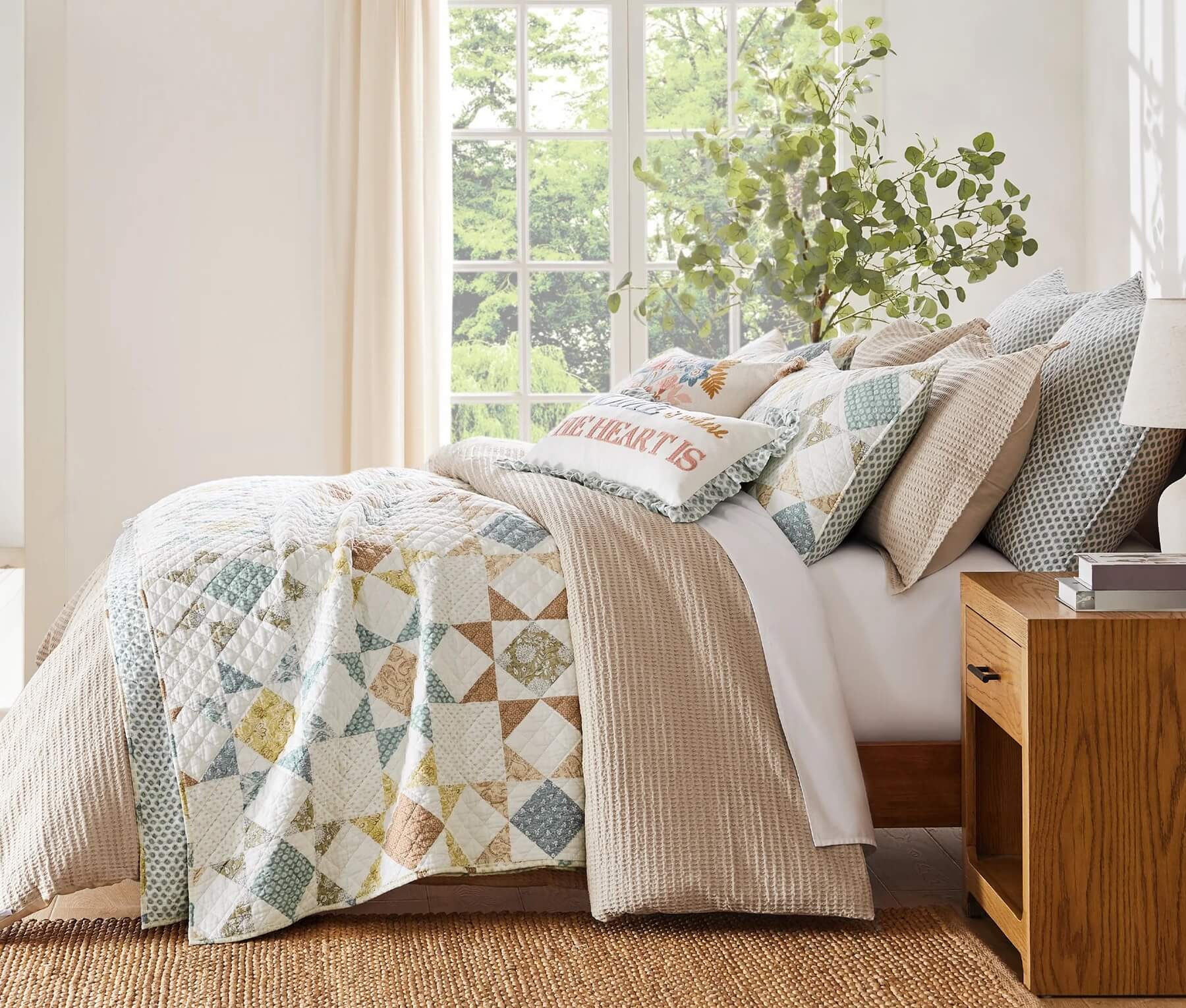
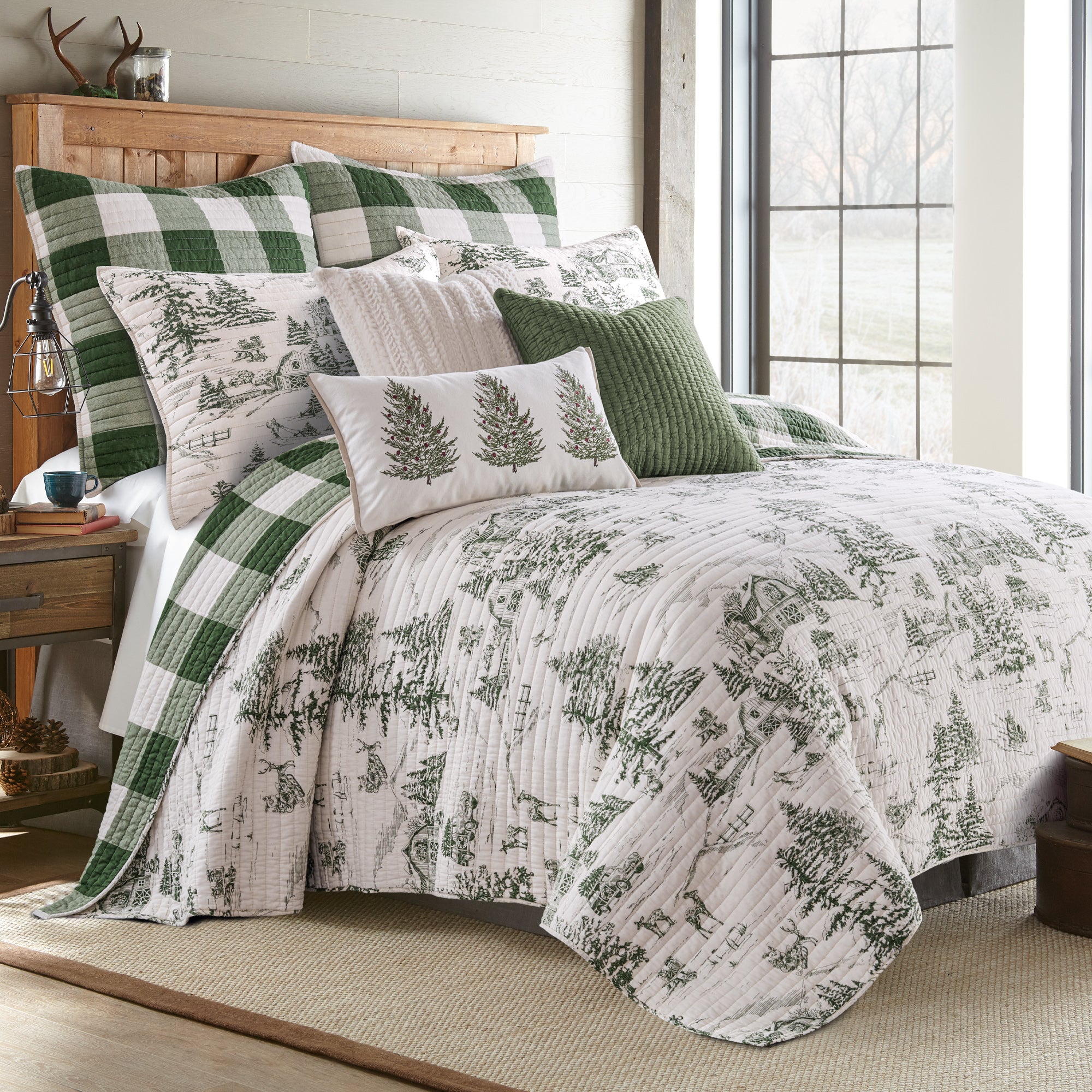
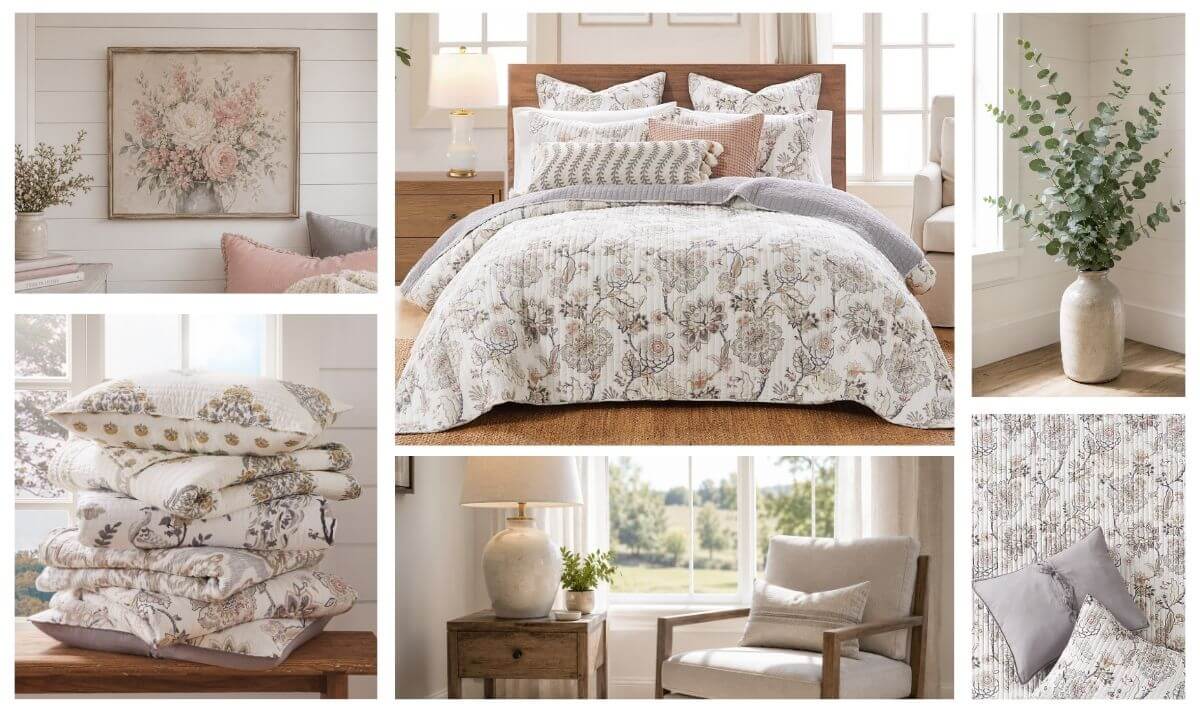
A quilt is typically lightweight with stitched layers that provide texture without too much warmth. Quilts are ideal for warmer weather, layering with other bedding, or creating a more casual, relaxed appearance.
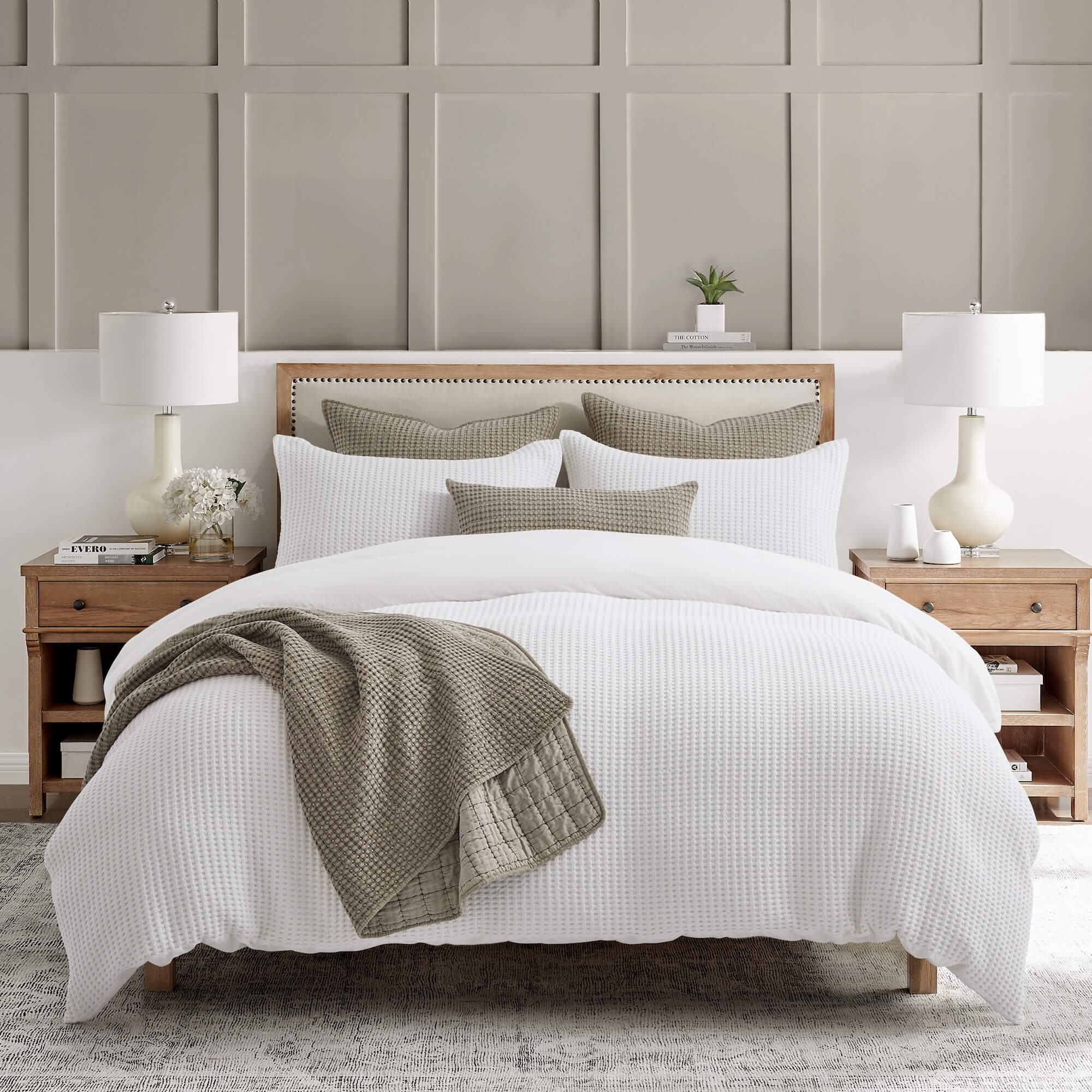
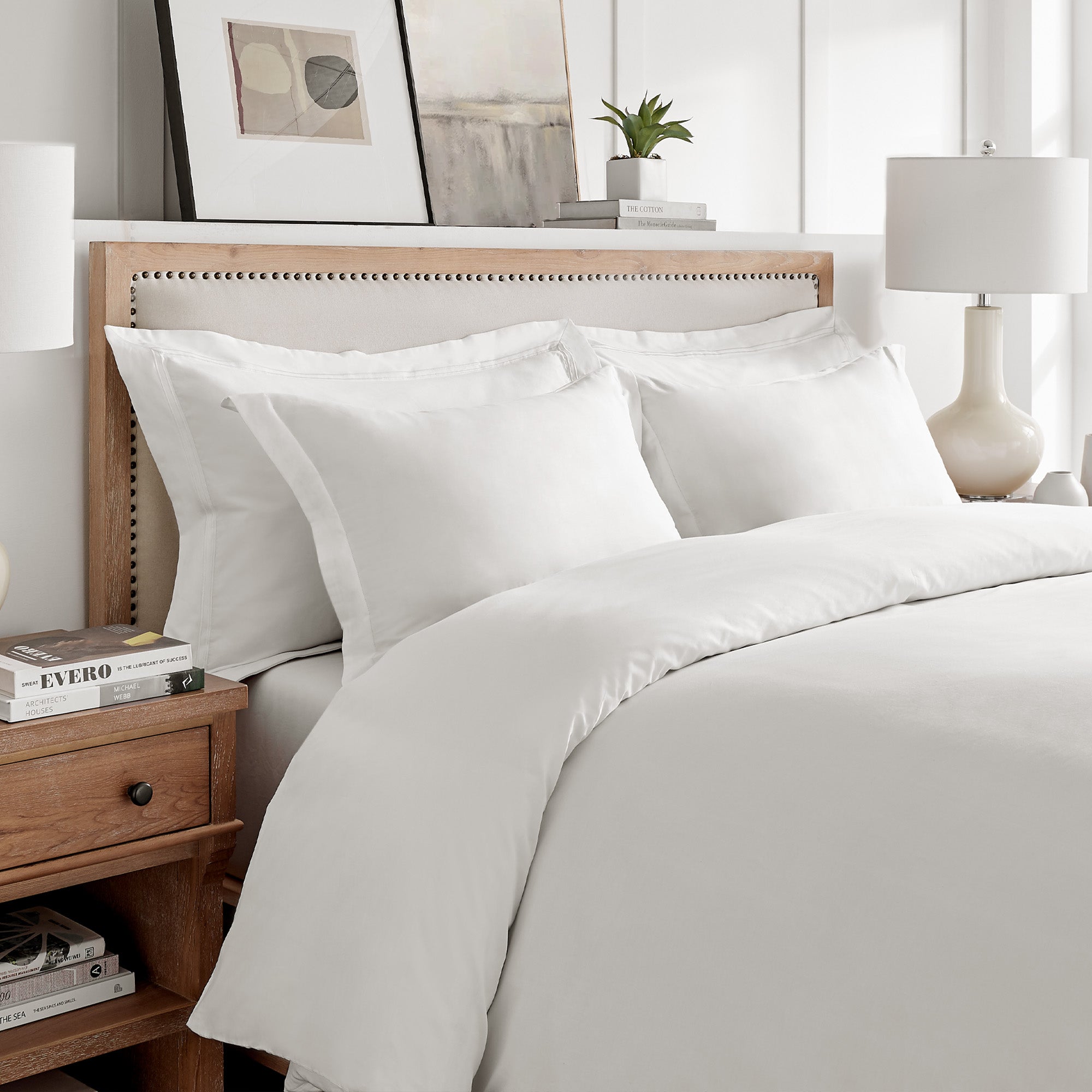
A duvet consists of two pieces: a removable cover and an insert. The cover can be changed without replacing the insert, making it easy to update your bedroom's style or switch to different fabrics throughout the year. Many people appreciate duvets for their versatility and simplified maintenance.
A comforter combines the outer fabric and filling into a single piece. It offers a full, finished appearance and is often a convenient option for those who prefer bedding that is ready to use without additional layers.
There is no single right choice. Some people even combine multiple options by layering a quilt over a duvet or folding one at the foot of the bed for added texture and flexibility.
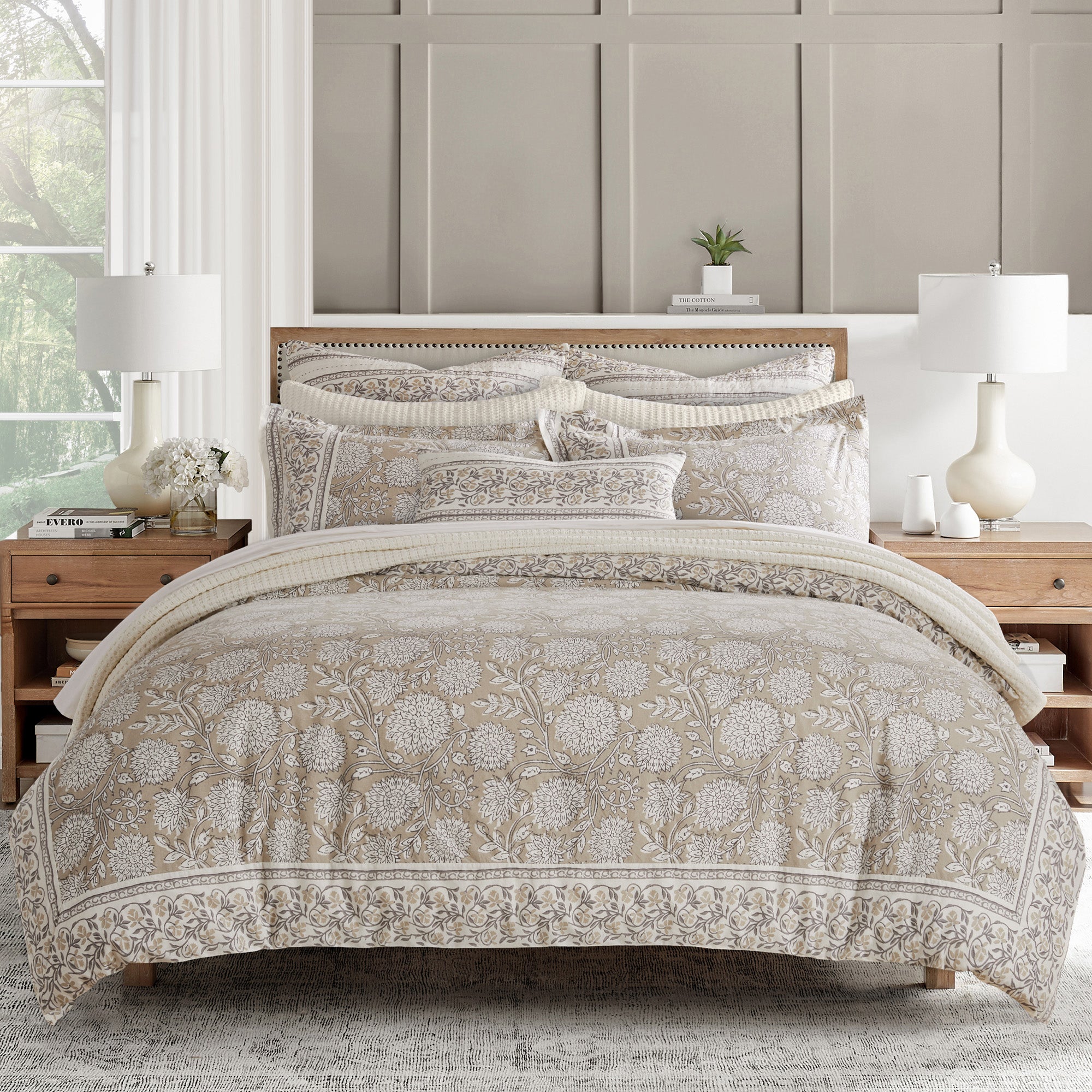
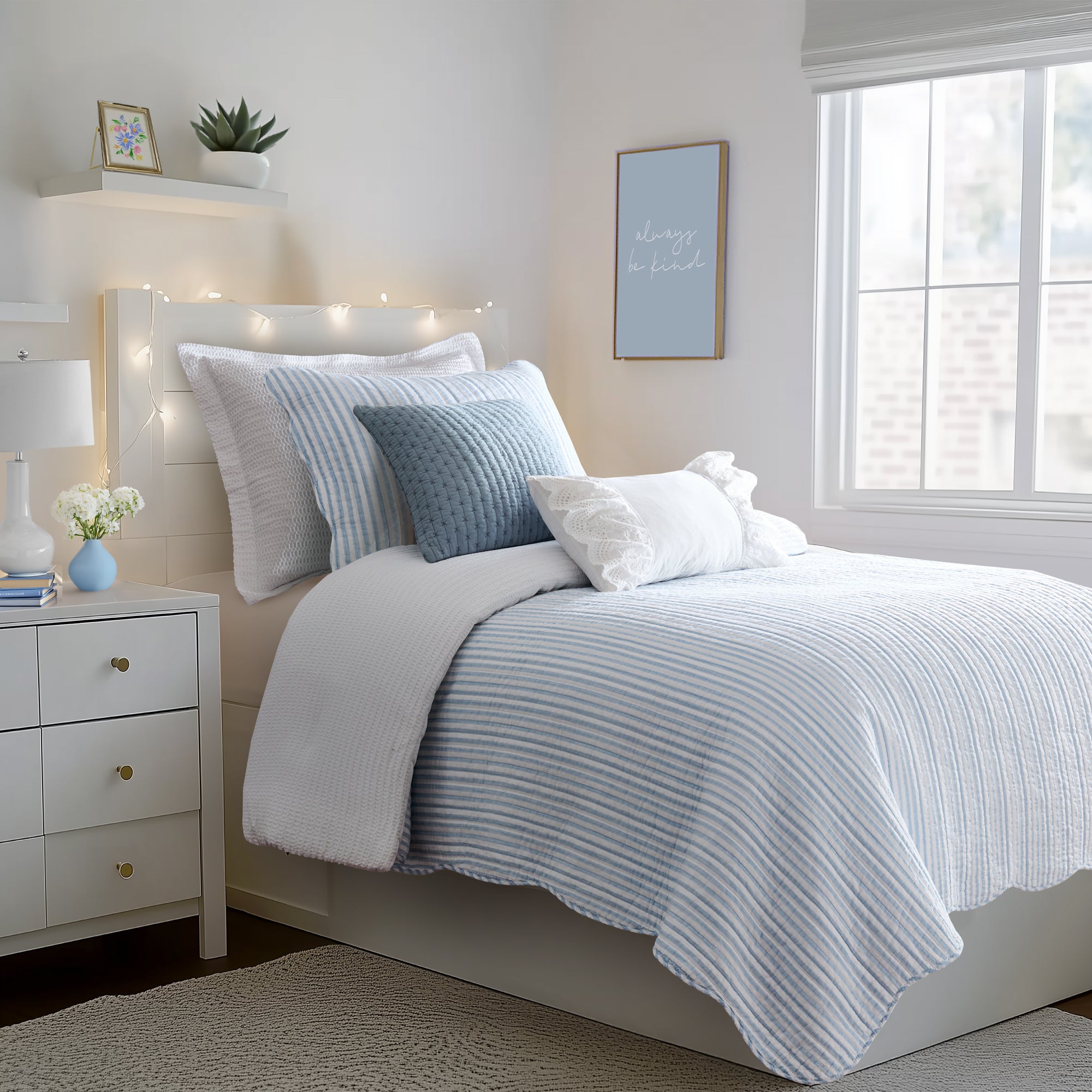
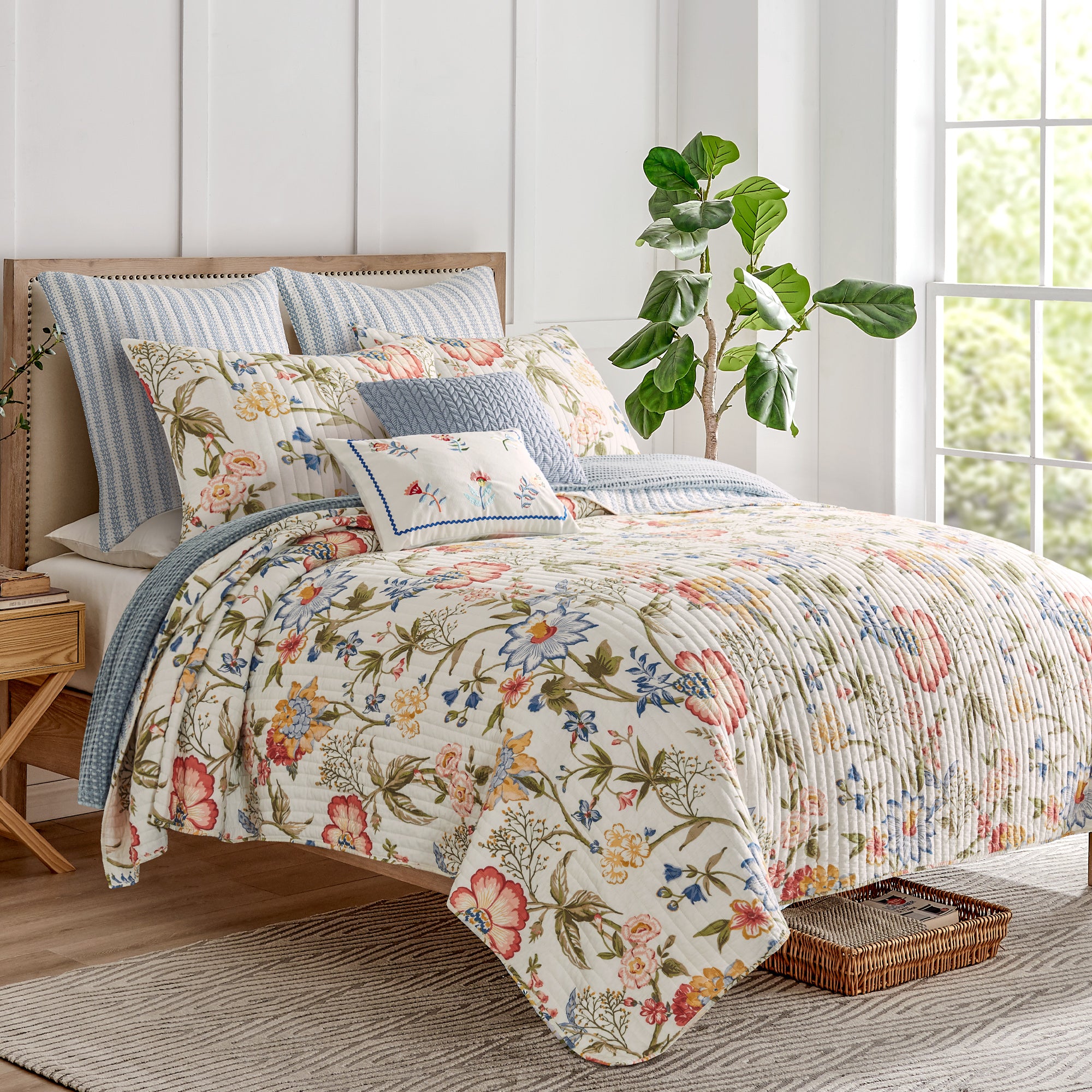
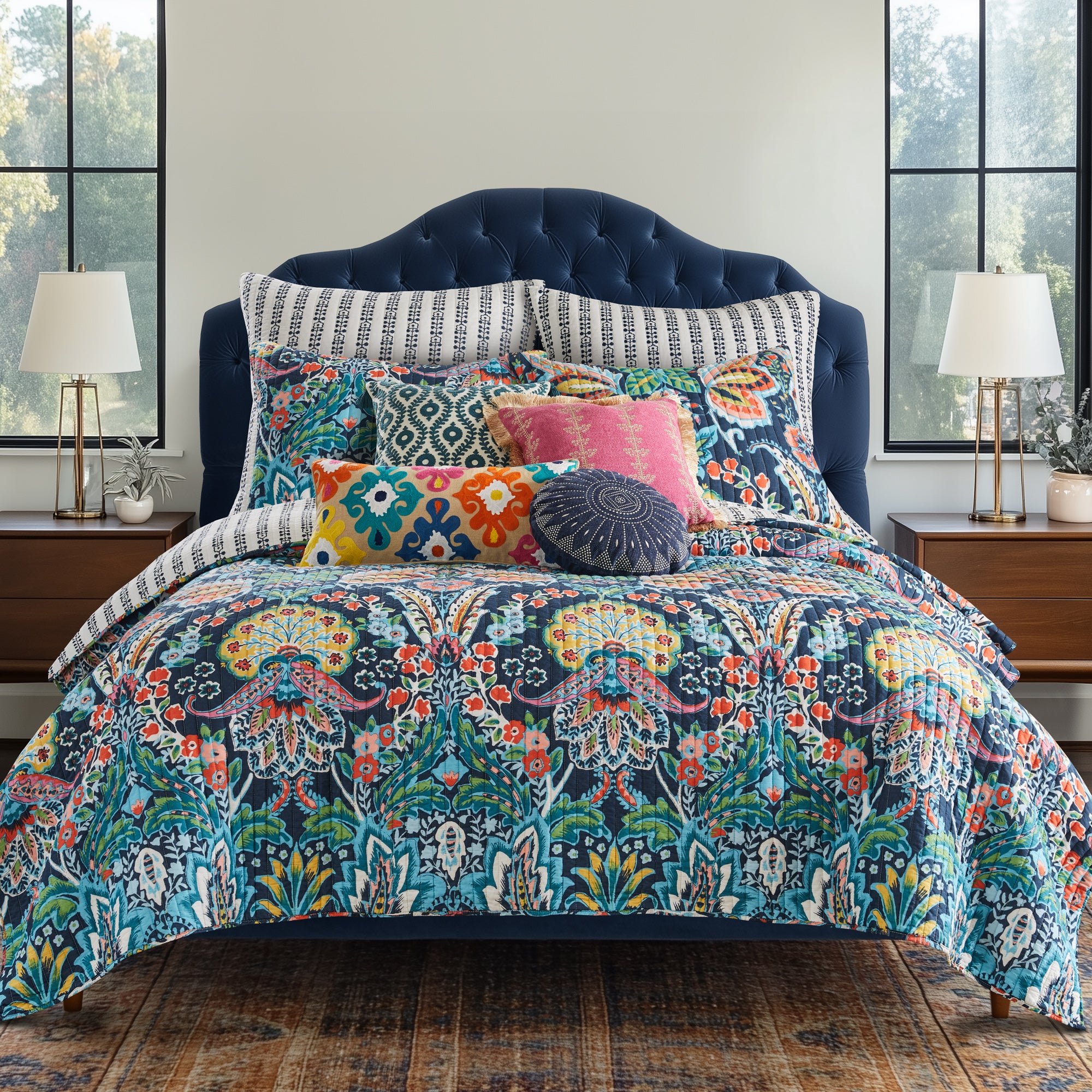
Layered patterns, textures, and colors are visually arresting and create the feeling that a room is spacious enough to accommodate them all, distracting from the room’s small dimensions. Playing around with bedding is an easy way to accomplish this. Look for quilts and throw pillows in contrasting patterns and hues. Pairing gingham with block-printed florals is one way to get started. And if you add ruffles or scalloped detail, even better.Meg Lonergan, Houston, Texas designer
Start With Color
Color plays a major role in shaping the mood of a bedroom. Whether you prefer a bright and cheerful space or a calm retreat, choosing a cohesive color palette creates a sense of balance throughout the room.
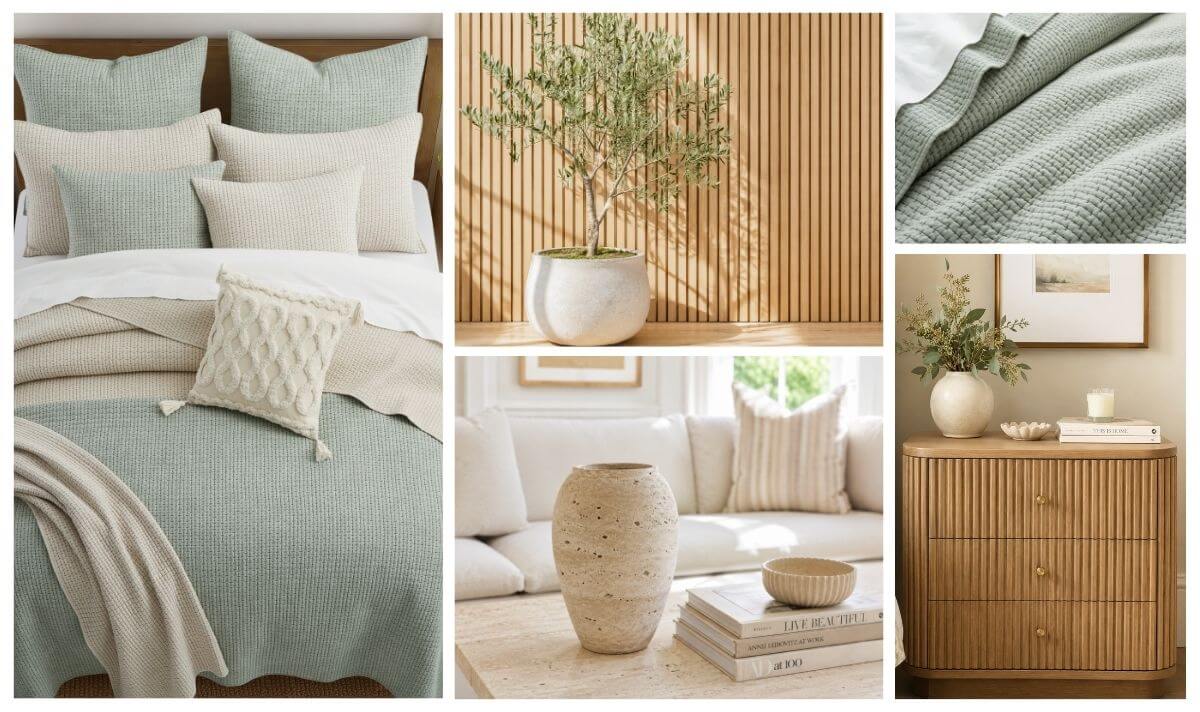
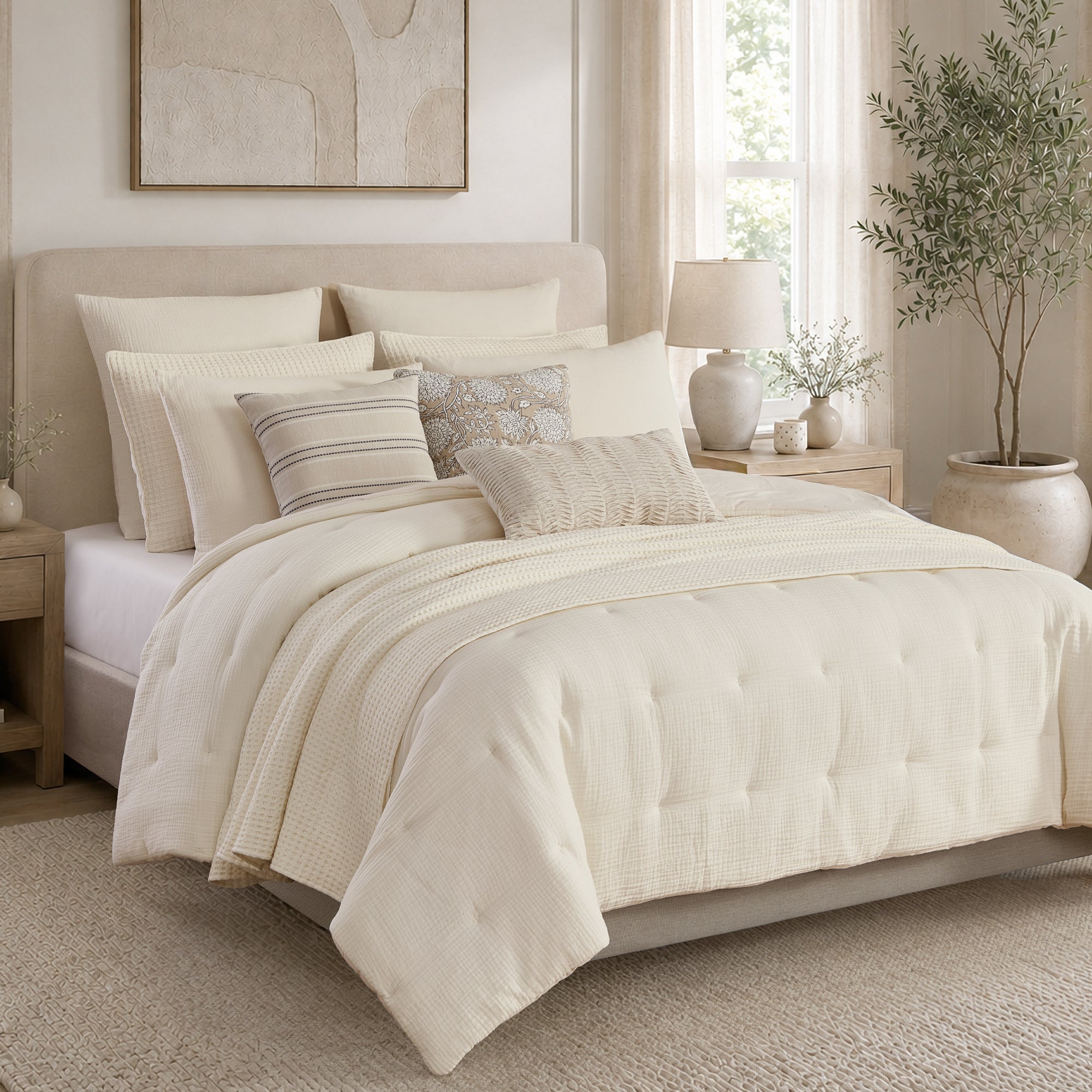
Neutral colors such as white, cream, beige, gray, and soft taupe remain timeless because they create a relaxing backdrop and work well with a variety of decorating styles. If you want to introduce more personality, muted greens, soft blues, warm terracotta, or deep navy can add color while maintaining a restful atmosphere.
When selecting a palette, consider the amount of natural light your bedroom receives. Lighter colors can make smaller or darker rooms feel more open, while deeper shades can create a cozy and intimate environment in larger spaces.
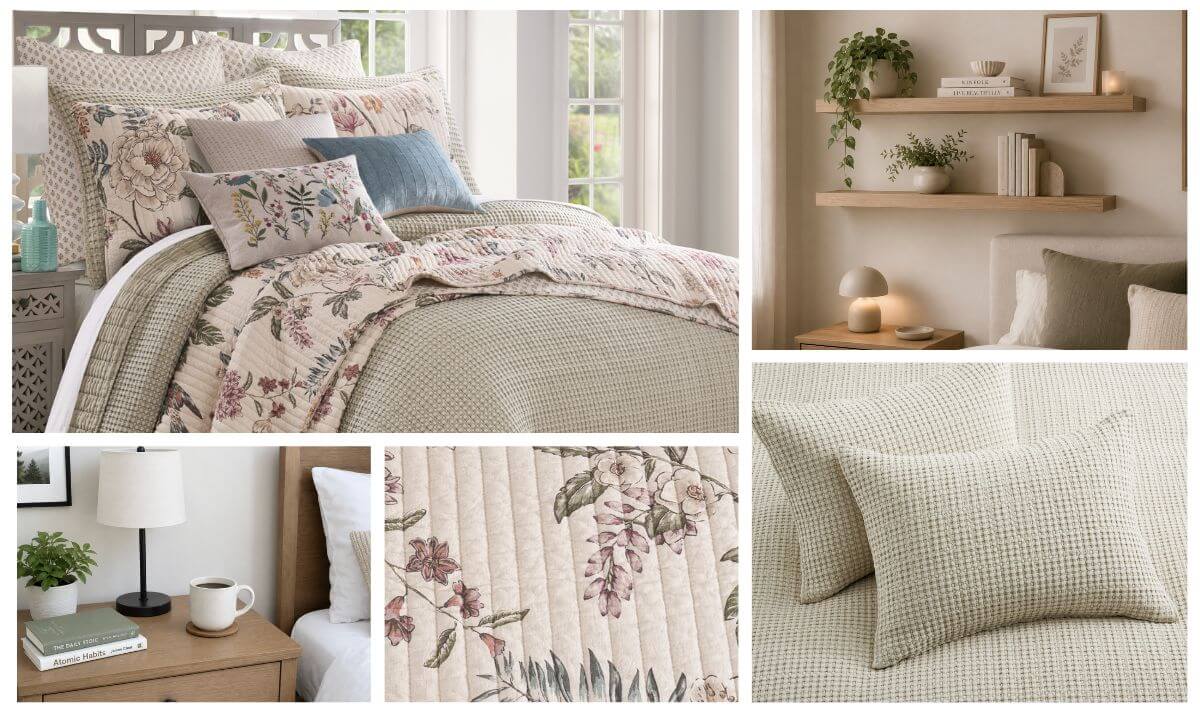
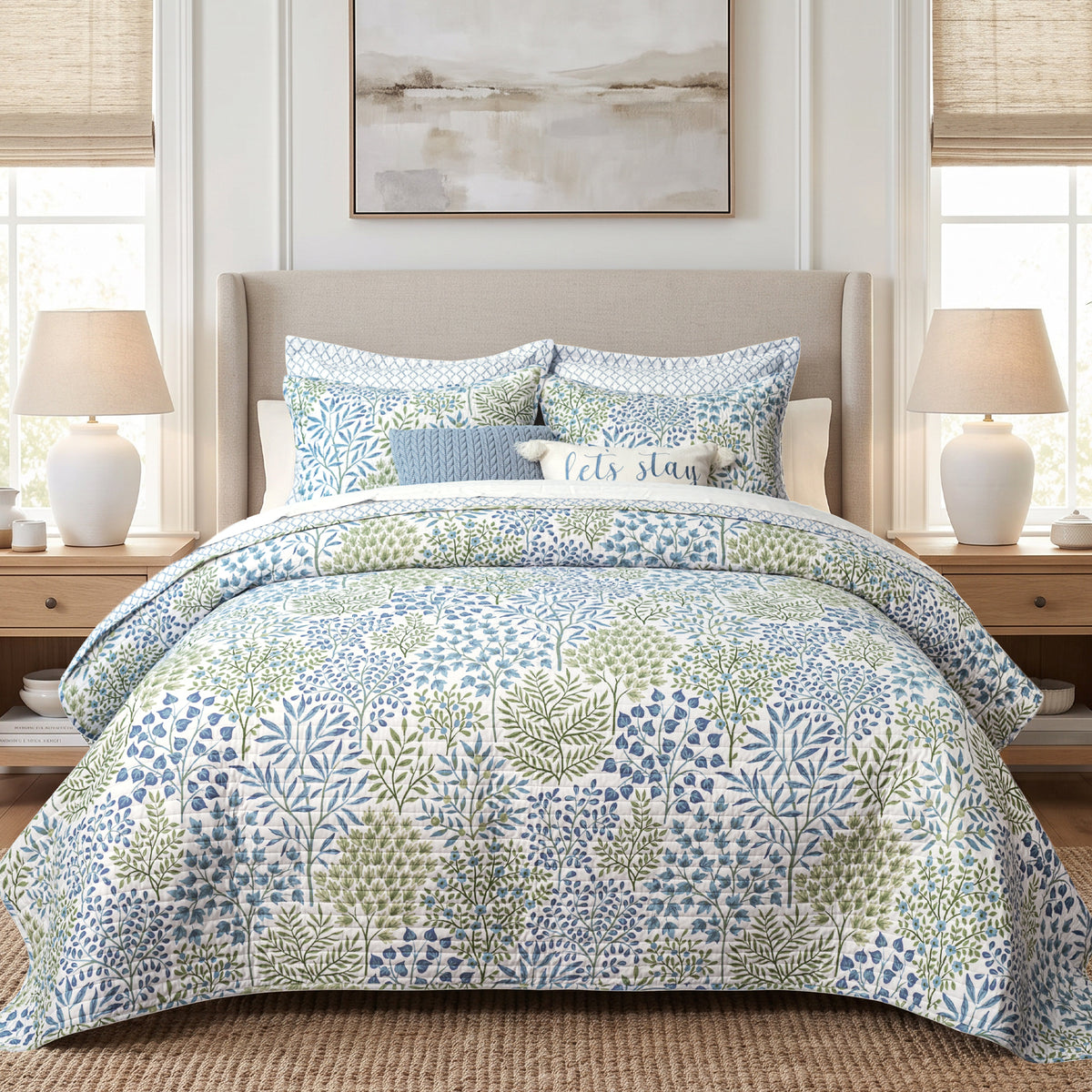
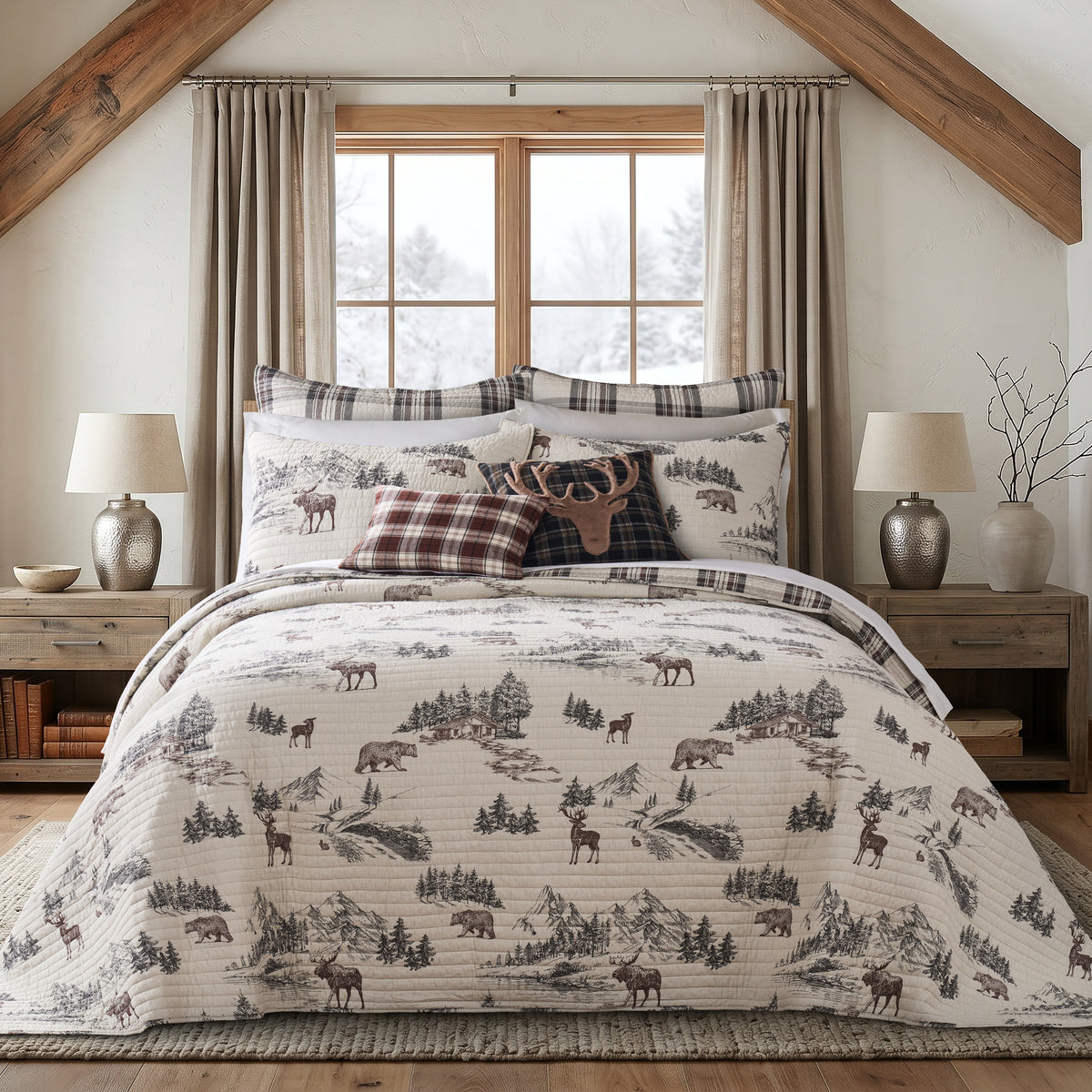
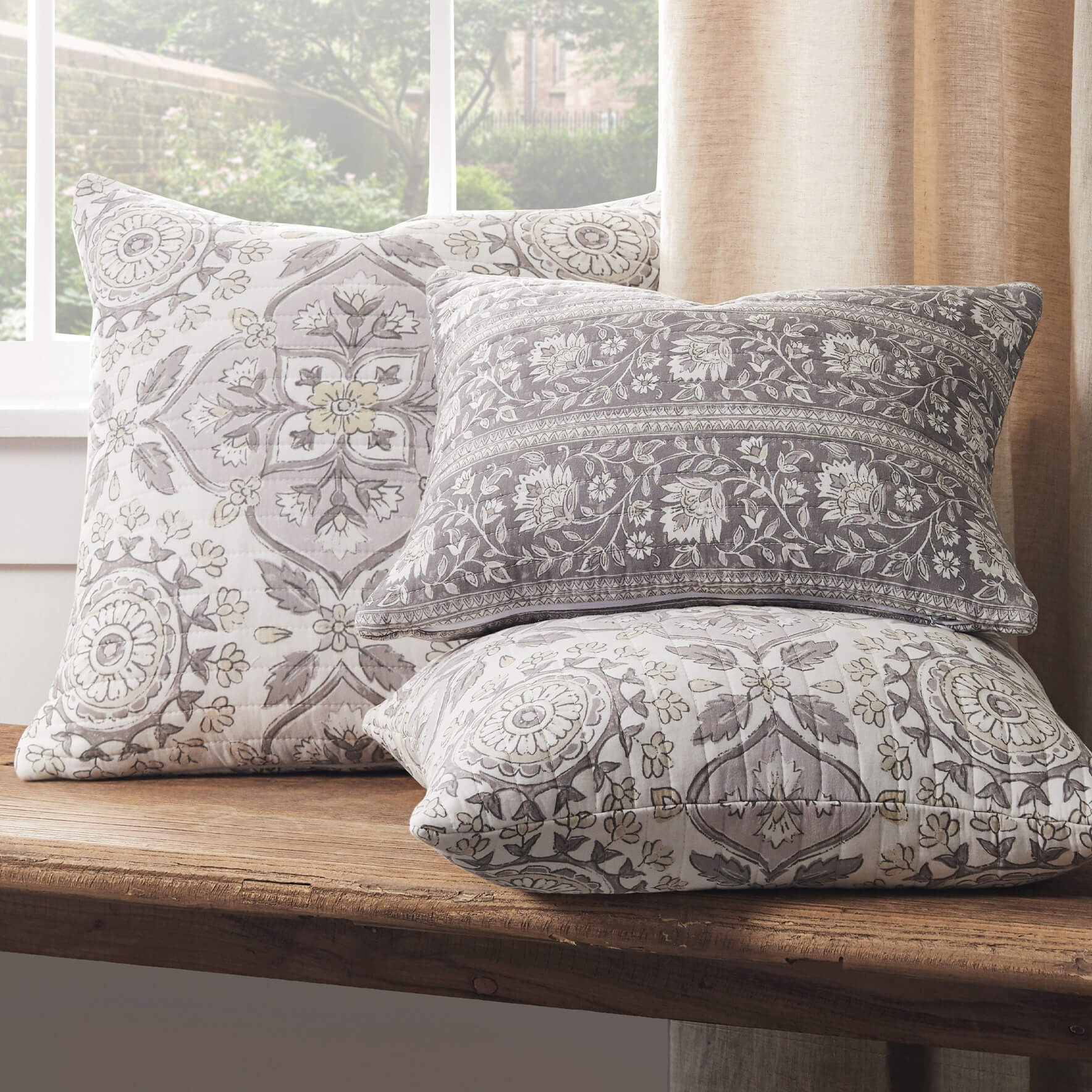
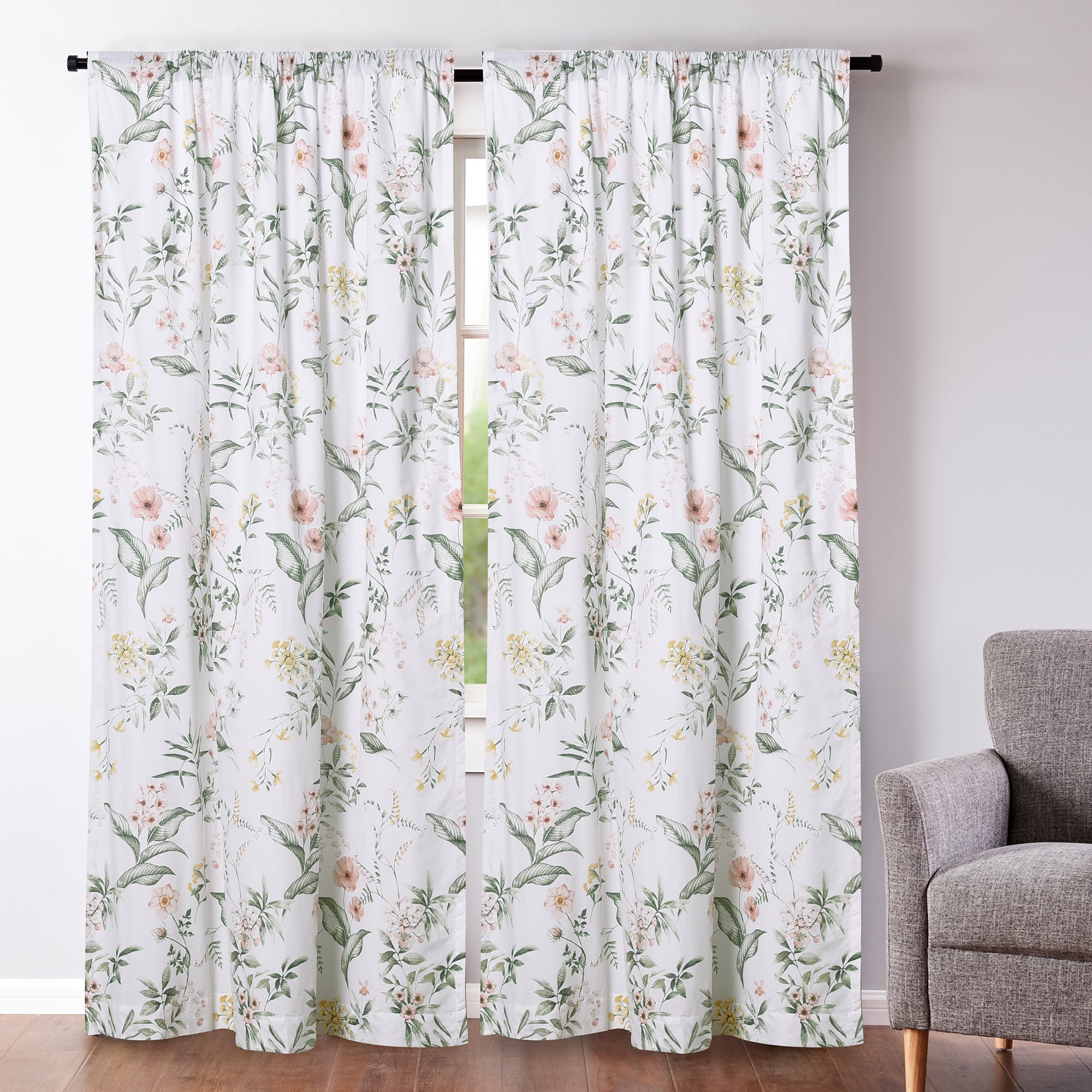
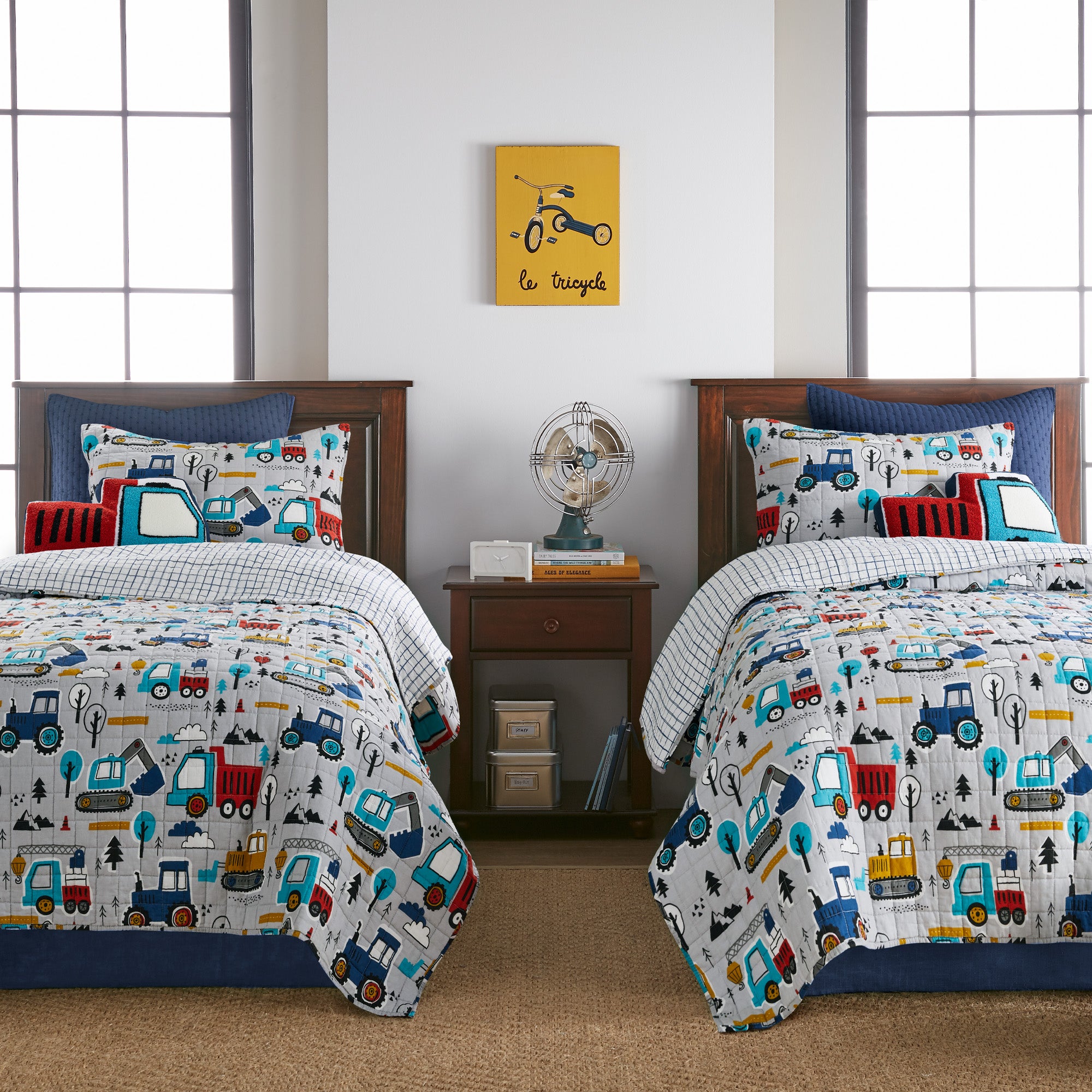
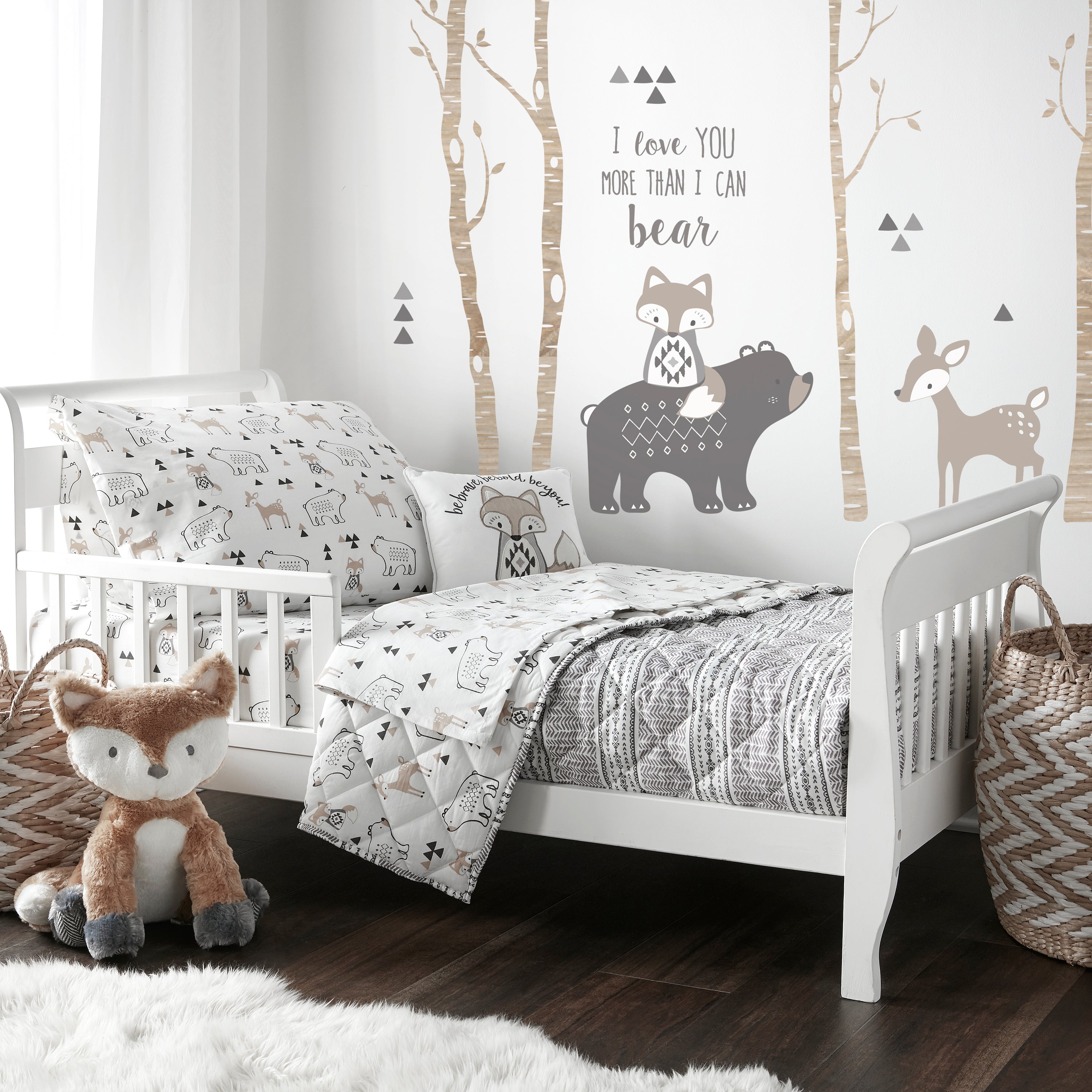
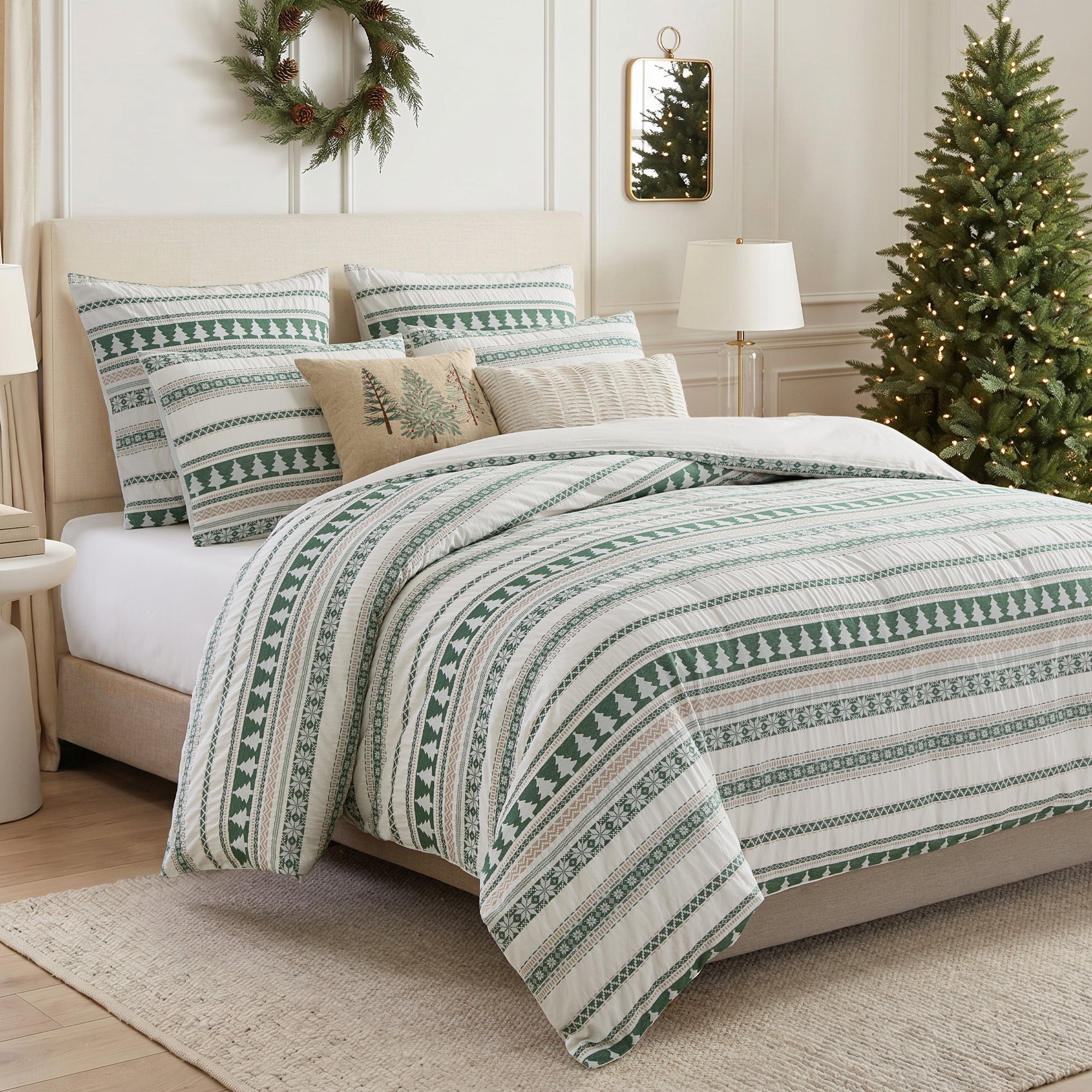
Patterns can also bring interest to a bedroom, but they are most effective when balanced with solid colors. Mixing patterned bedding, curtains, or accent pillows with simple, neutral elements helps the room feel layered without becoming overwhelming.
Choosing a color palette before shopping for décor can make decorating easier by providing a consistent direction for every decision that follows.

Let Your Theme Guide the Space
Once you have established a color palette, think about the overall style you want your bedroom to reflect. A clear design direction helps create a space that feels cohesive without requiring every piece to match perfectly.
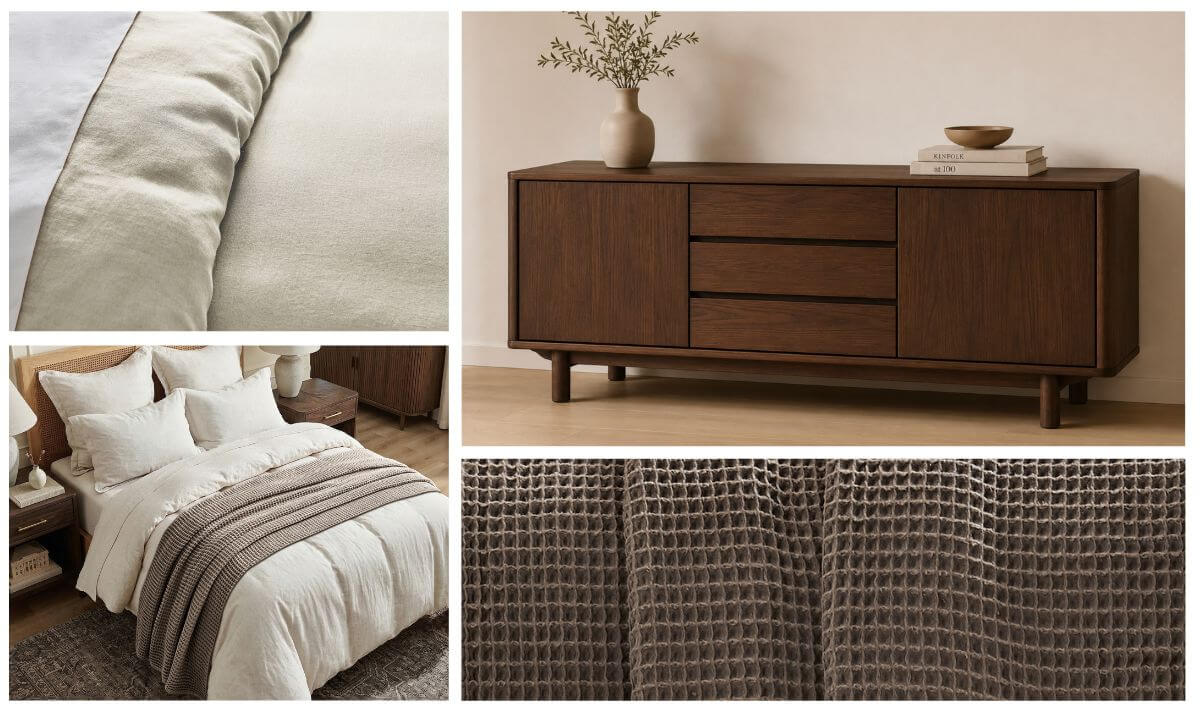
Modern organic bedrooms emphasize natural materials, soft textures, and earthy colors to create a calm, welcoming atmosphere. Scandinavian design focuses on simplicity, clean lines, and functional furnishings paired with light, airy color palettes.
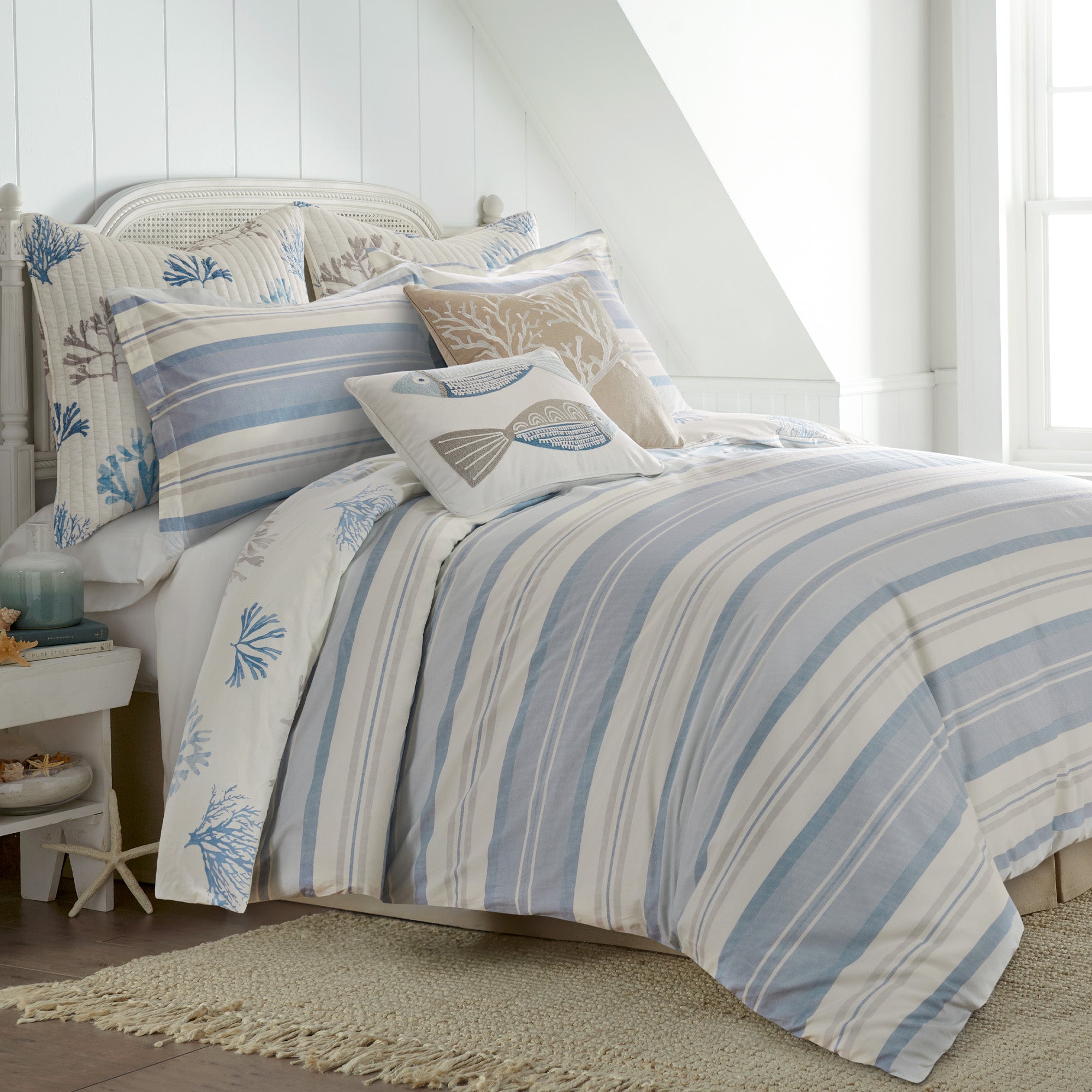
If you prefer a more traditional look, classic furniture, layered textiles, and timeless patterns create an elegant and comfortable space. Cottage-inspired bedrooms often incorporate soft florals, vintage details, and cozy textures, while coastal designs use light colors and natural materials to evoke a relaxed feeling.
For those who appreciate a minimalist approach, limiting decorative accessories and choosing quality pieces with simple silhouettes can make a bedroom feel peaceful and uncluttered.
Whatever style you choose, consistency is more important than following current trends. Decorating with colors, materials, and furnishings that reflect your personal taste creates a bedroom that feels authentic and remains enjoyable for years to come.
Layer Lighting
Lighting can completely change the look and feel of a bedroom. Rather than relying on a single overhead fixture, use multiple light sources to create a space that is both functional and relaxing.
Start with ambient lighting to brighten the room overall. Then add task lighting, such as bedside lamps or wall sconces, for reading or other activities. Accent lighting, including table lamps or soft LED lighting, can highlight artwork, shelving, or architectural details while adding warmth to the room.
Choosing warm-toned light bulbs instead of cool white bulbs can help create a more comfortable atmosphere, especially in the evening. If possible, install dimmer switches so you can easily adjust the brightness throughout the day.
Add Texture for a Cozy Bedroom
Texture is one of the easiest ways to make a bedroom feel inviting. Even a room with a simple color palette can feel rich and layered when different materials are combined.
Start with soft bedding, then introduce additional textures through throw blankets, accent pillows, rugs, and curtains. Mixing materials such as cotton, linen, wool, wood, and woven accents creates visual interest without making the room feel busy.
Natural materials also help add warmth and character. A woven basket, wooden nightstand, or textured area rug can make the space feel more relaxed while complementing a variety of decorating styles.
Layering textures throughout the room creates depth and gives the bedroom a finished, thoughtfully designed appearance.
Decorate for Better Sleep
A beautiful bedroom should also support a good night's sleep. Small decorating choices can make the room feel more restful while creating an environment that encourages relaxation.
Choose calming colors and avoid overwhelming the space with excessive décor or clutter. Keep surfaces organized so the room feels peaceful rather than distracting.
Window treatments also play an important role. Blackout curtains or lined drapes can help block unwanted light, making it easier to sleep and improving privacy.
Limiting electronics near the bed and incorporating soft lighting before bedtime can further contribute to a relaxing environment. Together, these simple updates help create a bedroom that feels like a true retreat.

Decorating Small Bedrooms
Decorating a small bedroom requires thoughtful planning, but limited square footage does not mean you have to sacrifice style.
Choose furniture that fits the scale of the room and serves multiple purposes whenever possible. Beds with built-in storage, floating shelves, and compact nightstands can help maximize available space.
Light-colored walls and bedding can make a room feel larger, while mirrors reflect natural light and create the illusion of additional space. Vertical storage, such as tall dressers or wall-mounted shelves, also helps keep the floor clear and reduces visual clutter.
Most importantly, avoid overcrowding the room. Leaving some open space between furniture pieces allows the bedroom to feel brighter, more open, and easier to move through.
Add the Finishing Touches
Once the larger design elements are in place, decorative accents help bring the room together.
Finally, add in the touches that will make the room really special and personal. Consider floor finishes to ensure comfort for bare feet, a large area rug fitted beyond the parameters of the bed works well. Nobody will spend as much time in your bedroom as you so if there is something you really love then there’s nowhere better to use it – it will be the first thing you see as you start each day. Hang beautiful artworks that you love. And enjoy...Alice Bettington, interior designer
Artwork can add personality and reinforce your chosen style, while mirrors brighten the room by reflecting natural light. Area rugs introduce softness underfoot and help define the space, especially in larger bedrooms.
Plants are another simple way to make a bedroom feel fresh and welcoming. Whether you choose a large floor plant or a small arrangement on a nightstand, greenery can add color and texture without overwhelming the room.
Finally, choose accessories that feel intentional rather than excessive. A few carefully selected decorative objects often create a more polished look than filling every available surface.
Create a Bedroom You'll Love Coming Home To
Decorating a bedroom is about creating a space that reflects your lifestyle while supporting comfort and relaxation. From choosing a functional layout to selecting colors, lighting, bedding, and decorative accents, each decision contributes to a room that feels both beautiful and practical.
Remember that a well-designed bedroom does not need to be completed all at once. Building your space over time allows you to make thoughtful choices and invest in pieces you truly enjoy. By focusing on comfort, functionality, and your personal style, you can create a bedroom that feels welcoming every day.
Frequently Asked Questions
How do I decorate my bedroom on a budget?
Start by decluttering, rearranging your existing furniture, and choosing a cohesive color palette. Adding new bedding, decorative pillows, artwork, or a rug can refresh the room without requiring a complete makeover.
What should I decorate first in a bedroom?
Begin with the foundation of the room, including the layout, bed, and color palette. Once those elements are established, you can add lighting, textiles, and decorative accessories.
What colors make a bedroom feel relaxing?
Soft neutrals, muted greens, gentle blues, warm grays, and earthy tones are popular choices because they create a calm and inviting atmosphere.
How can I make my bedroom feel cozy?
Layer different textures through bedding, blankets, pillows, rugs, and curtains. Warm lighting, natural materials, and an organized space also contribute to a comfortable environment.
How do I choose the right bedding?
Consider your preferred sleeping temperature, maintenance needs, and personal style. Breathable fabrics and layered bedding can help keep your bed comfortable throughout the year.
What is the difference between a quilt, duvet, and comforter?
A quilt is lightweight and stitched, making it ideal for layering. A duvet uses a removable cover over an insert, offering flexibility and easy care. A comforter combines the filling and outer fabric into one piece for a simple, ready-to-use option.
How do I decorate a small bedroom?
Focus on furniture that fits the space, incorporate smart storage solutions, use light colors, and keep the room free of unnecessary clutter. Mirrors and vertical storage can also help make a smaller bedroom feel larger.
References
1. How to Decorate a Bedroom That Mirrors Your Personal Aesthetic,
Architectural Digest
2. A step-by-step guide to designing a bedroom from scratch,
House & Garden
3. Types of Bedding — The Essential Guide to Understanding What You Need to Dress a Bed Beautifully,
Livingetc
4. How to Make a Small Bedroom Feel Bigger, According to Designers,
Architectural Digest