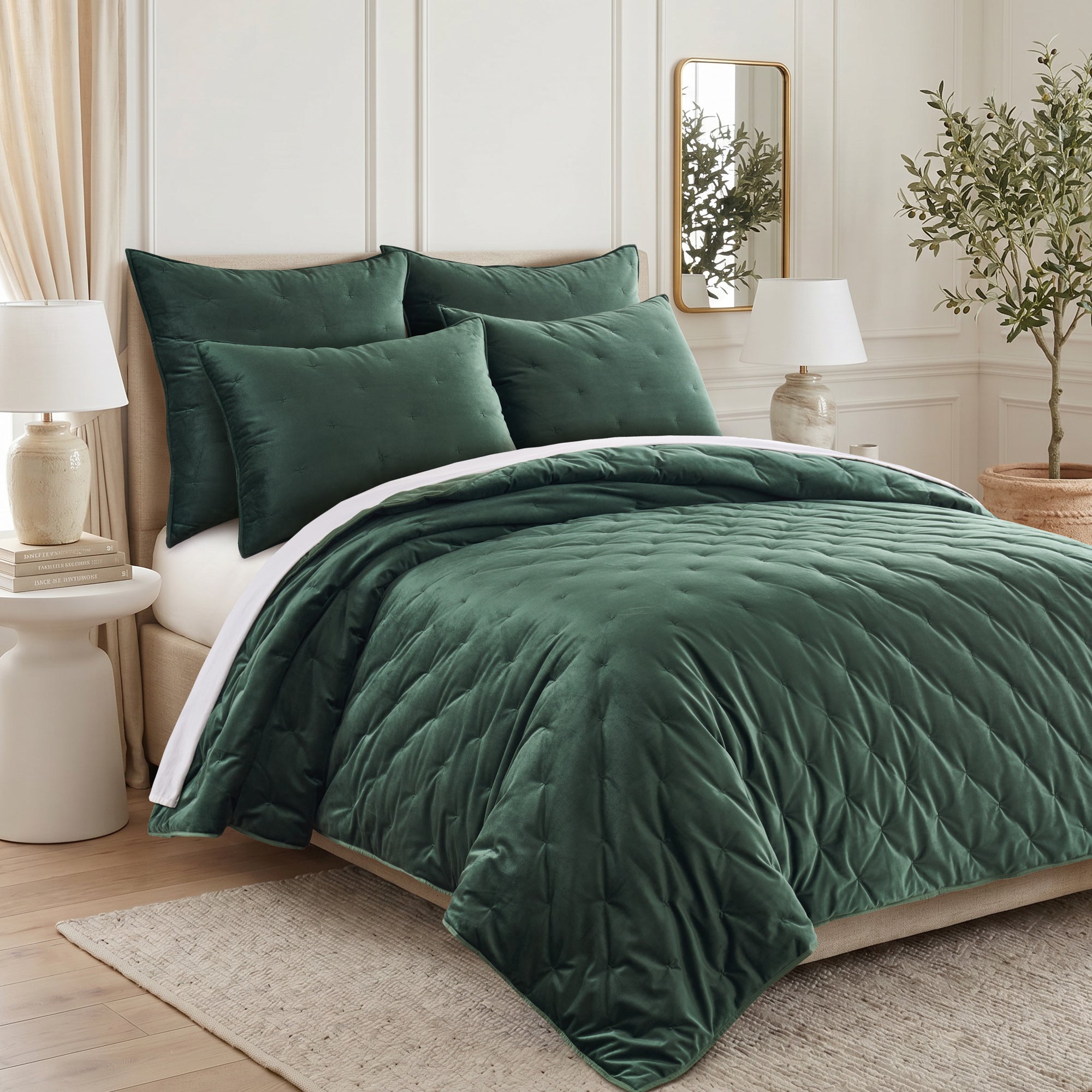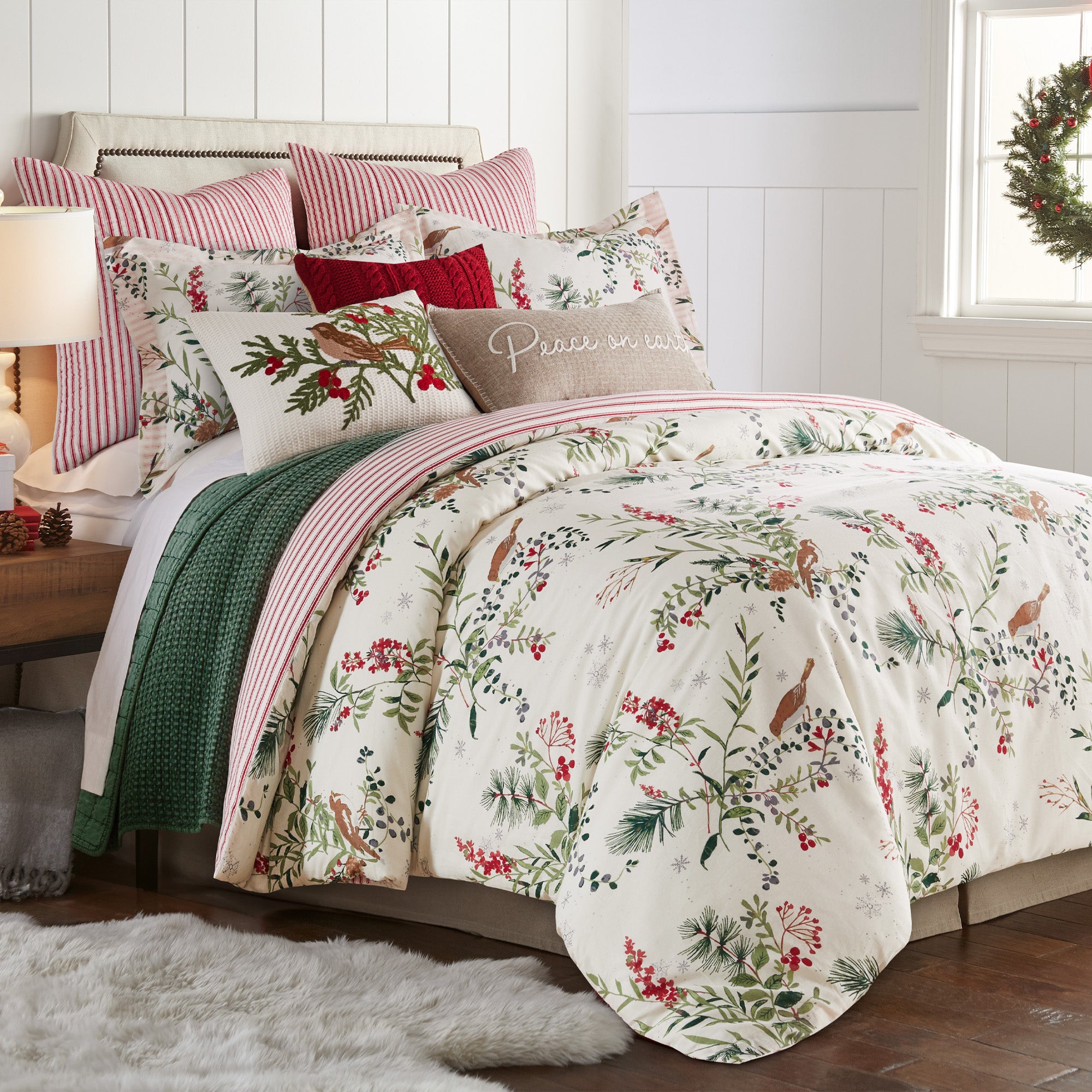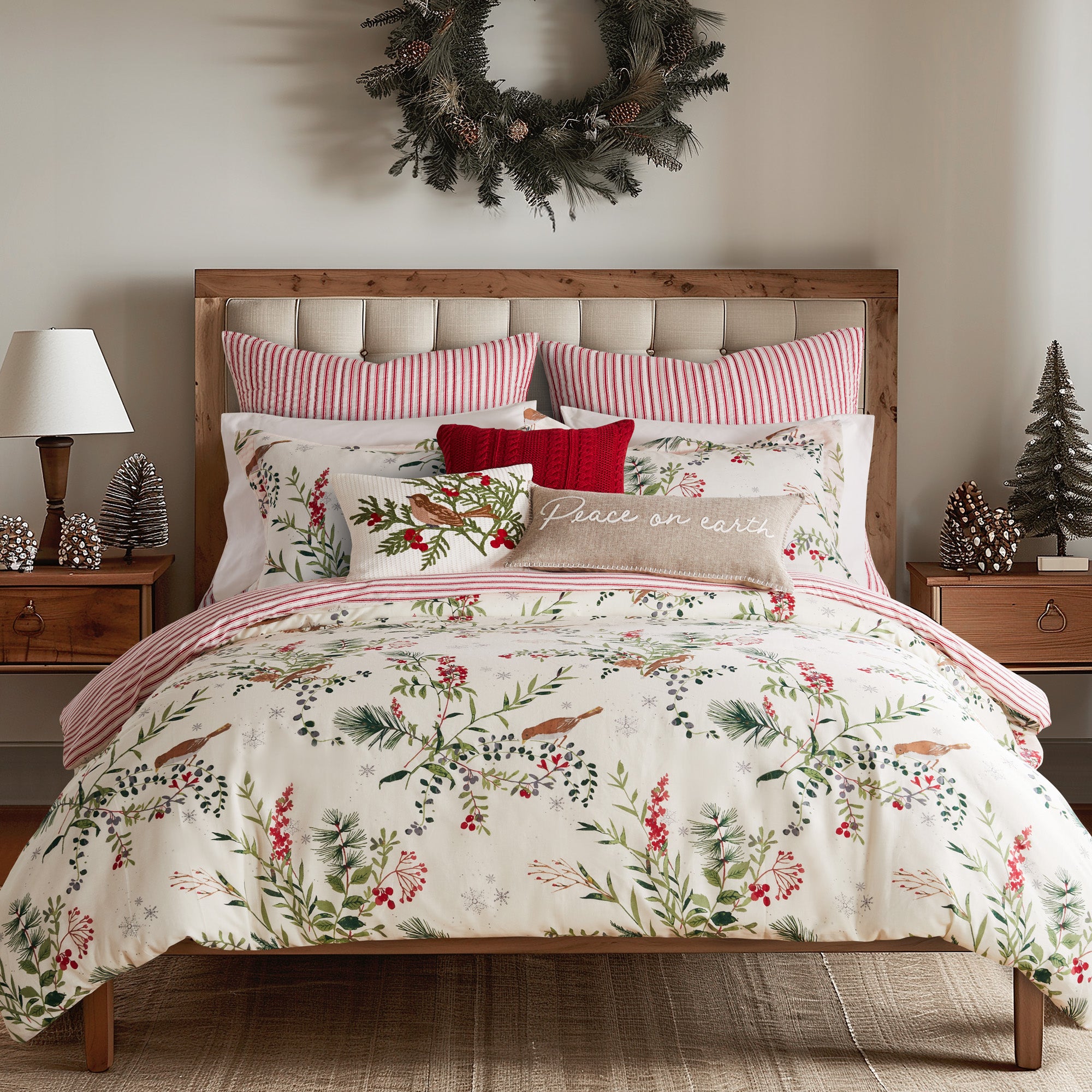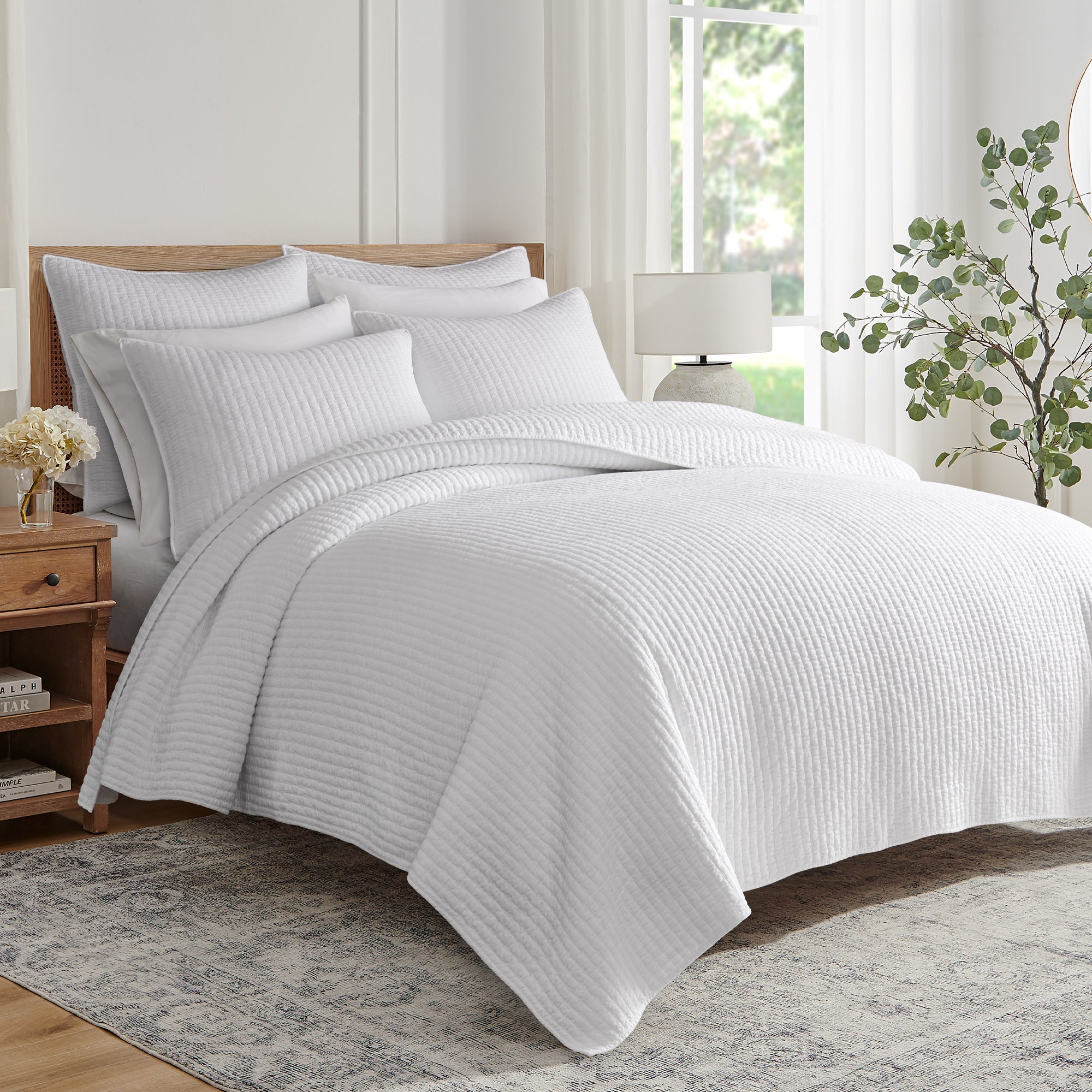
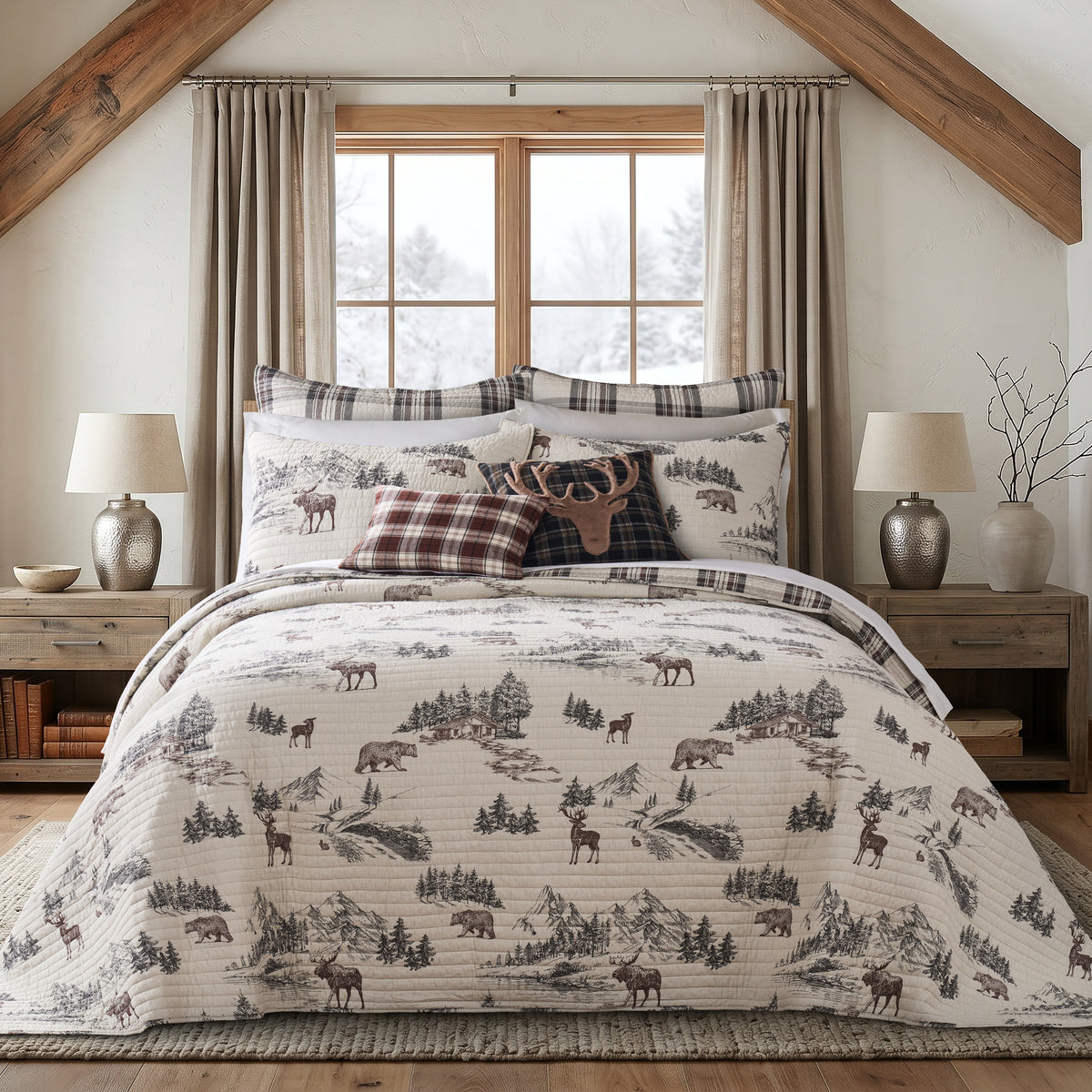
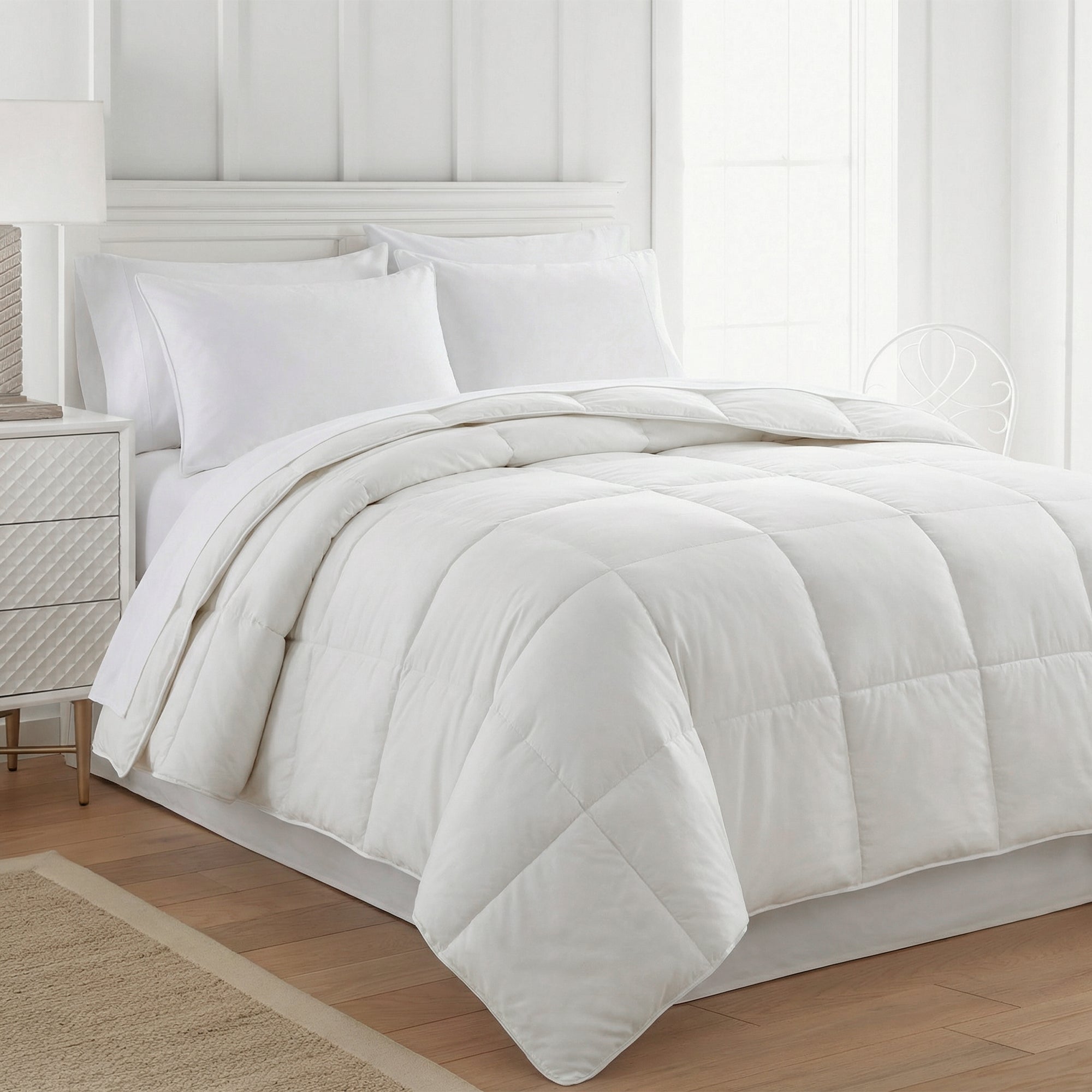
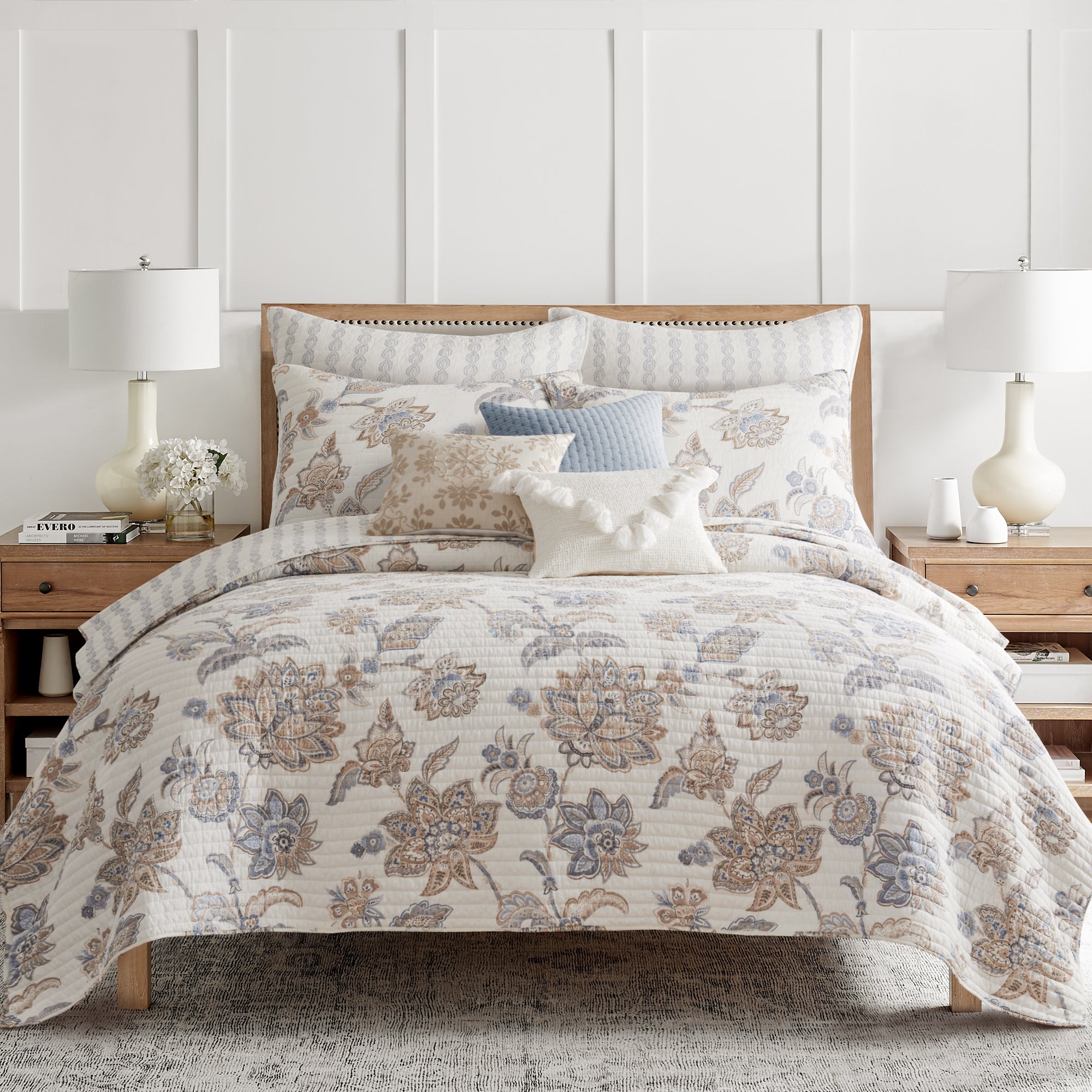
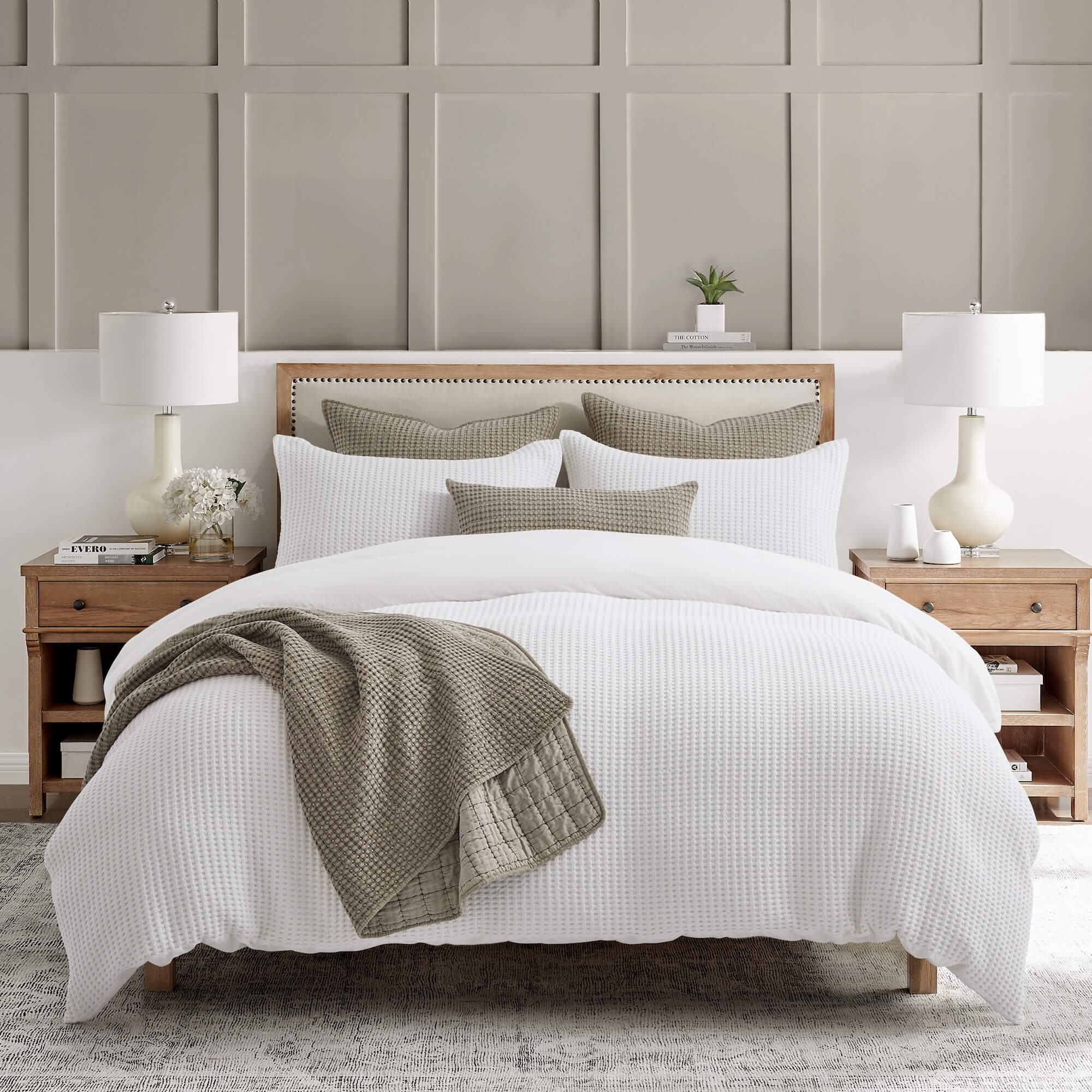
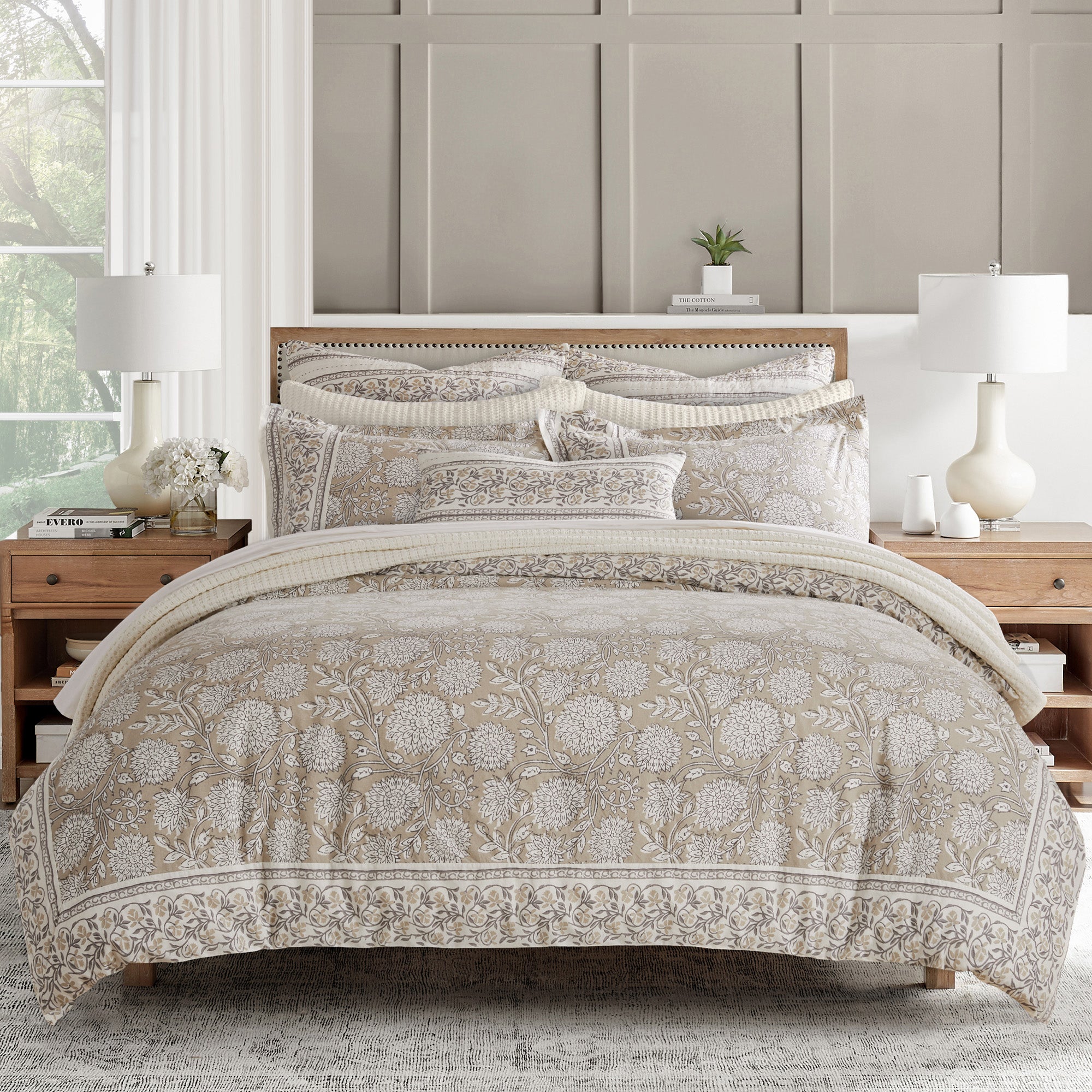
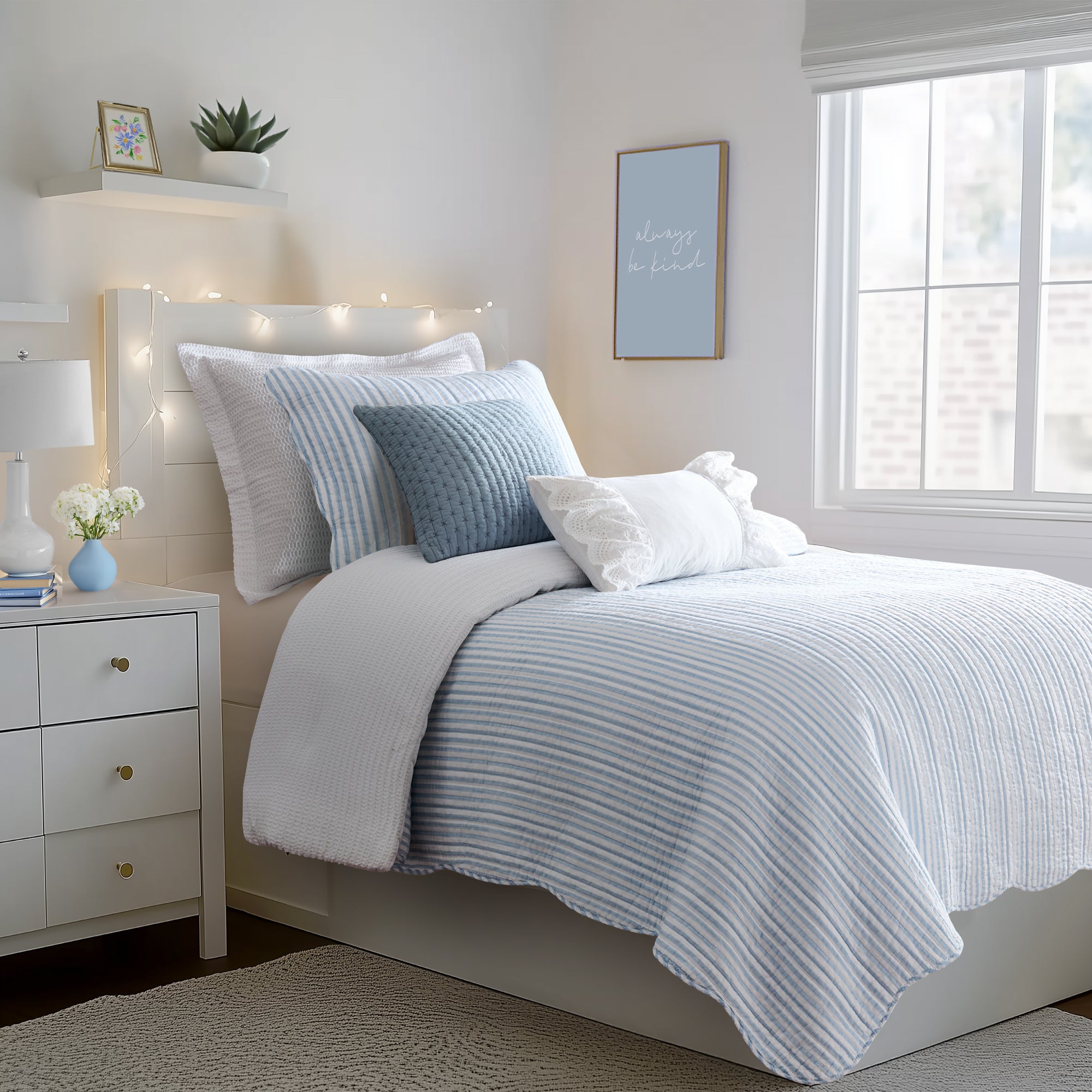
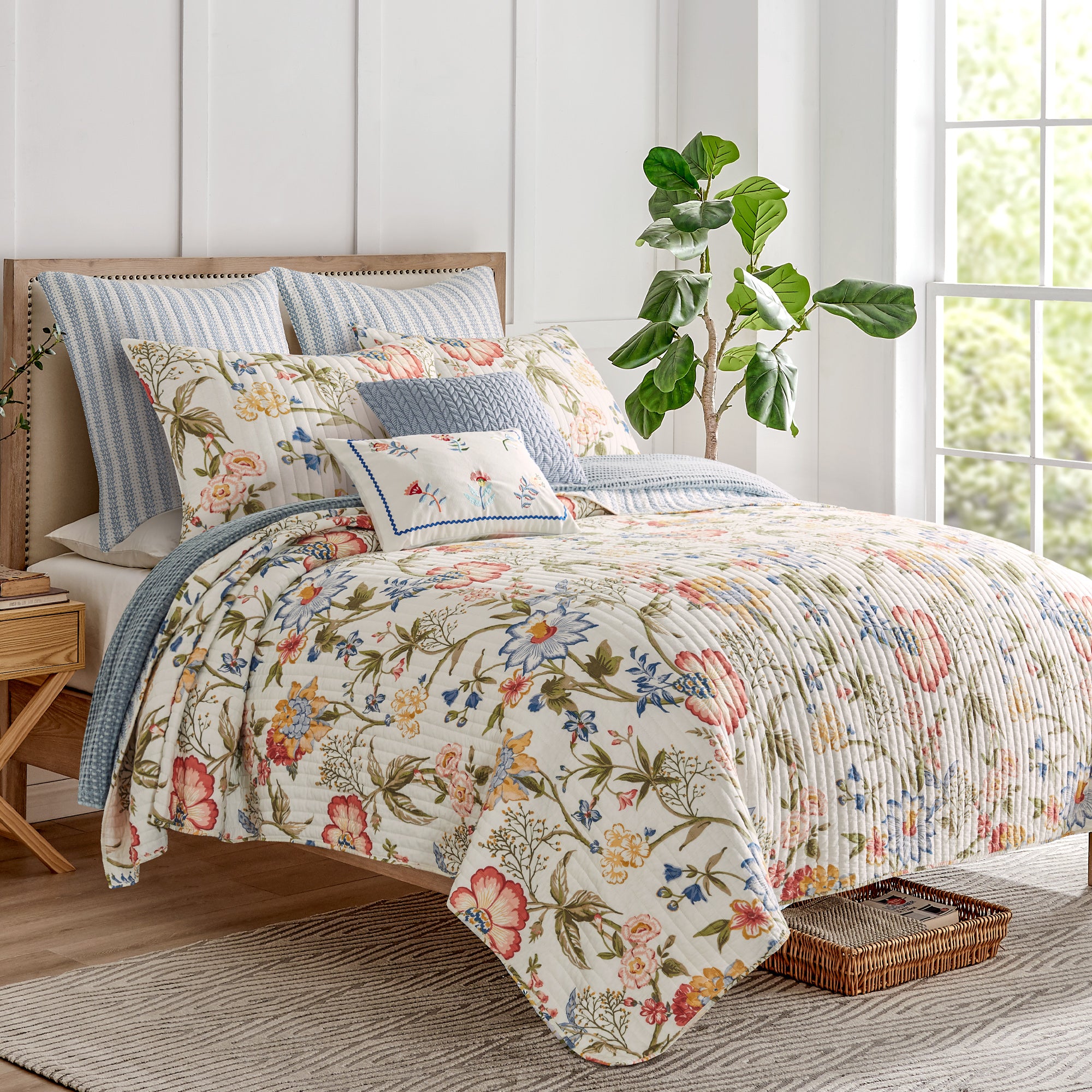

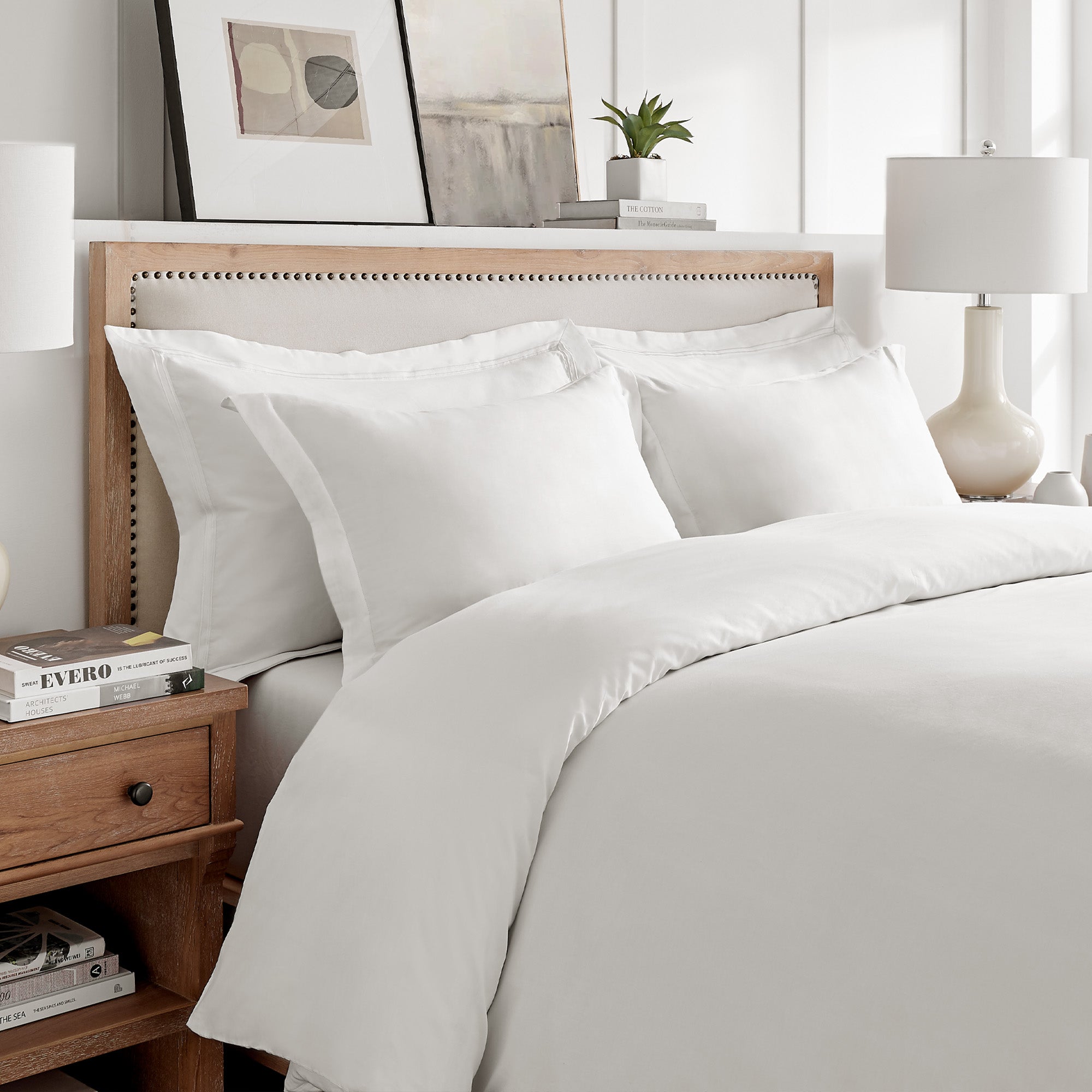

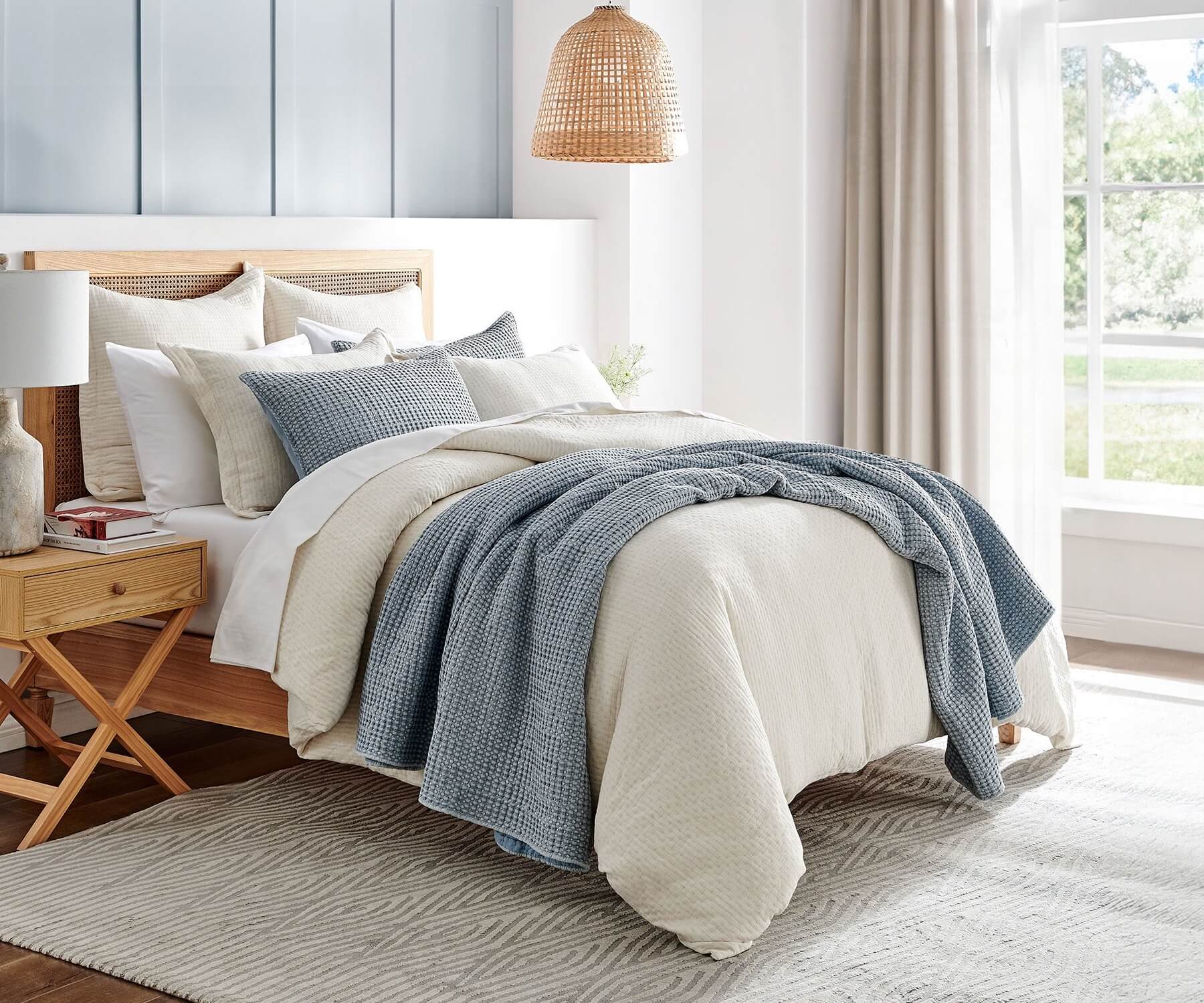
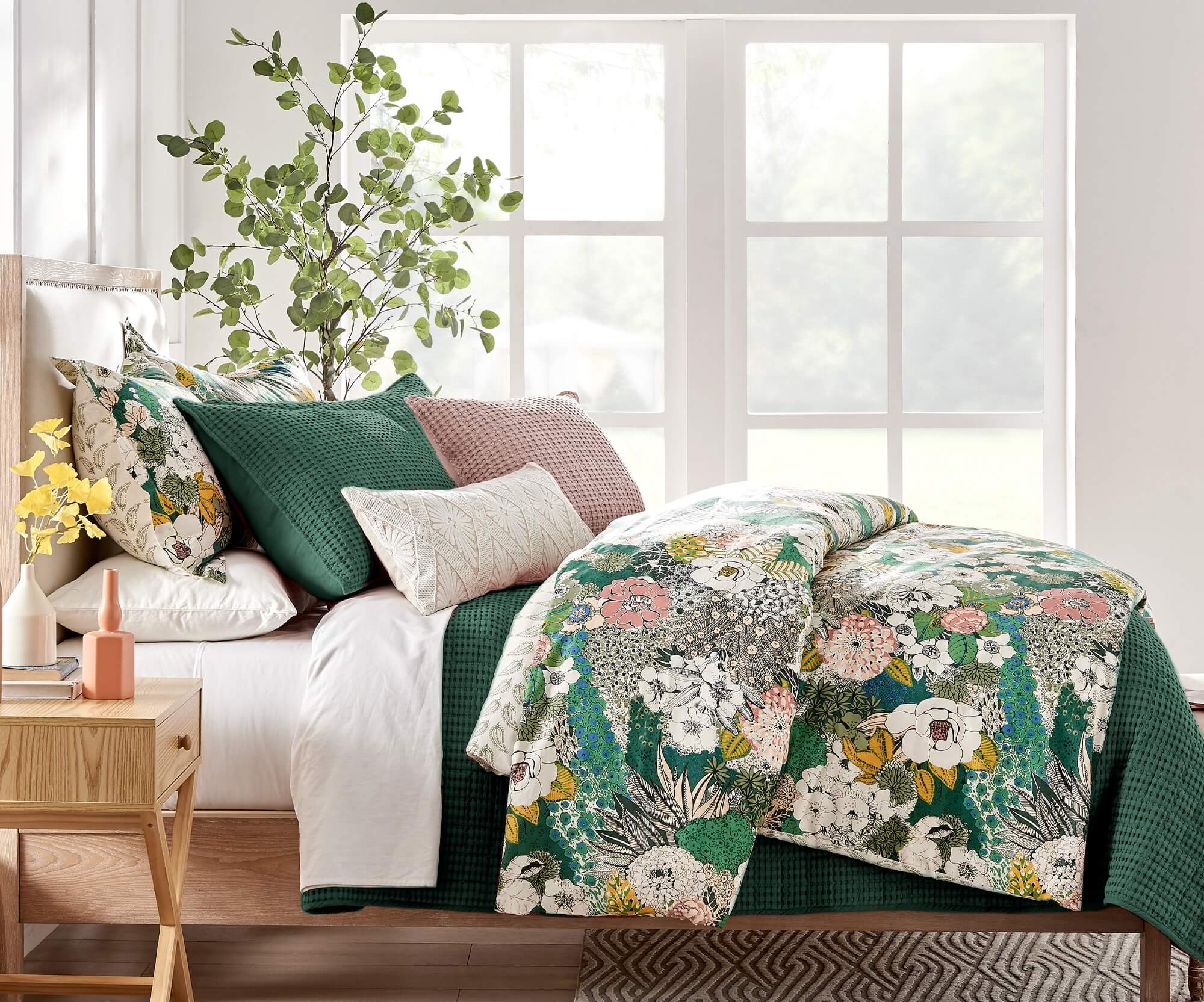
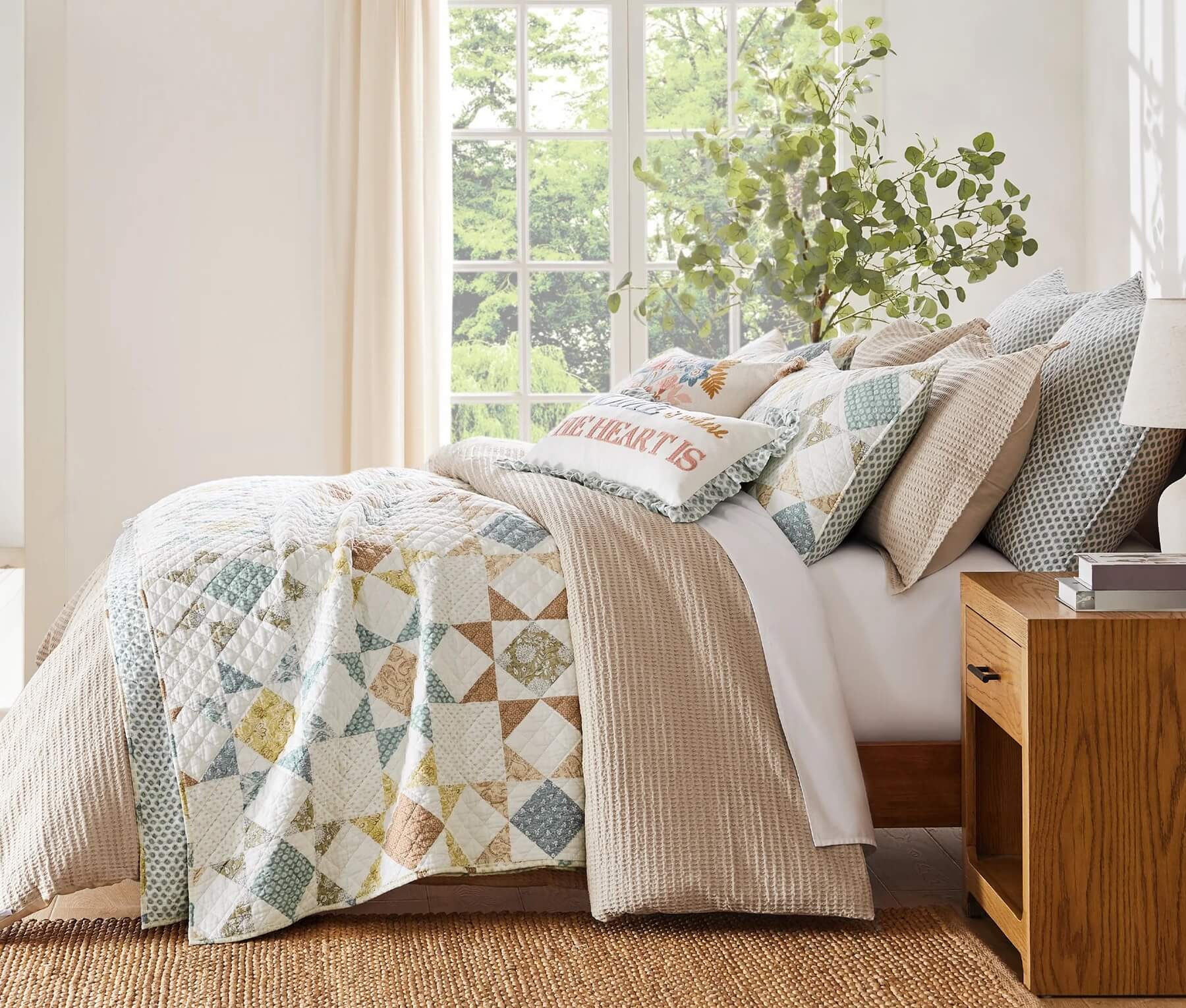
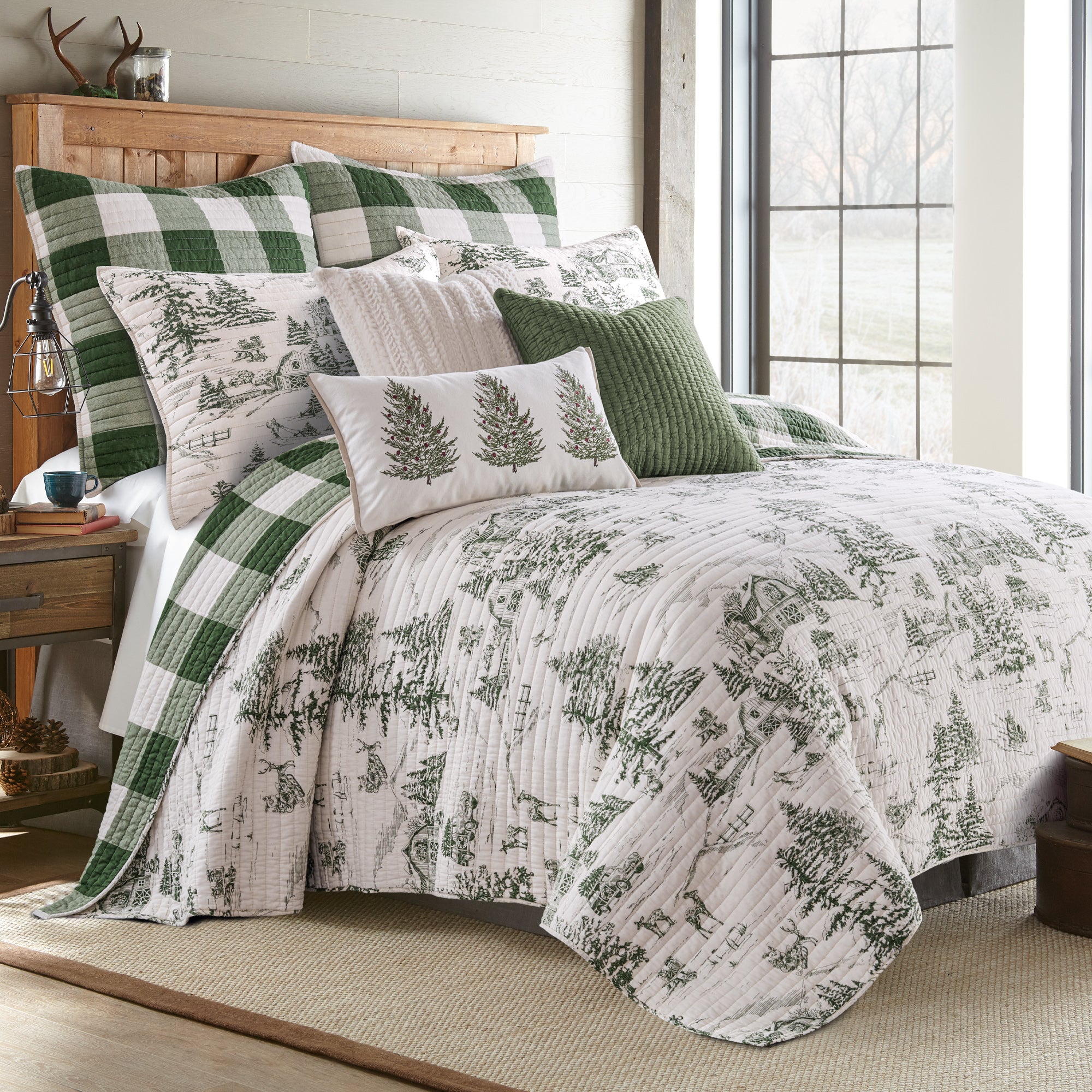
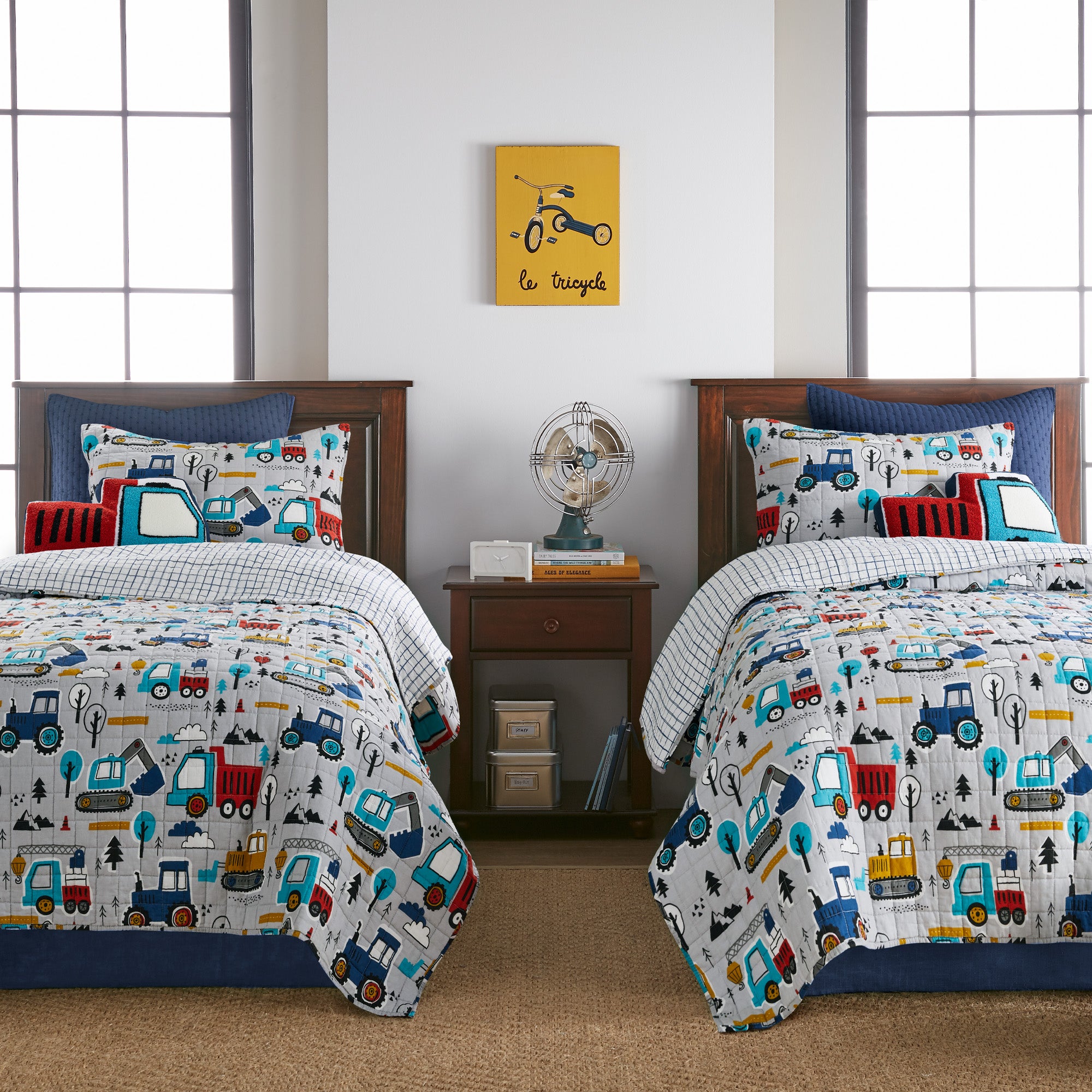
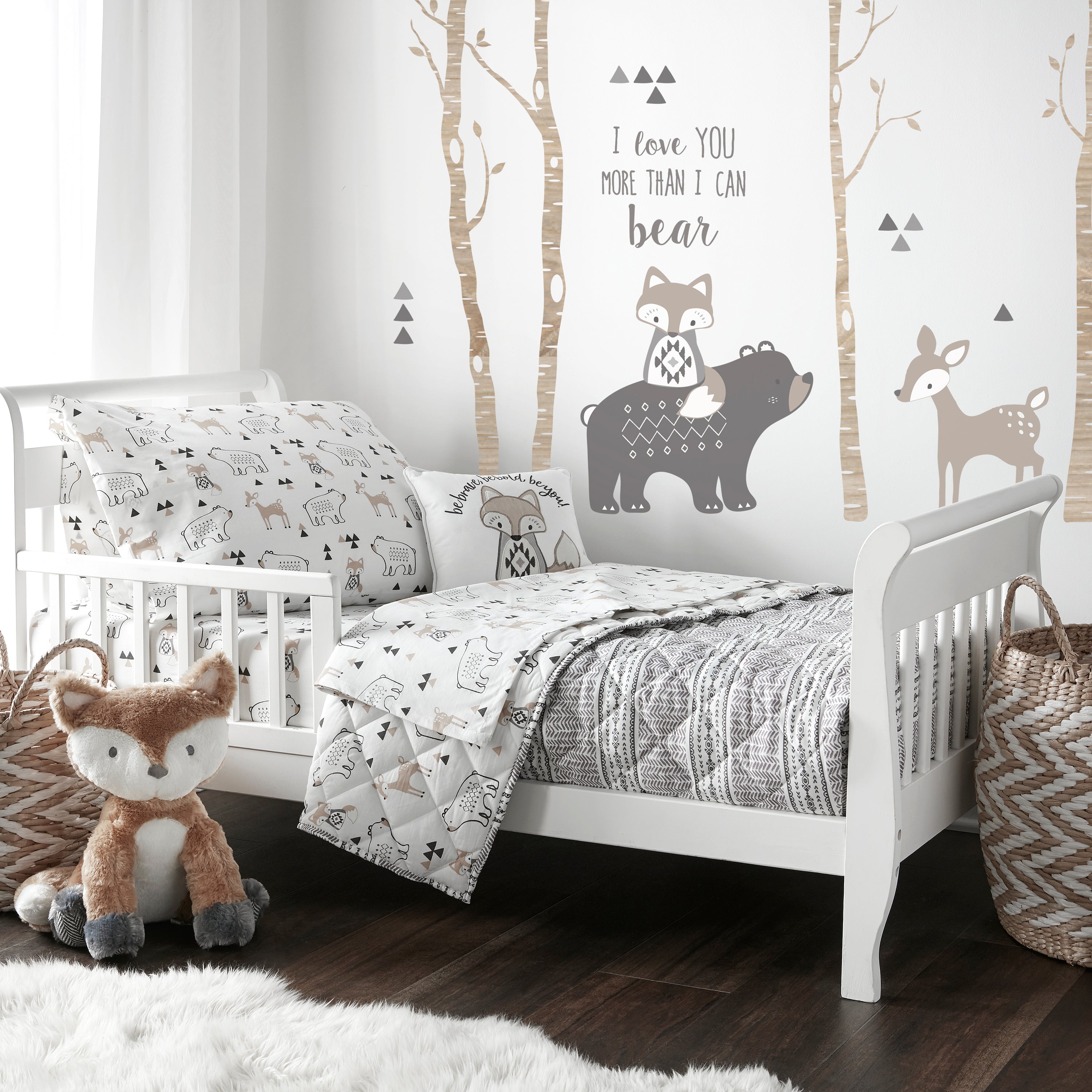
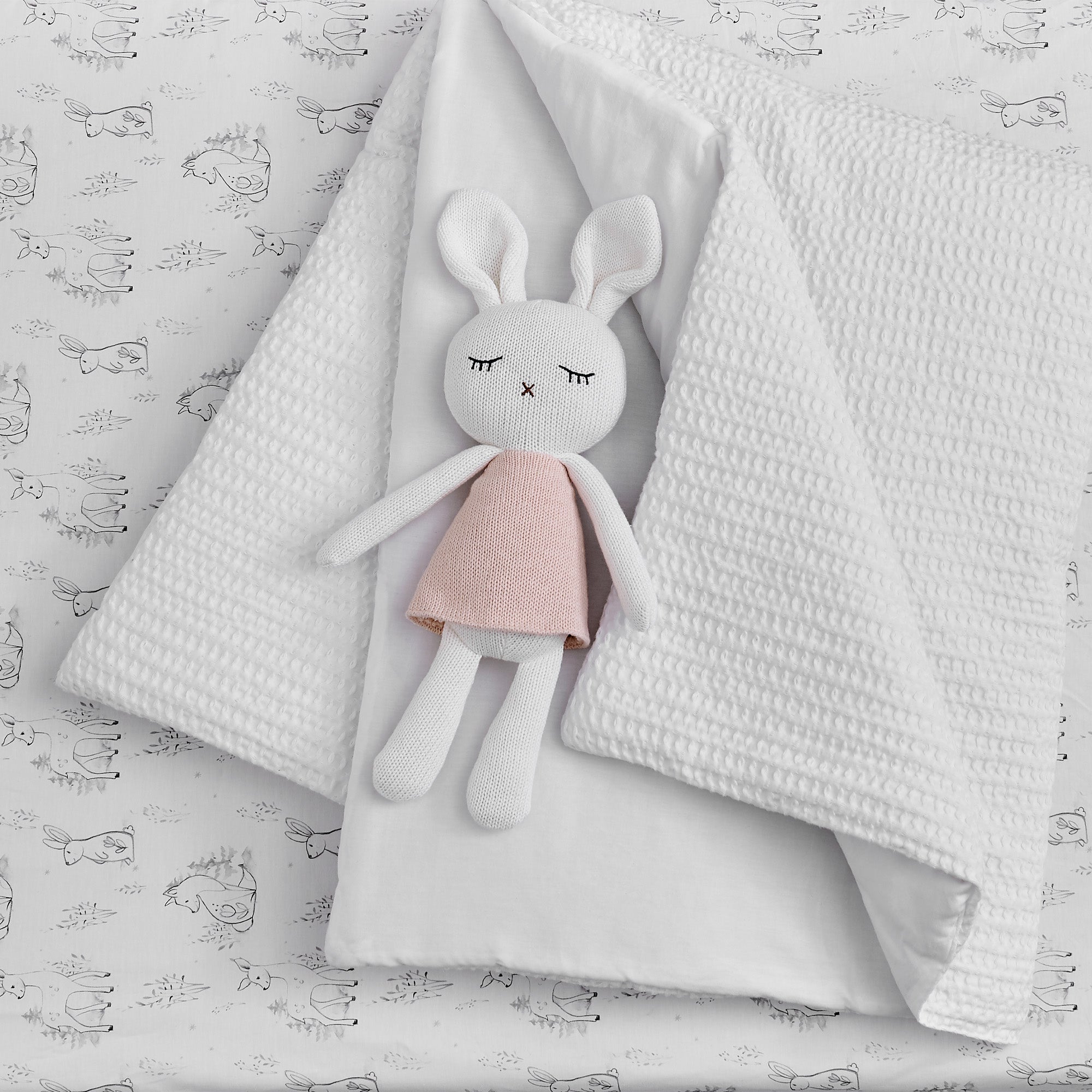
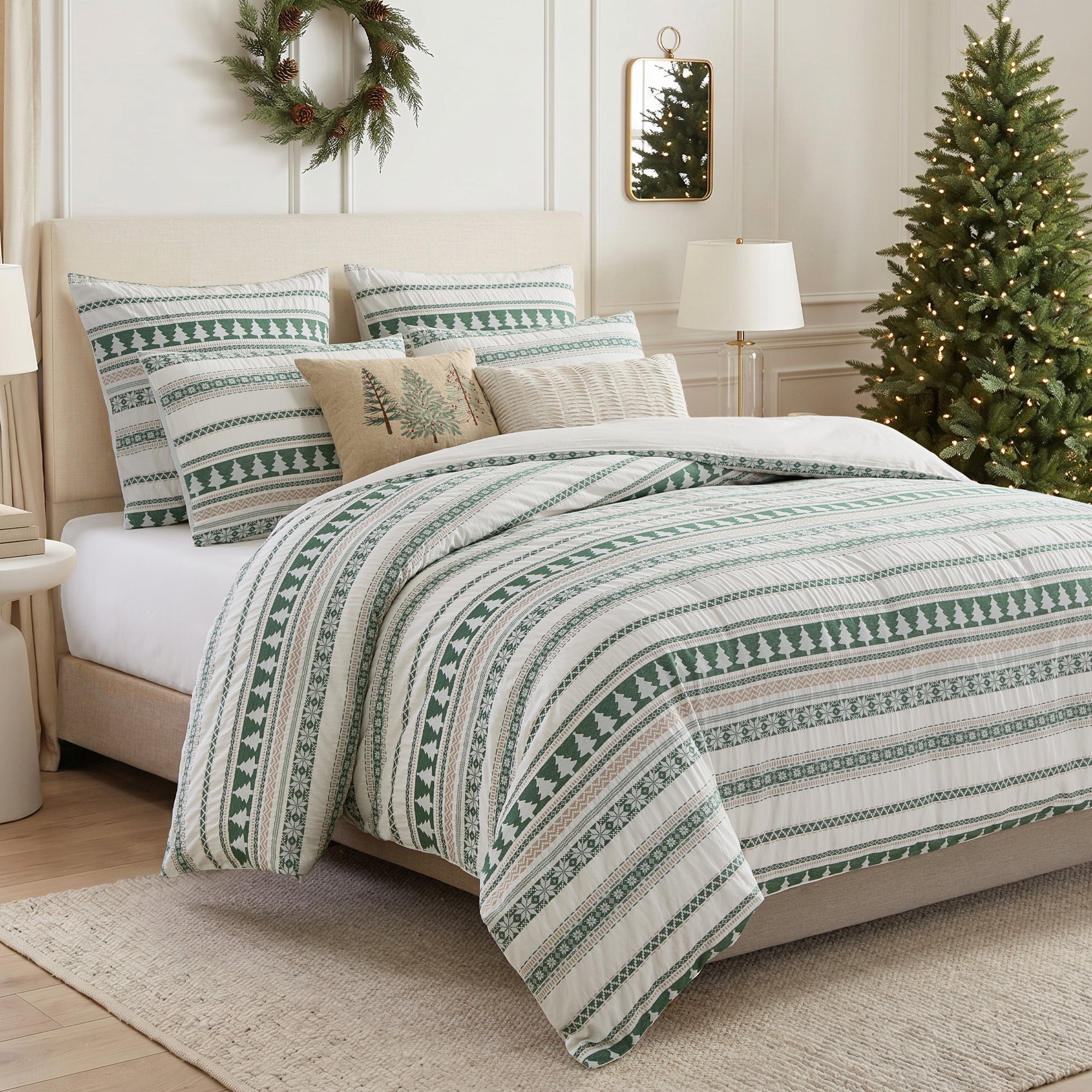


As the temperatures begin to drop, there's nothing better than climbing into a warm, cozy bed at the end of the day. While adding one heavy comforter might seem like the easiest solution, layering your bedding creates a sleep environment that's both more comfortable and more visually appealing. By combining breathable sheets, lightweight quilts, blankets, and decorative accents, you can build a bed that keeps you warm without feeling overly bulky.
Learning how to layer a bed for winter is about balancing warmth, comfort, and style. Each layer serves a purpose, from helping regulate your body temperature to adding texture and depth that makes your bedroom feel inviting. Whether your style leans toward modern farmhouse, coastal, traditional, boho, or contemporary, a thoughtfully layered bed can become the centerpiece of your bedroom throughout the colder months.
Here's how to create a winter bed that's as beautiful as it is comfortable.

Why Layering Your Bed Matters in Winter
When the weather turns cold, it's tempting to pile on the thickest blanket you can find. However, using multiple bedding layers is often a more effective way to stay warm than relying on a single heavy blanket.
Each layer traps warm air, creating insulation that helps retain heat while still allowing excess warmth and moisture to escape. This means you're less likely to wake up feeling too hot or too cold during the night. If your bedroom temperature changes, you can easily remove or add a layer instead of replacing your entire bedding setup.
Layering also creates a bed that looks intentionally styled. Combining different fabrics, textures, and colors gives your bed depth and dimension, making your entire bedroom feel more polished and inviting.
I recommend having a darker more moody set for fall and winter and then having a lighter set for spring and summer. Your bed is one of the most important pieces in your bedroom, so switching out the bedding halfway through the year can give you the refresh you might be needing.Esther Ellard, interior designer
Some of the biggest benefits of layering your bed for winter include:
- Better warmth without excessive weight
- Improved temperature regulation throughout the night
- Greater flexibility as indoor temperatures change
- More texture and visual interest
- A cozy, designer-inspired look
- Easier seasonal updates without buying an entirely new bedding set
Winter Layering Tip: Instead of choosing the heaviest bedding you can find, combine several breathable layers. This approach provides warmth while allowing you to adjust your bedding as needed throughout the night.

Start with Breathable Sheets
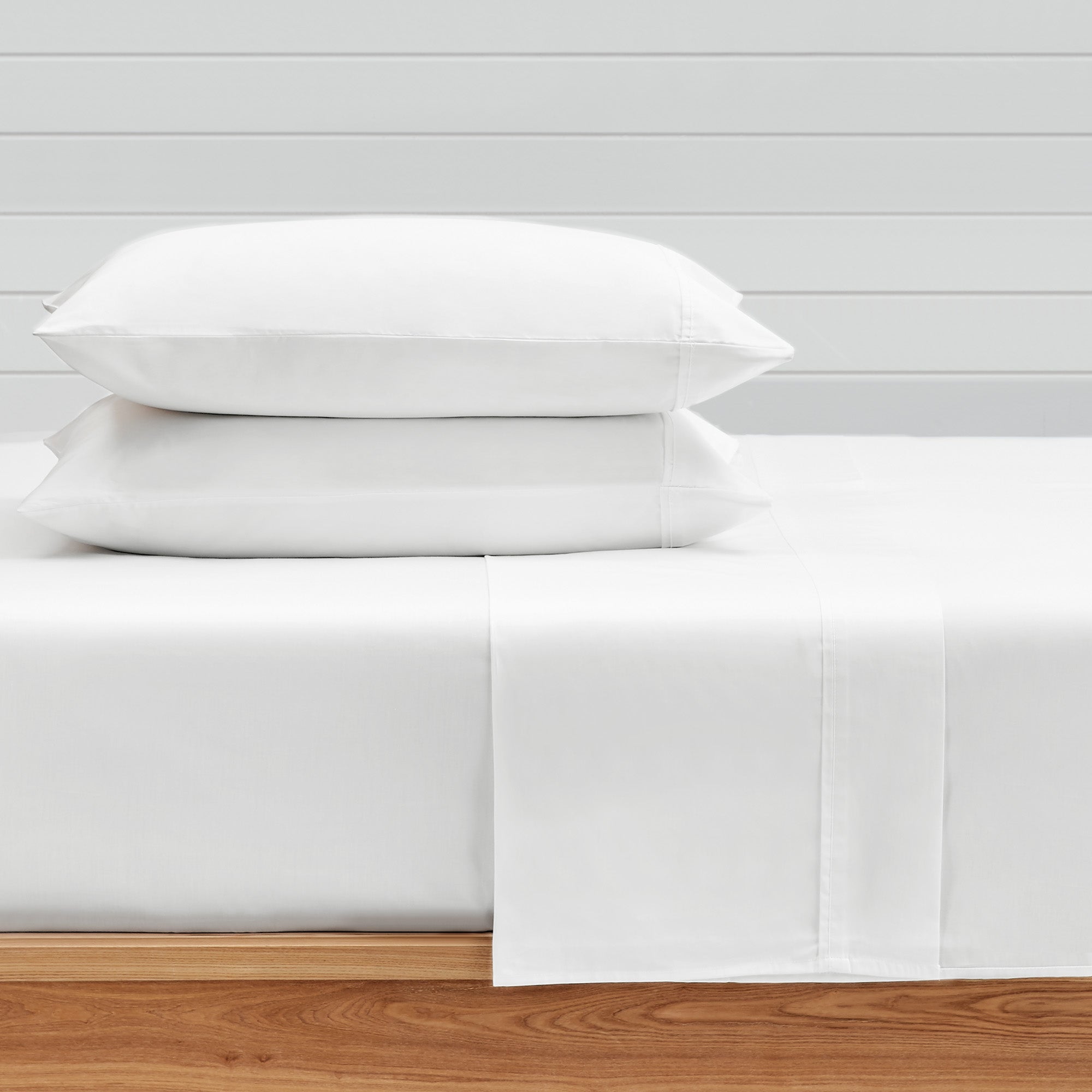
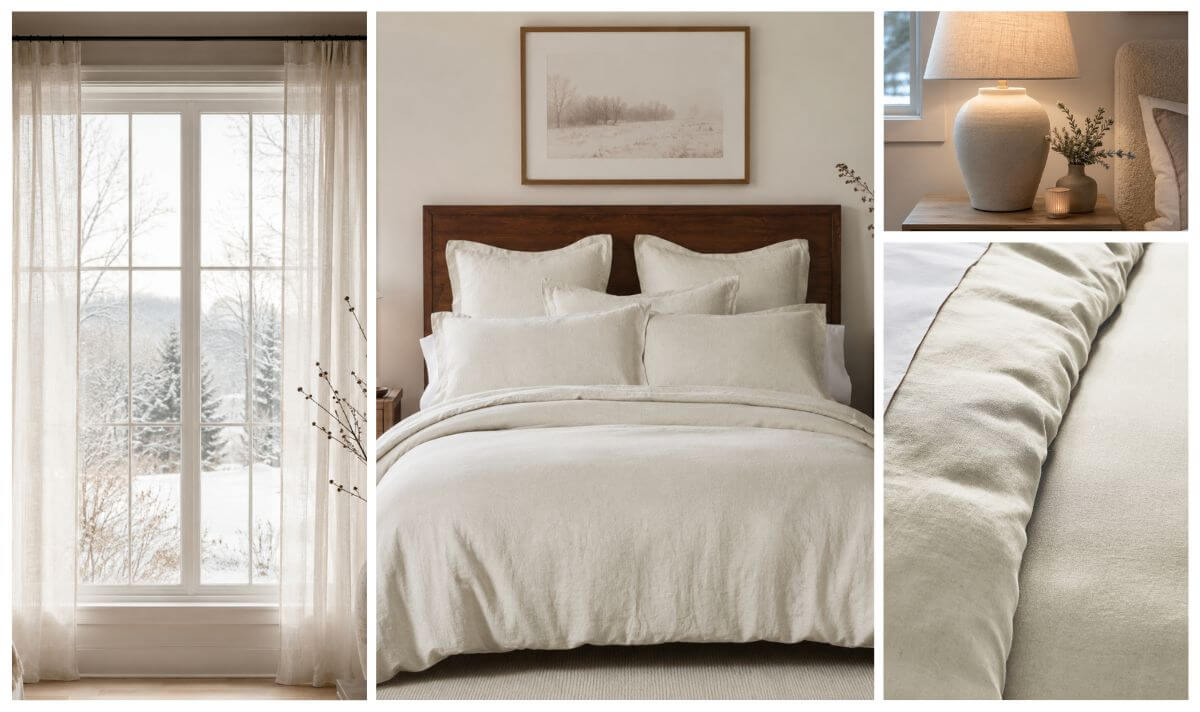
Every well-layered bed starts with a comfortable foundation. Although winter calls for warmth, breathable sheets are still the best place to begin. Natural fabrics help create a balanced sleep environment by allowing air to circulate while providing a soft, comfortable surface against your skin.
Cotton sheets remain one of the most popular choices because they're durable, breathable, and comfortable year-round. They provide a smooth feel while helping wick away moisture, making them an excellent base layer during colder months.
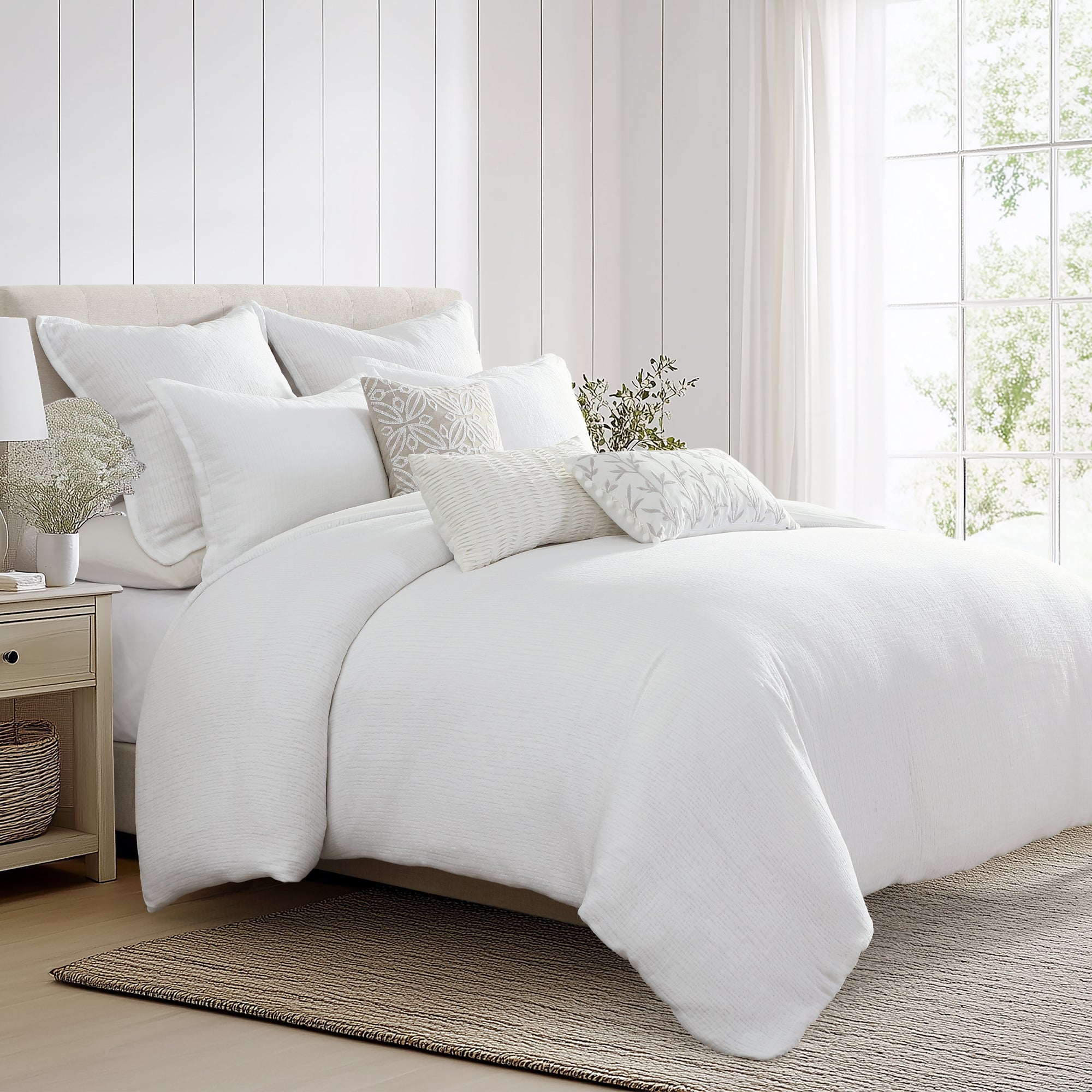
Linen sheets are another great option for winter. While often associated with warmer weather, linen naturally regulates temperature, helping you stay warm when it's cold and cool if your bedroom heats up overnight. Its relaxed texture also adds an effortless, lived-in look that pairs beautifully with layered bedding. If you love the look and feel of linen throughout your bed, a linen comforter is another way to add breathable warmth. The Levtex Linen Duvet Cover, crafted from French flax linen, creates a cozy top layer with a relaxed, naturally textured finish that's ideal for winter.
Choosing the Right Sheet Set
When shopping for winter sheets, look for materials that prioritize both comfort and breathability.
Cotton sheets are ideal if you want:
- A soft, smooth feel
- Easy everyday care
- A classic look that works with any bedding style
- Comfortable year-round use
Linen sheets are ideal if you want:
- Excellent temperature regulation
- Breathable natural fibers
- A relaxed, textured appearance
- Bedding that becomes softer with every wash
For even more comfort, consider adding a soft mattress pad beneath your fitted sheet. This creates an extra layer of cushioning while helping insulate your bed during the colder months.
Neutral sheet colors like white, ivory, cream, soft gray, and warm beige create a timeless foundation that works with almost any winter bedding palette. Starting with versatile sheets also makes it easier to refresh your bedroom with seasonal quilts, blankets, pillows, and throws without replacing your entire bed.
With your breathable foundation in place, you're ready to build the next layer that adds warmth, texture, and style.

Add a Lightweight Quilt
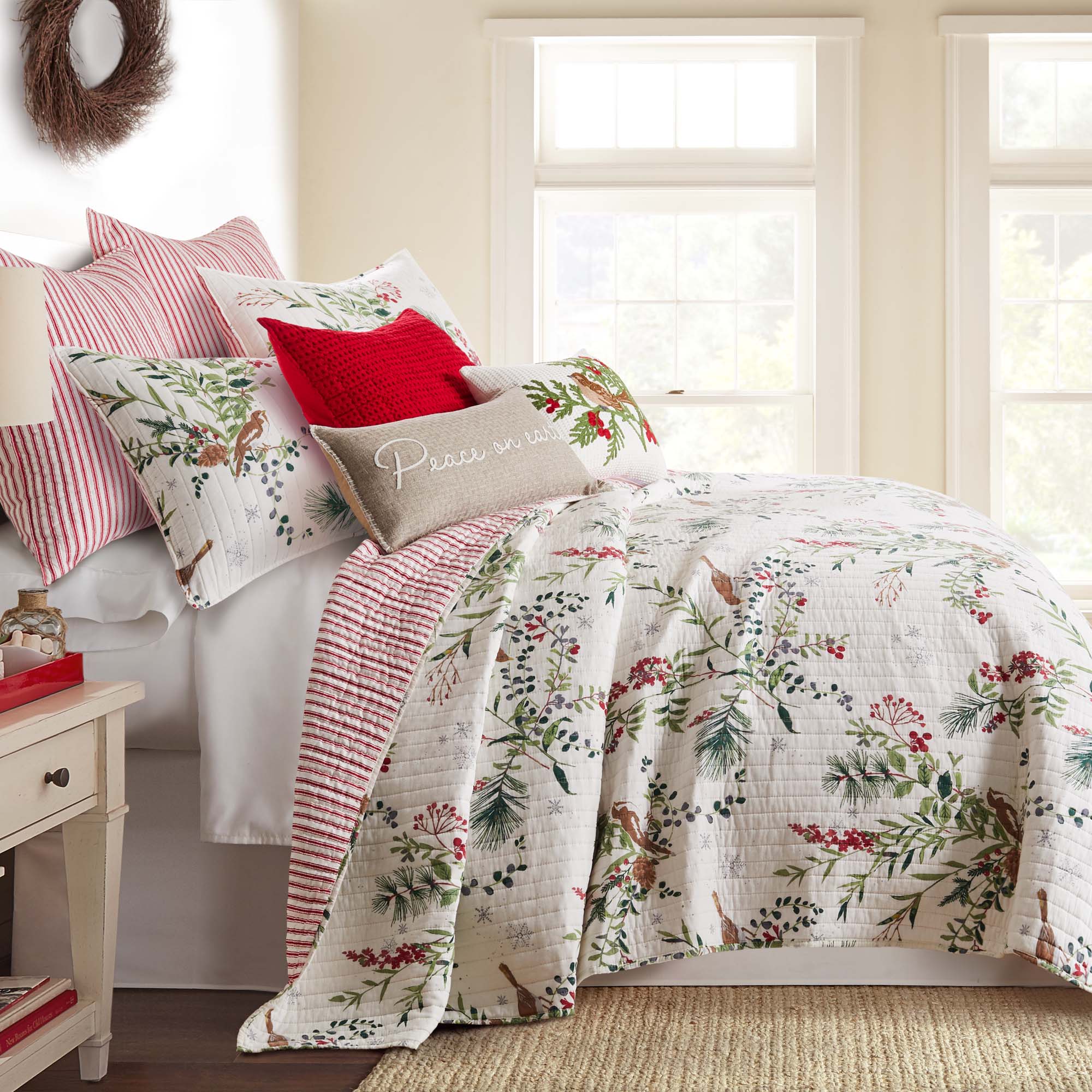
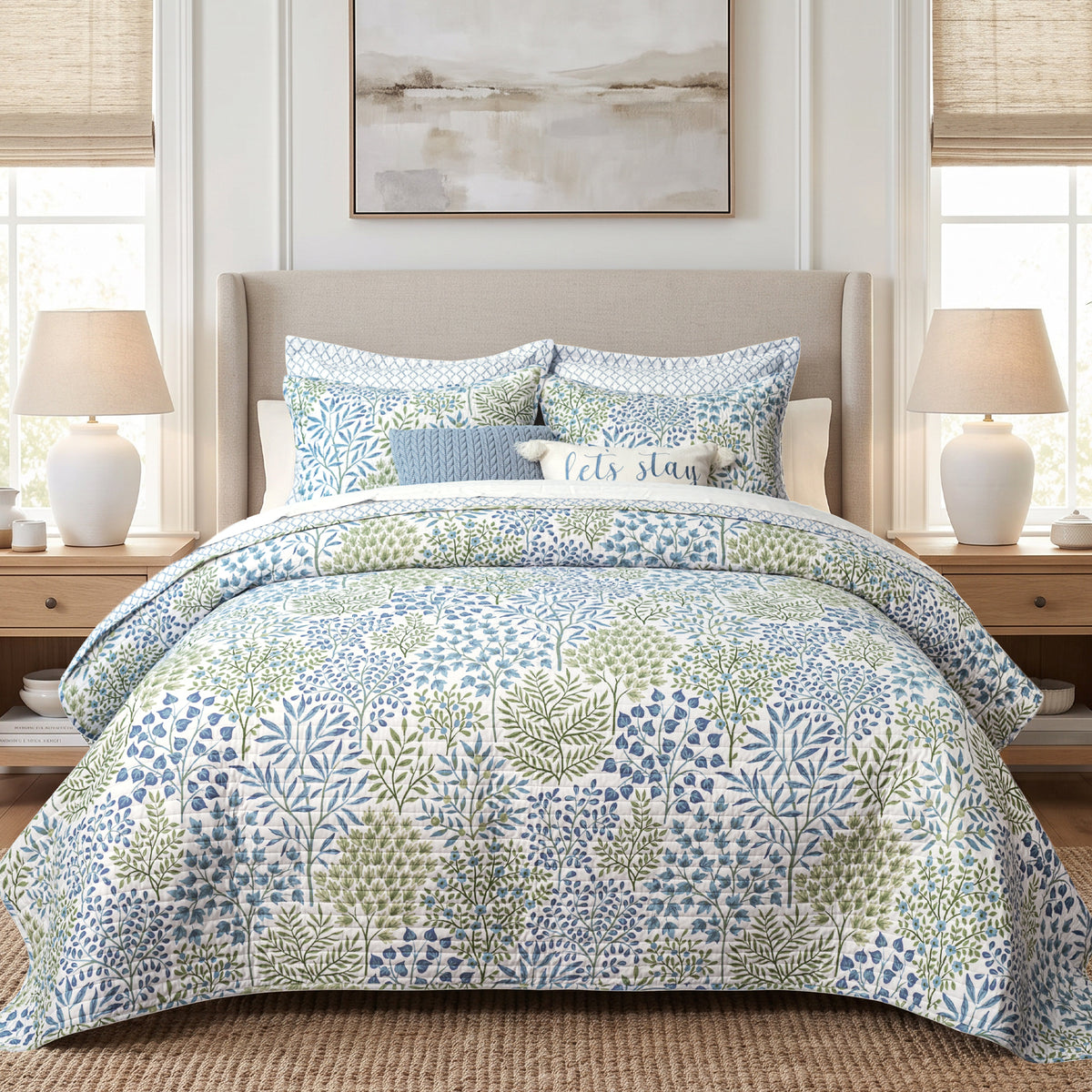
A quilt is one of the most versatile layers you can add to a winter bed. While many people think of quilts as lightweight bedding for spring or summer, they also play an important role in keeping you warm during colder months. Placed over your sheets and beneath a blanket or comforter, a quilt adds insulation without making your bed feel heavy.
Because quilts are typically made with breathable cotton and a thin layer of batting, they help retain warmth while still allowing air to circulate. This makes them an ideal middle layer that keeps you comfortable throughout the night.
Quilts also bring texture, color, and pattern into your bedroom. Whether you prefer subtle neutrals or bold prints, a quilt can instantly elevate the look of your bed while providing everyday comfort.
Why Quilts Are Perfect for Winter Layering
Adding a quilt to your bedding offers several benefits:
- Provides warmth without unnecessary bulk
- Creates another insulating layer to trap heat
- Allows for better airflow than thick blankets alone
- Adds texture that makes the bed look professionally styled
- Works well on its own during milder winter nights
If you tend to sleep warm, a quilt paired with breathable sheets may be all you need for much of the season. On colder nights, it serves as the perfect transition layer beneath a blanket or comforter.
Choosing the Right Quilt
The best quilt depends on both your decorating style and your comfort preferences. Fortunately, quilts come in a wide variety of colors, patterns, and textures, making it easy to find one that complements your bedroom.
I love to mix and match different prints for the flat sheet, fitted sheet, pillowcases, and quilt. The interplay between the different colors and patterns always makes for a beautiful bedscape. I love a red and white bed, especially when it’s snowing outside, and during the holiday season.Shreya Shah, designer
For a timeless look, consider:
- Solid quilts for a clean, minimalist appearance
- Floral quilts to add softness and charm
- Cotton quilts for breathable, everyday comfort
- Textured quilts that introduce subtle visual interest
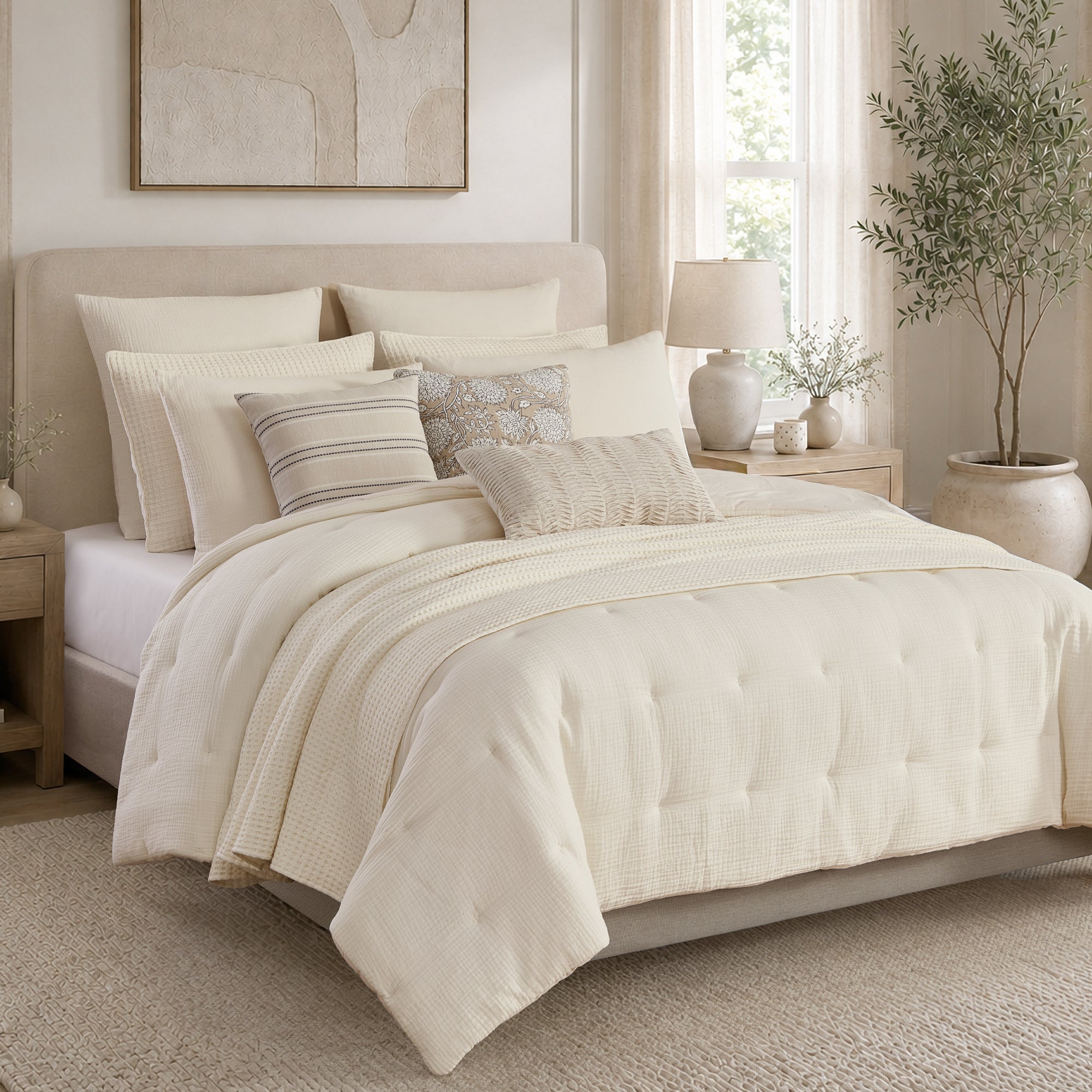
If your bedroom already has patterned pillows or curtains, a solid quilt can create balance. If your room features mostly neutral furniture and bedding, a floral or patterned quilt can become a beautiful focal point without overwhelming the space. If you prefer sleeping with a duvet, pairing your quilt with a breathable duvet cover creates another layer of comfort without adding unnecessary weight. The Cotton Lyocell Silky Comforter Set from Levtex combines the softness of cotton with silky-smooth LYOCELL™, making it a comfortable choice for winter layering.
Styling Tip: Let your quilt peek out beneath your comforter by folding the top edge of the comforter down several inches. This simple detail creates dimension and gives your bed a layered, designer-inspired finish.

Layer with a Blanket or Coverlet
Once you've added a quilt, it's time to introduce another layer of warmth. A blanket or coverlet provides additional insulation while making your bedding more adaptable to changing temperatures throughout the season.
Unlike a heavy comforter, a mid-layer blanket gives you flexibility. If you become too warm during the night, you can simply remove this layer while leaving the rest of your bedding in place.
The type of blanket you choose depends on your personal preferences and your local climate.
Best Blanket Options for Winter
Several types of blankets work well as part of a layered winter bed.
Wool blankets provide exceptional warmth while remaining surprisingly breathable. Natural wool fibers help regulate temperature and wick away moisture, making them a favorite for cold climates.
Cotton blankets offer lightweight warmth and pair beautifully with quilts. They're an excellent choice for homes with milder winters or for anyone who prefers breathable bedding.
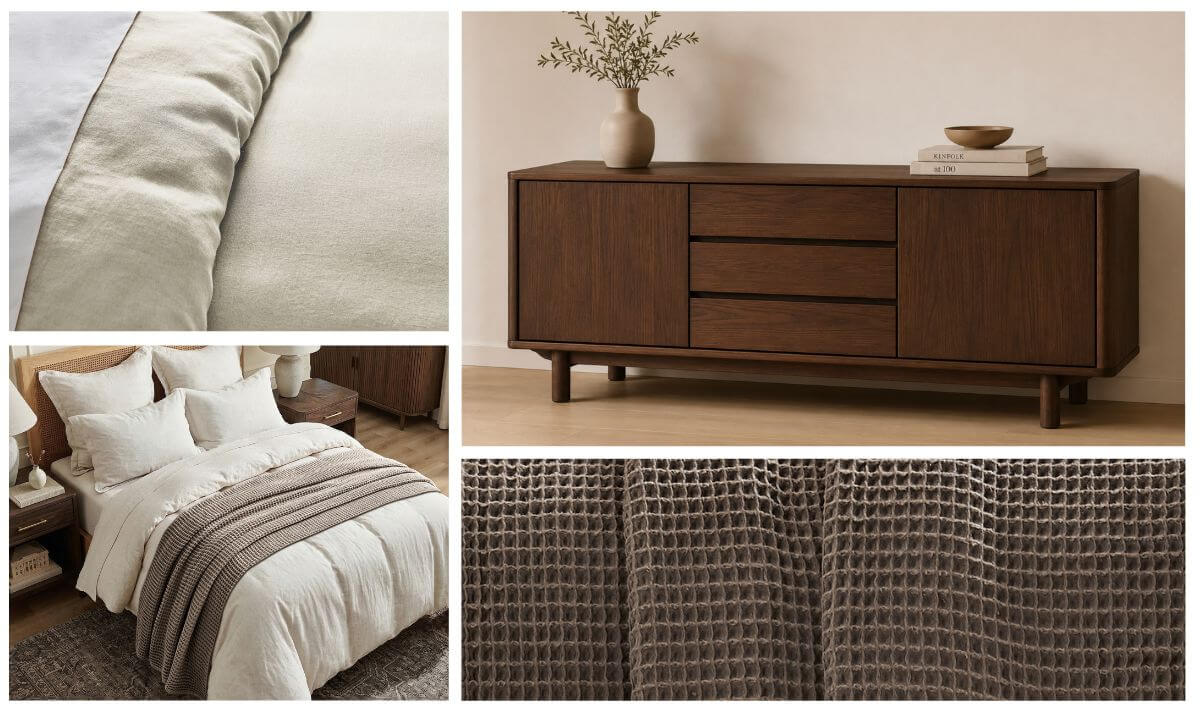
Knitted blankets introduce soft texture and visual warmth. Chunky knit or woven blankets create a cozy, inviting look while adding another comfortable layer.
Coverlets are thinner than traditional comforters and work well between a quilt and your top layer. They add just enough warmth without making your bedding feel bulky.
How to Style Your Blanket
A blanket doesn't always need to stay hidden beneath your comforter. Folding it neatly across the lower third of your bed creates a layered appearance that's often seen in professionally styled bedrooms.
For a more relaxed look, fold the blanket in thirds and place it horizontally across the foot of the bed. This arrangement showcases the texture of the blanket while making it easy to pull up for extra warmth on colder nights.
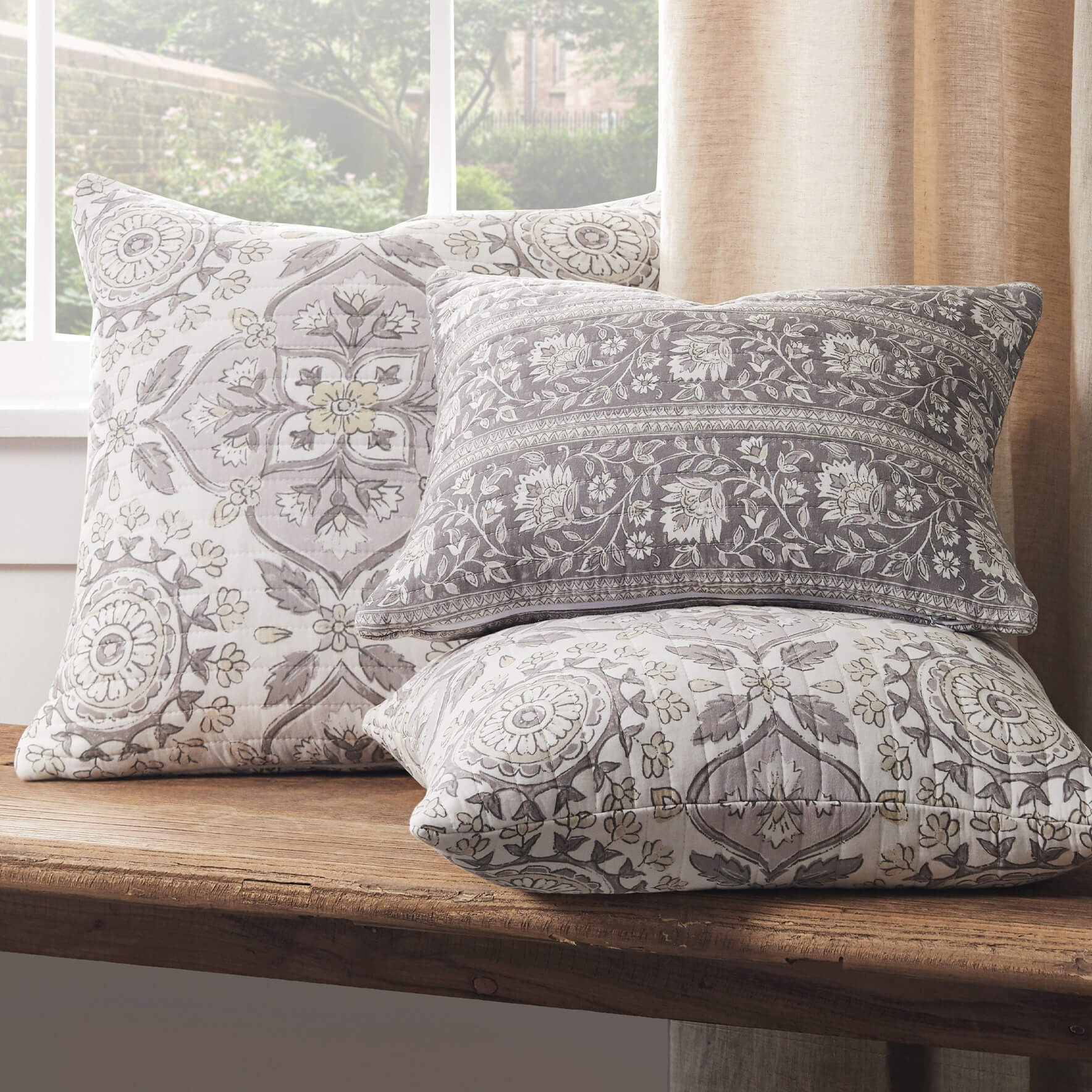
If you prefer a cleaner, more tailored appearance, smooth the blanket evenly across the bed before adding your top layer. Both approaches create warmth while adding another element of depth to your bedding. To finish the look, add a few decorative pillows in varying sizes and textures. The Spencer Plaid Pleated Pillow is an easy addition thanks to its soft taupe color and subtle pleated design, bringing extra dimension while complementing a wide variety of bedding styles.
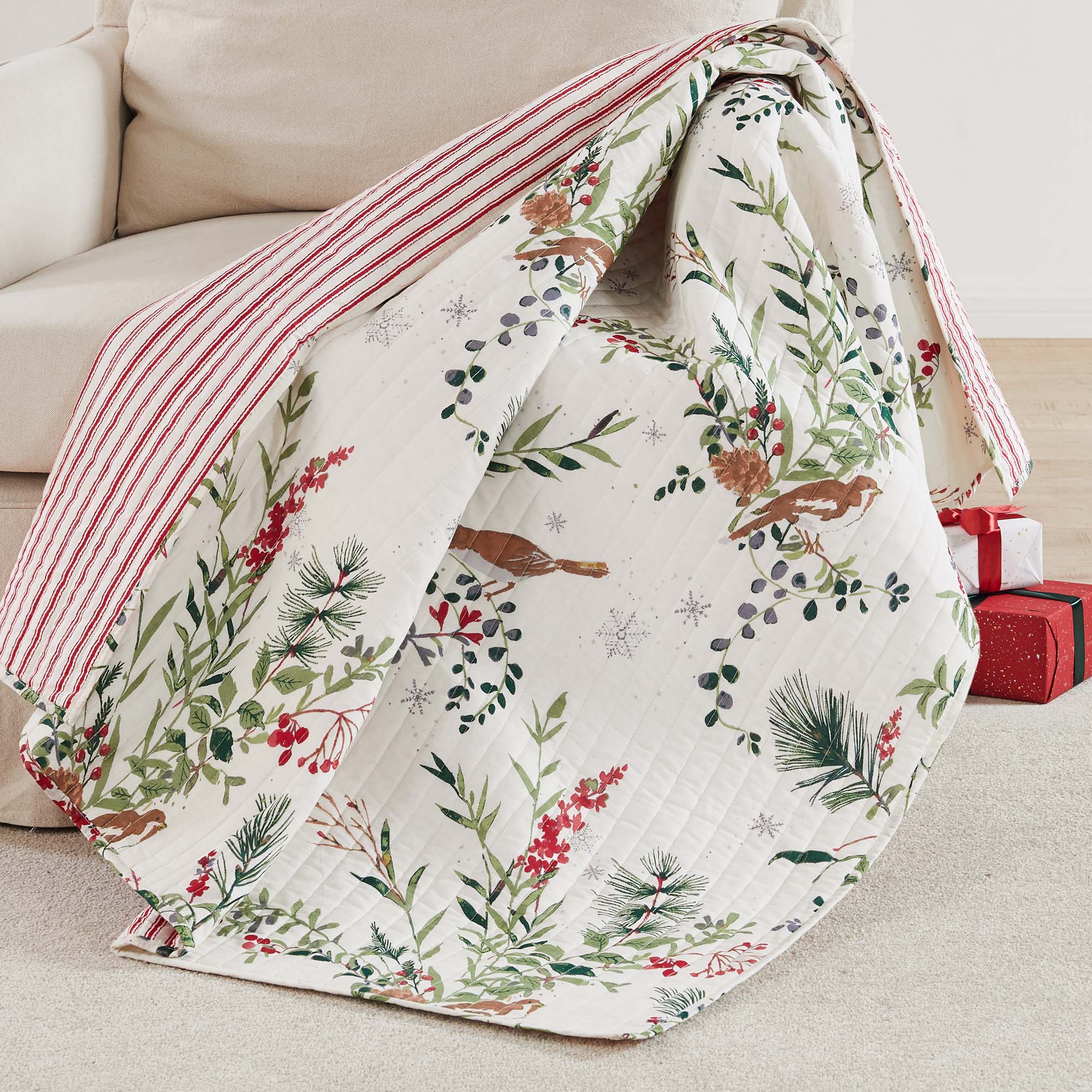
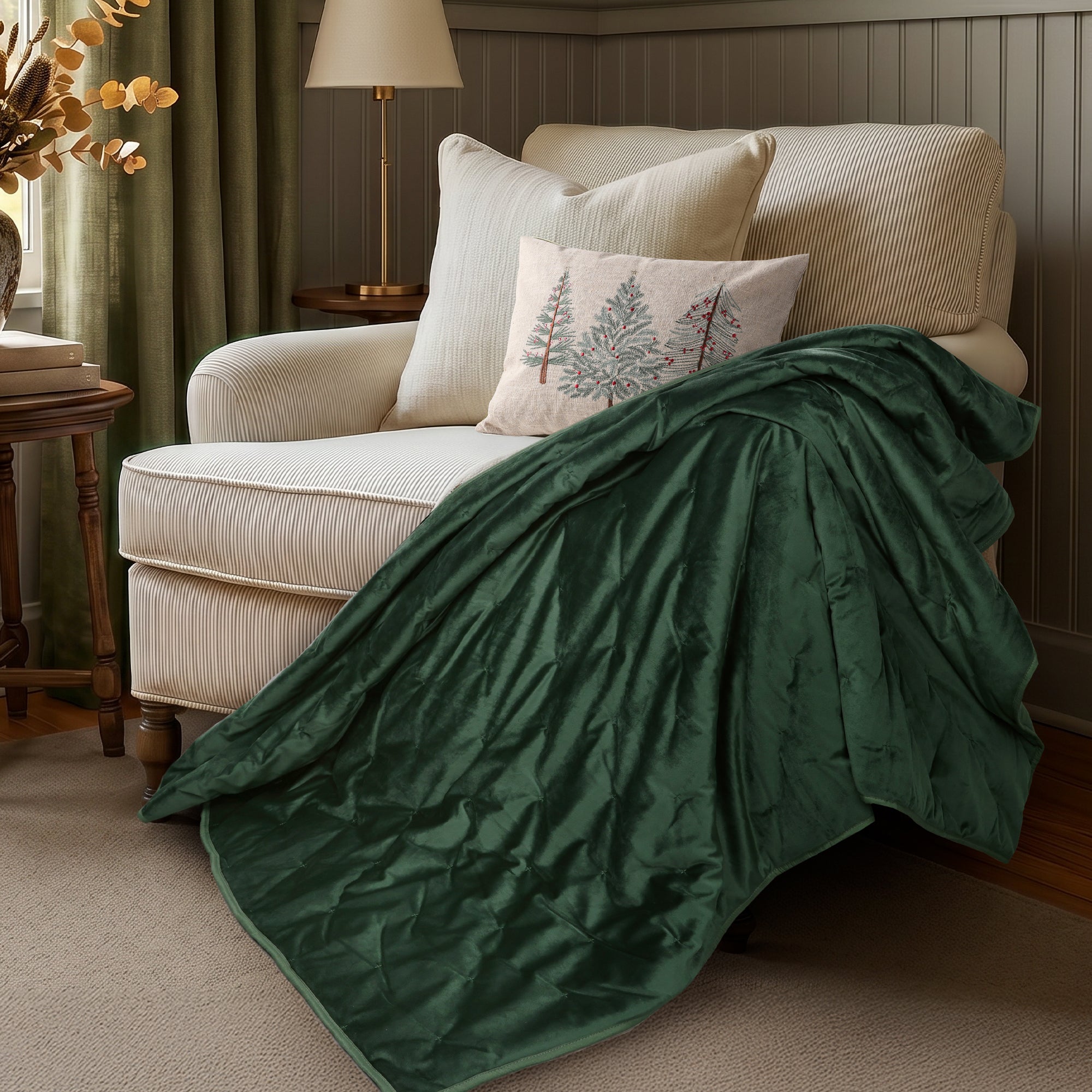
Aside from helping to conceal an unmade bed on lazy days, a throw or accent blanket adorned in an eye-catching, neutral pattern can tie the bed and room together seamlessly.Alex Tate, Miami-based designer
With your sheets, quilt, and blanket in place, you've built a warm and comfortable foundation that's ready for the final layers of both function and style.
Frequently Asked Questions
What bedding layers keep you warm in winter?
A well-layered winter bed typically includes breathable sheets, a lightweight quilt, a blanket or coverlet, and a comforter or duvet as the top layer. This combination traps warm air between each layer, providing better insulation than relying on one heavy blanket alone. Finish the bed with decorative pillows and a throw for added comfort and style.
Is a quilt warm enough for winter?
A quilt can be warm enough during mild winters, especially for hot sleepers or homes with good heating. In colder climates, it's best to use a quilt as part of a layered bedding setup by pairing it with breathable sheets, a blanket, and a comforter or duvet for additional warmth.
How many layers should a winter bed have?
Most winter beds have four to five layers:
- Breathable fitted and flat sheets
- A lightweight quilt
- A blanket or coverlet
- A comforter or duvet
- Decorative pillows and a throw blanket
This layering system allows you to adjust your bedding throughout the night for the perfect level of warmth.
What is the best fabric for winter bedding?
Natural fabrics like cotton and linen are excellent choices for winter bedding because they're breathable and help regulate body temperature. Wool blankets add extra insulation while remaining breathable, making them a great option for colder climates. Choosing natural materials helps create a comfortable sleep environment without trapping excess heat or moisture.
Should I use a duvet or a comforter in winter?
Both duvets and comforters can keep you warm during the winter. A duvet allows you to change the insert's warmth level seasonally, making it a versatile option throughout the year. A comforter offers a convenient all-in-one solution that's easy to use and style. The best choice depends on your climate, personal preferences, and how much flexibility you want from your bedding.
How can I make my bed look cozy for winter?
To create a cozy winter bed, start with neutral sheets, layer on a quilt and blanket, then finish with a comforter or duvet. Mix different textures such as linen, cotton, knit, and woven fabrics, and add decorative pillows in varying sizes. A folded throw blanket at the foot of the bed completes the warm, inviting look while adding another functional layer.
References
1. How Bedroom Temperatures and Bedding Choices Impact Sleep,
Sleep Foundation
2. How to Create a Beautiful Bedscape—and Style Your Sleeping Space Like a Pro,
Martha Stewart
3. Don’t Redecorate Your Entire Bedroom—Designers Say Changing These 7 Things First Can Make It Feel Fresh Again,
The Spruce
4. How to Style a Bed Like a Designer,
Architectural Digest
5. 5 Simple Steps to a Perfectly Made Bed, According to Interior Designers,
Vogue
6. 6 Steps To Layering Your Bed Like An Interior Designer,
Southern Living