




JoanneJoanneWhat Is Bauhaus Interior Design?
Bauhaus interior design is a modern design style rooted in the Bauhaus school, which was founded in Germany in 1919. The movement emphasized the idea that good design should be both beautiful and practical, rejecting unnecessary ornamentation in favor of purposeful, functional forms.
At the heart of Bauhaus is the principle of "form follows function." Furniture, architecture, and décor are designed to serve a clear purpose while maintaining visual harmony. Clean geometric shapes, thoughtful proportions, and industrial materials such as steel, glass, and concrete define the aesthetic.
What makes Bauhaus unique is its belief that art and industry can work together. By combining artistic creativity with modern manufacturing techniques, Bauhaus designers created timeless pieces that continue to influence contemporary interiors more than a century later.
In a world full of visual noise and trend overload, Bauhaus interior design offers something different. It offers purposeful choices that feel lived-in and add meaning. It’s a style that adds clarity and brings a subtle sense of calm to the everyday. And whether you're furnishing your first apartment or reimagining a longtime space, Bauhaus gives you the framework to do more with less.
This isn’t minimalism for the sake of minimalism. At its core, Bauhaus is about balance: a space that works well and looks considered. It leans into clean lines and clear intentions, where every piece is chosen for how it contributes to the whole. There’s no need for over-styling or constant updates. With just a few thoughtful elements, you can create a room that feels steady and uncluttered.

Origins of Bauhaus Design (1919–1933)
The Bauhaus movement emerged in post-World War I Germany as artists, architects, and designers sought a new approach to creating objects and buildings for modern life. Founded by architect Walter Gropius in Weimar in 1919, the Bauhaus school aimed to unite fine art, craftsmanship, and industrial production into a single discipline.
Rejecting the elaborate ornamentation that had dominated previous design styles, Bauhaus embraced simplicity, efficiency, and accessibility. Designers focused on creating functional products that could be mass-produced without sacrificing quality or beauty. Although the school operated only until 1933, its influence continues to shape architecture, furniture, and interior design around the world.
What Is Bauhaus Interior Design and Why It Still Shapes Modern Homes
The Bauhaus movement was founded in 1919 in Weimar, Germany, by architect Walter Gropius. Originally a design school, the Bauhaus evolved into a cultural and architectural force, blending fine art, industrial design, and architecture into a unified discipline.
At its core, Bauhaus interior design adheres to a set of clear principles: design must serve a function, simplicity prevails over decoration, and visual balance is achieved through the use of geometric forms and thoughtful proportion. These ideas were radical at the time, rejecting the ornate and embracing the accessible. Today, they serve as the foundation for modern minimalist interiors.
In an era of design overload, Bauhaus provides clarity. It prioritizes utility without compromising on beauty. This makes it particularly appealing for today’s interiors, where calm and thoughtful spaces are more sought-after than ever.
Defining Characteristics of Bauhaus Interior Design
Clean, Geometric Lines
Simple shapes such as circles, squares, and rectangles create visual order and structure throughout a space.
Functionality First
Every design choice serves a purpose. Furniture and décor are selected for usefulness as much as appearance.
Industrial Materials
Steel, glass, chrome, and concrete are frequently used because they reflect the movement’s connection to modern manufacturing and durability.
Neutral Foundations with Primary Color Accents
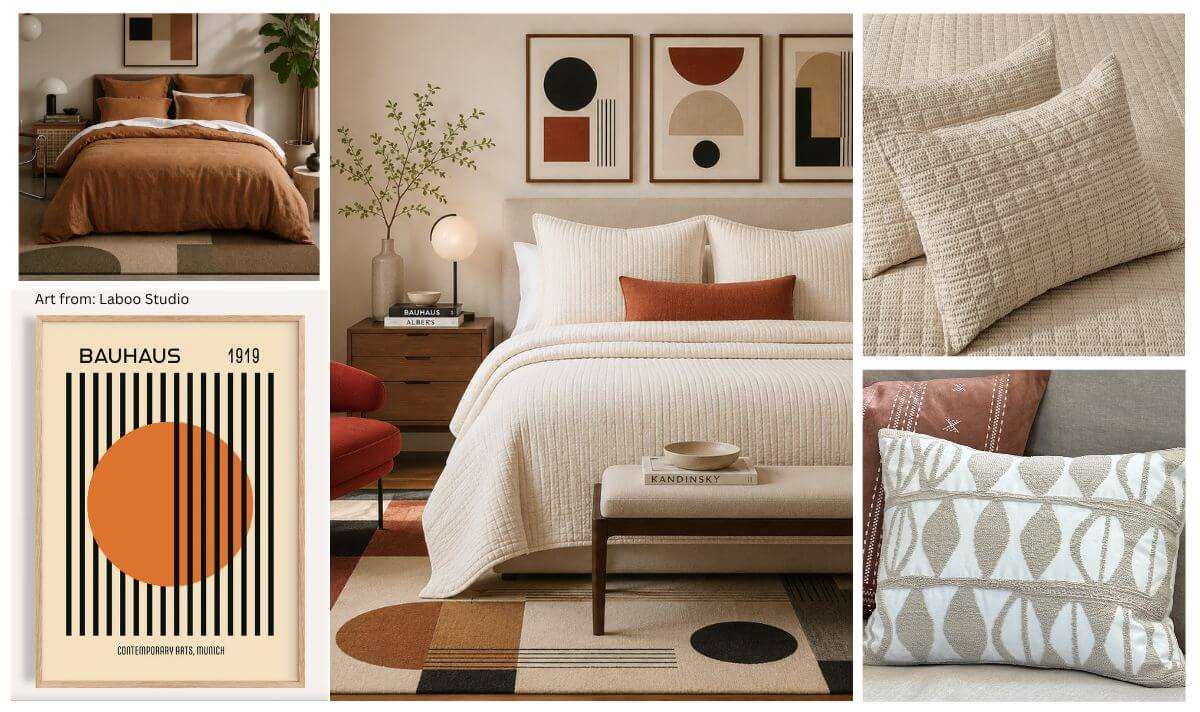
Bauhaus interiors often rely on black, white, gray, and beige, complemented by strategic touches of red, blue, or yellow.
Minimal Ornamentation
Decorative details are reduced so that form, craftsmanship, and material quality become the focus.
Visual Balance and Proportion
Rooms feel harmonious because furniture, architecture, and accessories are carefully scaled and arranged.
Iconic Bauhaus Furniture and Design Examples
The Wassily Chair
Designed by Marcel Breuer, the Wassily Chair became one of the earliest furniture pieces to utilize tubular steel construction. Its lightweight frame and exposed structure perfectly capture the Bauhaus philosophy of combining modern manufacturing with elegant simplicity. Today, it remains a favorite in contemporary interiors that embrace clean, architectural forms.
The Barcelona Chair
Created by Ludwig Mies van der Rohe, the Barcelona Chair demonstrates how Bauhaus principles can achieve sophistication without excessive decoration. Its sleek steel frame and balanced proportions have made it one of the most recognizable pieces of modern furniture ever designed.
Josef Albers’ Nesting Tables
Josef Albers’ nesting tables showcase the Bauhaus fascination with geometry, color theory, and versatility. Their simple forms allow them to function individually or together, reflecting the movement’s emphasis on practical, adaptable design.
Marianne Brandt Metalwork
Marianne Brandt's lamps, teapots, and household objects represent some of the most celebrated examples of Bauhaus industrial design. Her work demonstrated how everyday items could become artistic while remaining highly functional, influencing product design for generations.
Bauhaus isn’t just about aesthetics; it’s a way of living thoughtfully. It’s about being deliberate with the things you choose and appreciating the beauty that comes from simplicity and purpose. When a space follows these ideas, it feels calm and confident, and creates a sense of order that makes it welcoming and easy to live in.
Key Elements of Bauhaus Interior Design
Clean Lines and Functional Furniture
Bauhaus design prioritizes simplicity and purpose. Furniture is characterized by clean lines, balanced proportions, and forms that serve a practical function. Rather than drawing attention through ornamentation, each piece contributes to the overall harmony of the space.
Bold Yet Balanced Color Palettes
While Bauhaus interiors often rely on neutral foundations such as black, white, and gray, strategic accents of red, blue, and yellow introduce visual interest. This careful balance creates spaces that feel structured and energetic without becoming overwhelming.
Geometric Patterns and Shapes in Décor
Geometry acts as a visual language throughout Bauhaus interiors. Circles, squares, and rectangles appear in furniture, artwork, lighting, and textiles, creating a sense of rhythm and cohesion. These forms help establish order while maintaining visual interest.
Mixing Materials: Metal, Glass, Wood, and Fabrics
One of the defining features of Bauhaus design is the combination of contrasting materials. Industrial elements such as steel, glass, and chrome are often paired with natural wood and soft textiles. This interplay of textures creates depth and balance while preventing spaces from feeling cold or overly industrial.

How to Bring Bauhaus Design Into a Modern Home
The principles of Bauhaus design remain highly relevant because they adapt easily to contemporary living. Rather than recreating a historical interior, modern homeowners can draw inspiration from the movement's focus on function, simplicity, and visual balance.
Choose Clean Silhouettes
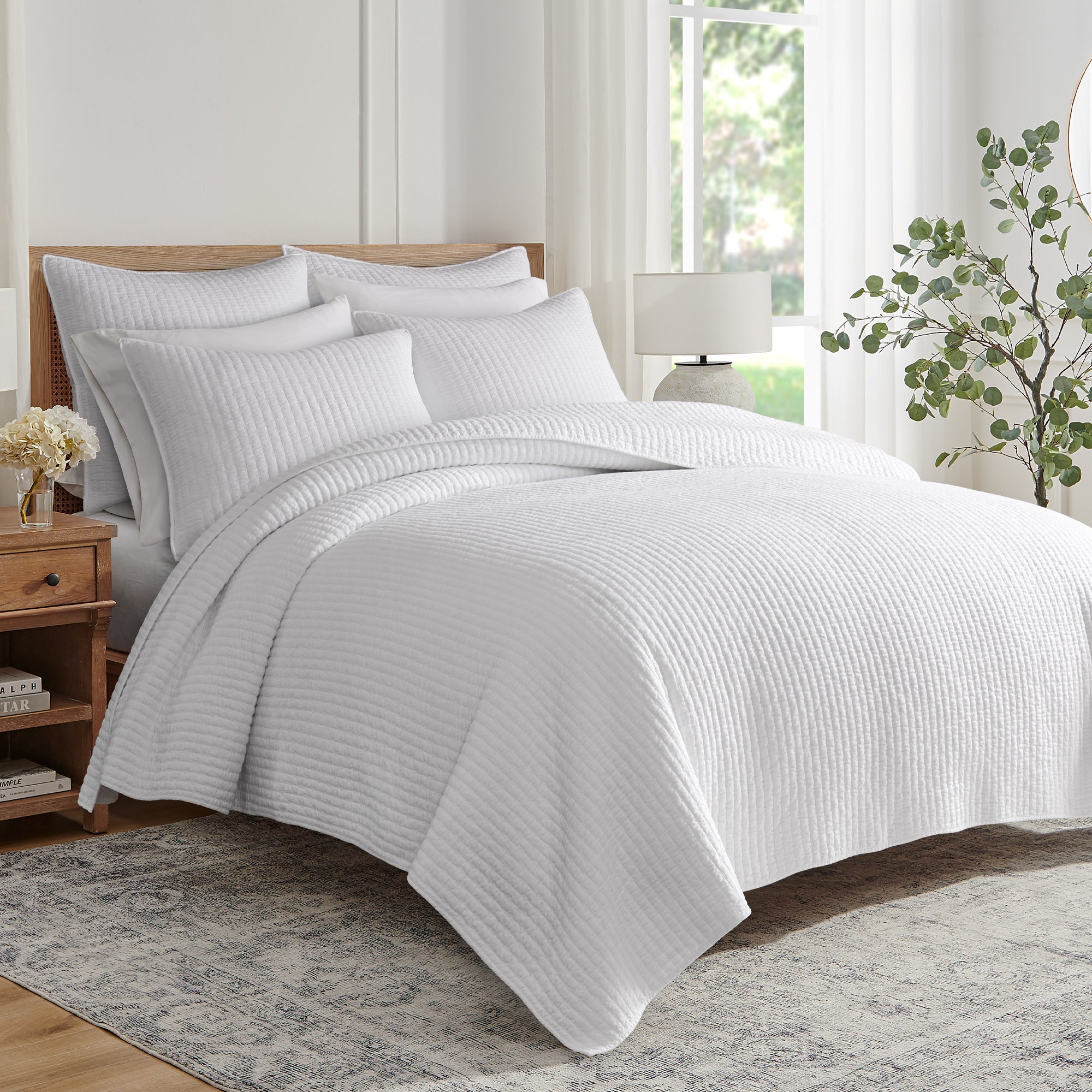
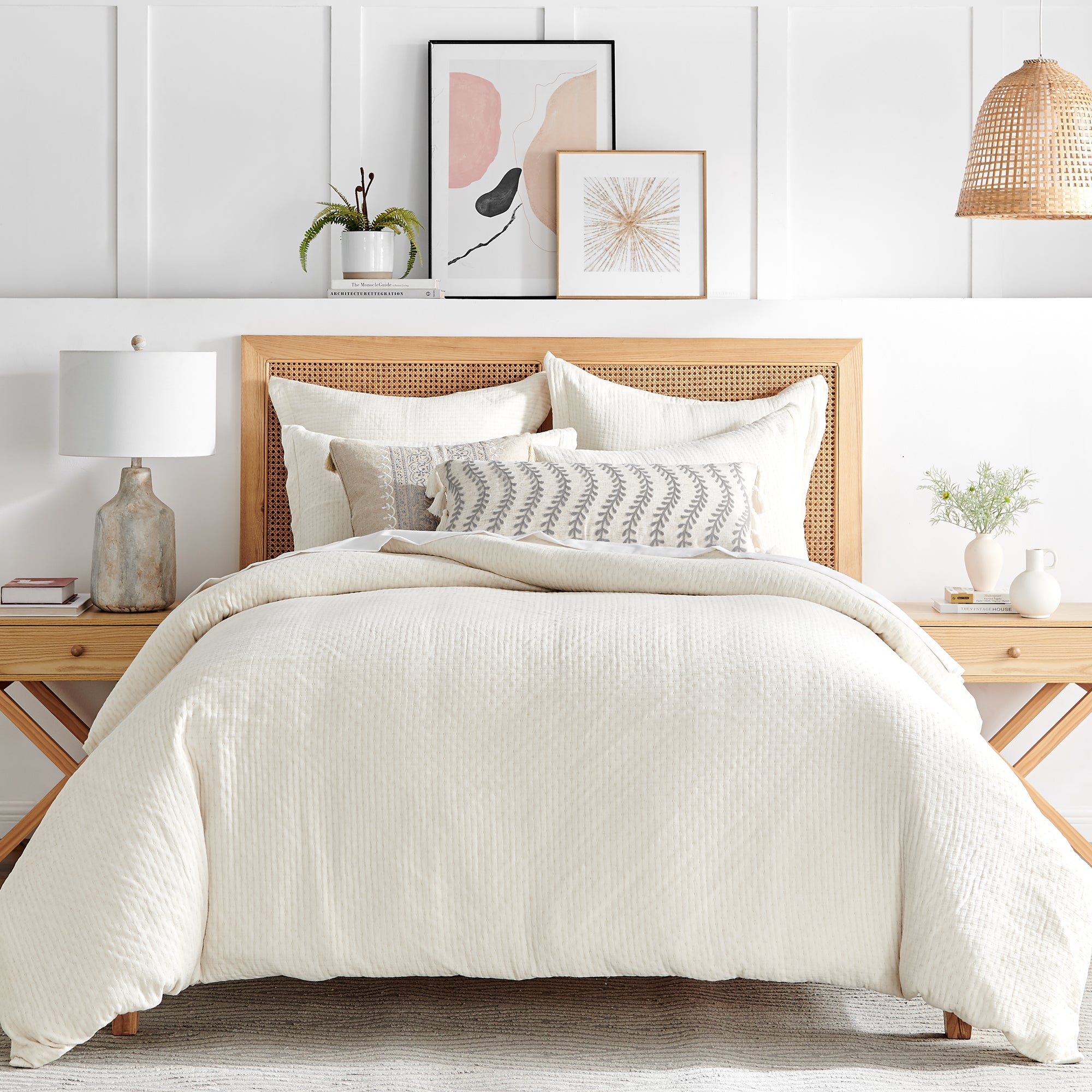
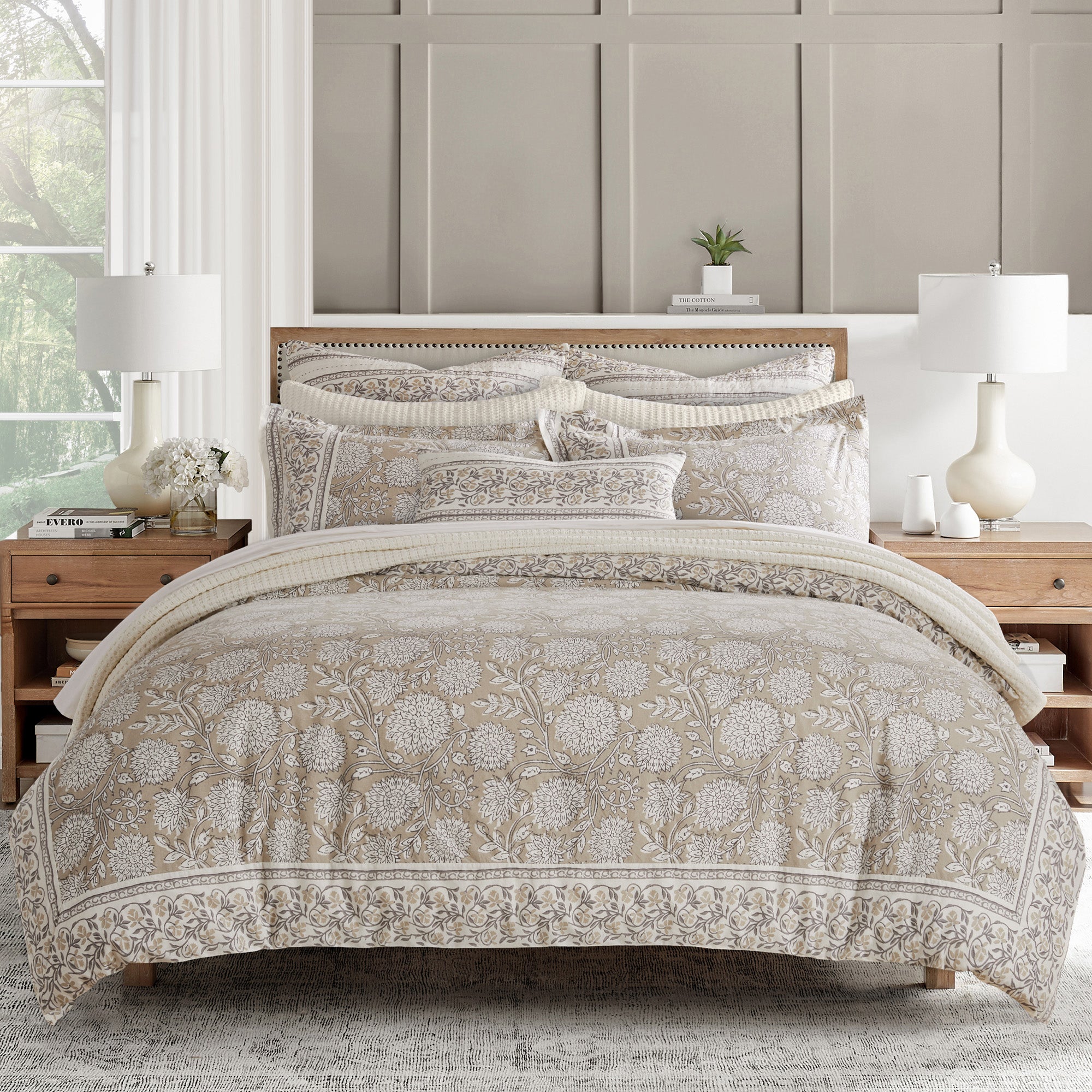
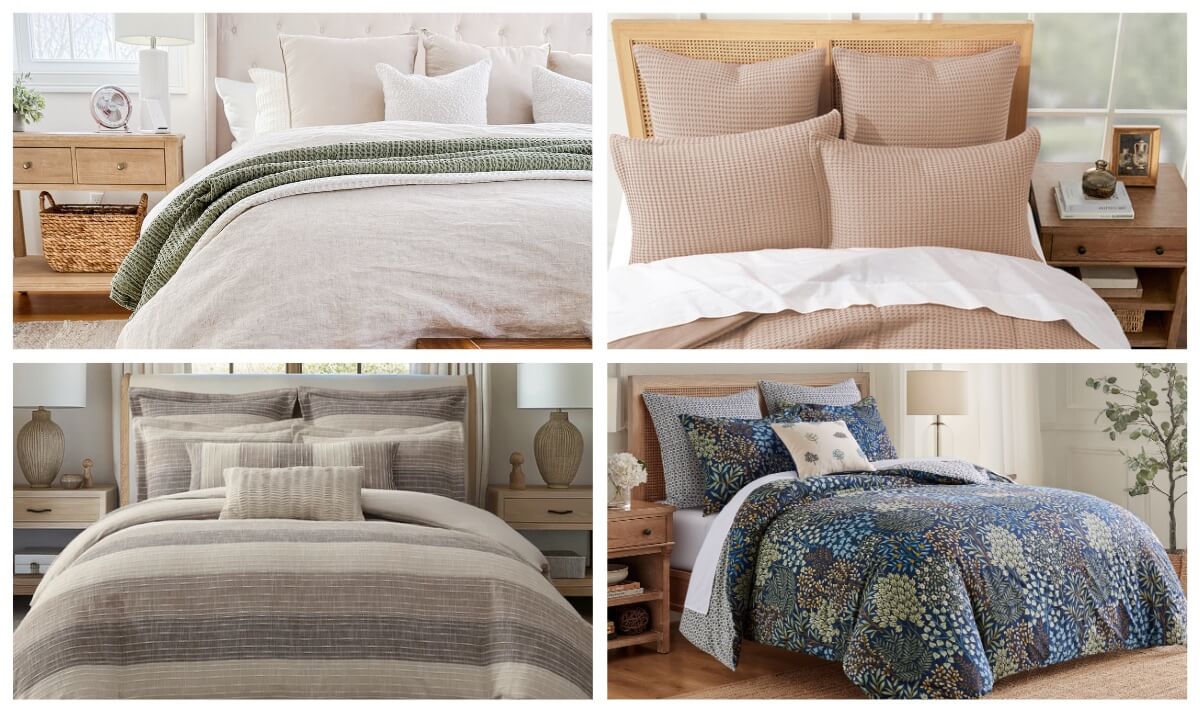
Look for furnishings and bedding with streamlined shapes and minimal embellishment. Quilts and duvet covers with simple stitching, understated textures, and tailored profiles support the clean, architectural feel associated with Bauhaus interiors. The Cross Stitch Quilt Set reflects this approach through its subtle texture and simple silhouette, helping reinforce a room's sense of balance and restraint.
Balance Geometry with Texture
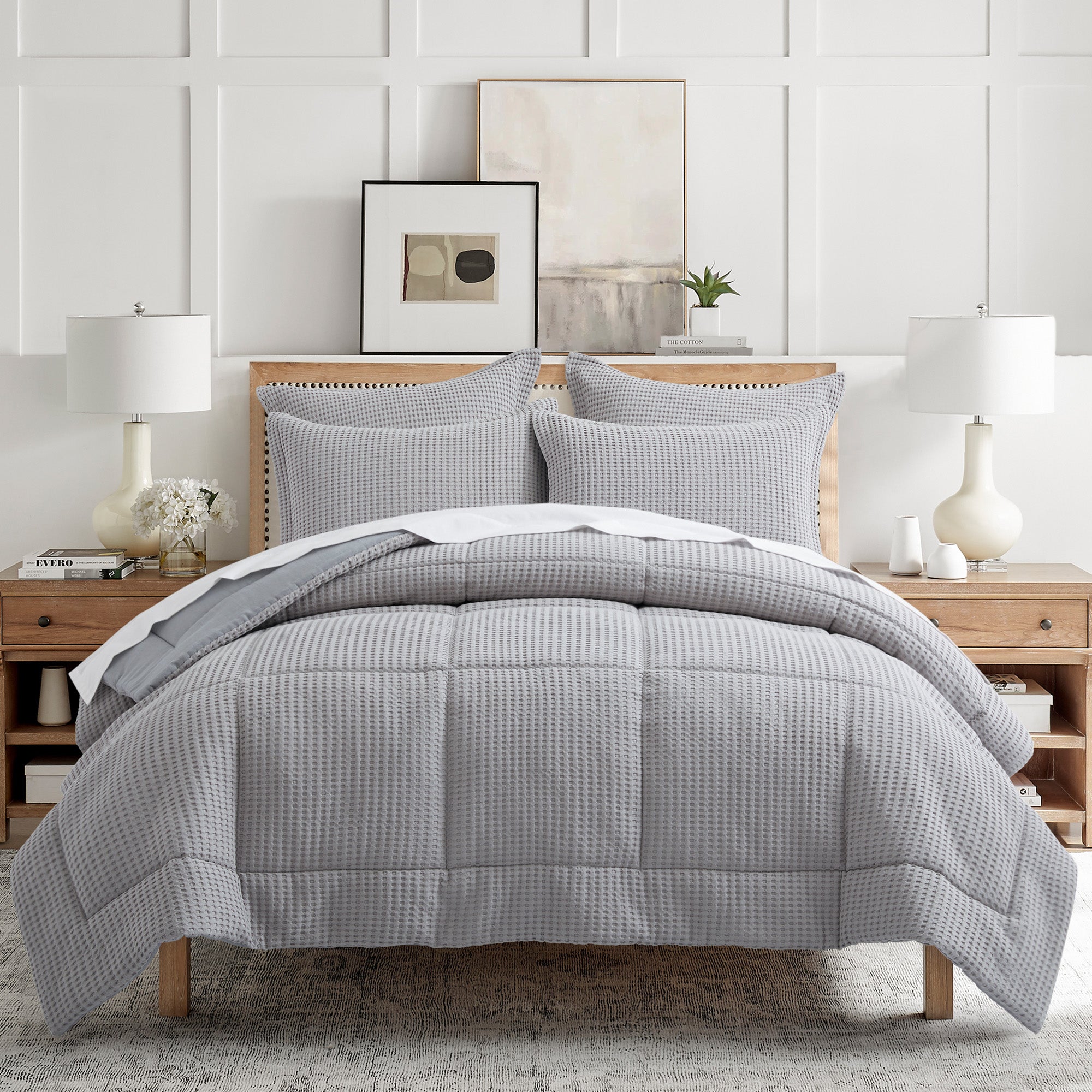
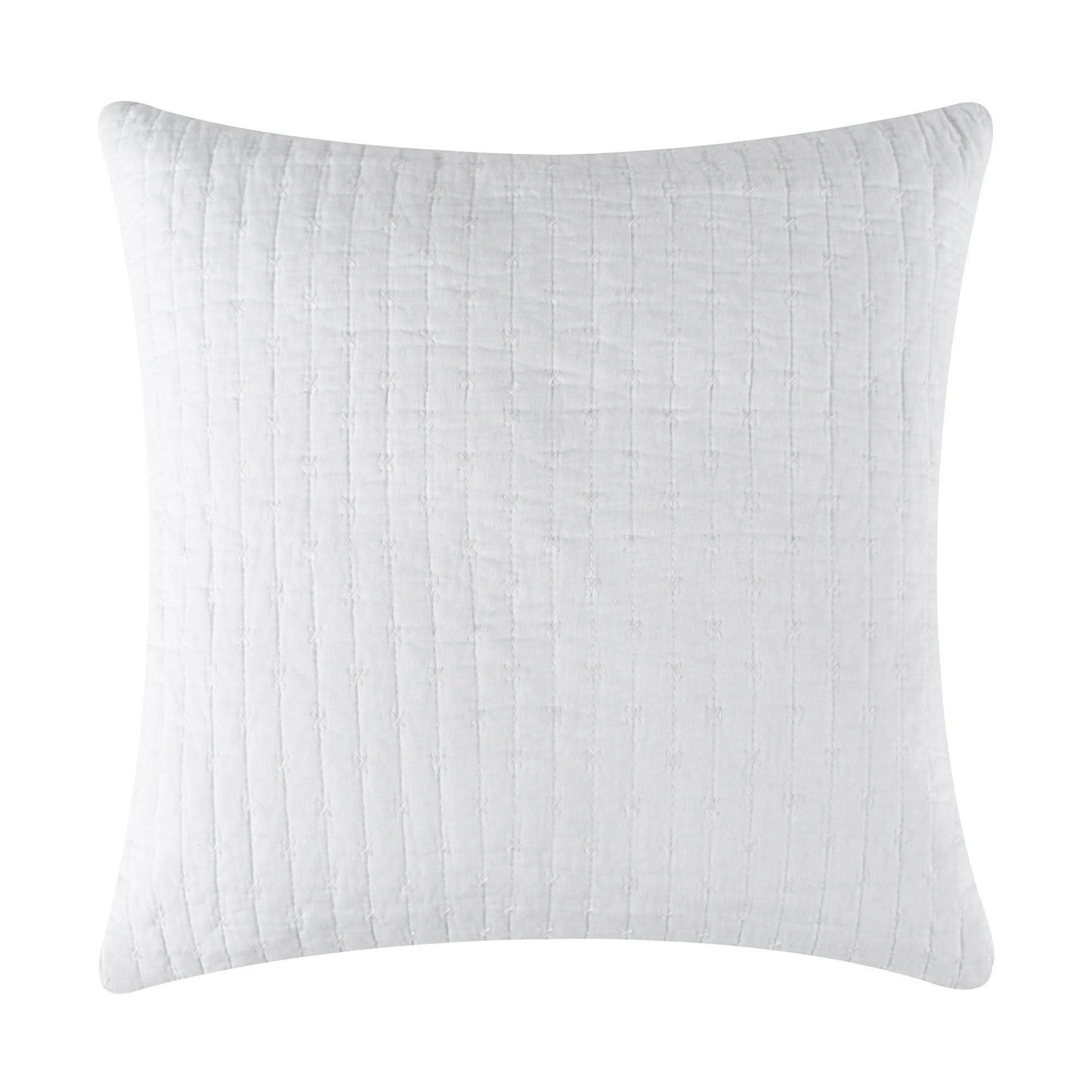
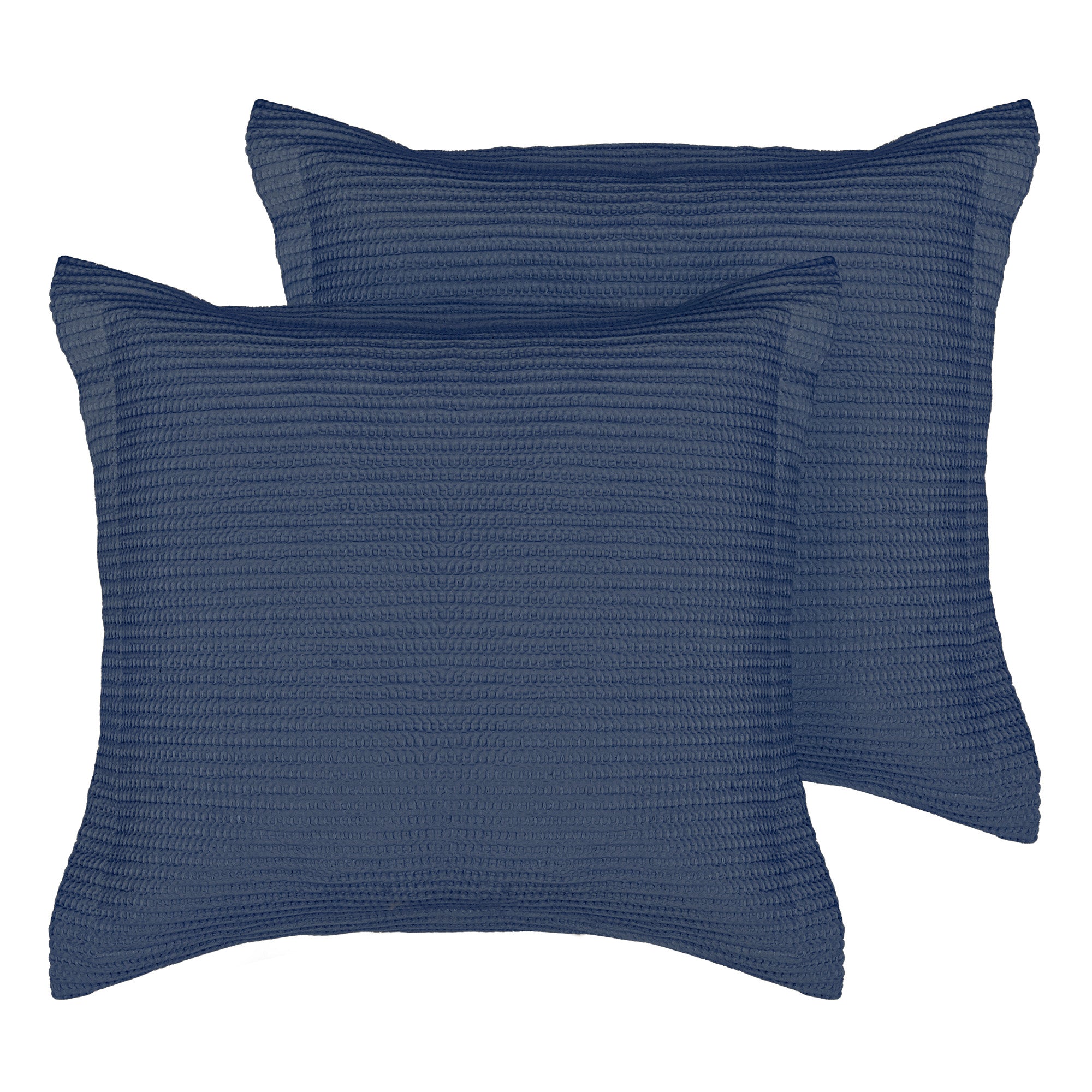
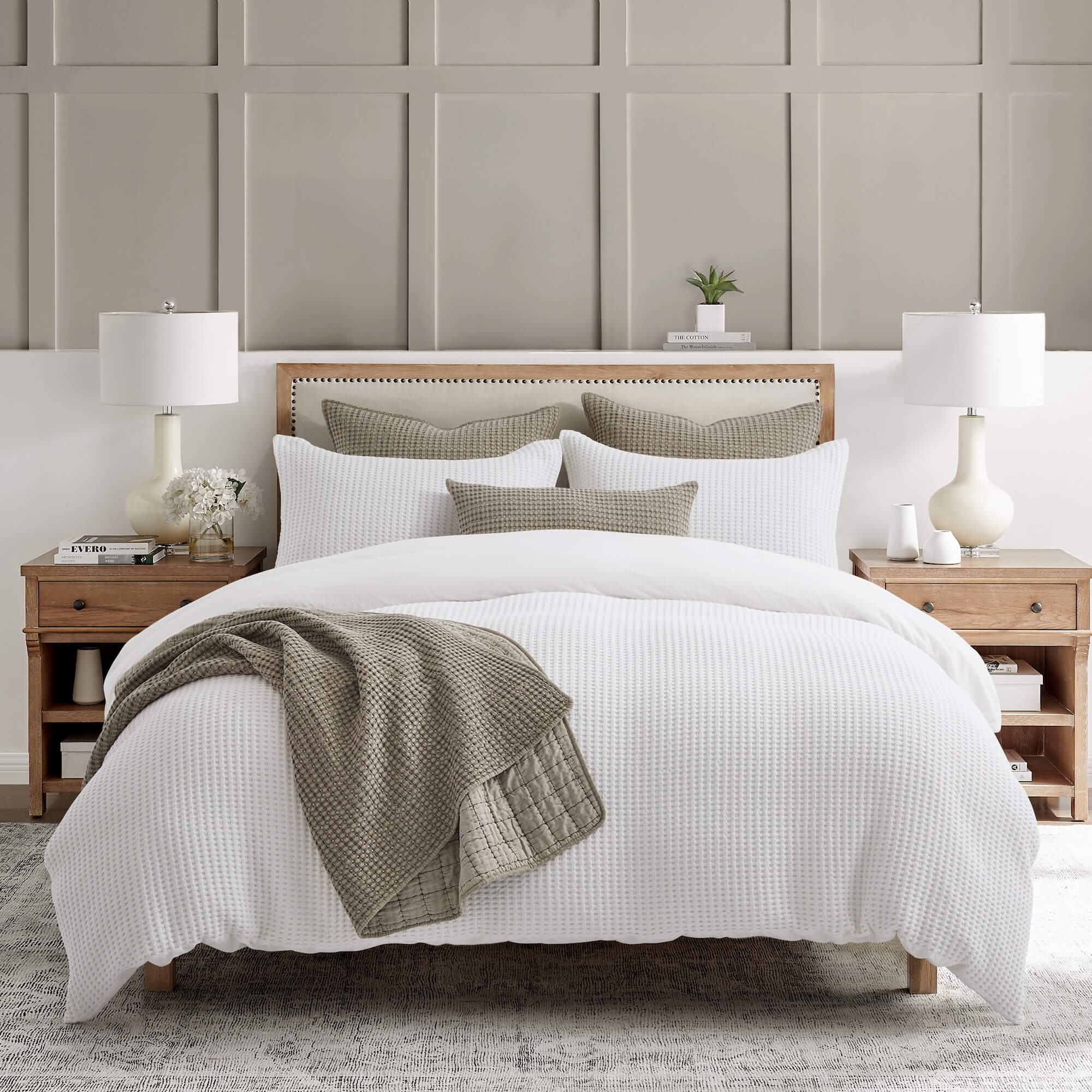
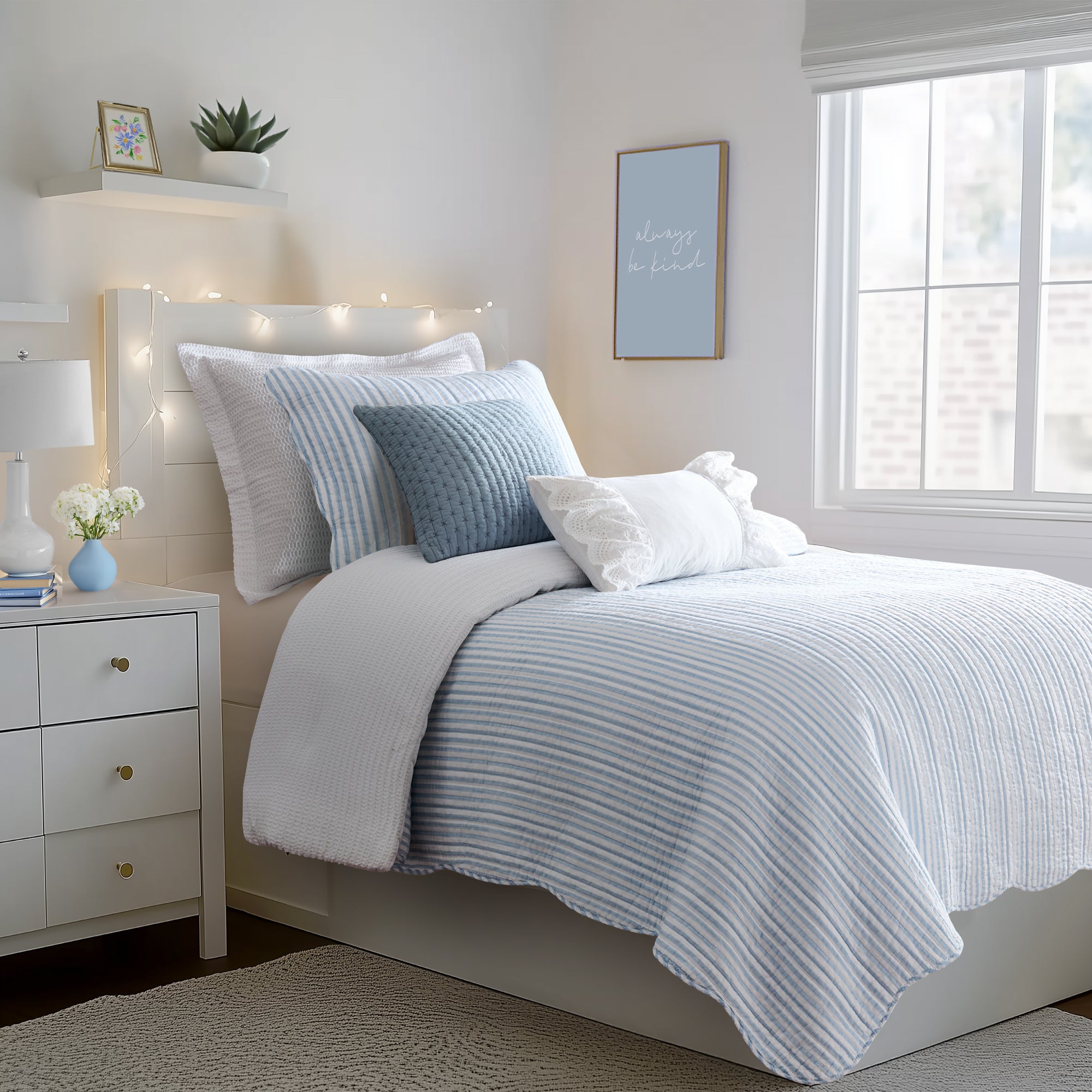
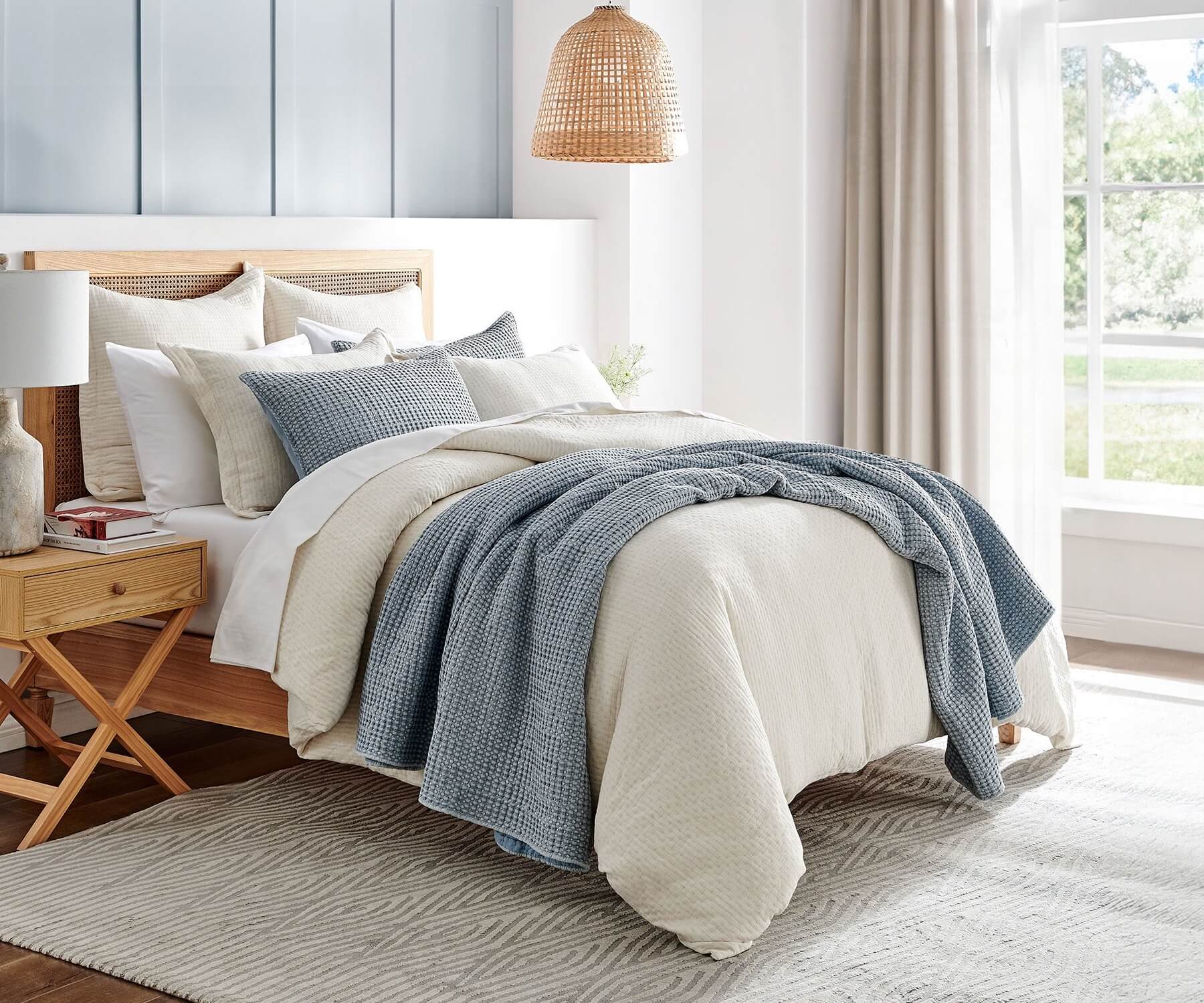
Because Bauhaus spaces often emphasize strong lines and geometric forms, texture plays an important role in creating comfort. Waffle weaves, muslin fabrics, and subtle stitched details introduce softness while maintaining the movement's preference for restraint and simplicity. Pieces such as the Mills Waffle Quilt Set and Cloud Waffle Euro Sham add tactile interest while preserving the clean visual language that defines Bauhaus design.
Build from a Neutral Foundation
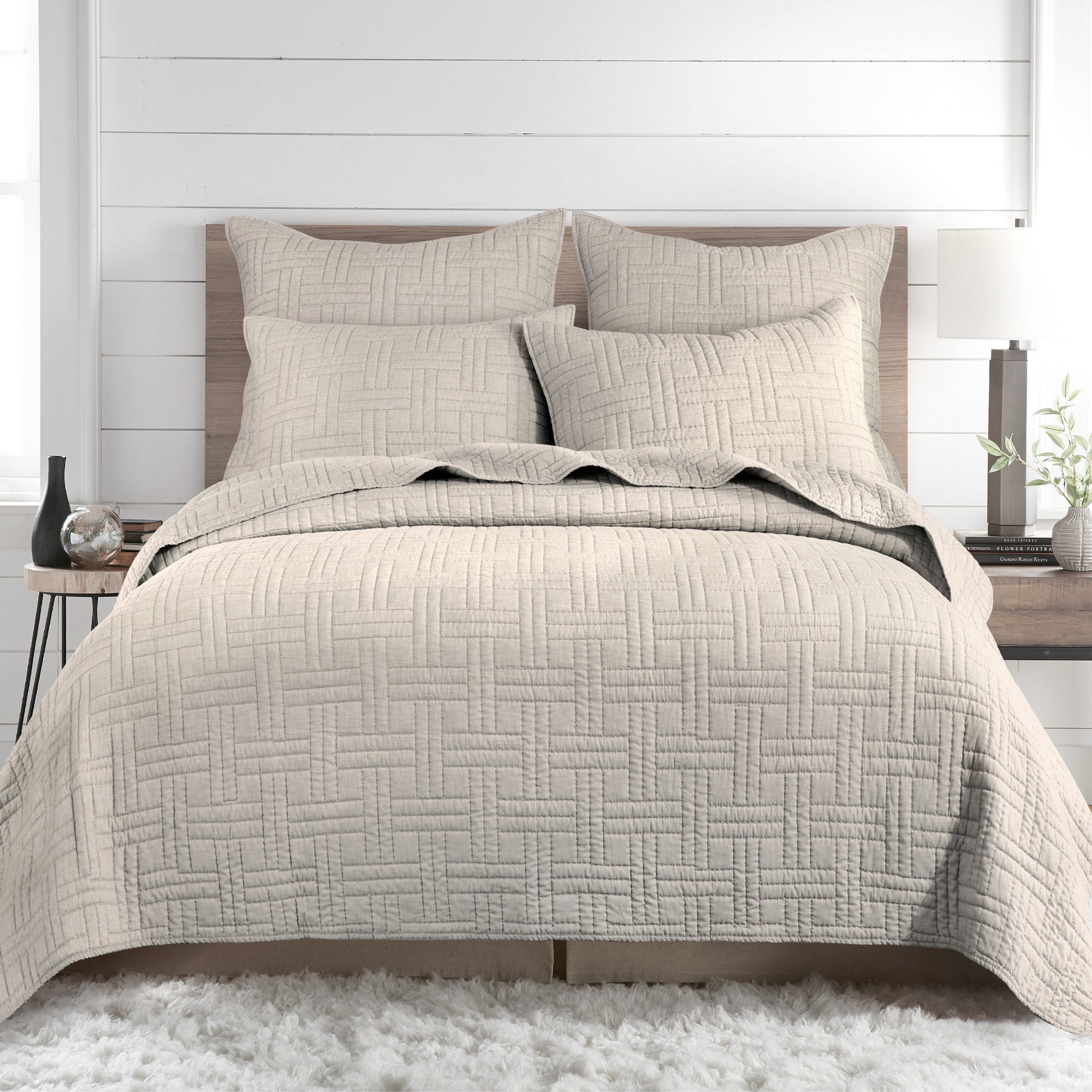
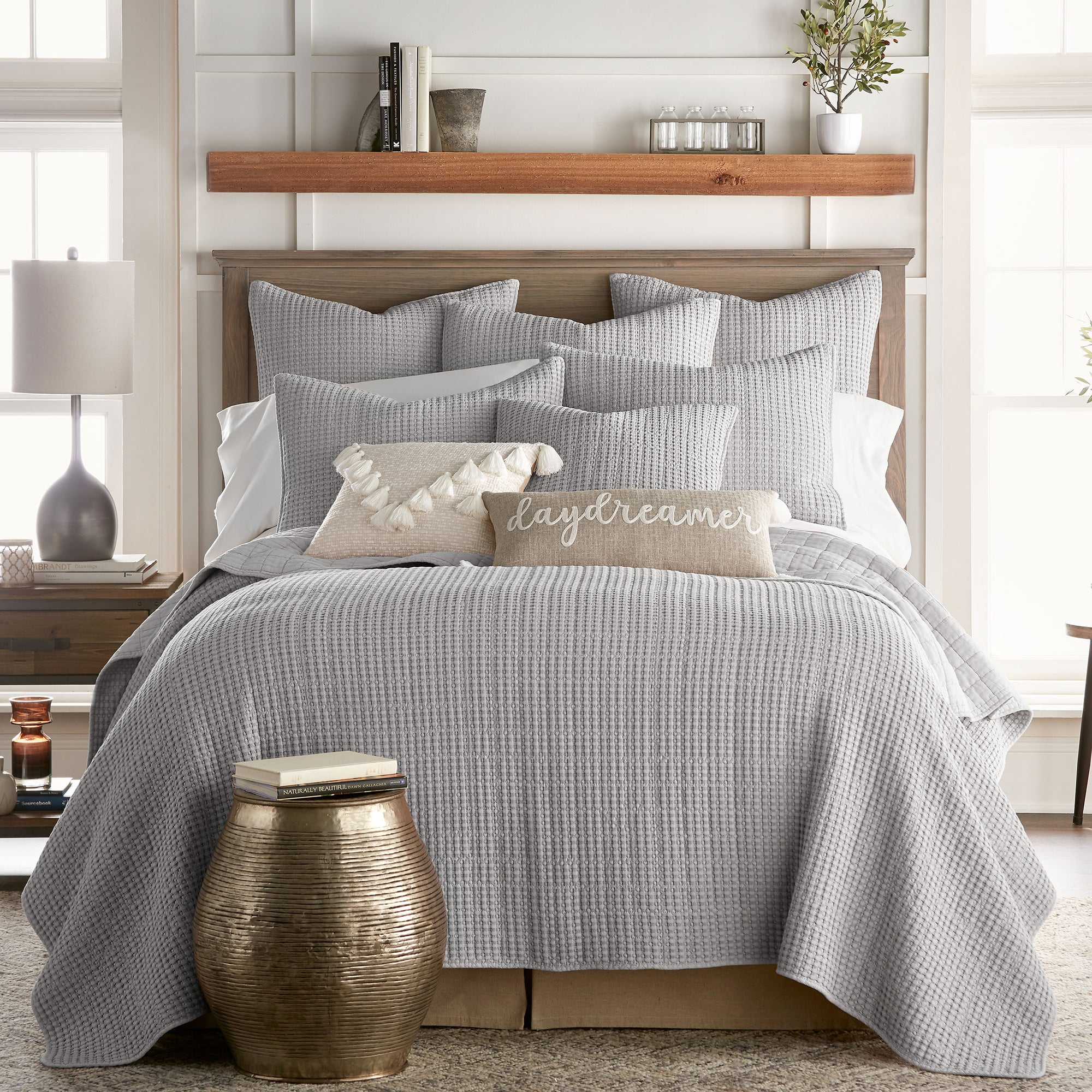
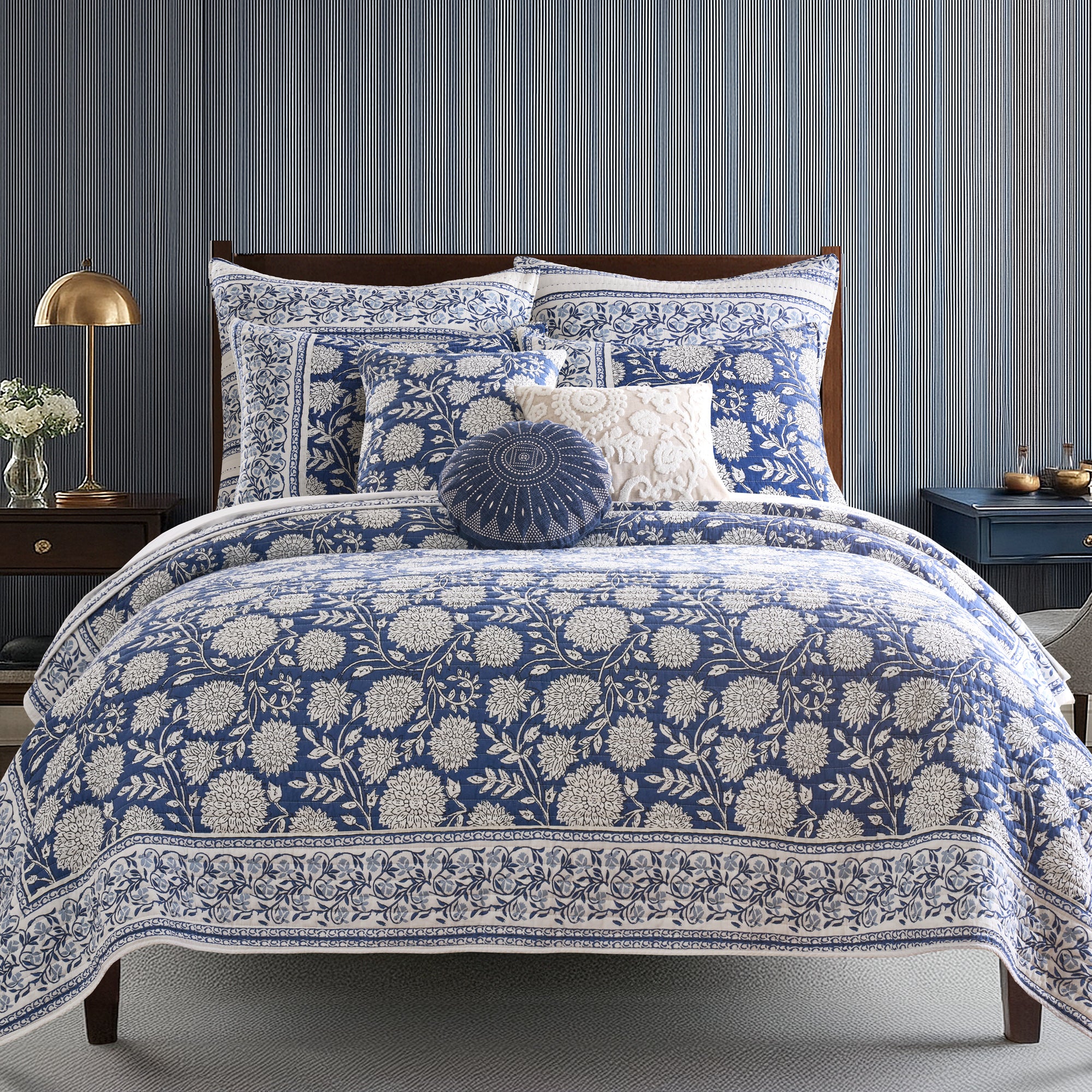
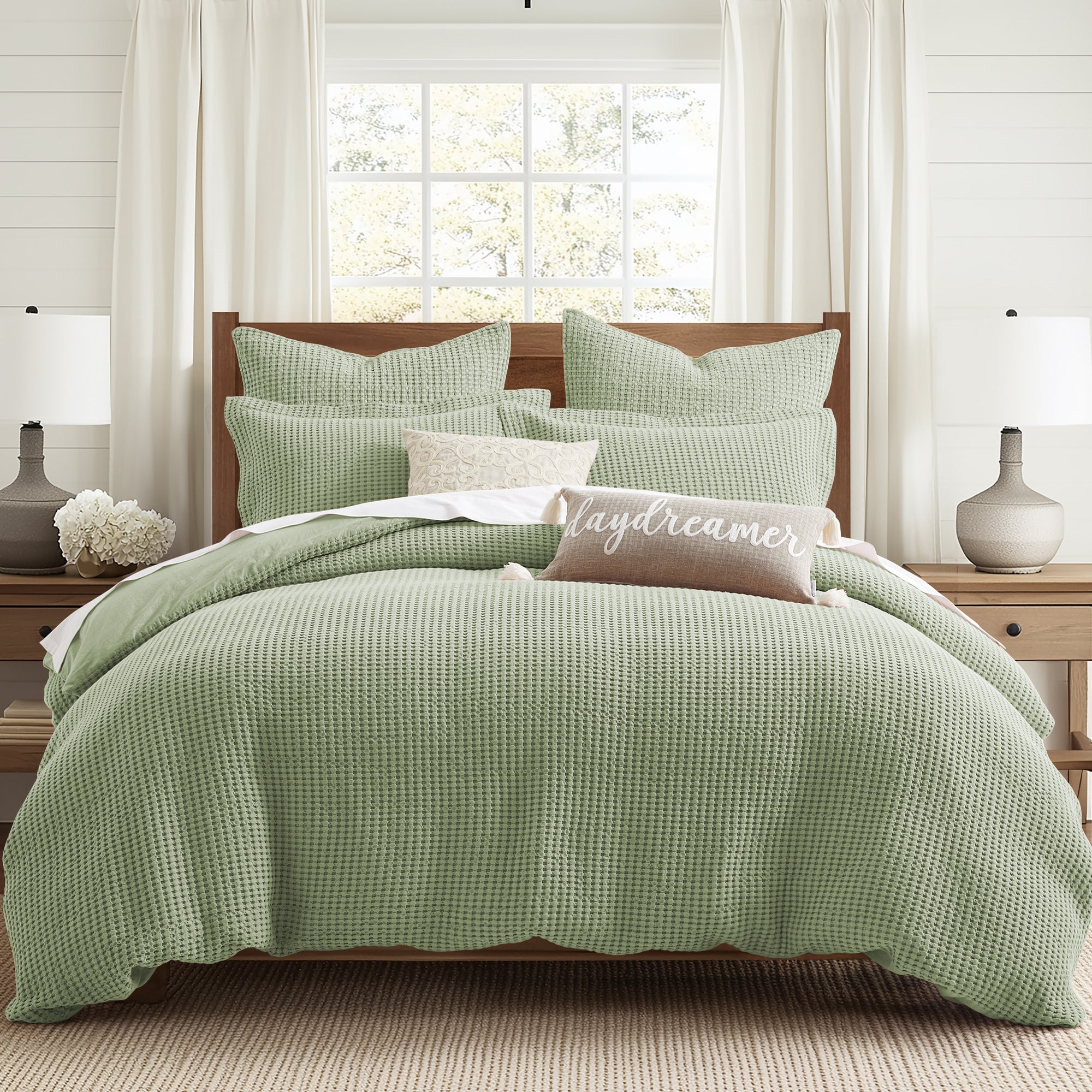
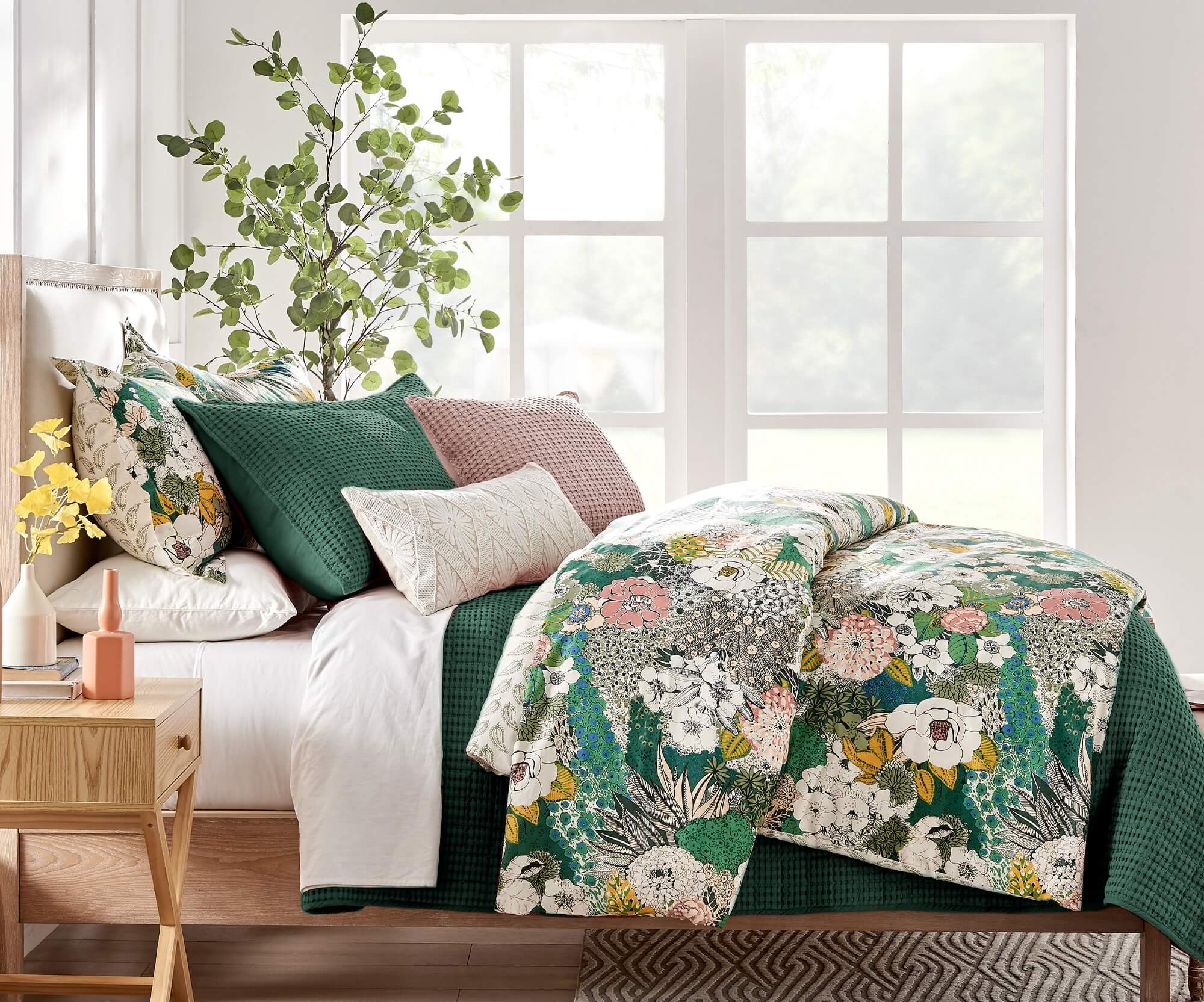
A neutral color palette creates the sense of order that defines Bauhaus design. Layering bedding in balanced tones such as ivory, gray, taupe, or charcoal provides a calm backdrop while allowing carefully selected accent colors to stand out with intention. The Loden Quilt Set demonstrates how color can feel grounded and purposeful without overwhelming the space.
Bauhaus Bedroom Design Principles
Bedrooms are particularly well suited to Bauhaus principles because they benefit from a sense of calm, order, and visual clarity. By reducing unnecessary clutter and focusing on purposeful design choices, the space becomes more restful and inviting. The result is a bedroom that feels intentional rather than overdecorated, creating an environment that supports both relaxation and daily routines.
One of the key strengths of Bauhaus bedroom design is its ability to balance structure with comfort. Clean-lined furniture, geometric forms, and simple architectural details establish a sense of organization, while textiles introduce warmth and softness. This contrast prevents the room from feeling sterile while maintaining the disciplined aesthetic that defines the style.
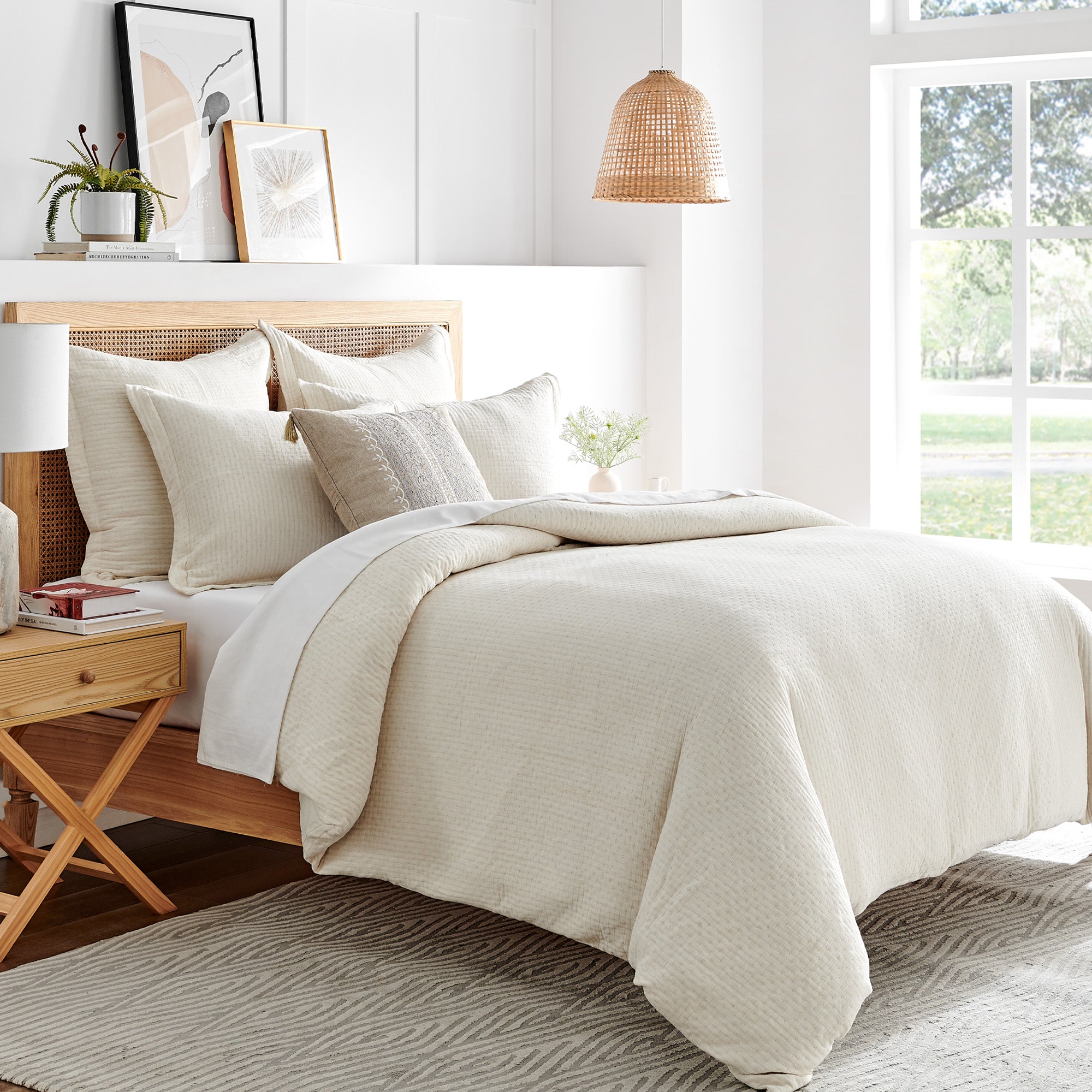
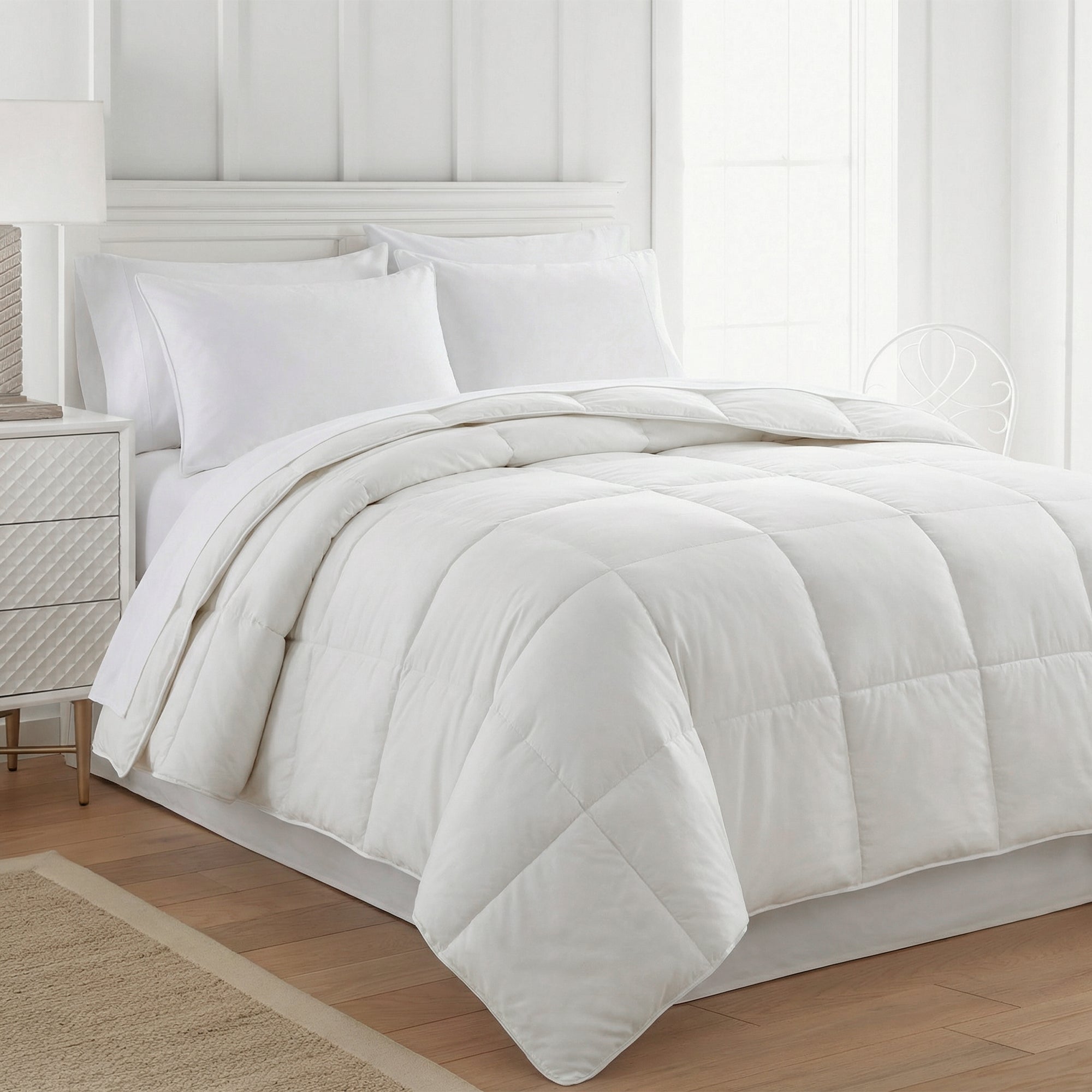
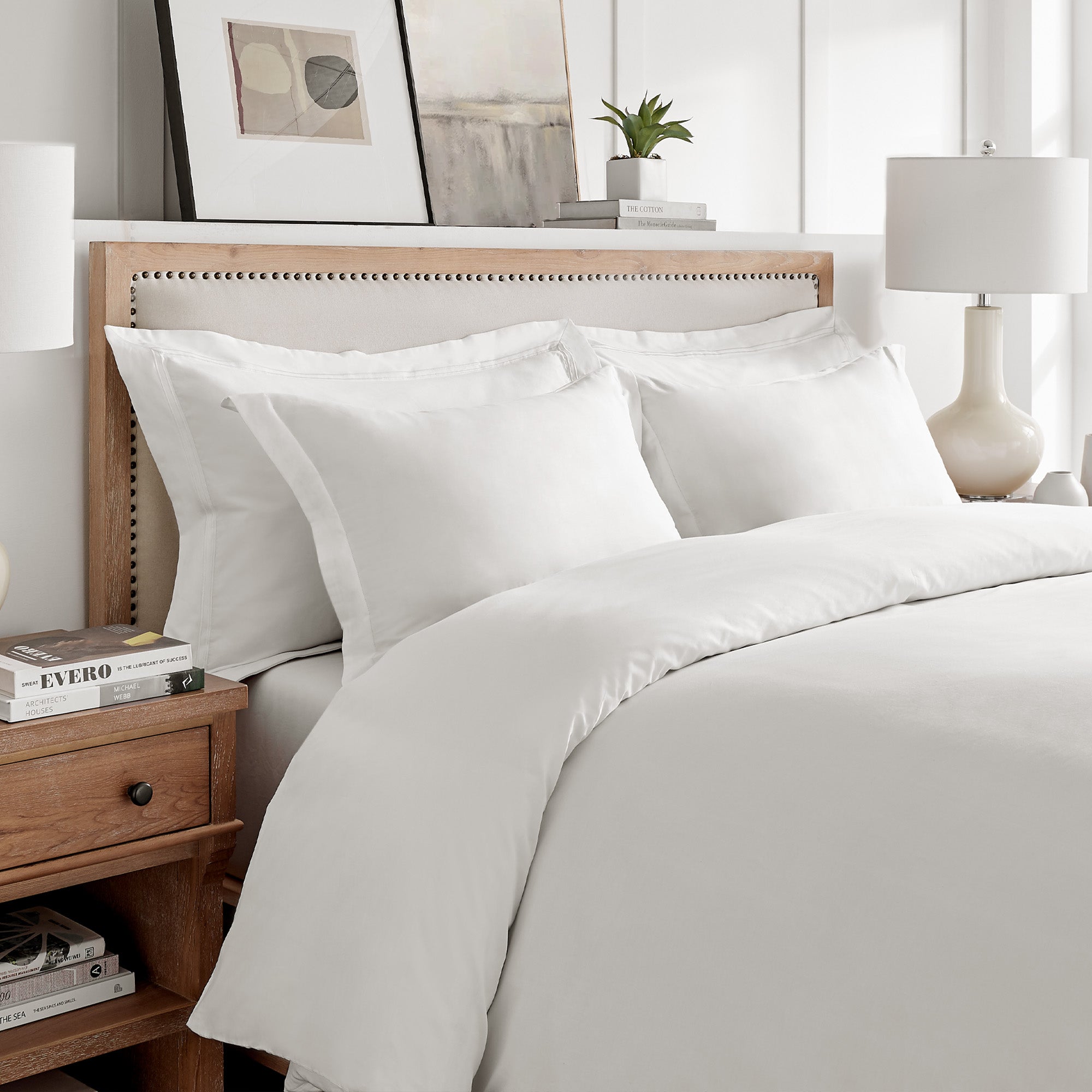
Bedding acts as a soft counterbalance to the industrial influences often associated with Bauhaus interiors. Quilts, throws, and pillows add texture and comfort without disrupting the room's visual harmony. The Reede Muslin Duvet Cover Set embodies this balance through its clean lines and understated appearance, helping soften a room while maintaining a minimalist aesthetic.
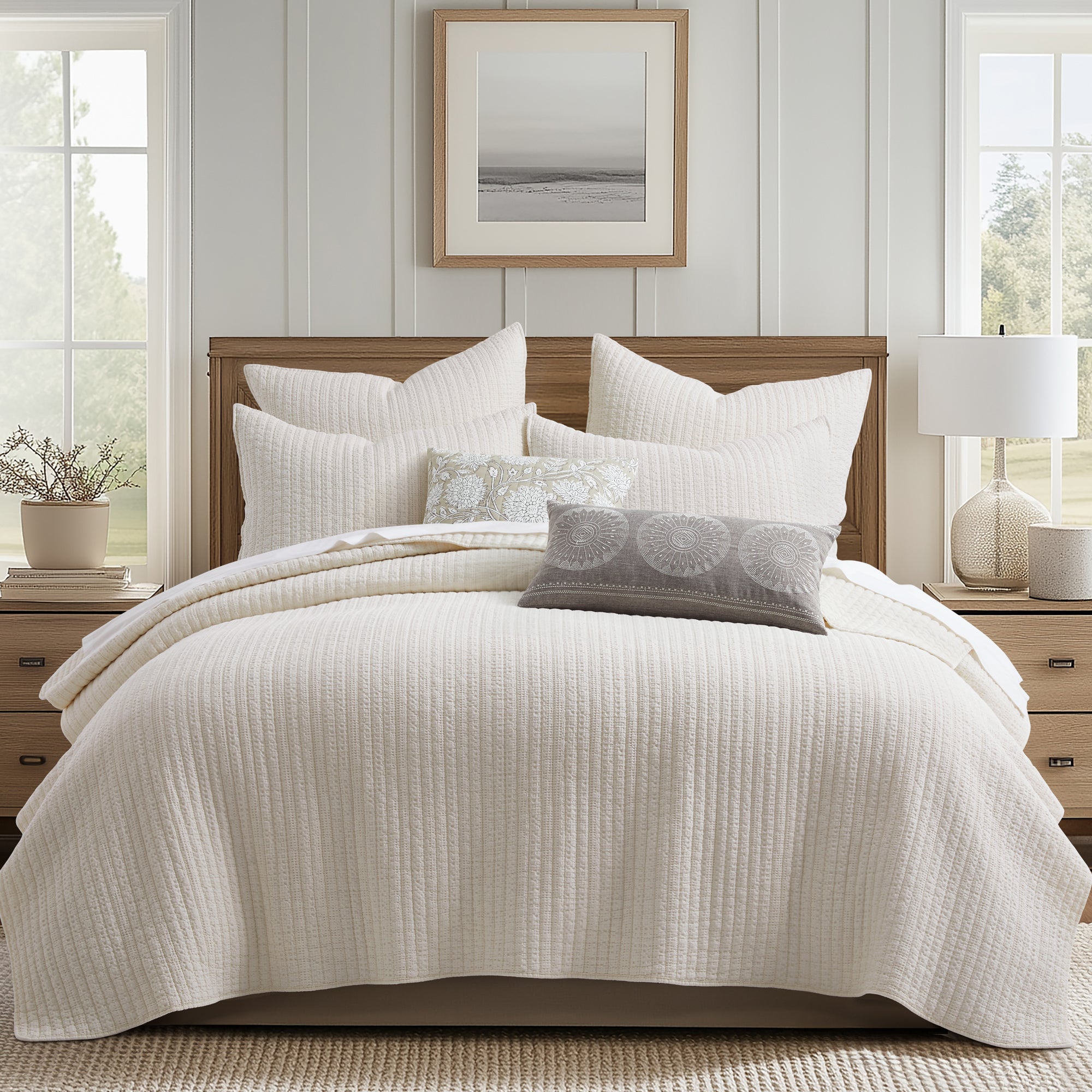
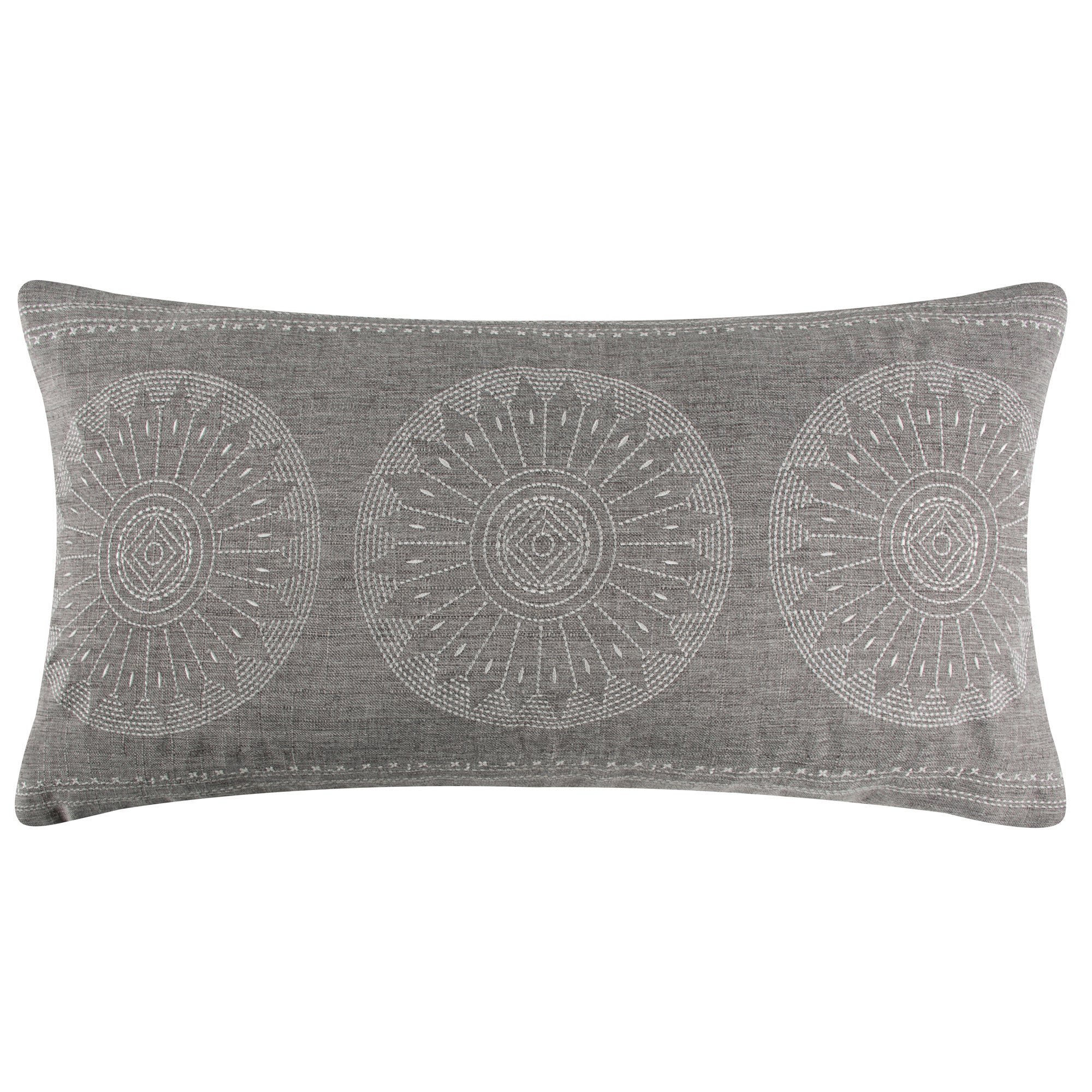
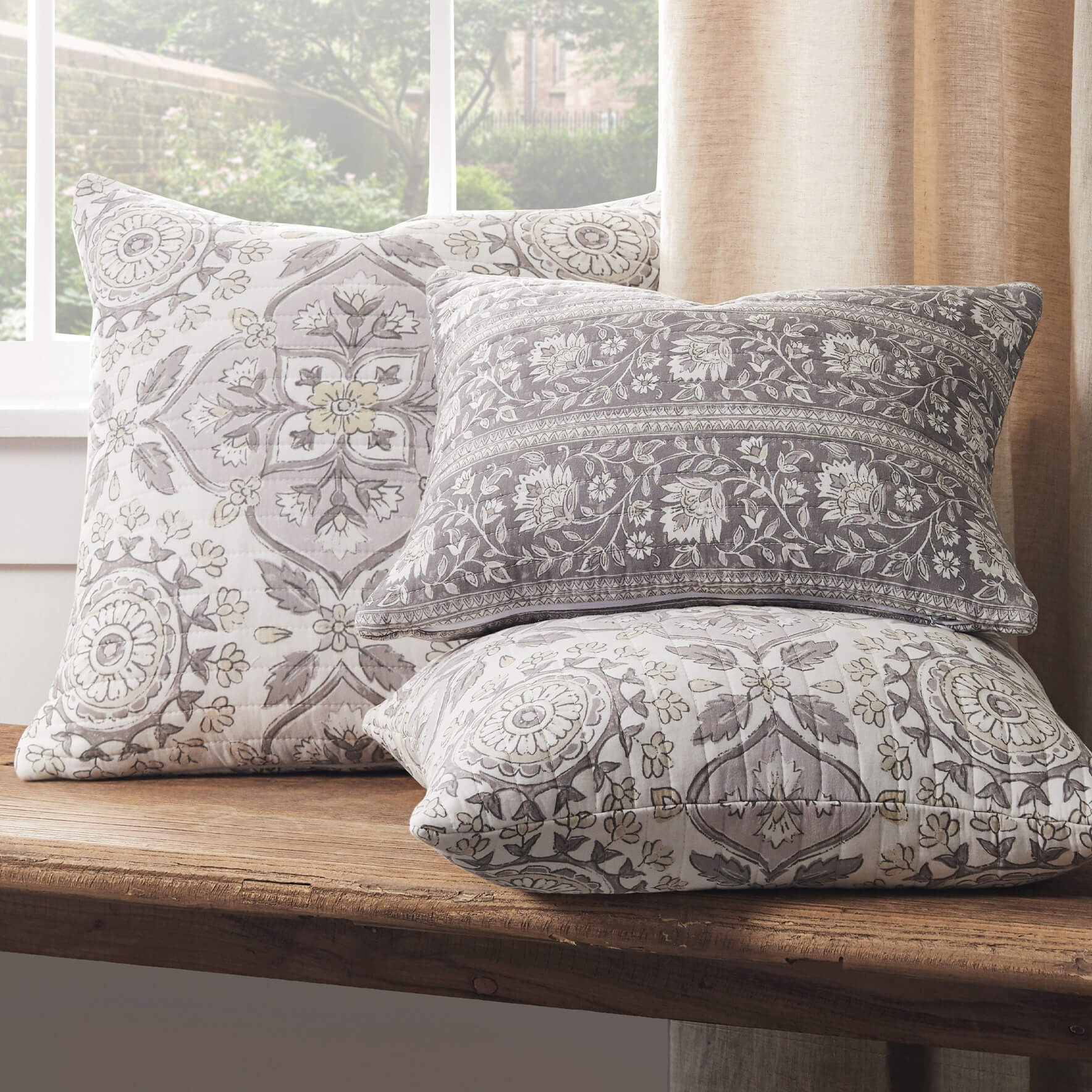
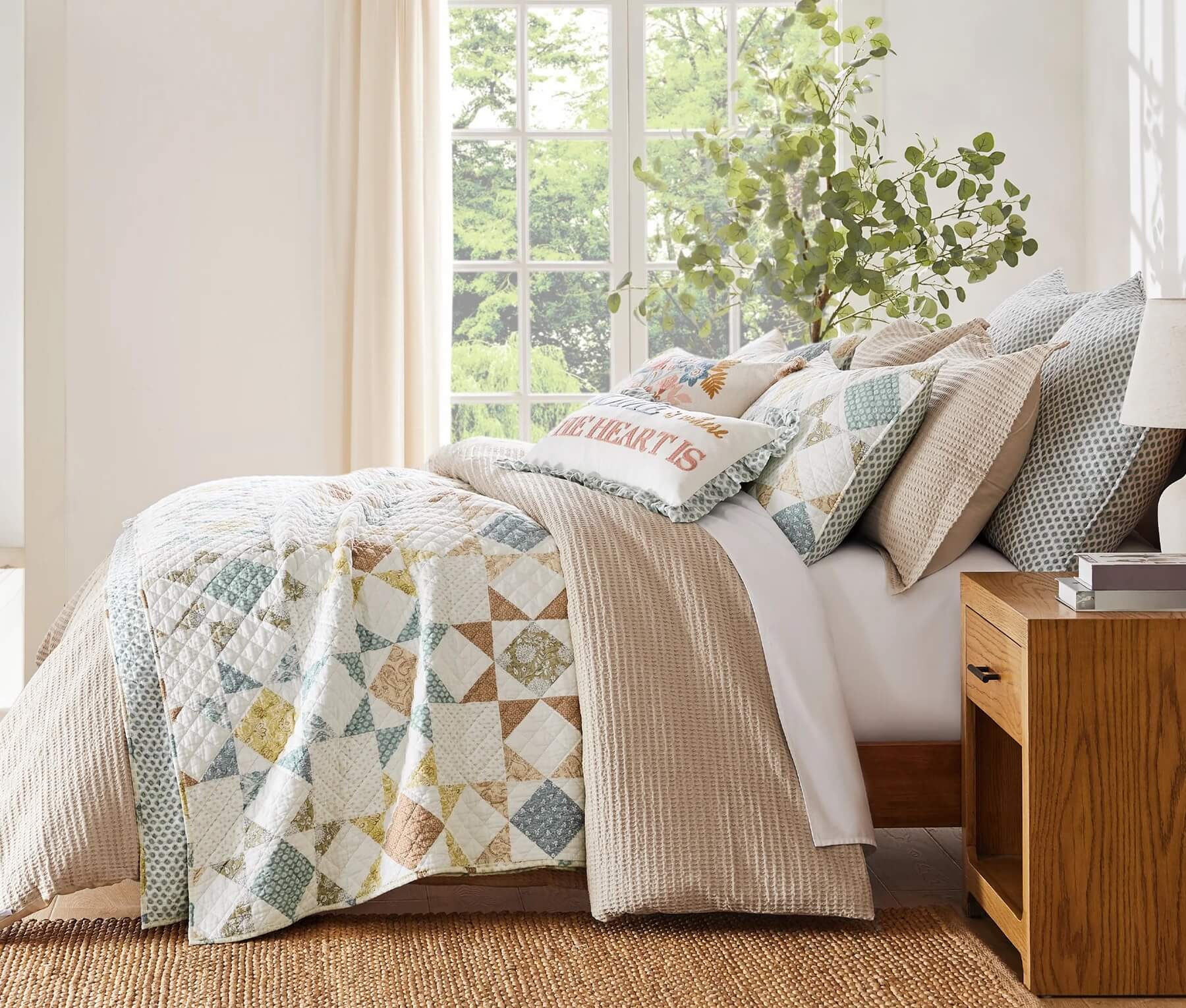
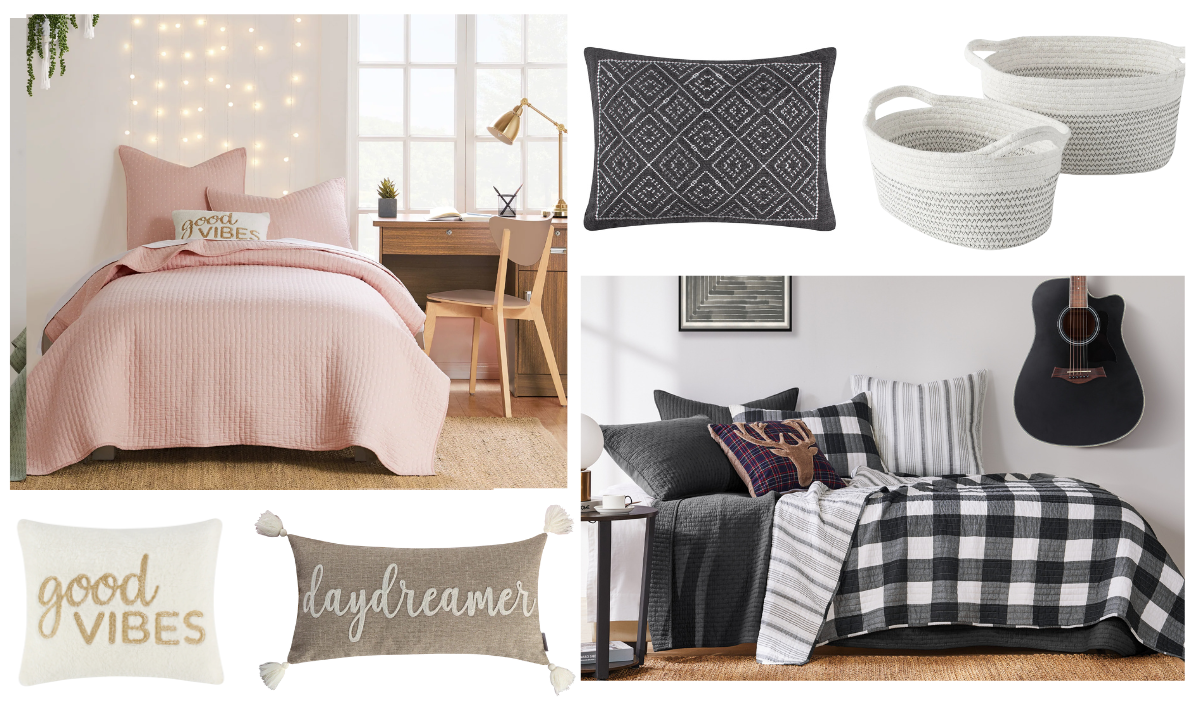
When selecting bedding, focus on quality materials, understated textures, and cohesive color palettes. Layering pieces such as the Loden Medallion Pillow with the Melange Stitch Quilt Set can create depth and visual interest without sacrificing the simplicity that Bauhaus interiors require. These choices reinforce the principles of balance and restraint while helping the bedroom maintain a calm, timeless atmosphere.
Creating a Balanced, Clutter-Free Space with Bauhaus Principles
Creating a balanced, clutter-free space is really what Bauhaus is all about. It means paying attention to how different surfaces meet and how light and dark colors interact. It also involves mixing hard and soft textures in a way that feels comfortable. By keeping surfaces clear and decorations simple, the materials and proportions get to stand out on their own. The result is a space that feels calm, intentional, and perfectly put together.

Live Thoughtfully and Intentionally with Bauhaus Interior Design
Bauhaus isn’t just about aesthetics; it’s a way of living thoughtfully. It’s about being deliberate with the things you choose and appreciating the beauty that comes from simplicity and purpose. When a space follows these ideas, it feels calm and confident, creating a sense of order that makes it welcoming and easy to live in.
Adding a carefully chosen quilt, pillow, or throw can help bring that feeling into your own home. Thoughtfully selected textiles support the overall balance and simplicity of a room without drawing too much attention. It’s a subtle way to connect with a design tradition that still feels fresh and meaningful today.
FAQ
What defines Bauhaus interior design?
Bauhaus interior design is defined by its balance of function, simplicity, and art. Originating from the Bauhaus school of architecture and design, it emphasizes clean lines, geometric forms, and practical furniture that serve a clear purpose. Every product, material, and décor element is designed to blend industrial precision with timeless style for a harmonious home interior.
How can I incorporate Bauhaus design principles into my home?
To create a Bauhaus interior at home, focus on furniture with simple shapes, industrial materials like metal and glass, and neutral tones balanced with primary color accents. Choose décor and furnishings that highlight utility while maintaining artistic appeal. This approach keeps your interiors uncluttered and true to the Bauhaus movement’s principle of “form follows function.”
What materials and furniture work best for a Bauhaus-style interior?
Bauhaus furniture often combines metal, glass, wood, and leather to reflect its industrial yet refined character. Iconic pieces such as the Wassily Chair and Barcelona Chair exemplify the movement’s commitment to functional beauty. The contrast of hard and soft materials creates a balanced, modern atmosphere that’s both practical and visually appealing.
Why is Bauhaus design still relevant in modern interiors?
Bauhaus design remains influential because it values simplicity, durability, and thoughtful use of space—qualities that define modern living. The movement’s focus on accessible materials and mass-produced furniture continues to shape today’s architecture and home décor. Its timeless balance of art and function ensures Bauhaus interiors never go out of style.
References
1. "Bauhaus Interior Design: Everything You Need to Know About the Geometry-Minded Style" on Architectural Digest - https://www.architecturaldigest.com/story/bauhaus-style-101
2. "The Bauhaus School May Have Been Short-Lived, but Its Influence on Design Has Endured — Our Editor Explores Why" - https://www.livingetc.com/features/bauhaus-design
3. "The Bauhaus, 1919–1933" on The Metropolitan Museum of Art - https://www.metmuseum.org/essays/the-bauhaus-1919-1933
4. "This Century-old Aesthetic isn’t going anywhere…Just as it was designed" On Eye Swoon - https://eye-swoon.com/blogs/living/bauhaus-design-movement