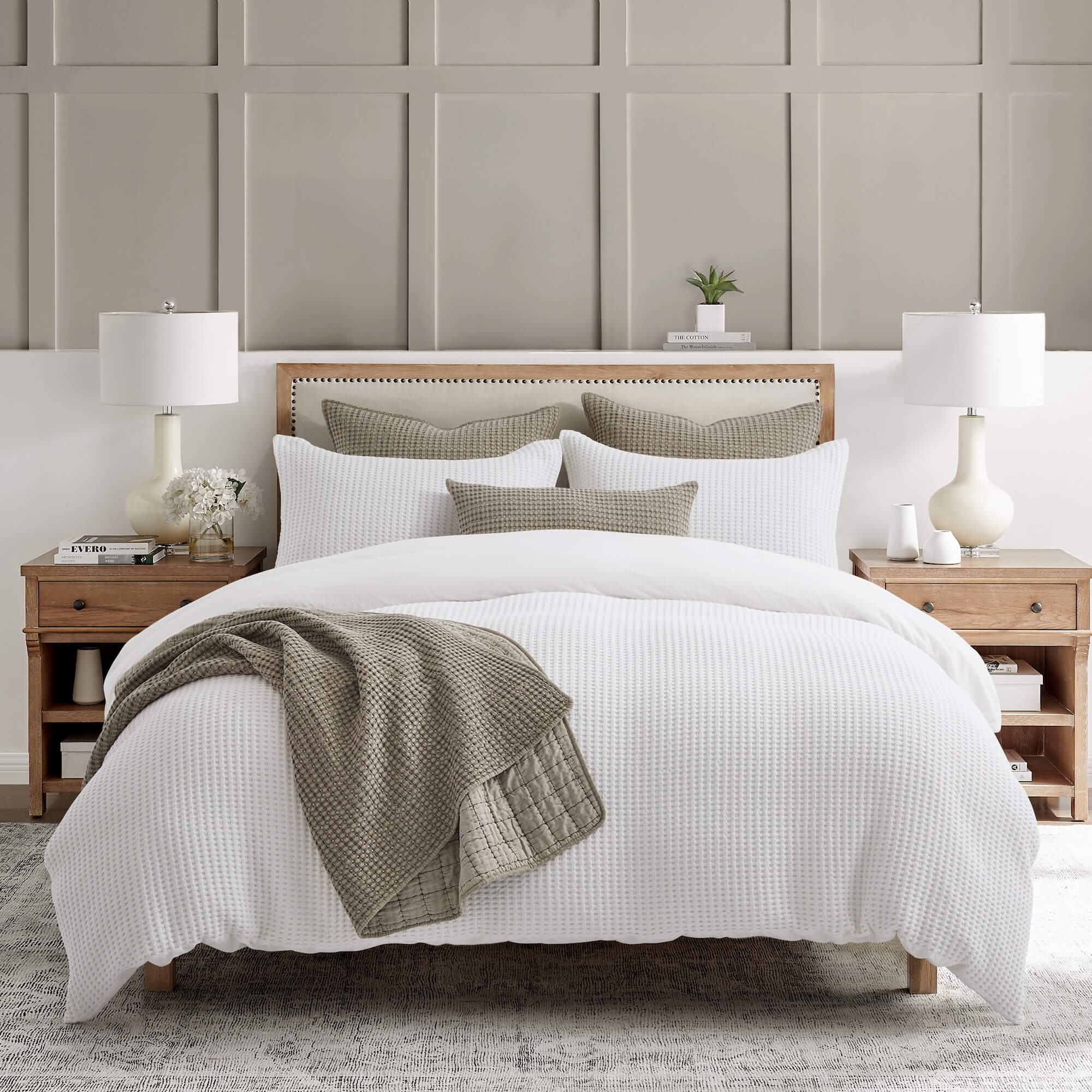
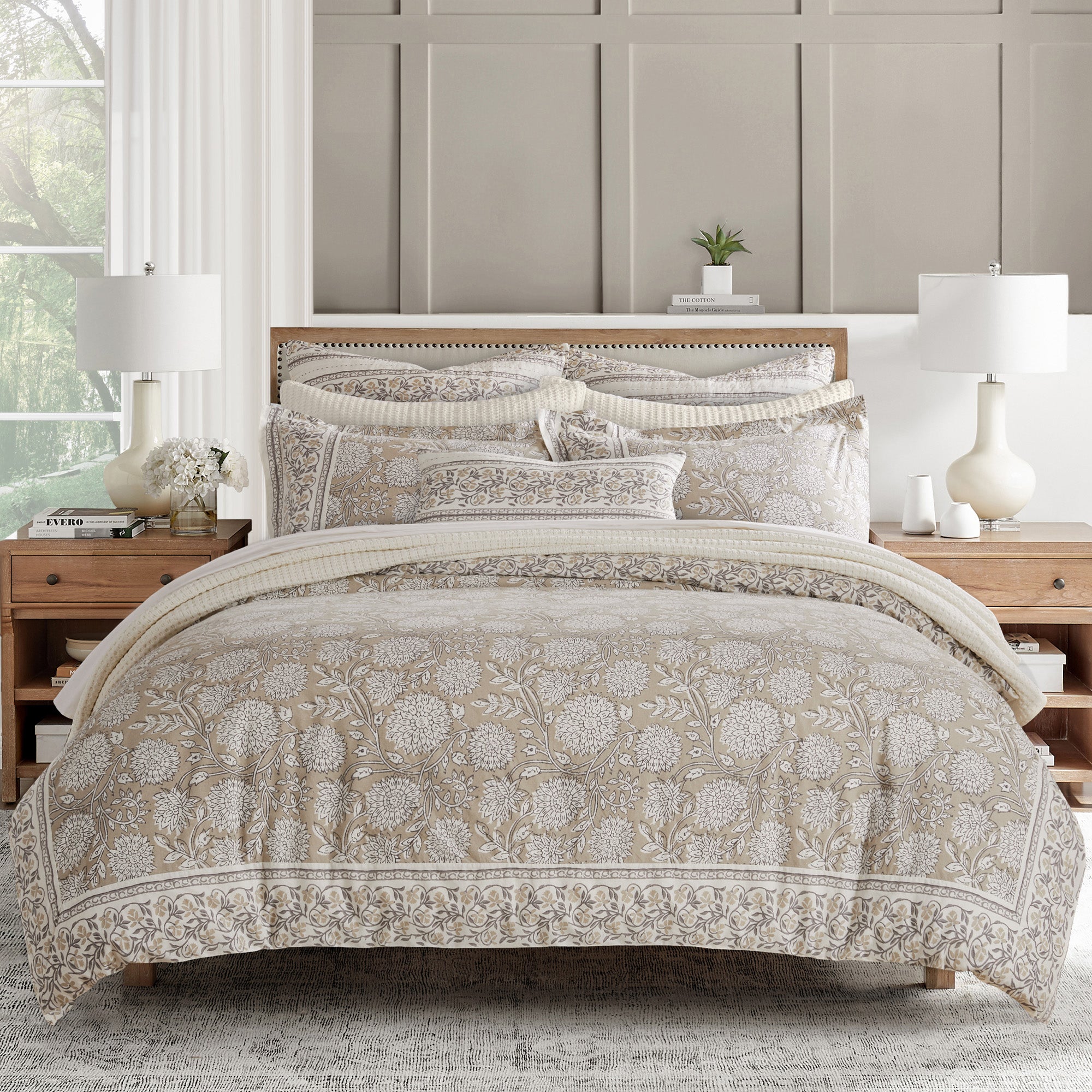
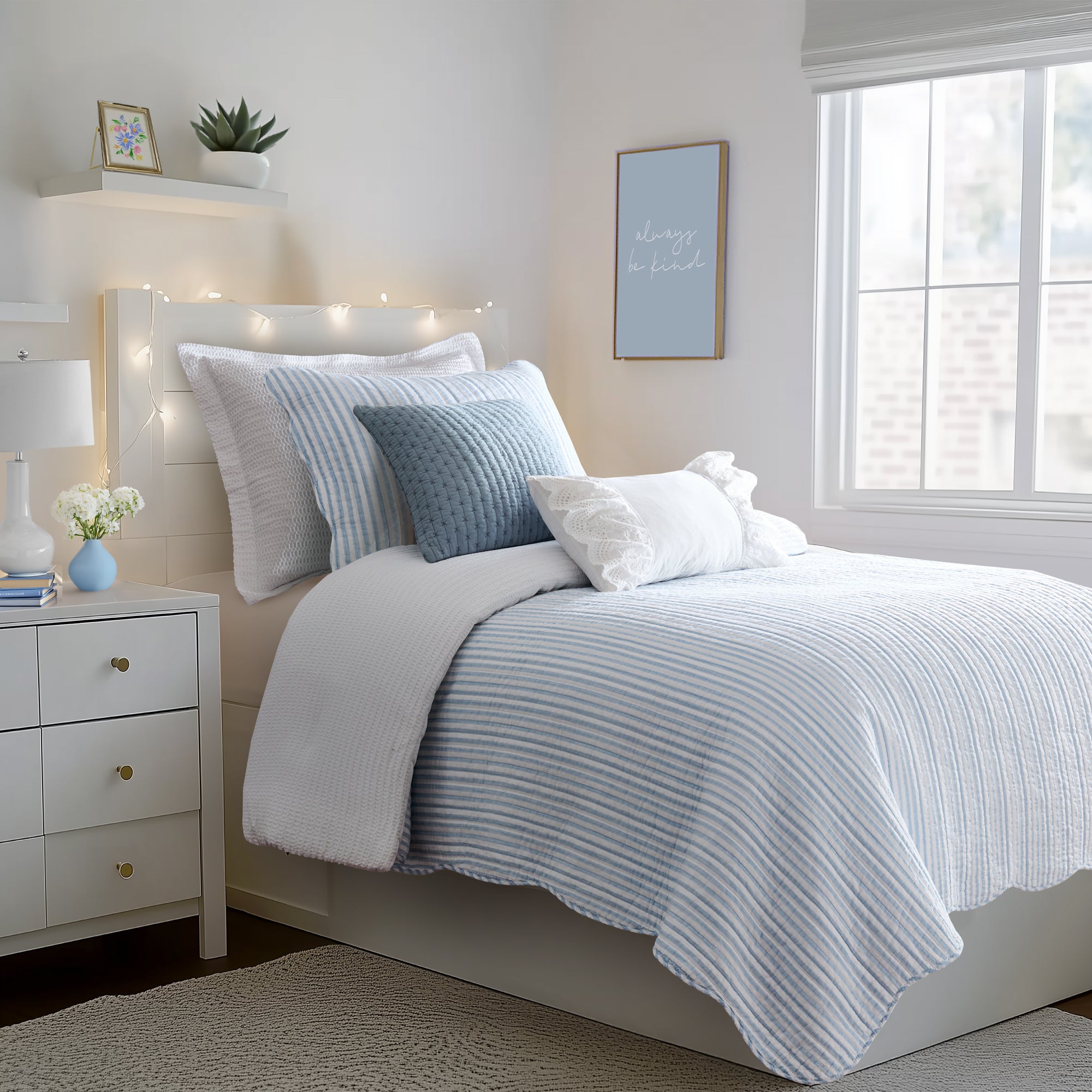
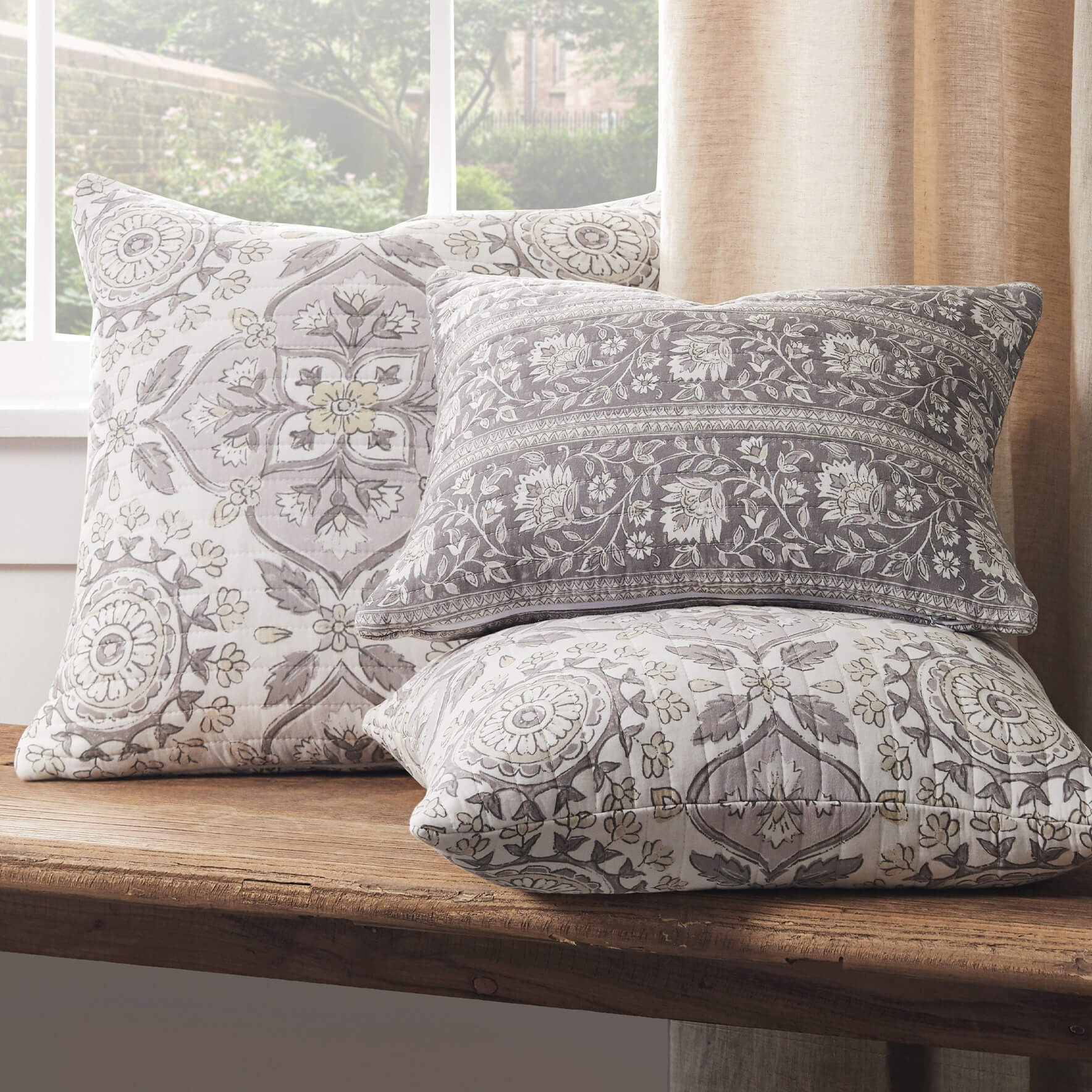
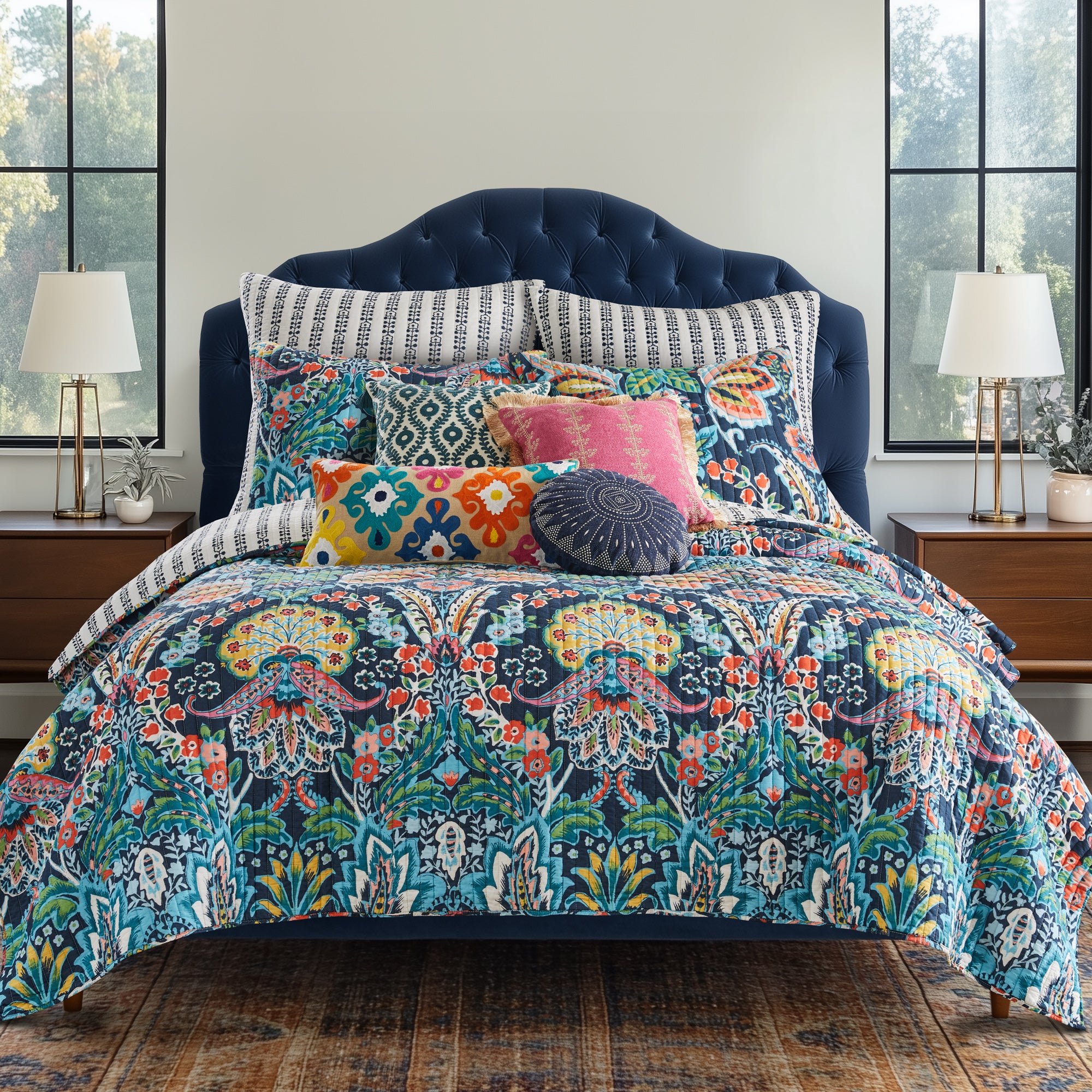

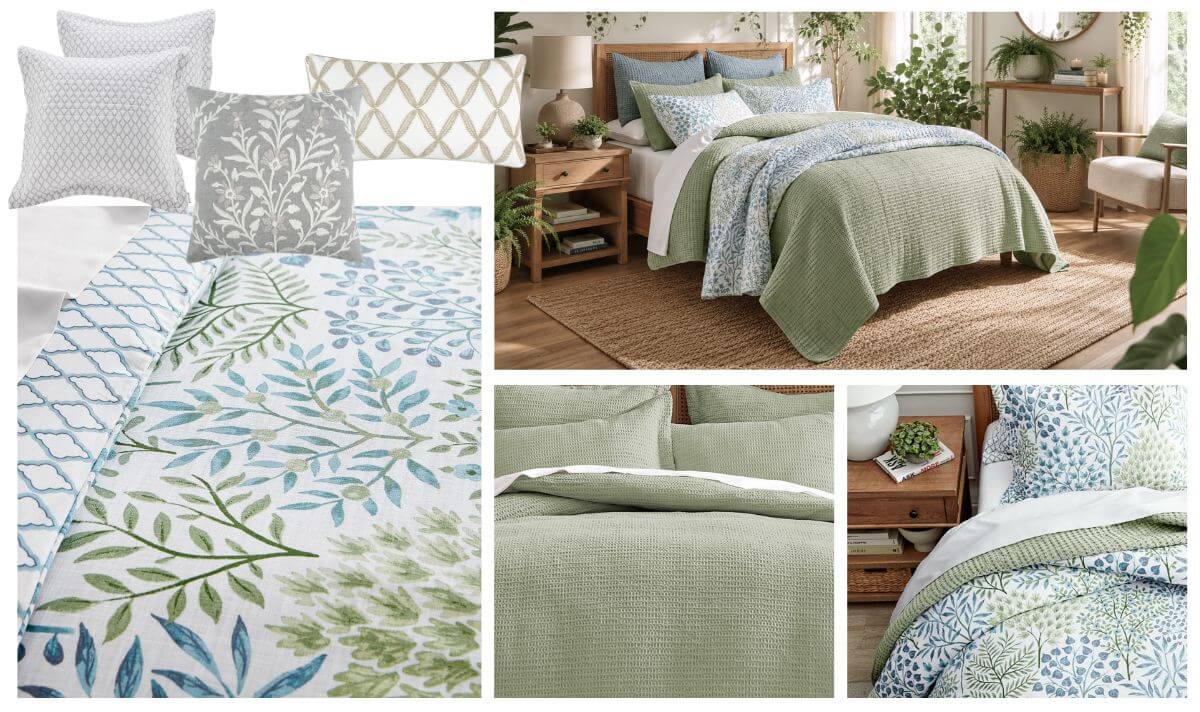
Biophilic design is more than a design trend; it's a philosophy centered on creating spaces that strengthen our connection to the natural world. Rooted in the belief that people thrive when surrounded by nature, biophilic interior design blends organic materials, abundant natural light, calming colors, and nature-inspired textures to create homes that feel peaceful, restorative, and inviting
As modern life becomes increasingly fast-paced and screen-focused, many homeowners are looking for ways to make their interiors feel calmer and more grounded. Biophilic design addresses those needs by emphasizing natural beauty, sensory comfort, and thoughtful design choices that support everyday well-being. Rather than relying on dramatic renovations, this approach focuses on intentional details that make a home feel healthier, brighter, and more connected to the outdoors
Whether you live in a city apartment or a countryside retreat, incorporating biophilic design into your home doesn't require a complete renovation. Simple changes like introducing natural materials, layering earthy textiles, maximizing daylight, and decorating with plants can transform any room into a calming sanctuary. With thoughtfully chosen bedding, quilts, and accessories, it's easy to bring the beauty of the outdoors inside.
What Is Biophilic Design?
Biophilic design is the practice of incorporating nature into the built environment to create healthier, more comfortable living spaces. The concept is based on biophilia—the idea that humans have an innate connection to the natural world and benefit from being surrounded by it
Although the term has gained popularity in recent years, the principles behind biophilic design have existed for centuries. Traditional architecture across many cultures has long prioritized natural ventilation, courtyards, gardens, local materials, and abundant daylight. Today's interpretation brings those timeless ideas into modern homes by emphasizing balance, sustainability, and comfort
Rather than relying on a single decorating style, biophilic design focuses on core principles that foster a stronger connection to nature. These include using natural materials, maximizing natural light, incorporating plants, introducing organic shapes and patterns, and creating spaces that engage the senses
The result is an interior that feels balanced and restorative. Wood, stone, linen, woven fibers, botanical motifs, and earthy color palettes work together to create a home that supports both relaxation and everyday living. Instead of chasing trends, biophilic interiors prioritize timeless materials that age beautifully and create a welcoming atmosphere year-round.

Key Elements of Biophilic Design
Successful biophilic design begins with the materials and textures that shape a space. Instead of synthetic finishes, focus on natural elements that add warmth, depth, and visual interest
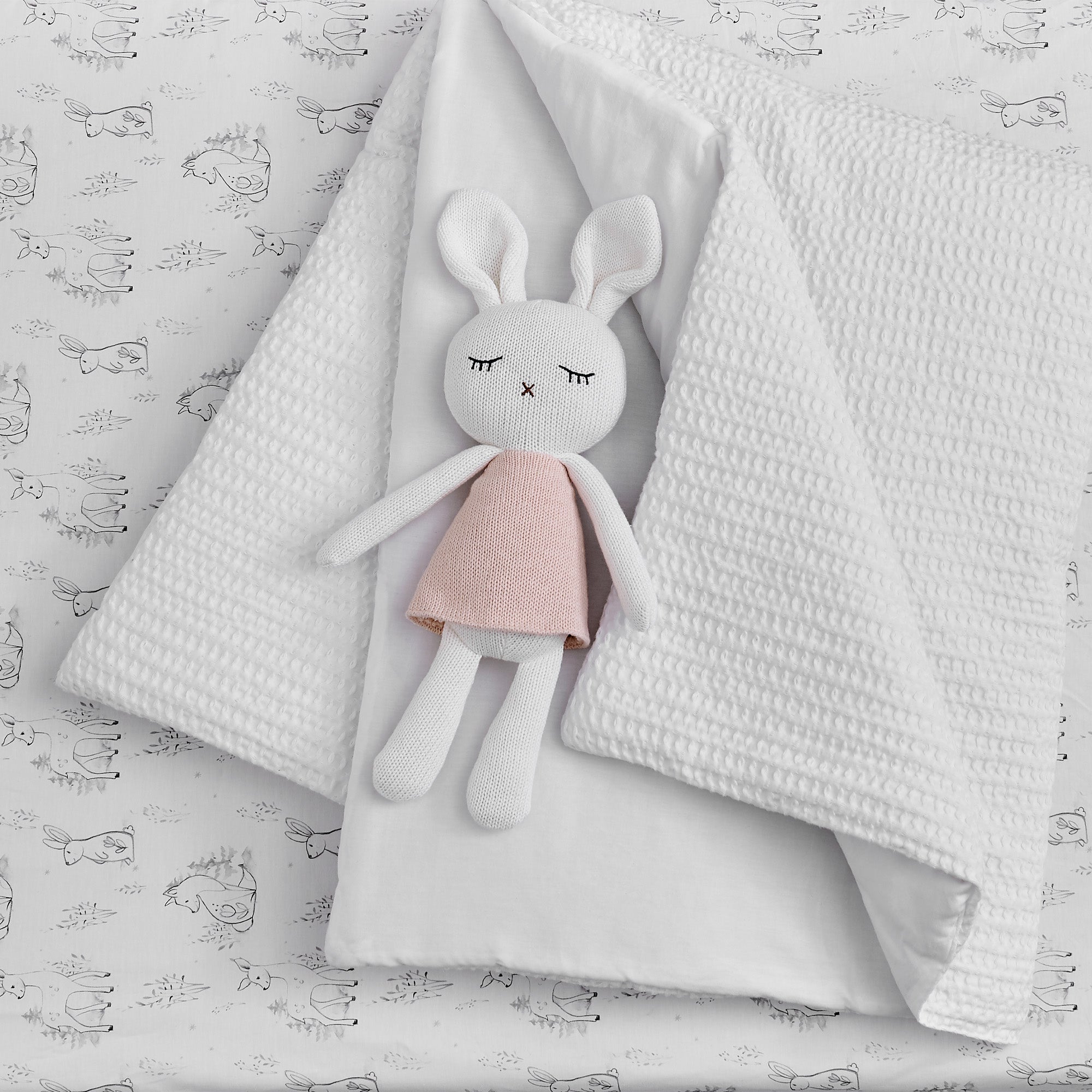
Wood furniture, stone accents, woven baskets, ceramic décor, and indoor plants all reinforce a connection to nature. Organic textures such as linen, cotton, muslin, and waffle weaves introduce softness while making living spaces feel layered and inviting. Choosing handcrafted pieces or materials with visible grain, texture, or variation also helps create interiors that feel authentic rather than overly polished
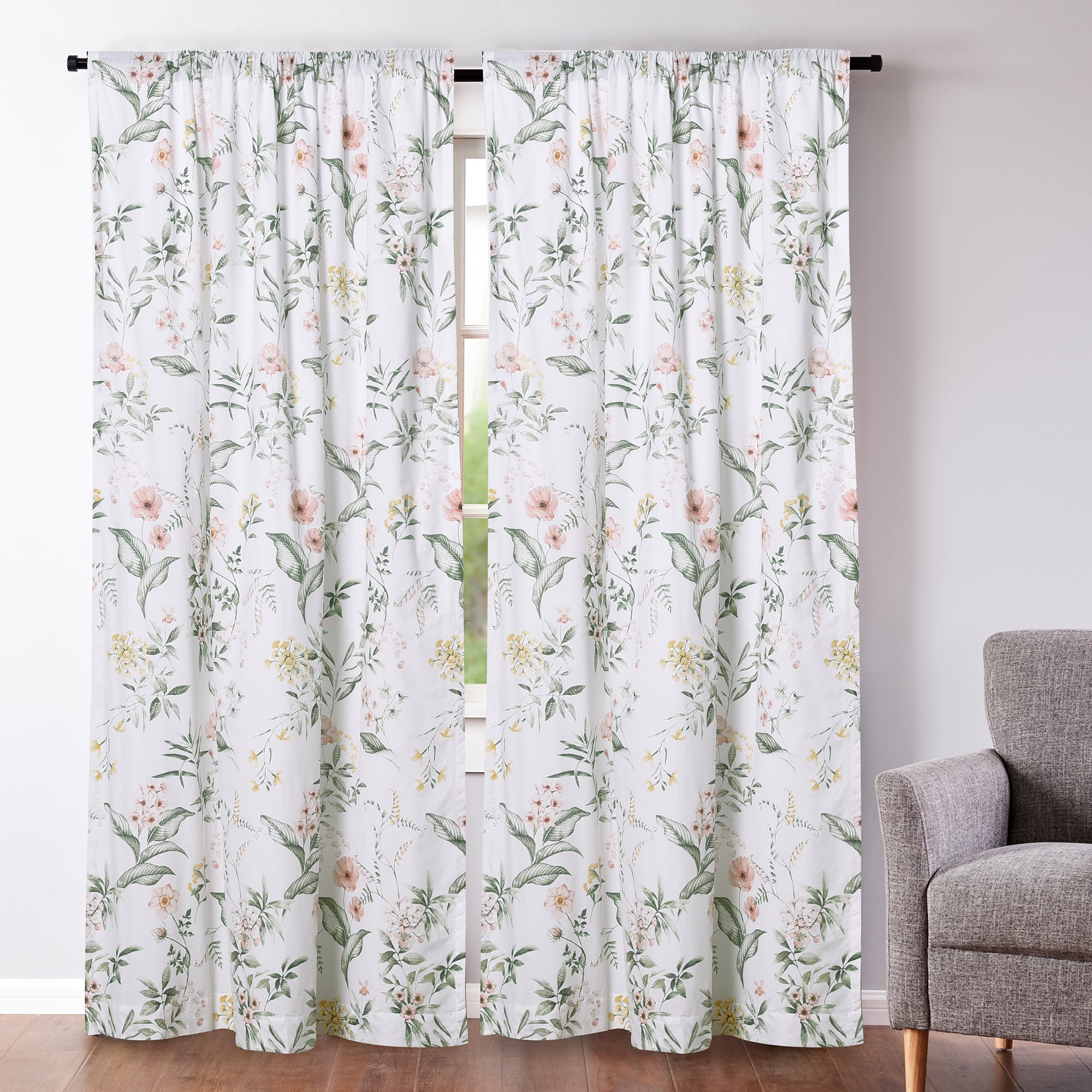
Natural light is equally important. Large windows, sheer window treatments, mirrors, and open layouts help daylight travel throughout the home, creating brighter, more uplifting interiors. If privacy is a concern, consider light-filtering curtains instead of heavy drapery to maintain a sense of openness without sacrificing comfort
When outdoor views aren't available, botanical artwork, landscape photography, dried branches, or nature-inspired décor can create a similar effect. Even subtle references to nature—such as curved furniture silhouettes, woven lighting, or leaf-inspired patterns—help soften a space and reinforce the overall aesthetic.
Curves in our built environment or furniture evoke a positive human reaction because of its resemblance to the natural shapes found in nature. Such design choices boost the activity of the parasympathetic nervous system, decrease stress levels, and encourage sense of well-being.Zelda Elisco, Sustainable Designer from Abigail-Elise Design Studio
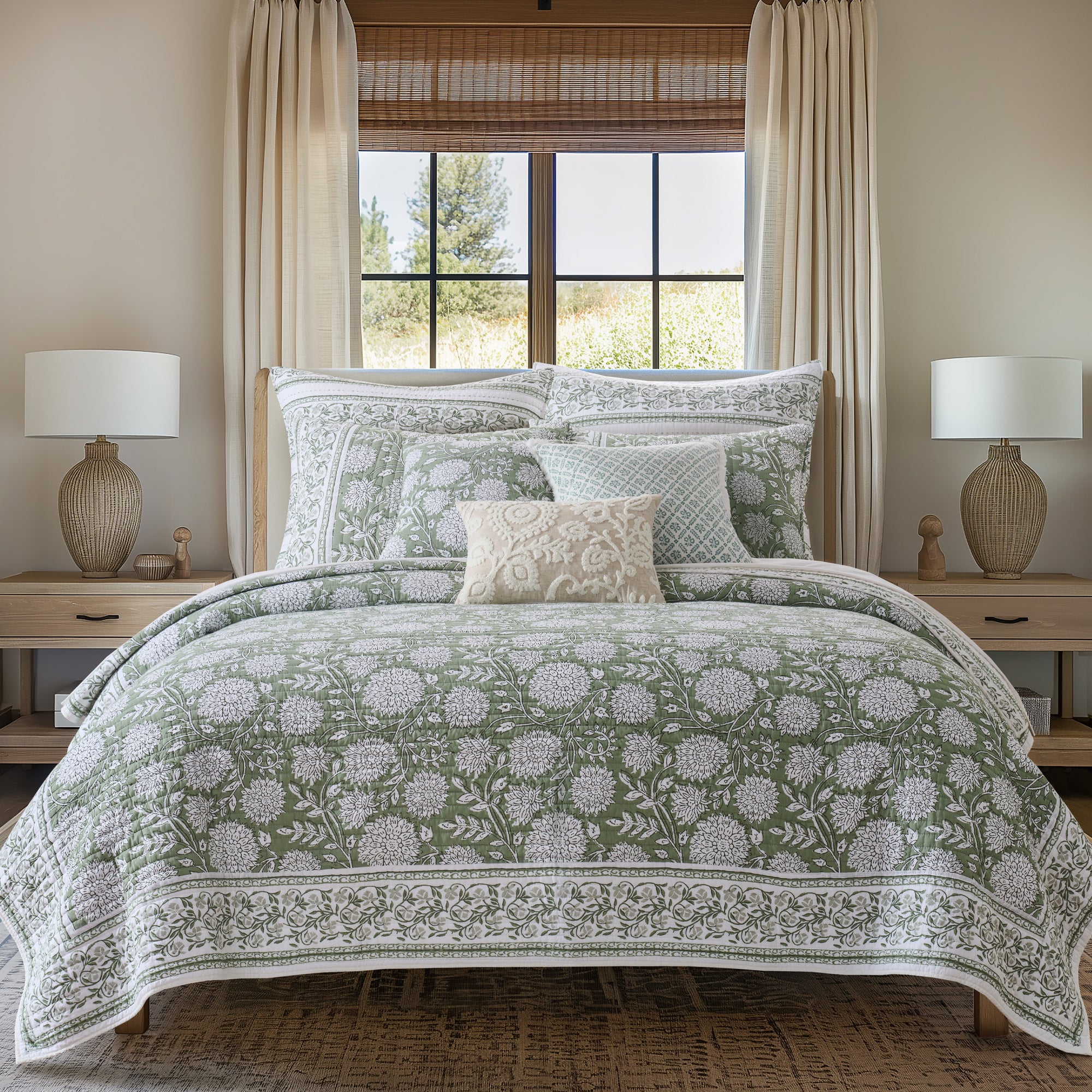
Nature also influences the colors and patterns found throughout biophilic interiors. Soft greens, warm neutrals, earthy browns, sky blues, and botanical prints reflect the landscape while creating a calm, welcoming environment. Rather than decorating with many competing colors, biophilic spaces often rely on layered neutrals accented by shades drawn from forests, coastlines, deserts, and gardens
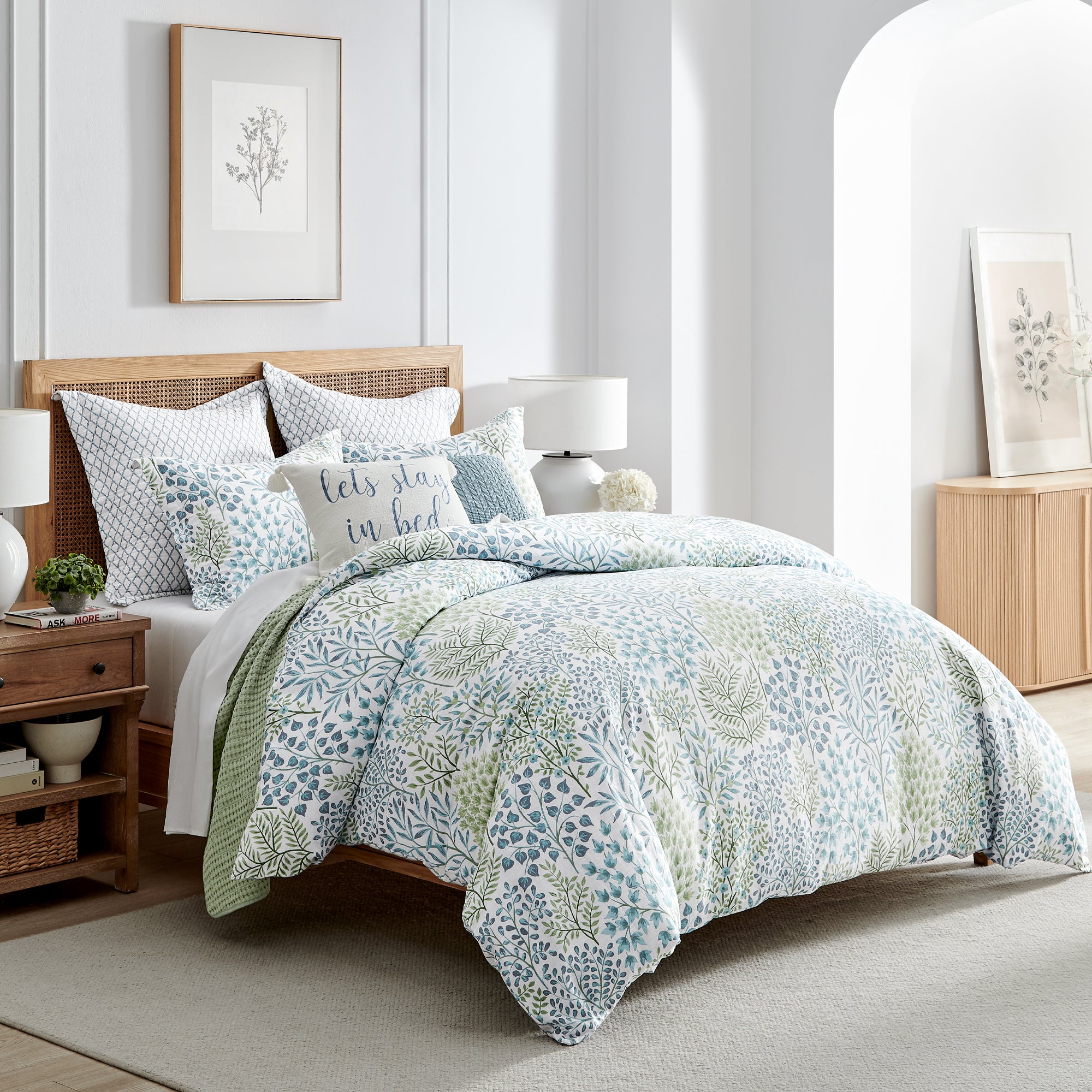
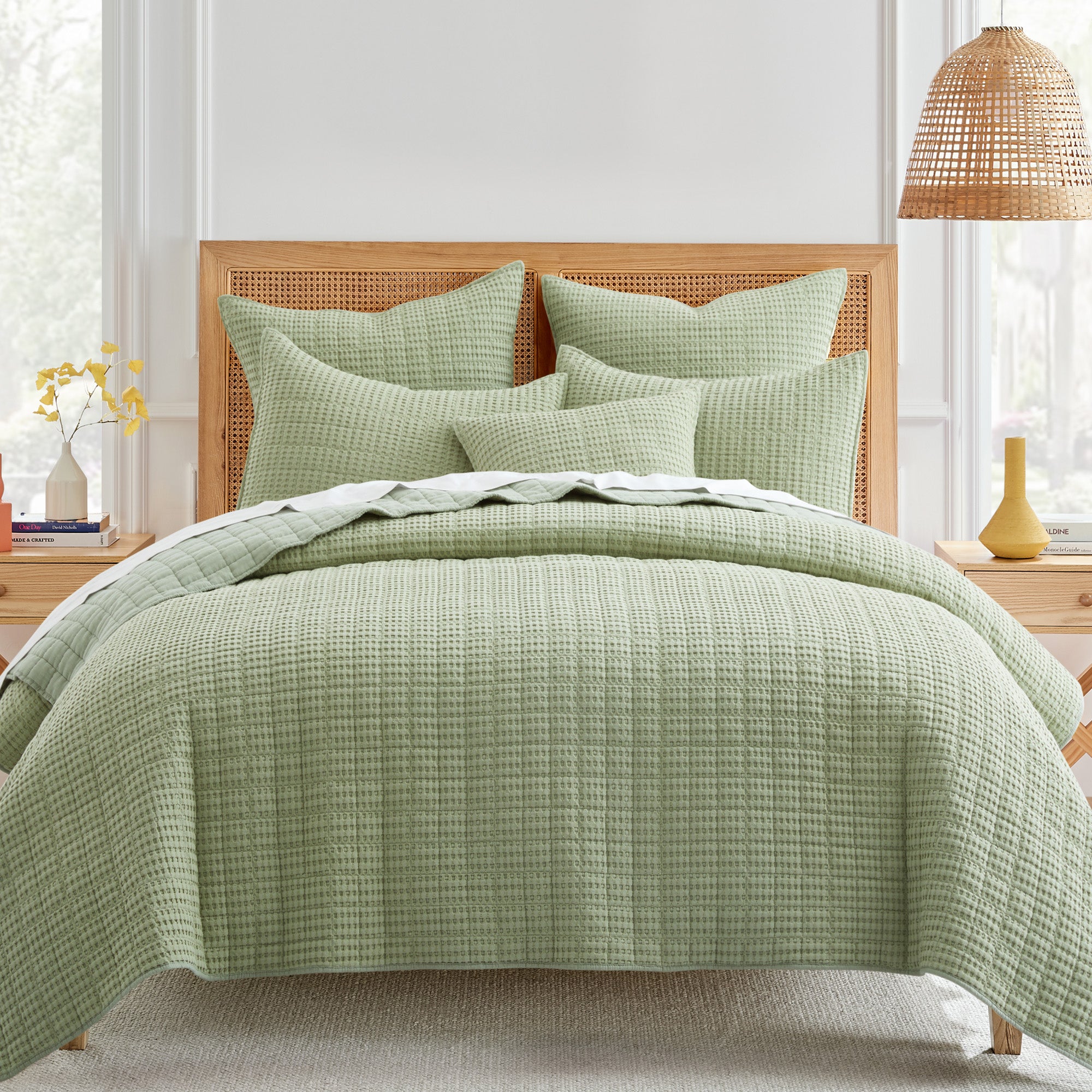
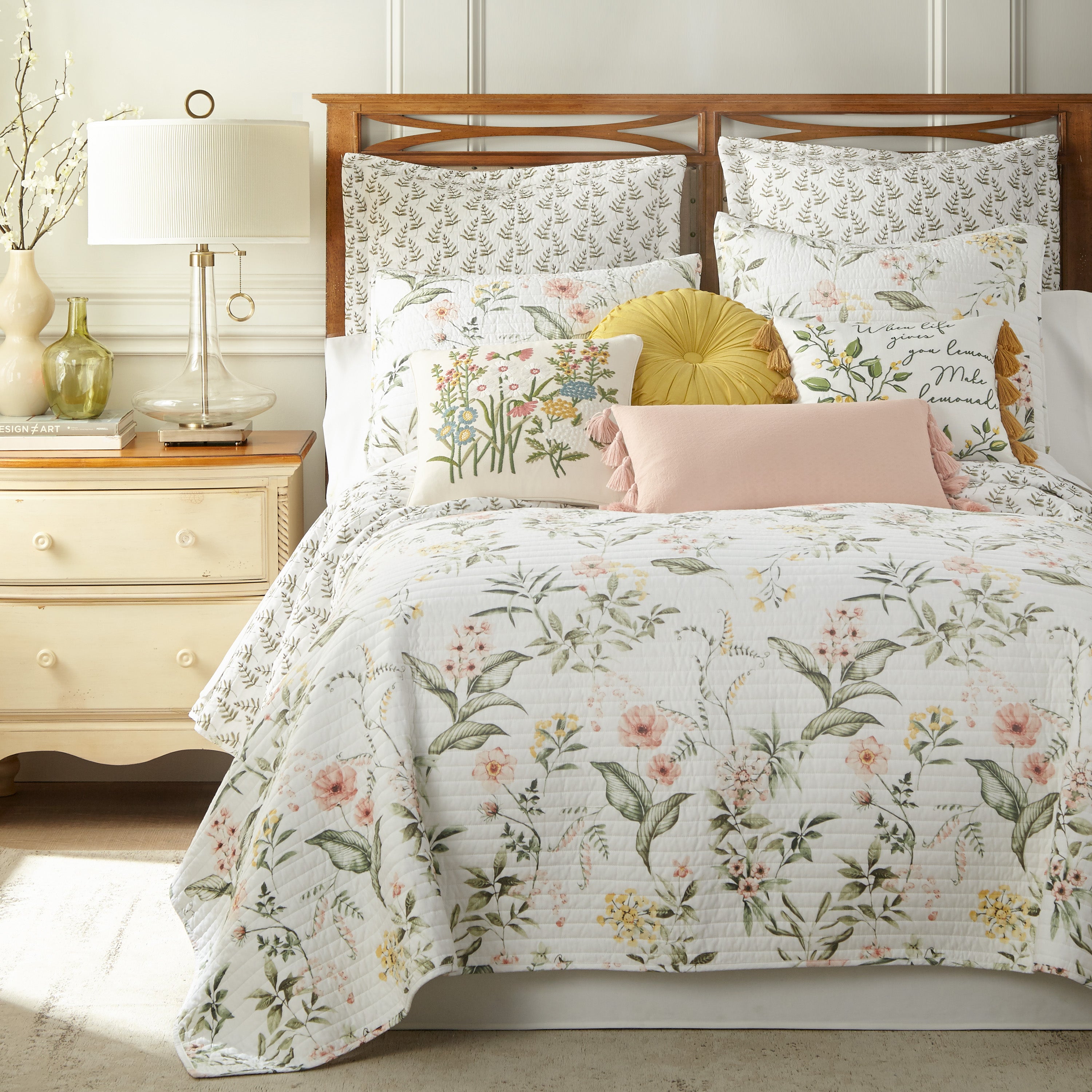
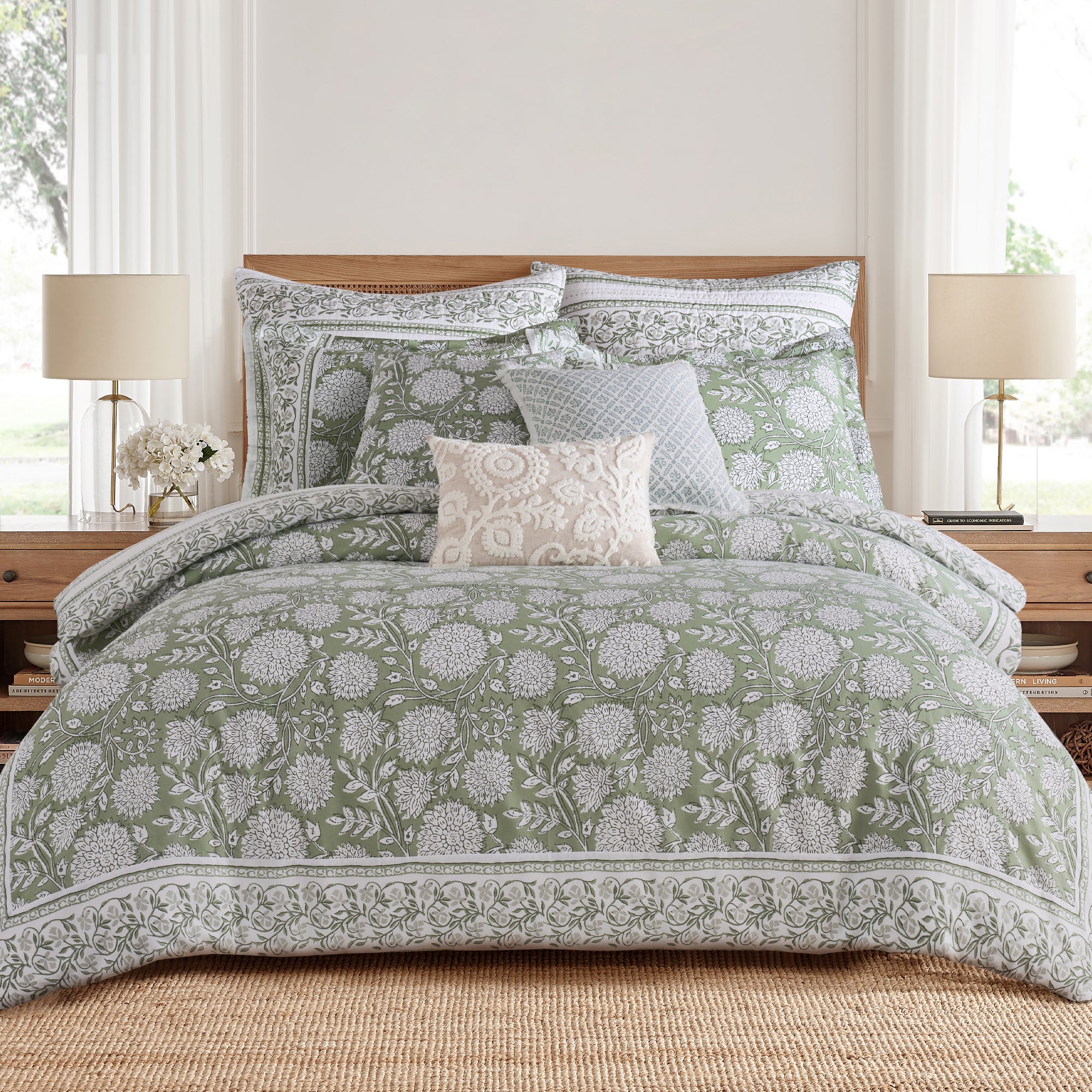
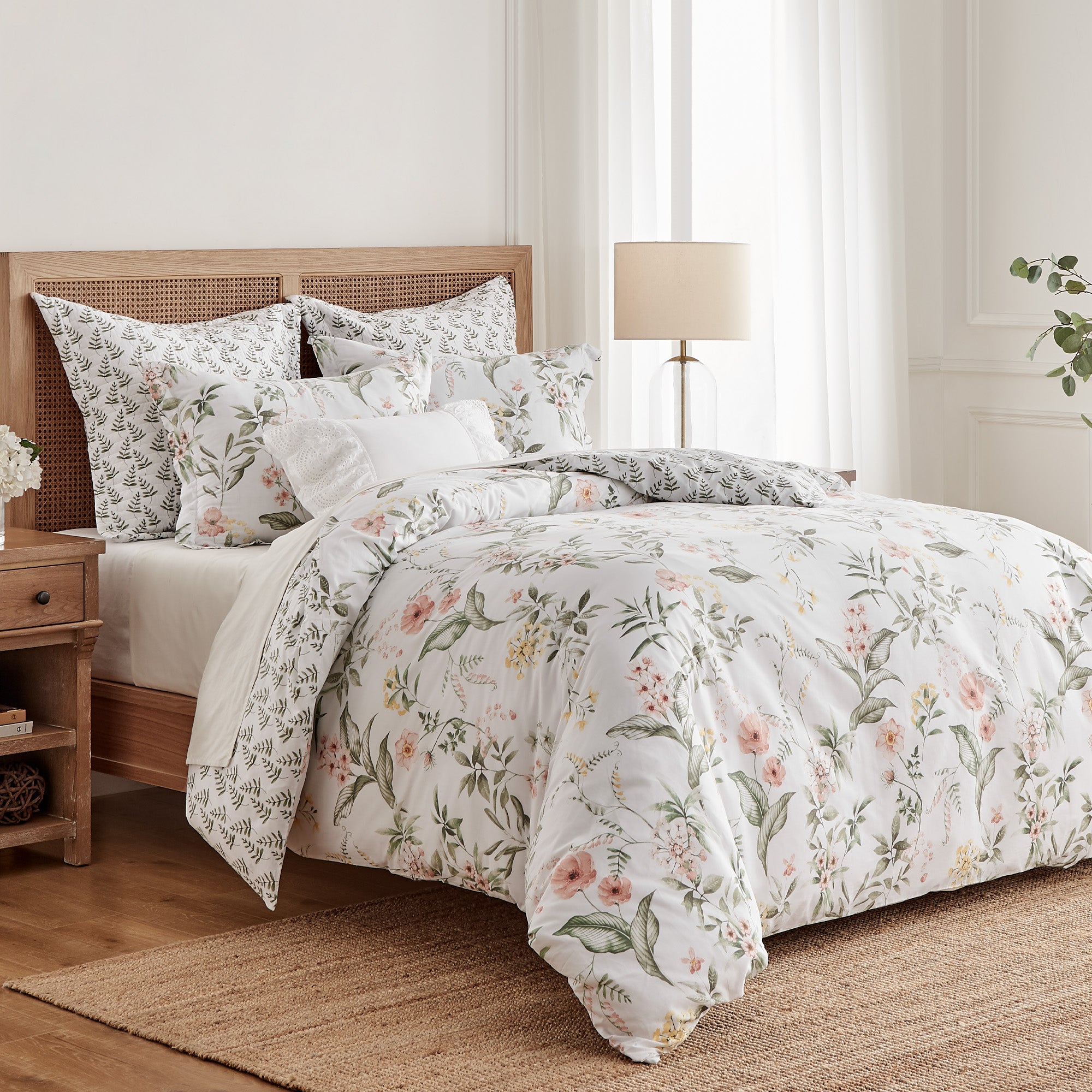
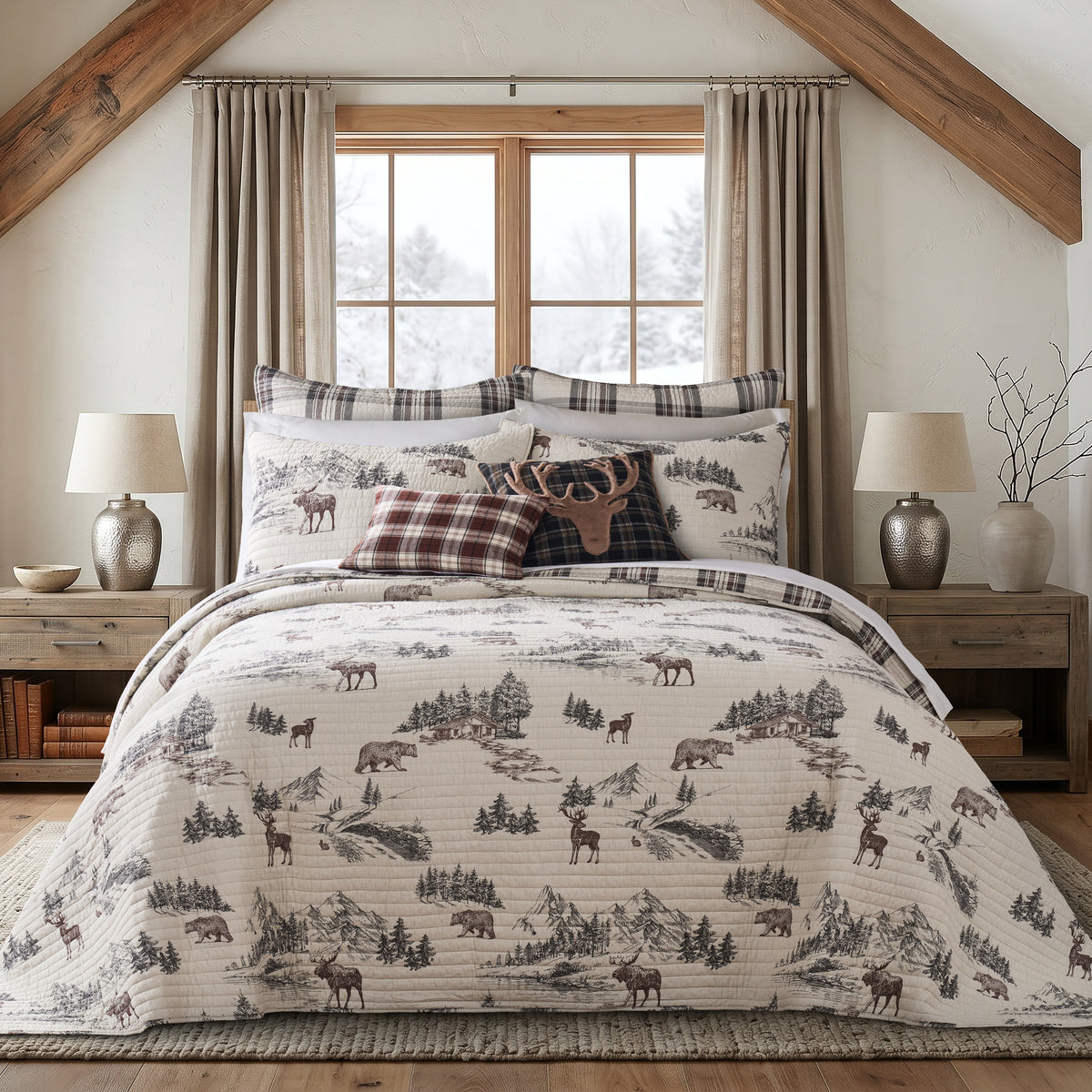
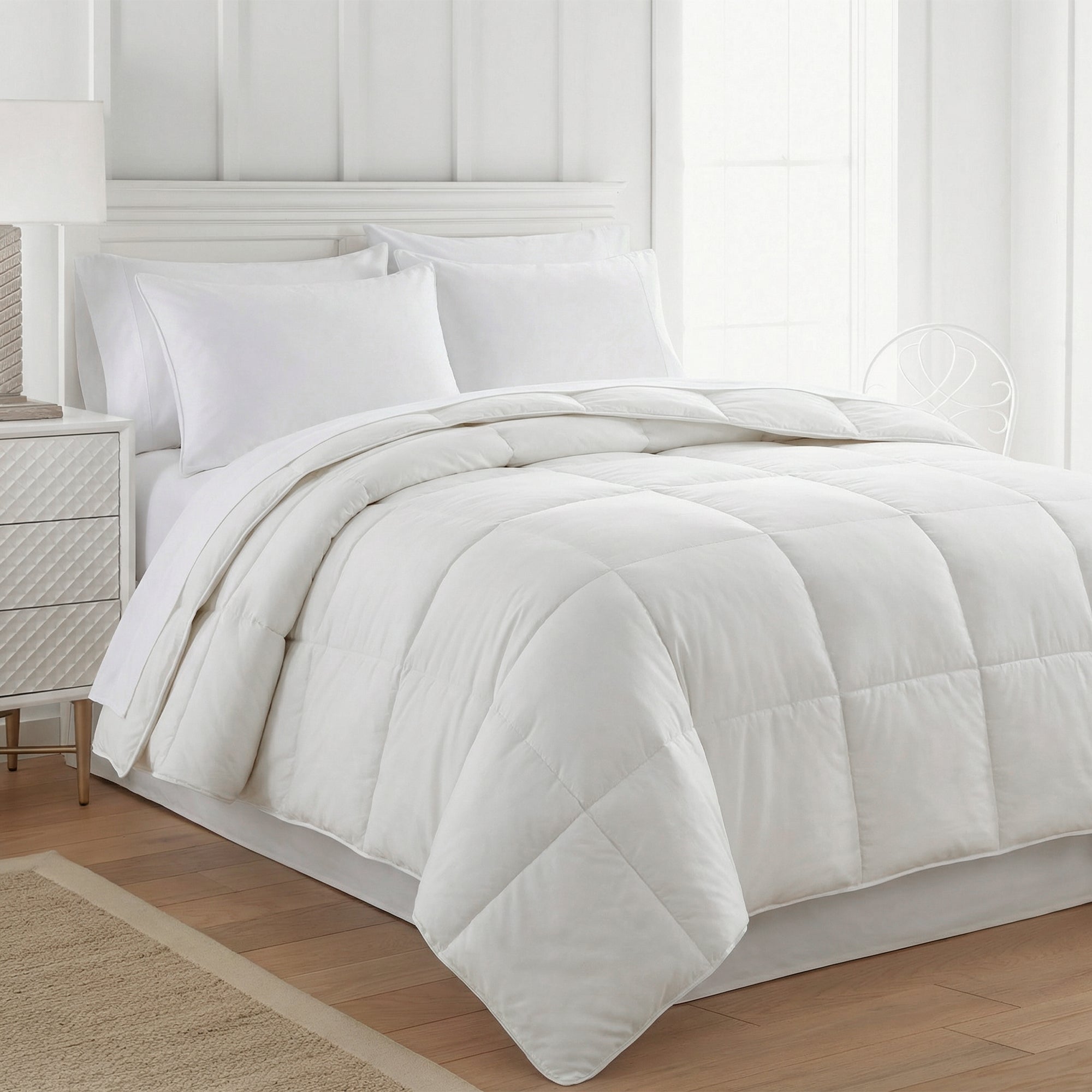
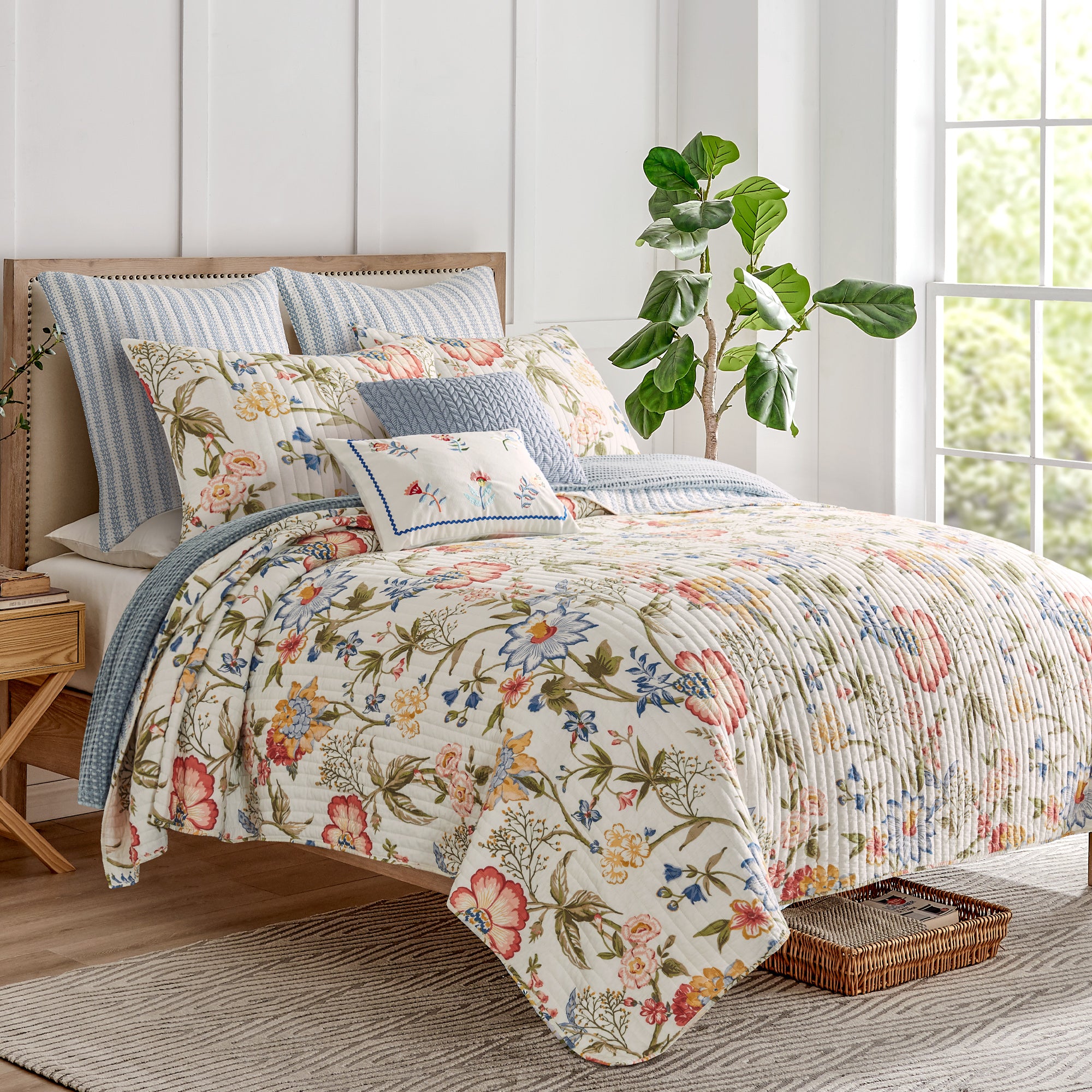
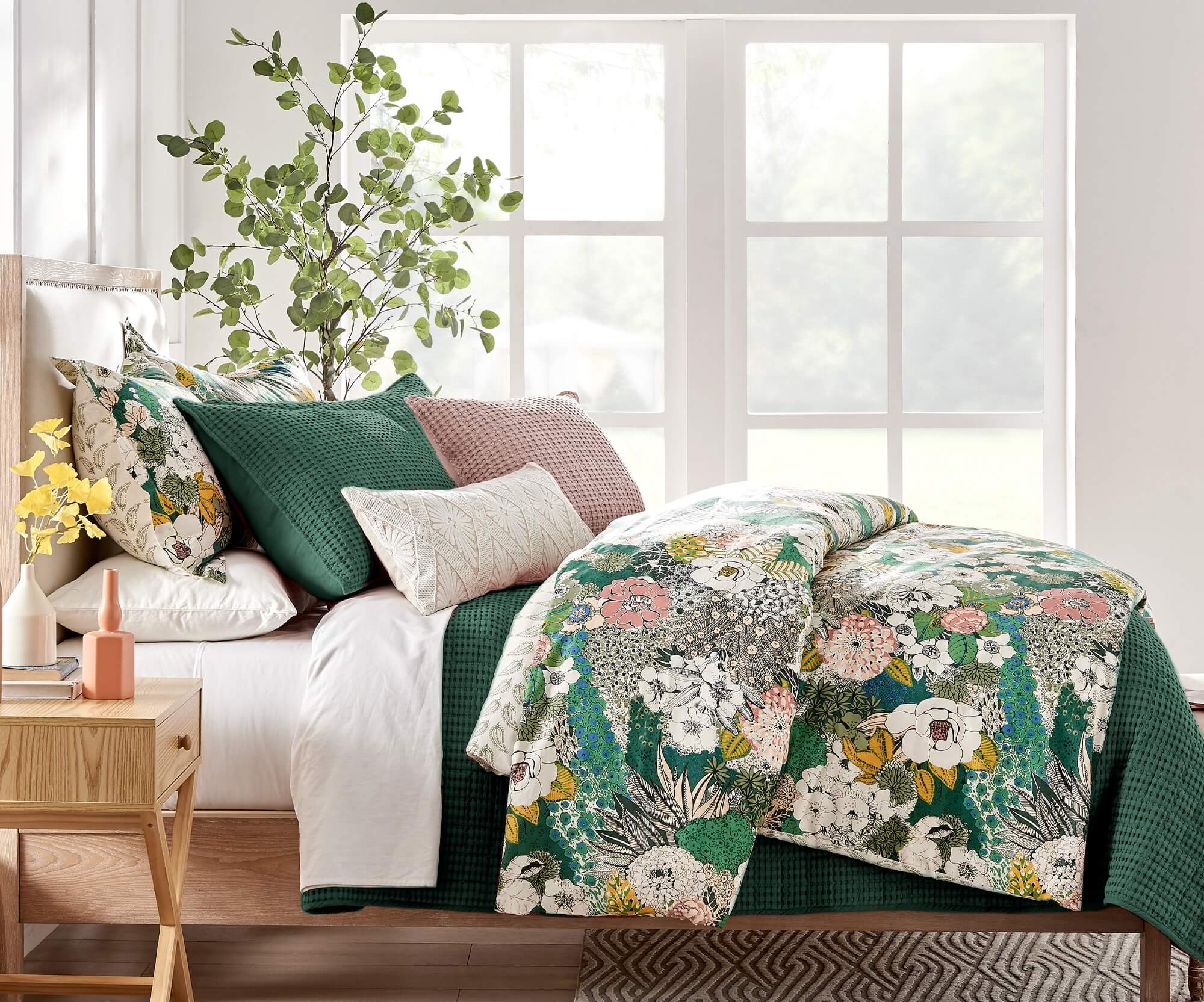
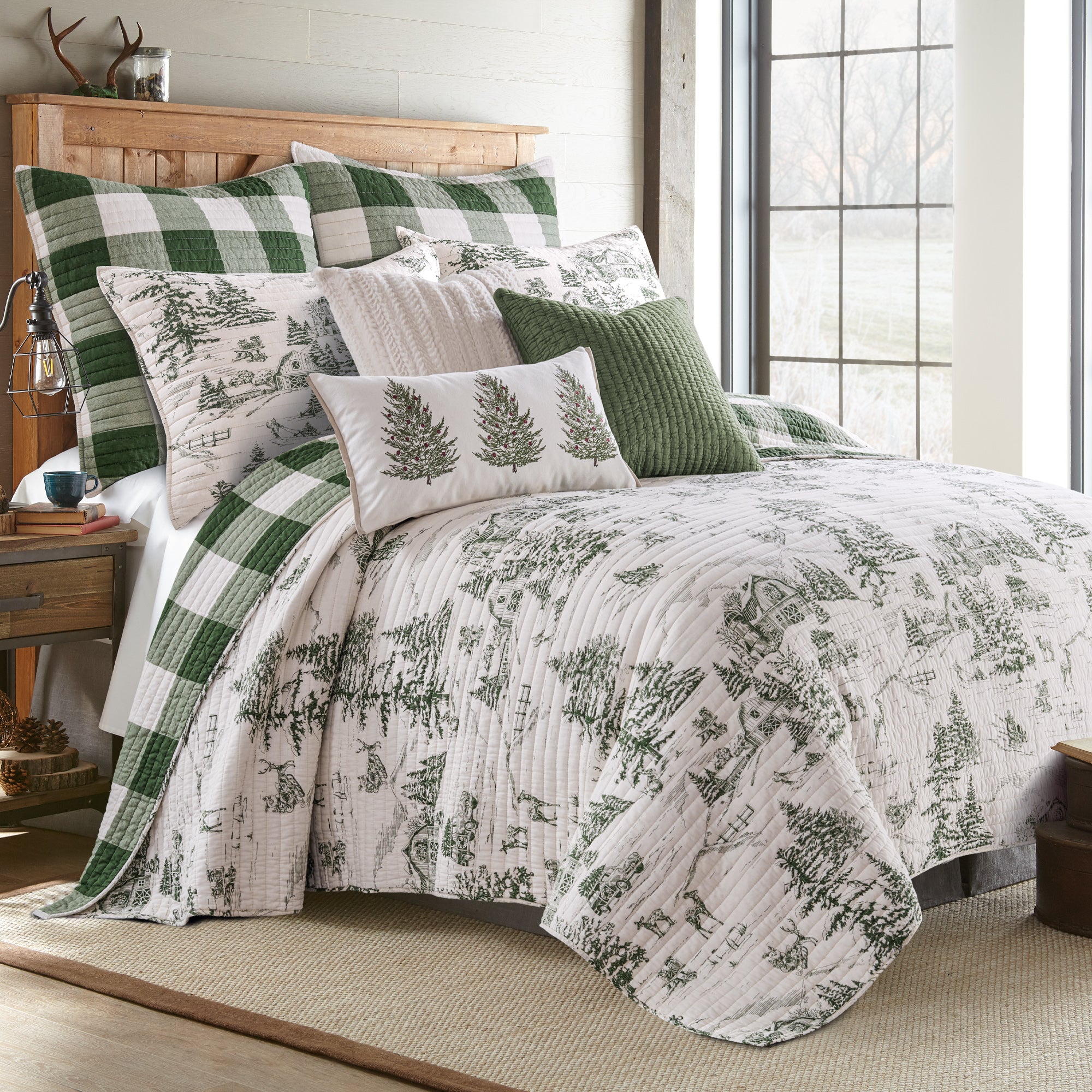
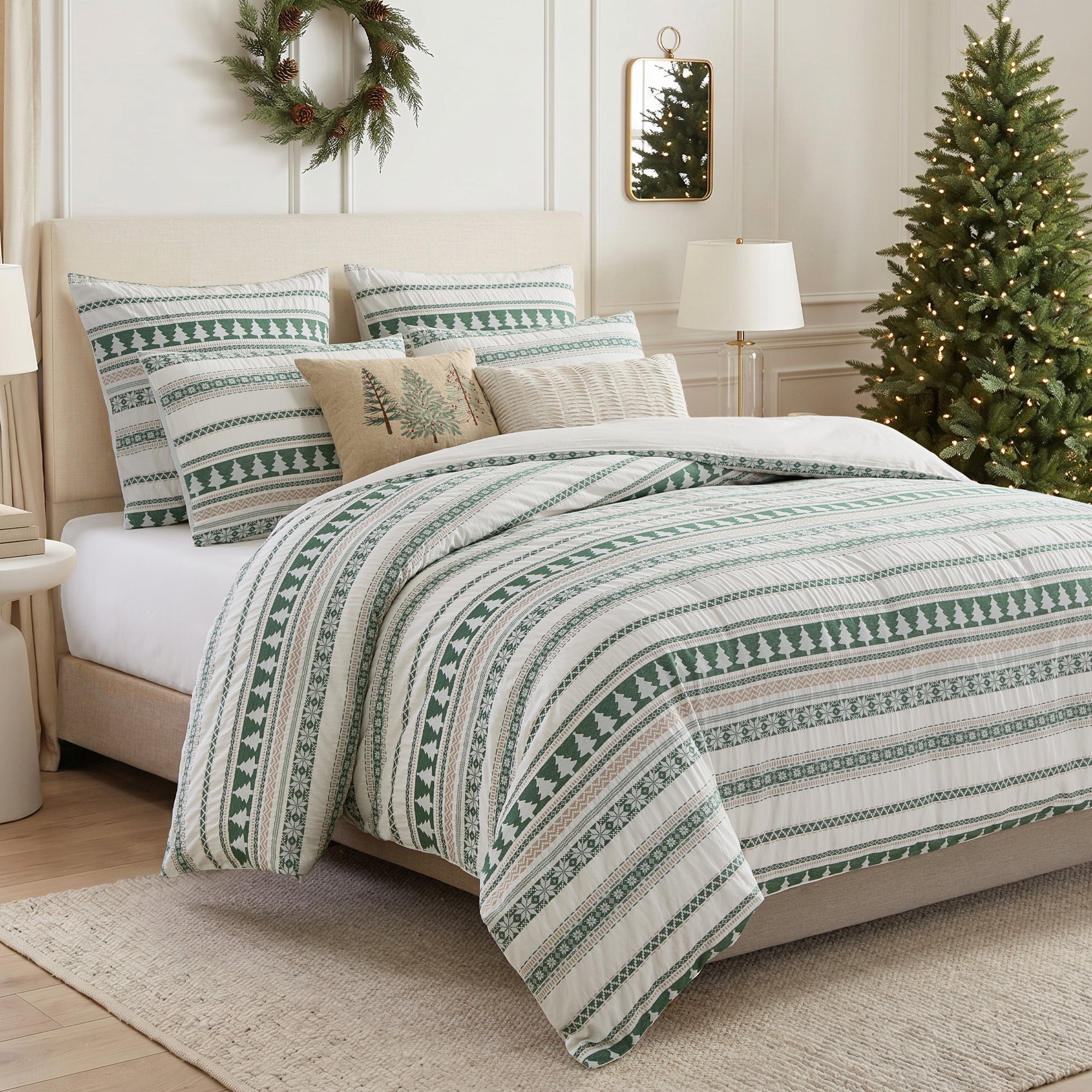
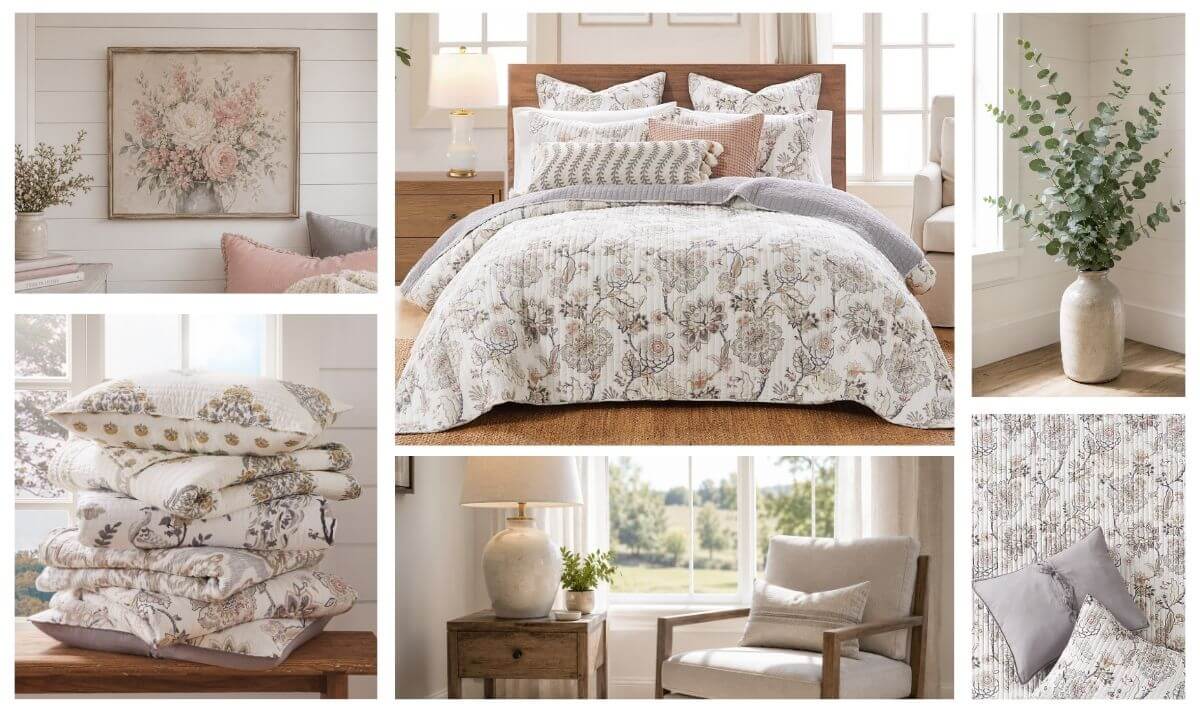
In the bedroom, natural textiles beautifully reinforce these principles. The Levtex English Forest Comforter Set introduces botanical inspiration through pattern, while the Cloud waffle Quilt Set adds breathable texture that's ideal for layering throughout the seasons.

Incorporating Plants and Greenery
Plants are among the most recognizable elements of biophilic design because they bring life, texture, and color to a space. Whether you choose a large fiddle leaf fig for the living room or smaller potted herbs in the kitchen, greenery helps blur the line between indoors and out
Different plant varieties can also influence the mood of a room. Large leafy plants create a lush, tropical atmosphere, while trailing vines soften shelves and bookcases. Small tabletop plants can make home offices feel more inviting, and herbs in the kitchen combine beauty with everyday function. The goal isn't to fill every corner with greenery but to thoughtfully incorporate living elements that feel natural within the space
If you're new to houseplants, start with varieties that are easy to care for, such as pothos, snake plants, ZZ plants, or peace lilies. Place them where they'll receive the appropriate amount of light, and use decorative ceramic or woven planters to complement your décor
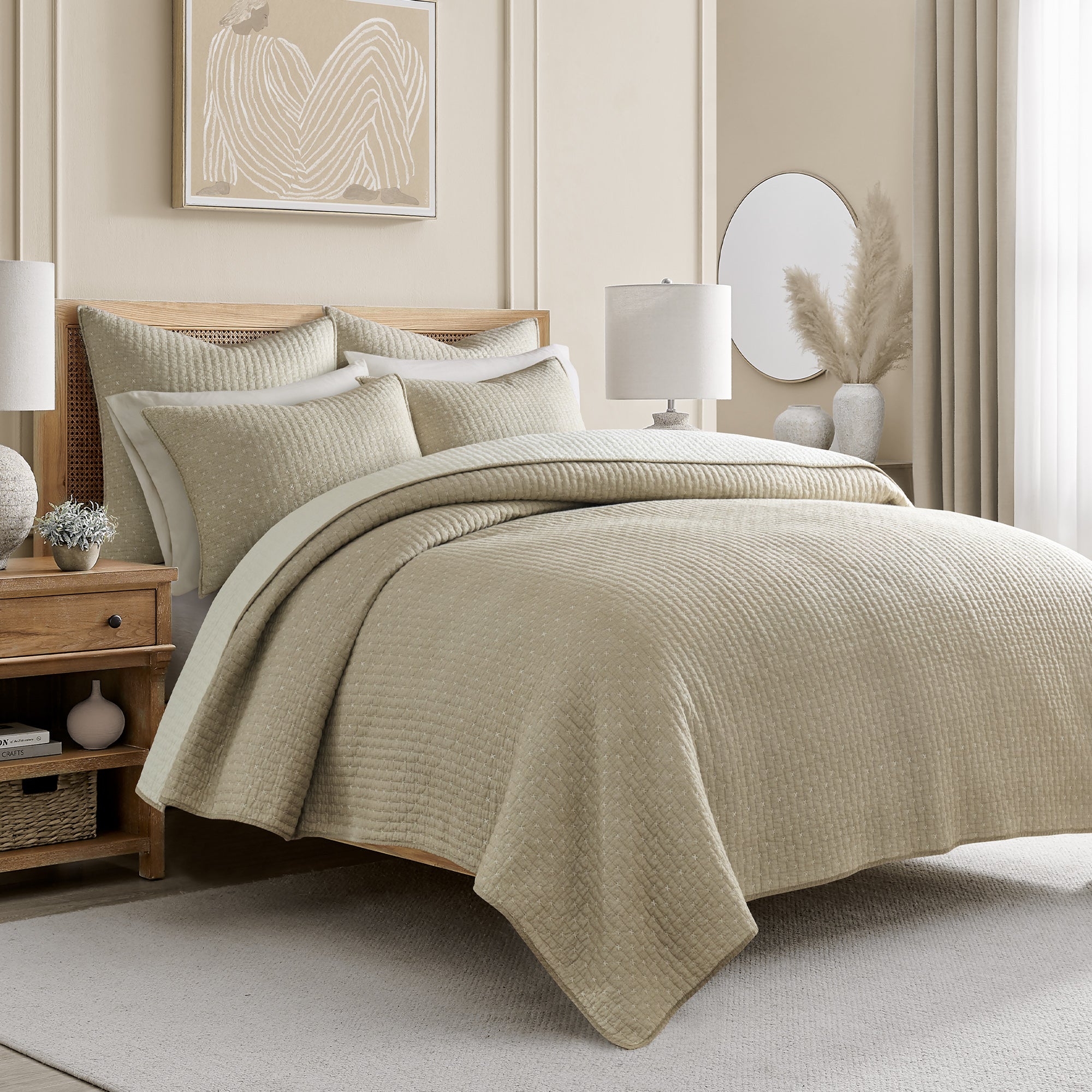
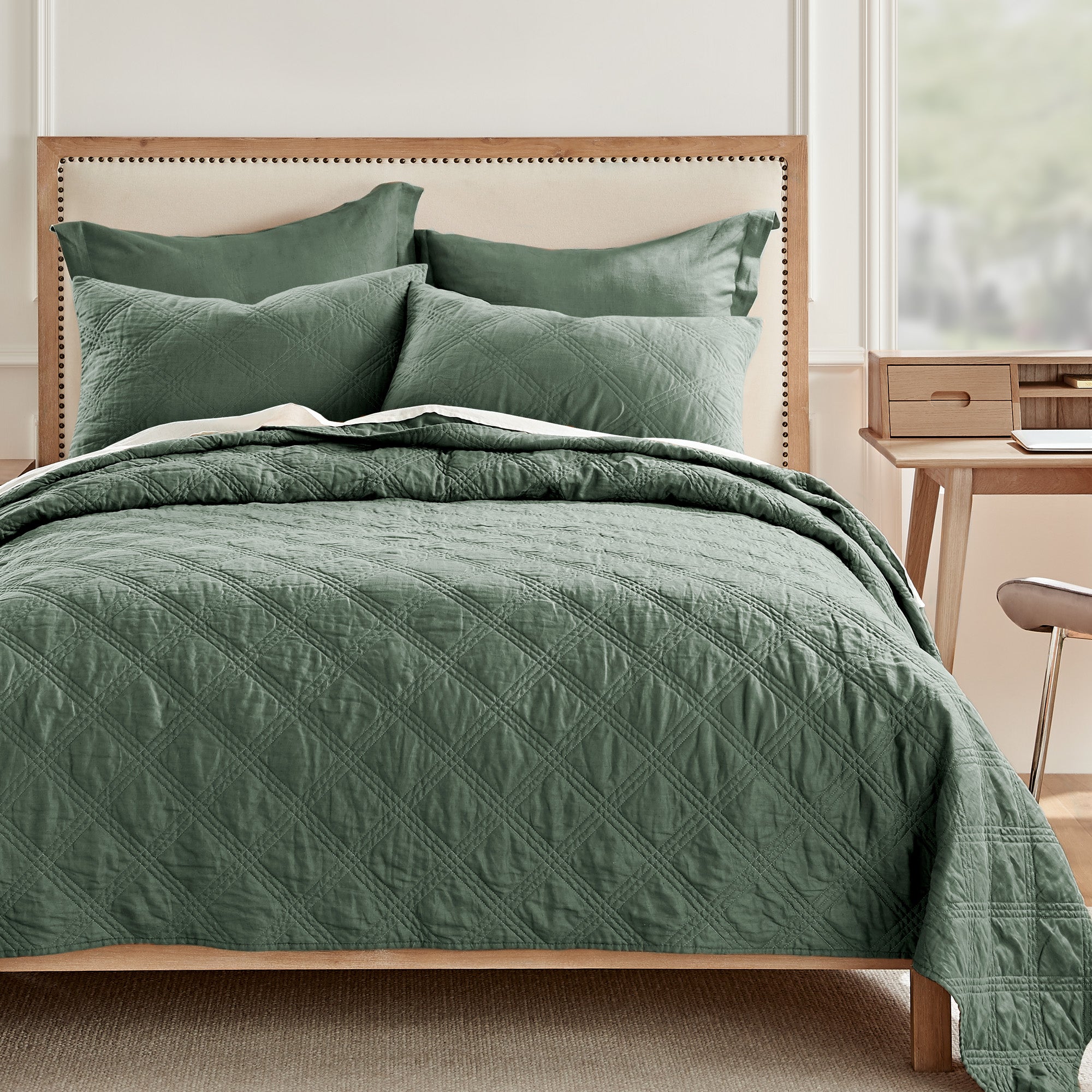
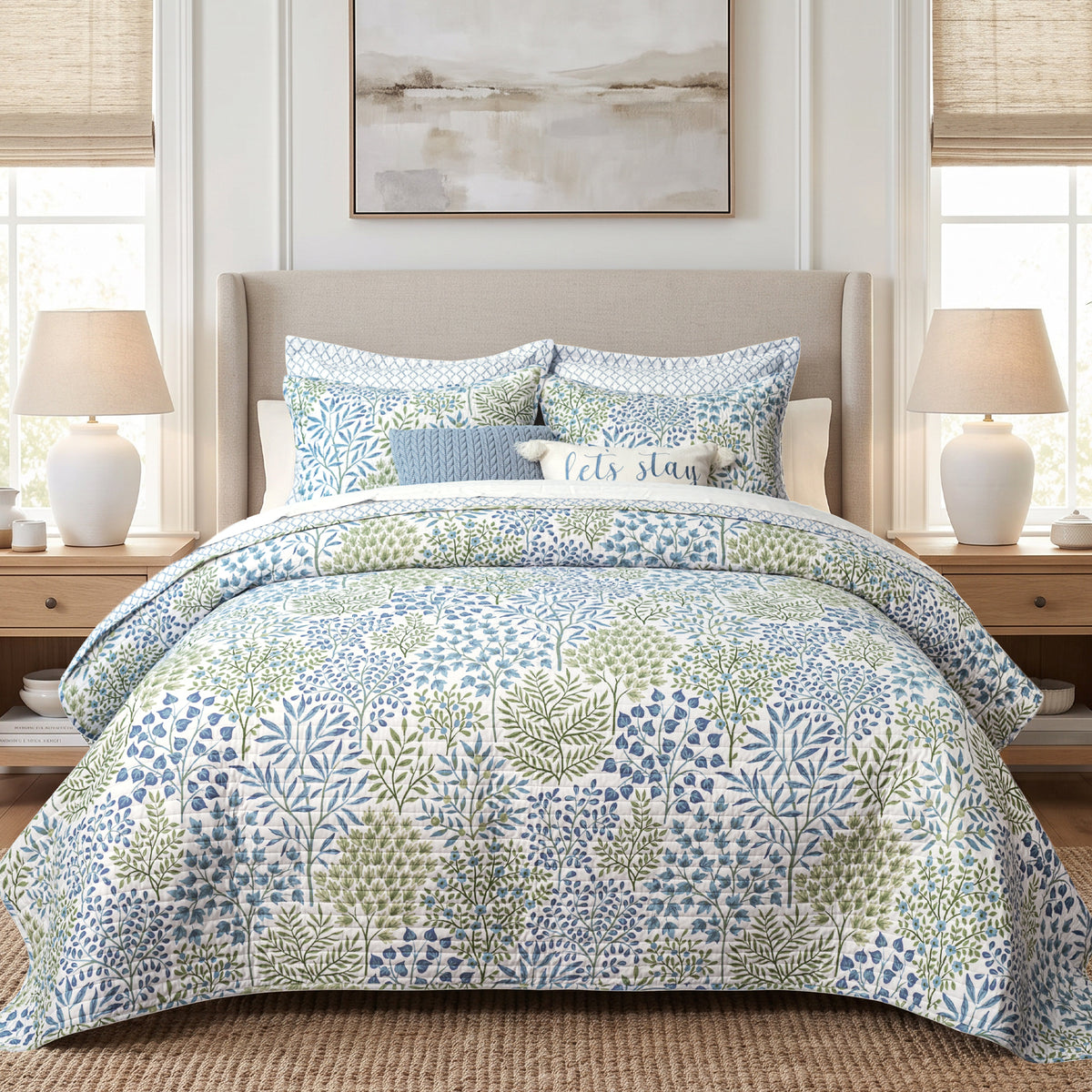
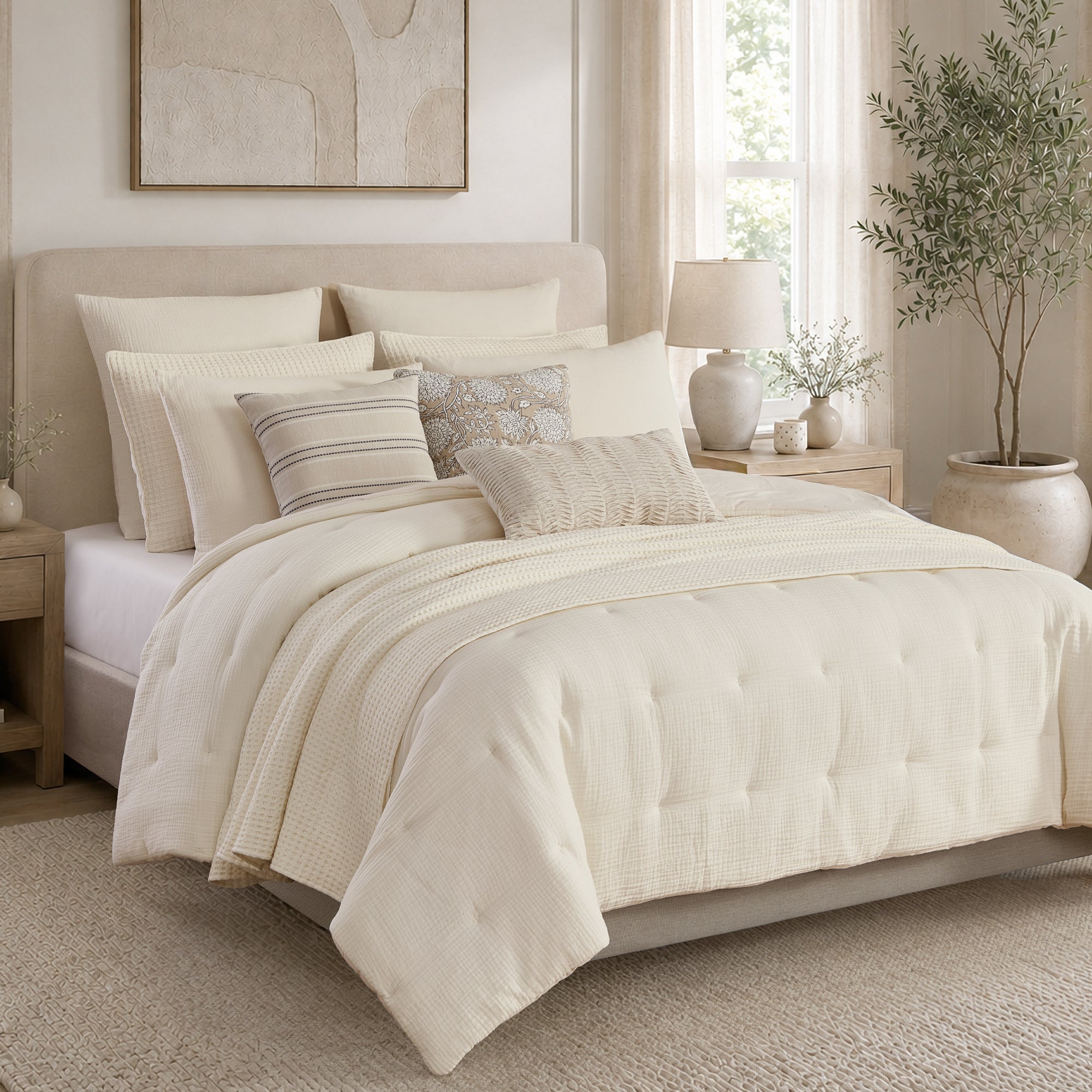
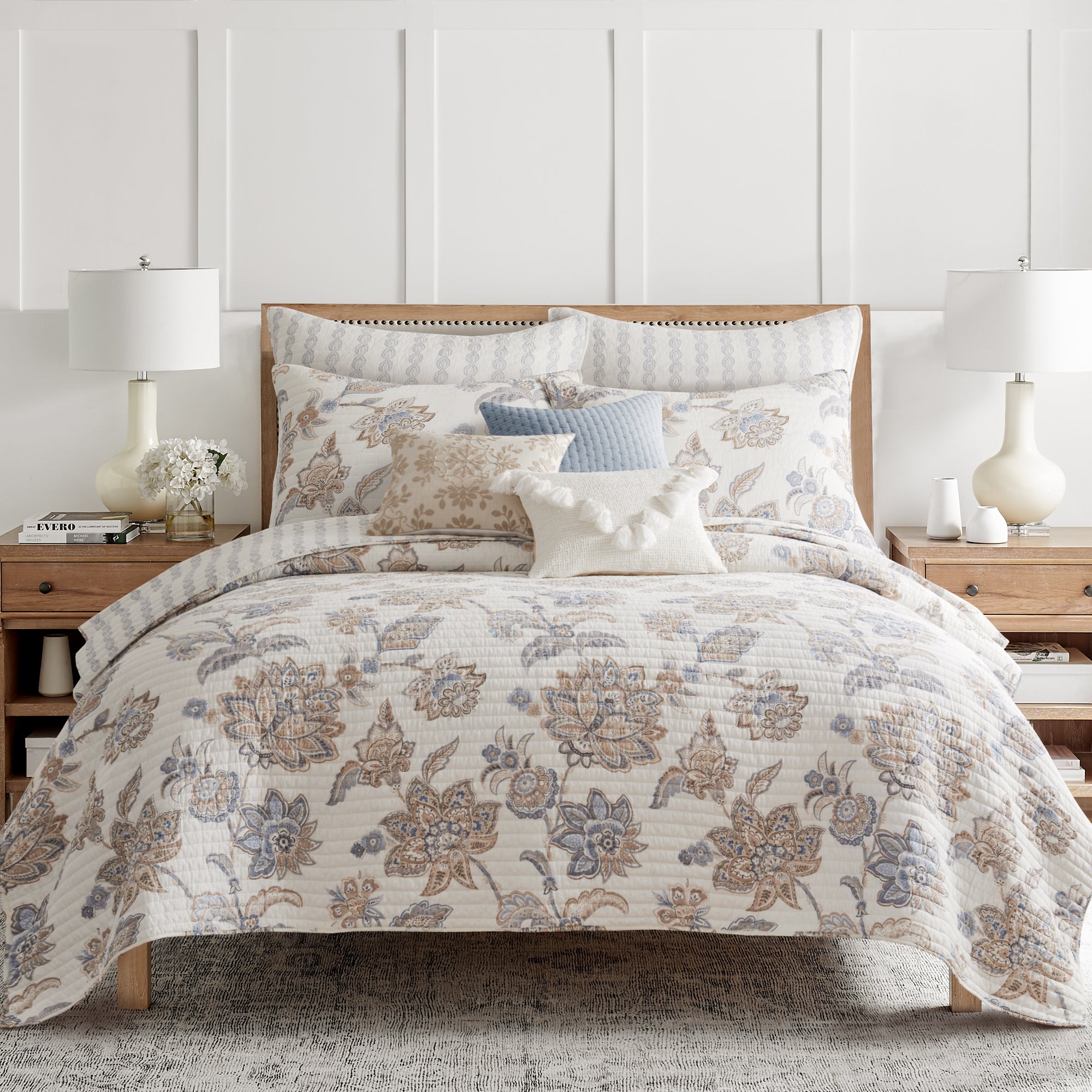
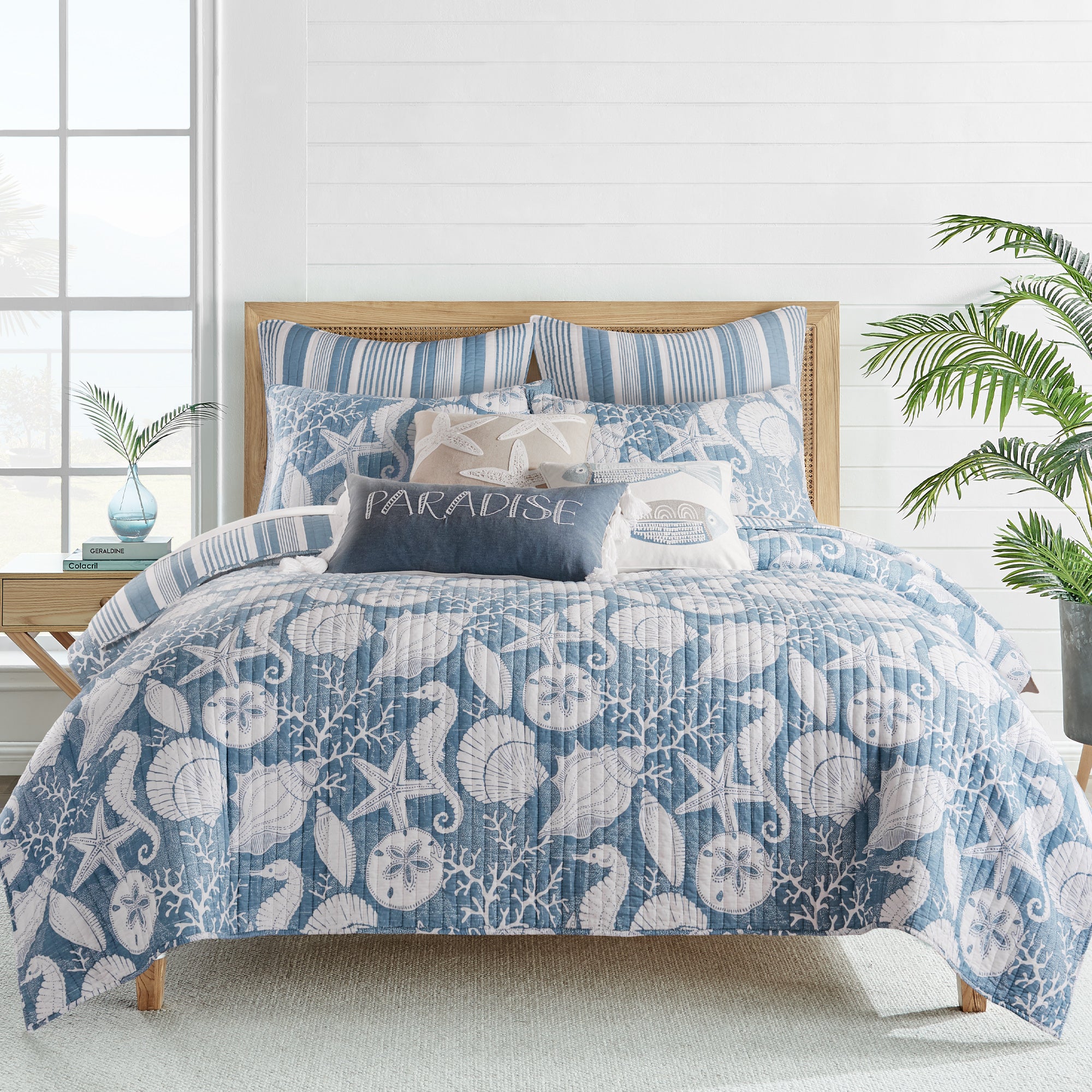
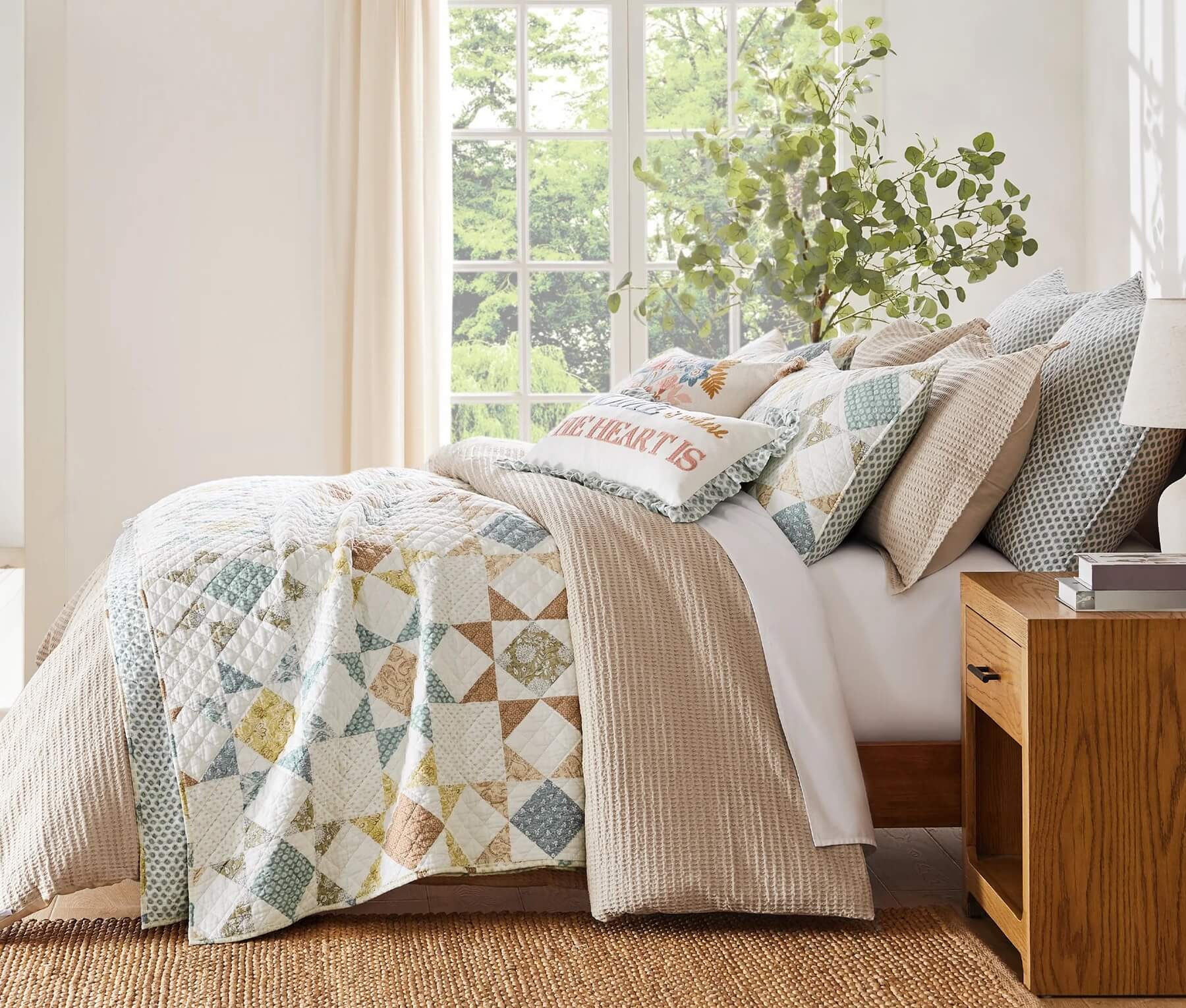
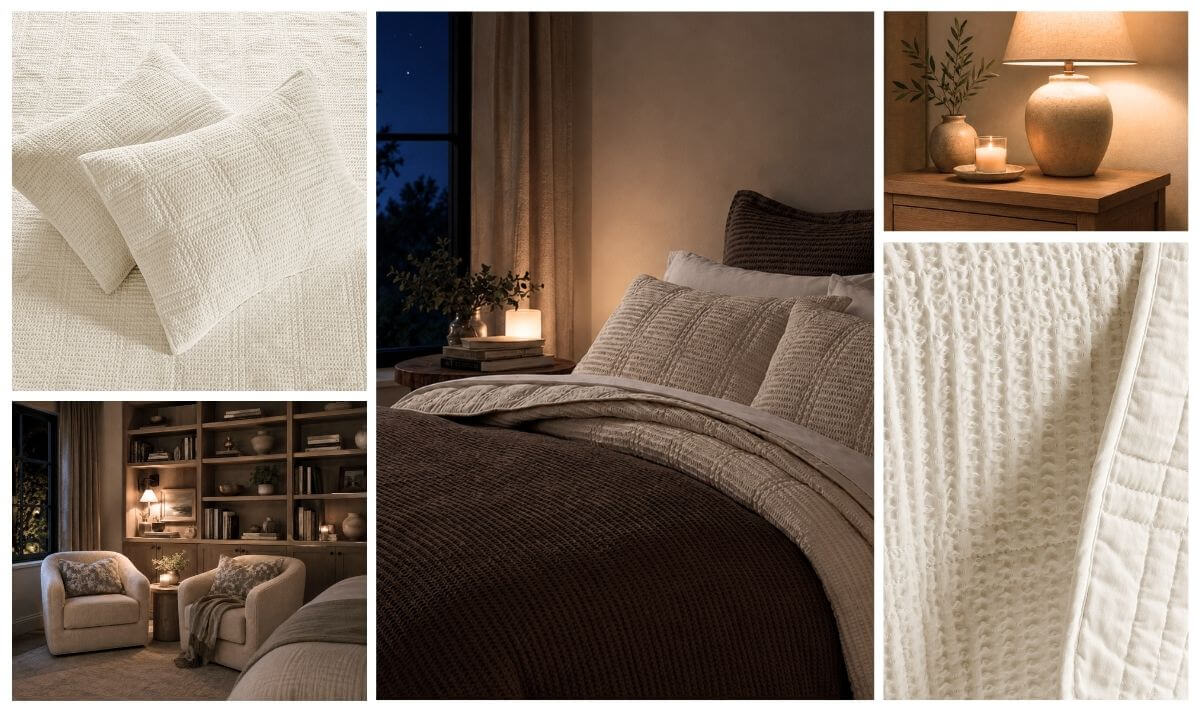
To reinforce the connection to nature, pair greenery with soft furnishings inspired by organic textures. The Mills Waffle Quilt Set, Muslin Comforter Set, and Cross-stitch Quilt Set all bring tactile interest through breathable fabrics and subtle texture, creating a bedroom that feels comfortable, relaxed, and connected to the natural world.

Designing With Natural Light
Natural light plays a central role in biophilic design because it helps create bright, uplifting spaces while strengthening the connection between your home and the outdoors.
Beyond making rooms feel larger, sunlight changes throughout the day, creating subtle shifts in mood and atmosphere that artificial lighting simply can't replicate. Designing around natural light encourages a home to feel more dynamic, with each room taking on its own character from morning to evening
Whenever possible, keep windows unobstructed to maximize daylight. Sheer curtains allow sunlight to filter through while maintaining privacy, and strategically placed mirrors can help reflect light into darker areas of a room. Choosing lighter wall colors and thoughtfully arranging furniture also helps maintain an open, airy feel.
Light levels one meter from a window will be significantly brighter than even three meters away. So move furniture to maximize time and exposure to natural light within the home. This could be a small sofa or armchair positioned next to a window overlooking the garden, or perhaps move your desk to enhance a view out.Oliver Heath, designer from Oliver Heath Design,
For evenings, layer warm ambient lighting with table lamps, wall sconces, or woven pendant fixtures to preserve the cozy atmosphere after sunset. Choosing lighting with natural materials like wood, rattan, or linen shades helps maintain the overall aesthetic
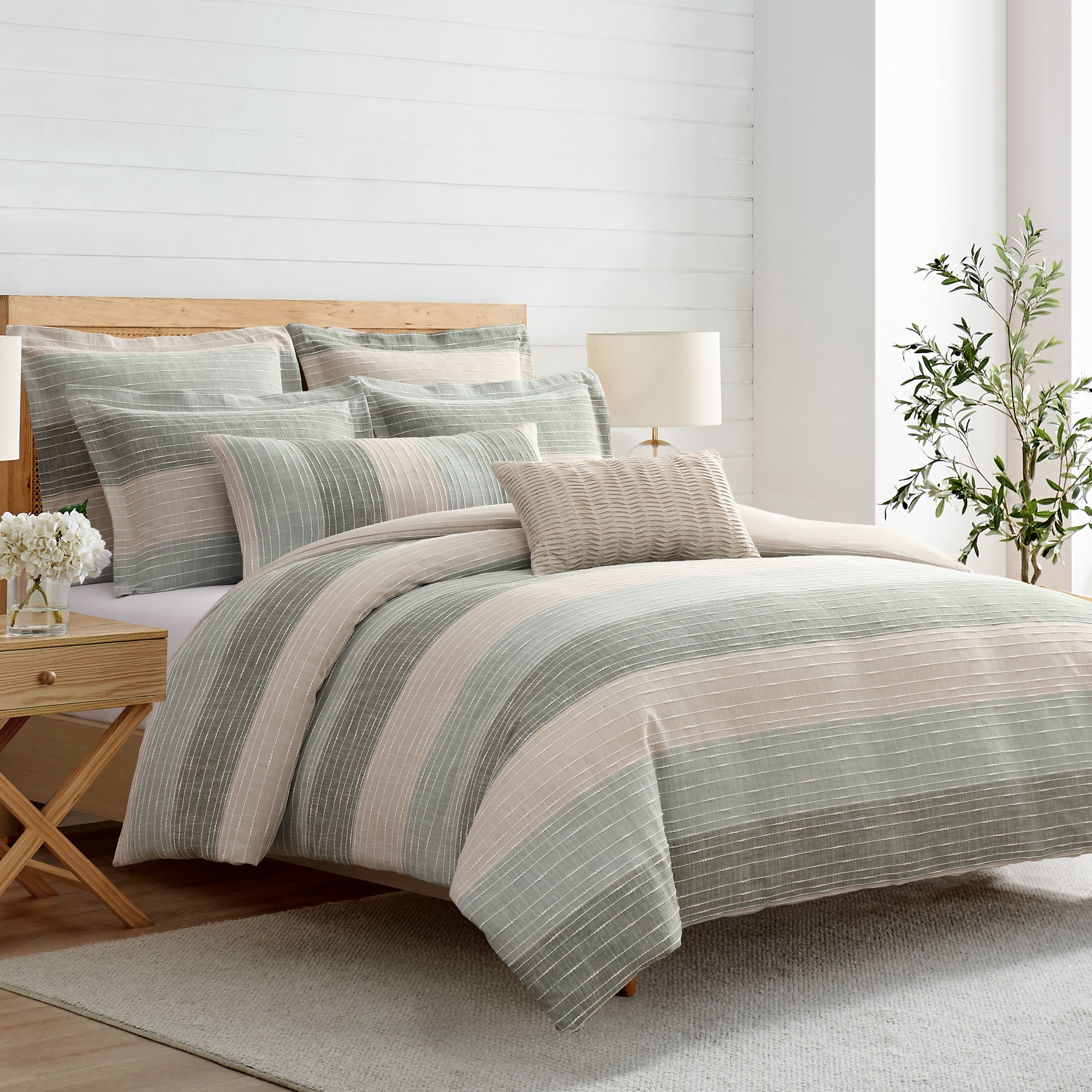
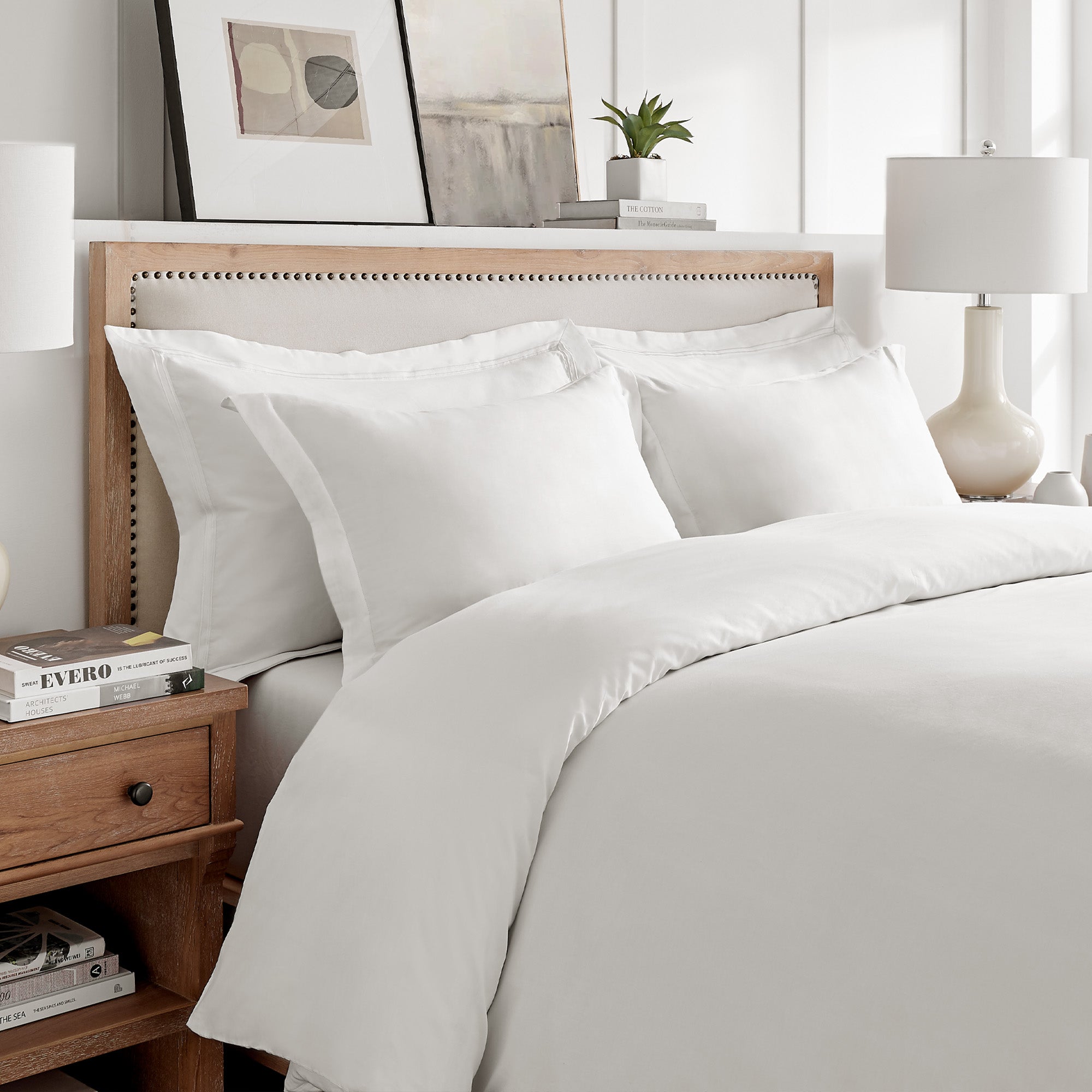
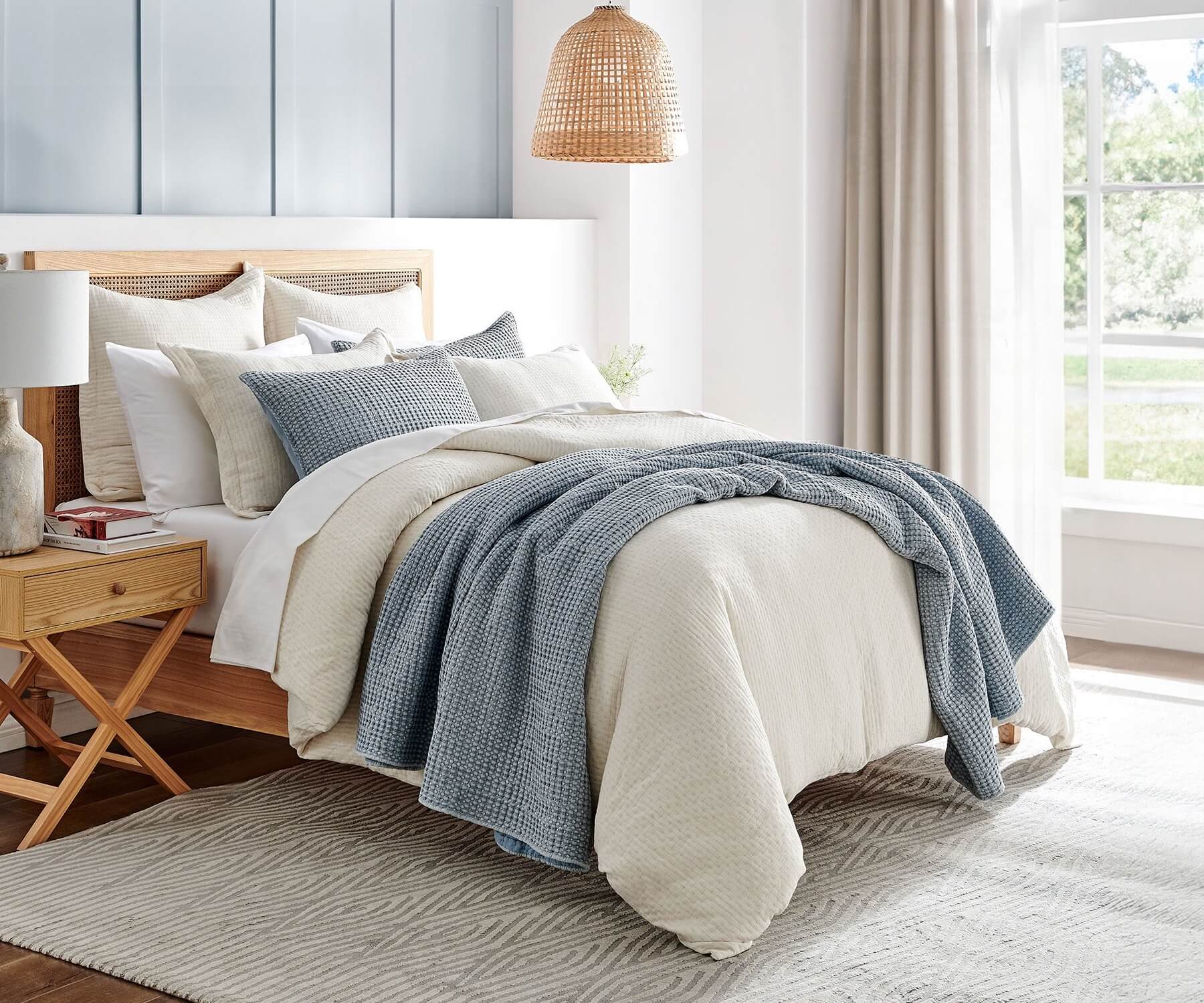
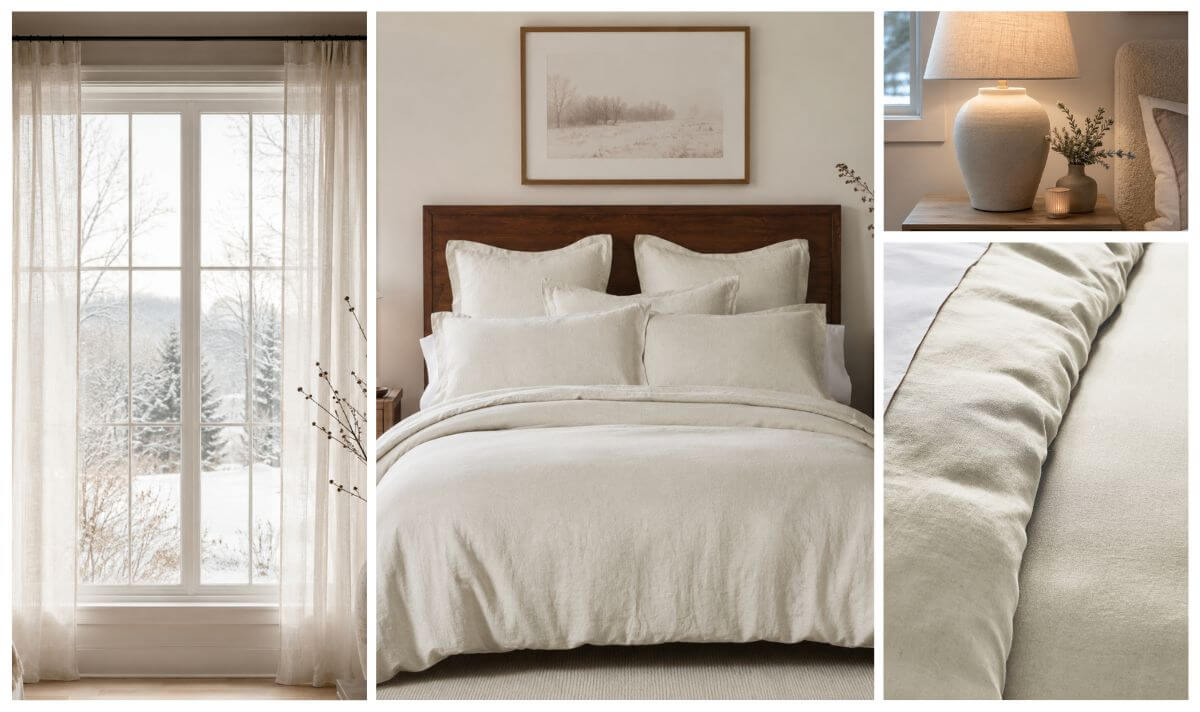
Layering natural fabrics further enhances the effect. The Washed Linen Duvet Collection complements sun-filled spaces with its relaxed texture and soft, nature-inspired color palette, making it an easy choice for creating a bedroom that feels both calming and effortlessly inviting.

Using Colors and Textures Found in Nature
One of the easiest ways to embrace biophilic design is through a nature-inspired color palette. Earth tones, soft greens, warm browns, sandy neutrals, muted blues, and clay-inspired hues create a calming environment that reflects the outdoors without overwhelming a space
Rather than relying on bold contrasts, biophilic interiors often use tonal layering. Mixing several shades of the same earthy color creates depth while maintaining a peaceful, cohesive look. This approach works especially well in bedrooms, where a restrained palette encourages relaxation
Texture is just as important as color. Linen, cotton, woven fibers, wood, stone, and ceramics bring depth and warmth while reinforcing the organic feel that defines biophilic interiors. Layering these materials throughout a room creates visual richness without introducing unnecessary clutter, allowing each piece to contribute to a sense of balance and comfort.
Creating Multi-Sensory Experiences
Biophilic design engages more than just the eye; it creates a home that feels calming through every sense
The sound of flowing water from a tabletop fountain, the scent of fresh eucalyptus or lavender, the texture of layered bedding, and the warmth of natural materials all contribute to a relaxing atmosphere. Opening windows to let in fresh air or incorporating natural sounds through an outdoor space can further strengthen your connection to nature
Consider how each room feels, not just how it looks. Soft textiles underfoot, comfortable seating, natural fragrances, fresh airflow, and gentle lighting all work together to create an environment that encourages rest and mindfulness. When multiple senses are engaged, a home feels more immersive and restorative
Layering soft textiles is another simple way to create sensory comfort. Throws, quilts, decorative pillows, and breathable bedding invite you to slow down and enjoy your surroundings, making every room feel more restorative.
Conclusion
Biophilic design is about creating a home that supports well-being by strengthening your connection to the natural world. Through natural materials, abundant light, organic textures, calming colors, thoughtfully layered décor, and living greenery, you can transform any room into a space that feels peaceful, comfortable, and restorative
The beauty of biophilic design lies in its flexibility. Whether you introduce a few houseplants, incorporate natural wood and woven textures, or refresh your bedroom with nature-inspired bedding, every thoughtful choice contributes to a home that feels calmer and more connected to the outdoors. By layering timeless materials with functional, comfortable textiles, you can create an interior that not only looks beautiful but also supports everyday living for years to come.
References
1. Biophilic Design: Integrating Nature Into Modern Interiors,
Rocky Mountain Colledge of Art
2. Biophilic design is 2021's most exciting new interior trend – how to use it in your home,
Homes & Gardens
3. 14 Patterns of Biophilic Design,
Terrapin Bright Green
4. Biophilic design in architecture and its contributions to health, well-being, and sustainability: A critical review,
ScienceDirect