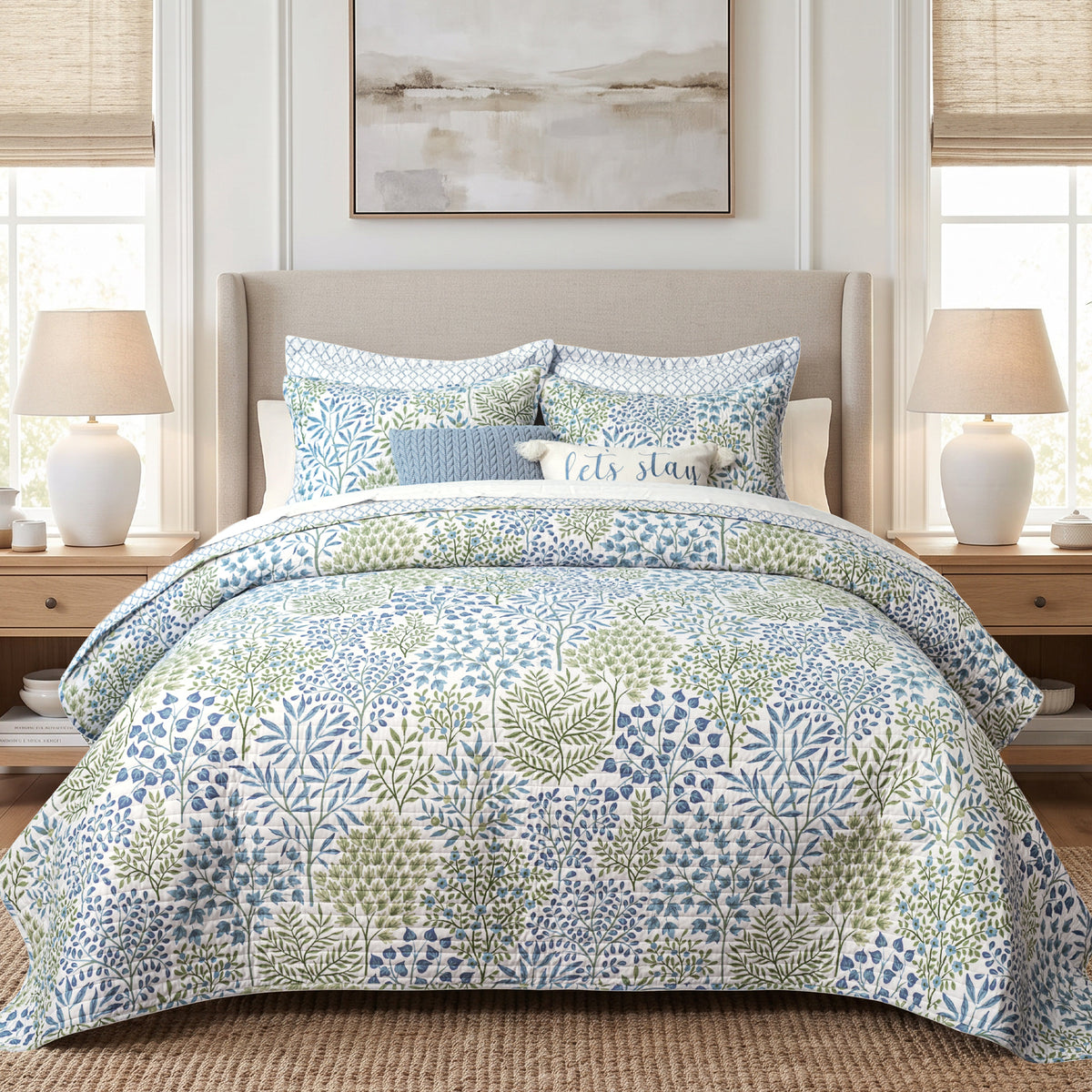
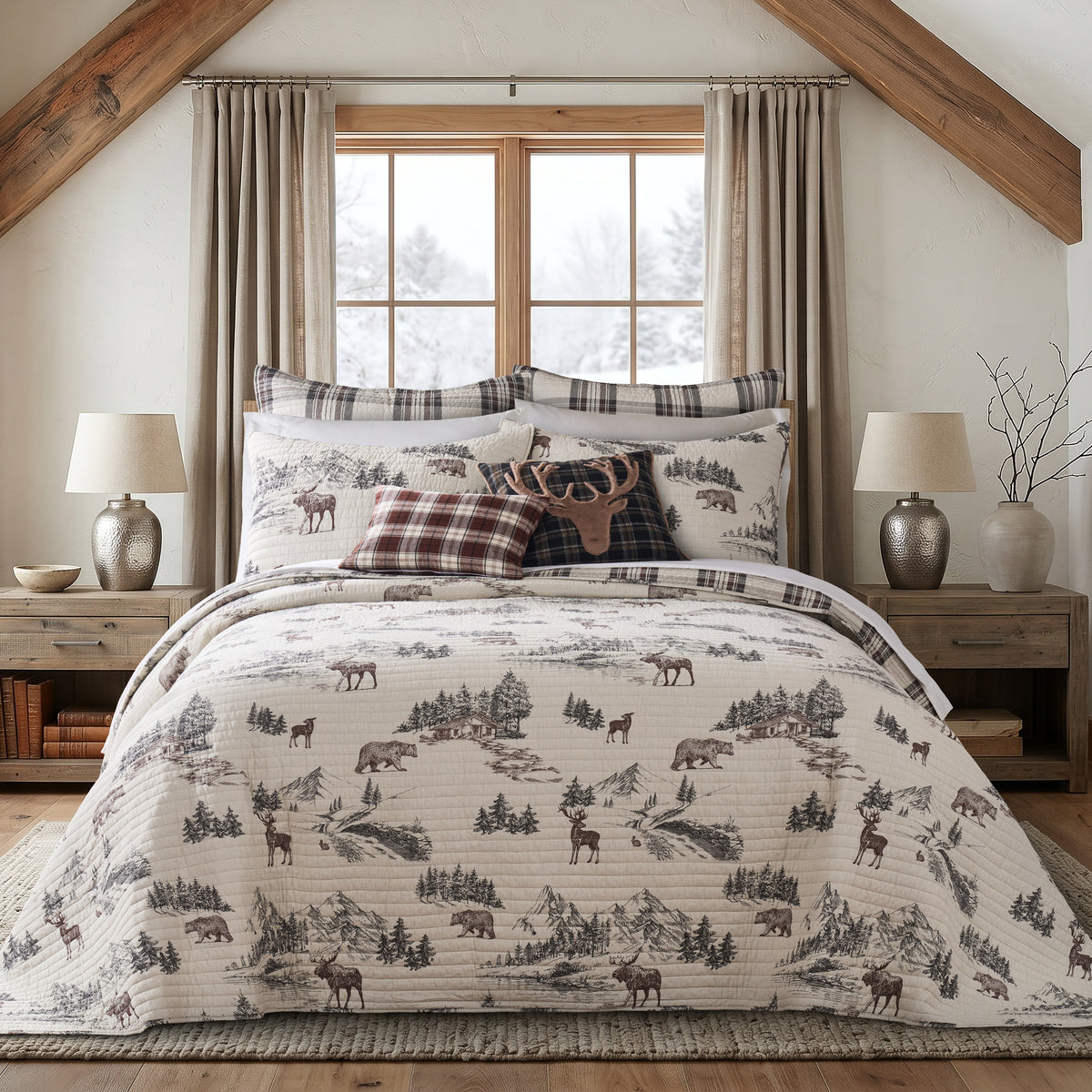
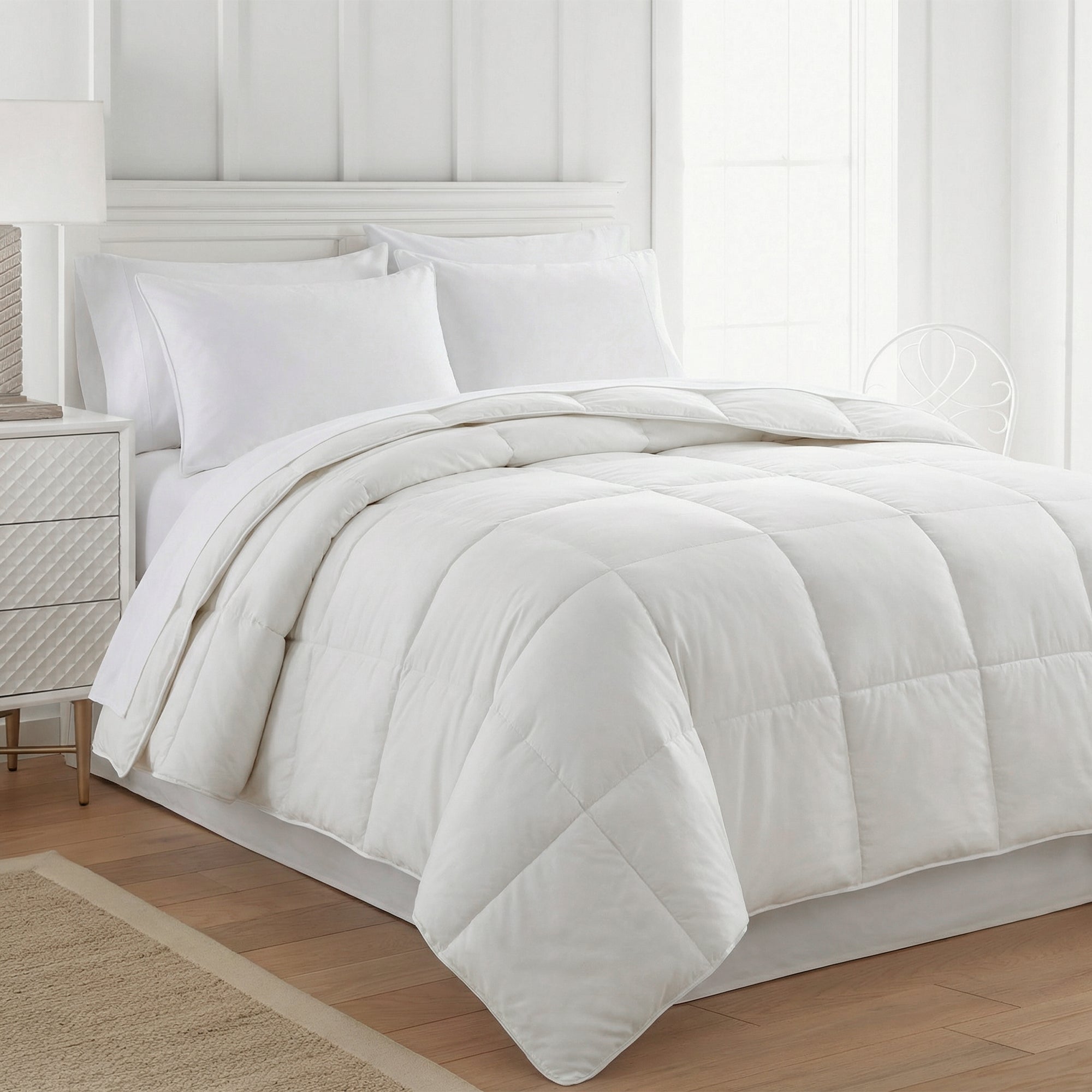
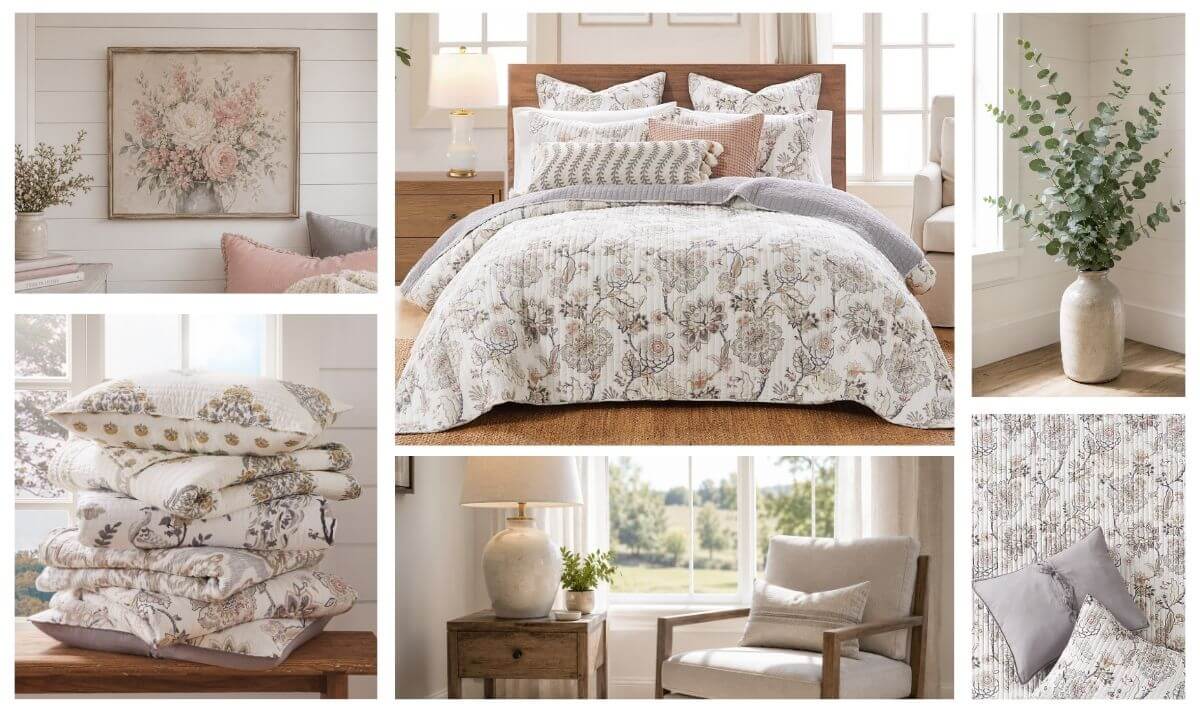


Designing a single beautiful bedroom is one thing. Designing multiple bedrooms that feel cohesive, functional, and thoughtfully curated is an entirely different challenge. Whether furnishing a vacation rental, boutique hotel, model home, large residential property, or several guest bedrooms within one home, sourcing designer bedding requires a strategic approach that goes far beyond selecting attractive colors or patterns.
Interior designers must consider how bedding will perform over time, how easily it can be reordered, whether it fits within the project budget, and how it contributes to the overall design story. Every bedroom should feel like part of the same home or property while still offering its own unique character.
Unlike homeowners shopping for one room, designers often purchase bed linen, sheet sets, pillowcases, duvet covers, quilts, and comforters for multiple spaces at once. Their decisions affect procurement timelines, maintenance costs, future replacements, and the overall guest or homeowner experience.
Understanding how professionals approach bedding selection can help anyone furnishing multiple bedrooms make smarter purchasing decisions while creating spaces that feel polished, coordinated, and welcoming.
What Interior Designers Look for When Sourcing Bedding
When sourcing bedding for multi-room projects, designers typically prioritize consistency, durability, inventory availability, ease of procurement, and visual impact. Rather than selecting individual bedding products one room at a time, they evaluate complete collections that can support an entire project from installation through future replacements.
For both professionals and homeowners managing multiple bedrooms, choosing complete coordinated bedding collections is often the simplest way to achieve a polished and cohesive result.
Design Consistency
Consistency is one of the most important factors when selecting designer bedding. Every bedroom should contribute to the property's overall aesthetic without feeling repetitive or identical.
Most designers begin by establishing a visual foundation that carries throughout the project. This foundation may include a consistent color palette, similar bed linen materials, coordinating pillowcases, matching sheet sets, or repeated textures that create continuity from room to room.
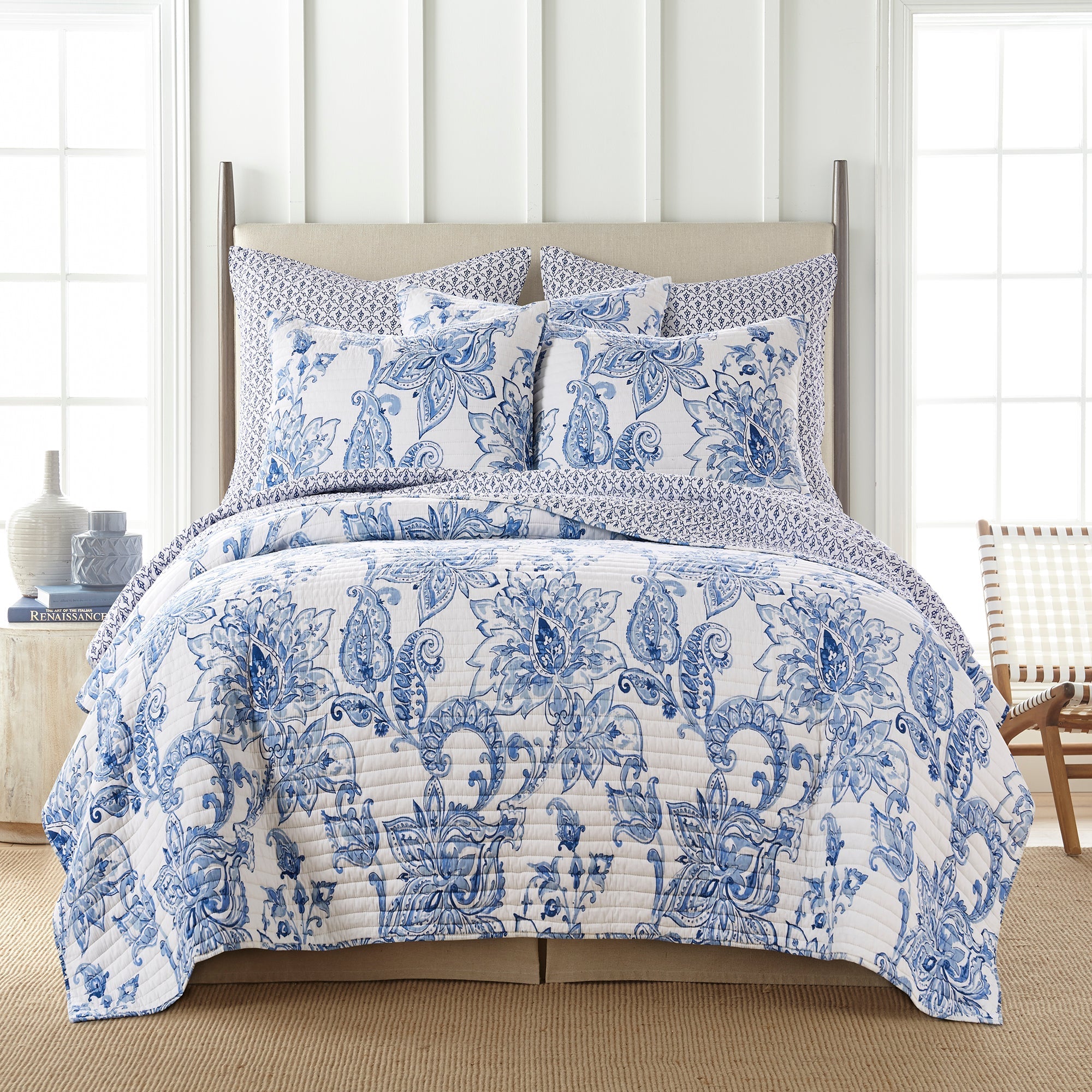
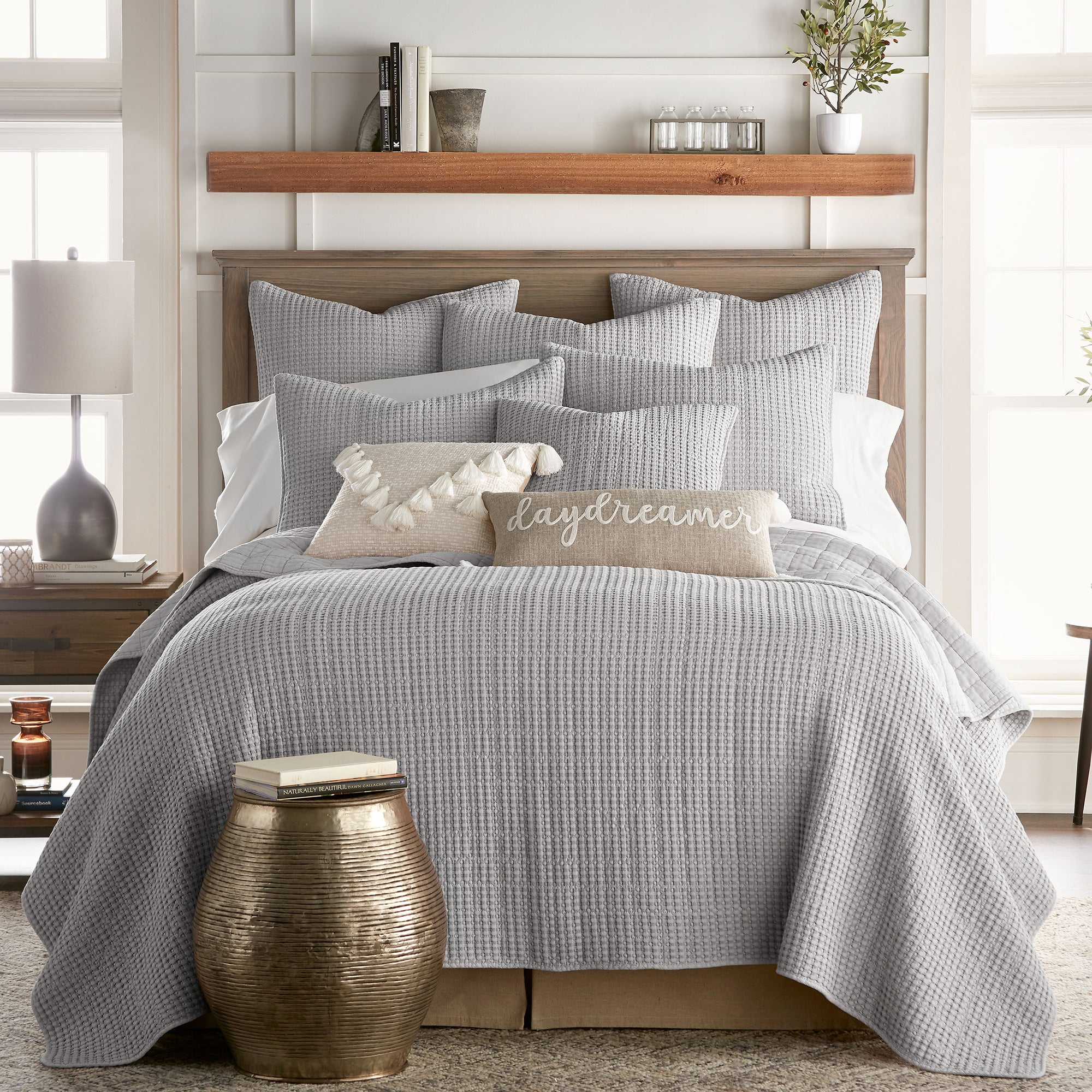
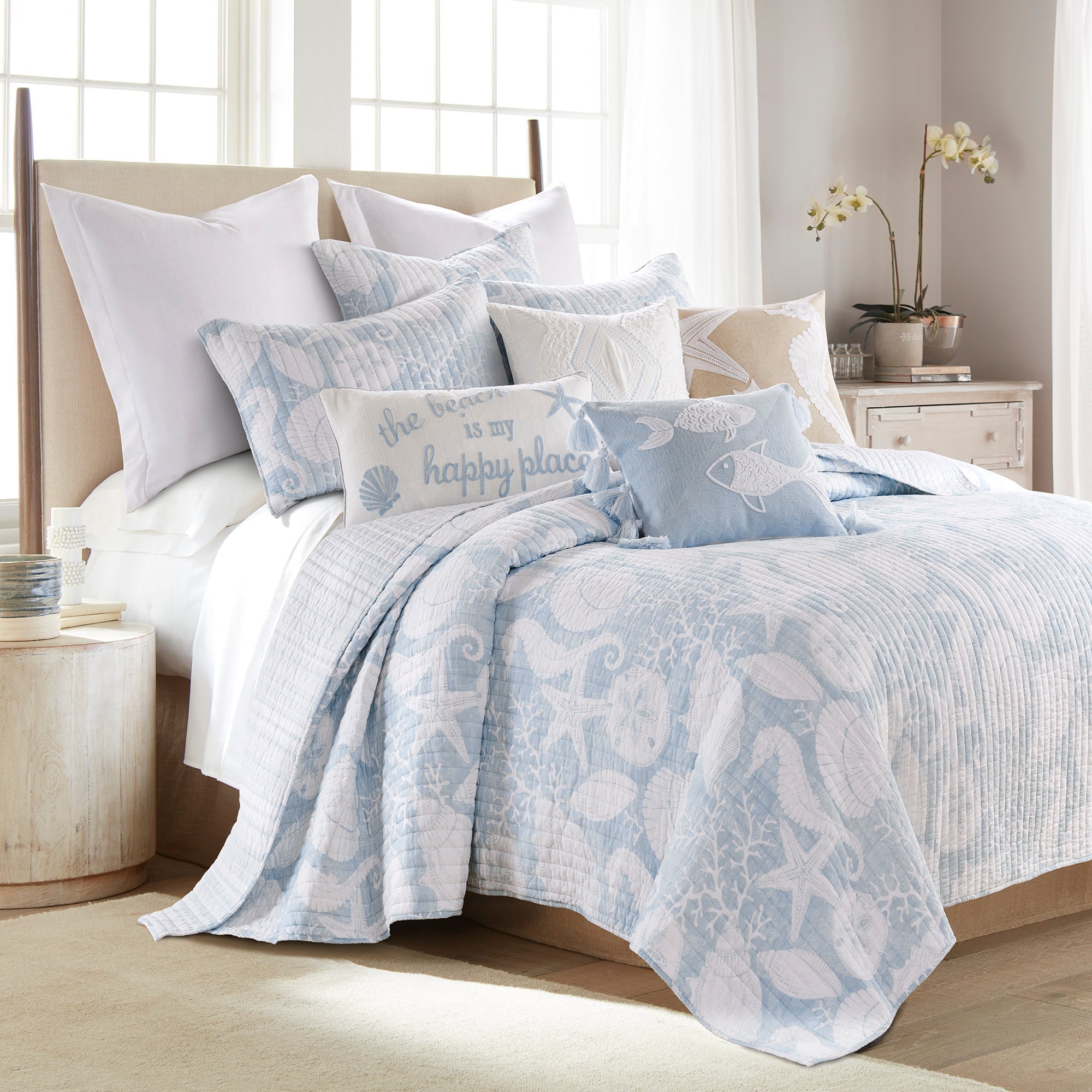
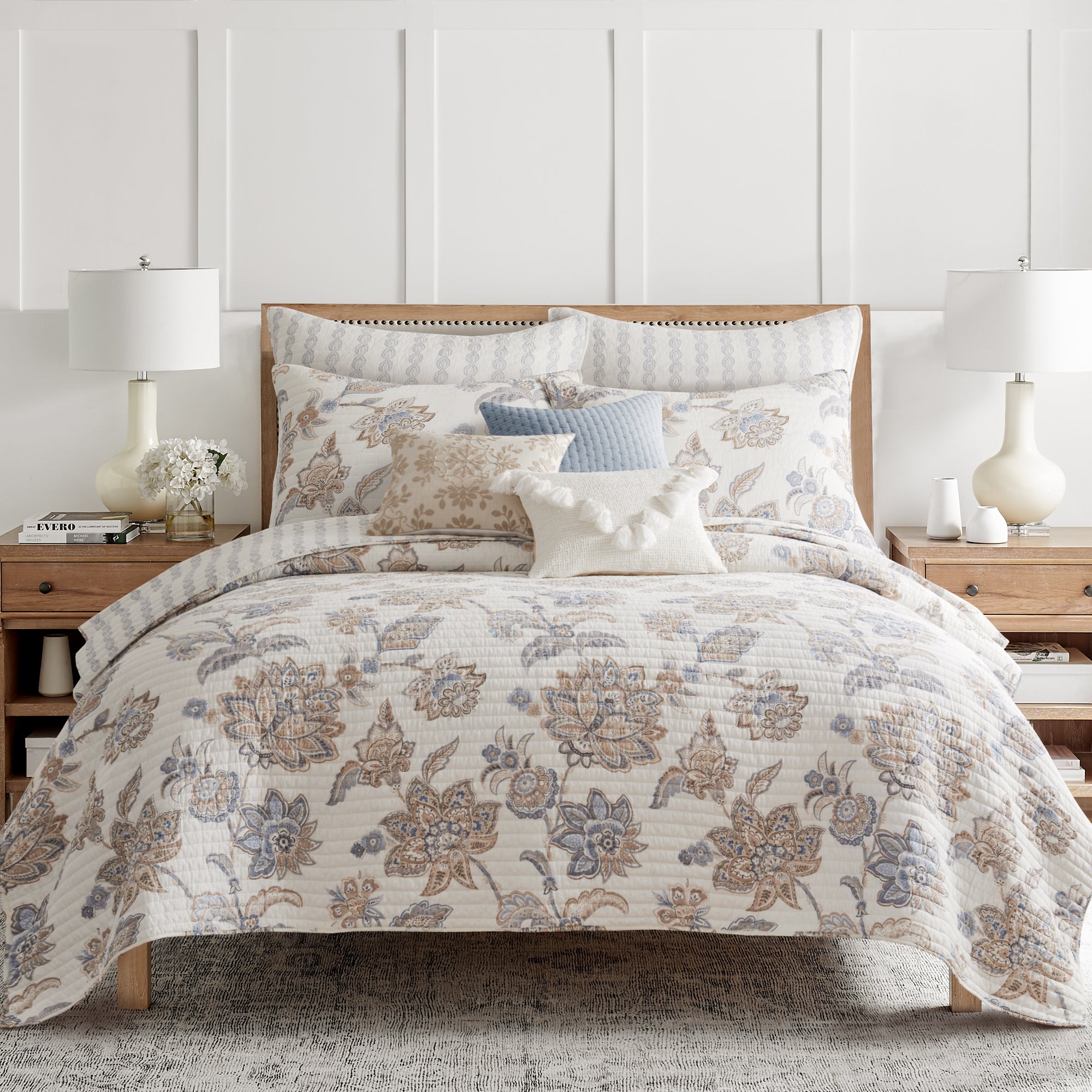
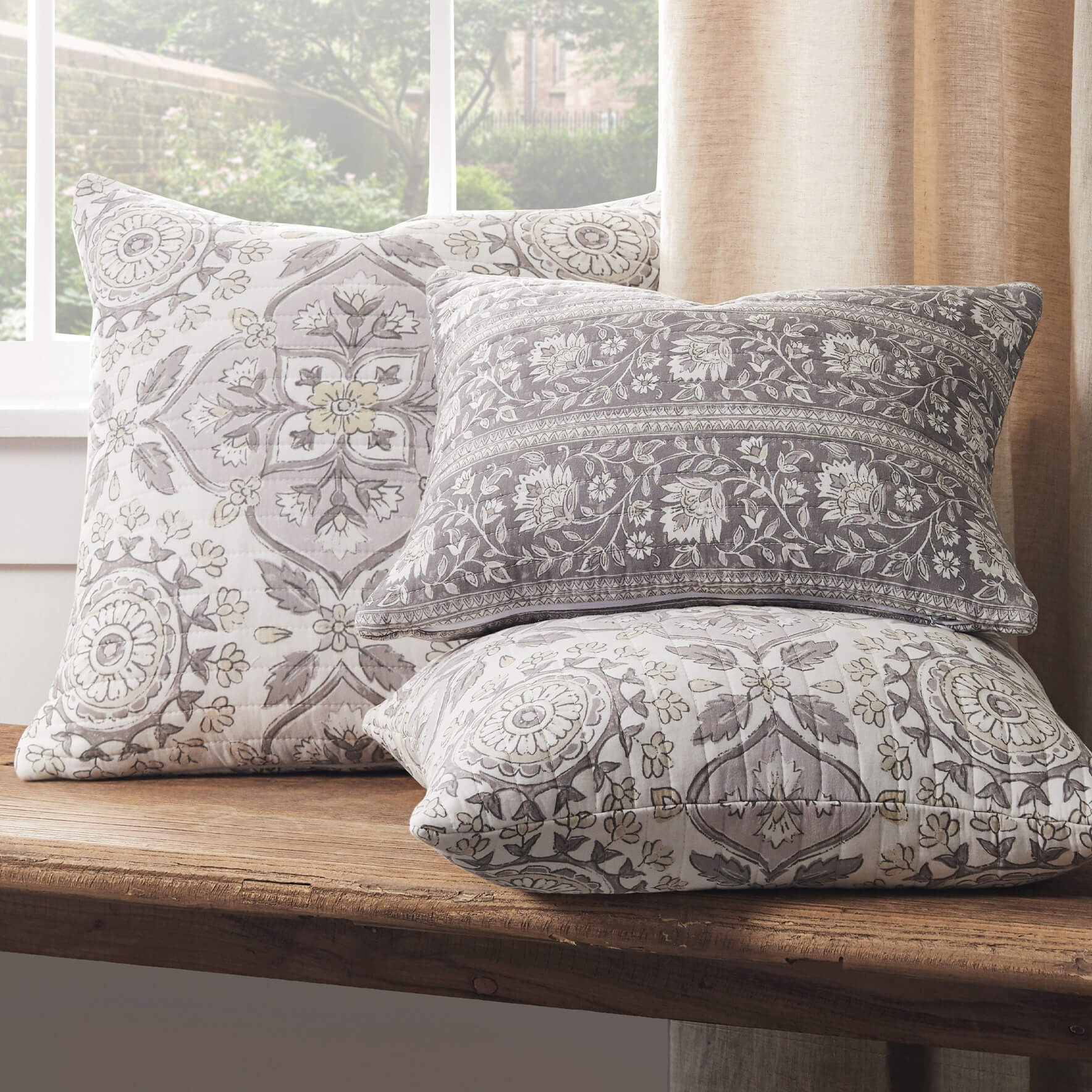
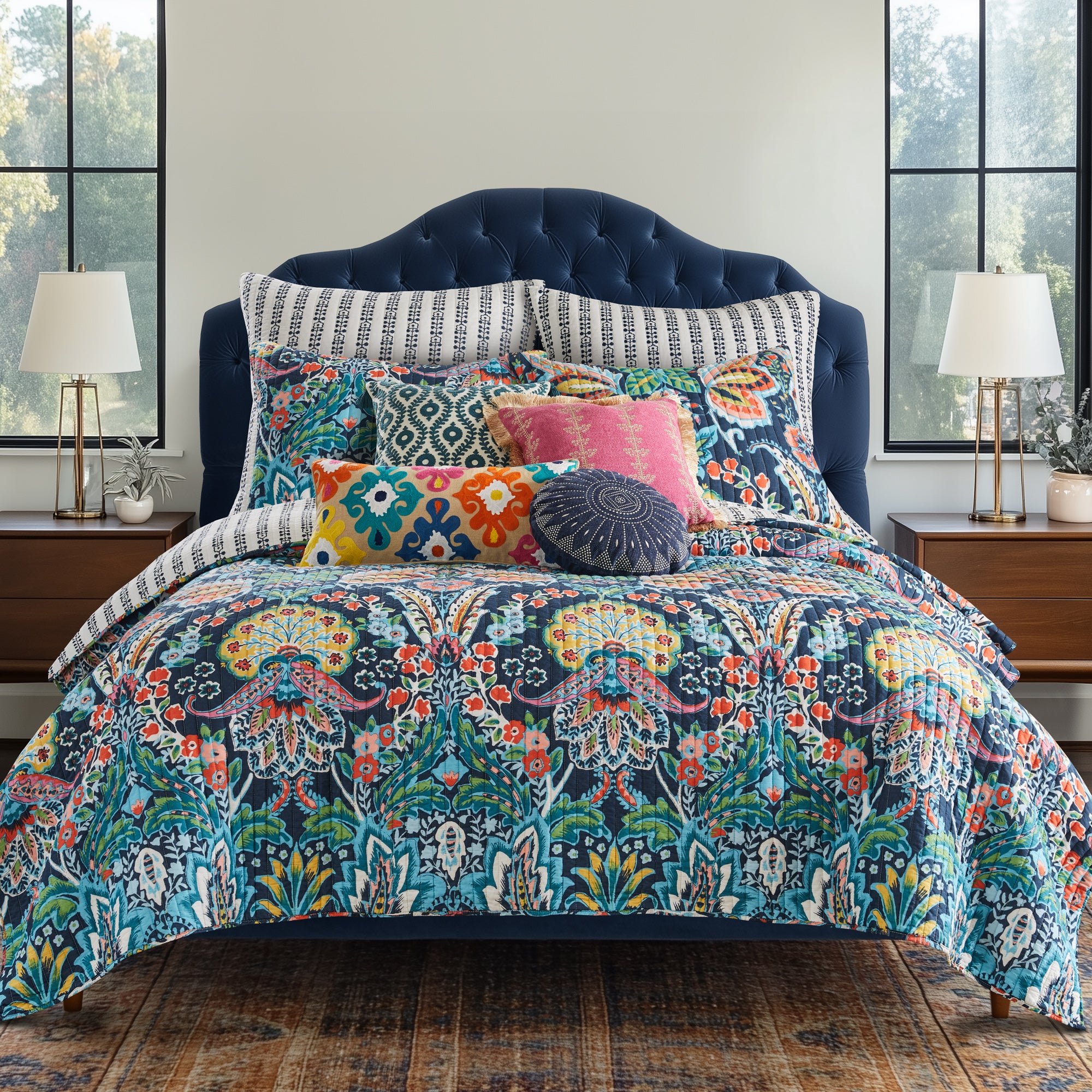
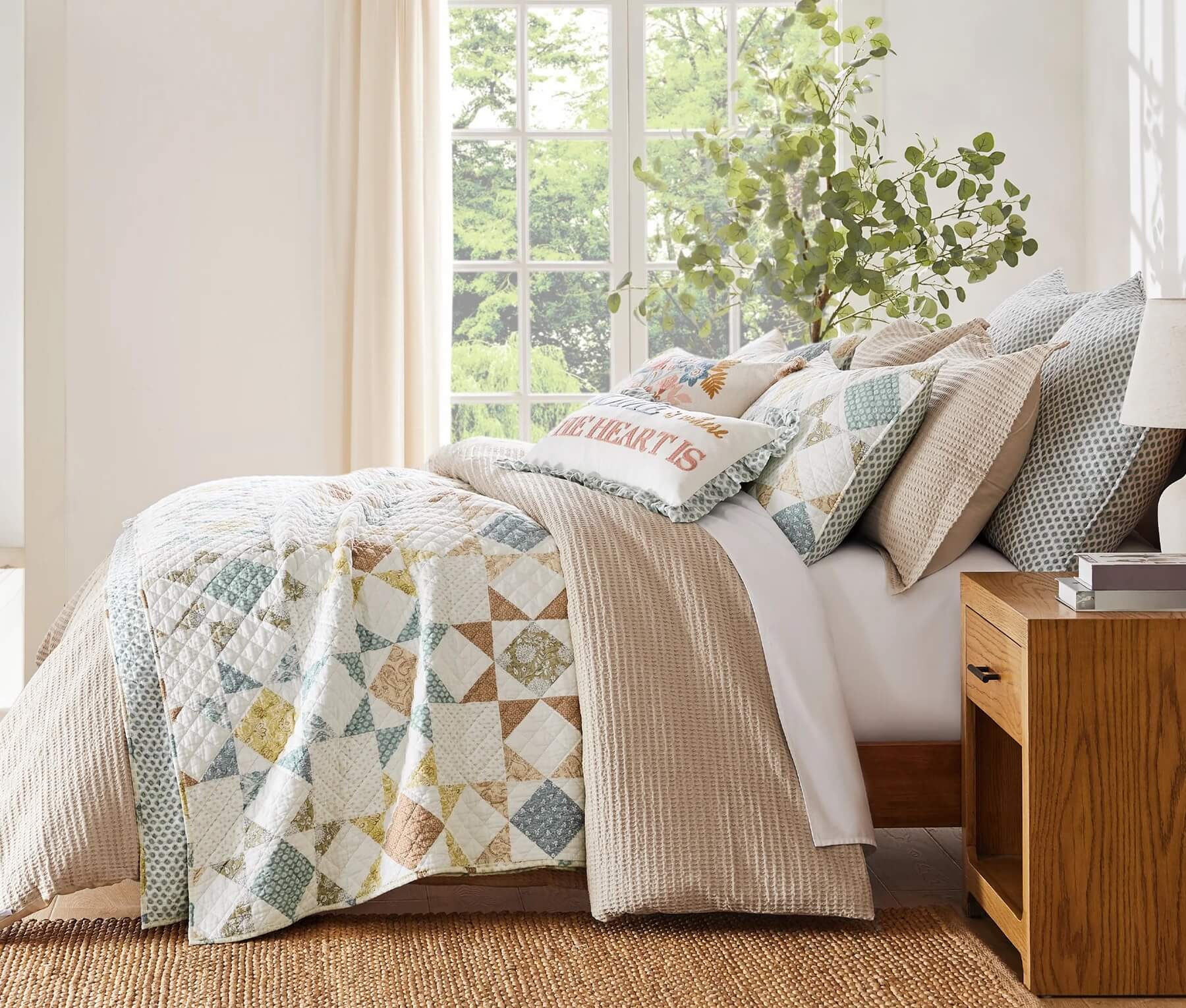
Consistency doesn't mean every bedroom needs the exact same bedding. Instead, it allows each room to feel unique while maintaining a shared design language. If you decide to use taupes, whites, and beiges throughout the house, it doesn’t mean your bedding has to be a boring plain beige comforter. Instead, use something like the Bennet Quilt Set from Levtex, which sticks with the color palette while still being interesting.
This approach also simplifies future renovations or expansions, as additional bedrooms can be furnished in the same foundational style without requiring a completely new design concept.
Material Quality
Professional designers understand that bedding must look beautiful while standing up to everyday use.
Material quality affects comfort, durability, maintenance, and long-term appearance. Fabrics that wrinkle easily, shrink after washing, or lose their softness over time often create unnecessary replacement costs.
When evaluating bedding products, designers commonly consider:
- Breathability
- Softness
- Durability
- Ease of care
- Wrinkle resistance
- Fabric construction
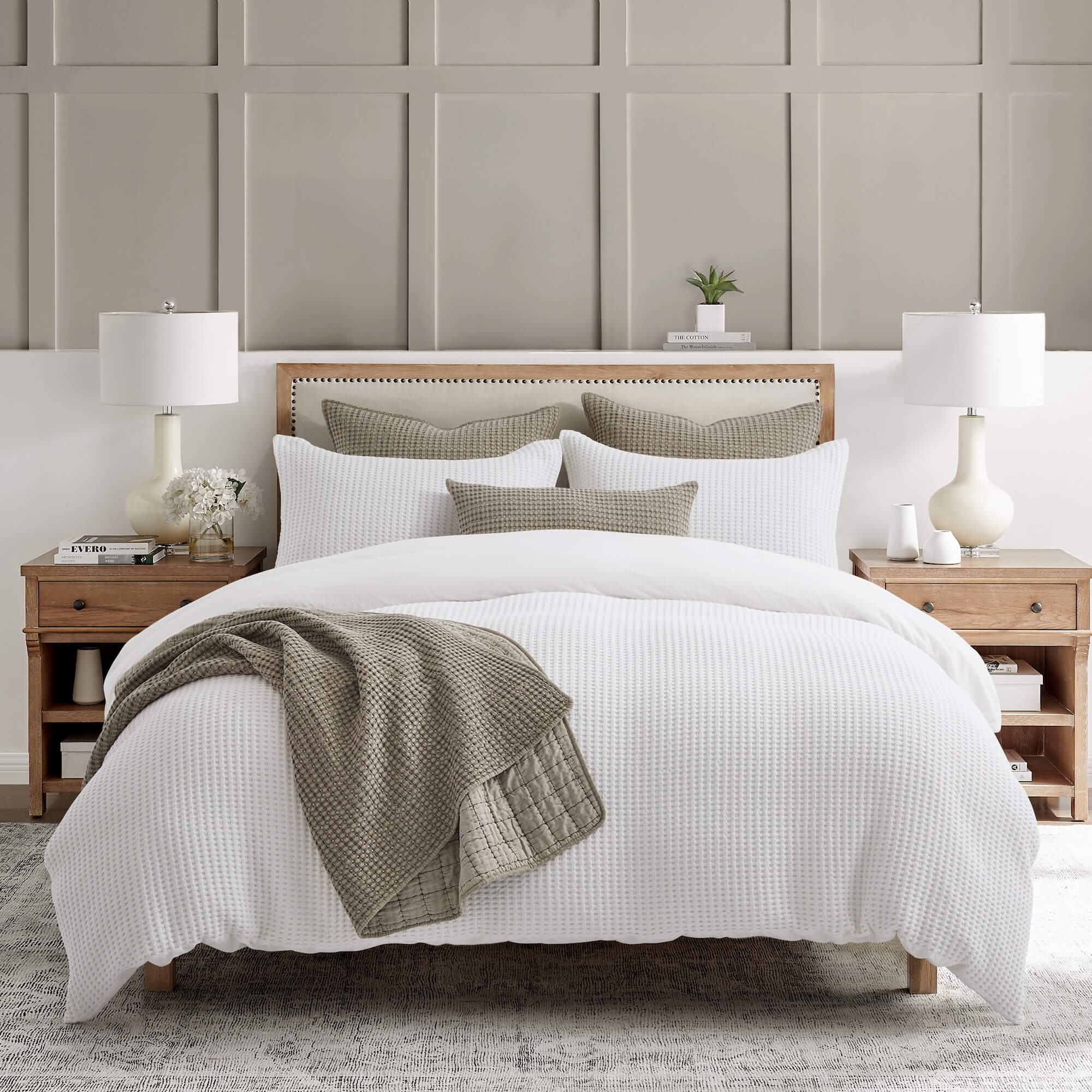
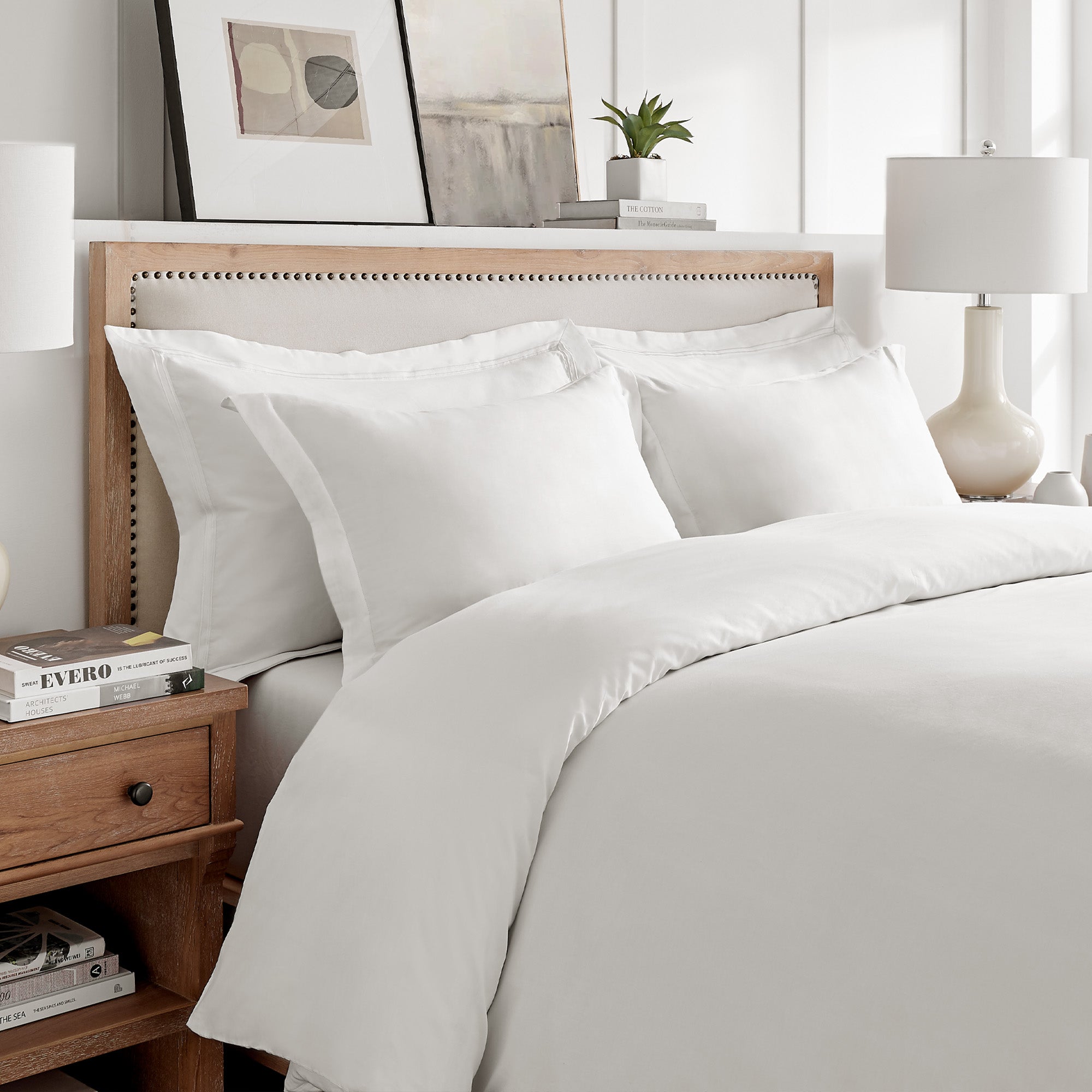
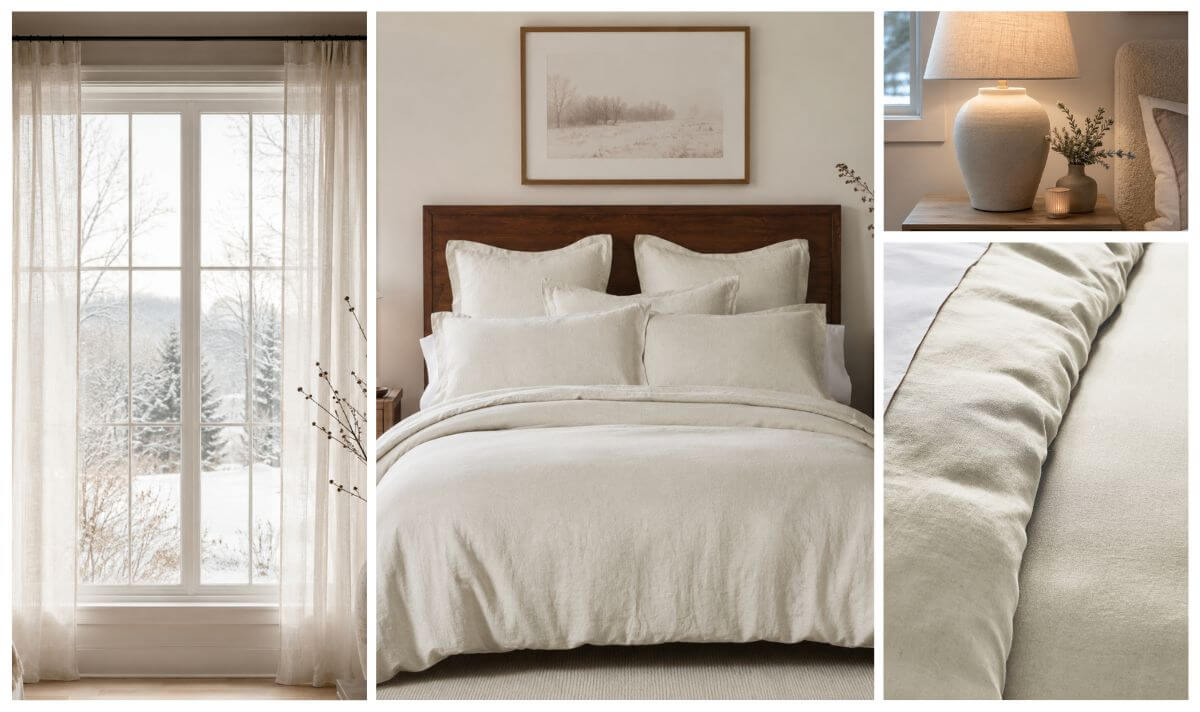
Cotton sheets remain one of the most popular choices because they balance comfort with durability. Depending on the project, designers may also choose brushed cotton for added softness or sateen sheets for a smoother, more refined appearance. The Levtex Homes Cotton Lyocell Duvet Cover Set is the perfect cotton-textured duvet that is simple and timeless.
Quality bed linen helps every bedroom maintain a fresh, inviting appearance while reducing maintenance over the life of the project.
Inventory Reliability
Inventory availability is one of the biggest differences between shopping for a single bedroom and furnishing an entire property.
Professional designers often need dozens of matching bedding sets delivered on specific timelines. If products become unavailable halfway through procurement, they may be forced to redesign several rooms, delaying installation and increasing costs.
Reliable inventory allows designers to:
- Purchase multiple room sets at once
- Complete projects on schedule
- Replace damaged bedding later
- Expand projects without changing the design
- Maintain consistency across every bedroom
Choosing suppliers with dependable inventory helps eliminate many of the logistical challenges associated with large-scale projects.
Budget Flexibility
Managing a bedding budget across multiple bedrooms requires careful planning.
Rather than investing the same amount in every room, designers typically allocate resources according to how each space will be used. Primary suites often receive a larger investment, while guest rooms and secondary bedrooms may use more simplified bedding that still complements the overall design.
Budget planning also extends beyond the initial purchase.
Designers consider factors such as replacement costs, maintenance, laundering, and product longevity. Spending slightly more on durable bedding may reduce expenses over time by minimizing replacements.
Finding the right balance between quality and cost helps maximize value across the entire project.
Ease of Reordering
Large projects rarely end once installation is complete.
Guest accidents happen, bedding wears out, additional rooms may be added, and homeowners often want duplicate bedding for seasonal rotations.
Because of this, designers prefer bedding collections that remain available for future purchases.
Easy reordering allows damaged or worn pieces to be replaced without disrupting the overall design, ensuring every bedroom continues to look coordinated for years to come.

Bedding Requirements by Project Type
Every project has different goals, which means bedding requirements also vary. Understanding how each type of property functions helps designers select bedding that supports both aesthetics and everyday performance.
Airbnb and Vacation Rental Projects
Vacation rentals experience frequent guest turnover, making durability one of the highest priorities.
Designers look for bedding that can withstand repeated laundering while maintaining its appearance between stays. Broad guest appeal is also important because rental properties serve a wide variety of travelers with different style preferences.
When sourcing bedding for vacation rentals, designers generally prioritize:
- Durability
- Easy replacement
- Washability
- Neutral styling
- Broad guest appeal
Neutral bed linen paired with simple decorative accents creates an inviting atmosphere while appealing to the largest number of guests.
Easy maintenance also helps property owners reduce operational costs over time.
Home Staging Projects
The purpose of home staging is to help buyers imagine themselves living in the space.
Bedding plays a significant role because the bed is often the focal point of the bedroom. Designers choose bedding that enhances listing photography and creates an immediate sense of comfort and luxury.
Common priorities include:
- Photography appeal
- Neutral color palettes
- Layered styling
- A luxurious appearance
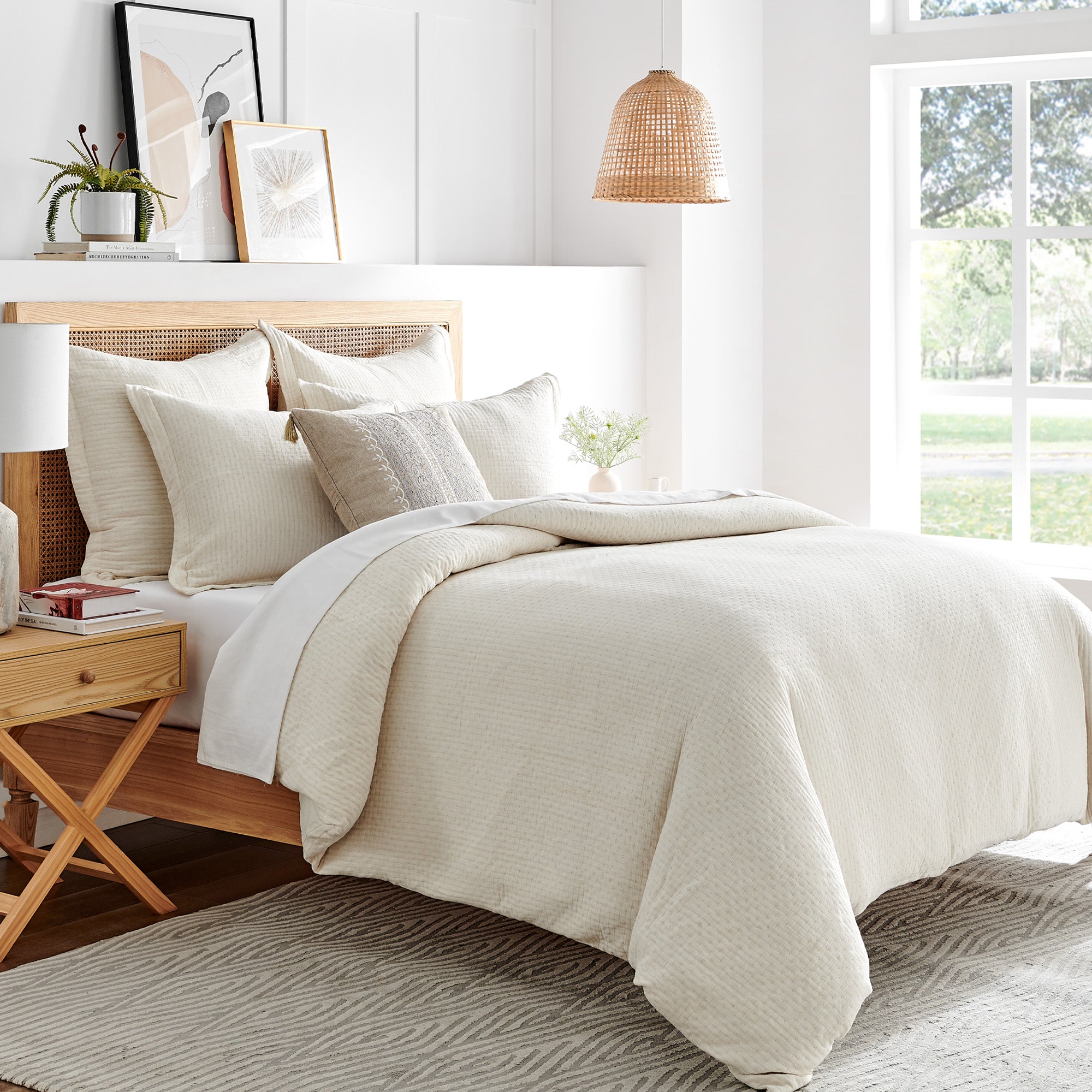
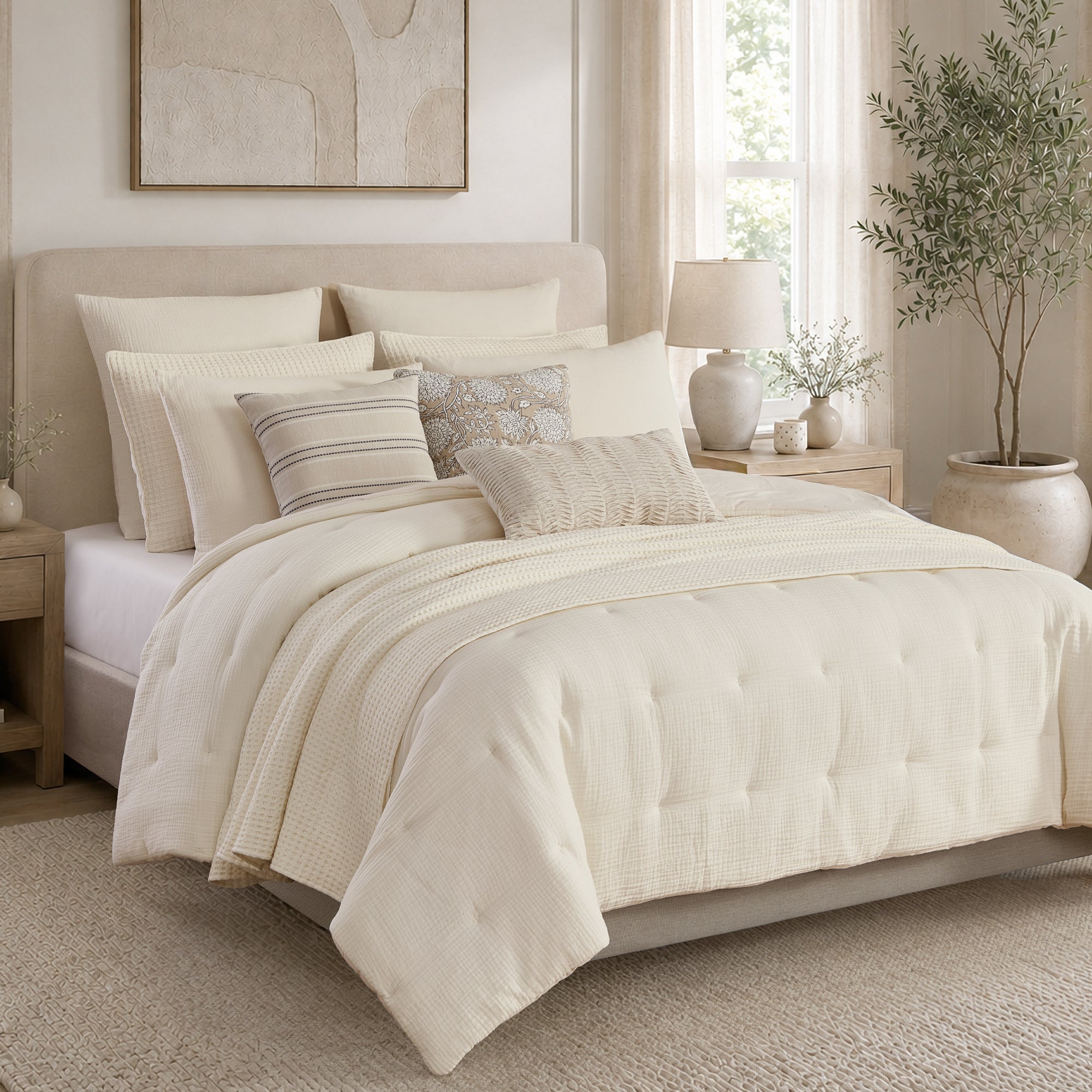
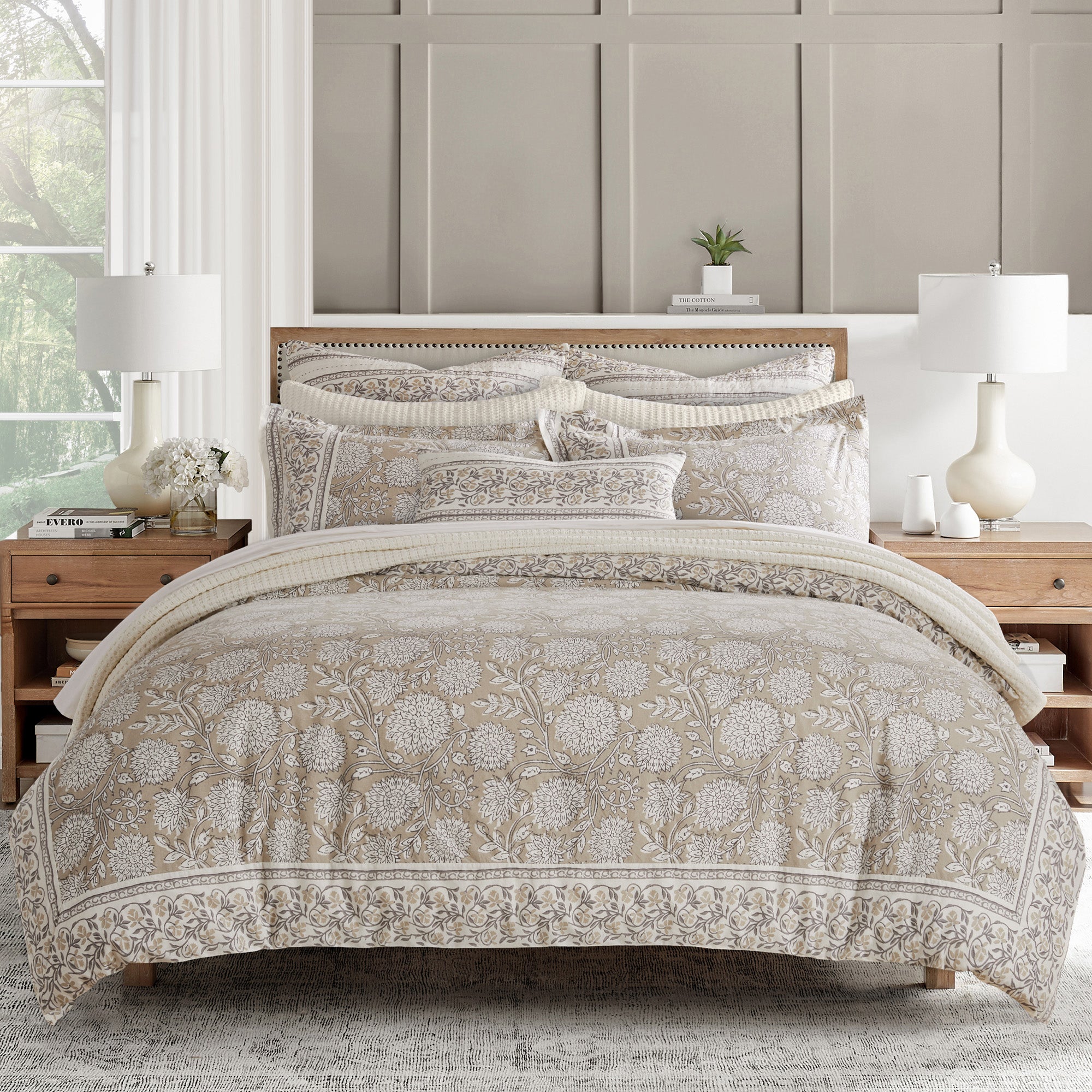
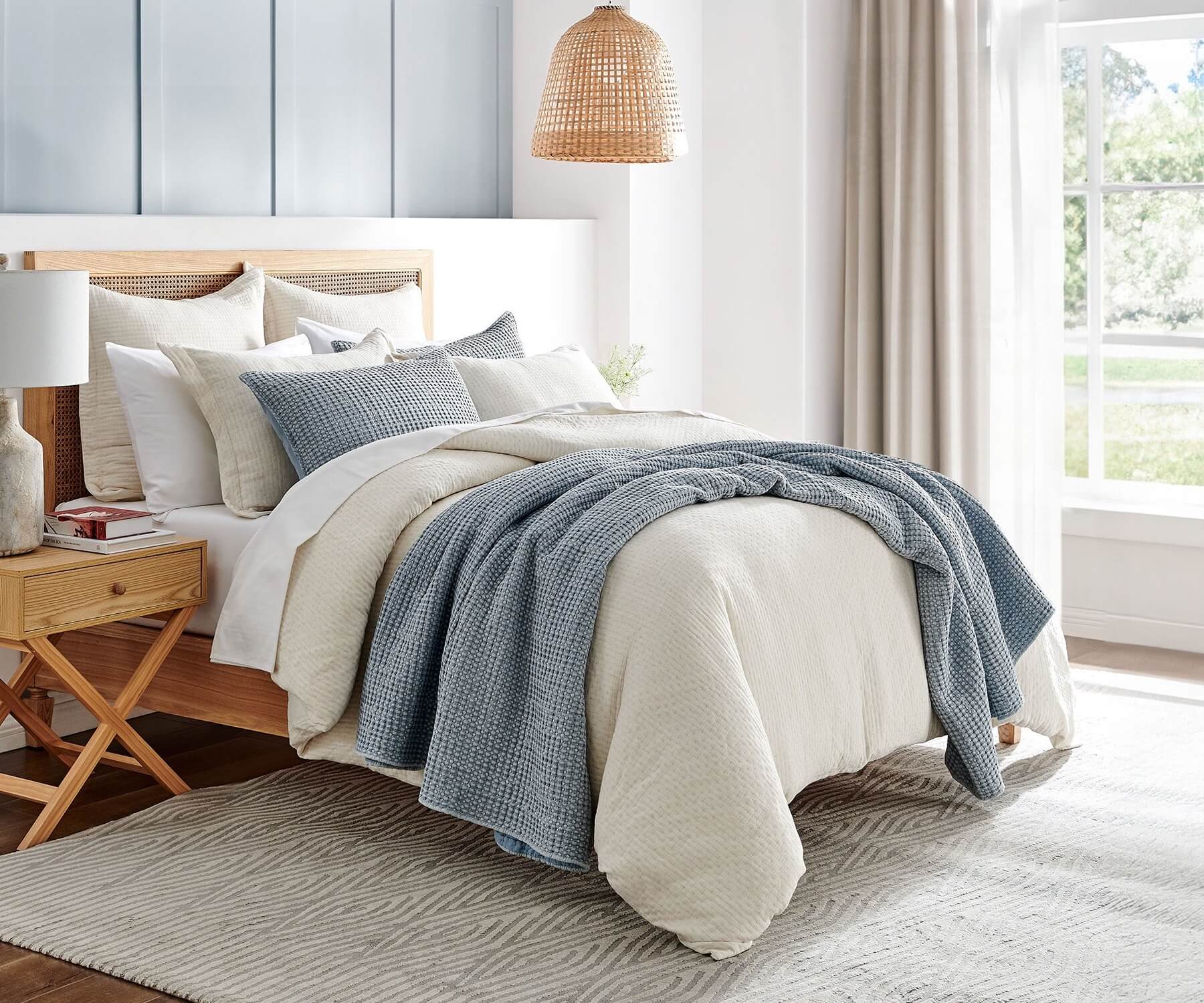
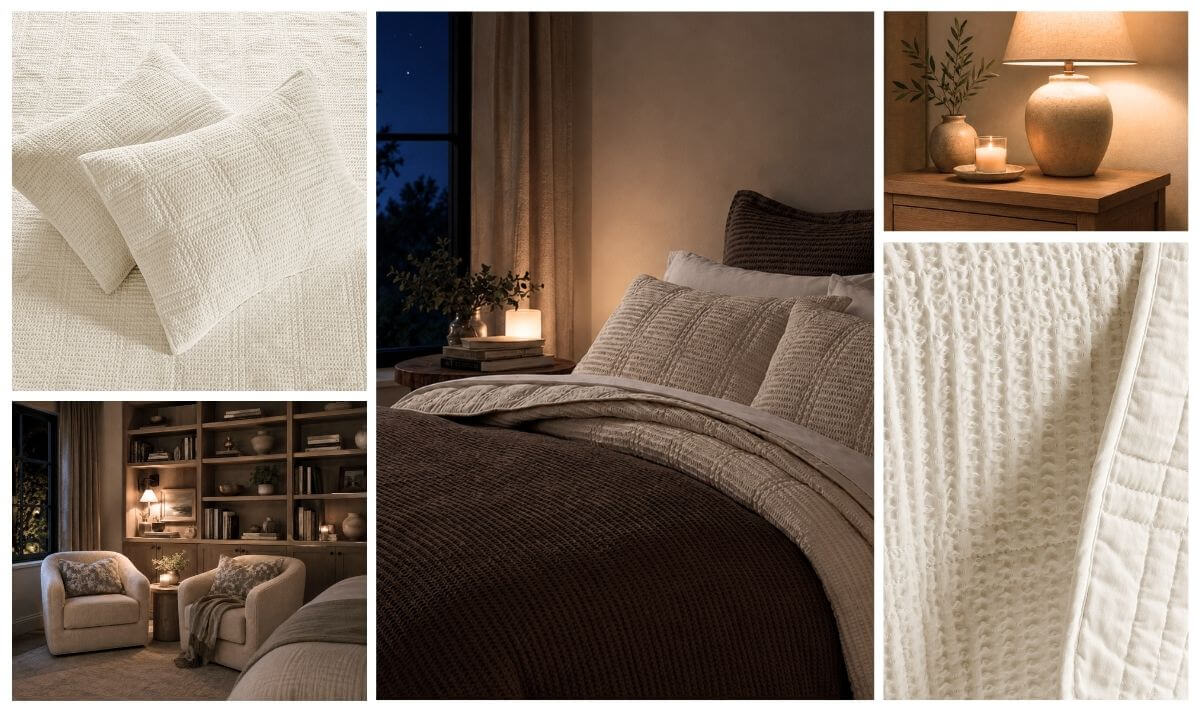
Comforter sets are frequently used because they create fullness and visual softness, making bedrooms appear more inviting during showings. The Reede Muslin Comforter Set from Levtex is the perfect base. Stands on its own, textured and interesting, but is still a great base for layering.
Subtle textures and carefully arranged pillowcases add depth without distracting potential buyers.
Model Homes
Model homes are designed to represent a builder's vision and remain presentation-ready for extended periods.
Because visitors often tour several bedrooms during a single visit, every room should feel connected to the overall design concept.
Designers focus on:
- Consistent branding
- Cohesive styling
- Timeless color palettes
- Long-term presentation
Rather than following short-lived trends, model homes typically feature bedding that complements the architecture and appeals to a broad audience.
Multi-Family and Build-to-Rent Projects
Large residential developments introduce unique procurement challenges.
Designers may need to furnish dozens or even hundreds of bedrooms while maintaining consistency across different floor plans and unit types.
Primary priorities include:
- Scalability
- Procurement efficiency
- Inventory availability
- Standardized specifications
- Consistent quality
Using coordinated bedding collections across similar units helps streamline installation while making future replacements significantly easier.
How Designers Create Cohesion Across Multiple Bedrooms
One of the defining characteristics of successful multi-room projects is cohesion. Rather than making every bedroom identical, designers create visual relationships between spaces using shared design principles.
Establish a Core Color Palette
Every successful project begins with a carefully planned color palette.
Most designers choose two or three neutral foundation colors before introducing a limited number of accent shades throughout the property.
Popular foundation colors include:
- White
- Ivory
- Beige
- Soft gray
- Sand
- Taupe
Accent colors may vary between bedrooms, but maintaining a consistent foundation helps every space feel connected.
Crisp white is always good, but sometimes soft white or ivory can be a better match with your bedding. A tiny detail like an embroidery stitch on the sheet’s hem can really upgrade your look, especially when folded back so the little detail shows under your pillows.Meredith McKenzie, interior designer and owner of The Selective Design
This approach also makes future decorating updates much easier.
Standardize Foundational Pieces
Designers frequently standardize the largest bedding elements throughout the project.
These foundational pieces often include:
- Sheet sets
- Pillowcases
- Duvet covers
- Mattress protectors
- Basic quilts
- Bed linen materials
Using consistent foundational bedding simplifies purchasing, reduces inventory complexity, and ensures every bedroom maintains the same level of quality.
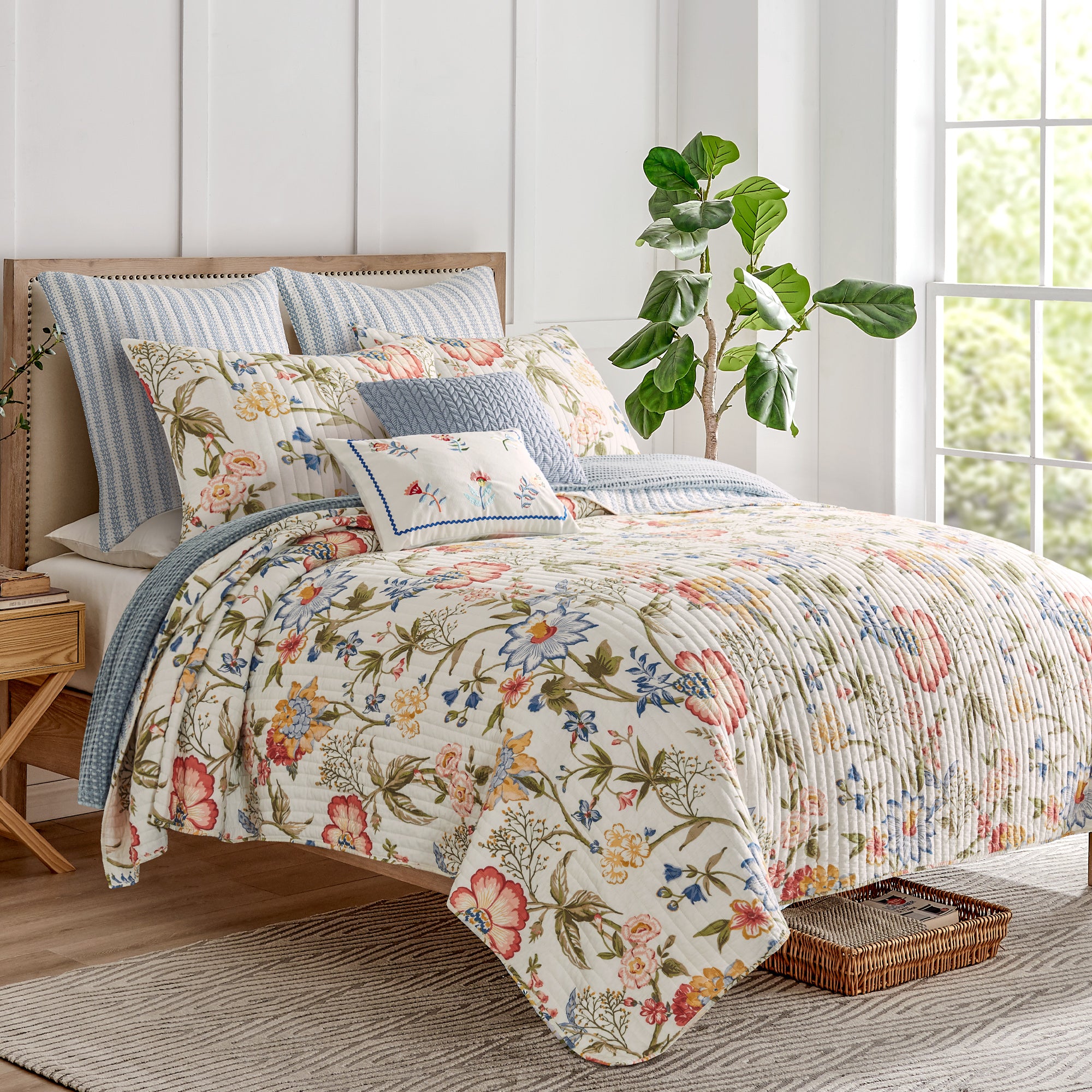
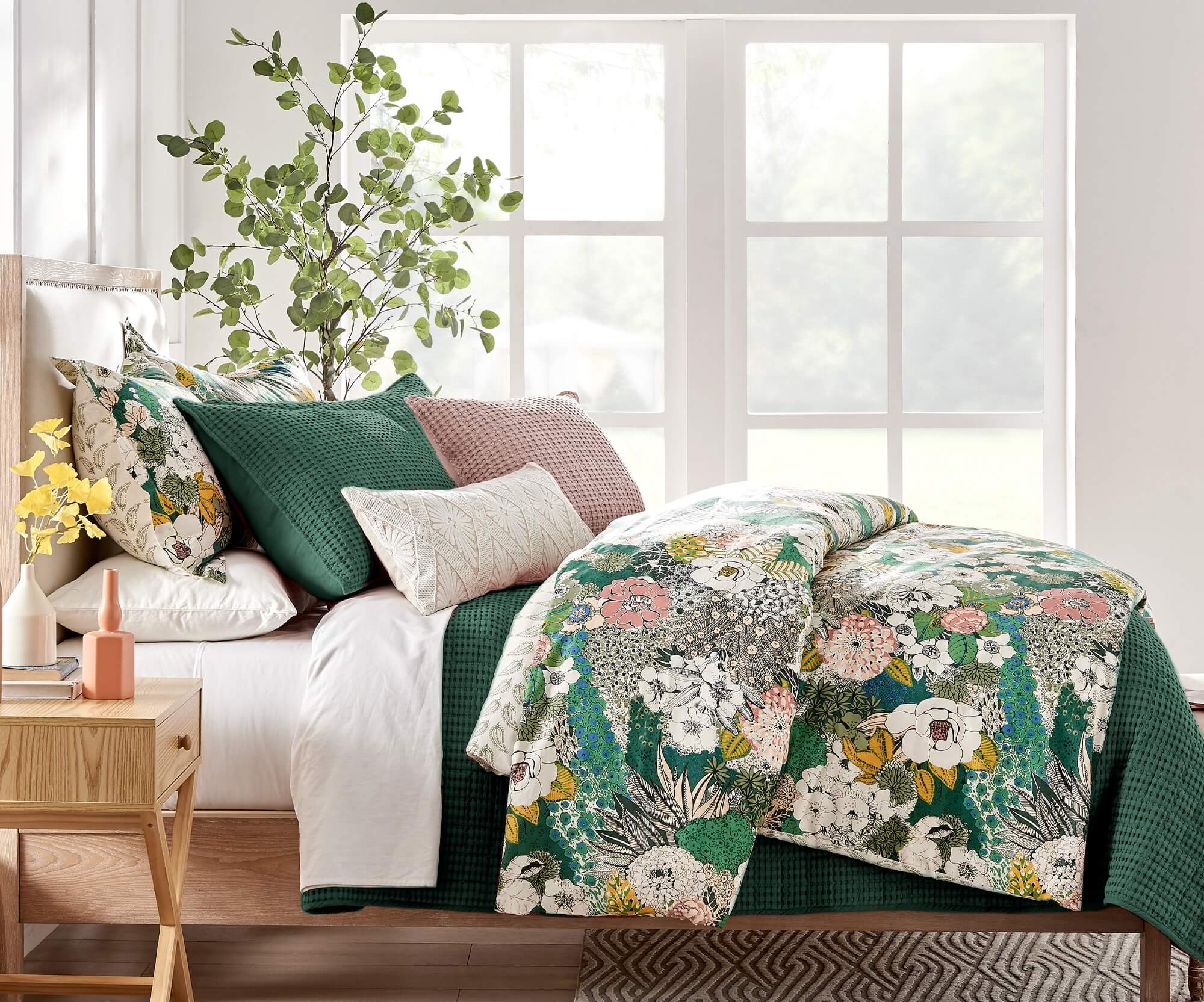
Put the quilt underneath the duvet for a pop of pattern. Position the quilt on top of the duvet for a bolder scheme.Shea McGee, interior designer
Decorative accents can then be changed to create individuality without requiring completely different bedding products.
Vary Accent Layers
Once the foundational bedding is established, designers introduce personality through accent layers.
Common accent pieces include:
- Decorative pillows
- Throw blankets
- Quilts
- Coverlets
- Textured cushions
These accessories allow each bedroom to feel distinct while preserving overall cohesion throughout the property.
Even small changes in texture, pattern, or accent color can create a unique look without increasing procurement complexity.
Use Collections Rather Than Individual Products
Experienced designers rarely build bedrooms by combining unrelated bedding products from multiple collections.
Instead, they prefer coordinated collections that include matching sheet sets, pillowcases, quilts, comforters, duvet covers, and complementary accessories.
Working with collections provides several advantages:
- Faster sourcing
- Easier coordination
- More consistent styling
- Simpler future replacements
- Reduced purchasing complexity
Using coordinated collections also minimizes the risk of mismatched fabrics, inconsistent colors, or competing textures, helping every bedroom contribute to a cohesive and professionally designed space.

Choosing the Right Bedding for Different Room Types
Although consistency is important, every bedroom has a different purpose. Professional designers adjust their bedding selections based on how each room will be used while maintaining a cohesive look throughout the property.
Primary Suites
The primary suite is typically the most luxurious bedroom in the home and often receives the largest portion of the bedding budget.
Designers create a layered, inviting bed using premium bed linen, comfortable sheet sets, decorative pillowcases, and carefully selected textures. The goal is to create a space that feels relaxing and refined while remaining practical for everyday use.
Rather than relying on bold patterns, many designers use subtle texture, high-quality fabrics, and thoughtful layering to create visual interest.
Guest Bedrooms
Guest bedrooms should appeal to a wide range of visitors.
Designers often choose versatile bedding that feels welcoming without reflecting highly personal style preferences. Neutral bedding, soft textures, and coordinated pillowcases help create a comfortable environment that works for family, friends, or overnight guests.
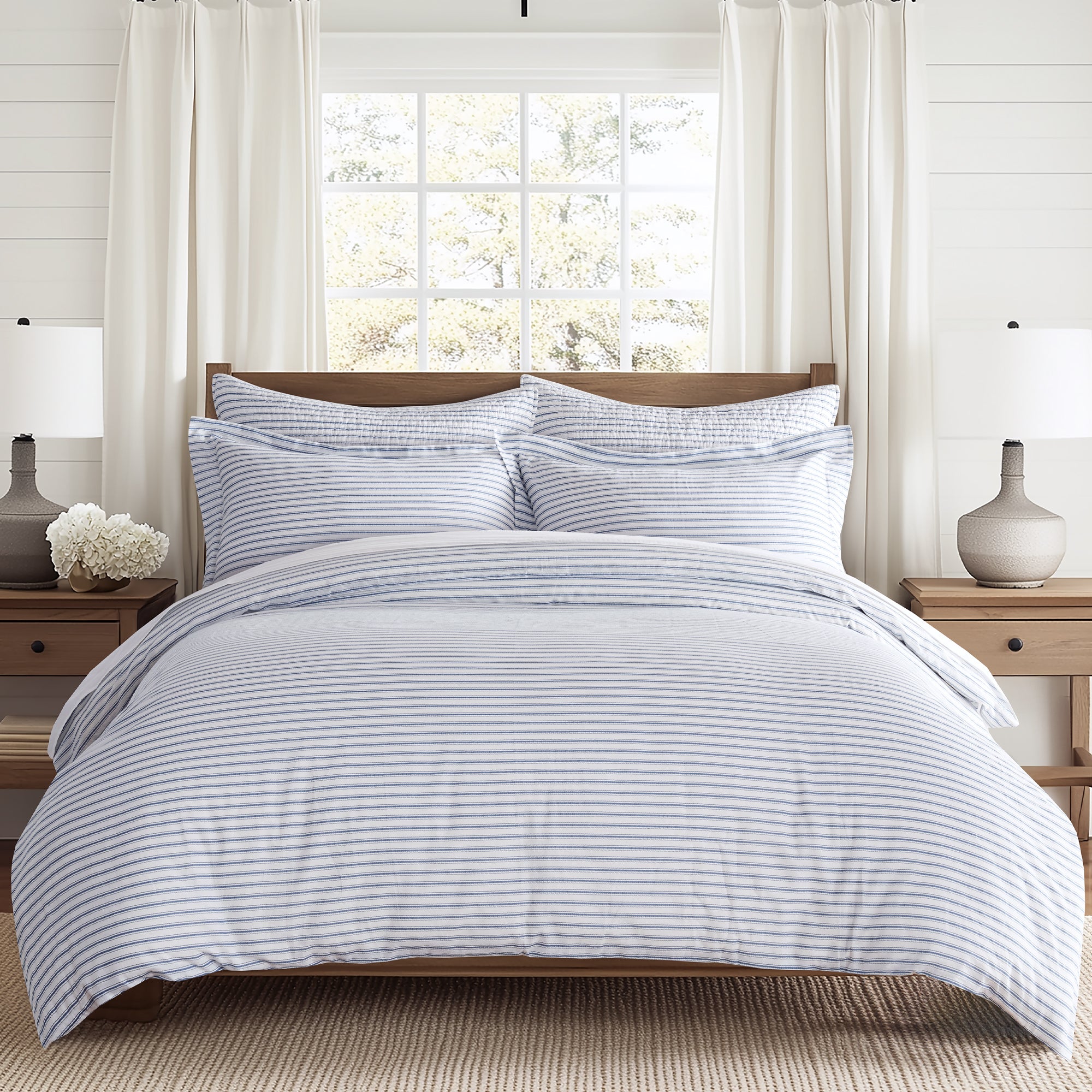
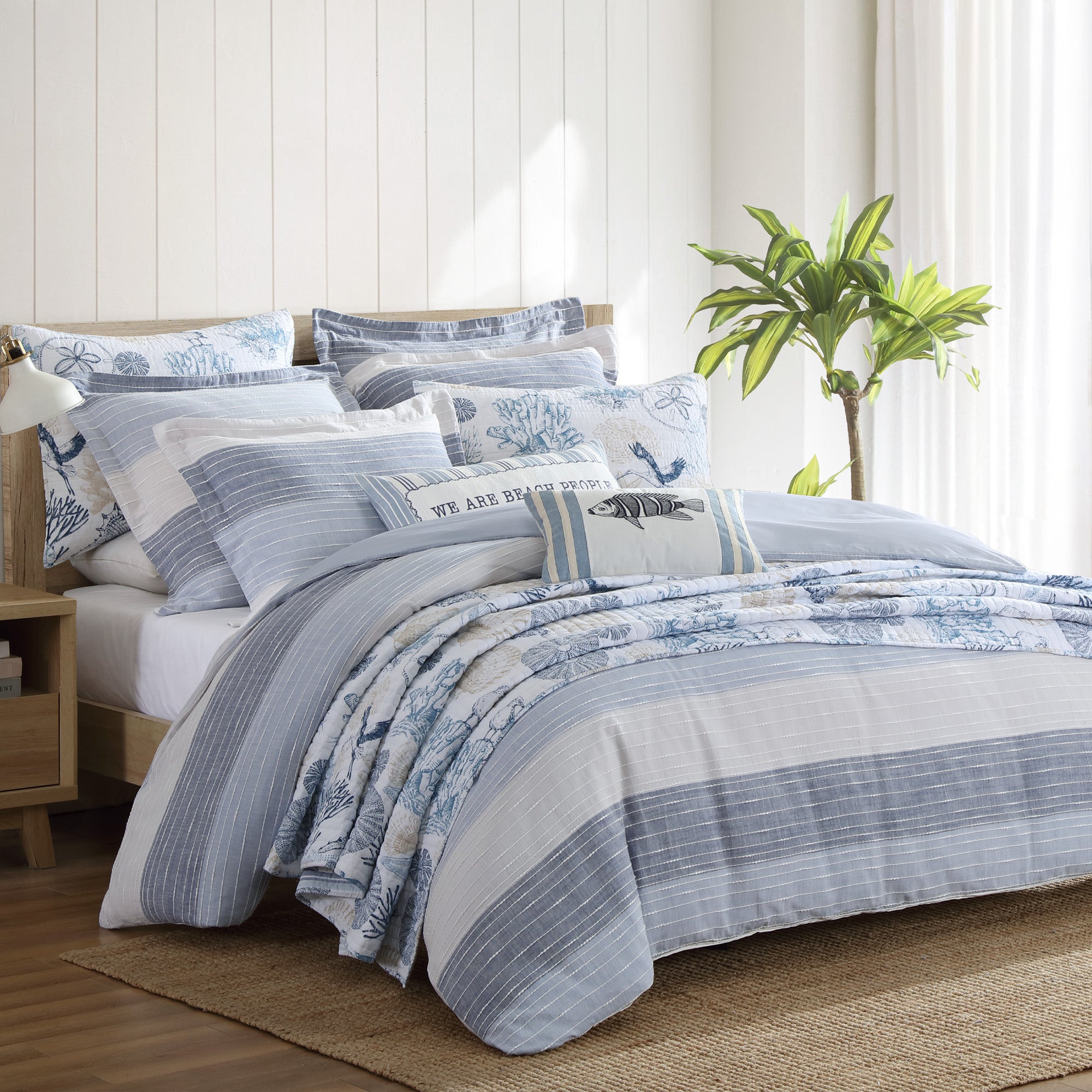
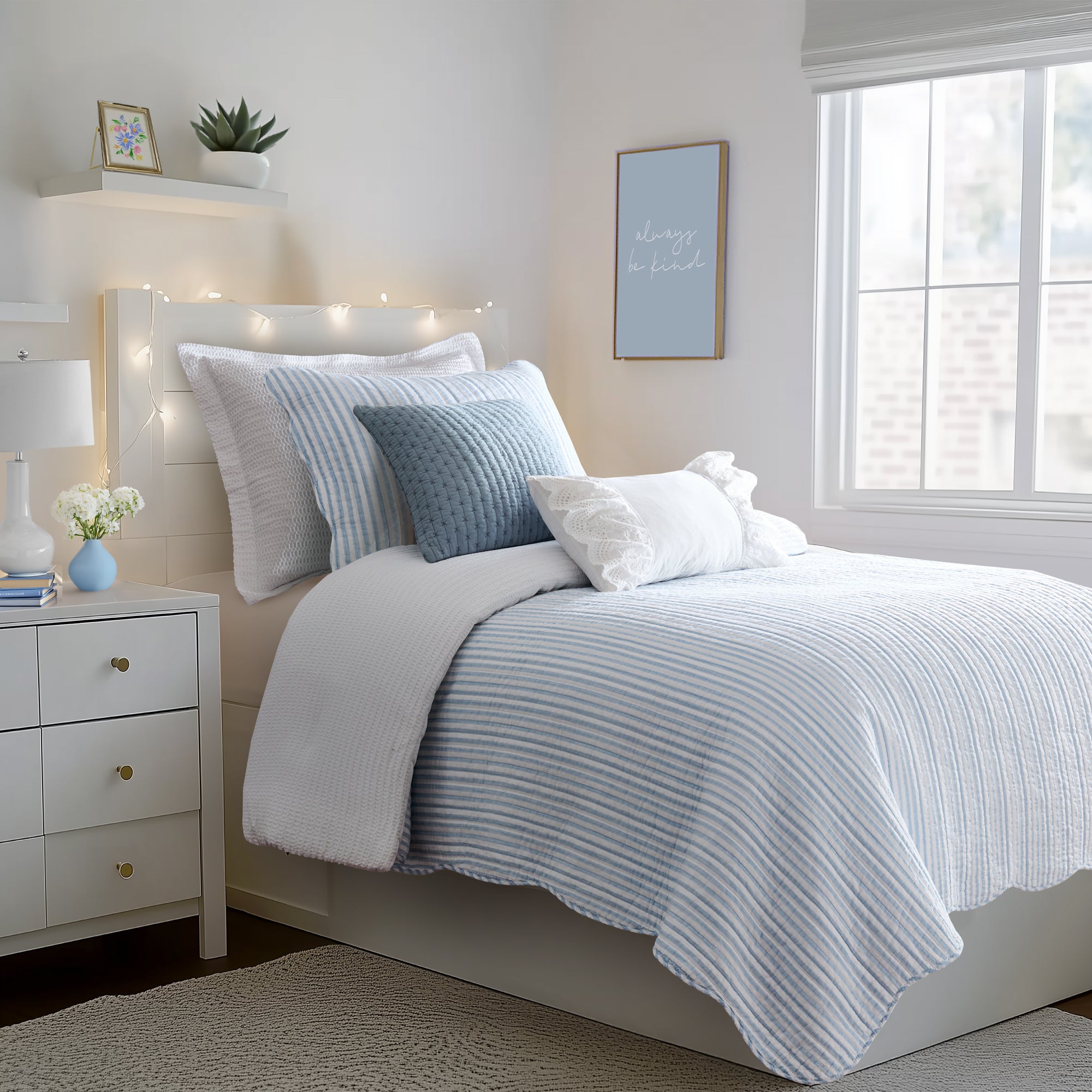
Guest rooms should also be easy to refresh, making durable materials and simple styling important considerations. Levtex Home’s Tobago Stripe Duvet Cover is a great option because it’s simple but still interesting.
Children's Rooms
Children's bedrooms require bedding that is both practical and comfortable.
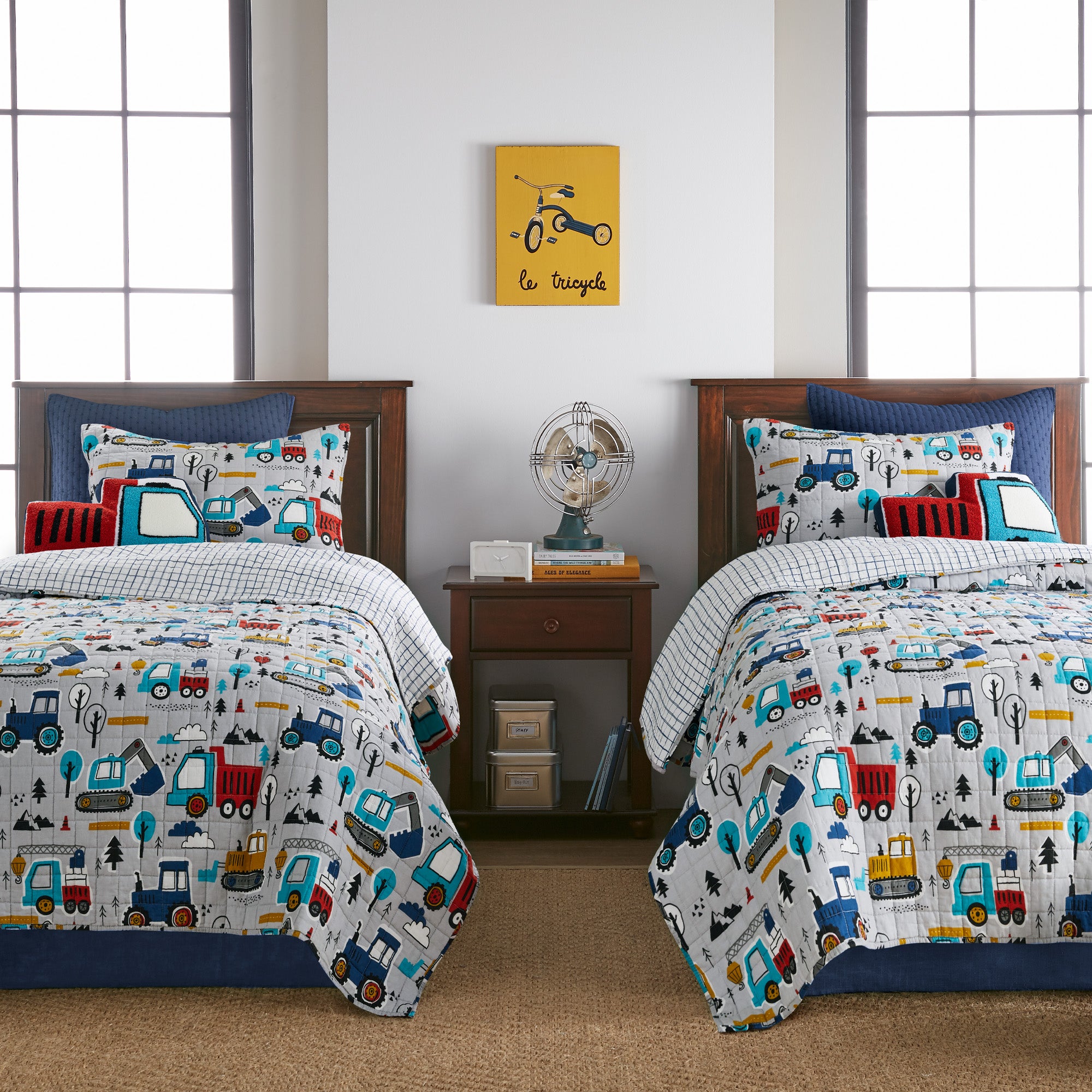
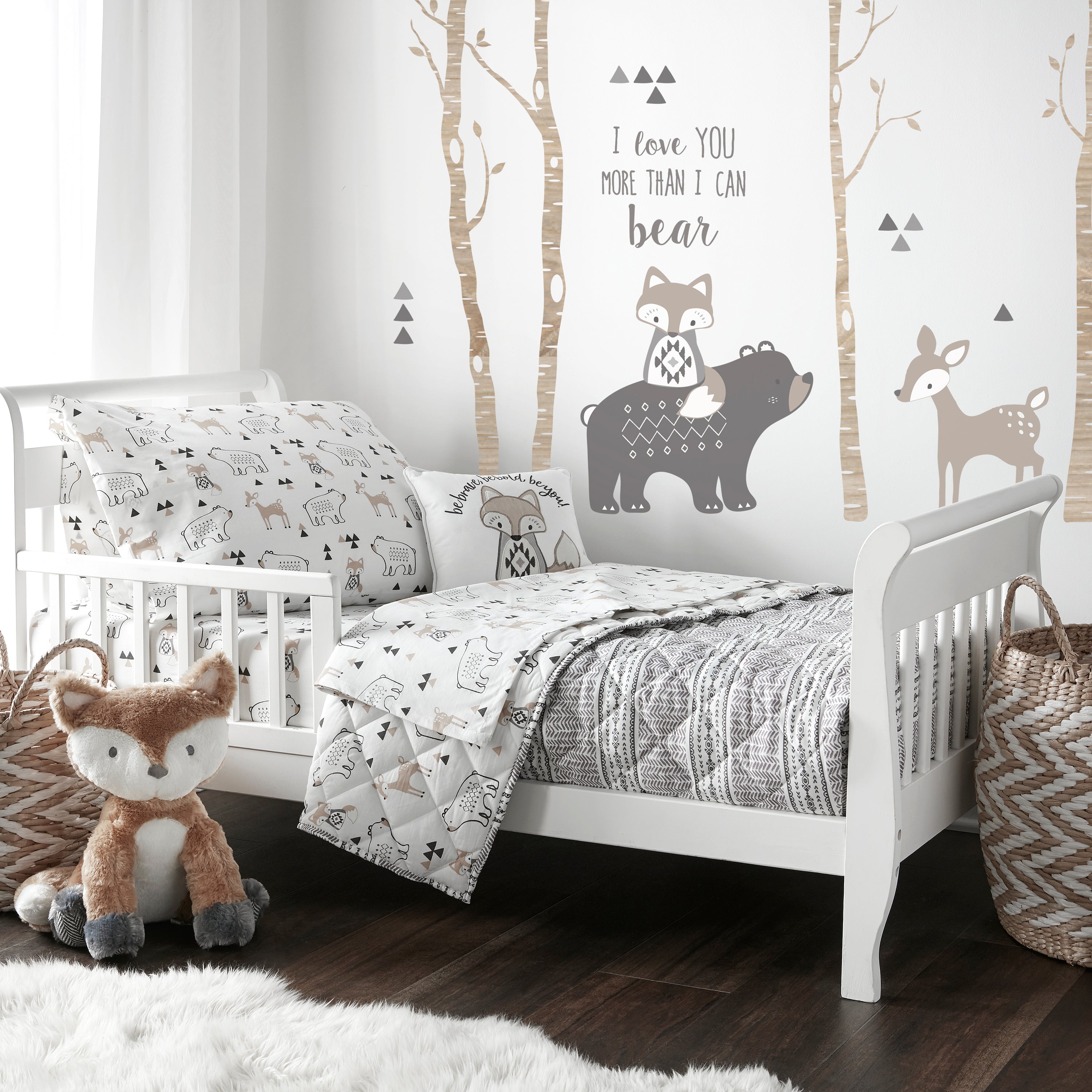
Designers typically prioritize materials that are soft, durable, and machine washable. While these rooms often include more color or playful patterns than the rest of the home, they still maintain visual consistency through coordinating bed linen or shared accent colors.
As children grow, replacing decorative accessories instead of the entire bedding set makes updating the room more affordable.
Vacation Rental Bedrooms
Vacation rental bedrooms need to accommodate a wide range of guests year-round.
Designers generally choose bedding that is durable, easy to wash, and broadly appealing. Neutral color palettes create a clean, welcoming appearance while making replacement pieces easier to match if needed.
Simple layering also helps rooms photograph well for online listings without creating extra work for cleaning crews between guest stays.
Secondary Bedrooms
Secondary bedrooms often use many of the same foundational bedding elements found throughout the property.
Matching sheet sets, coordinated pillowcases, and similar bed linen create consistency, while decorative pillows, throws, or artwork give each room its own identity.
This balanced approach allows designers to create variety without increasing purchasing complexity or sacrificing cohesion.
How Designers Evaluate Bedding Suppliers
Choosing the right supplier is just as important as choosing the right bedding. A dependable supplier helps projects stay on schedule, supports future replacements, and makes sourcing for multiple rooms significantly easier.
Collection Depth
Professional designers usually prefer suppliers that offer complete bedding collections rather than individual products.
A deep collection may include:
- Sheet sets
- Duvet covers
- Comforters
- Quilt sets
- Coverlets
- Pillowcases
- Decorative pillows
- Coordinating accessories
Having multiple coordinating products available allows designers to furnish every bedroom while maintaining a cohesive design.
Consistent Inventory
Inventory consistency is essential for projects involving multiple rooms.
Designers need confidence that bedding will remain available throughout procurement and after installation. Reliable inventory makes it easier to replace damaged pieces, furnish additional rooms, or complete future phases without changing the overall design.
Size Availability
Most projects require several mattress sizes.
A supplier that offers consistent collections in twin, full, queen, king, and California king sizes allows designers to maintain the same aesthetic regardless of room dimensions.
This flexibility simplifies procurement and keeps every bedroom visually connected.
Lead Times
Construction schedules, furniture deliveries, and installation dates often depend on predictable shipping timelines.
Designers evaluate lead times carefully to reduce delays and ensure bedding arrives when rooms are ready for installation.
Reliable delivery schedules help prevent project setbacks.
Pricing Structure
Large projects require careful budget management.
Designers compare pricing across entire bedding collections instead of focusing only on individual products. They evaluate overall value by considering durability, replacement costs, and long-term maintenance alongside the initial purchase price.
Transparent pricing also makes it easier to estimate project costs accurately.
Ability to Furnish Multiple Rooms
Not every supplier is equipped to handle large orders.
Designers often look for suppliers that can consistently provide enough inventory to furnish multiple bedrooms while maintaining quality across every bedding product.
Working with a supplier capable of supporting larger projects reduces procurement complexity and helps keep installations on schedule.

Comparing Bedding Options for Staging and Rental Projects
Choosing the right bedding depends on how each room will be used. Different bedding types offer distinct advantages depending on the project.
|
Bedding Type |
Best For |
Advantages |
|
Quilt Sets |
Airbnb properties |
Lightweight, easy to layer, simple to wash, and easy to replace |
|
Comforter Sets |
Home staging |
Creates fullness, photographs well, and adds perceived luxury |
|
Coverlets |
Modern homes |
Lightweight styling with a clean, tailored appearance |
|
Reversible Bedding |
Vacation rentals |
Flexible styling and extended usability |
|
Neutral Bedding Collections |
Multi-room projects |
Creates consistency, simplifies purchasing, and supports future replacements |
Common Bedding Mistakes Designers Make on Multi-Room Projects
Even experienced professionals can encounter challenges when sourcing bedding for large projects. Avoiding a few common mistakes helps create better long-term results.
Choosing Style Over Durability
Beautiful bedding should also perform well over time.
Selecting fabrics that wear out quickly or require excessive maintenance often leads to higher replacement costs and unnecessary frustration.
The most successful projects balance appearance with long-term durability.
Ignoring Reorder Availability
Products occasionally become discontinued.
Designers who do not consider reorder availability may struggle to replace damaged bedding or furnish additional rooms in the future.
Selecting collections with dependable inventory helps prevent these issues.
Overdesigning Guest Rooms
Guest bedrooms should feel inviting without becoming overly complicated.
Too many decorative pillows, excessive layering, or elaborate styling can make rooms harder to maintain while offering little additional value.
Decorative pillows are the key ingredient for adding that designer touch, but you do need to keep a couple things in mind, like considering how much time you want to dedicate to making and unmaking your bed each day/nime people don’t like dealing with a mountain of pillows, while others don’t mind the fluffing and arranging.Meredith McKenzie, interior designer and owner of The Selective Design
Simple, comfortable bedding often creates a more welcoming experience.
Creating Too Much Variation Between Rooms
Giving every bedroom a completely different style can make a property feel disconnected.
Using consistent bed linen, coordinated pillowcases, and shared color palettes allows each room to have its own personality while contributing to the property's overall design story.
Waiting Too Long to Procure Bedding
Bedding is sometimes treated as one of the final purchases in a project.
However, waiting until the last minute increases the risk of inventory shortages, shipping delays, or discontinued products.
Ordering early provides greater flexibility and helps projects stay on schedule.

Best Practices for Bedding Procurement at Scale
Successful multi-room projects rely on organized purchasing strategies that simplify procurement while reducing costly mistakes.
Create a Room-by-Room Specification Sheet
Professional designers often begin with a detailed specification sheet for every bedroom.
These documents commonly include:
- Bed size
- Bedding collection
- Sheet set
- Pillowcase quantity
- Decorative pillows
- Throws
- Replacement inventory
Keeping this information organized improves purchasing accuracy and streamlines installation.
Standardize Core Bedding Elements
Using the same foundational bedding throughout multiple rooms creates consistency while reducing purchasing complexity.
Designers can personalize each bedroom with accent layers rather than replacing major bedding components.
Maintain Backup Inventory
Keeping extra bedding in storage makes replacing damaged or worn items much easier.
This practice is especially valuable for vacation rentals, boutique hotels, and model homes where maintaining a polished appearance is essential.
Order Early for Large Projects
Large orders often require additional planning.
Ordering bedding early provides time to address inventory issues, shipping delays, or design adjustments before installation begins.
Build a Repeatable Procurement Process
Experienced designers develop procurement systems they can reuse across future projects.
Standardized processes improve budgeting, simplify purchasing, reduce errors, and create more predictable project outcomes.
Why Designers Often Choose Coordinated Bedding Collections
Coordinated bedding collections simplify nearly every aspect of furnishing multiple bedrooms.
Instead of mixing unrelated bedding products, designers can select collections that have already been designed to work together.
This approach offers several advantages:
- Faster sourcing
- Consistent styling
- Easier purchasing
- Reduced design risk
- Better budget management
- Simpler future replacements
- Greater efficiency across large projects
Coordinated collections also reduce the likelihood of mismatched colors, inconsistent fabrics, or competing textures, helping every bedroom feel intentionally designed.
For both professionals and homeowners managing multiple bedrooms, choosing complete collections is often the simplest way to achieve a polished and cohesive result.
Frequently Asked Questions About Sourcing Bedding for Design Projects
What bedding works best for Airbnb properties?
Bedding for Airbnb properties should be durable, machine washable, and easy to replace. Neutral colors, cotton sheets, quilt sets, and versatile comforters are popular choices because they appeal to a wide variety of guests while holding up to frequent laundering.
How do home stagers choose bedding?
Home stagers typically select bedding that photographs well and creates a welcoming atmosphere. Neutral color palettes, layered textures, and bedding that adds visual fullness help bedrooms appear larger, brighter, and more inviting.
Should every bedroom have matching bedding?
No. Most designers create consistency by using a shared color palette and similar foundational bedding while changing accent pillows, throws, textures, or decorative accessories to give each room its own personality.
How much should designers budget for bedding?
The appropriate budget depends on the size and scope of the project. Many designers invest more in primary suites while choosing durable, cost-effective bedding for guest rooms and secondary bedrooms, creating balance across the overall project budget.
What is the easiest bedding style to coordinate across multiple rooms?
Neutral bedding collections are generally the easiest to coordinate. They complement a wide range of interior styles, simplify future updates, and make replacing individual pieces much easier.
Are quilt sets or comforters better for vacation rentals?
Both are excellent options depending on the property's needs. Quilt sets are lightweight, easy to wash, and ideal for layering, while comforters provide a fuller appearance and additional warmth. The best choice depends on climate, maintenance preferences, and the desired guest experience.
References
1. 6 Steps To Layering Your Bed Like An Interior Designer,
Southern Living
2. The art of making a bed: interior designers offer their (strong) opinions on how to do it right,
House & Garden
3. Want to know how to style a quilt to make your bed look more luxurious? Shea McGee has two simple methods,
Homes & Gardens
4. How to Make the Perfect “Bunny Bed,” According to Bunny Williams,
Veranda