


Japandi interior design has quickly become one of the most influential home trends of the decade, not because it’s flashy, but because it answers a very modern craving: calm. Blending Japanese minimalism with Scandinavian functionality, Japandi interior style creates spaces that feel warm, intentional, and quietly luxurious.
Homeowners love this style because it delivers clarity without coldness. One design editor described Japandi as a home that “feels like an exhale,” a sentiment that perfectly captures its appeal. Through natural materials, soft color palettes, and thoughtful simplicity, Japandi offers a beautifully balanced way to live.
This guide breaks down the principles of Japandi interior design and how to bring its serene, grounded aesthetic into your own home.
What Is Japandi Design?
Japanese and Scandinavian have a lot in common in terms of design and aesthetic: They both put high value in simplicity, good quality, natural material, and craftsmanship. Based on their similarity, the marriage between Japan and Scandinavia design movement was born, and it works harmoniously, elevating each other to the next level.Shanty Wijaya, interior designer and owner of AllPrace.
The Fusion of Japanese & Scandinavian Influences
Japandi interior style merges the simplicity and restraint of Japanese design with the warmth and practicality of Scandinavian interiors. Both cultures value craftsmanship, connection to nature, and a home that supports a peaceful state of mind.
Designers often describe the style as “warm minimalism” - the meeting point where simplicity feels human, not stark. Instead of stripping everything away, Japandi focuses on keeping only what adds beauty or purpose.
Core Values: Simplicity, Nature & Tranquility
Japandi emphasizes balance. Clean lines meet natural textures. Negative space meets soft warmth. And everything in the room, from the lighting to the textiles, is chosen with intention.
A cultural design historian notes that Japanese and Scandinavian aesthetics share an appreciation for “spaces that invite the mind to unclench,” revealing why this style resonates so deeply with modern living.

Key Features of Japandi Interiors
Natural Materials as the Foundation
Organic materials bring softness, soul, and warmth to Japandi design. Wood, bamboo, linen, cotton, ceramic, stone, and woven fibers make the home feel grounded and connected to nature.
Architectural Digest explains that natural textures create “a tactile quietness” - a subtle depth that gives minimalist rooms emotional warmth. Even small choices, like a ceramic vase or textured throw, can shift the entire mood.
Neutral & Muted Tones
The Japandi palette is intentionally soft: linen white, fog grey, warm taupe, sand, charcoal, muted sage, and natural wood tones. These hues keep the space calm and cohesive.
A design writer once said Japandi colors are “neutrals that whisper,” which perfectly captures the gentle, restrained palette.
Minimalism with Warmth
Japandi avoids clutter but maintains comfort. It’s minimalism with soul, airiness without emptiness.
One Scandinavian designer observed that “minimalism feels cold only when comfort is an afterthought,” and Japandi fixes that with layers of natural texture and soft materials.
Japandi isn’t about less. It’s about meaning.

Furniture and Layout in Japandi Design
I think with the shift toward craftsmanship, Japandi design will continue to be a popular style. Incorporating pieces that are handmade with a bit of imperfection gives spaces gravitas and visual interest. For years now, wood cabinets and vanities have taken a backseat to white, black, and even color, but we'll begin to see more wood being leveraged.Heather Hilliard, designer
Low-Profile Furniture & Clean Silhouettes
Japandi interiors anchor the room with low, grounded pieces: platform beds, simple wooden tables, clean-lined sofas, and furniture with curved, softened edges. Staying closer to the floor creates a sense of stability and calm.
A furniture expert once remarked that Japandi pieces “don’t fight for attention, they set the tone of the room,” capturing their quiet confidence.
Intentional, Open Layout
Space is treated as part of the design. Japandi layouts use negative space to highlight materials, light, and proportion.
Guiding principles:
- Allow natural light to lead the room
- Keep walkways open
- Avoid overcrowding
- Use fewer, better pieces
- Let the room breathe
Design researchers note that Japandi spaces feel peaceful because “absence becomes part of the aesthetic,” creating visual relief.
Purposeful Furniture Choices
Every item should support function and clarity. Storage that doubles as décor, benches that multitask, and sculptural chairs that are both comfortable and artful.
If it lacks purpose or beauty, it doesn’t stay.

Incorporating Textiles & Soft Furnishings
Textiles are essential for giving Japandi interiors their warmth. This is where the style gains softness, dimension, and the sensory comfort it’s known for.
Texture Over Pattern
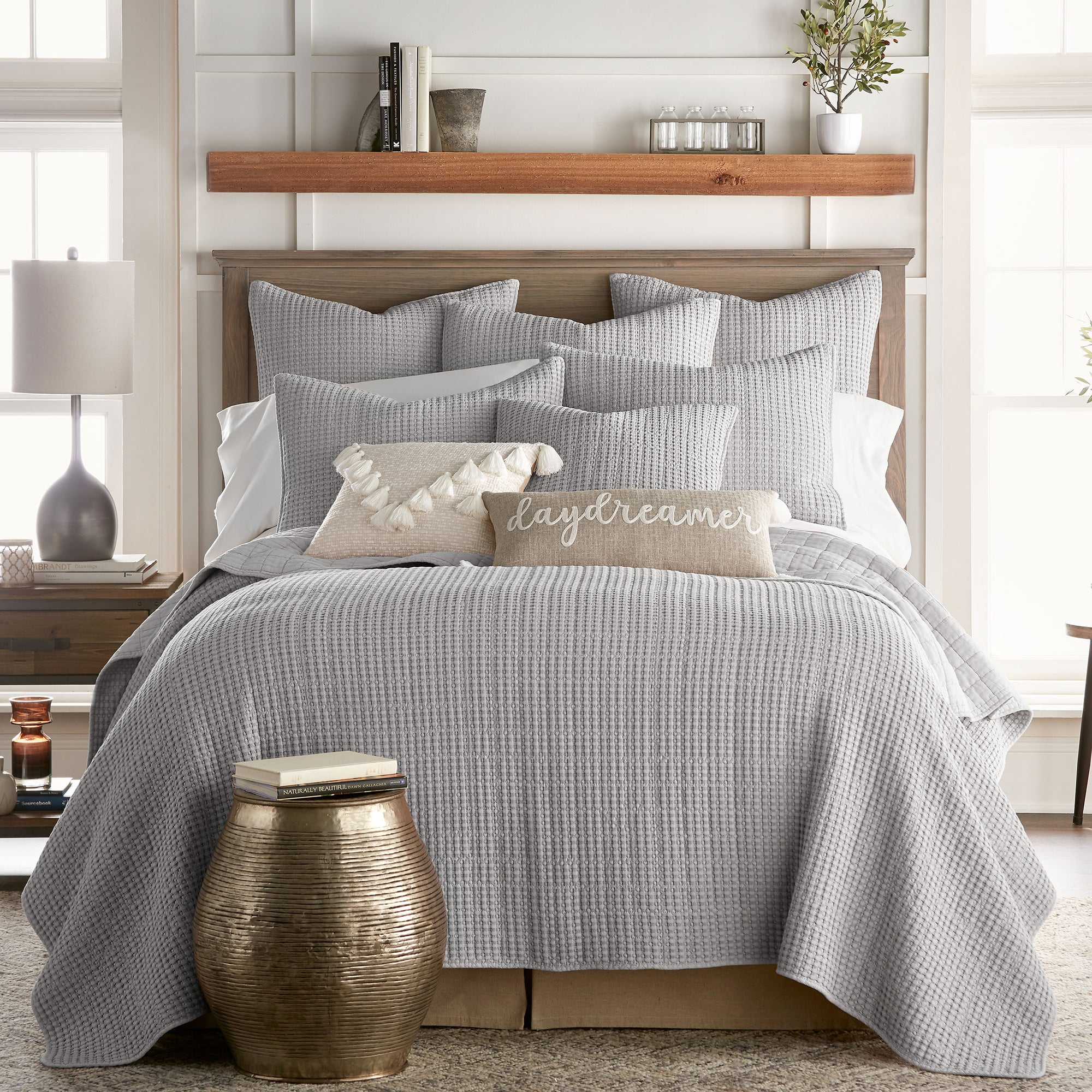
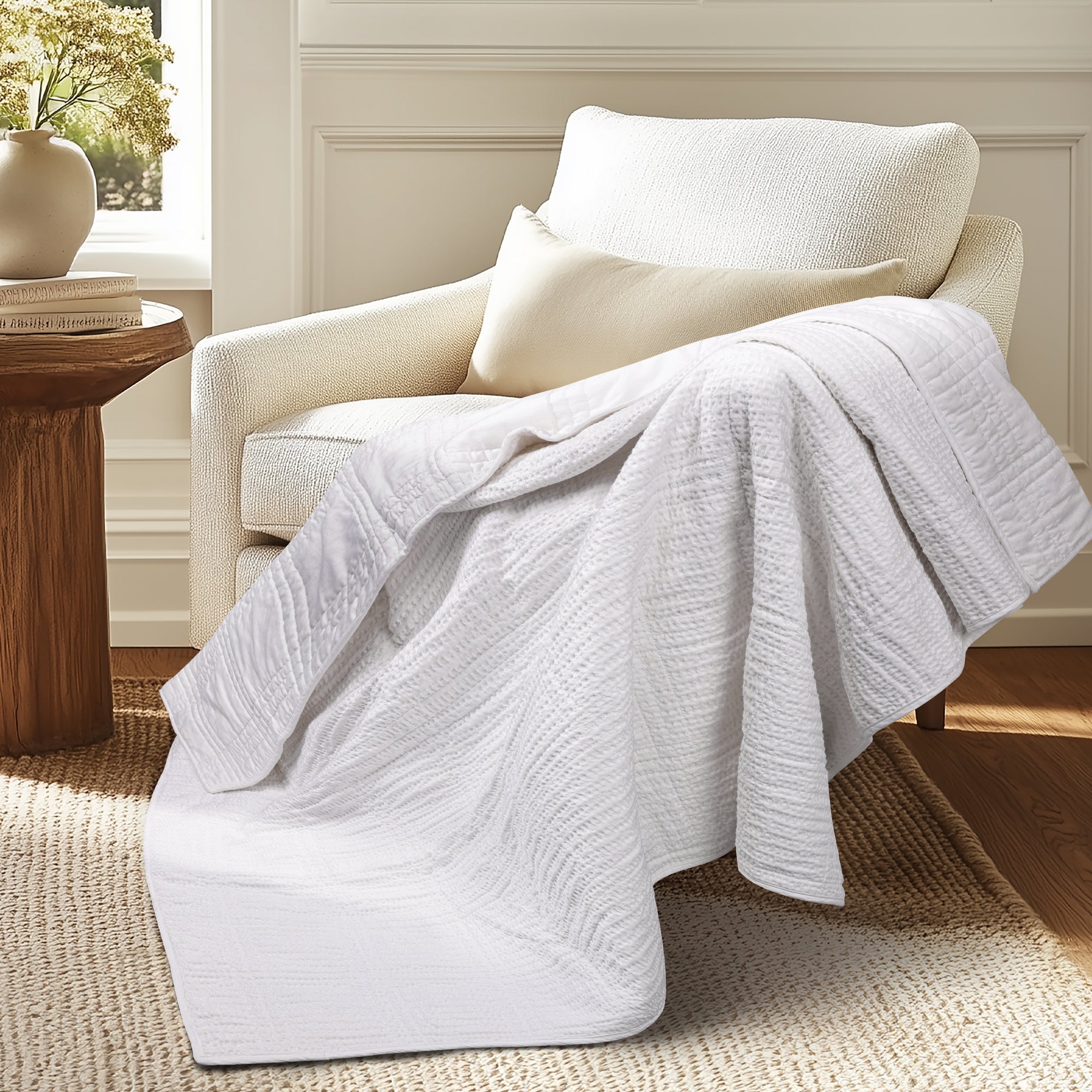
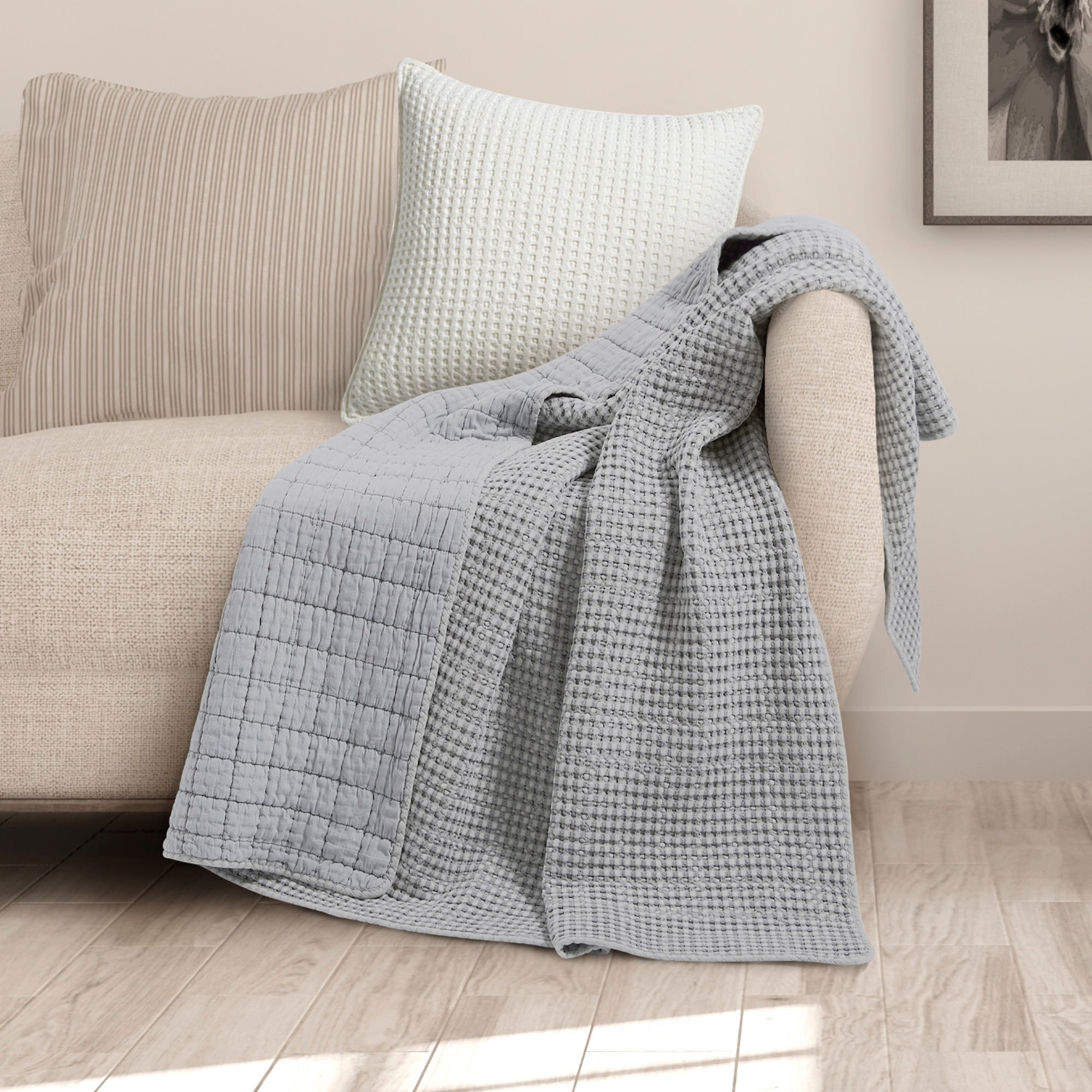
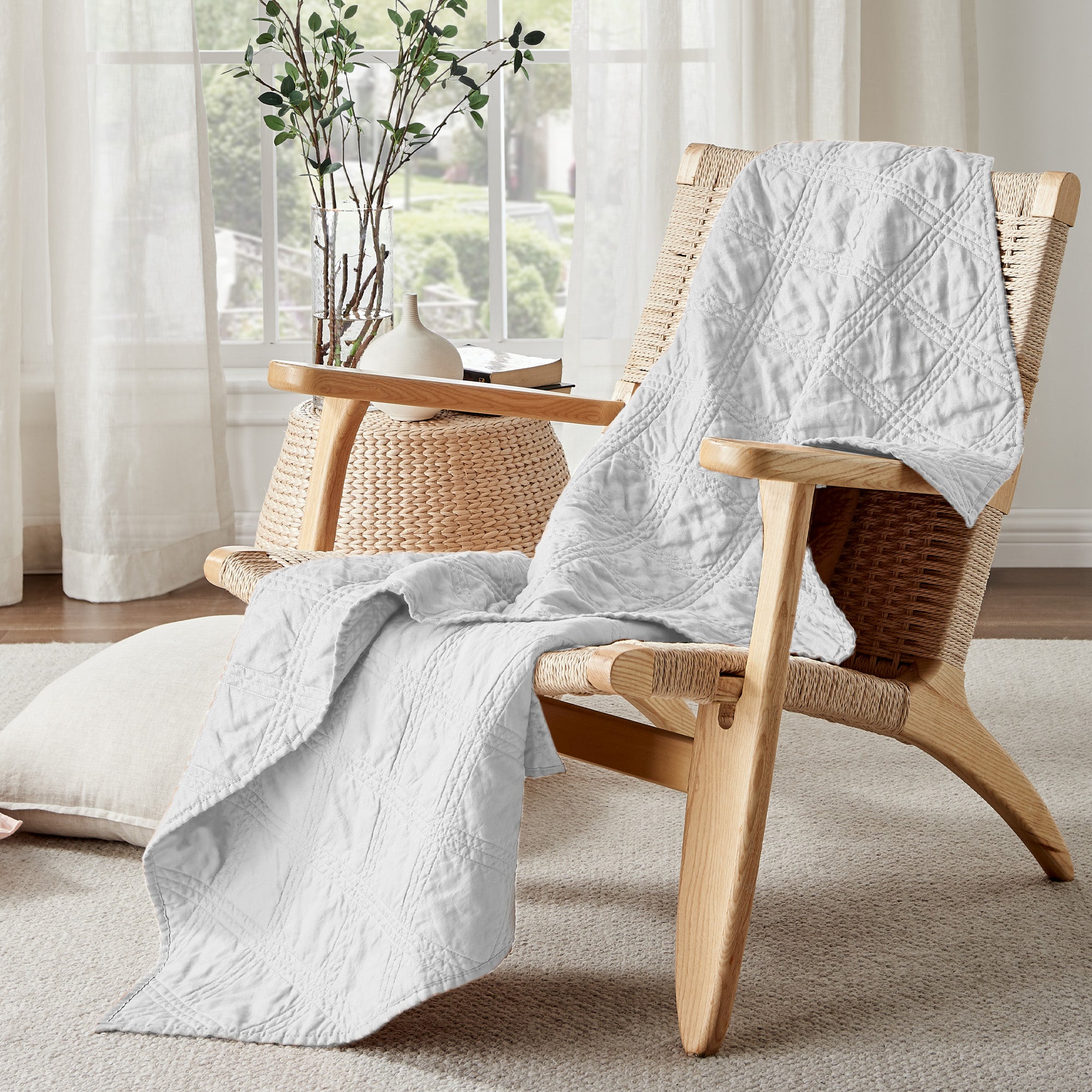
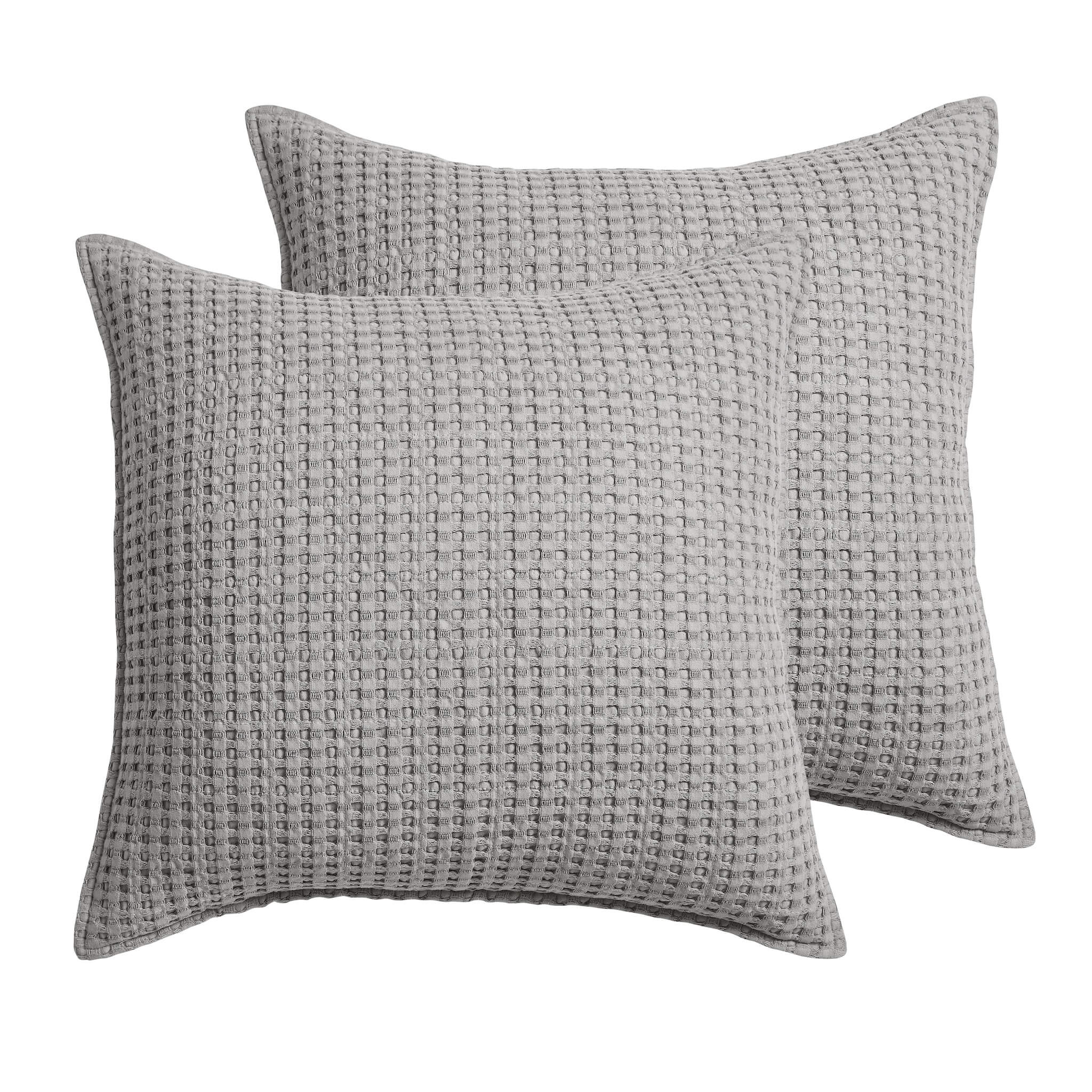
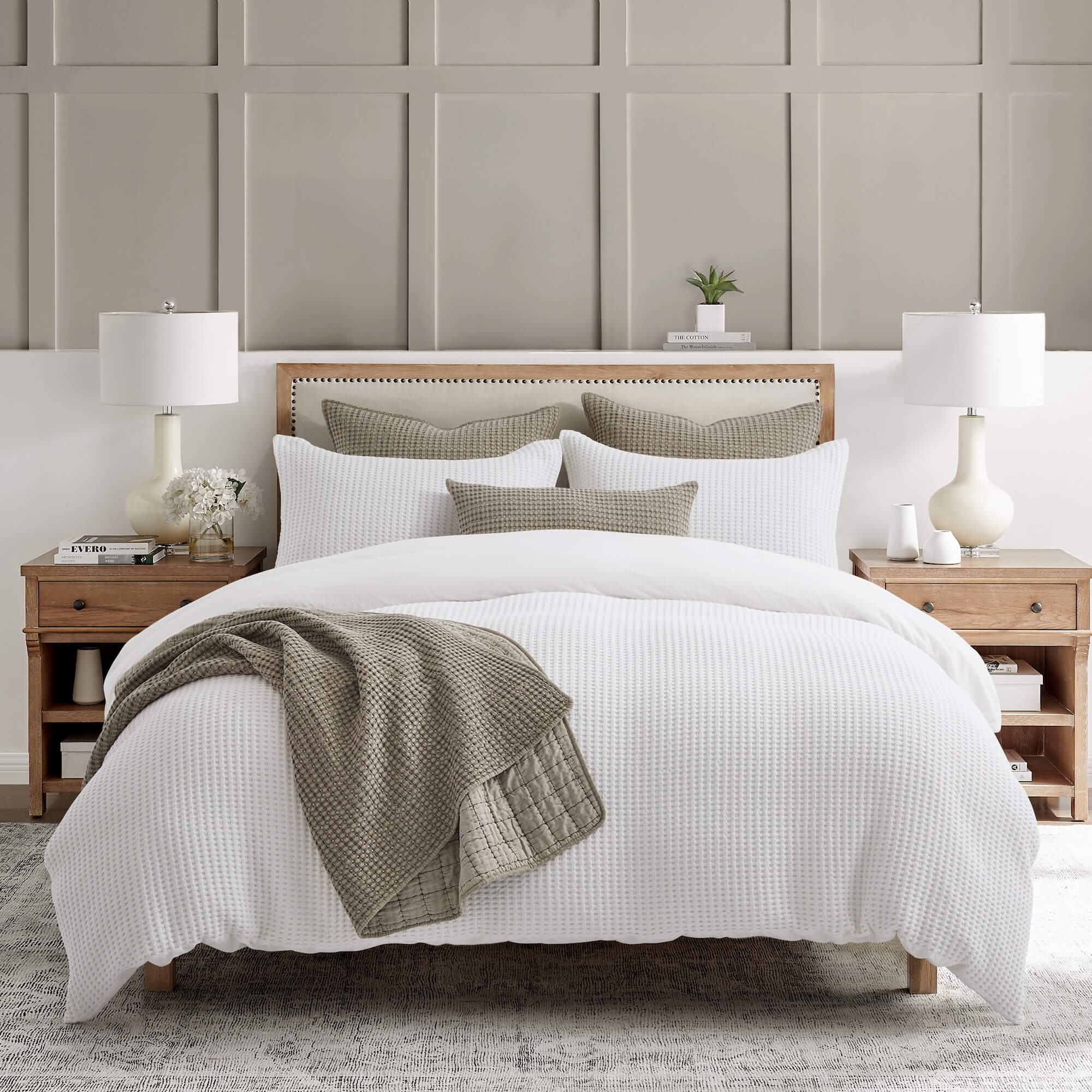
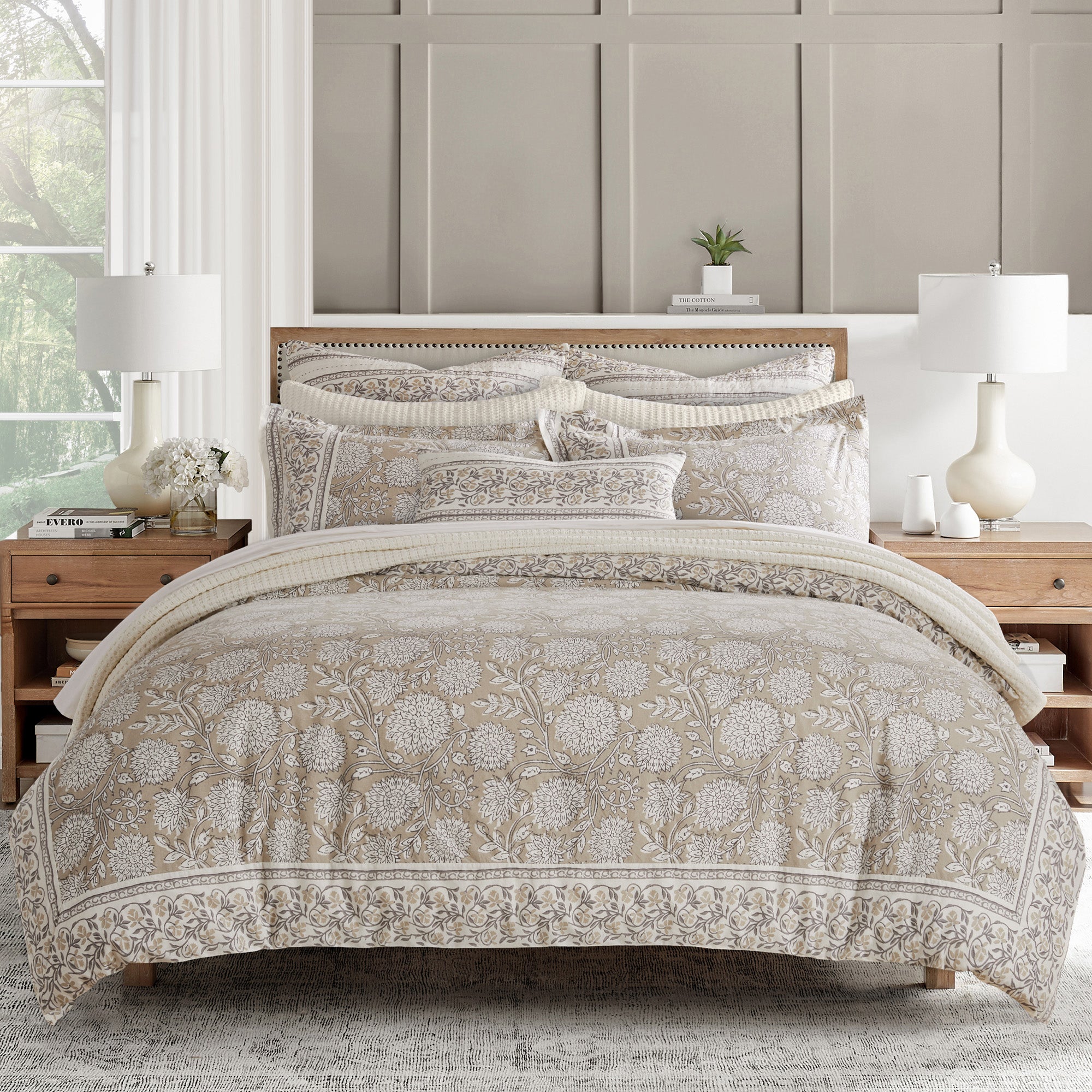
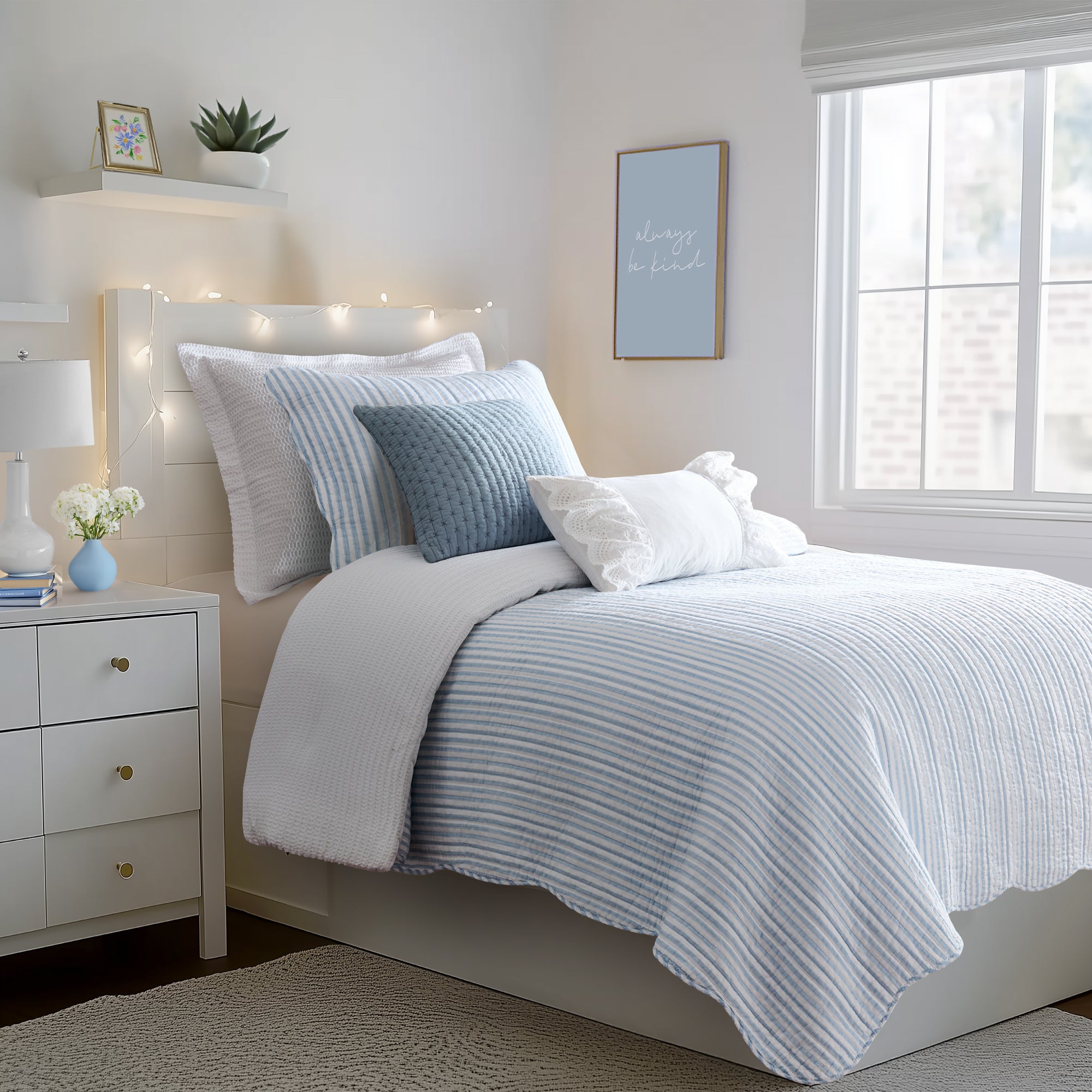
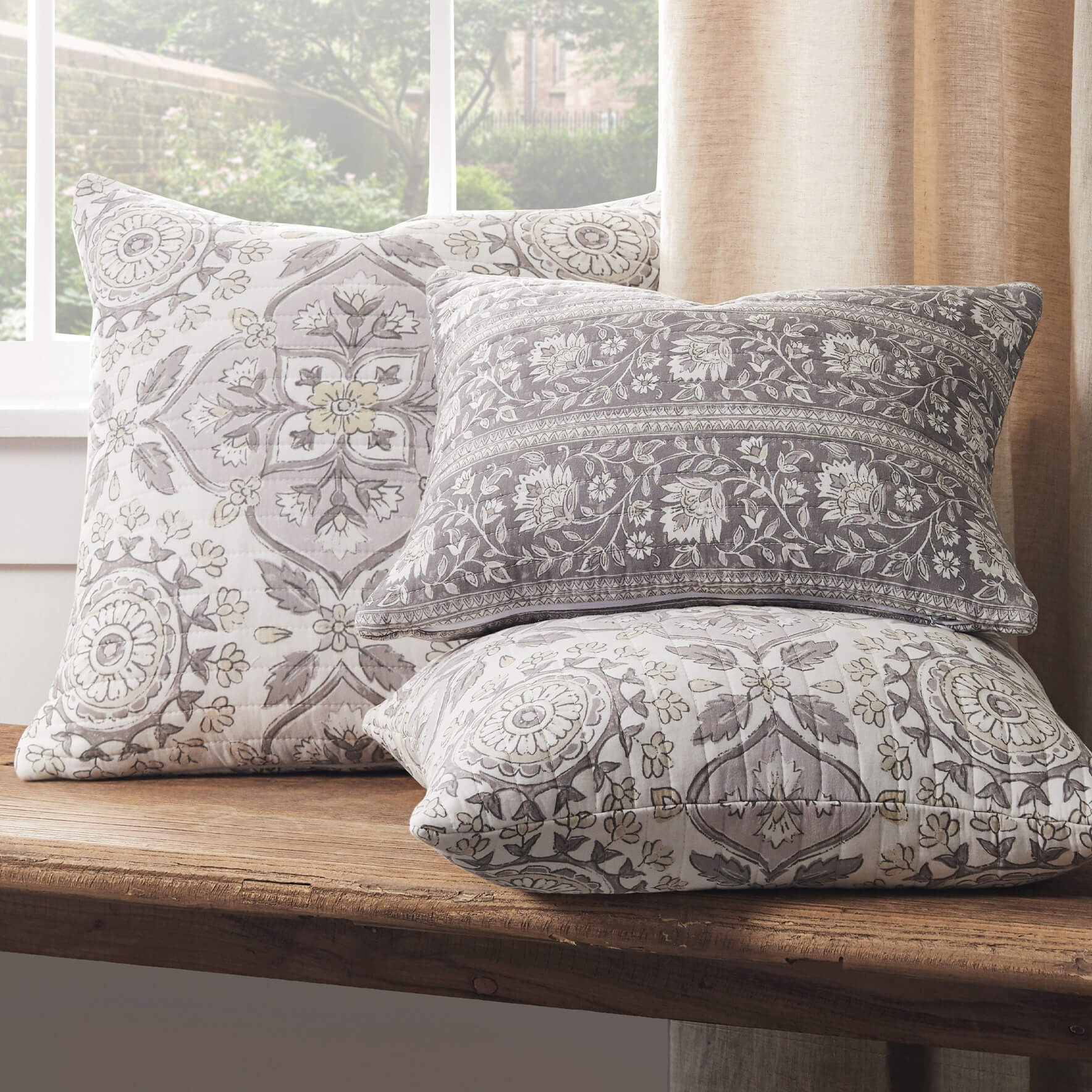
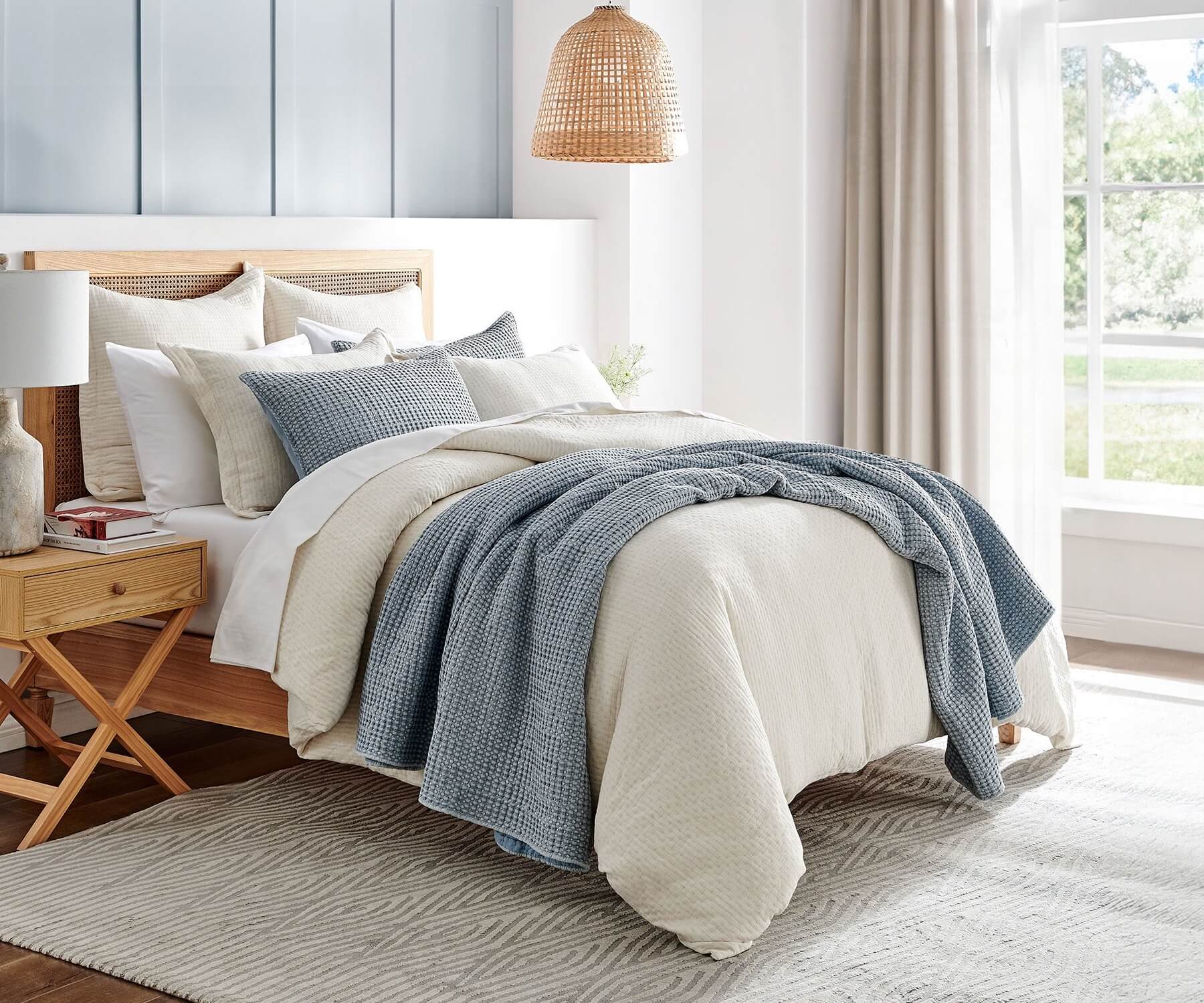
Japandi avoids heavy patterns, leaning instead into tactile richness. Linen duvets, waffle blankets, cotton quilts, and slub-textured pillows create layers without overwhelming the eye.
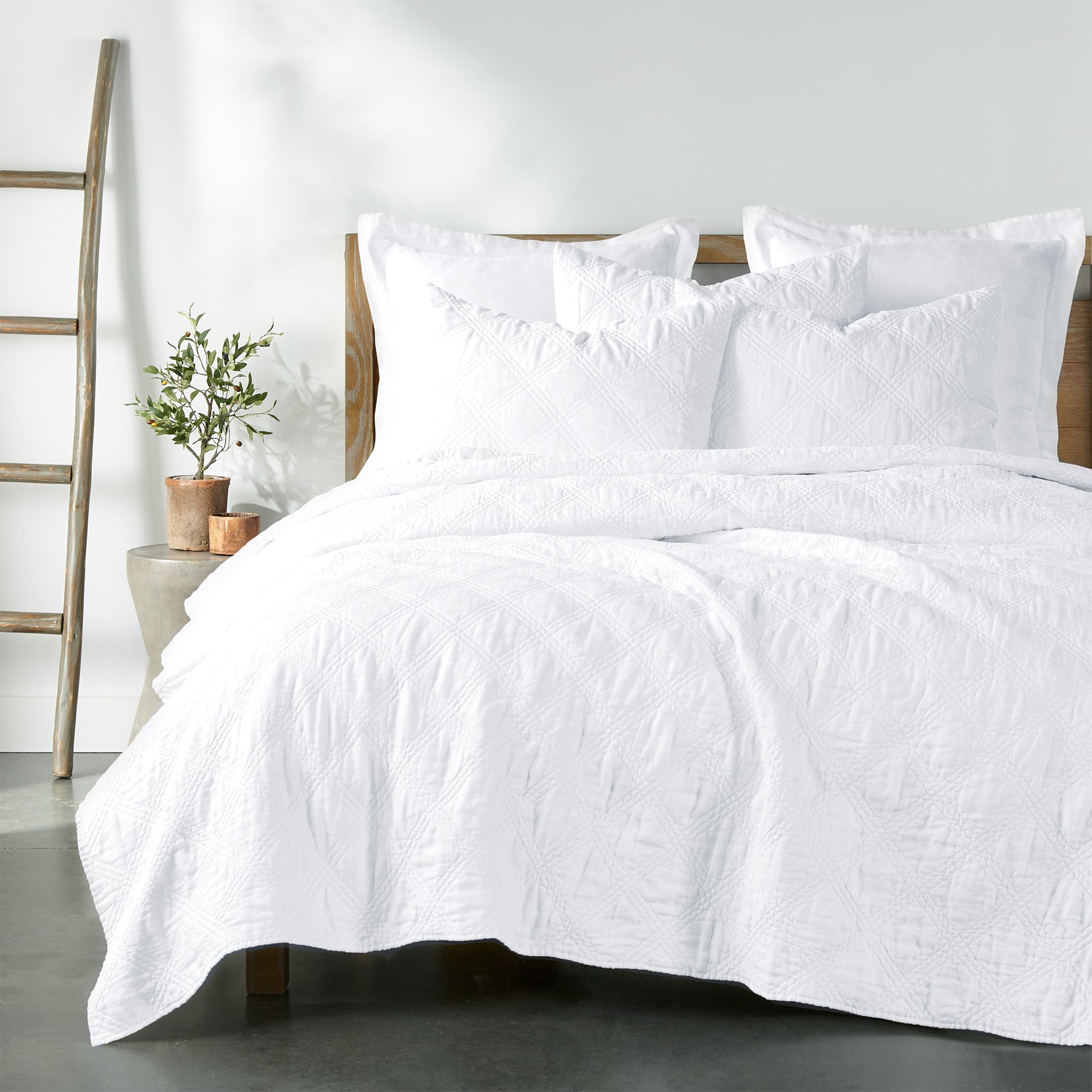
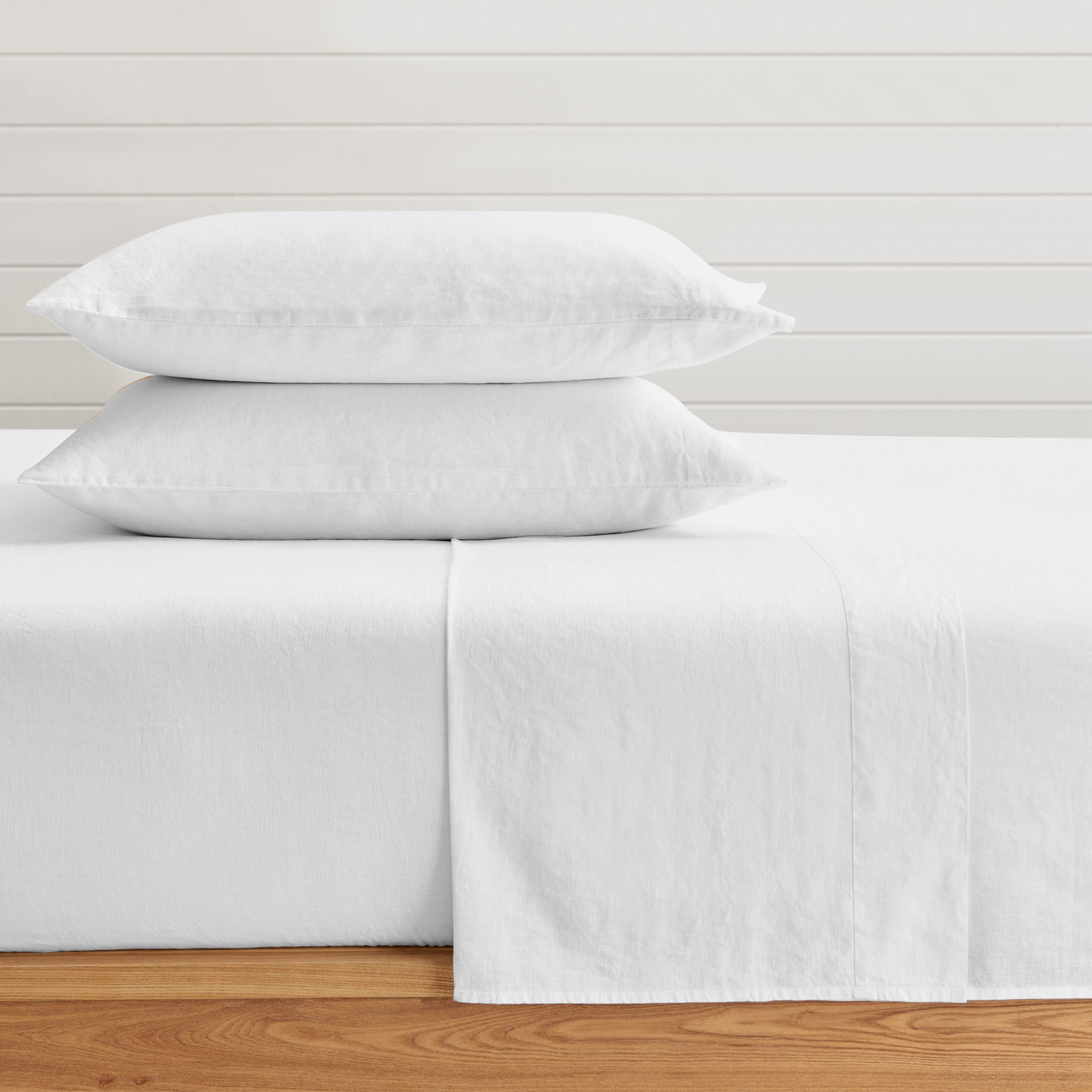
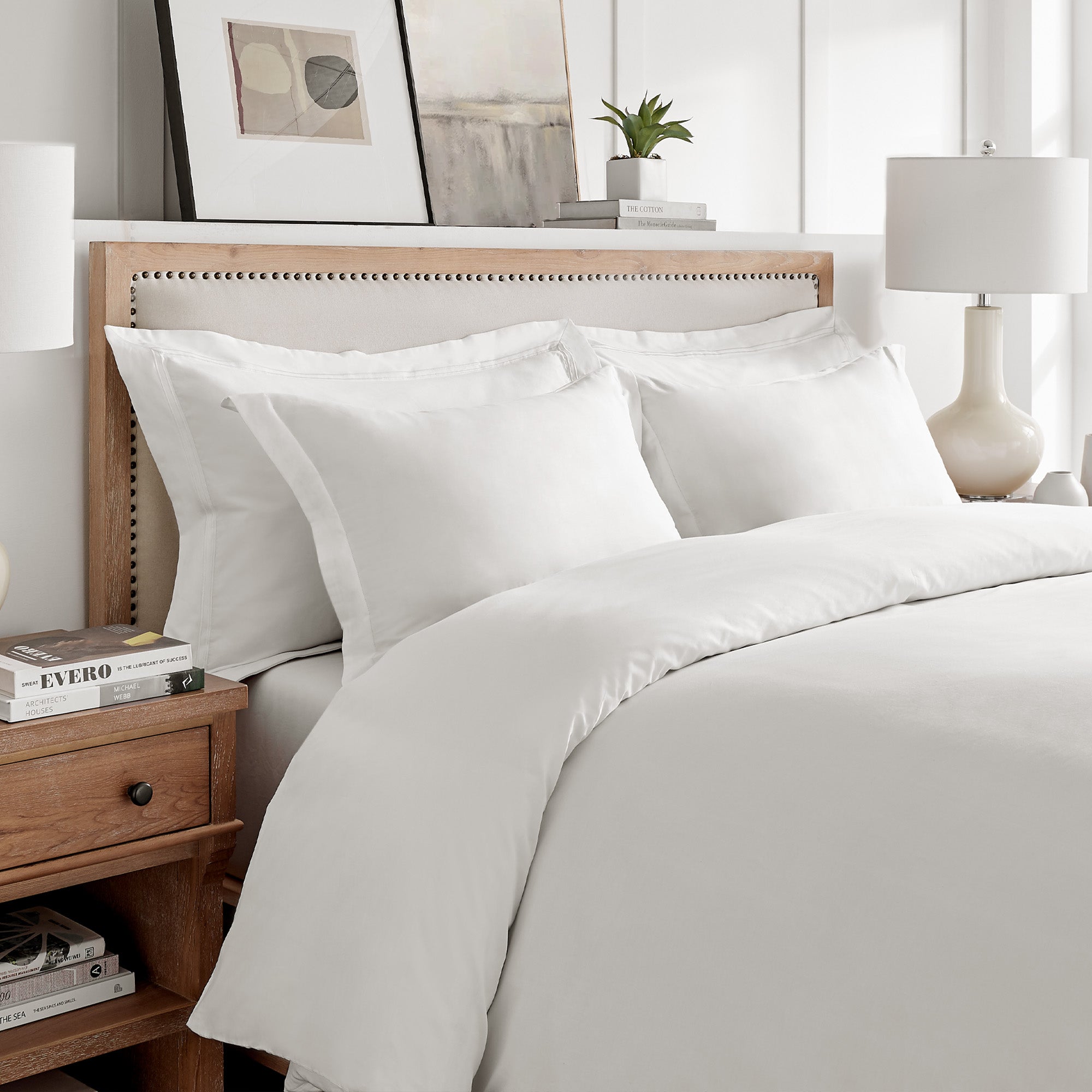
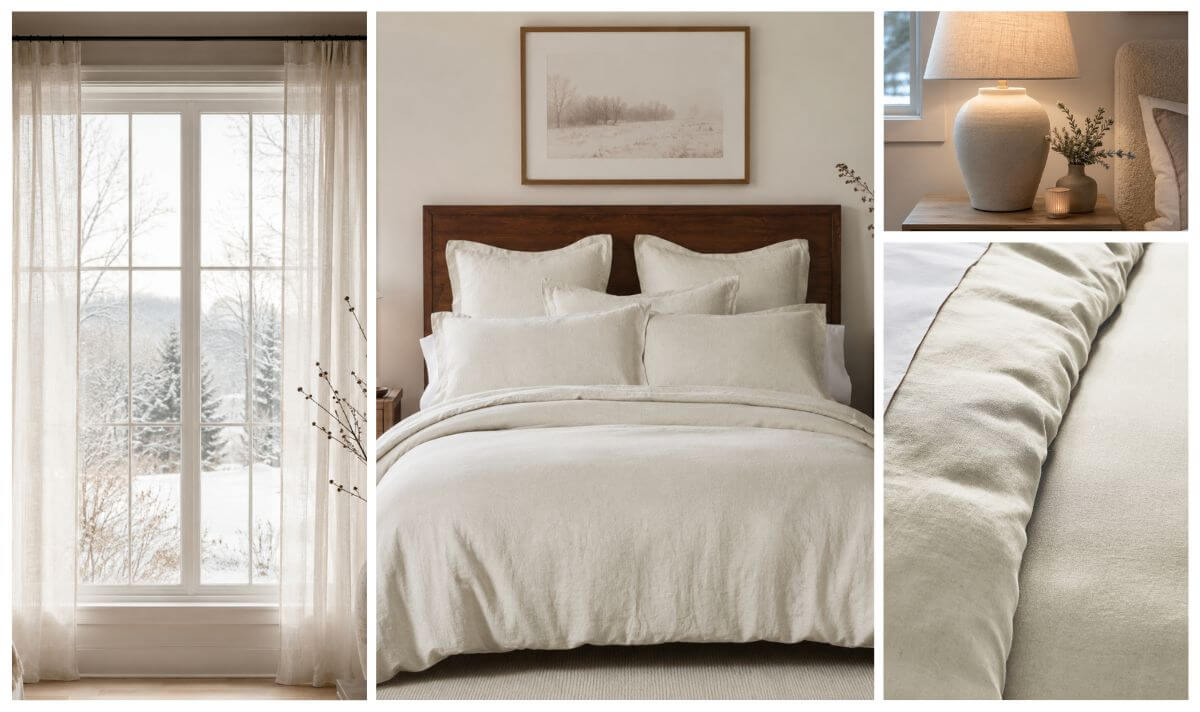
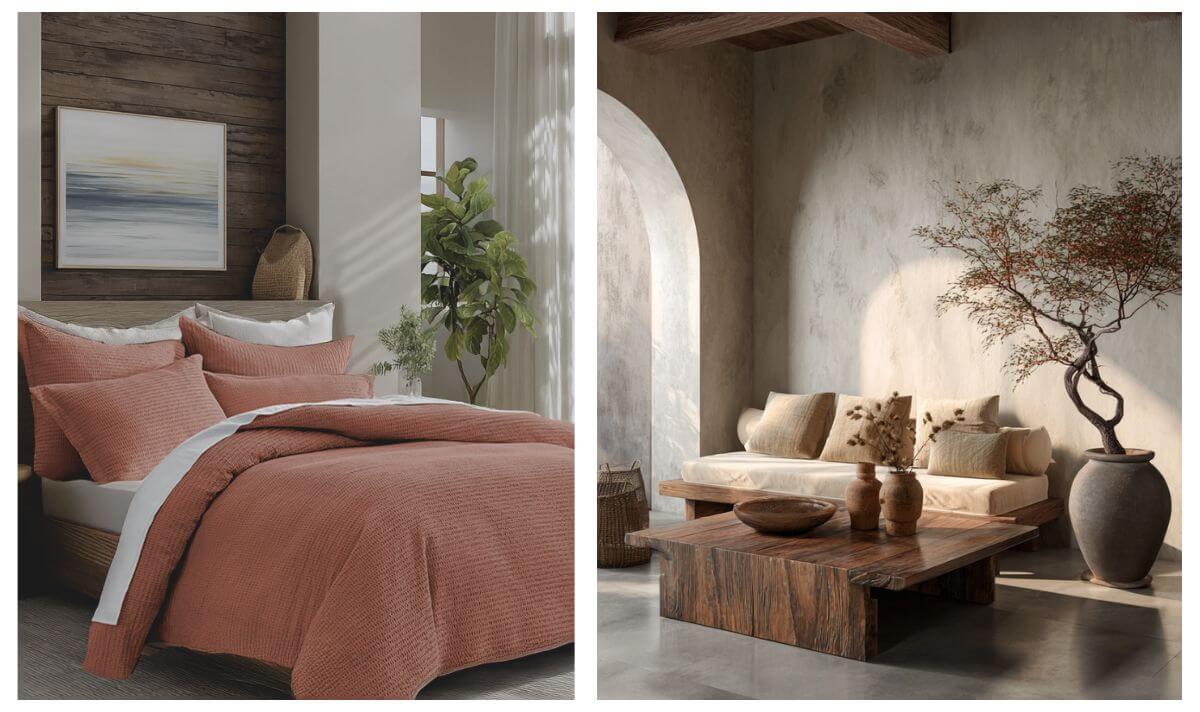
Levtex Home’s Washed Linen Collection fits seamlessly into this aesthetic. Its naturally relaxed finish and breathable fibers create the elevated, effortless look Japandi is known for. Shades like Natural, Charcoal, and Adobe blend beautifully with muted interior palettes.
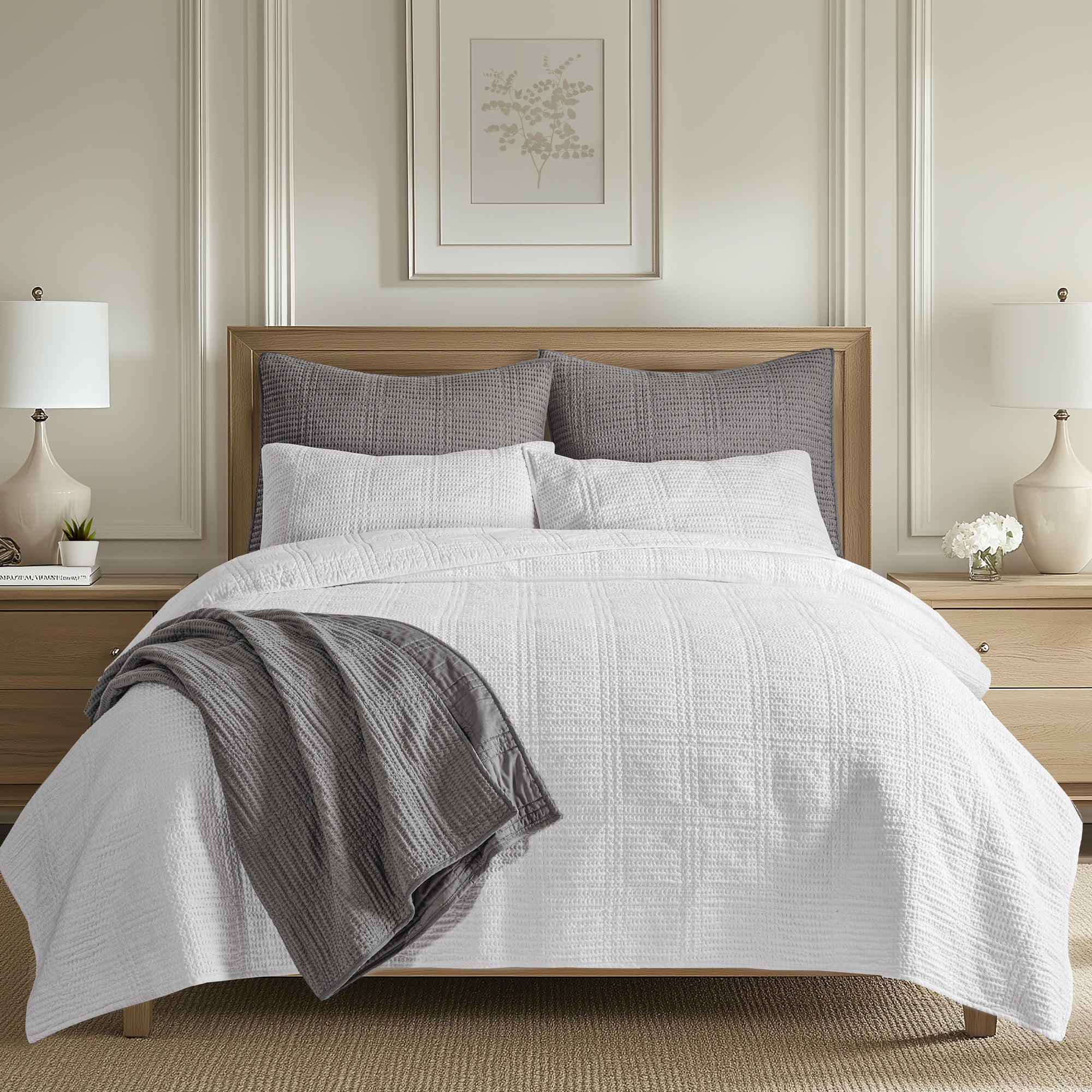
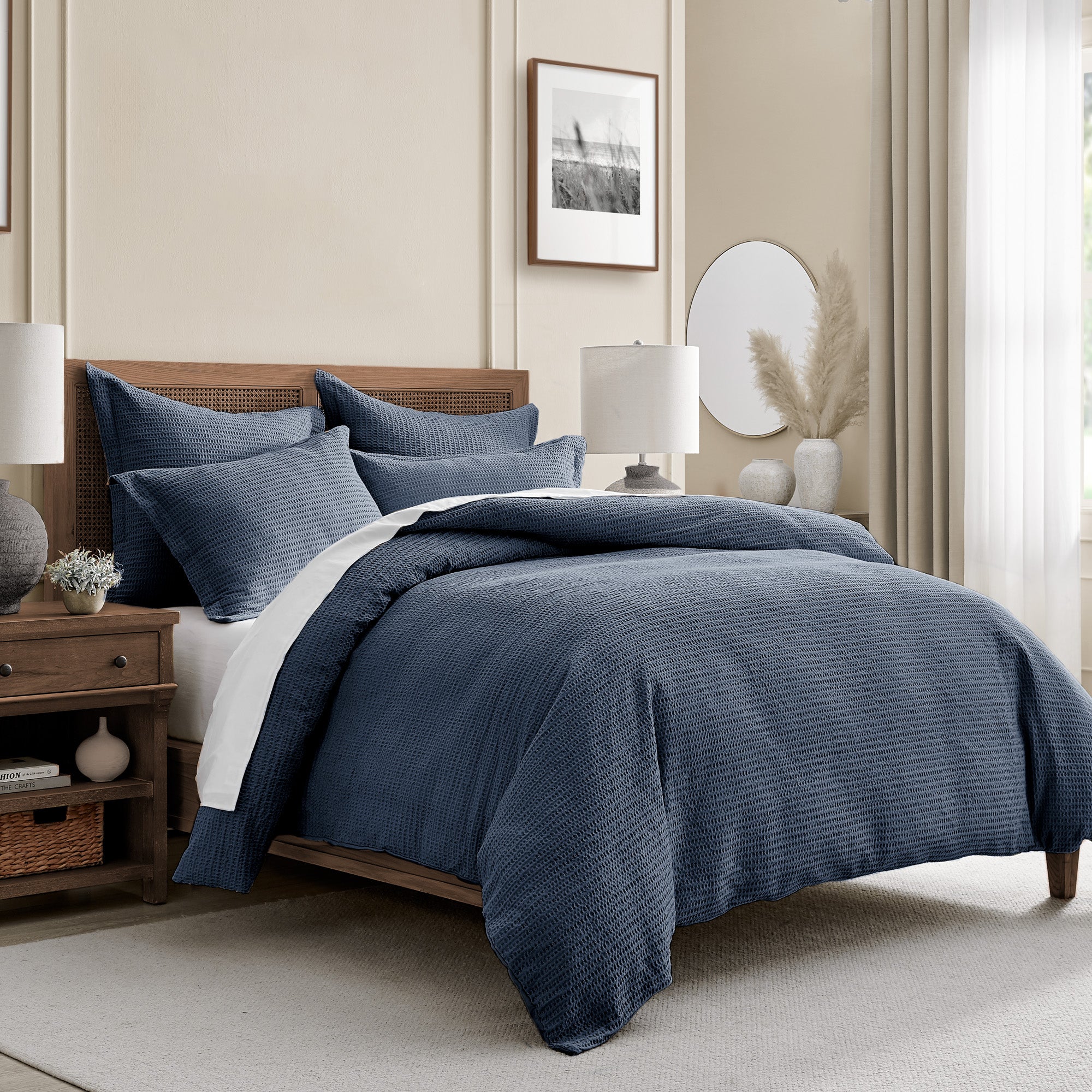
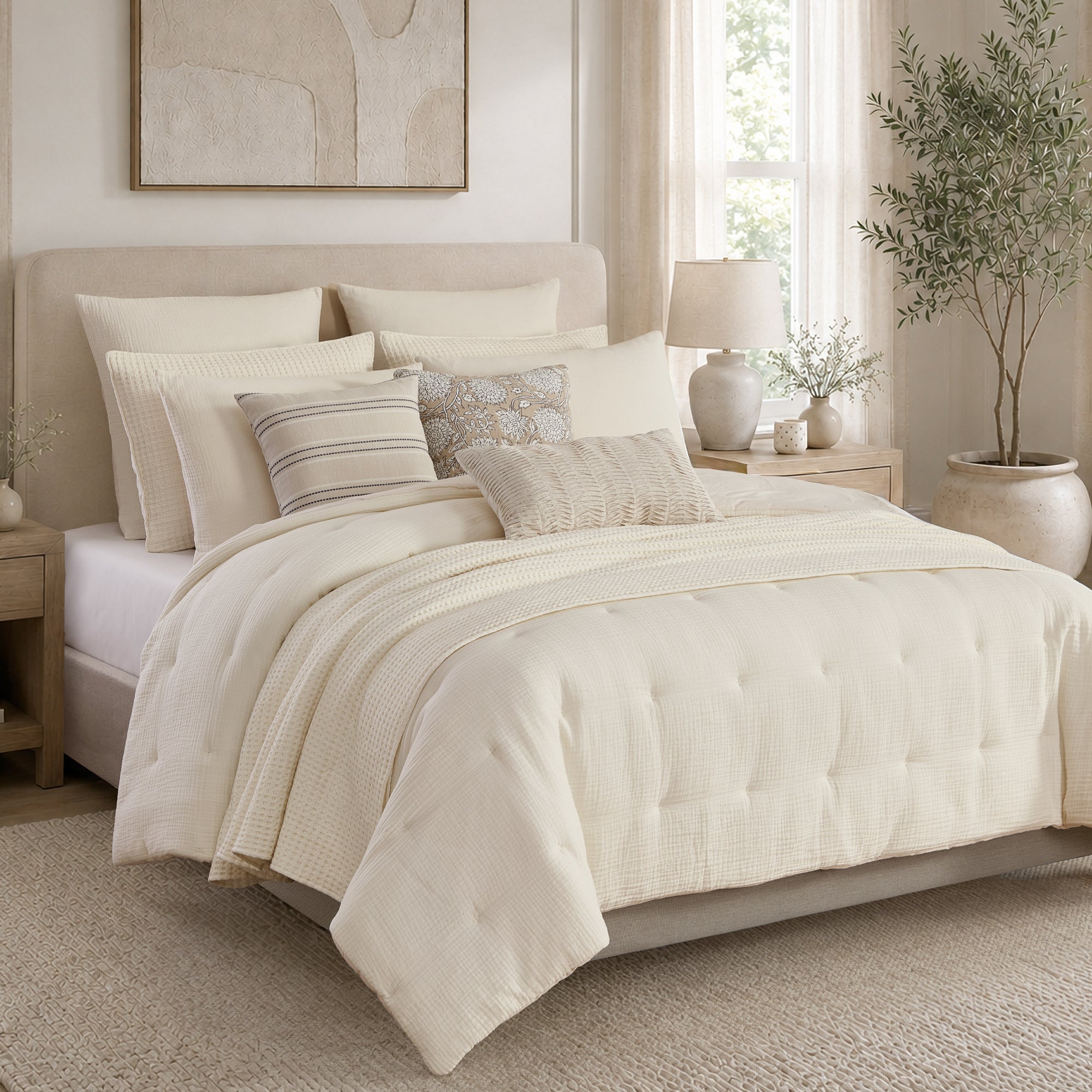
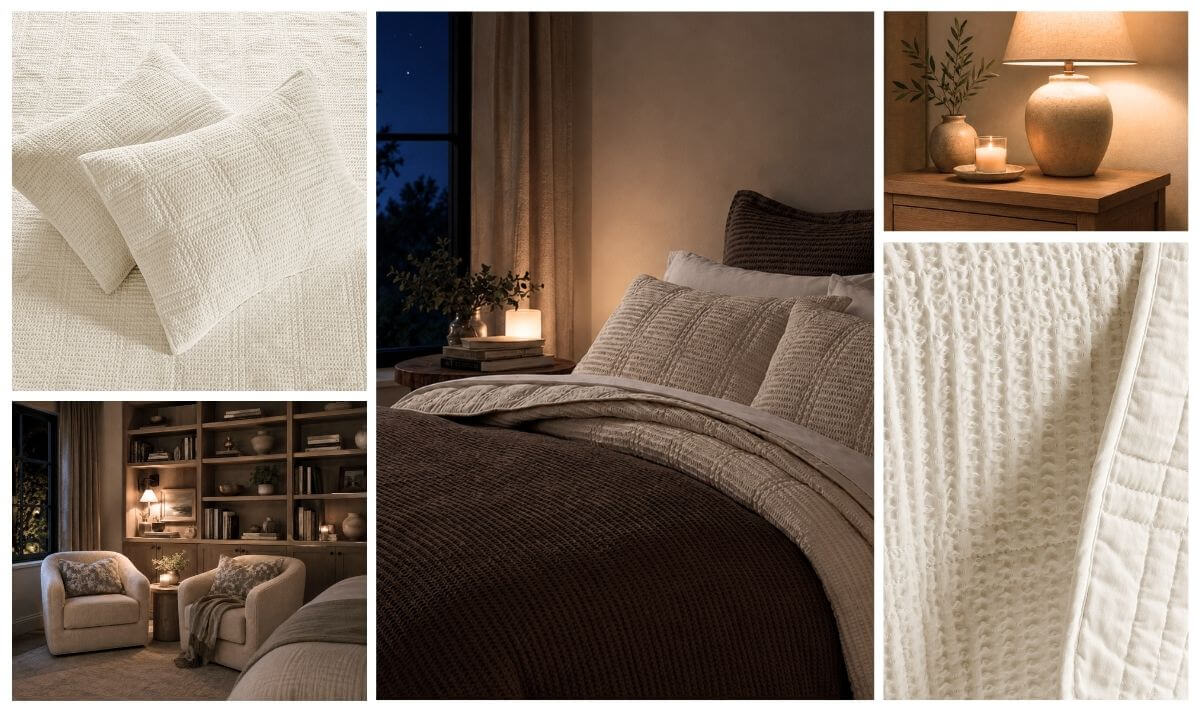
The Cloud Waffle Collection adds depth through its plush, structured weave, a perfect complement to smooth linens. A textile curator once said that in Japandi interiors, texture becomes “the room’s quietest artwork,” which captures exactly why these pieces work so well.
Soft Furnishings That Invite Ease
Soft materials are essential in turning Japandi minimalism into warmth. Linen bedding, cotton quilts, natural-fiber rugs, and plush throws help soften architectural lines.
A Japanese textile designer once noted that fabrics in Japandi spaces “give the silence softness,” describing how textiles create emotional comfort without adding clutter.
Lighting and Accessories in Japandi Interiors
Soft, Diffused Lighting
Japandi lighting is warm and gentle, avoiding harsh overheads in favor of layered lamps, rice-paper lanterns, and sculptural fixtures that glow softly. Diffused lighting softens the room’s edges, making it feel serene and slow-paced.
Lighting specialists often explain that Japandi light “rounds the corners of the room,” blending brightness and shadow with intention.
Nature-Inspired Accessories
Décor should feel curated, not crowded. Ceramics, plants, wood bowls, stone trays, and quiet artwork complement the natural materials already present.
One design editor wrote that greenery in Japandi interiors doesn’t act as decoration, “it becomes part of the home’s breathing rhythm,” emphasizing the style’s connection to nature.
Less, But Better
Choose one sculptural vase over five small objects. A single branch arrangement over a busier floral display. Honest materials over embellishment.
Edit ruthlessly. Select lovingly.

How to Achieve Japandi in Different Rooms
Japandi Living Room
Start with a neutral sofa, a wooden coffee table, and a soft rug. Keep accessories minimal and cohesive. For warmth, drape a Cloud Waffle throw in Natural or Adobe across the arm of the sofa, it adds inviting texture without breaking the palette.
Japandi Bedroom
The bedroom should feel restorative, grounded, and soft. The Washed Linen Collection, including quilts, shams + more, creates the perfect Japandi foundation: breezy, natural, and relaxed. Use Natural or Charcoal bedding as your base, then layer a Cloud Waffle quilt or throw for added dimension that doesn’t overwhelm the space.
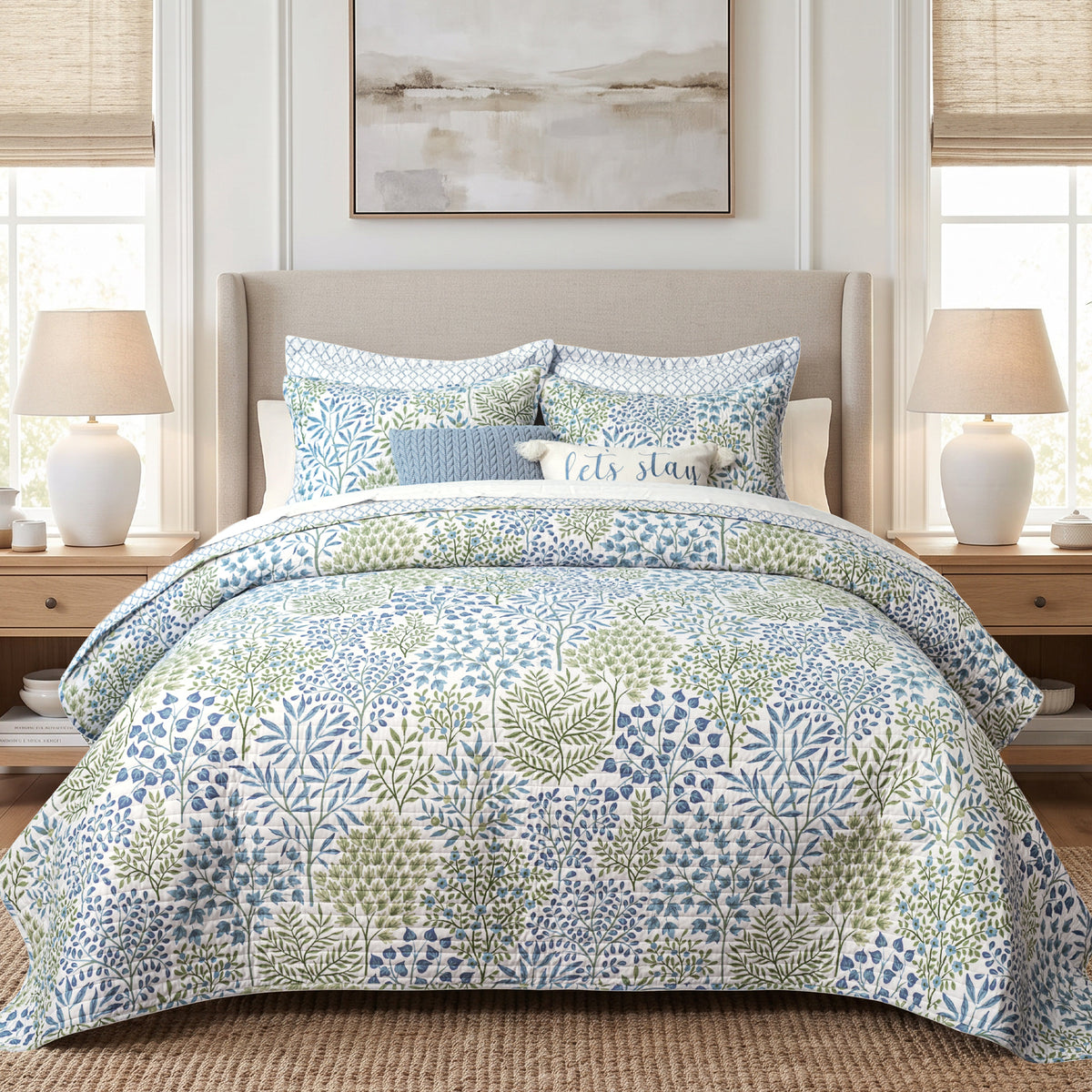
To embrace the Japandi look in a bedroom choose subtle tones drawn from nature alongside natural materials. Soothing and light, warm neutrals as well as the blues and greens of nature make a fitting backdrop for plenty of layered textures such as wood, rattan, grasscloth and linen.Pippa Blenkinsop, interiors editor, writer and stylist
A designer once said the Japandi bedroom is “where your mind goes to slow down,” and the combination of linen and waffle textures supports that beautifully.
Japandi Bathroom
Keep surfaces clean and materials natural. Add cotton towels, bamboo accessories, and subtle greenery. Choose muted colors, shades inspired by linen, stone, or clay, to keep the look consistent with the rest of the home.
Final Thoughts on Japandi Interior Design
Japandi interior design is more than an aesthetic; it’s a philosophy of calm, intentional living. By blending Japanese restraint with Scandinavian warmth, it creates spaces that feel balanced, grounded, and beautifully peaceful.
This design style and principles truly supported a healthy meaningful lifestyle. It teaches us to find beauty in imperfection, form deep connections to the earth and nature, and enjoy the simple pleasures of life.Shanty Wijaya, interior designer and owner of AllPrace.
With natural materials, muted palettes, layered textures, and thoughtfully chosen textiles like the Washed Linen and Cloud Waffle collections, you can bring this timeless, comfortable design style into any room of your home.
Japandi interior design isn’t about perfection; it’s about harmony.
FAQ
1. What materials should I use to create a Japandi or Scandinavian-inspired indoor space?
Japandi interiors rely on natural, tactile materials such as wood, bamboo, stone, linen, and cotton. These materials help the space feel warm, organic, and connected to nature. Scandinavian interior materials like soft textiles and light woods blend seamlessly with Japanese-inspired pieces, creating a balanced, harmonious design style.
2. What colors work best for Japandi style décor?
The Japandi palette leans toward muted and neutral tones—warm taupe, sand, charcoal, fog grey, and natural wood. These colors keep the interior calm and cohesive. Whether you’re styling a bedroom, living room, or small indoor nook, using soft, understated shades helps the space maintain the gentle, natural feel that defines both Japanese and Scandinavian design styles.
3. How do I incorporate Japandi style into my home without remodeling?
You can bring Japandi style into your home through simple, intentional changes. Start with low-profile furniture, add natural materials, and choose décor pieces with clean silhouettes. Layer soft textiles—like linen bedding, cotton quilts, or waffle blankets—to introduce warmth without clutter. Even small accents, such as ceramic vases, wooden trays, or a single sculptural branch, can shift the overall feel of the space toward a serene Japanese-Scandinavian fusion.
4. How can bedding help create an authentic Japandi interior design style?
Bedding is essential in achieving the calm, natural feel of Japandi interiors. Choose materials like linen or cotton, which bring a soft, organic texture to the space. Stick to muted, nature-inspired tones—such as sand, charcoal, fog grey, or warm taupe — to complement the Japanese and Scandinavian design palette. Layering lightweight quilts, waffle blankets, and relaxed linen pieces adds depth without clutter, creating a serene, balanced bedroom that reflects the core values of Japandi style.
References
1. Everything You Need to Know About These East-Meets-West Interiors,
Architectural Digest
2. Everything You Need to Know About Japandi Interior Design,
The Spruce
4. 5 Materials That Are Trending in the Home: Bold, Stone, Natural Woods + More,
Architectural Digest
5. The Best Paint Colors for a Dose of Japandi Style in Any Room,
The Spruce
6. Japandi Style is the Laidback Home Aesthetic That’s Here to Stay,
Better Homes & Gardens
7. What to Know About Japandi Style, According to Designers,
House Beautiful
8. 9 Japandi bedroom ideas to create a serene and stylish scheme,
Homes & Gardens