

Minimalism can be calming. It can also feel a little… dental office. Maximalism can be joyful. It can also feel like your house is yelling.
Midimalism interior design is what happens when you want a home that looks intentional, feels warm, and still functions on a Tuesday. Not a photoshoot. Not a museum. A real house.
It borrows the clarity of minimalism and the personality of maximalism, then edits both. The result is balanced. Stylish. Livable.
What Is Midimalism Interior Design?
Midimalism is a “middle path” decorating approach. It keeps spaces clean and functional, but not stark. It uses fewer pieces, but it does not strip a room of character. You get visual breathing room and a point of view.
Unlike minimalism, which can lean into starkness, or maximalism, which celebrates abundance, midimalism walks a tightrope between richness and rest.Kim Armstrong, interior designer
Here’s the easiest way to think about it:
- Minimalism: fewer items, simpler forms, lots of open space
- Maximalism: layers, collections, pattern, expressive styling
- Midimalism: curated layers, controlled contrast, meaningful “yes” pieces
Midimalism is also a response to decision fatigue. When everything is a “trend,” midimalism gives you a simple rule: keep what works, add what matters, remove what distracts.
Midimalism is not “less stuff.” It is “better choices.”

Key Elements of a Midimalist House
A midimalist house has a few consistent traits. You can apply them to any room, any budget, any style preference.
1. Curated decor that feels intentional
Midimalism loves statement pieces. It just does not want twelve of them competing for attention.
Aim for:
- One focal point per zone (art, a mirror, a sculptural chair, a standout lamp)
- A small set of meaningful objects (not filler)
- Clear surfaces with room to breathe
If you are unsure what to keep, start by removing the smallest items first. Most rooms do not need more decor. They need fewer “extras” and stronger anchors.
2. A tight, warm-leaning neutral foundation
Midimalism often starts with neutrals because they are flexible. They make layering easier. They keep a house from feeling visually cluttered.
But “neutral” does not mean flat. The trick is tonal variety and texture. More on that in the neutral section.
3. Function-first layouts
Midimalism is practical. Every piece should earn its footprint.
Ask:
- Do I use this?
- Does it solve a problem?
- Does it make the room feel better?
If it fails all three, it is décor limbo.
The APA’s “Speaking of Psychology” episode on clutter covers research and expert perspectives on why clutter can feel overwhelming and hard to manage.

How to Style Midimalism Spaces
Midimalism is easiest when you build it in order. Do not start by shopping. Start by setting the base, then layer.
Step 1: Start with a minimalist foundation
This is your structure:
- Clean lines
- A limited palette
- More negative space
- Fewer, better pieces
Think “quiet background.” Not “empty room.”
Step 2: Layer in character, but keep it edited
This is where midimalism gets its soul. Add personality through:
- Art that has presence
- A vintage piece with patina
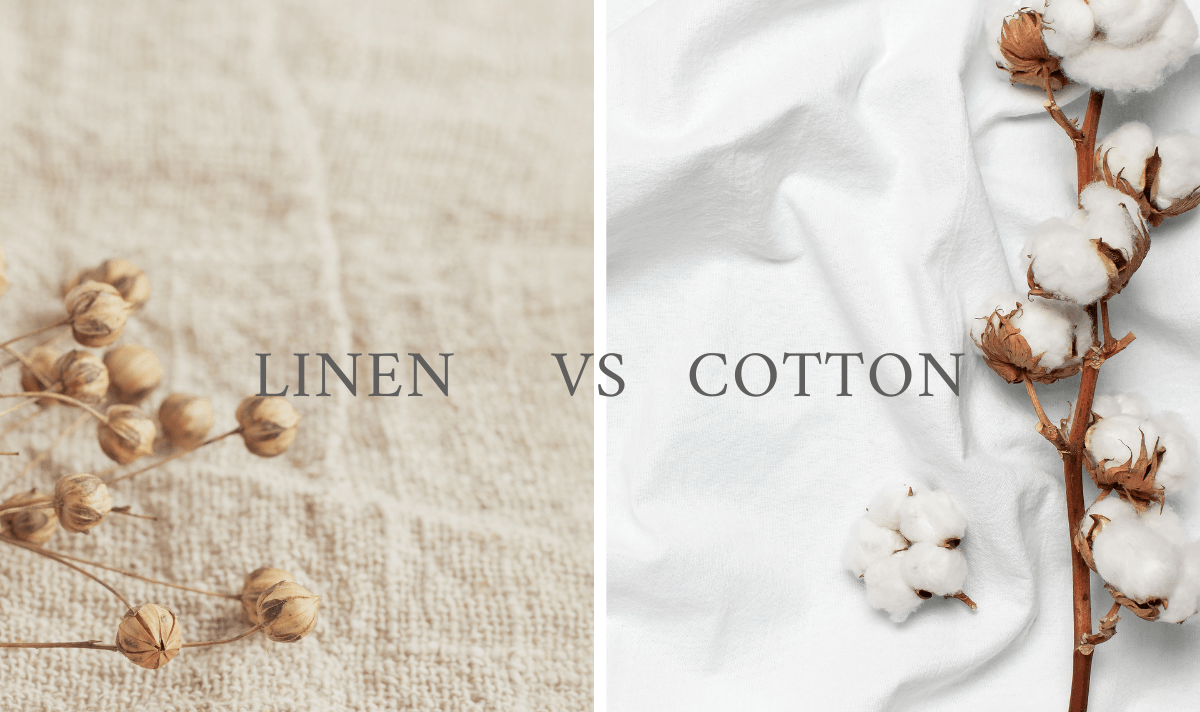
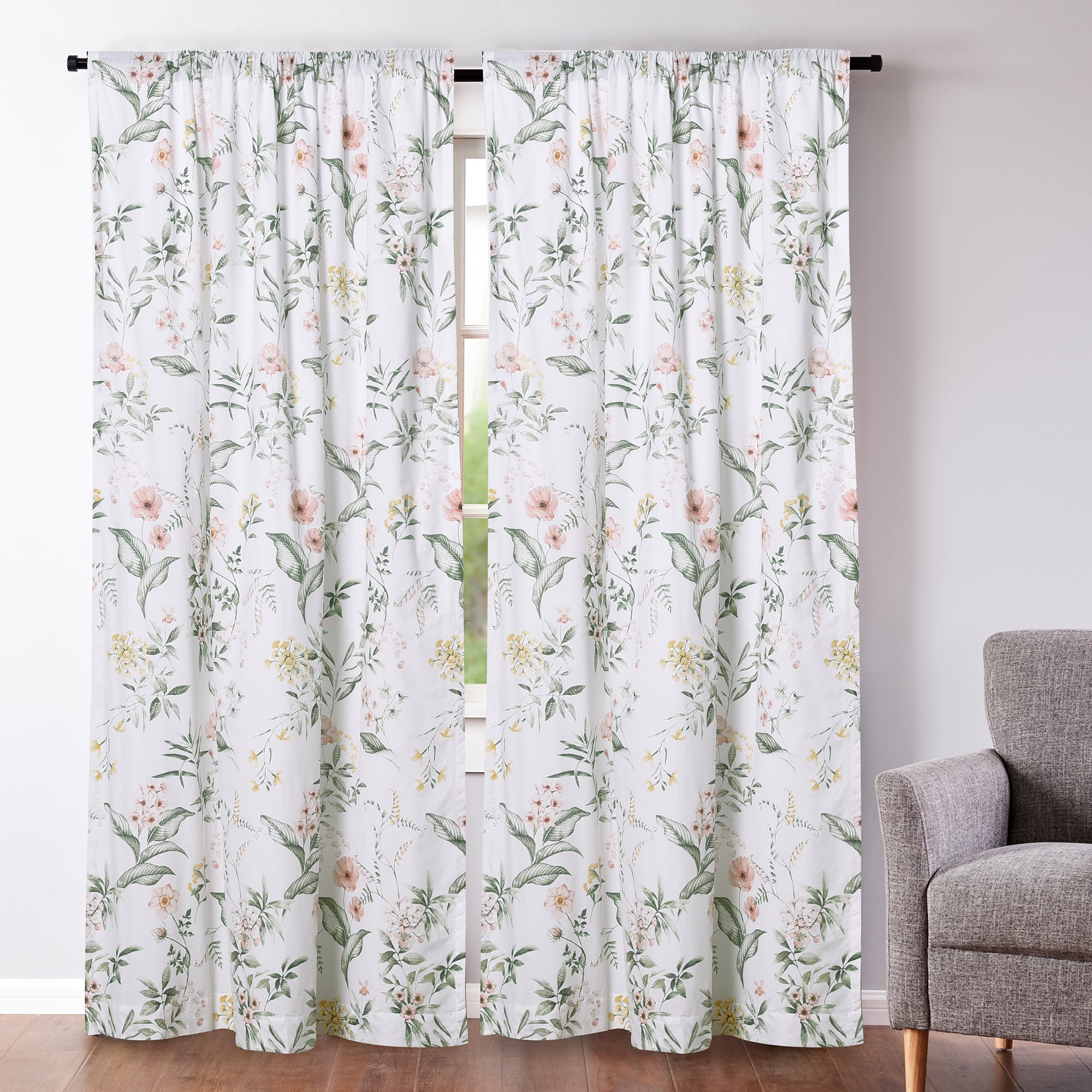
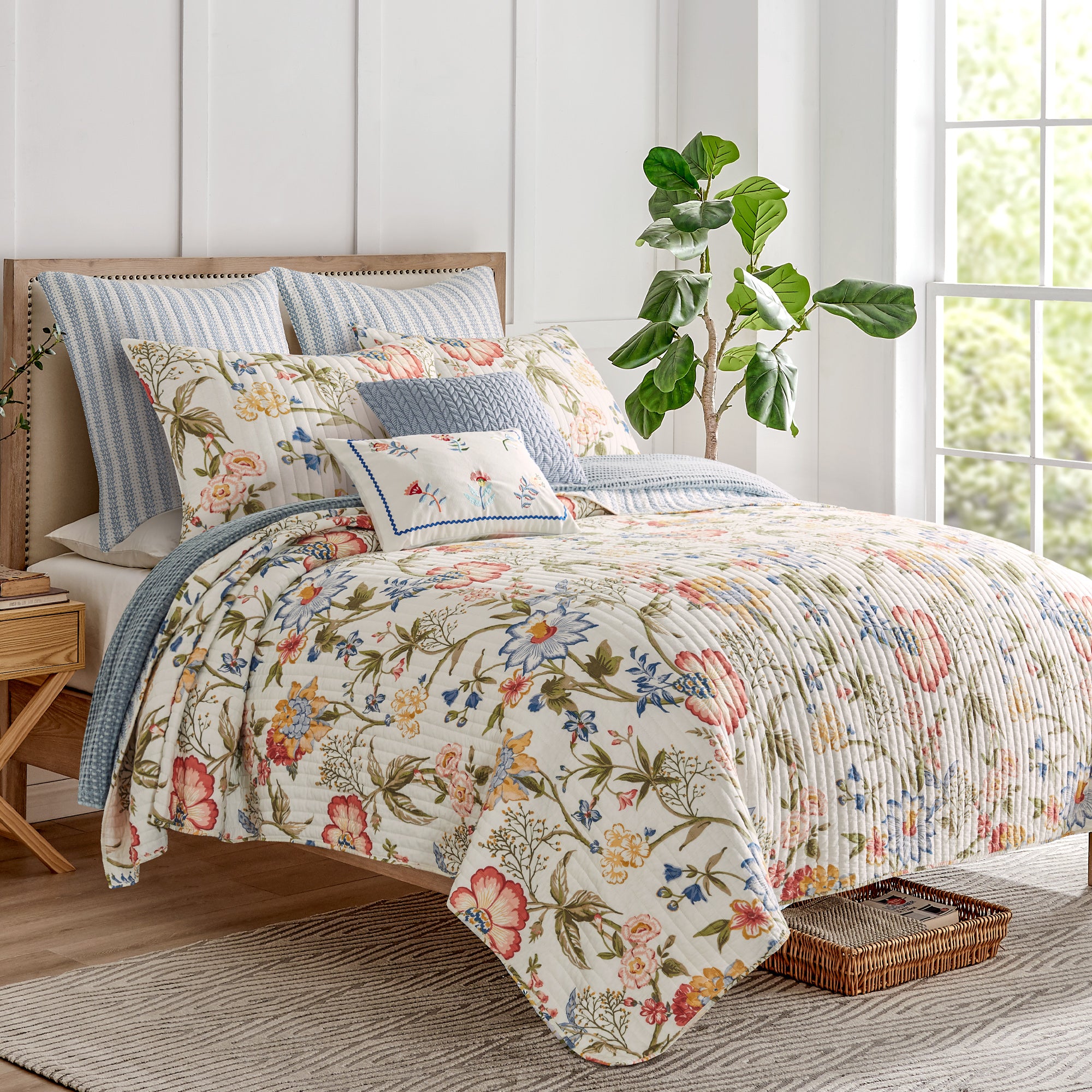
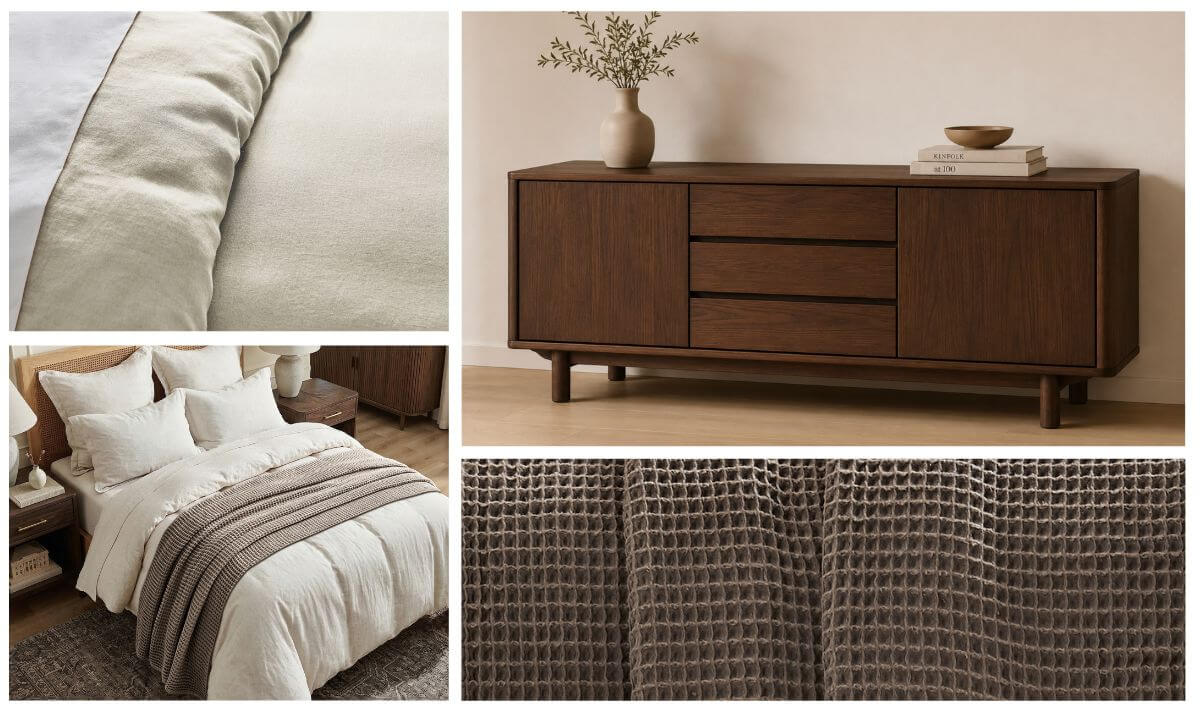
- A rich textile (linen, cotton matelassé, waffle weave, quilted texture)
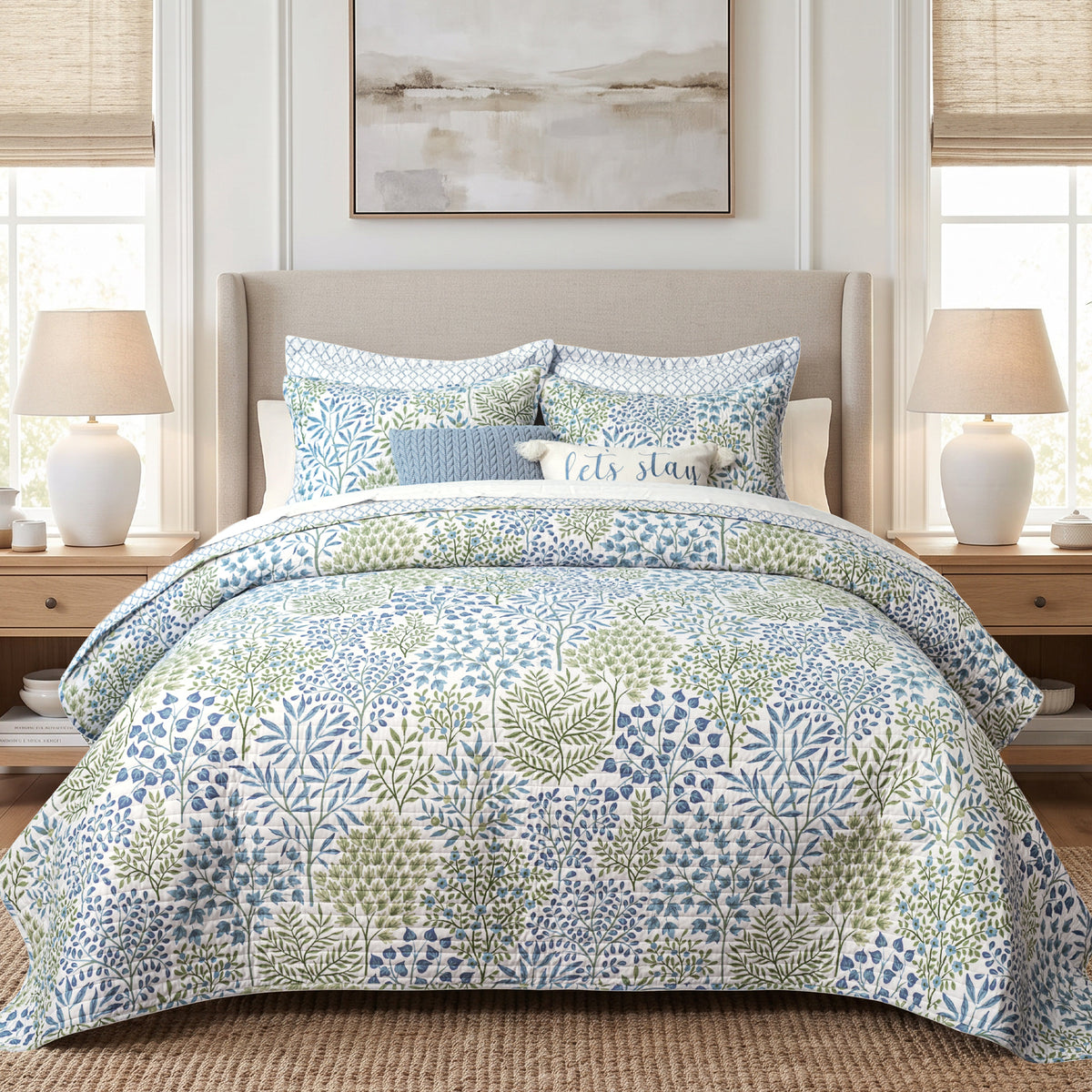
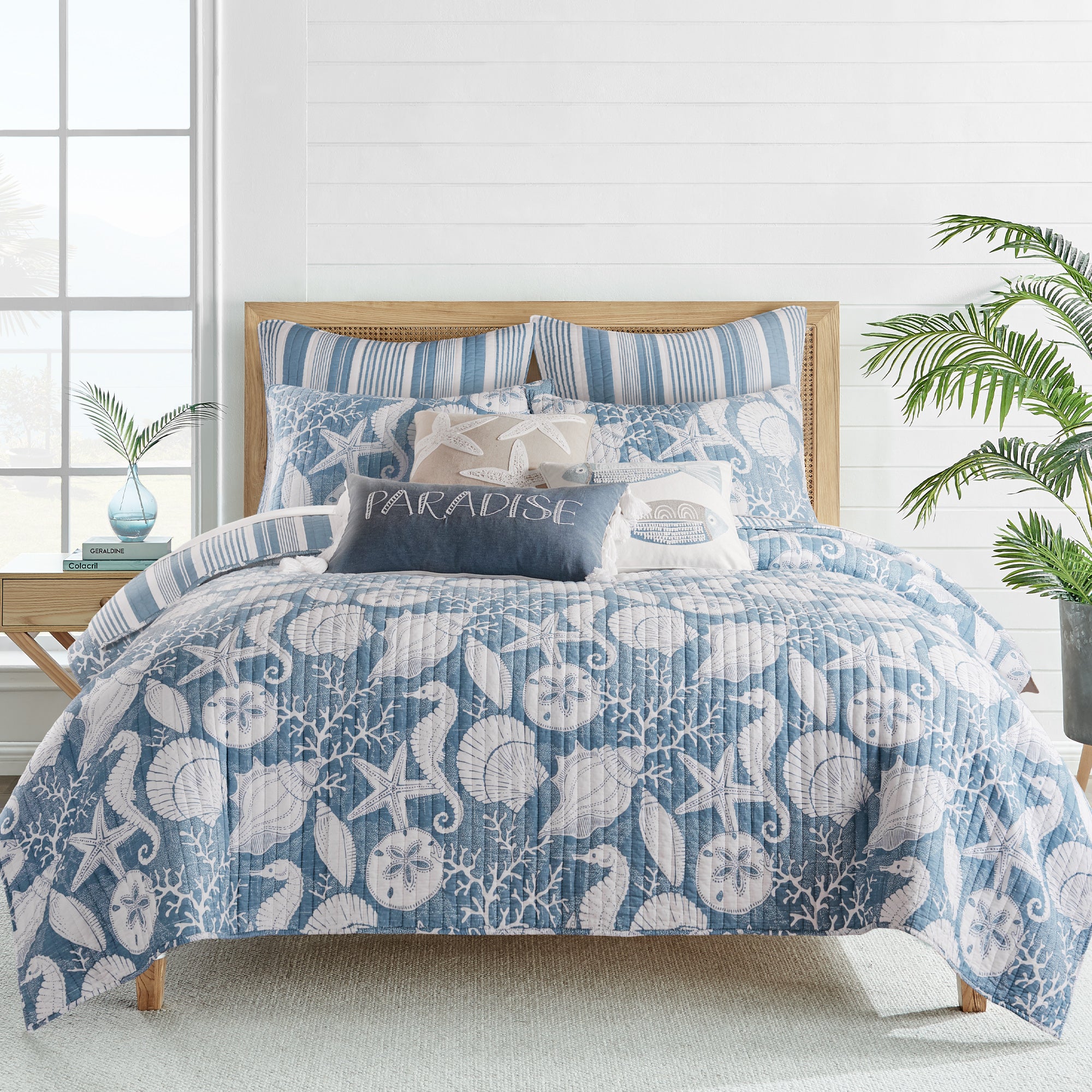
- One pattern, repeated 2–3 times max
If your room starts to feel busy, remove half the small accents. Keep the big idea.
Step 3: Mix modern and vintage for a collected feel
Midimalism loves contrast. It reads as intentional without being rigid.
Try:
- Modern sofa, vintage rug
- Clean-lined bed, antique nightstand
- Simple walls, expressive art
The goal is “collected.” Not “matched.”
Step 4: Make storage part of the style
This is the unsexy secret. Midimalism works because clutter is contained.
Use:
- Closed storage for daily chaos
- One open shelf for curated display
- Baskets for soft storage, but do not turn them into invisible junk drawers
Callout: Midimalism is not anti-stuff. It is anti-stuff-with-no-home.

The Role of Neutral Colors in Midimalism Interior Design
Neutrals are the backbone of many midimalist spaces. Not because neutrals are “safe,” but because they make room for texture, contrast, and statement pieces without visual chaos.
Why neutral tones work so well
Neutrals create a calm field. They let your focal points read clearly. They also make it easier to refresh a room seasonally without repainting your life.
Common midimalist neutrals:
- Warm whites
- Oatmeal
- Sand
- Taupe
- Soft gray-beige
- Muted clay tones
How to create depth without loud color
Depth comes from:
- Tone: light to dark shifts inside the same color family
- Texture: nubby, woven, quilted, matte, glossy
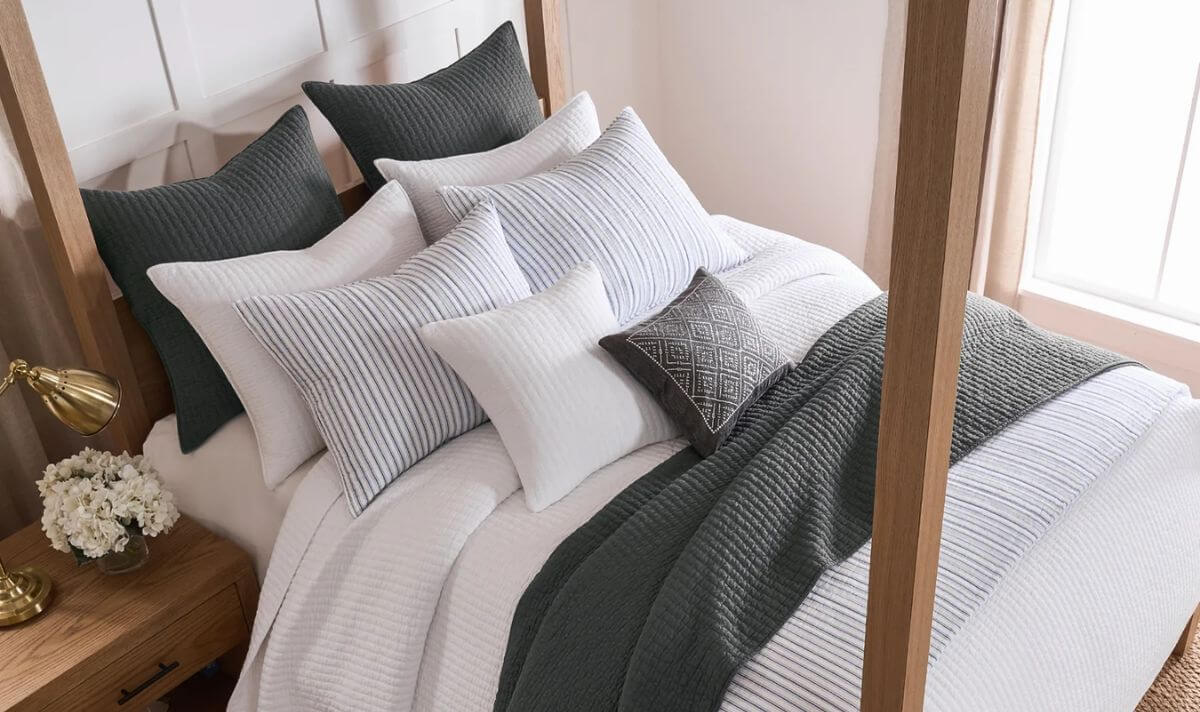
- Soft contrast: black accents, dark wood, aged brass, or charcoal as punctuation
If you have “all beige everything” and it looks flat, it is not the beige. It is the lack of contrast and texture.
Where Levtex Home fits naturally
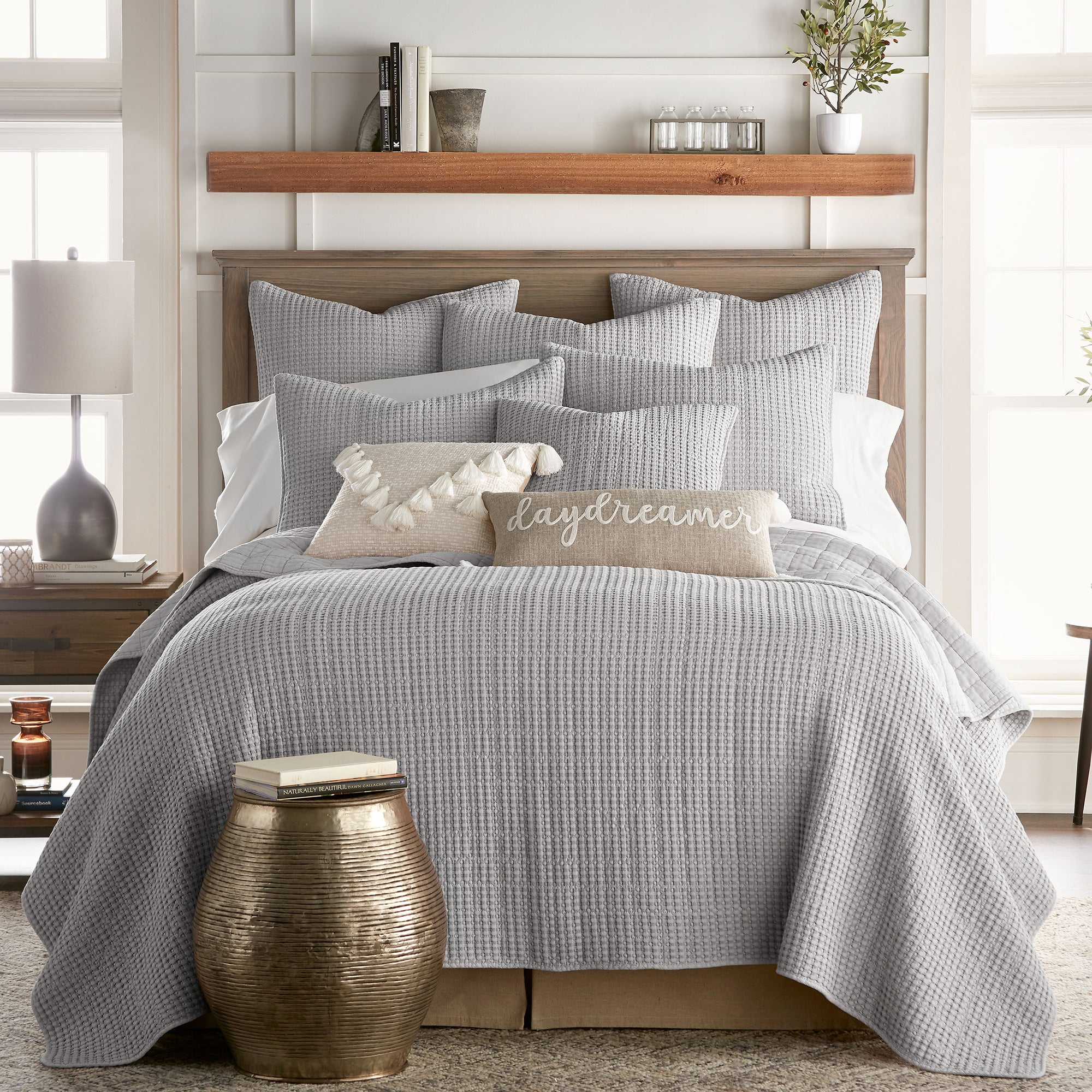
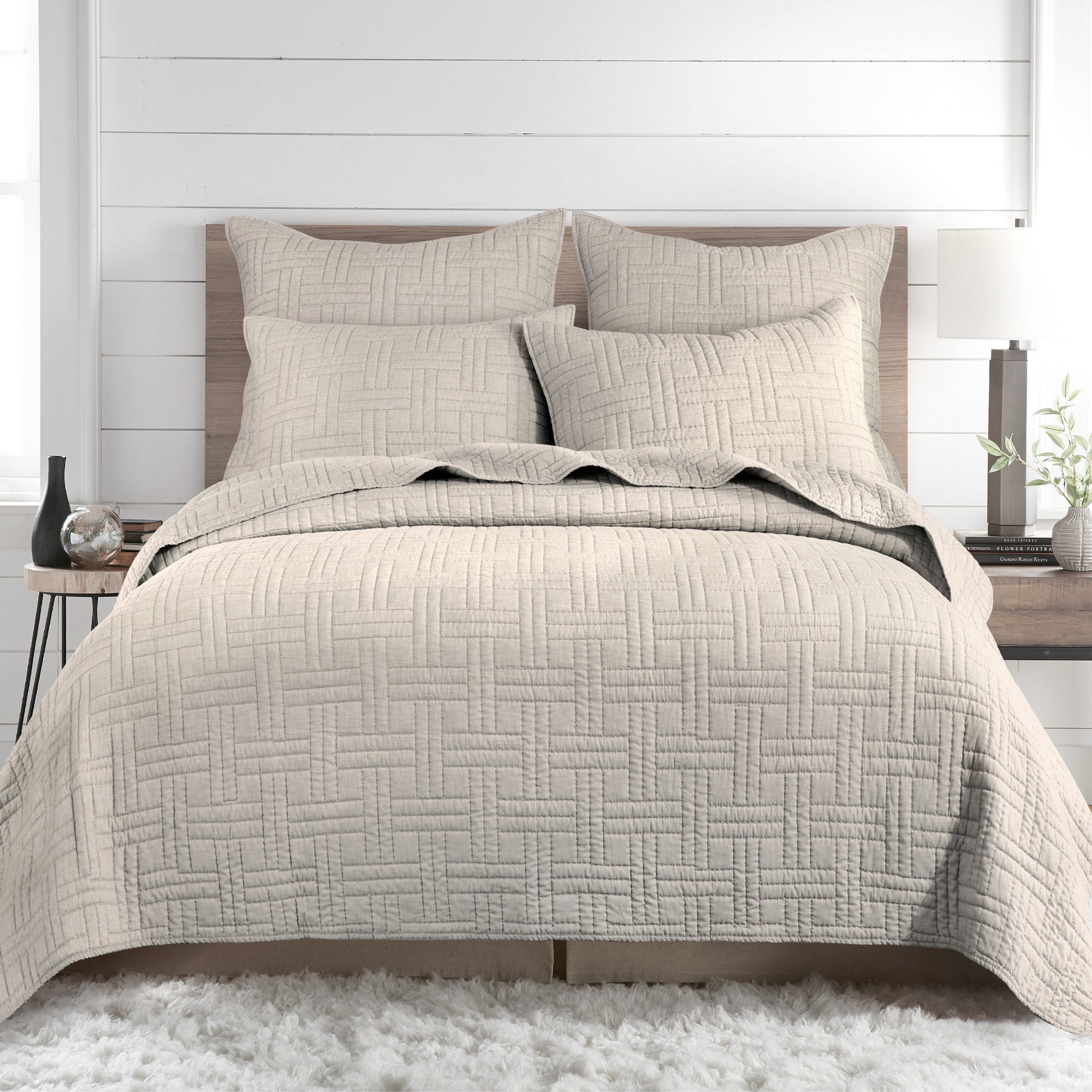
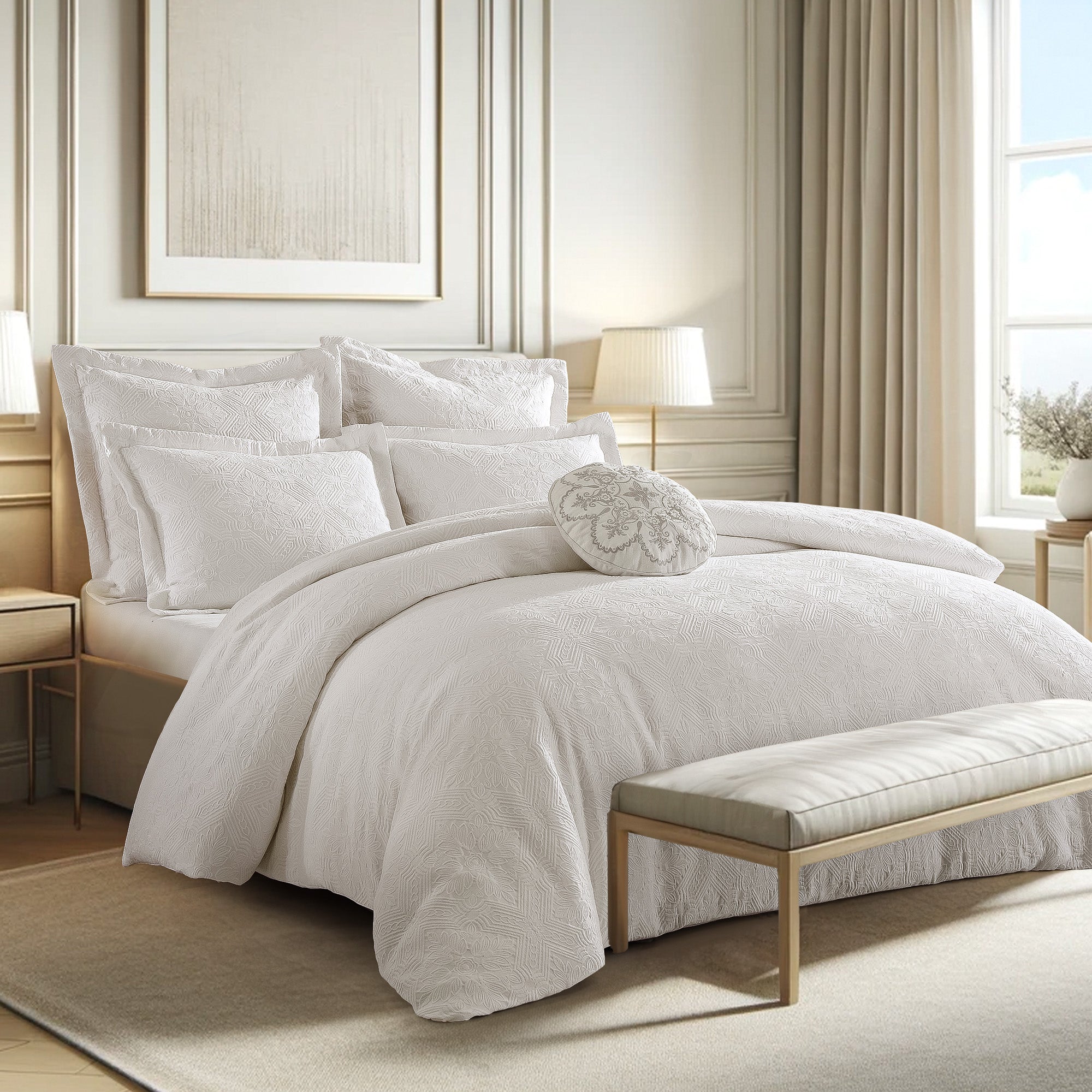
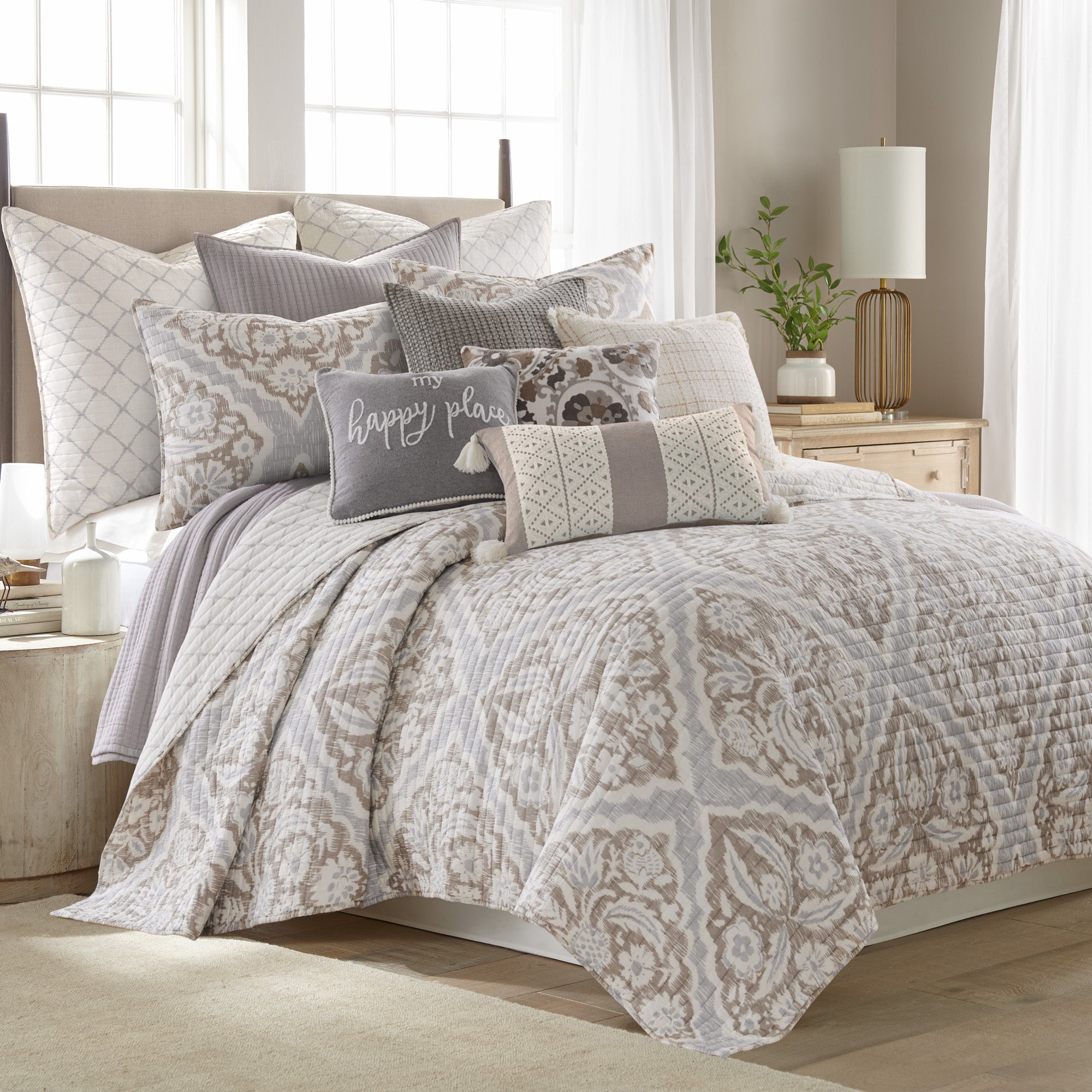
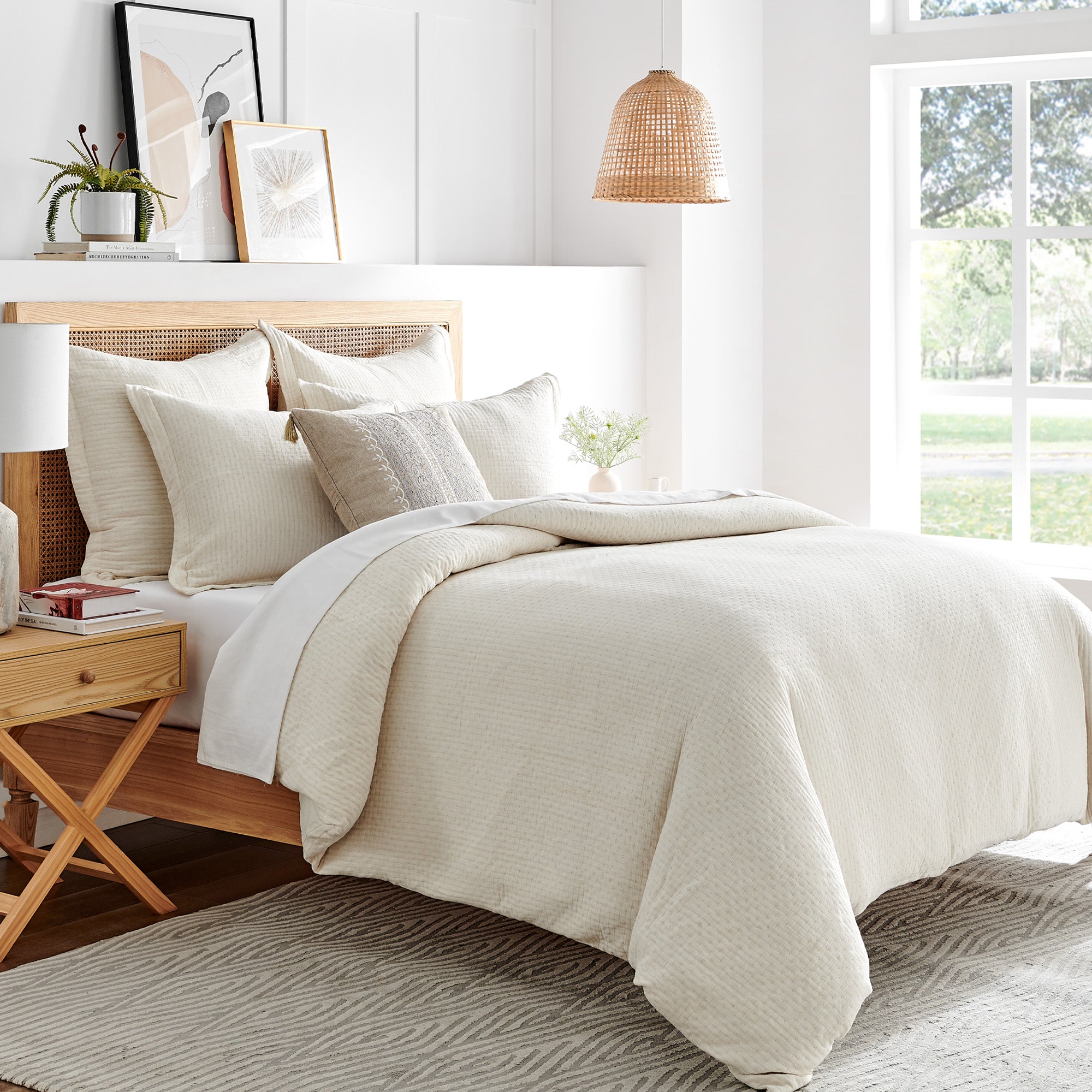
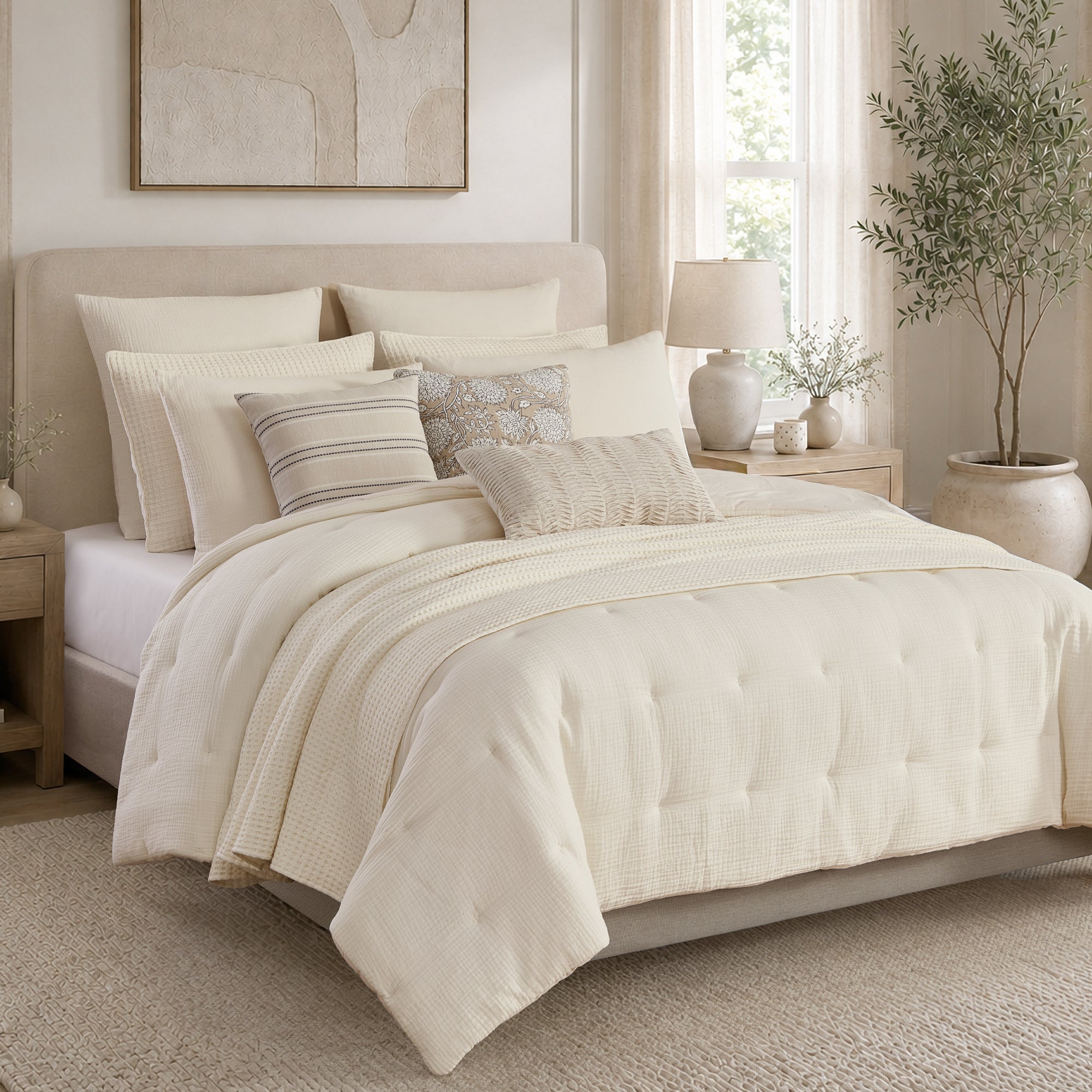
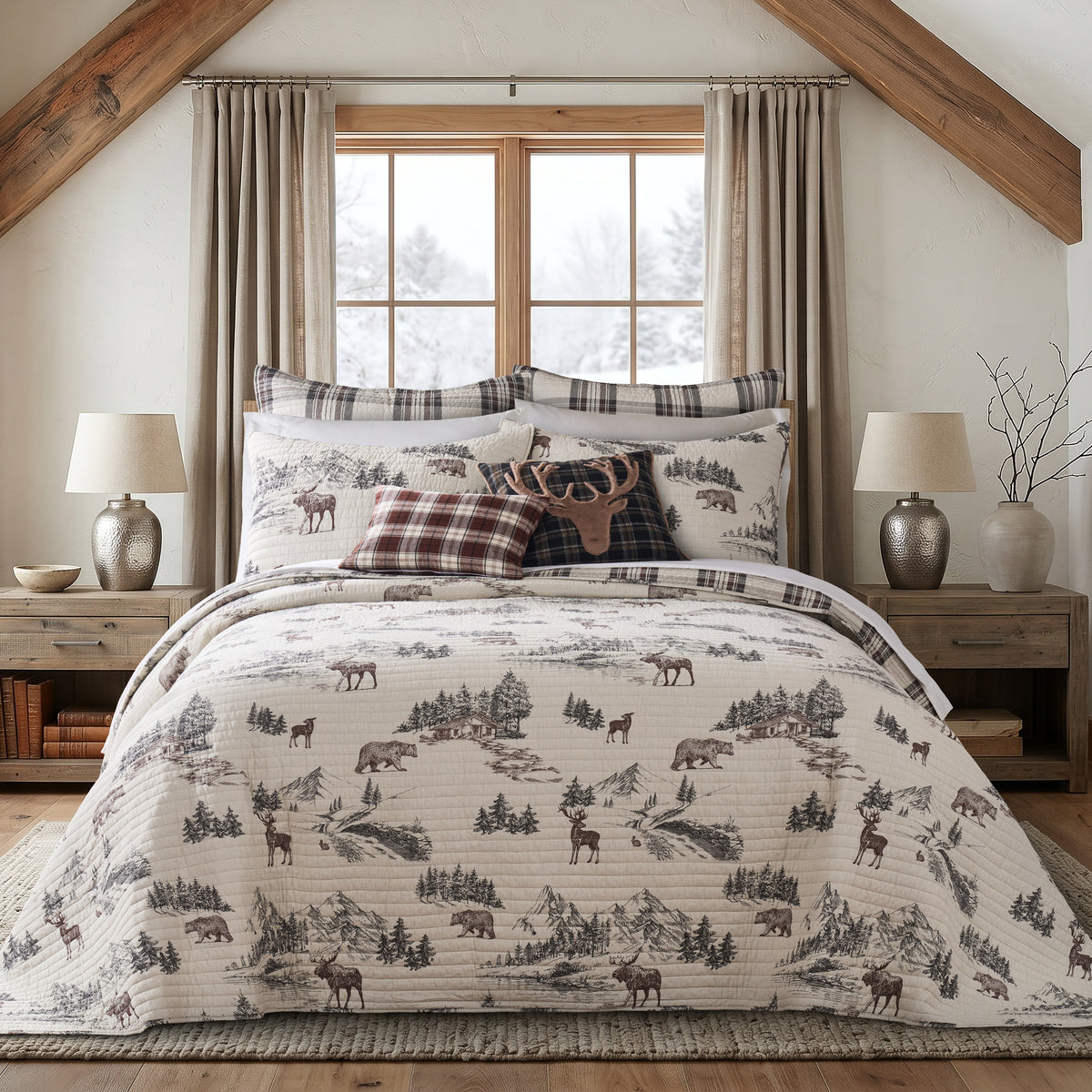
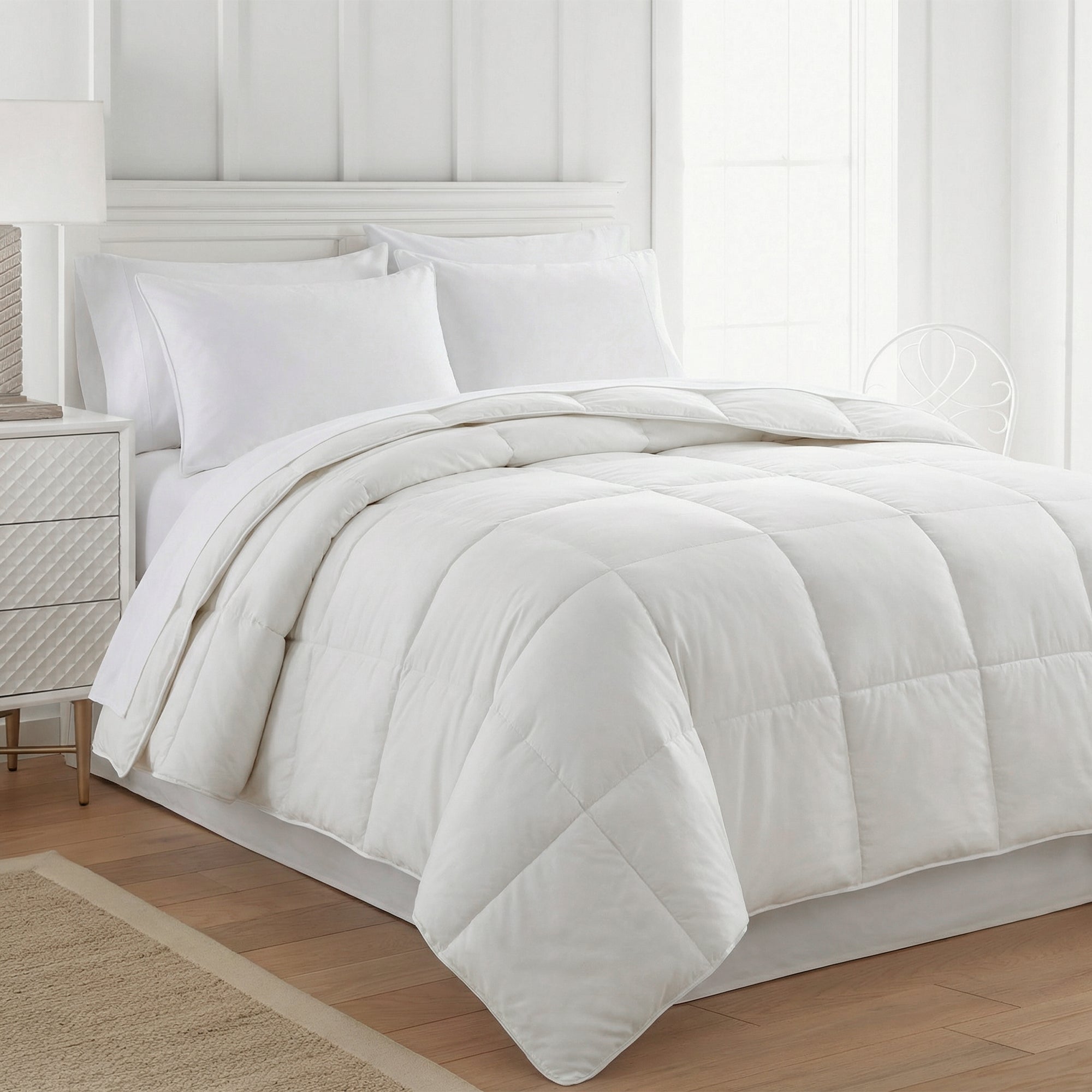
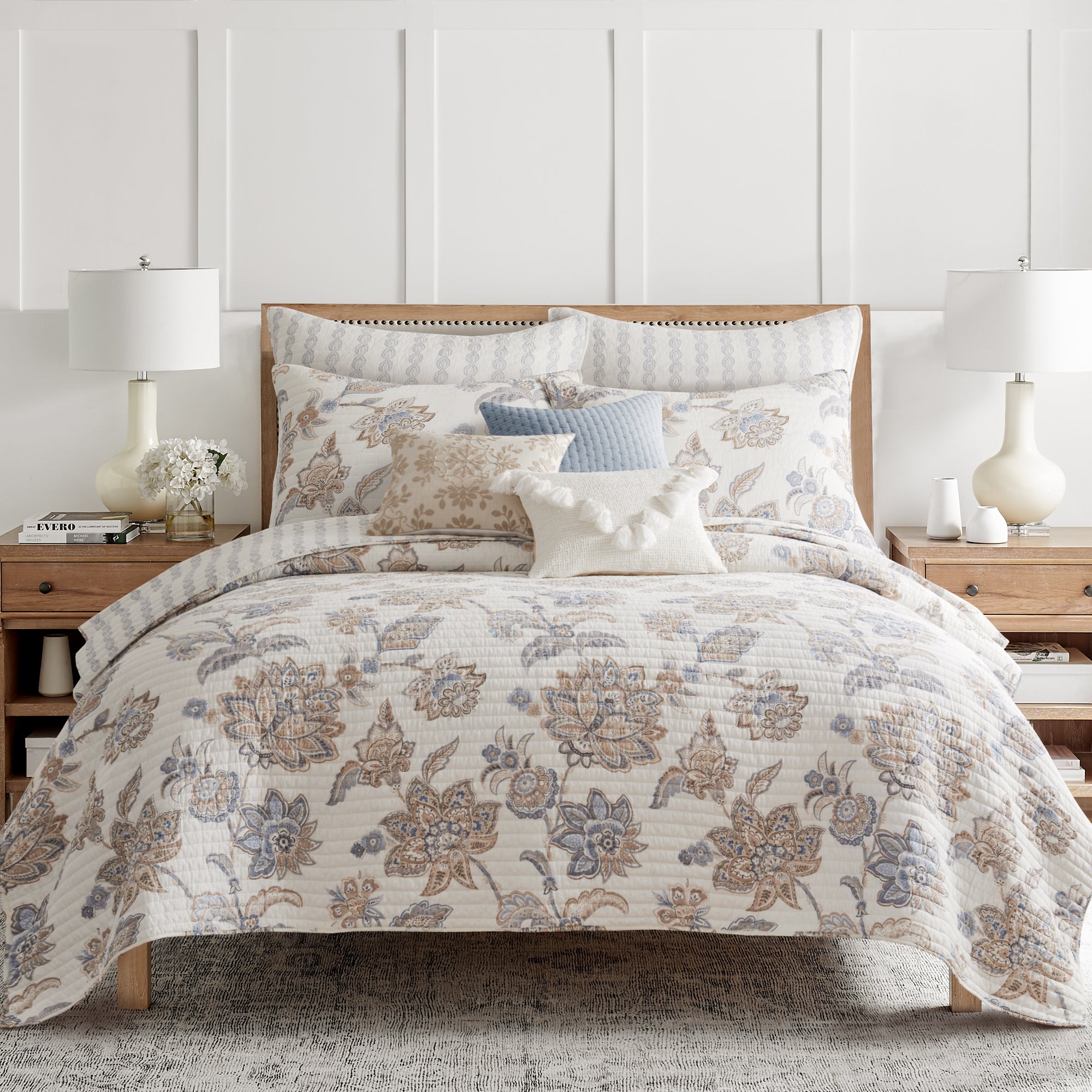
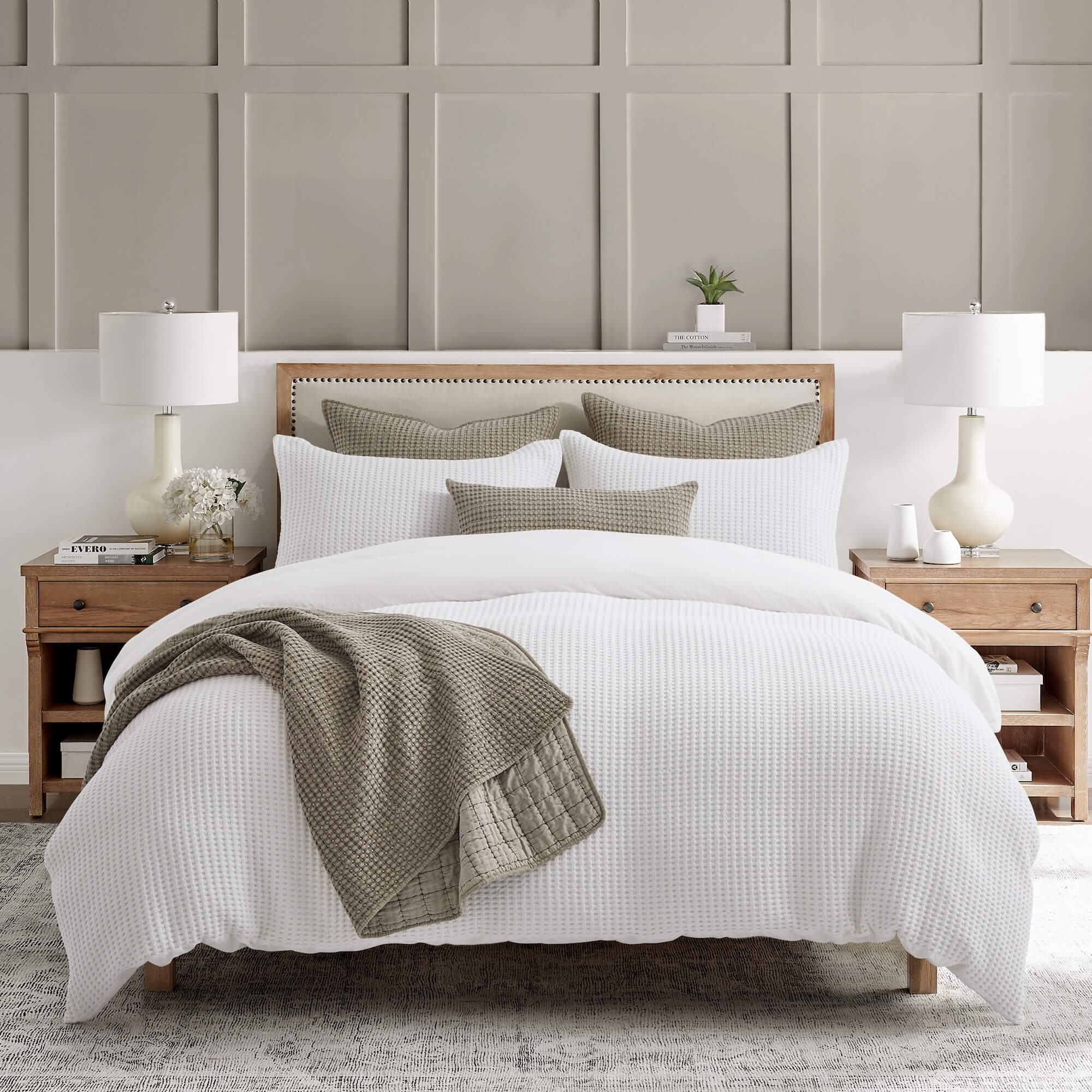
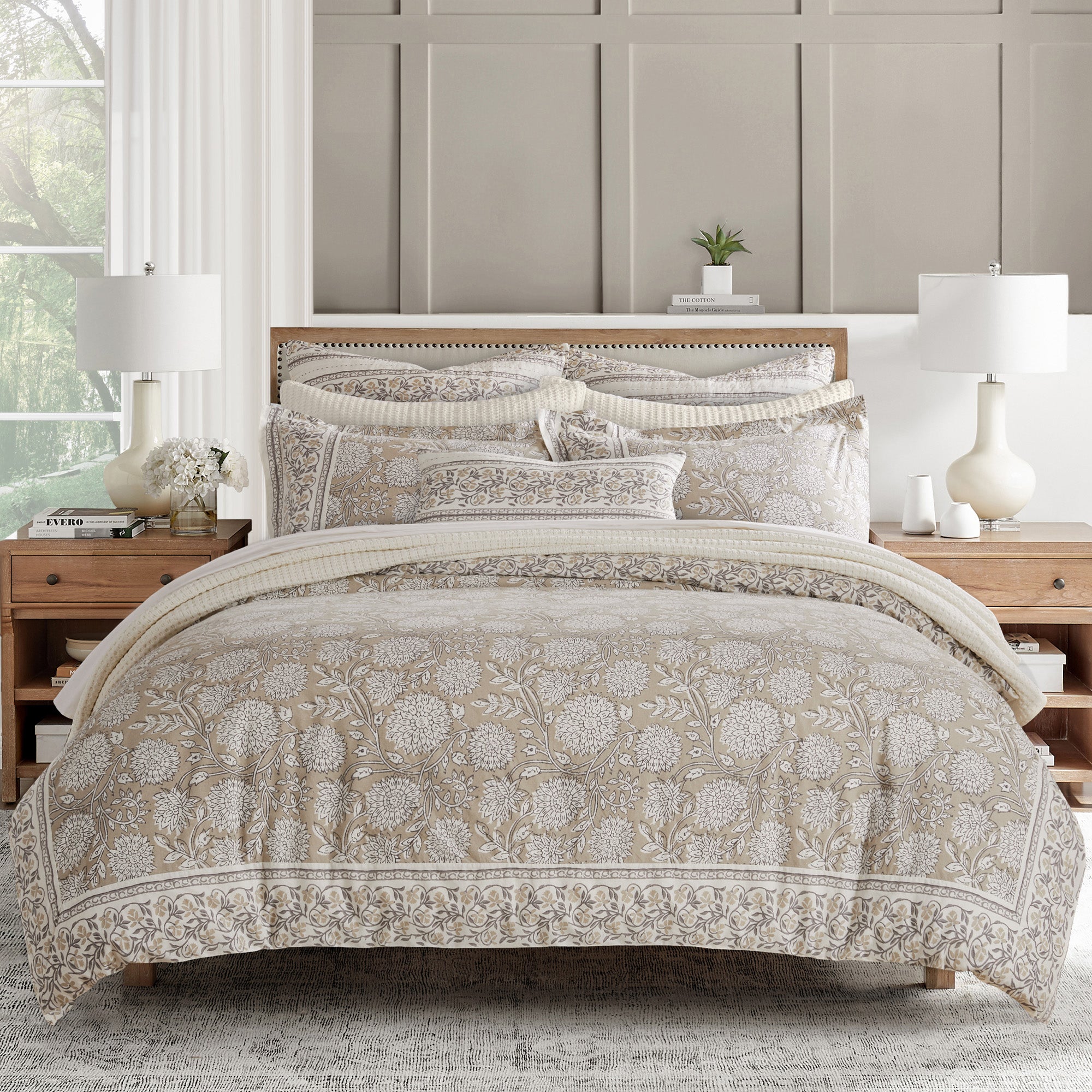
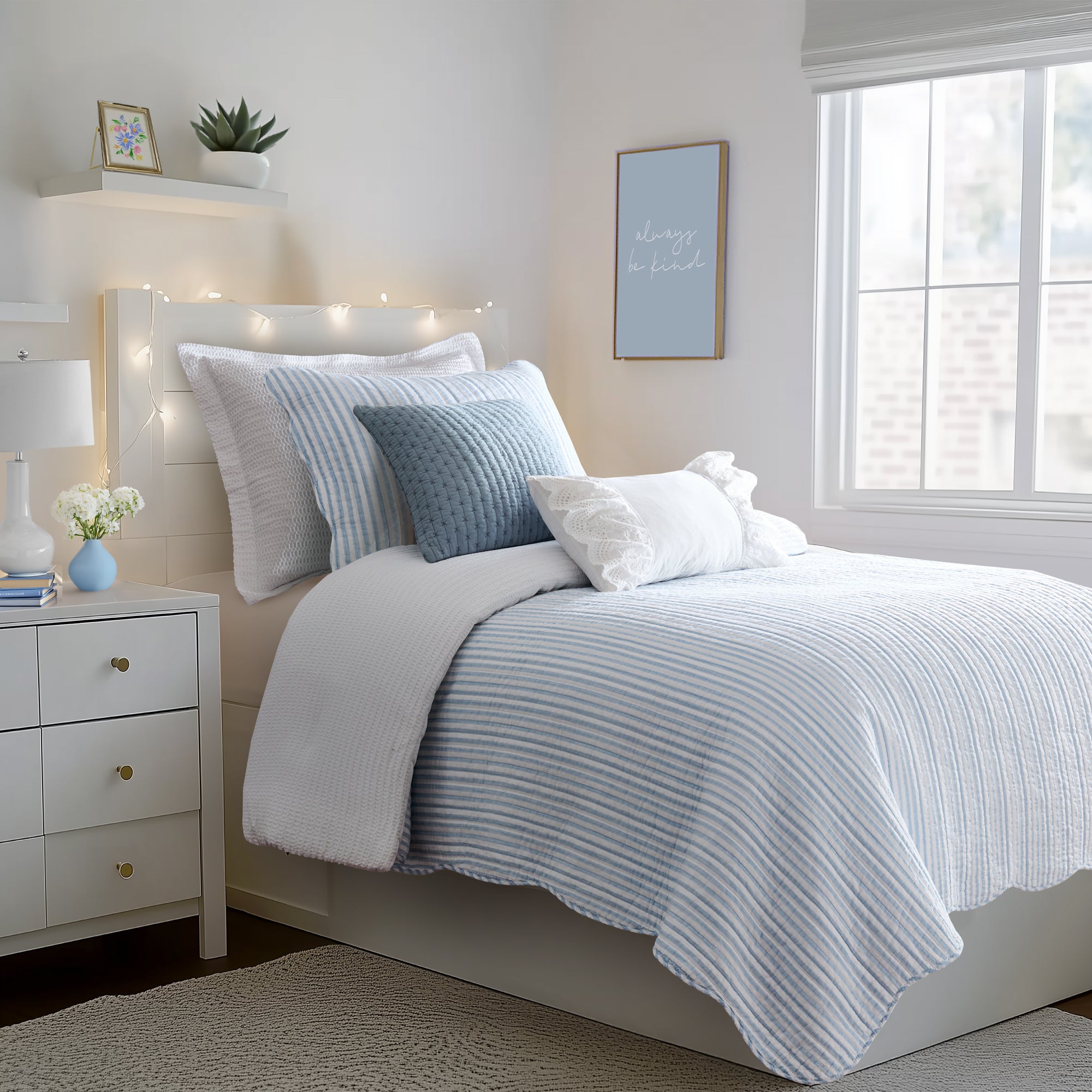
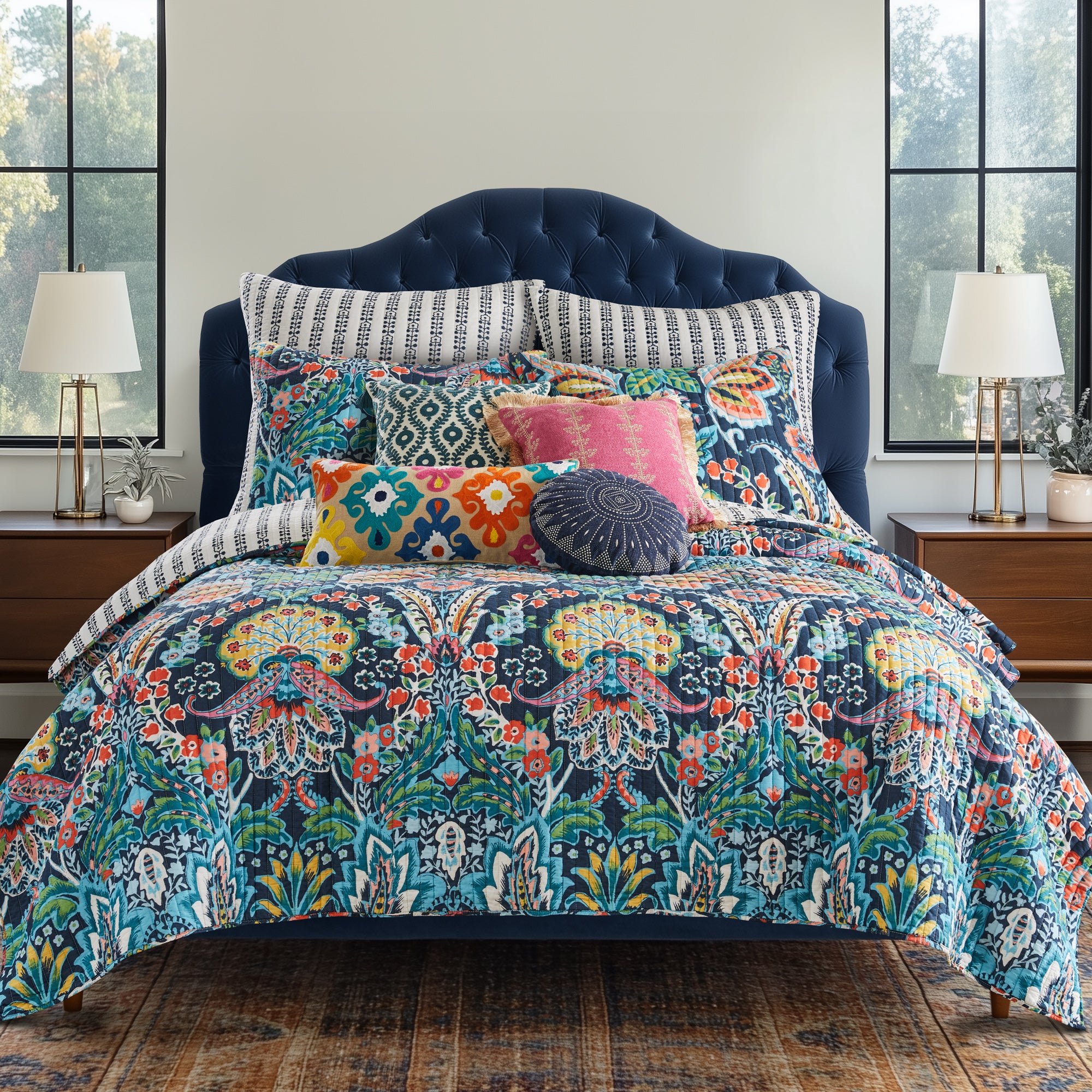
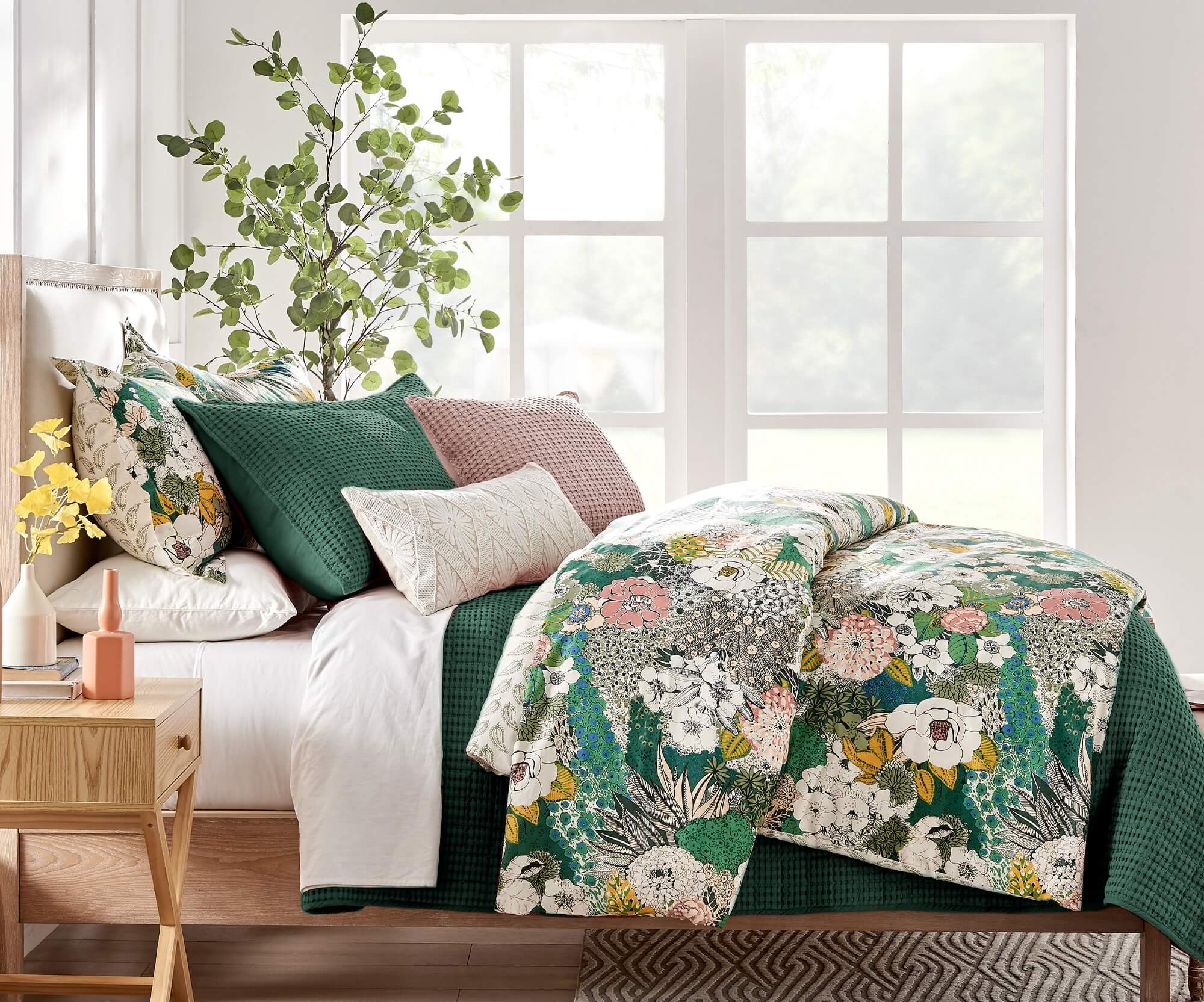
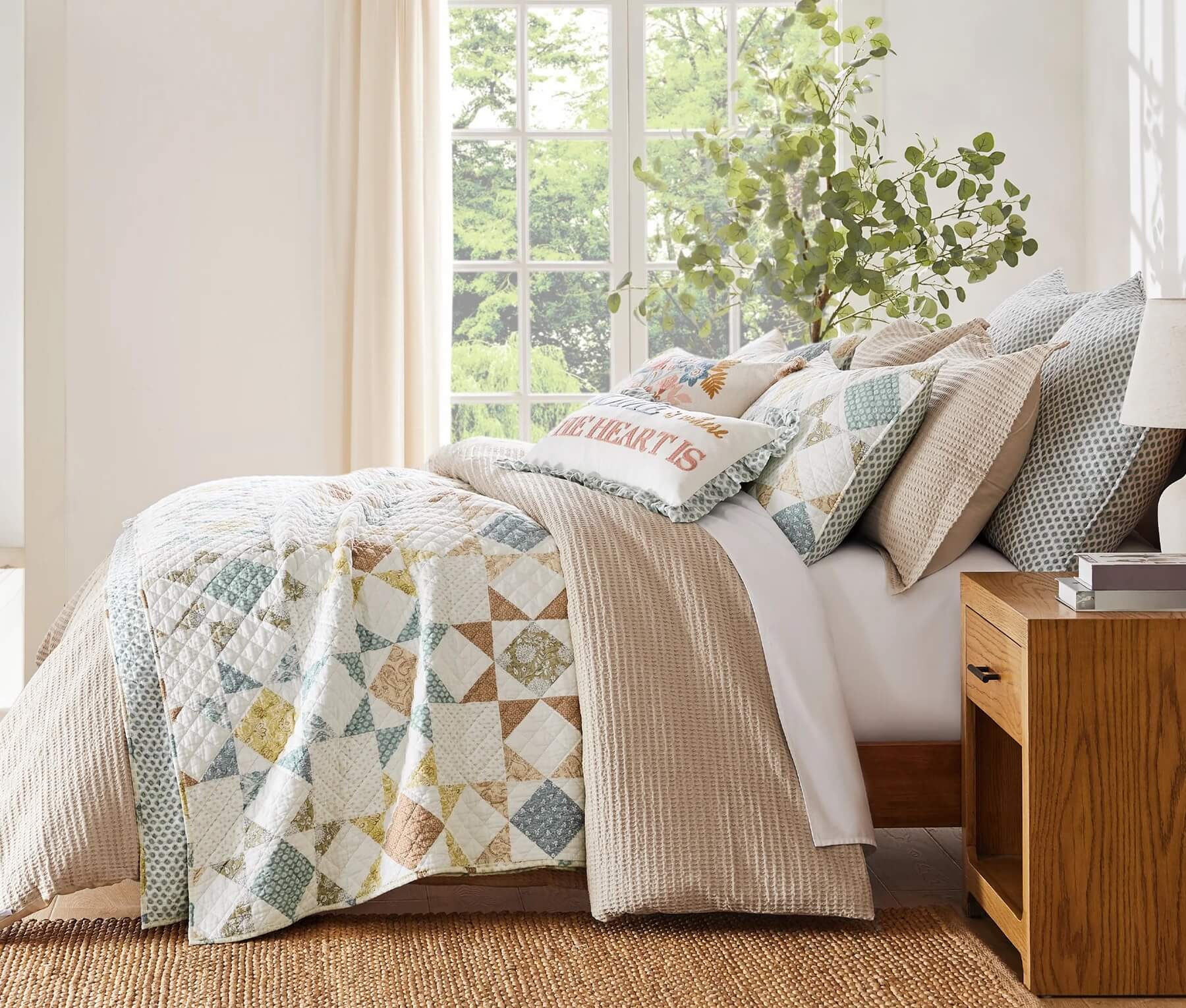
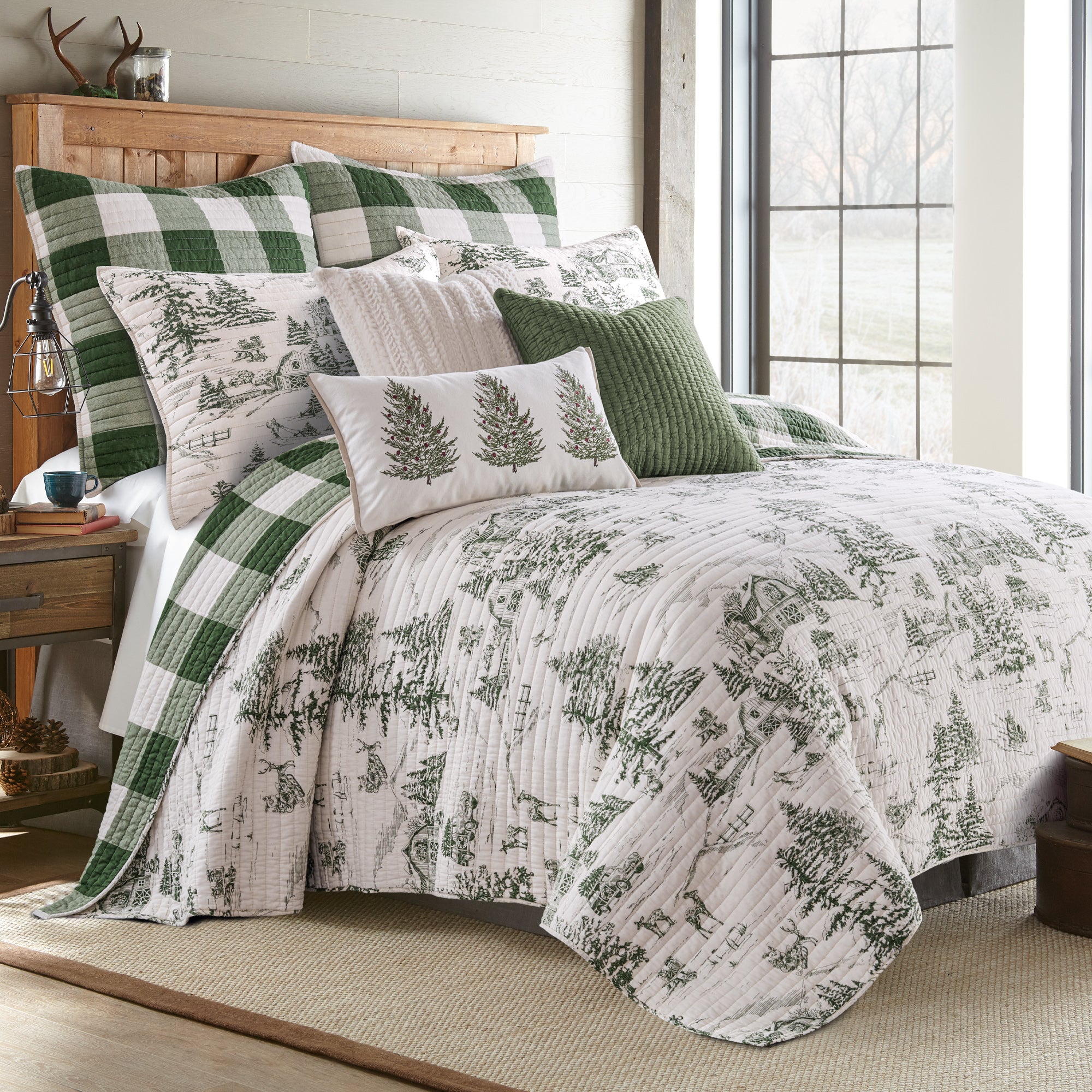
Midimalism loves textiles because they add warmth without adding clutter. This is where bedding does the heavy lifting.
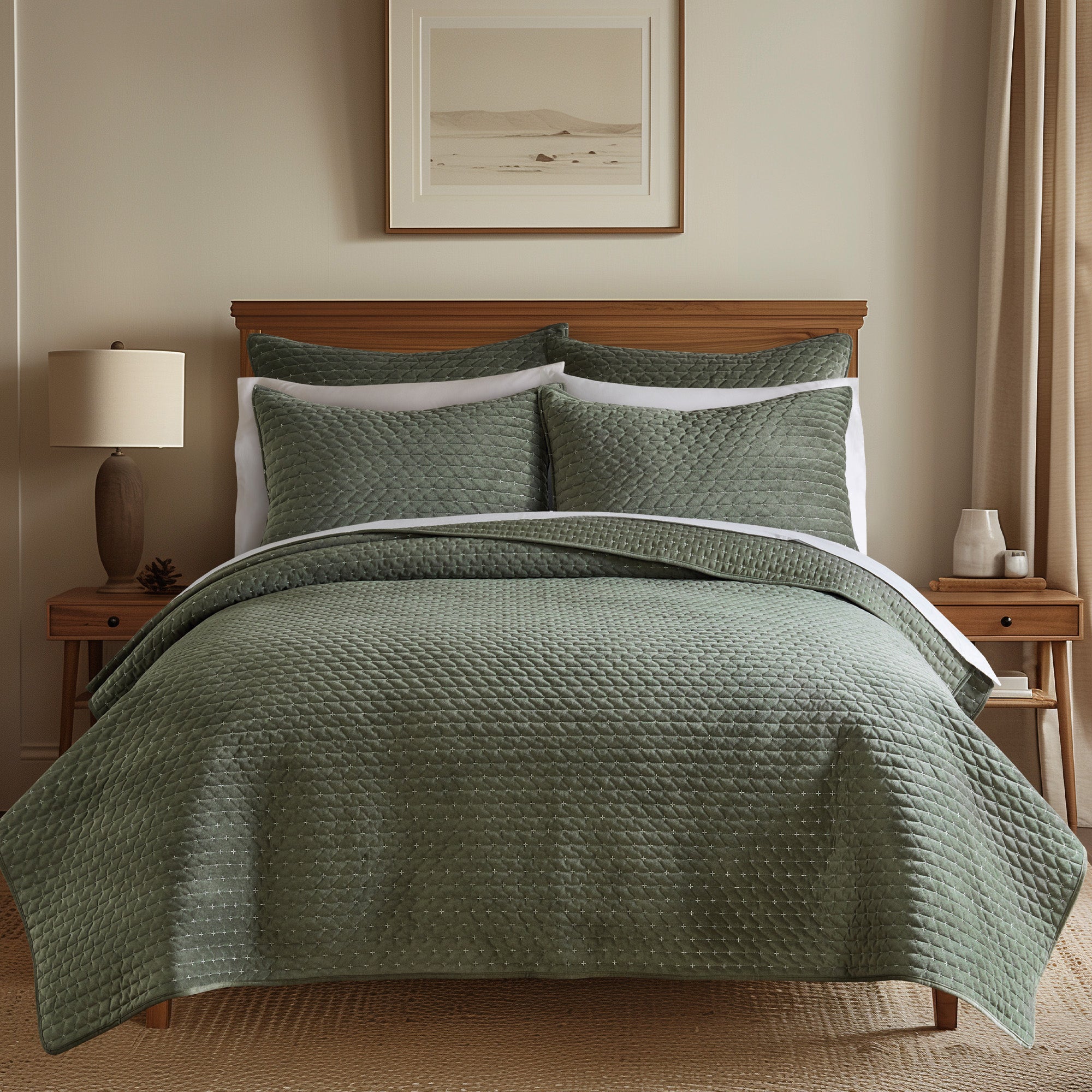
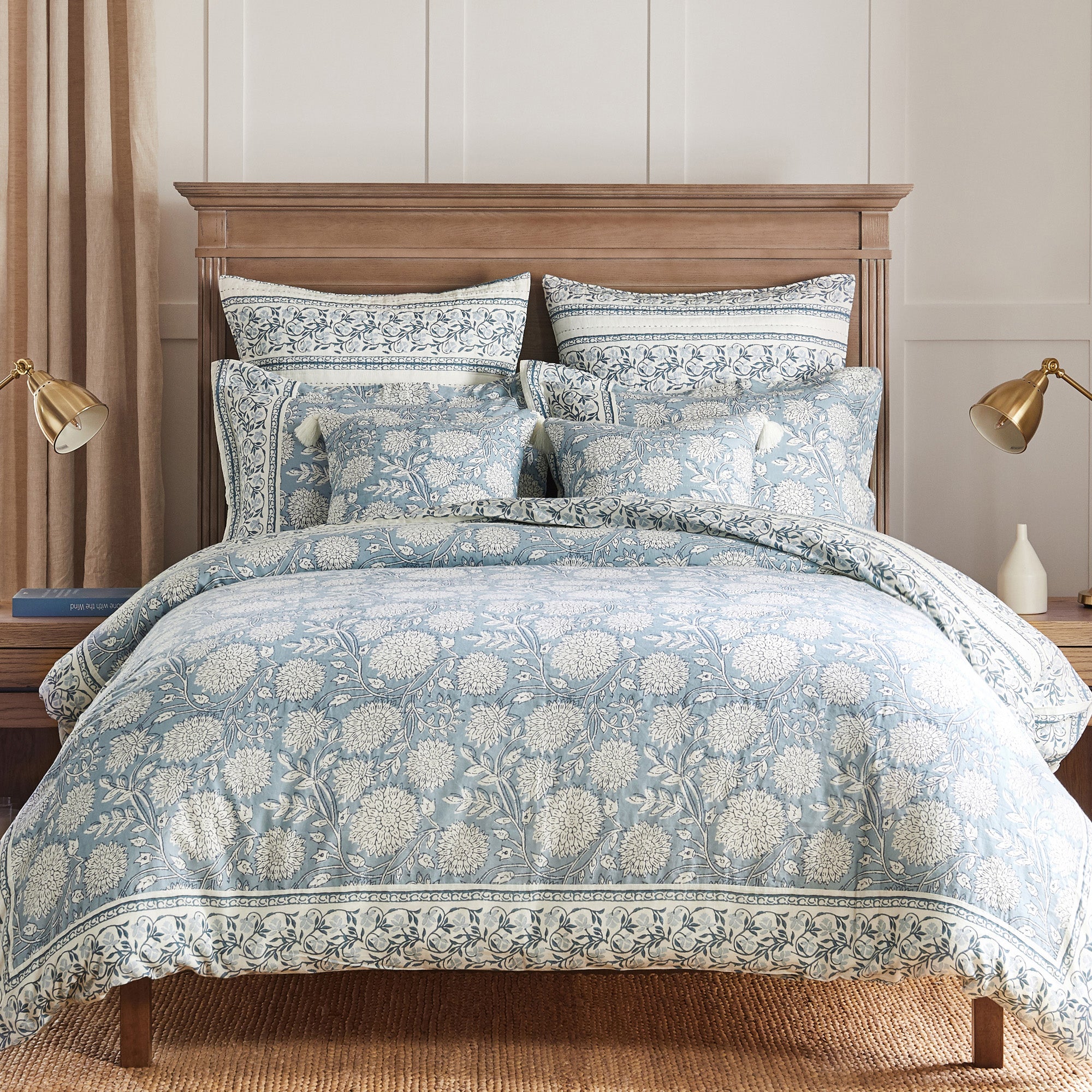
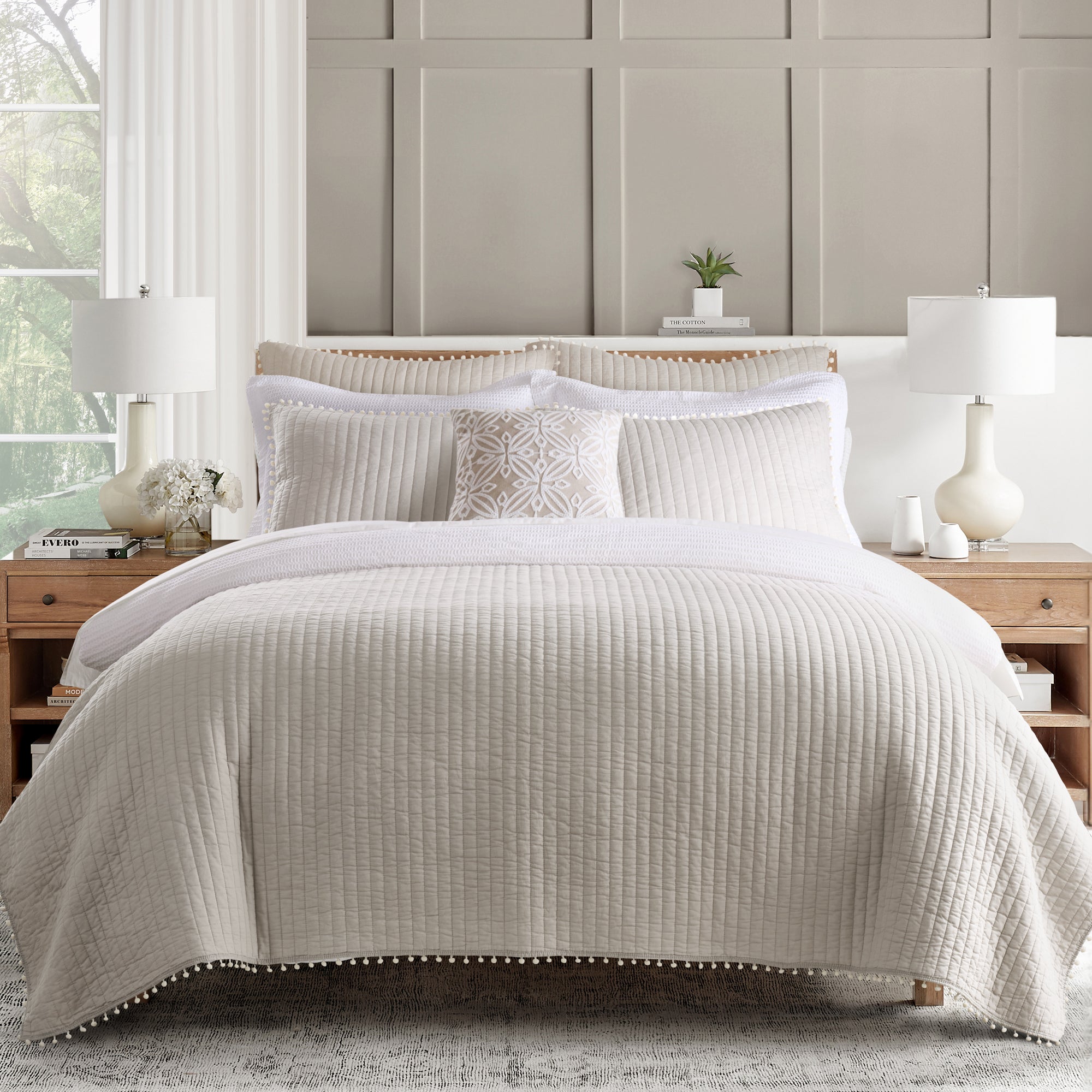
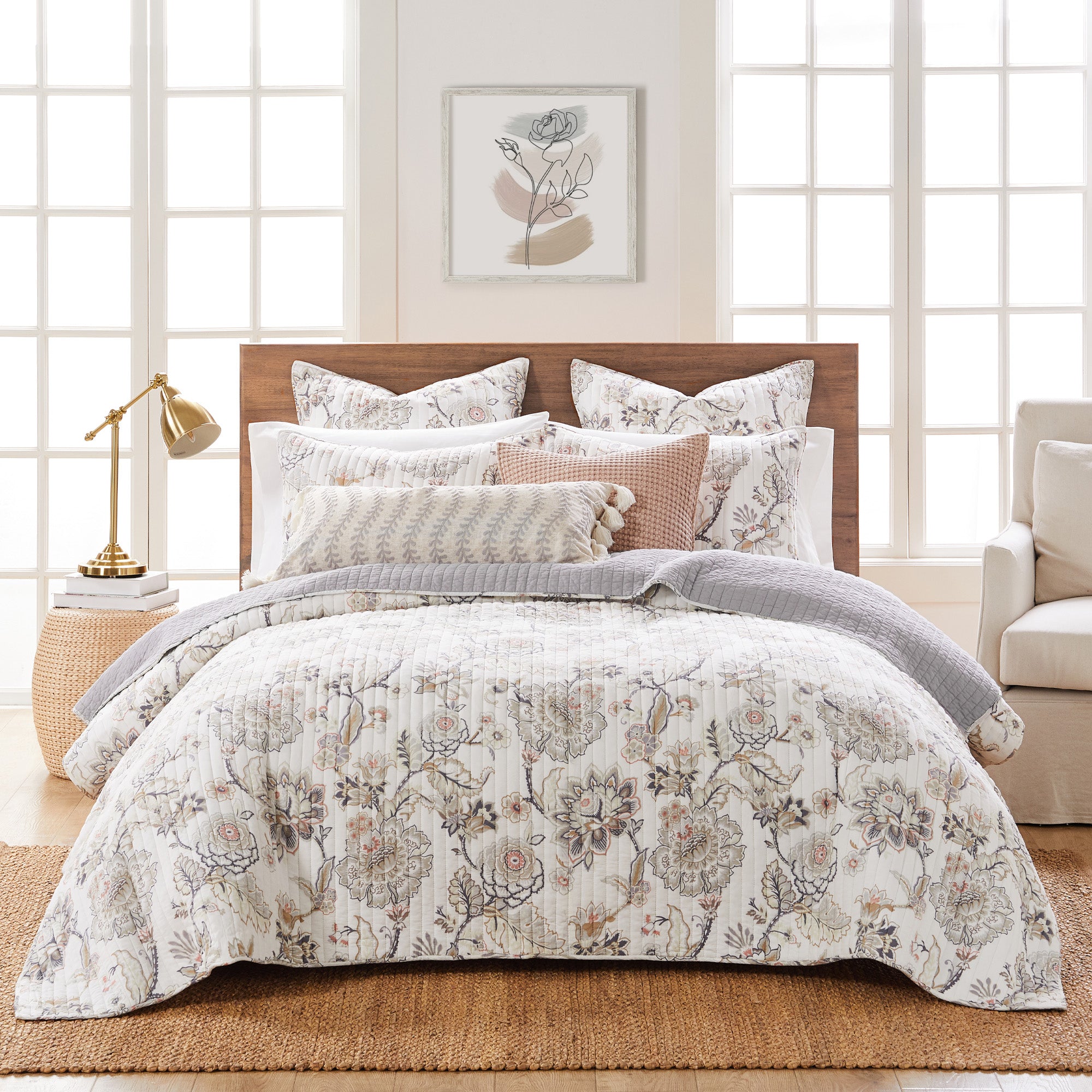
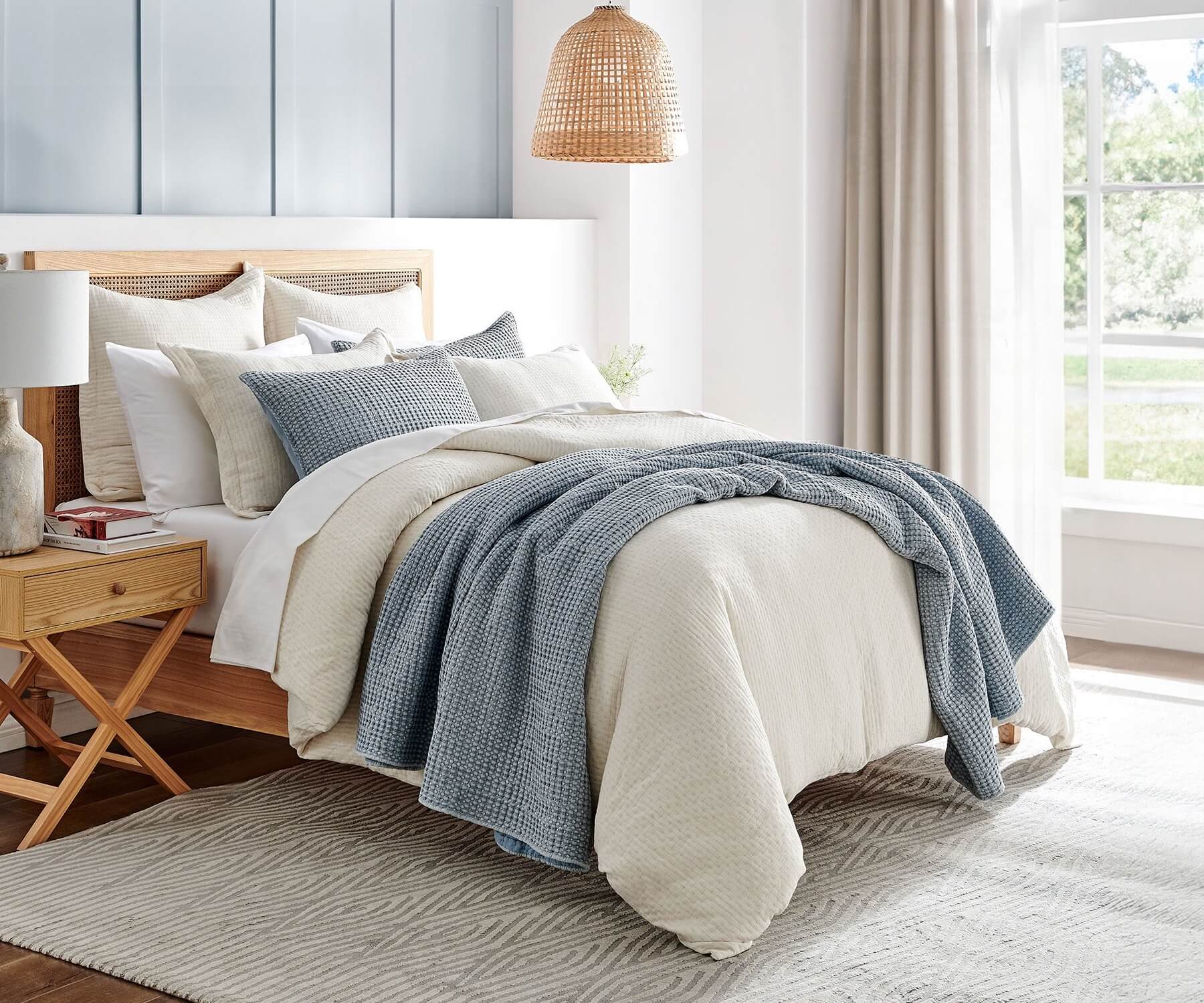
A midimalist bedroom can be built with:
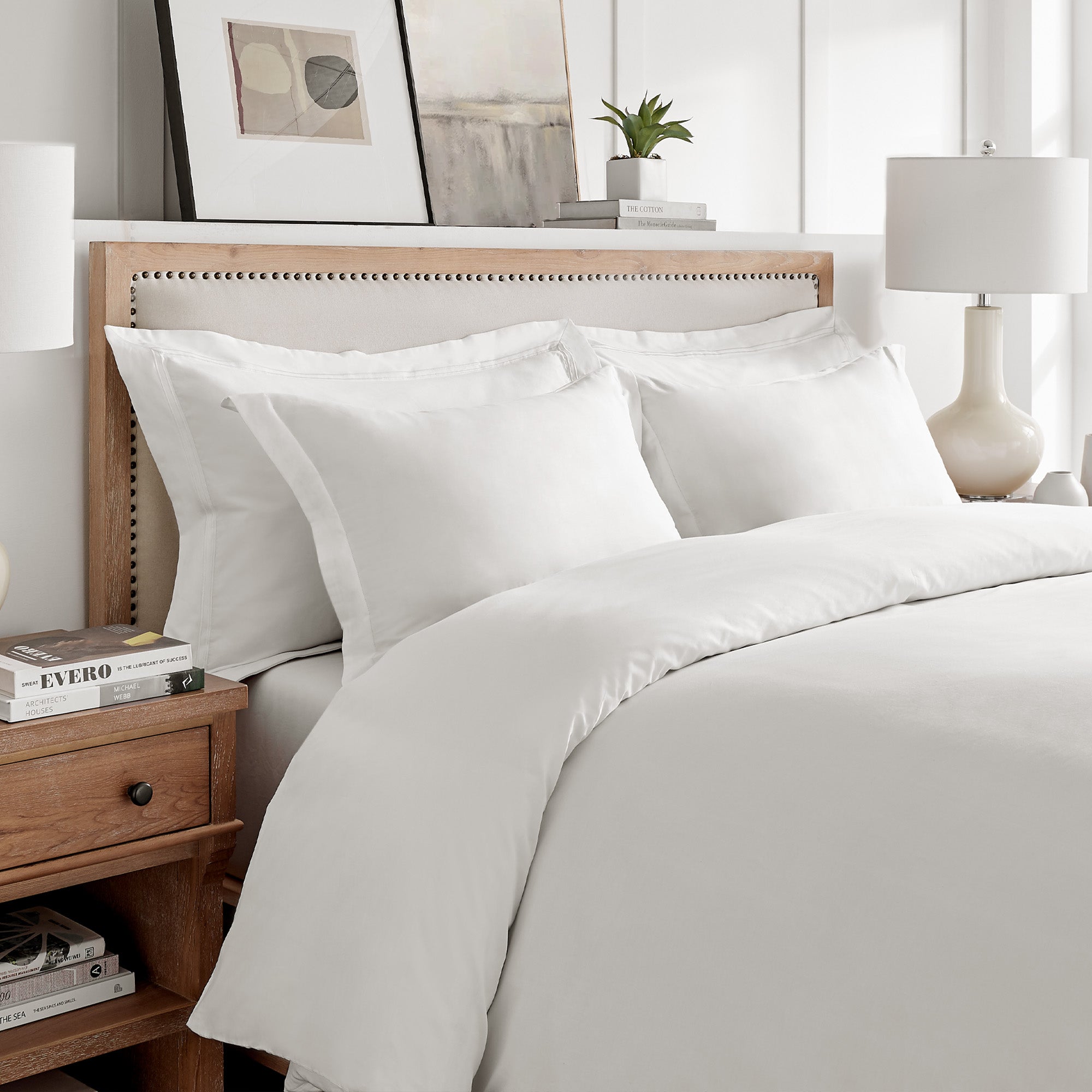
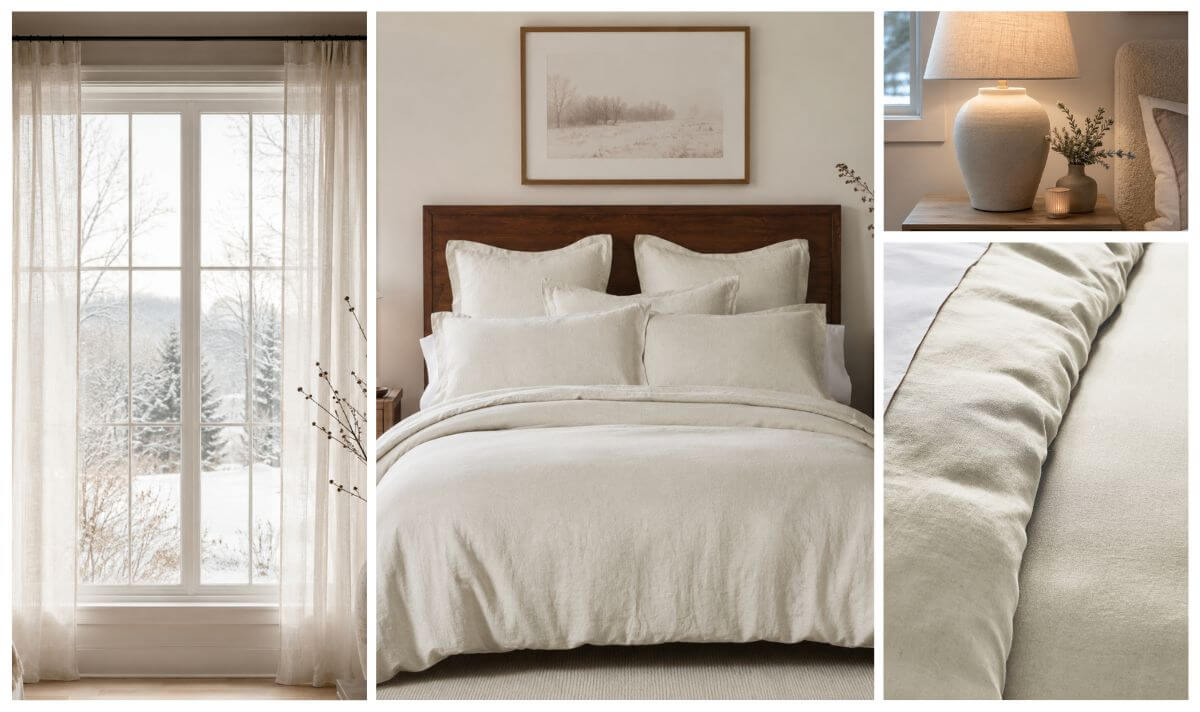
- A neutral base layer (duvet, quilt, or coverlet)
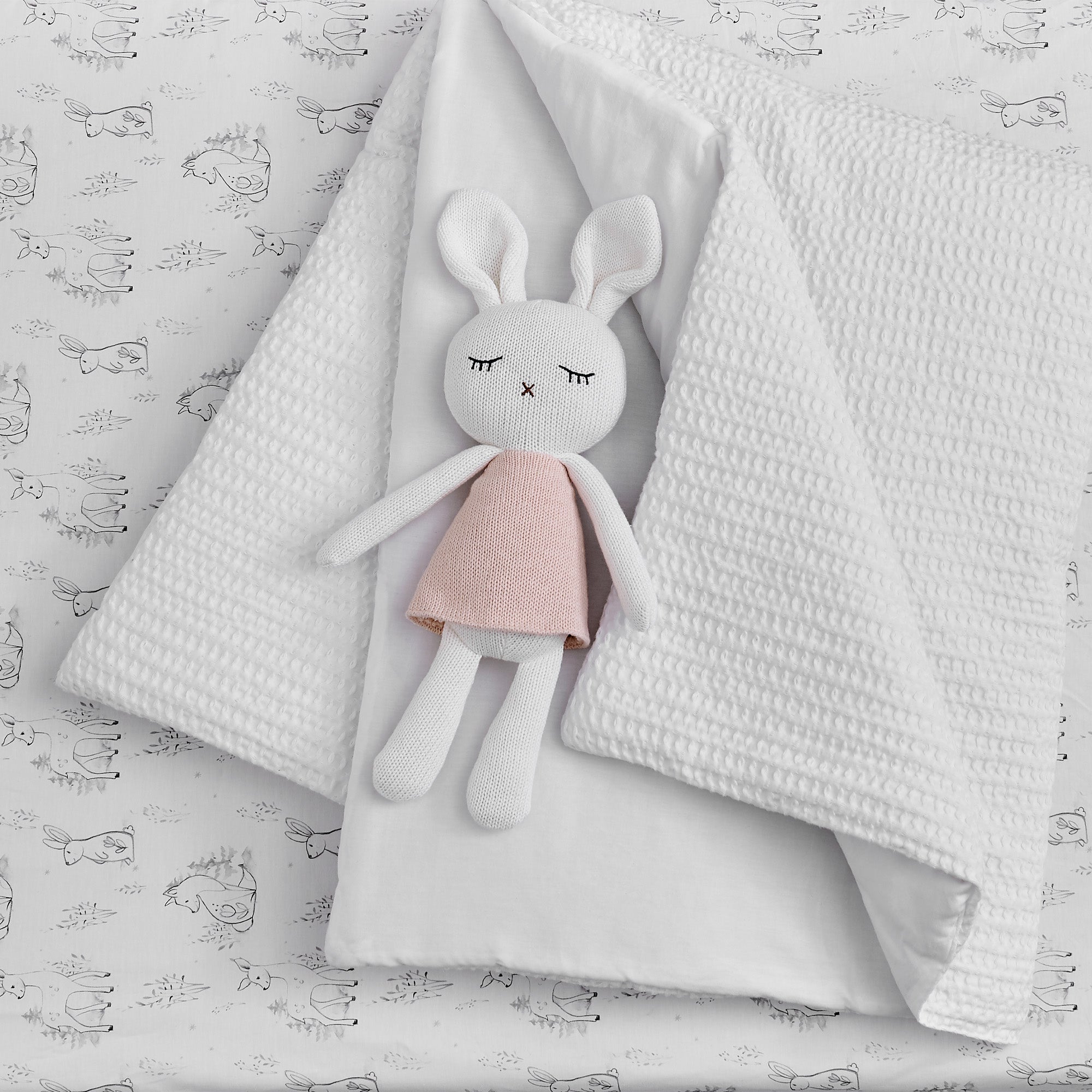
- One texture layer (a lightweight quilt, waffle layer, or throw)
- Pillows kept intentional (2–4, not 12)
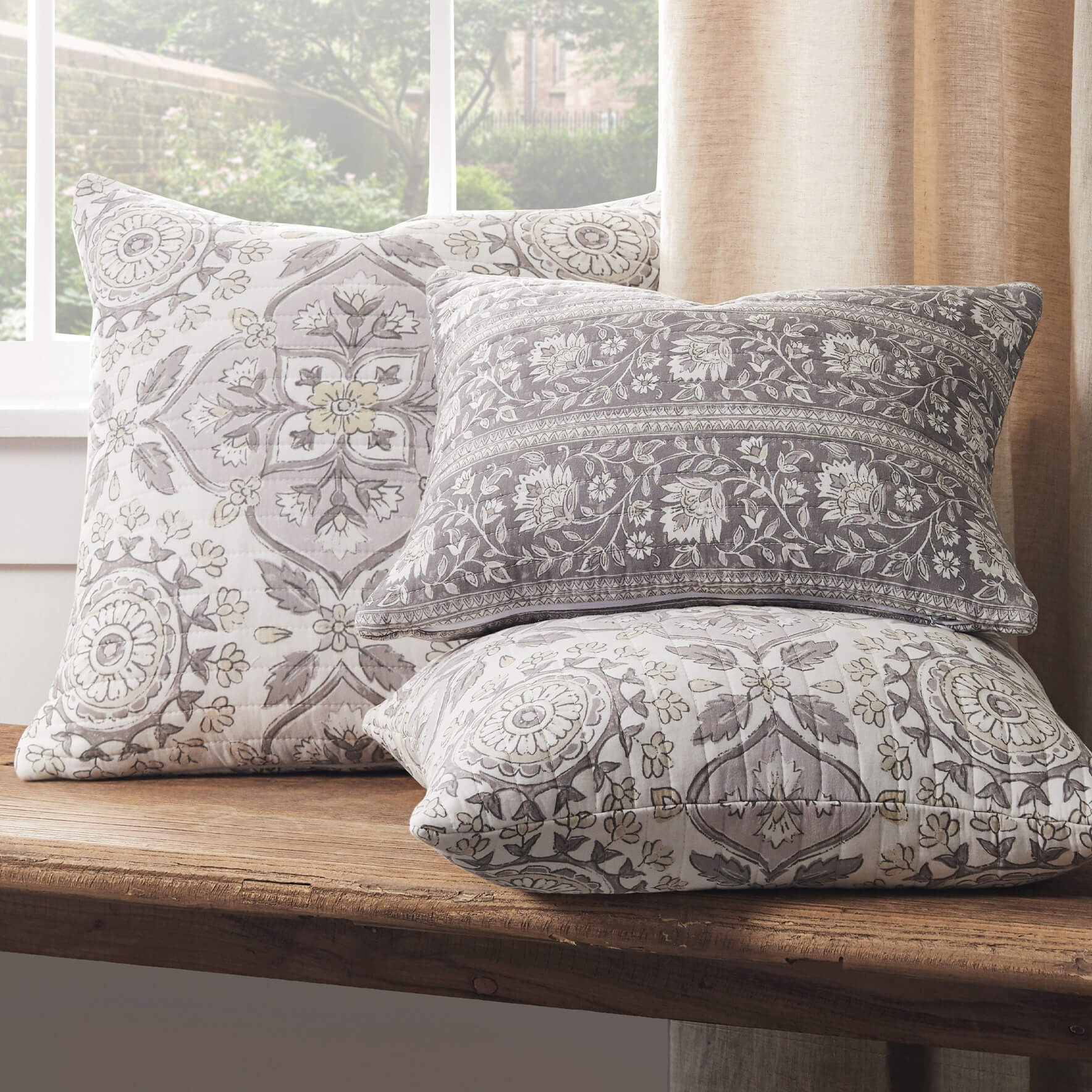
- One standout detail (patterned sham, stitched lumbar, or a single print)
Levtex Home makes sense here because the brand is strong on “designer look, livable feel.” That is midimalism in plain English. It is also the easiest way to deliver on the Levtex pillar: Luxury for less. You get a finished, styled look through layering, not through overbuying.

Midimalism vs. Maximalism: Finding the Right Balance
Midimalism borrows the best parts of maximalism. It just refuses the chaos.
Maximalism is great at:
- Storytelling
- Pattern play
- Collected, expressive rooms
Midimalism keeps that energy but tightens the rules:
- Fewer patterns
- Clearer focal points
- More negative space
- A more cohesive palette
This is where “editing” becomes the skill.
There can be mental or physical discomfort associated with minimalism and maximalism, so it makes sense that we would take elements of both to create a sweet spot in the middle.House & Garden (UK)
When to edit vs. when to add
Use this quick filter:
- Room feels cold: add texture first, not more objects
- Room feels messy: remove small decor, add storage, clear surfaces
- Room feels boring: add one statement piece, not ten accents
- Room feels loud: tighten the palette, reduce pattern count, simplify walls
Midimalism is not about playing it safe. It is about making fewer choices that land harder.
Why Midimalism Interior Design Is Gaining Traction
Midimalism is gaining traction because it matches how people want to live now. Comfortable. Calm. Personal. Flexible.
It works with real life
A midimalist house is not precious. You can move things around. You can change seasons. You can add a new piece without blowing up the whole vibe.
That flexibility matters, especially in shared spaces like living rooms and bedrooms, where the room has to serve multiple roles.
A midimalist living room is comfortable, beautiful, and feels right for the house, but also allows for flexibility and the cozy messiness of real life.Jessica Helgerson, interior designer
It supports a calmer home environment
Midimalism is basically “restorative design with boundaries.”
A well-cited study on home environments and mood found that higher “stressful home” scores were associated with increased depressed mood across the day, while higher “restorative home” scores were associated with decreased depressed mood.
That is not saying your throw pillows will heal you. It is saying your environment matters. Midimalism makes it easier to keep the environment supportive instead of chaotic.
It aligns with smarter spending
Midimalism is naturally budget-respectful because it rewards:
- Buying fewer items
- Buying better materials
- Styling through layering, not clutter
That is another reason Levtex Home fits. You can build a “finished” bedroom or guest space with a neutral foundation and a few strong textiles. It reads elevated. It stays livable. It does not require constant redecorating.
Midimalism is the design version of “I have taste, and I have bills.” It can be both.
References
1. Is middlemalism a valid decorating philosophy?,
House & Garden (UK)
2. This new living room style is perfect if you have design decision fatigue like me – here's why I am embracing midimalism in my living room,
Homes & Gardens
3. Midimalist bedrooms are trending for good reason – if you want a sleep space that's the perfect balance of characterful and curated, this is the style to know about,
Homes & Gardens
4. Speaking of Psychology: Why clutter stresses us out, with Dn. Joseph Ferrari, PhD,
American Psychological Association