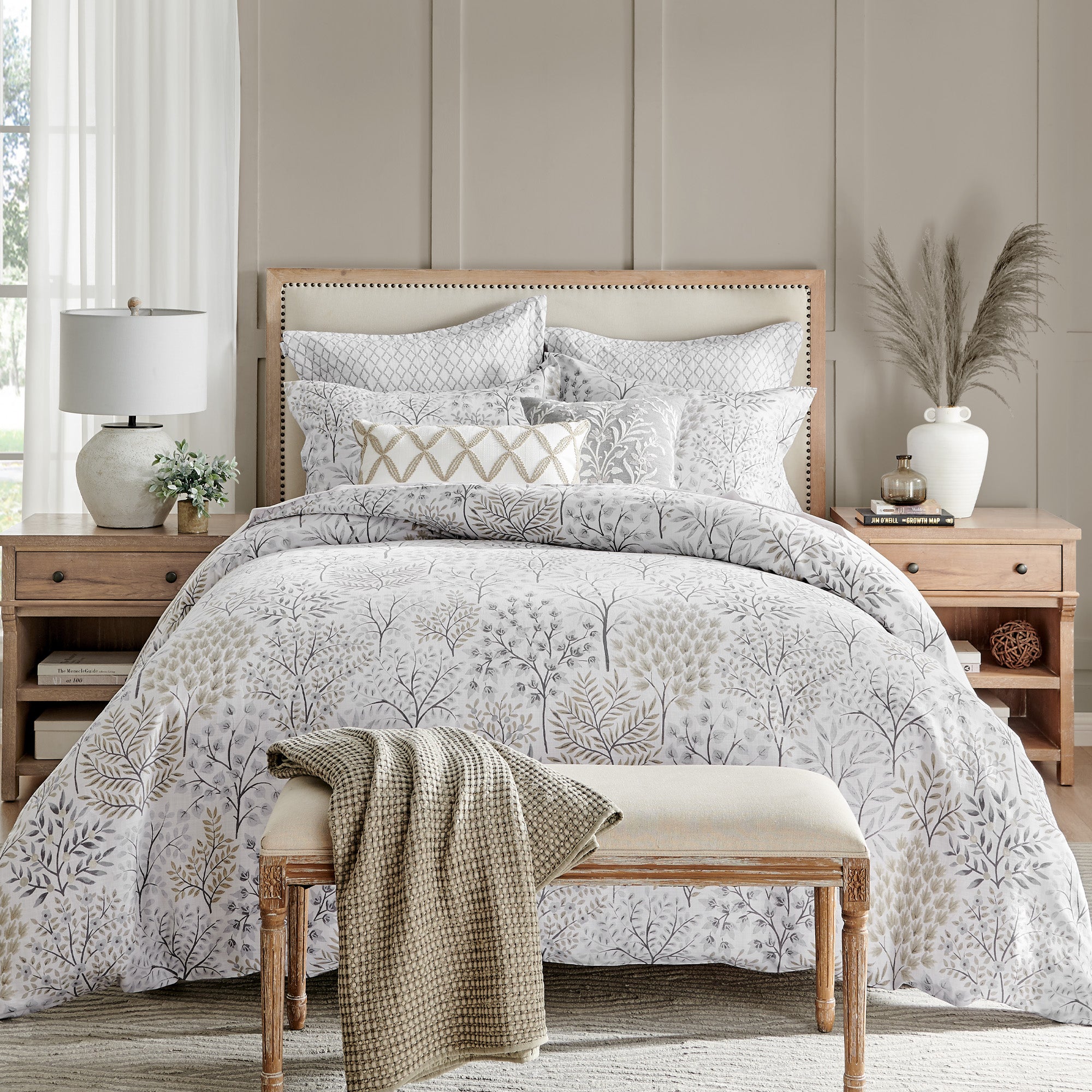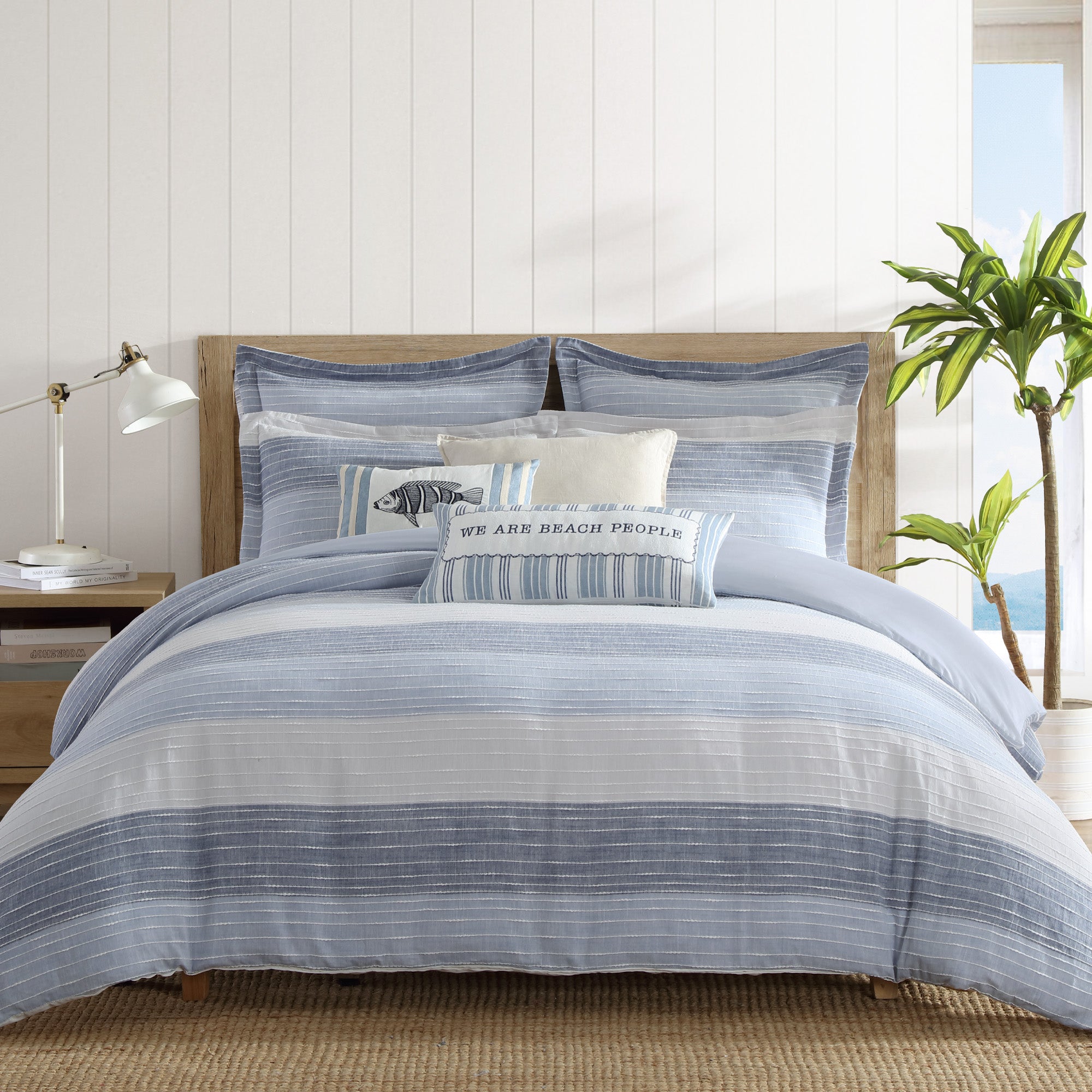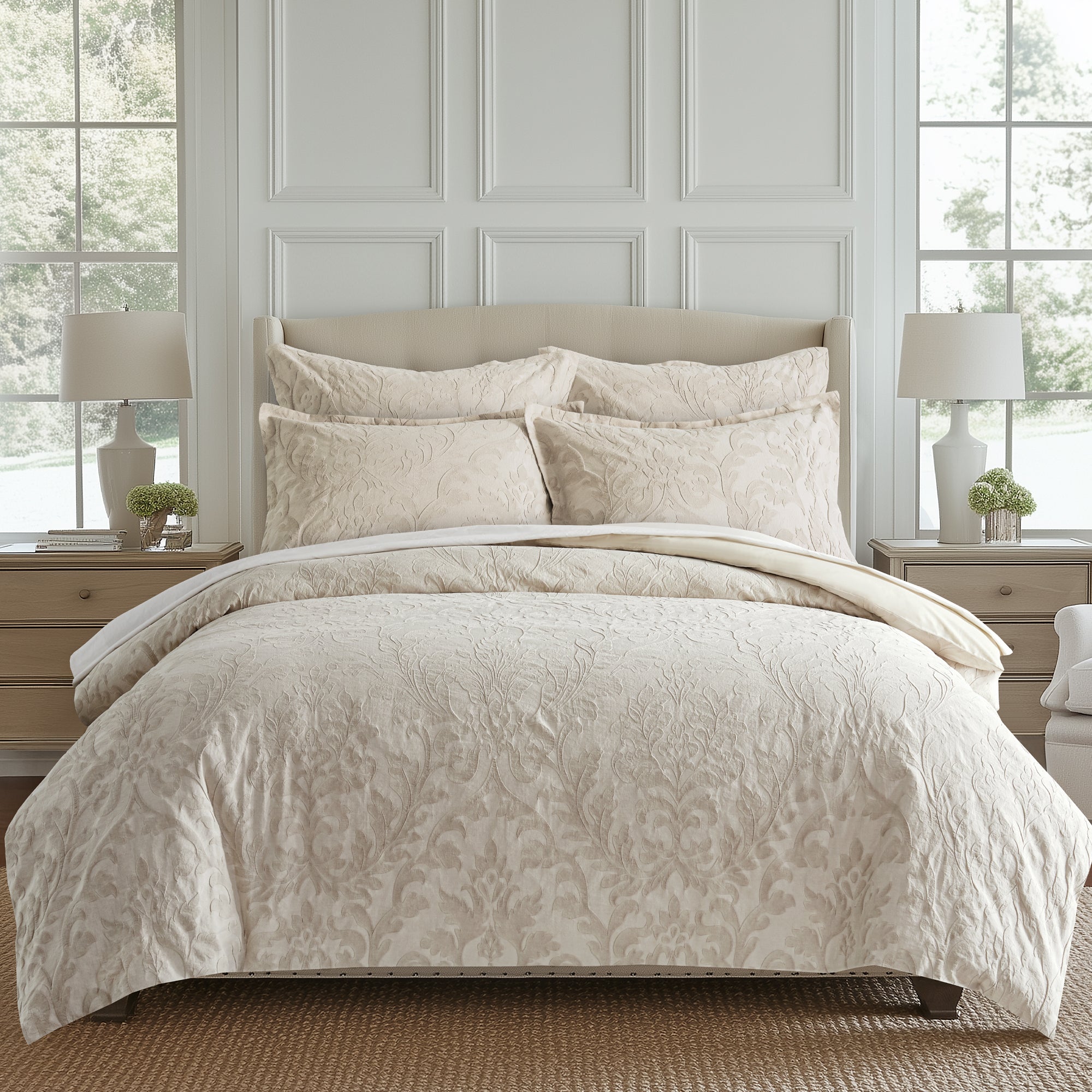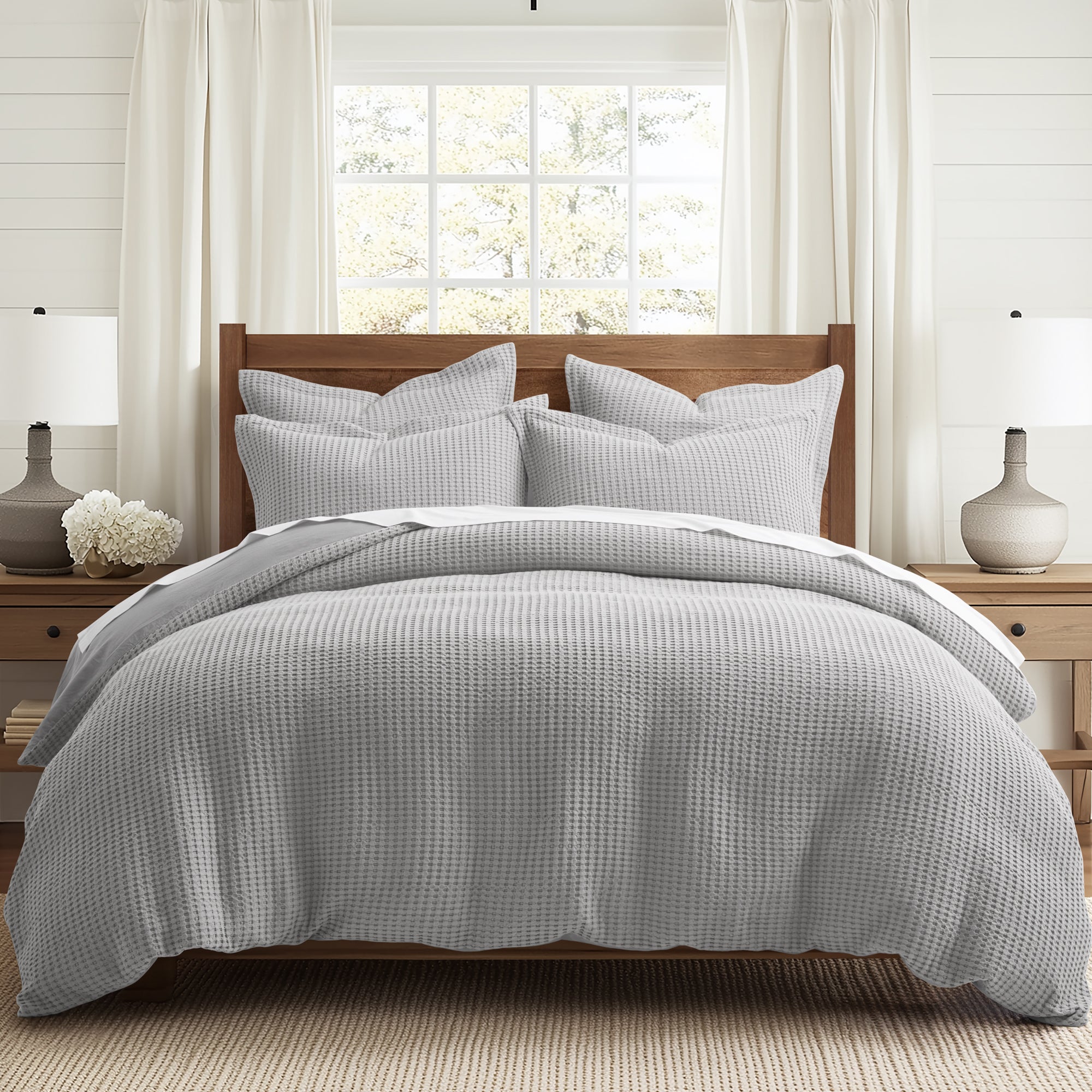

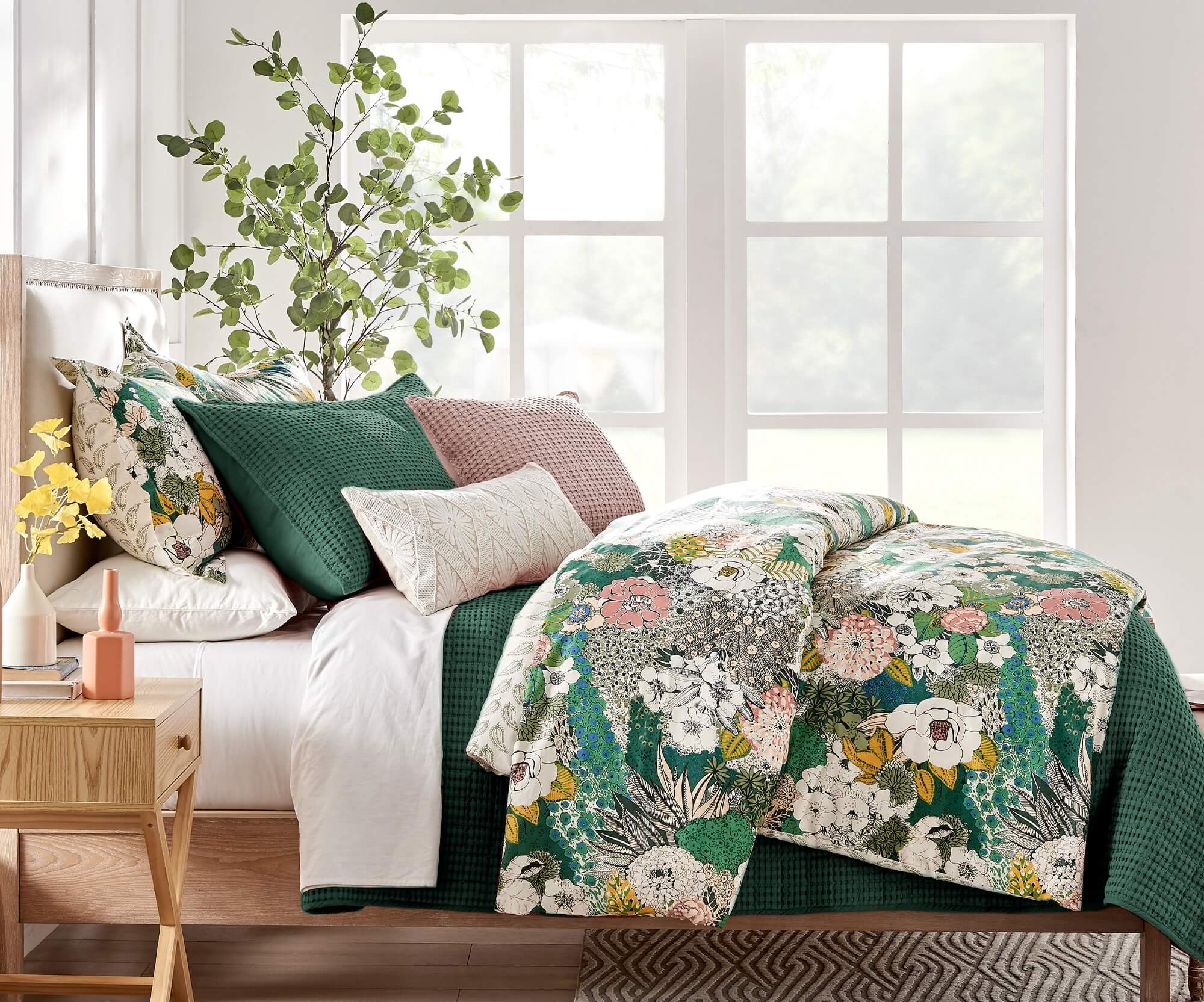
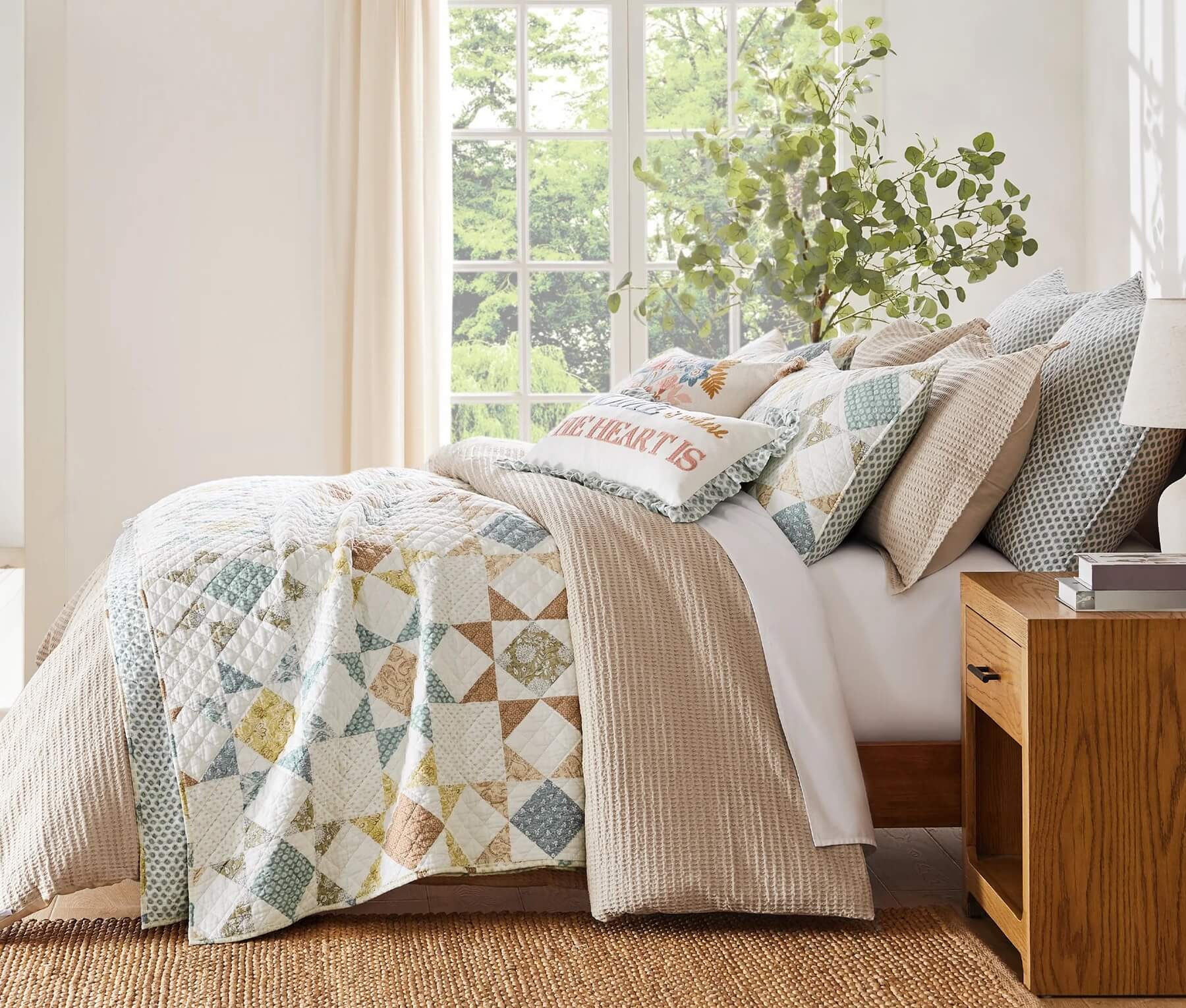
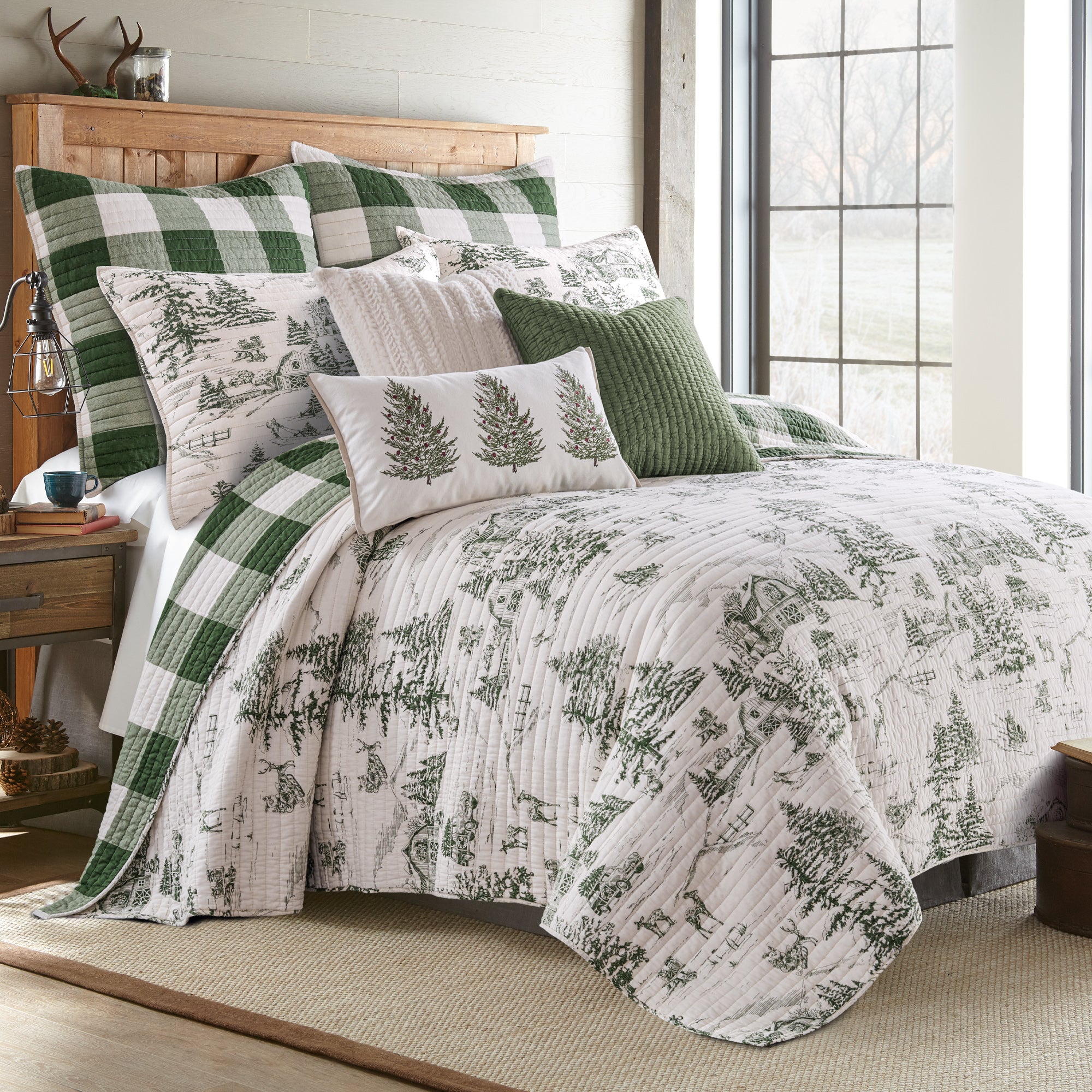
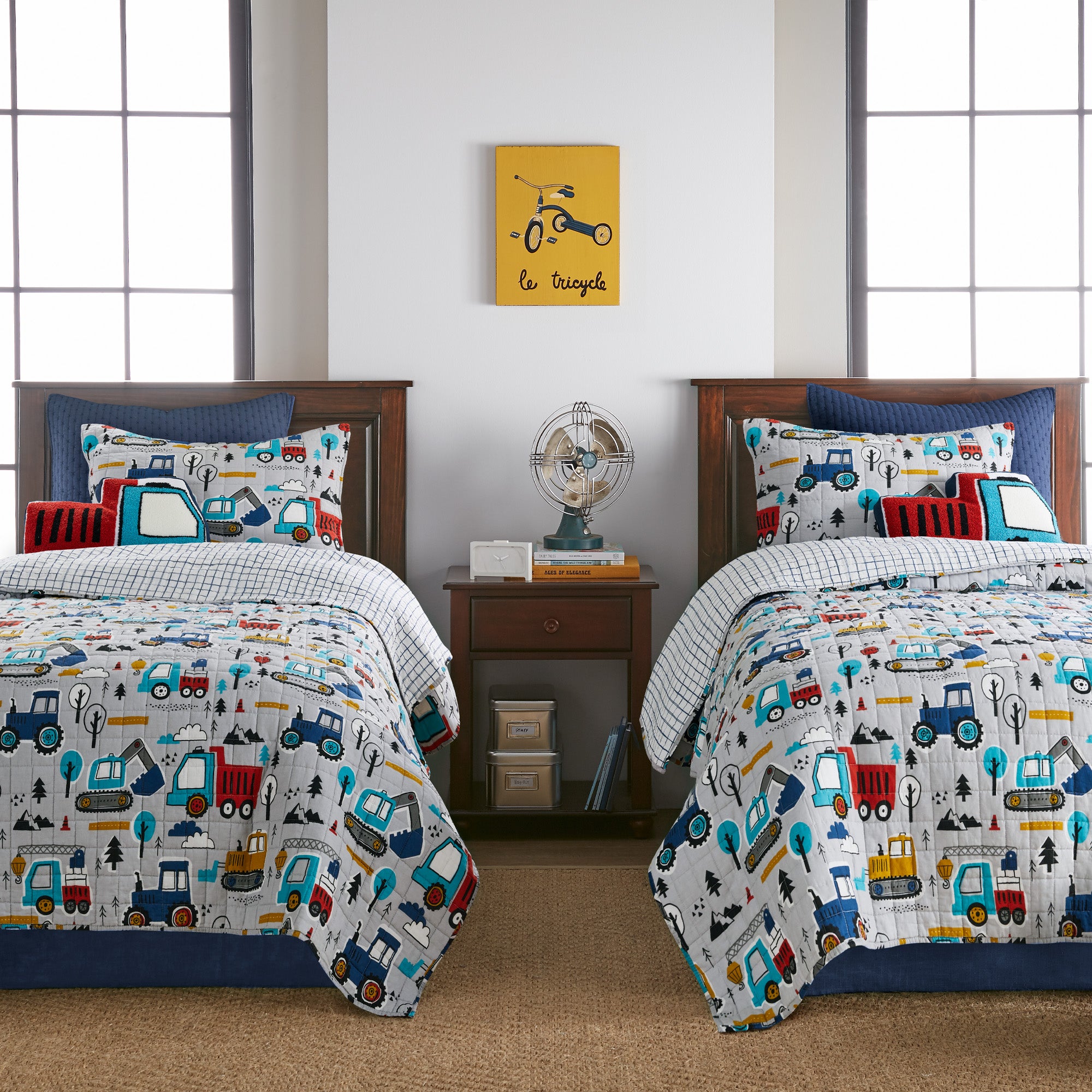

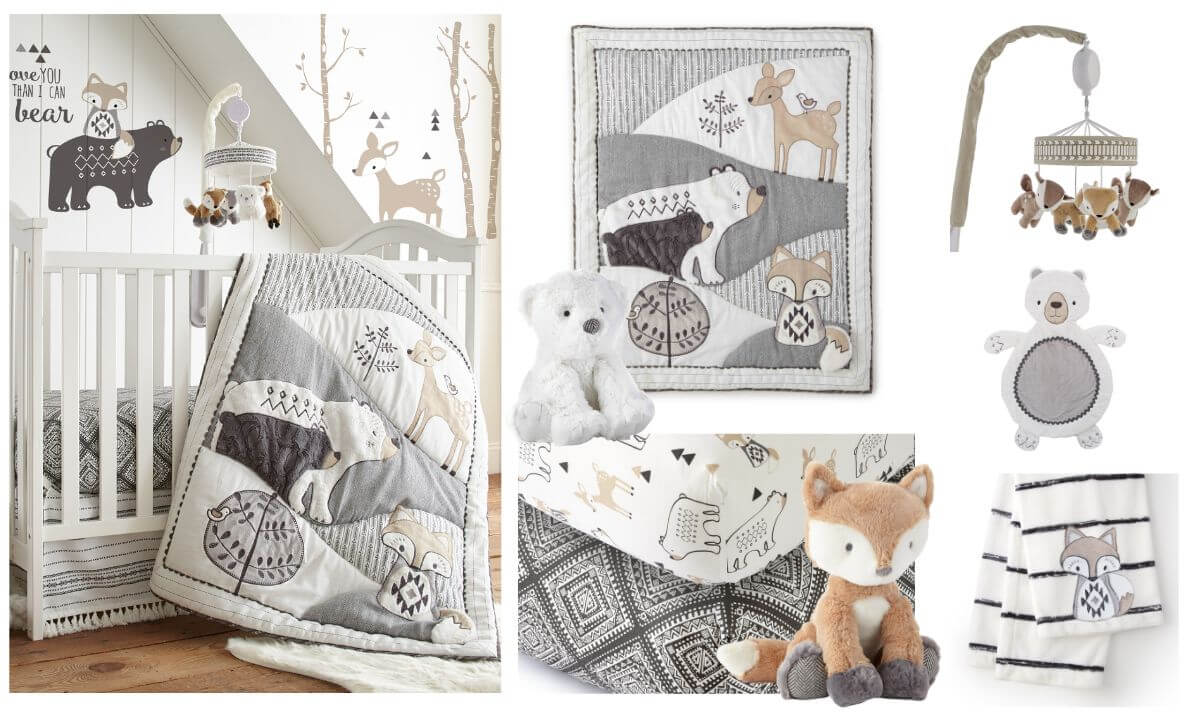

If you've been shopping for new bedding, you've probably come across both duvet inserts and comforters. At first glance, they seem almost identical. Both add warmth and comfort to your bed, so it's easy to wonder whether they're actually the same thing.
The biggest difference is how they're designed to be used. A comforter is a finished bedding layer that's ready to use on its own, while a duvet insert is designed to fit inside a duvet cover.
In this guide, we'll explain what a duvet insert is, how it compares to a comforter, whether you can use one on its own, and what to look for when choosing the right insert for your bed.
What Is a Duvet Insert?
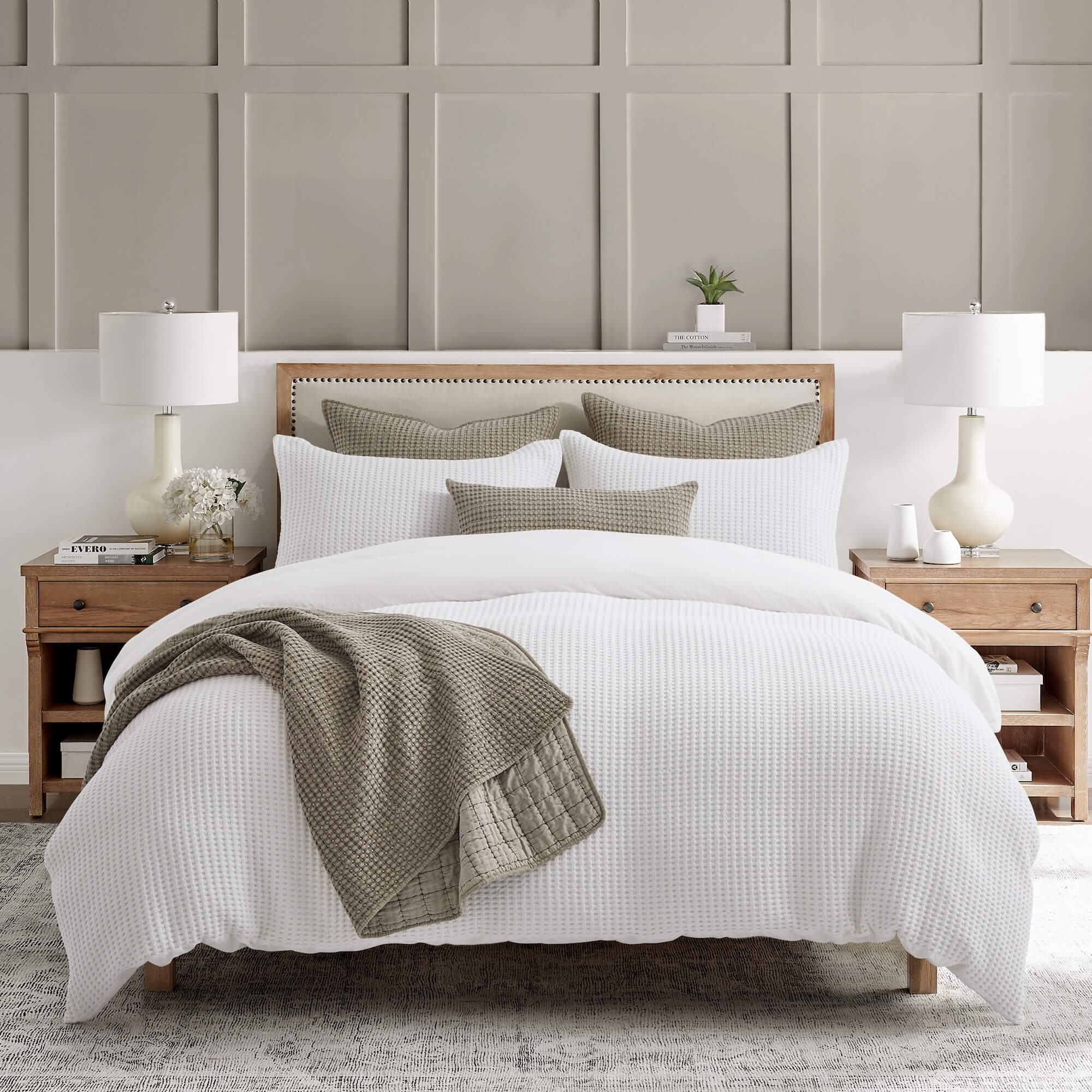
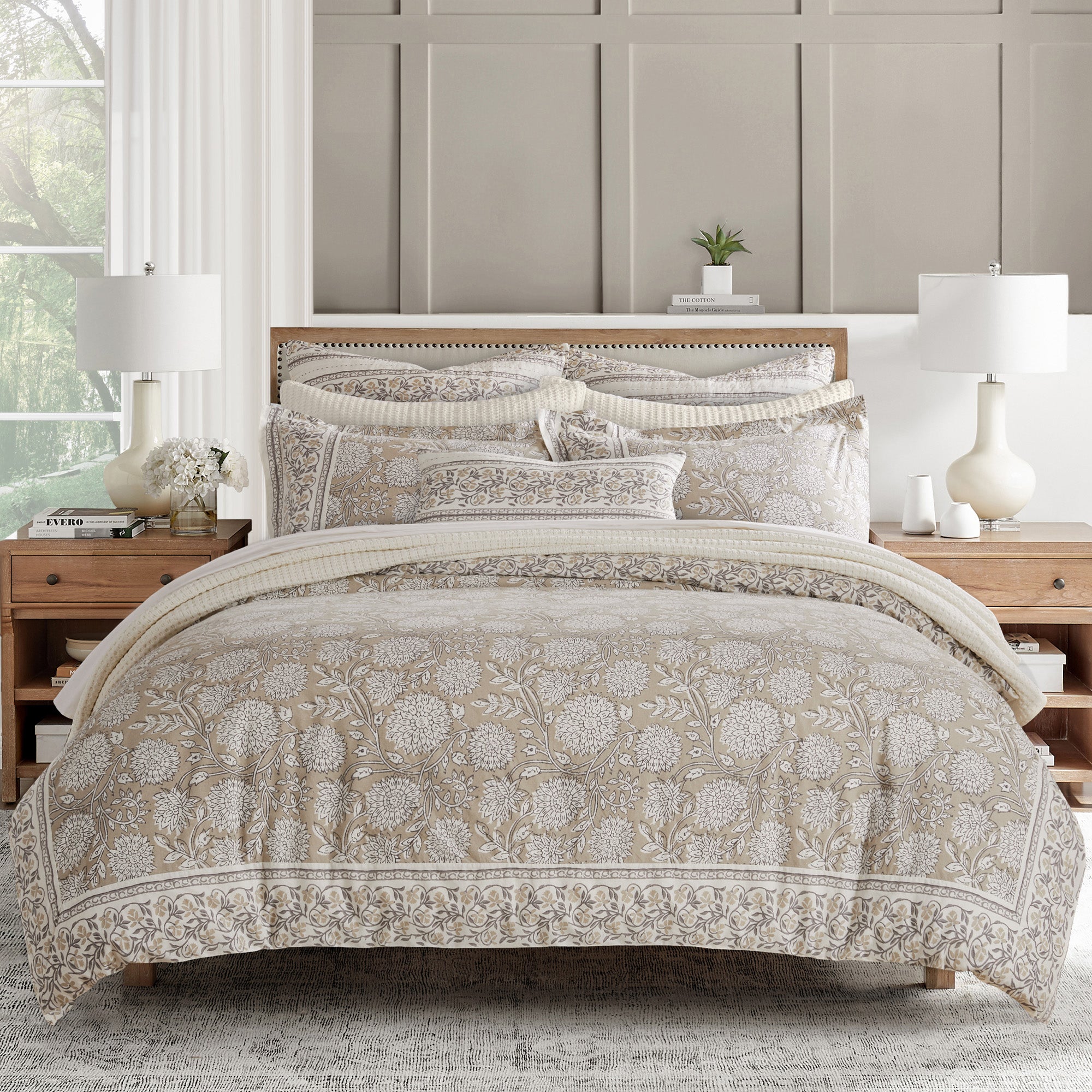
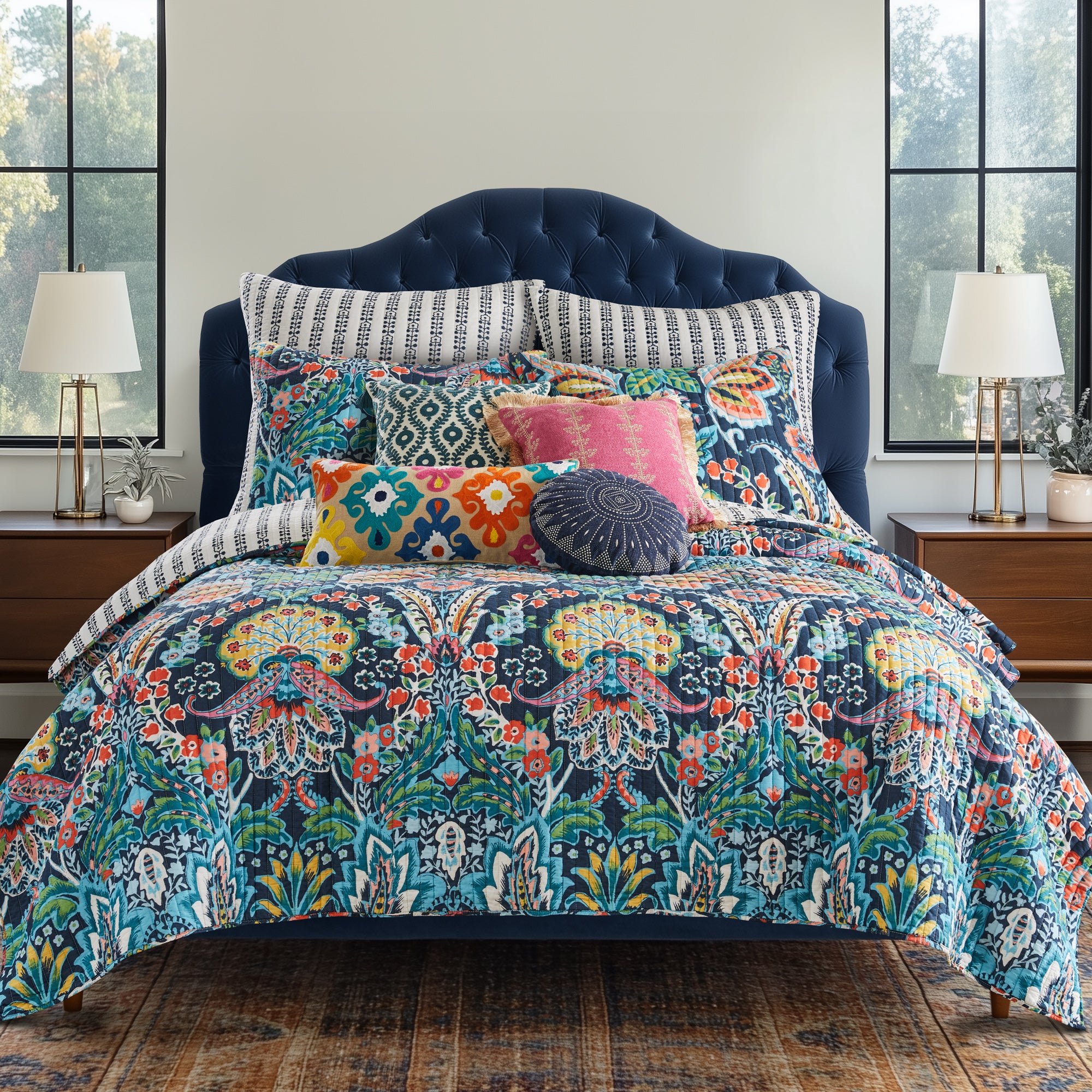
A duvet insert is the filled inner layer that goes inside a duvet cover. It provides the warmth, softness, and loft, while the duvet cover adds the style and helps protect the insert.
Most duvet inserts are filled with down, down alternative, cotton, wool, or synthetic fibers. Each fill offers a different feel, but all are designed to create a comfortable night's sleep. Because the insert is usually hidden inside a duvet cover, it's typically white or another neutral color rather than decorative.
Most duvet inserts also feature stitched boxes or channels that keep the fill evenly distributed, helping prevent it from shifting over time. Many include corner loops or tabs that attach to ties inside the duvet cover, reducing movement and helping the bed look smooth and evenly filled.
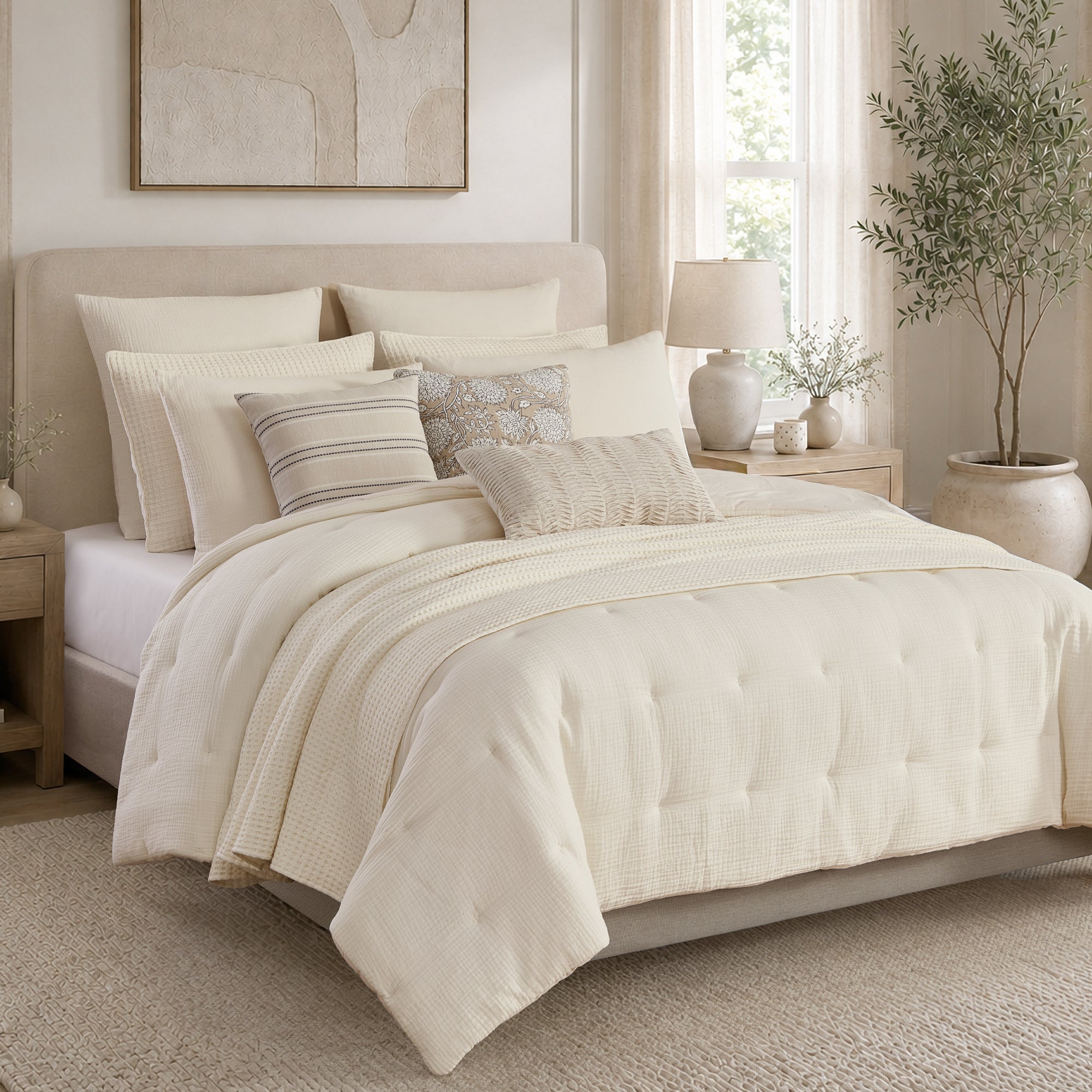
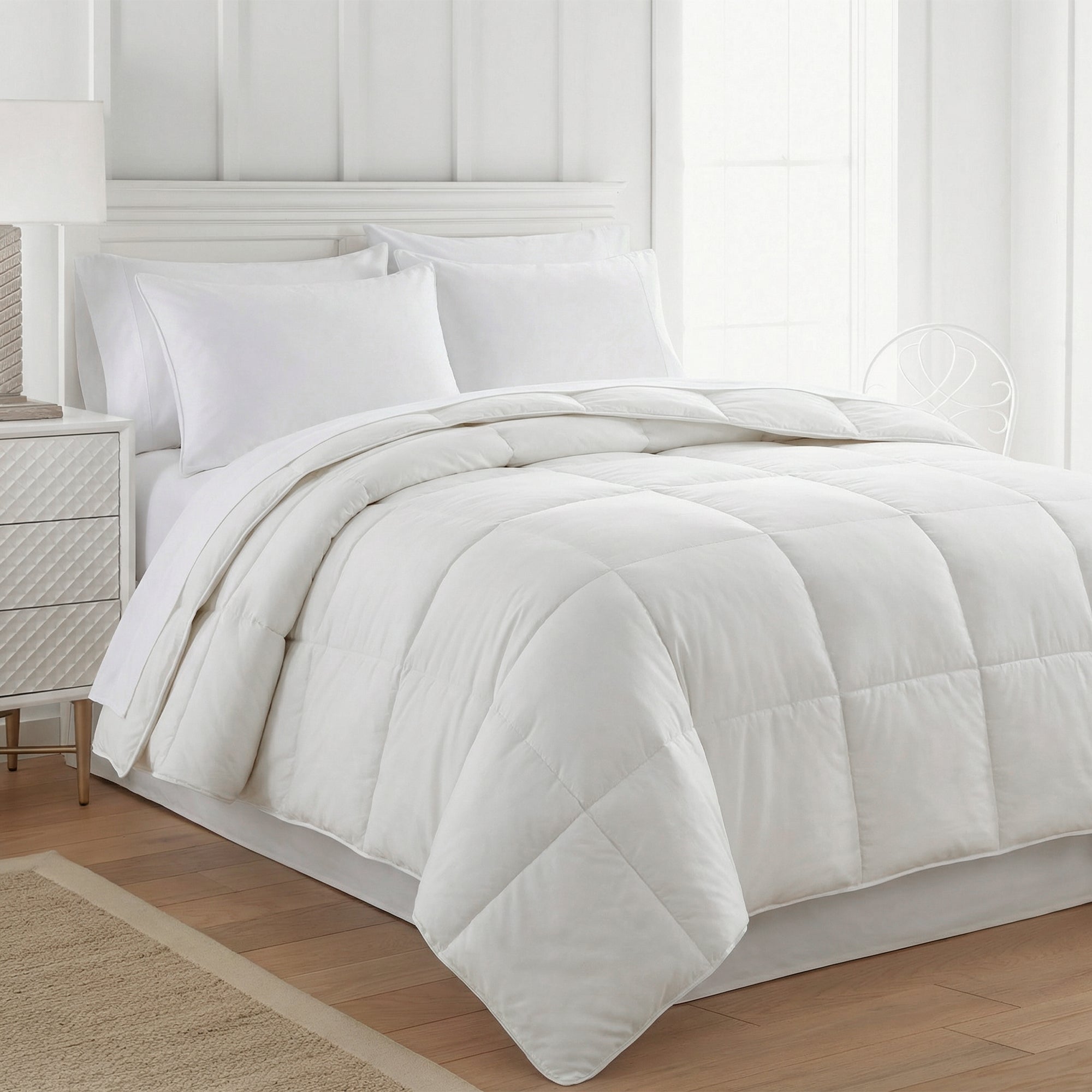
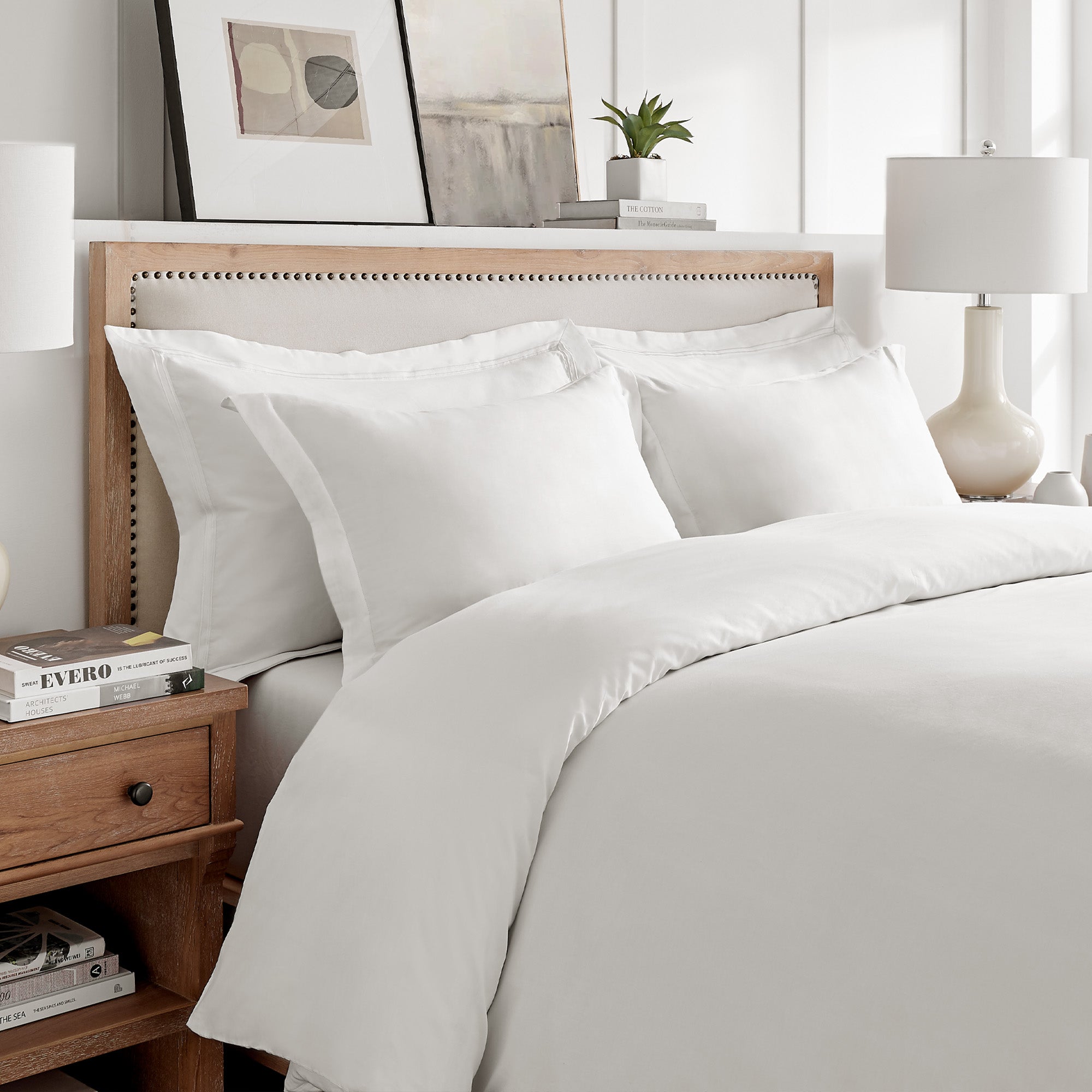
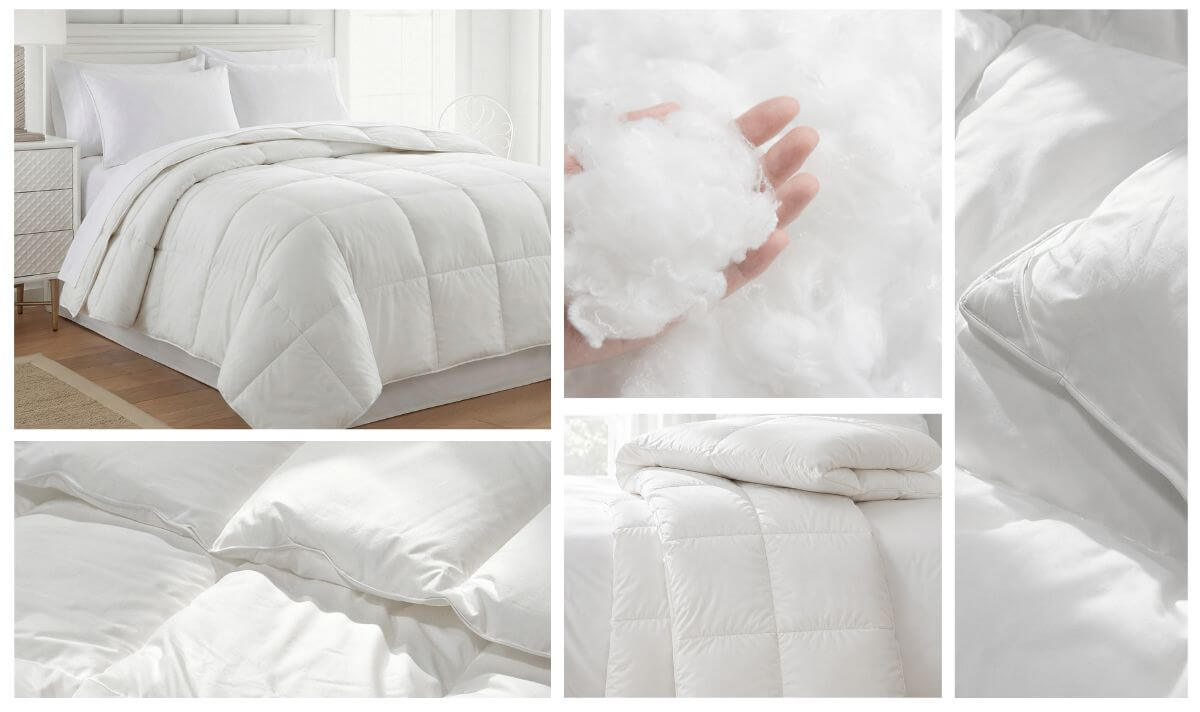
Although a duvet insert is primarily designed to be used with a duvet cover, some can also be used on their own. A duvet insert with a finished outer shell can double as a simple white comforter, giving you even more flexibility.
When it's time for laundry, one of the great benefits of a duvet cover and insert is that, since the insert is protected by the duvet cover, the insert needs to be washed infrequently and the less bulky and more manageable duvet cover can be washed fairly easily. If you want to change the look of your bedroom for a new season or style, you'll only need to replace the cover - usually at lower cost and way easier to store.
A duvet is a plain insert designed to be used with a duvet cover, whereas a comforter is designed to be used on its own, usually featuring a quilted finish and decorative fabric.Clare Schifano, global marketing director at Vispring, a luxury bed company
What Is a Comforter?
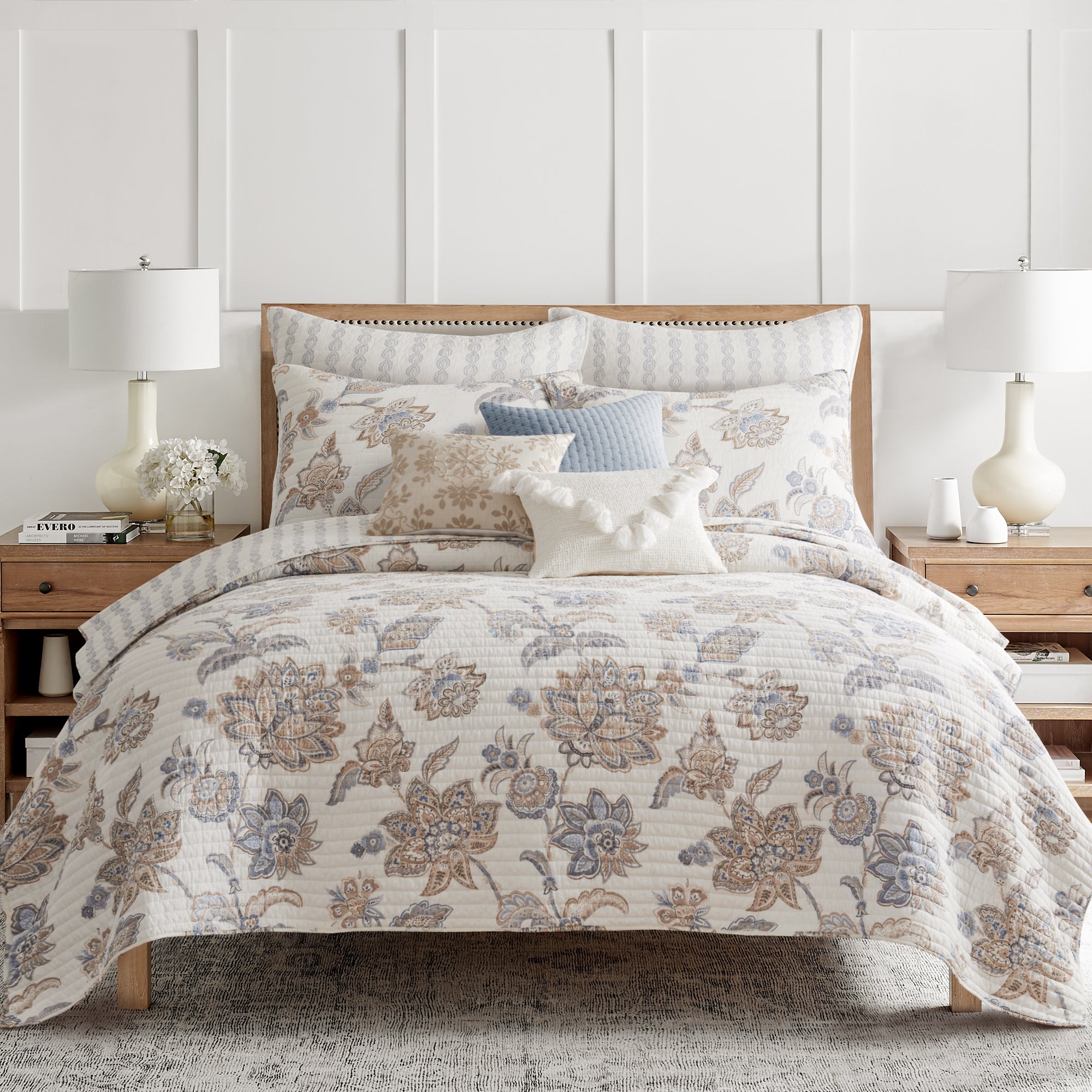
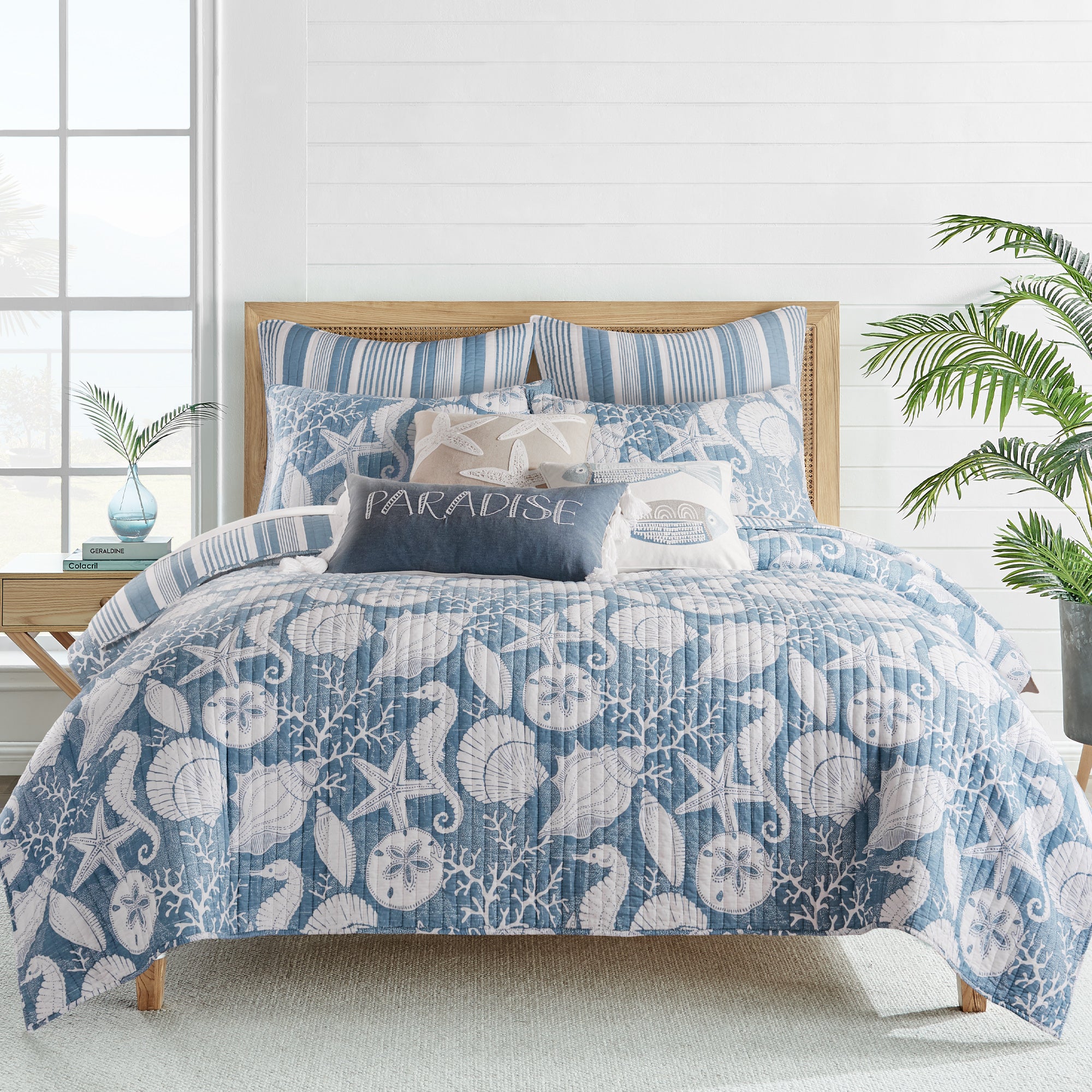
A comforter is a one-piece bedding layer with the fill sewn directly inside a decorative outer fabric. Unlike a duvet insert, it doesn't require a duvet cover and is designed to be the finished top layer on your bed.
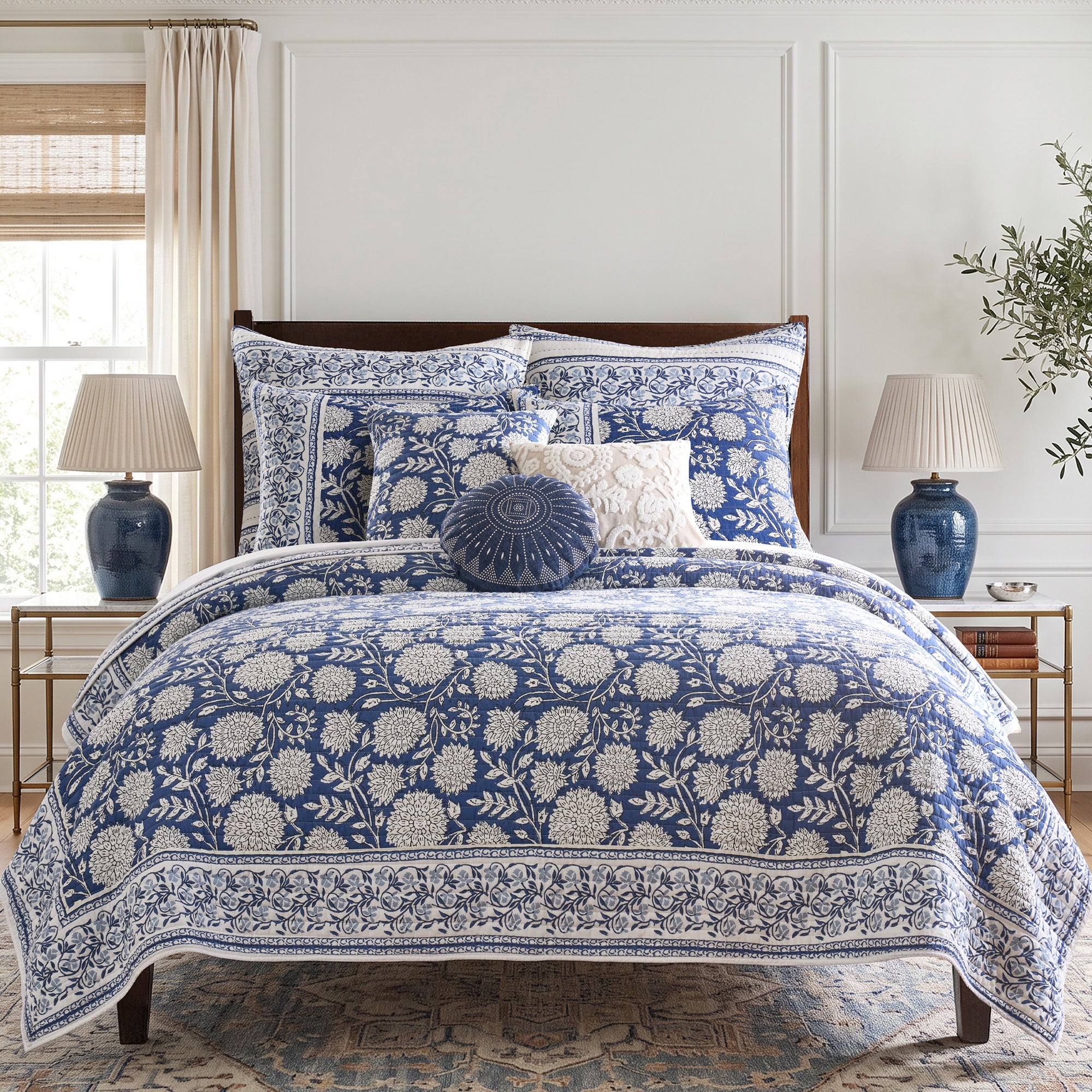
Many comforters are sold with matching pillow shams, making it easy to create a coordinated bedroom. They're also popular because they're simple. You place them on the bed, and they're ready to use.
When it's time for laundry, however, the entire comforter usually needs to be washed. And if you want to change the look of your bedroom for a new season or style, you'll typically need to replace the whole comforter and store the bulky original, instead of simply changing a cover.

Duvet Insert vs. Comforter: Highlights of the Differences
| Duvet Insert | Comforter | |
| Warmth | Yes, you can pick the fill and weight | Yes, you can pick the fill and weight |
| Comfort | Yes | Yes |
| Use Alone | Versatile - Designed to be used with a cover | Yes - less flexible |
| Use With Cover | Yes | Not designed for use with a cover |
| Wash | Wash infrequently - the cover is designed to protect the insert | Bulkier to wash and dry |
| Flexibility | Greater flexibility to use an insert with multiple covers to vary the look and feel | Less flexible |
Can You Use a Duvet Insert as a Comforter?
Yes. Some duvet inserts are designed to work both inside a duvet cover and on their own.
A white duvet insert with a soft, finished outer shell can create a simple, hotel-inspired look without needing a cover. This makes it a practical option for guest rooms, vacation homes, dorm rooms, or anyone who prefers a more minimal style. That said, using a duvet cover still offers important benefits. It protects the insert from everyday wear, makes washing easier, and gives you the freedom to change the look of your bed without replacing the insert itself.
The Levtex Home All-season Duvet Insert is designed to fit inside Levtex duvet covers, but it can also be used on its own as a white comforter for a simple, easy-care bedding layer.
Why Duvet Insert Size and Fit Matter
Choosing the right size duvet insert is just as important as choosing the right fill.
Many shoppers don't realize that duvet inserts and duvet covers aren't made to universal dimensions. A duvet insert that is advertised as “queen size” from one brand may not fit a duvet cover that is marked “queen size” even when sold by the same company.
When an insert is too small, the duvet cover can look flat, leaving empty corners and fabric that doesn't fill out properly. If the insert is too large, it may bunch inside the cover, creating lumps that make the bed difficult to smooth. Starting with the right fit makes the biggest difference. An insert that closely matches your duvet cover creates a fuller, more polished bed and helps reduce shifting over time.
Levtex duvet inserts are designed to fit Levtex duvet covers, making it easier to achieve a smooth, finished look without having to guess whether two products will work well together.

What to Look for in a Duvet Insert
The right duvet insert should feel comfortable, fit your duvet cover well, and suit the way you sleep. Here are a few features worth considering before you buy.
Fill Type
The fill determines how your duvet insert feels, regulates temperature, and holds up over time. Different fill materials offer different benefits depending on your preferences and climate.
- Down: Filled with the soft clusters found beneath the feathers of ducks or geese, down is prized for its exceptional warmth, lightweight feel, and loft. It's ideal for those who want maximum insulation with minimal weight.
- Down Alternative: Typically made from polyester microfiber, down alternative is designed to mimic the softness and loft of down while being easier to care for. It's durable, machine washable, and a practical choice for many households seeking year-round comfort.
- Feather and Down Blend: These inserts combine down clusters with feathers to create a more affordable option. They tend to be slightly heavier and firmer than pure down and may provide less loft.
- Wool: Wool naturally regulates temperature and wicks away moisture, helping keep sleepers comfortable in both warm and cool conditions. It's a popular choice for people who tend to sleep hot or experience night sweats.
- Silk: Silk-filled duvet inserts are lightweight, breathable, and naturally temperature regulating. They offer a smooth, luxurious feel and are often favored in warmer climates or by those who prefer less bulk.
- Cotton: Cotton-filled inserts are breathable, soft, and easy to maintain. They generally provide lighter warmth than down or wool, making them well suited for summer use or warm sleepers.
Shell Material
The shell is the fabric that surrounds the fill, affecting the duvet's feel, breathability, durability, and how well it keeps the fill in place.
- Cotton: The most popular shell material, cotton is soft, breathable, and durable. It allows air to circulate, feels comfortable against the skin, and is available in a range of weaves and thread counts. Cotton is an excellent all-around choice for year-round use.
- Organic Cotton: Made from cotton grown according to organic farming standards, organic cotton offers the same softness and breathability as conventional cotton while appealing to shoppers looking for more environmentally or socially conscious products.
- Percale Cotton: A crisp, matte weave that feels cool and lightweight. Percale is highly breathable and often preferred by hot sleepers or those who enjoy the feel of freshly laundered sheets.
- Sateen Cotton: Woven to create a smoother, silkier surface, sateen feels softer and slightly warmer than percale. It also gives the duvet a subtle sheen and a more luxurious drape.
- Microfiber (Polyester): Lightweight, durable, and generally more affordable, microfiber shells resist wrinkles and can be very soft. They are typically less breathable than cotton but may be a good choice for budget-conscious shoppers.
- Bamboo-Derived Fabrics: Fabrics such as viscose or rayon made from bamboo are known for their silky feel, moisture-wicking properties, and breathability. The performance varies depending on how the fabric is manufactured and blended.
- Linen: Linen is exceptionally breathable and naturally moisture-wicking, making it a great option for warm climates. It has a textured feel that softens over time but is less common—and usually more expensive—for duvet insert shells.
One thing to keep in mind is that duvet inserts can be a bit more expensive than your average quilt or comforter. But the investment pays off. With proper care, a good duvet will last for years, and you can refresh the look anytime just by swapping the cover.Christine Carney, director of design for Blackberry Farm Design
Warmth Level
The ideal warmth level depends on your personal preferences, the temperature of your bedroom, and the climate where you live. A duvet that feels perfect for one person may feel too warm—or not warm enough—for someone else.
- Lightweight: Designed for warm climates, summer months, or hot sleepers, lightweight inserts provide just enough insulation without trapping excessive heat.
- All-Season (Medium Weight): The most versatile option, all-season duvet inserts are designed to provide comfortable warmth throughout most of the year. They offer a balance between insulation and breathability, making them a popular choice for everyday use in homes with moderate indoor temperatures.
- Heavyweight (Winter Weight): These inserts contain more insulating fill to provide extra warmth during colder months or in chilly bedrooms. They're well suited for cold climates or people who naturally sleep cold.
- Layering Options: Some people prefer owning both a lightweight and a heavier insert or using a modular duvet system that can be combined for different seasons. This approach offers the greatest flexibility as temperatures change throughout the year.
If you keep your home at a relatively consistent temperature year-round, an all-season insert is often the best balance of comfort, versatility, and value. If you regularly sleep hot or cold, choosing a warmth level based on your personal sleep habits may be more important than the season itself.
For your own sanity, always look for inserts and covers with corner ties—it keeps everything in place and saves you from wrestling with a lumpy duvet in the middle of the night.Christine Carney, director of design for Blackberry Farm Design
Corner Tabs or Loops
Corner tabs help secure the duvet insert inside the duvet cover, reducing shifting and bunching while keeping the corners evenly filled. It's a simple feature that can make your bed look neater and stay that way longer. Many duvet covers have them but its worth checking before buying.
Care Instructions
Easy-care bedding can make everyday life much simpler. A machine-washable duvet insert is a practical choice for primary bedrooms, guest rooms, dorm rooms, and vacation homes where convenience is important.
Size Compatibility
Before purchasing a duvet insert, compare its actual dimensions with your duvet cover rather than relying only on labels like Twin, Queen, or King.
Even small differences in size can affect how full your bed looks and how well the insert stays in place.
The Best of Both: A Duvet Insert That Can Work Like a Comforter
One of the biggest advantages of a quality duvet insert is its versatility. The Levtex Home All-Season Duvet Insert is designed to fit perfectly inside Levtex duvet covers, creating the plush, layered look many people love. At the same time, its finished outer shell allows it to be used on its own as a simple white comforter whenever you prefer a more minimal style.
Whether you're creating a complete duvet bedding system or looking for a comfortable all-season comforter, it's designed to adapt to your needs.
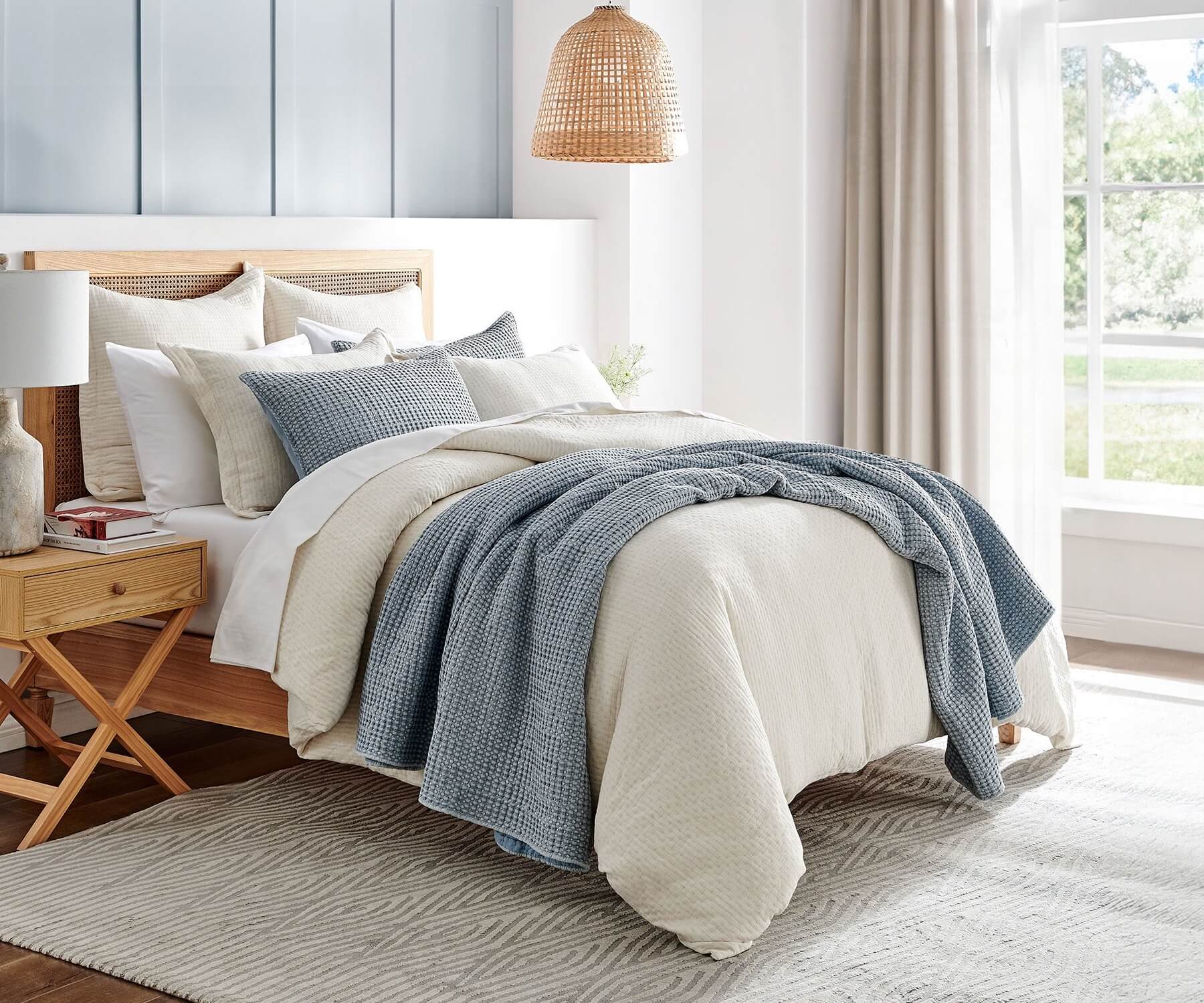
For those who prefer not to struggle with the duvet sandwich, I suggest a European and hotel-inspired approach: Keep the insert, but layer it over the sheets and under a comforter. This gives you the warmth and softness of down without the fuss, keeps the bed easy to make, and still allows for a simple throw for a cozy, effortless look.Hill Rondero, designer in Ro House Studio.
Conclusion
If you've been wondering what a duvet insert is or comparing a duvet insert to a comforter, the answer comes down to flexibility.
A comforter is a ready-to-use bedding layer, while a duvet insert is designed to work inside a duvet cover, giving you the freedom to change your style without replacing your bedding. Some inserts, including the Levtex Home All-Season Duvet Insert, can even do both by functioning as a duvet insert or a standalone white comforter.
Whichever option you choose, paying attention to fill type, warmth level, sizing, and construction will help you create a bed that's comfortable, looks full, and fits the way you live.
Frequently Asked Questions
What is the purpose of a duvet insert?
A duvet insert provides the warmth and loft inside a duvet cover. It's the filled layer that gives your bedding its softness and comfort.
Is a duvet insert just a comforter?
Not exactly. A duvet insert is usually designed to go inside a duvet cover, while a comforter is designed to be used on its own. Some duvet inserts can also be used as standalone comforters.
Do I need a duvet cover for a duvet insert?
Usually, yes. A duvet cover protects the insert, makes it easier to wash your bedding, and allows you to change the look of your bedroom without replacing the insert. However, some duvet inserts can also be used without a cover.
Why does my duvet insert bunch up inside the cover?
Bunching usually happens when the duvet insert doesn't fit the duvet cover properly or isn't secured with corner ties or tabs. Choosing the right size duvet insert and fastening the corners can help keep everything evenly in place.
References
1. Duvet vs. Comforter: Which One Is Best for You?,
Architectural Digest
2. How to Buy a Duvet Insert That's the Right Size and Style,
Better Homes & Gardens
3. Best Duvet Inserts of 2026,
Sleep Fundation