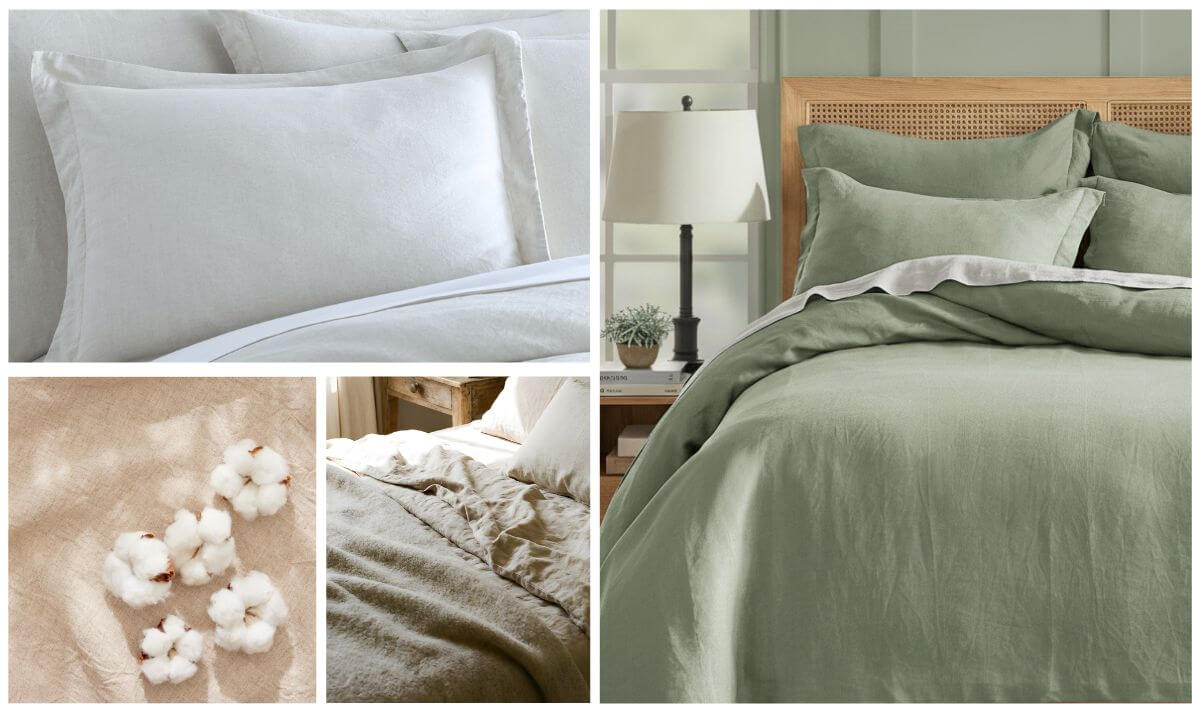


















Linen has become a go-to bedding fabric for its breathable feel, relaxed texture, and timeless appeal. It’s comfortable, lived-in, and designed to get better with use. Still, if you already own linen bedding or are thinking about bringing it into your home, one practical question almost always comes up: does linen shrink?
Short answer: yes, linen can shrink if it’s washed or dried improperly, but with the right care, shrinkage is minimal and easy to prevent.
Once you understand how linen fabric behaves and how to care for it, maintaining linen bedding becomes simple. A few thoughtful habits go a long way toward keeping it looking and feeling just right.
I've been loyal to washed linen for at least 10 years. I've tried tons of different bedding, and when I found washed vintage linen, I was hooked! I love its natural and effortless look and feel. It doesn’t need to be pressed perfectly either.Jenni Kayne, fashion designer and author of Pacific Natural: Simple Seasonal Entertaining
Understanding Linen Fabric and Why Shrinkage Happens
Linen is made from fibers derived from the flax plant, which gives the fabric its signature strength, breathability, and texture. As a natural fabric, linen behaves a bit differently than synthetic materials, especially when it comes to heat and water.
Linen fibers are strong but not very elastic. When exposed to hot water or high heat during drying, those fibers can tighten and contract, which is what causes shrinkage. This is a natural response and not a flaw in the fabric itself.
Textile care sources note that linen’s fiber structure makes it more sensitive to washing and drying conditions than blended or synthetic fabrics.
Linen’s relaxed texture plays a role here, too. Gentle wrinkles, movement, and softness are part of its character. Linen is meant to drape and settle naturally, which is why it often looks best when it’s allowed to relax rather than pressed flat.
Why Linen Shrinkage Is Usually Minimal
Most high-quality linen bedding is pre-washed or garment-washed during production. This helps remove excess shrinkage before it ever reaches your home. As a result, well-made linen bedding typically experiences only slight shrinkage when cared for properly.

Factors That Contribute to Linen Shrinkage
When linen does shrink, it’s almost always tied to how it’s laundered rather than how it’s used day to day.
Washing Linen in Hot Water
Hot water is one of the most common causes of linen shrinkage. Higher temperatures encourage linen fibers to contract, especially during the first wash. Washing linen in cool or lukewarm water helps preserve its original size and shape.
Fabric care guides consistently recommend avoiding hot water when laundering linen to reduce shrinkage risk.
Drying Linen on High Heat
High heat in the dryer can be even tougher on linen than washing. When moisture is pulled from the fibers too quickly, they tighten and draw inward.
Air drying or tumble drying on a low heat setting is much gentler and helps linen maintain its natural texture and size.

Linen Bedding Care Tips to Prevent Shrinkage
Caring for linen doesn’t need to feel precious or complicated. In fact, linen tends to respond best to simple, gentle routines.
How to Wash Linen Bedding Properly
- Wash linen sheets and duvet covers in cool or lukewarm water
- Use a gentle cycle to reduce agitation
- Choose a mild detergent without bleach or harsh additives
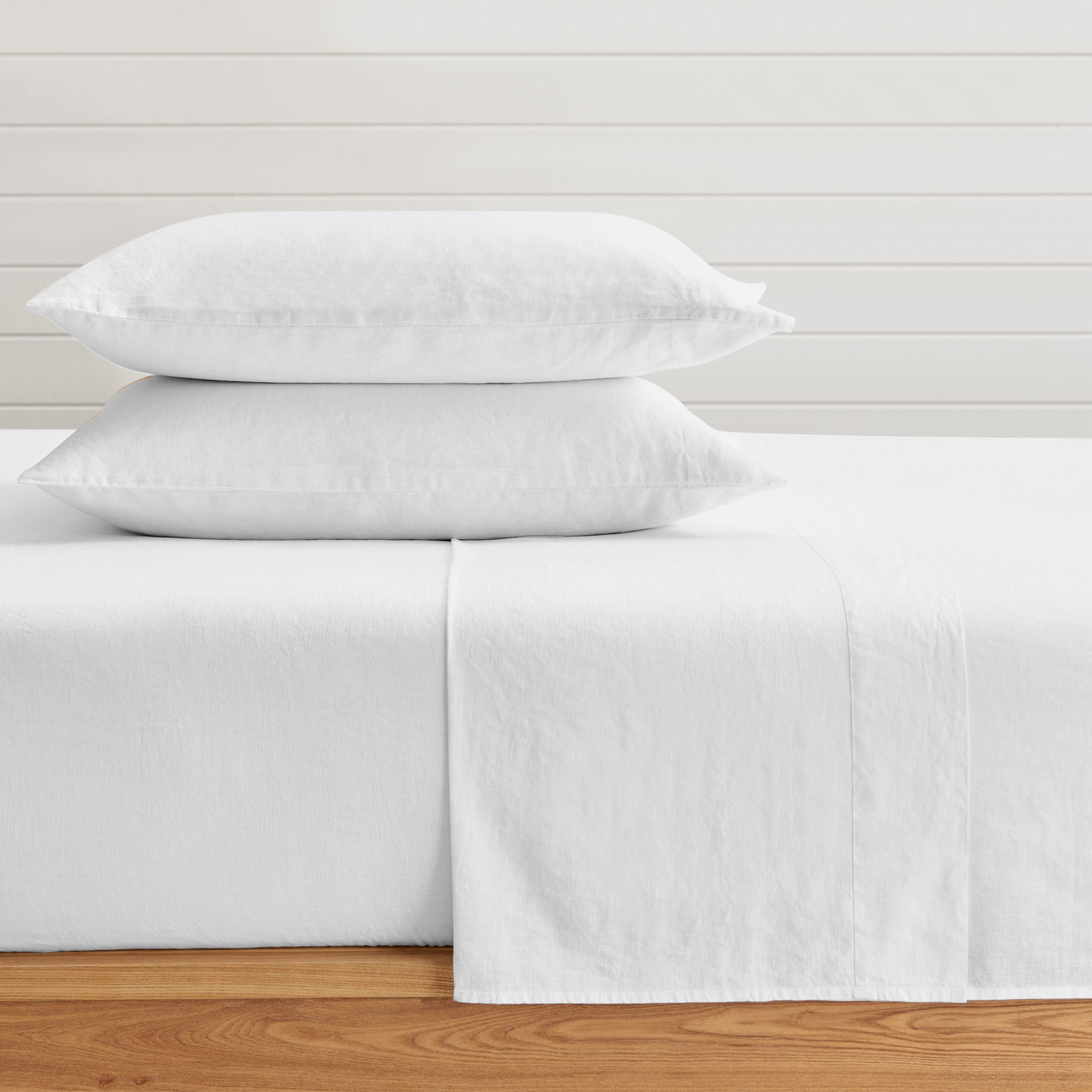
High-quality linen bedding, like the French Flax Washed Linen Sheet Set, is often garment-washed during production, which helps reduce excess shrinkage before it ever reaches your home.
Textile care specialists recommend gentle detergents to preserve the strength and integrity of natural fibers like linen.
Best Drying Methods for Linen
Air drying is the safest option for linen bedding. Hanging or laying items flat allows fibers to dry slowly and naturally.
If you prefer machine drying, use a low heat setting and remove linen while it’s still slightly damp. This helps prevent shrinkage and keeps the fabric from feeling overly stiff.
Most linen shrinkage happens in the dryer, not the wash. Lower heat makes a noticeable difference.
Hand Smoothing and Ironing Linen While Damp
Wrinkles are part of linen’s charm, but if you prefer a smoother look, linen is easiest to work with while it’s still damp.
Instead of traditional ironing, many people simply smooth and shape linen by hand while it’s damp, laying it flat or hanging it neatly and gently pulling seams, edges, and corners back into place. Linen fibers are most flexible at this stage, making it easier to release wrinkles and help the fabric settle naturally without added heat.
If you do choose to iron linen, ironing while it’s slightly damp on a medium heat setting tends to deliver the best results.

Does Linen Shrink Over Time With Regular Use?
With proper care, linen does not continue shrinking over time. Any minor shrinkage usually happens early if the fabric is exposed to high heat.
Well-made linen bedding, including pieces like the French Flax Washed Linen Duvet Cover, is designed to soften with use while maintaining its drape, weight, and comfort. Any slight shrinkage does not affect how the bed looks or feels once it’s made.
Many fabric experts note that linen actually improves with age, becoming softer and more comfortable while remaining durable.
Levtex Home Linen Bedding Collection
Choosing quality linen makes care easier and results more predictable. Levtex Home’s linen bedding is designed for everyday use, balancing durability with breathable comfort.
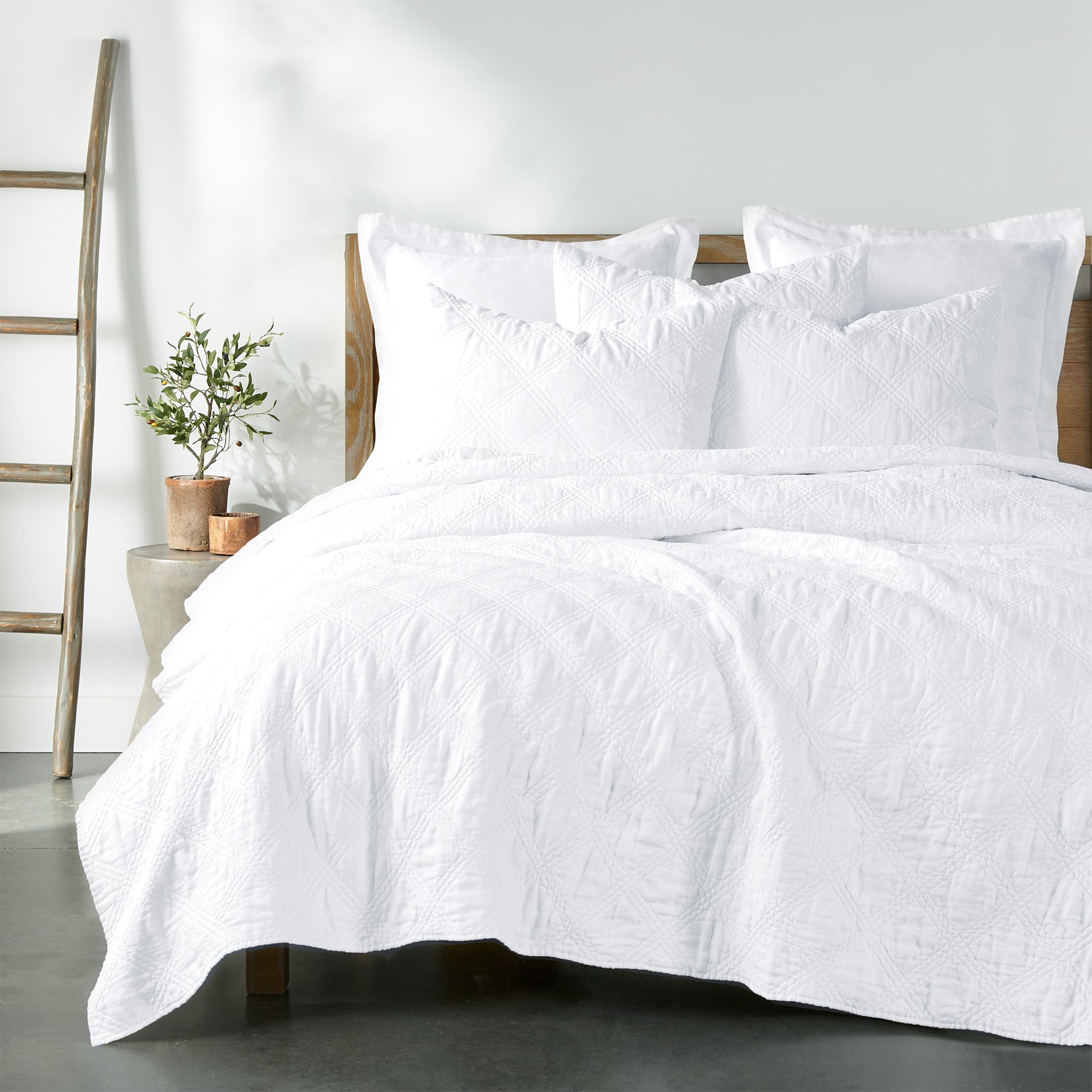
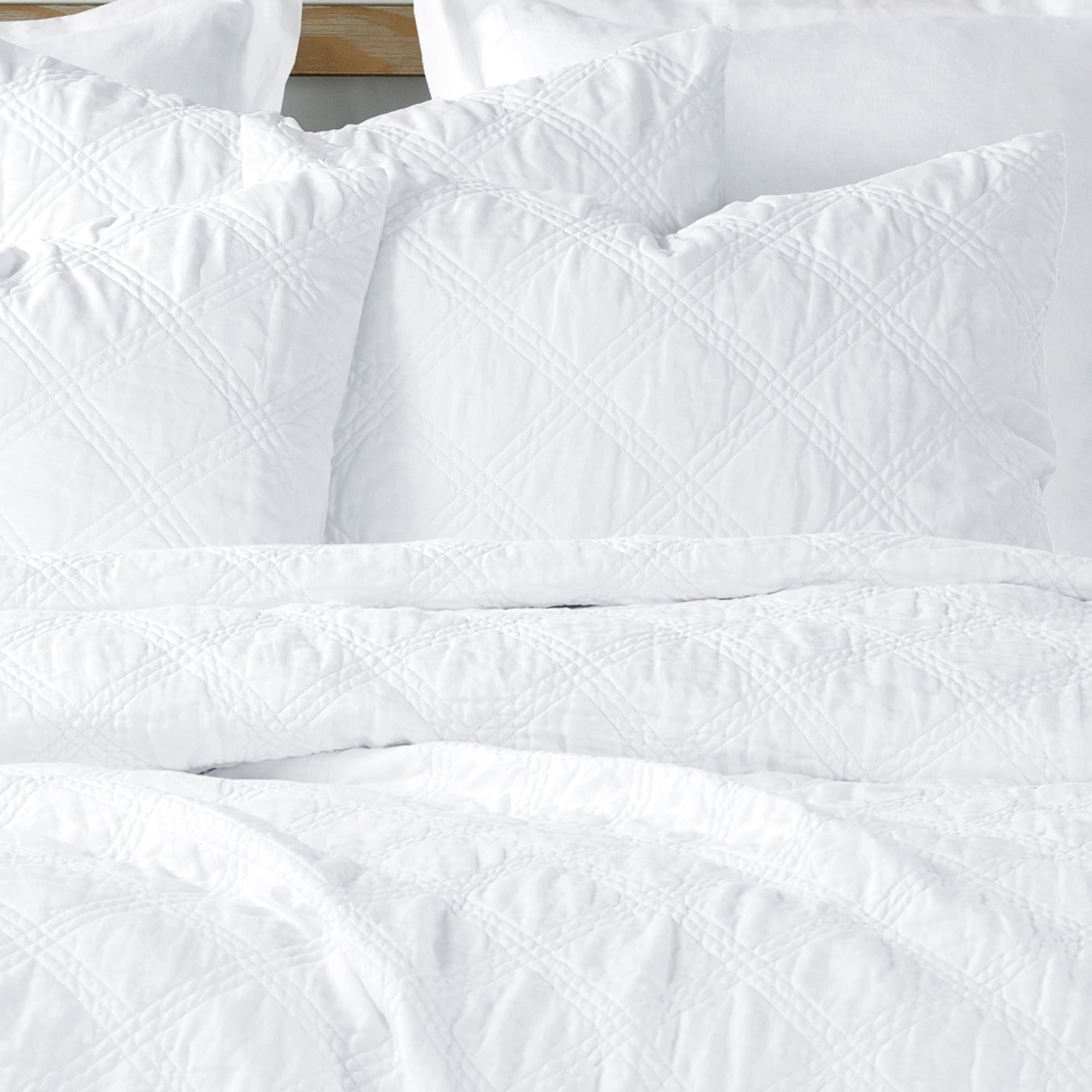
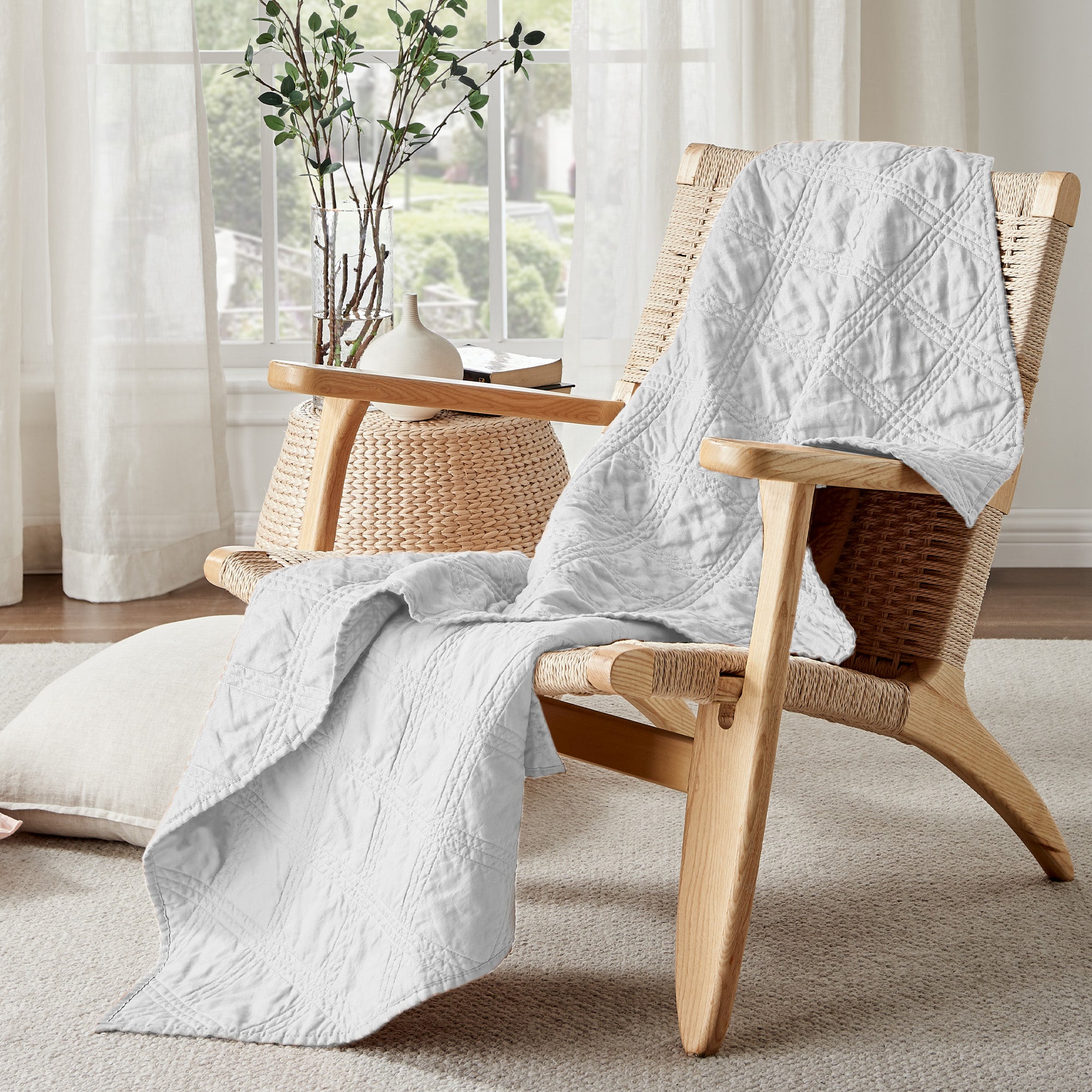
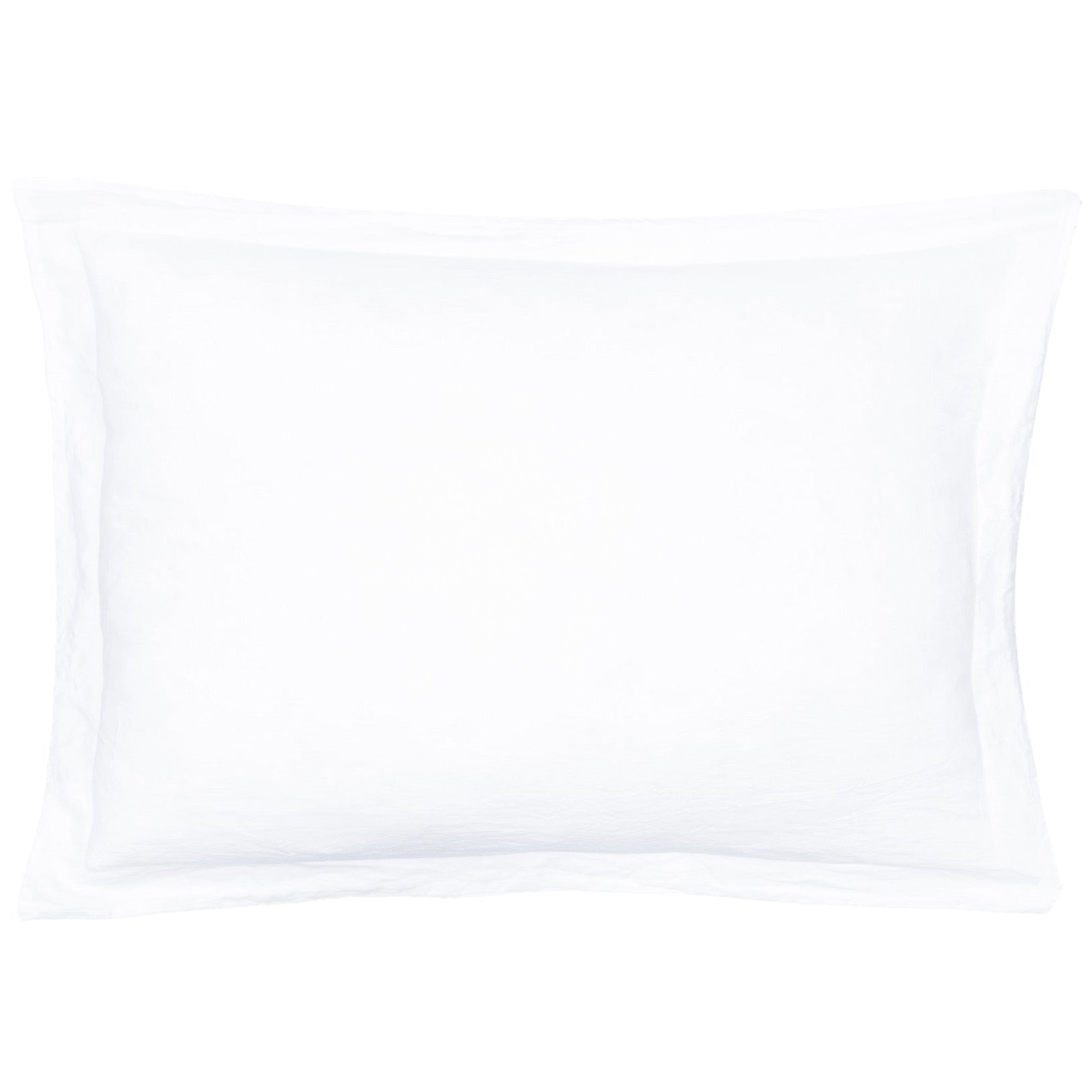
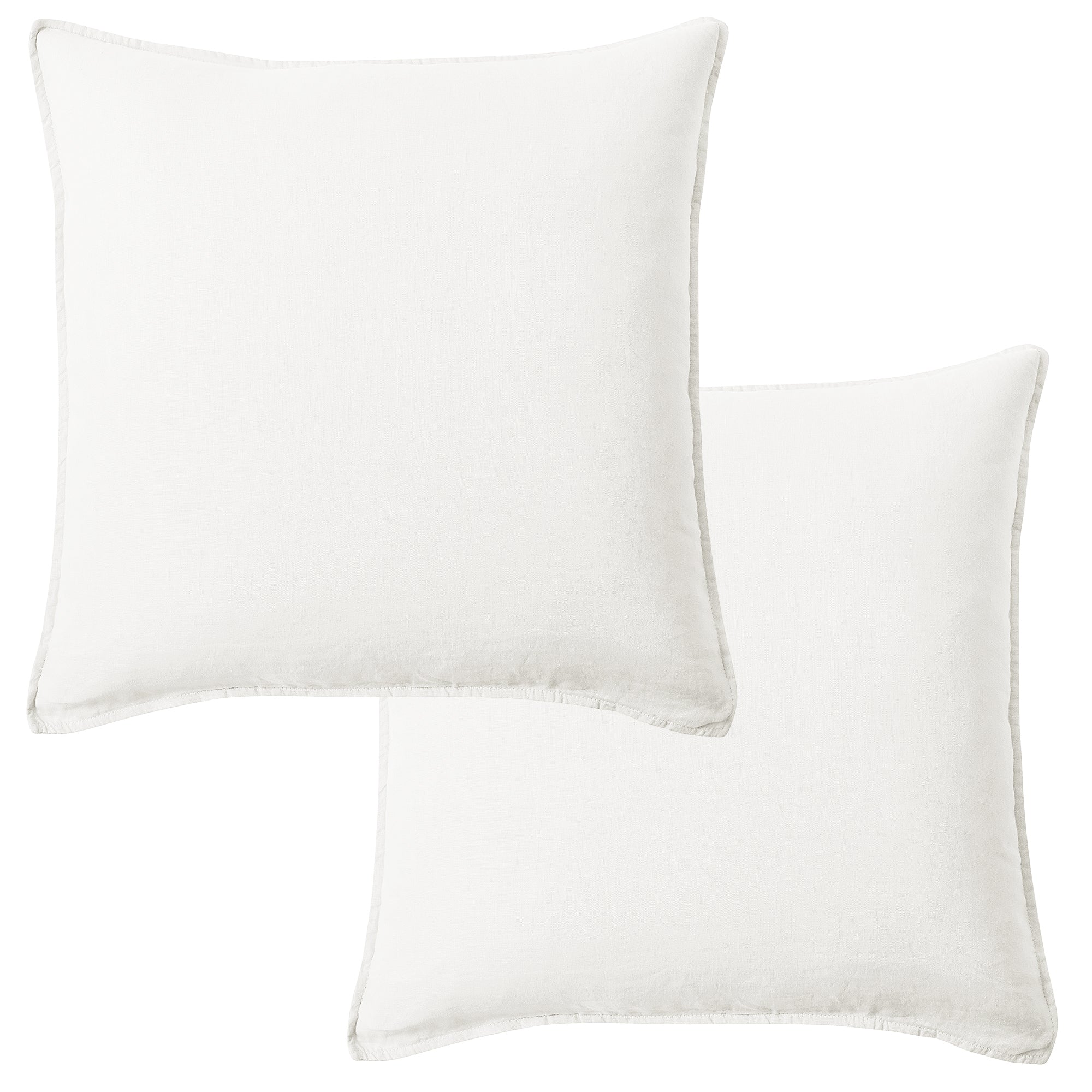
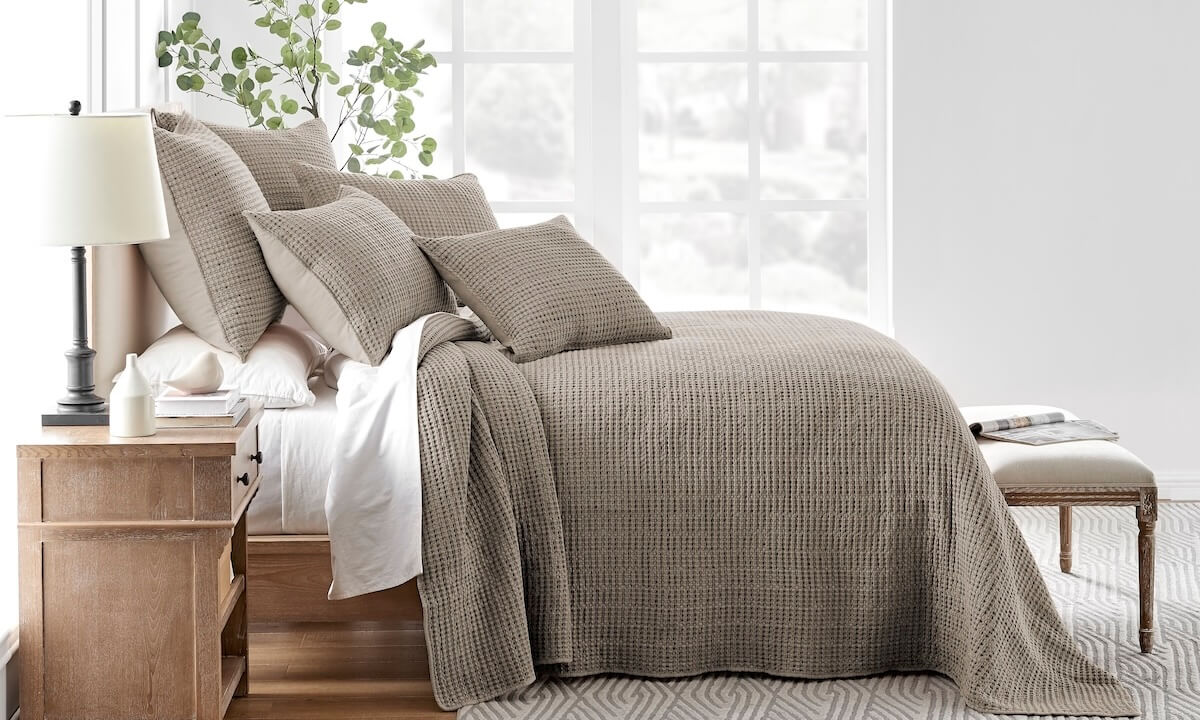
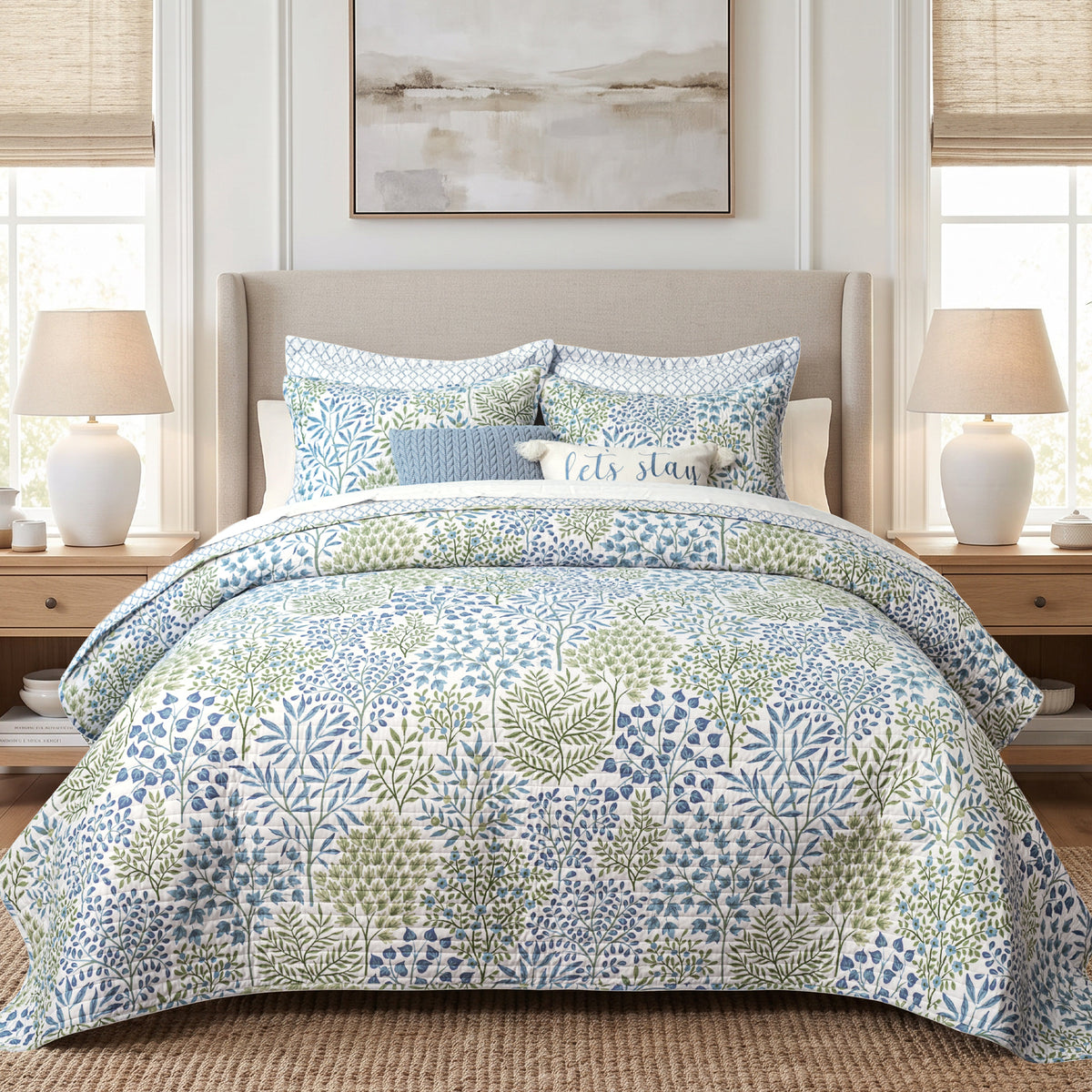
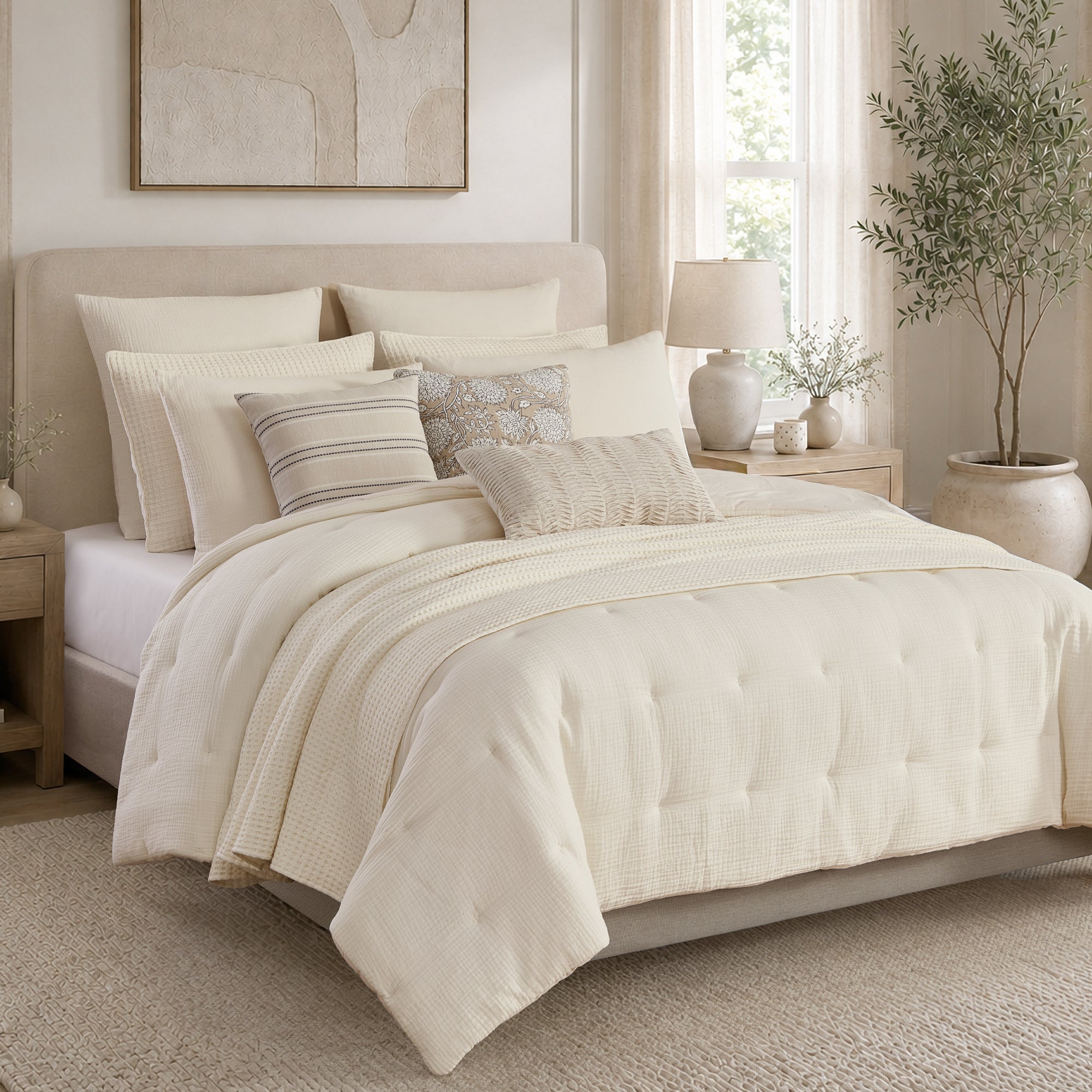
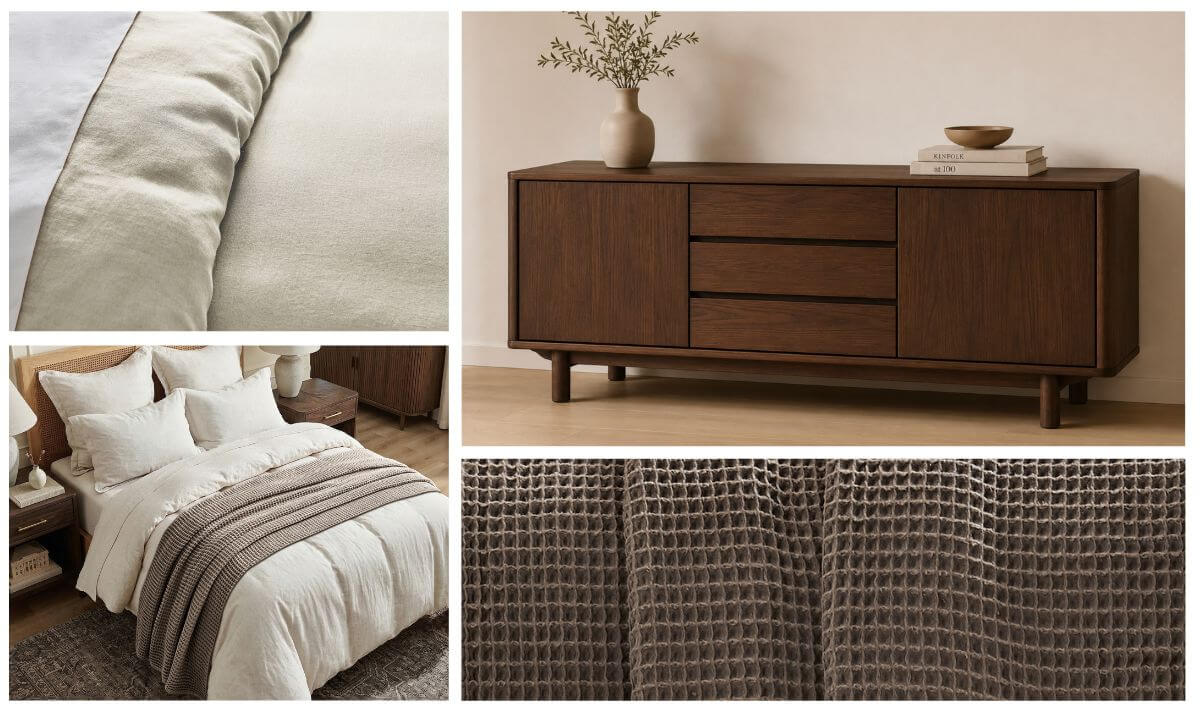
The Levtex Home Linen Bedding Collection includes linen sheet sets, duvet covers, and coordinating shams crafted from French flax linen and garment-washed for softness. Pieces like the French Flax Washed Linen Sham and French Flax Washed Linen Quilt layer easily while maintaining a relaxed, breathable feel.
Explore the full collection here.
Whether you’re starting with sheets or building a full linen bed, these pieces are designed to hold their shape, texture, and comfort wash after wash.
The reason linen bedding works so well for elevating the whole design? It's the texture – it adds visual interest that prevents the bed from feeling flat and unfinished. It takes away the need to add pattern or contrasting pillows – the linen's naturally imperfect finish does all the work.Molly Malsom, Editor of Homes & Gardens magazine
Conclusion: Understanding Linen Shrinkage, Washing, and Care
So, does linen shrink? It can, but shrinkage is minimal when linen is cared for thoughtfully. Washing in cool water, drying on low heat or air drying, and handling linen gently while damp all help preserve its size and texture.
Linen bedding remains a breathable, durable choice that rewards simple care. With the right habits and well-made pieces, linen settles into a relaxed, comfortable look that only gets better over time.
FAQ
How can I prevent wrinkles in my linen bedding?
Remove linen while damp and smooth it by hand before air drying. Linen relaxes naturally as it dries. Avoid over-drying linen in the dryer, as excessive heat can cause both wrinkling and unnecessary shrinking. Letting the fabric dry slowly helps linen fibers settle into a softer, more relaxed finish.
Does the color of linen affect shrinkage?
No. Shrinkage depends on heat and care methods, not color. Whether light or dark, all linens respond the same way to hot water and high heat during the wash and dry cycle. Proper laundering matters far more than dye when it comes to whether linen will shrink.
Can I mix linen bedding with other fabrics in the wash?
Yes, but wash linen with similar-weight fabrics to reduce friction. Mixing linen with heavier fabrics can increase agitation, which may lead to more wear or slight shrinking over time. To protect the fabric, avoid washing linen with bulky items that dry at different speeds.
Is it normal for linen to feel stiff after washing?
Yes. Linen often feels crisp at first and softens quickly with use. This stiffness is temporary and not a sign of damage or shrinking. As the linen fabric dries and is used, the fibers relax and regain their signature softness.
Does thread count matter for linen bedding?
Thread count is less relevant for linen. Fiber quality and weave matter more. High-quality flax fibers create durable linens that hold their shape through repeated wash cycles. A well-made linen fabric resists excessive shrink and improves with regular use.
Can I machine dry linen bedding?
Yes, on low heat. Air drying or removing while damp is ideal. High heat can cause linen to shrink, especially if the fabric is dried completely. Using a gentle dry setting helps prevent shrinking and keeps linens looking their best.
References
1. Does linen fabric shrink when washed?,
LinenBeauty.
2. Does linen shrink? Explained,
Linoto
3. Caring for linen: how to wash, dry, and iron,
Fabrics-Store
4. The comprehensive guide to linen shrinkage,
The Beanchy
5. How to wash linen properly,
Linen Handmade Studio
6. These Are the Best Bed Sheets, According to Interior Designers,
Vogue