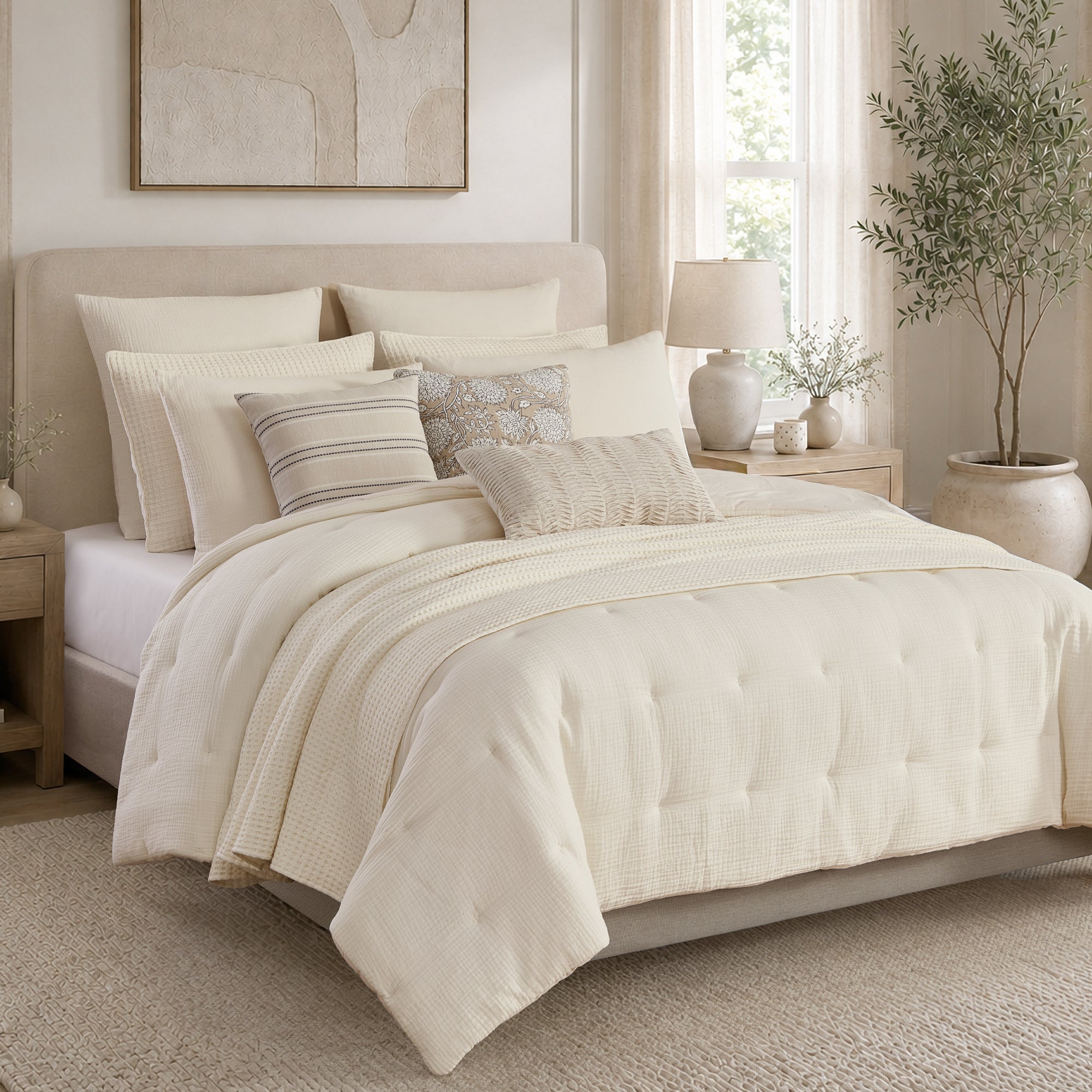






If you’ve ever woken up in the middle of the night too warm to get comfortable, you’re in good company. Kicked-off covers, flipped pillows, and that restless feeling of never quite cooling down are all familiar signs of being a hot sleeper. While occasional warmth is normal, consistently overheating at night can interrupt sleep and leave you feeling less rested in the morning.
The good news is that finding solutions for hot sleepers does not mean starting from scratch. A few thoughtful adjustments, from how your bedroom is set up to the bedding you choose, can make a noticeable difference. Building a cooler bed is really about choosing breathable materials, encouraging airflow, and layering in a way that works with your body, not against it.
Why Are Some People Hot Sleepers?
Everyone’s body regulates temperature a little differently, especially during sleep. As part of a healthy sleep cycle, core body temperature naturally drops at night, helping the body relax and stay asleep. For hot sleepers, that cooling process does not always happen as smoothly.
Research shows that warmer sleep environments can increase nighttime wakefulness and reduce time spent in deep, restorative sleep stages, which can make it harder to feel truly rested.
Factors That Contribute to Overheating at Night
There are several reasons someone may sleep hot, including:
- A naturally higher core body temperature
- Hormonal changes
- Stress or a racing mind before bedtime
- Heavy or non-breathable bedding
- Limited airflow in the bedroom
Sleep experts consistently emphasize that a cooler sleep environment supports the body’s natural temperature regulation, which plays a key role in falling and staying asleep comfortably.

Solutions for Hot Sleepers: Optimize Your Bedroom Environment
One of the easiest places to start is the bedroom itself.
Most sleep experts recommend keeping bedroom temperatures between 65 and 68 degrees Fahrenheit to support better sleep. Even lowering the thermostat by a degree or two can help signal to your body that it’s time to wind down.
Air circulation also matters. A fan, even on a low setting, can help move warm air away from the bed. If weather allows, opening a door or window can further improve airflow and make the room feel fresher.
Expert insight: “A cooler sleep environment supports the body’s natural drop in core temperature, which is essential for falling and staying asleep."
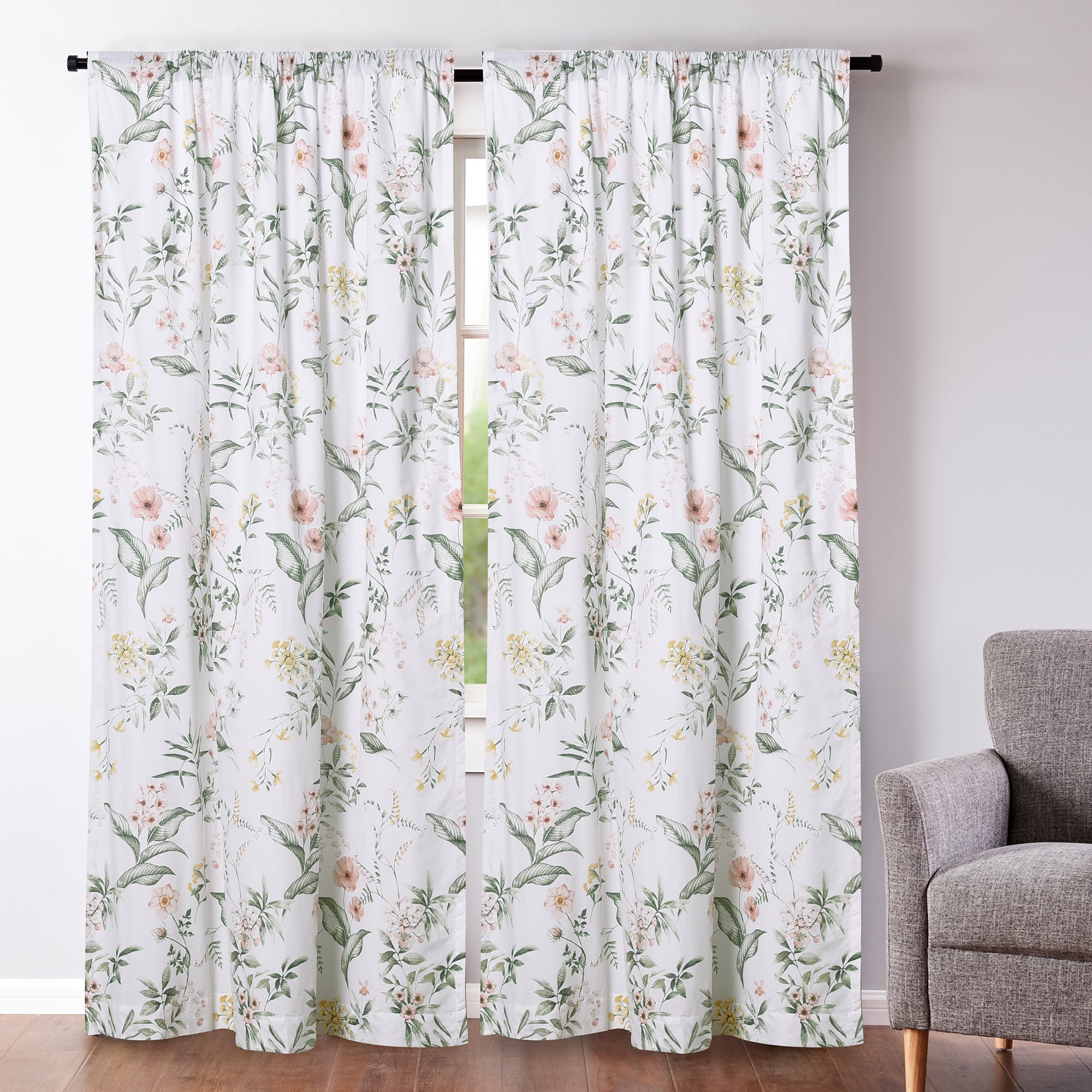
There are also a few simple, everyday adjustments that can make a real difference for hot sleepers. Using a fan to keep air moving, even gently, helps prevent heat from settling around the bed. Lightweight curtains or shades can reduce daytime heat buildup, especially in warmer months. Keeping bedding and sleep surfaces clean can also help, as fresh fabrics tend to breathe better than ones weighed down by oils or residue. None of these changes are complicated, but together they can noticeably improve how cool and comfortable your bedroom feels at night.
Solutions for Hot Sleepers: Hydration and Evening Habits
What you do during the day and evening can also affect how warm you feel at night. Staying hydrated helps your body regulate temperature more effectively, while dehydration can make cooling down harder.
It can also help to be mindful of evening meals and drinks. Heavy foods, alcohol, and spicy dishes close to bedtime can raise internal body temperature. Lighter meals and calming nighttime routines often support cooler, more restful sleep.
Research on sleep and thermal regulation shows that these everyday habits can meaningfully influence nighttime comfort.
Solutions for Hot Sleepers: Wear Light and Breathable Sleepwear
Sleepwear is another small detail that can have a big impact. Tight or synthetic fabrics tend to trap heat against the skin, which can make overheating more likely.
Loose-fitting sleepwear made from natural materials like cotton or linen allows air to circulate and moisture to evaporate. These breathable fabrics help release heat rather than hold onto it. The same principles apply when choosing bedding.
Experts regularly point to natural, breathable fibers as an important factor in reducing heat buildup during sleep.

Choosing the Right Bedding Materials for Hot Sleepers
Bedding plays a central role in long-term solutions for hot sleepers. The materials closest to your body can either help heat escape or trap it overnight.
Natural fibers like cotton and linen are widely recommended for sleepers who run warm because they promote airflow and manage moisture effectively.
Having different comforters for different times of the year is important — so many people don’t realize that and have the same comforter year-round.Dr. Shelby Harris, PsyD, clinical psychologist specializing in behavioral sleep medicine
Linen Sheets and Linen Duvet Covers for Maximum Airflow
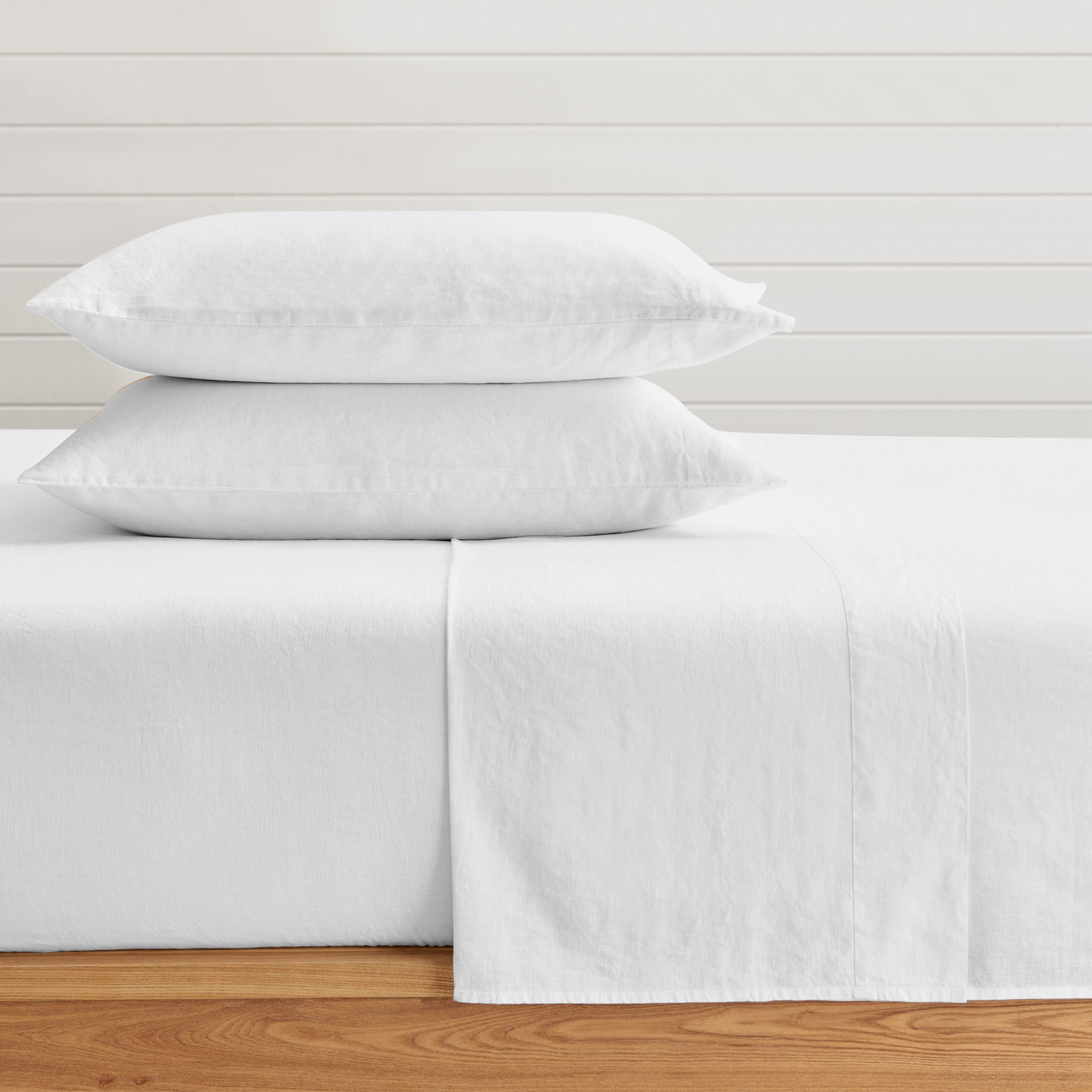
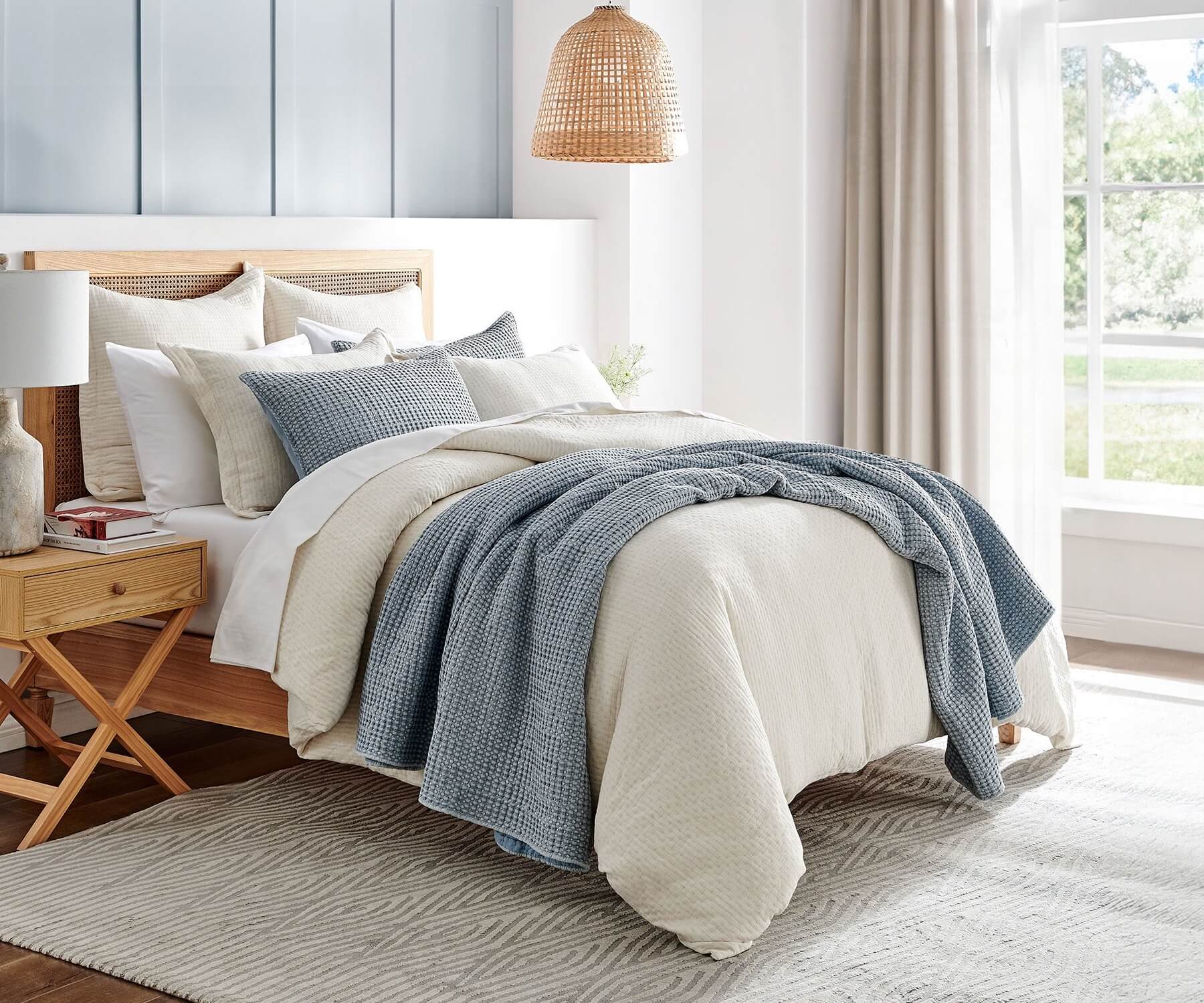
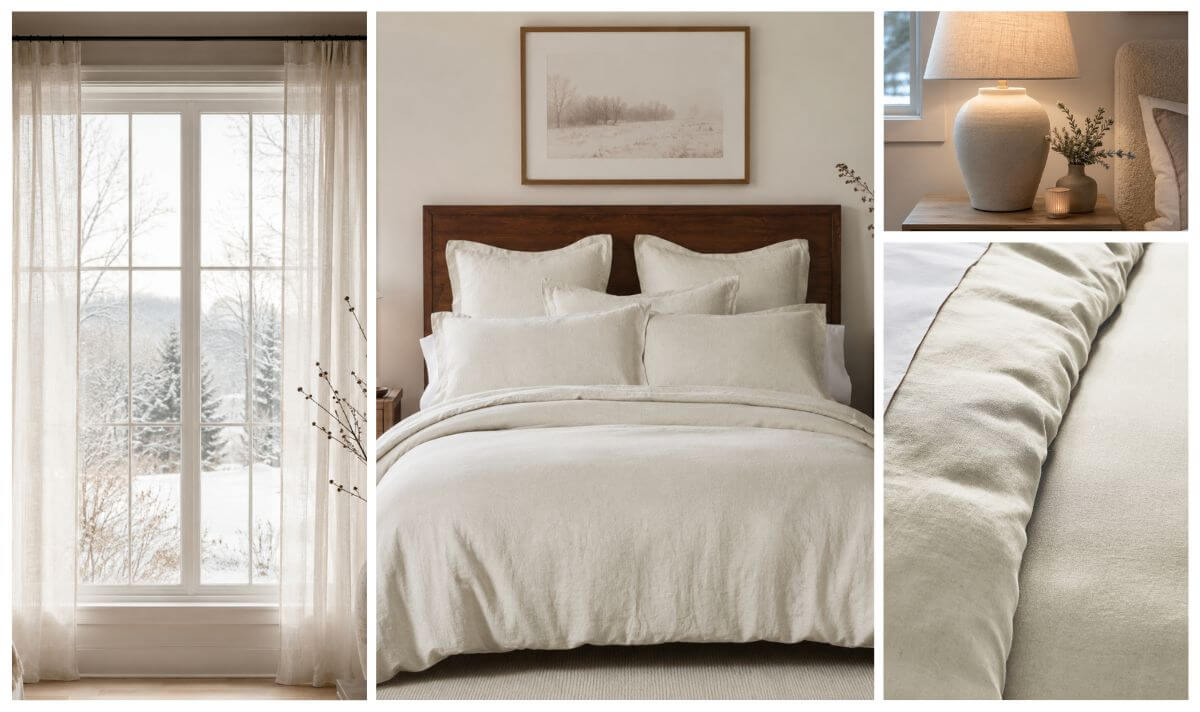
Linen is often a favorite for hot sleepers, and for good reason. Its natural fibers allow heat to dissipate while absorbing moisture, helping regulate temperature throughout the night.
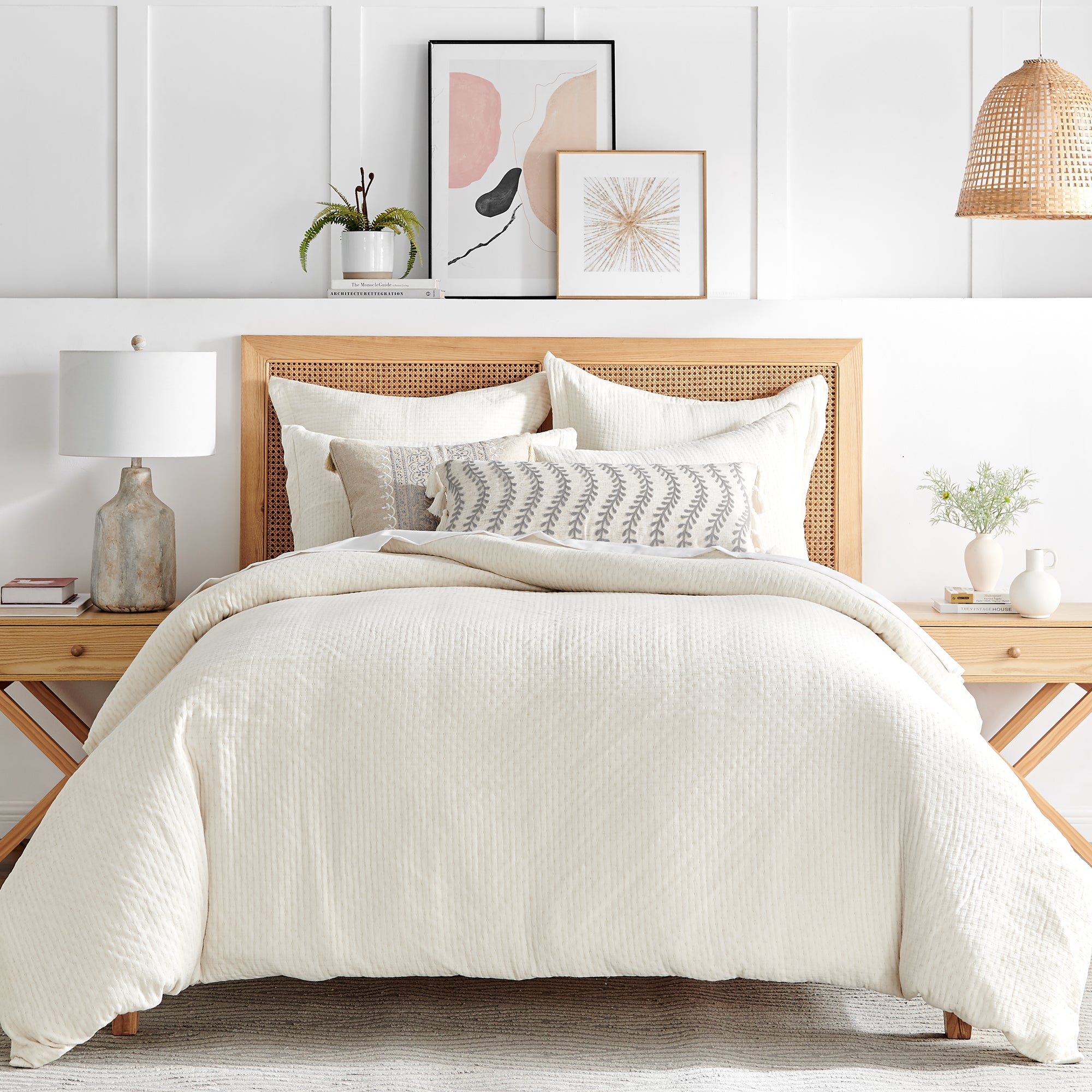
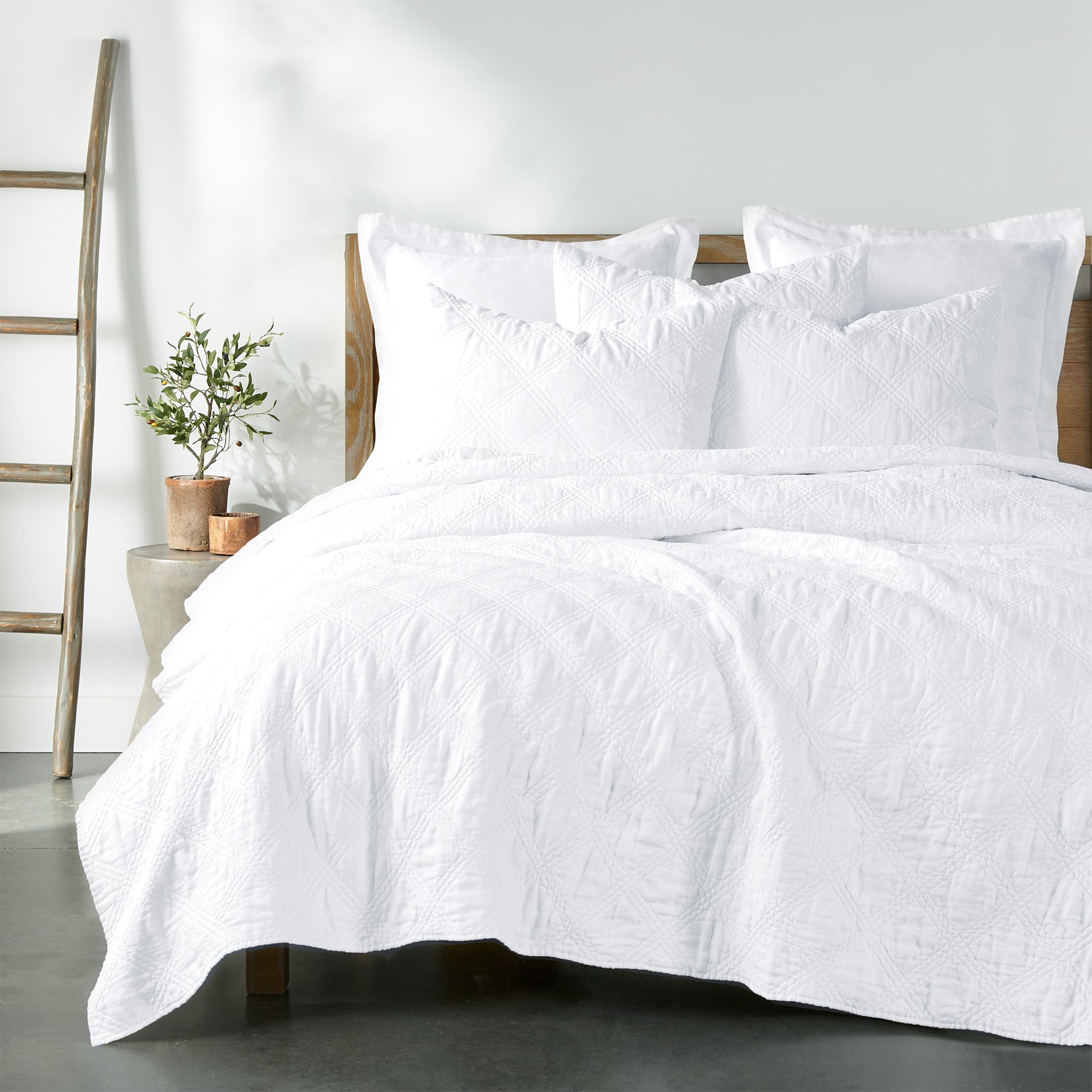
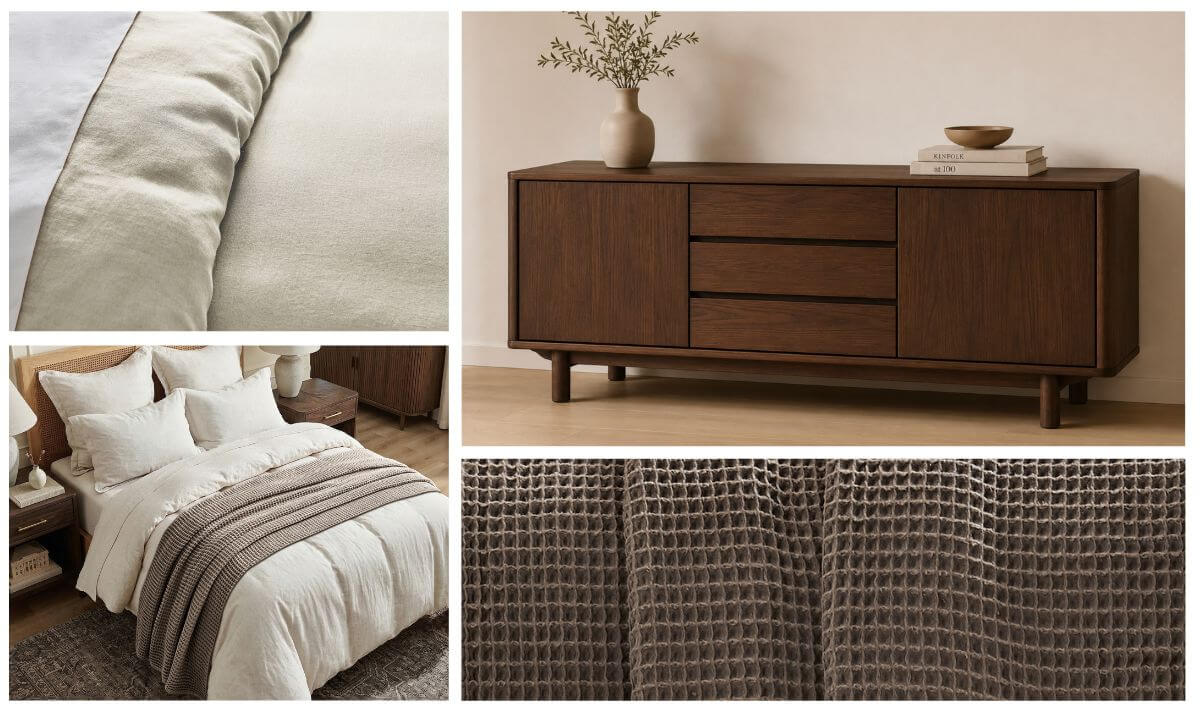
Collections like Levtex Home’s 100% Washed Linen showcase why linen works so well. Garment-washed for softness, linen sheets and linen duvet covers feel relaxed and lightweight, encouraging airflow instead of trapping warmth. Many hot sleepers find that linen feels cooler as the night goes on, making it especially comfortable in warmer seasons or year-round.
Cotton Muslin for Soft, Lightweight Comfort
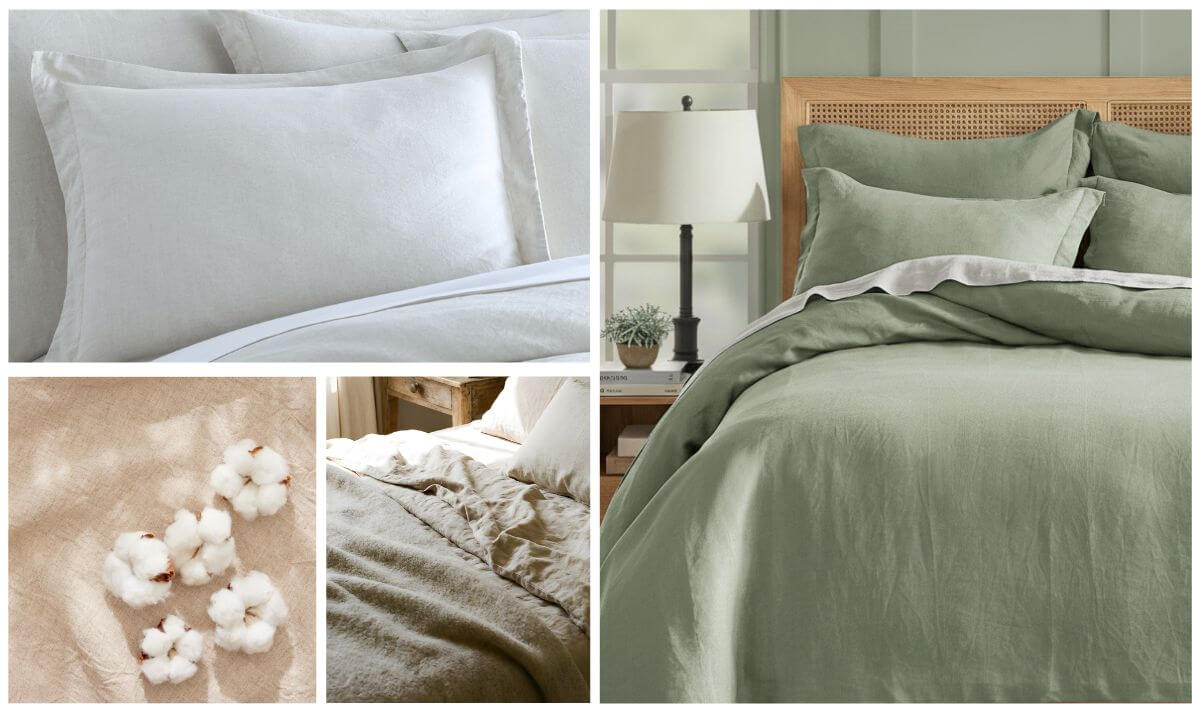
For those who love the feel of cotton but want something especially breathable, cotton muslin offers a great balance. Its open weave allows consistent airflow while staying soft and easy against the skin.
Levtex Home’s 100% Cotton Muslin bedding delivers that airy comfort without feeling crisp or heavy. It’s a comfortable option for hot sleepers who want cooling benefits paired with a relaxed, lived-in feel.

Using Lightweight Quilts and Smart Layering for Hot Sleepers
Heavy comforters are a common reason people overheat at night. One simple solution for hot sleepers is switching to lighter, more breathable top layers.
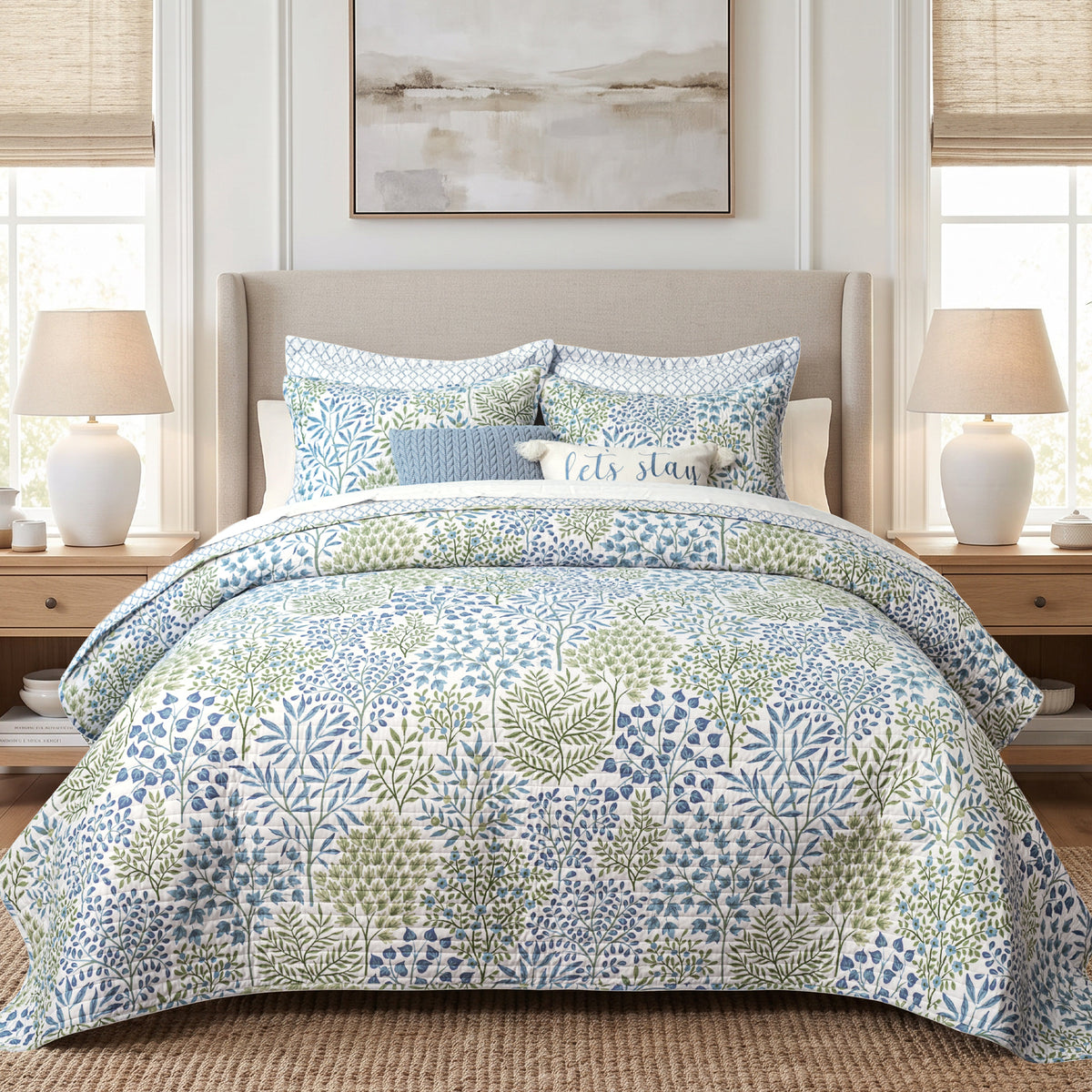
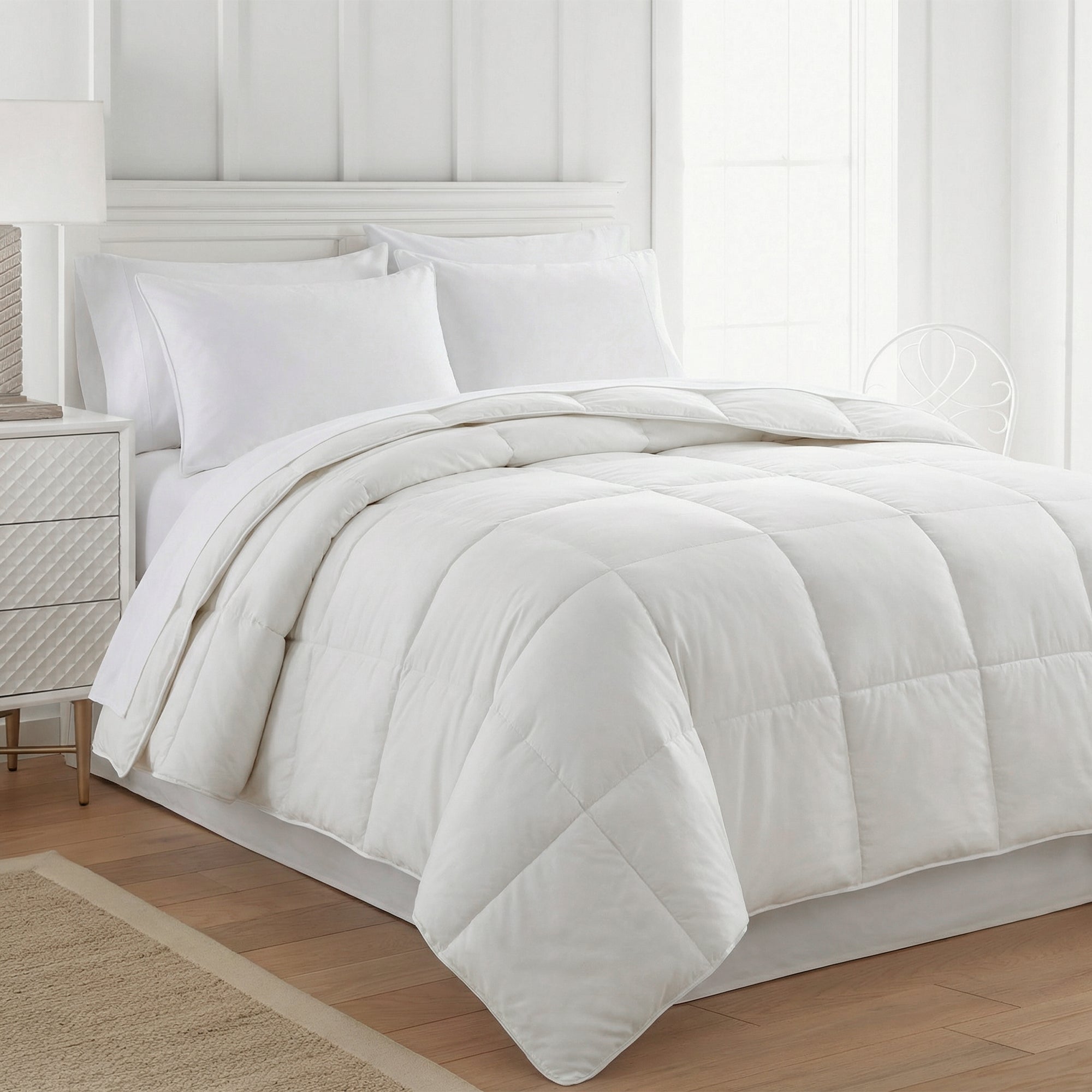
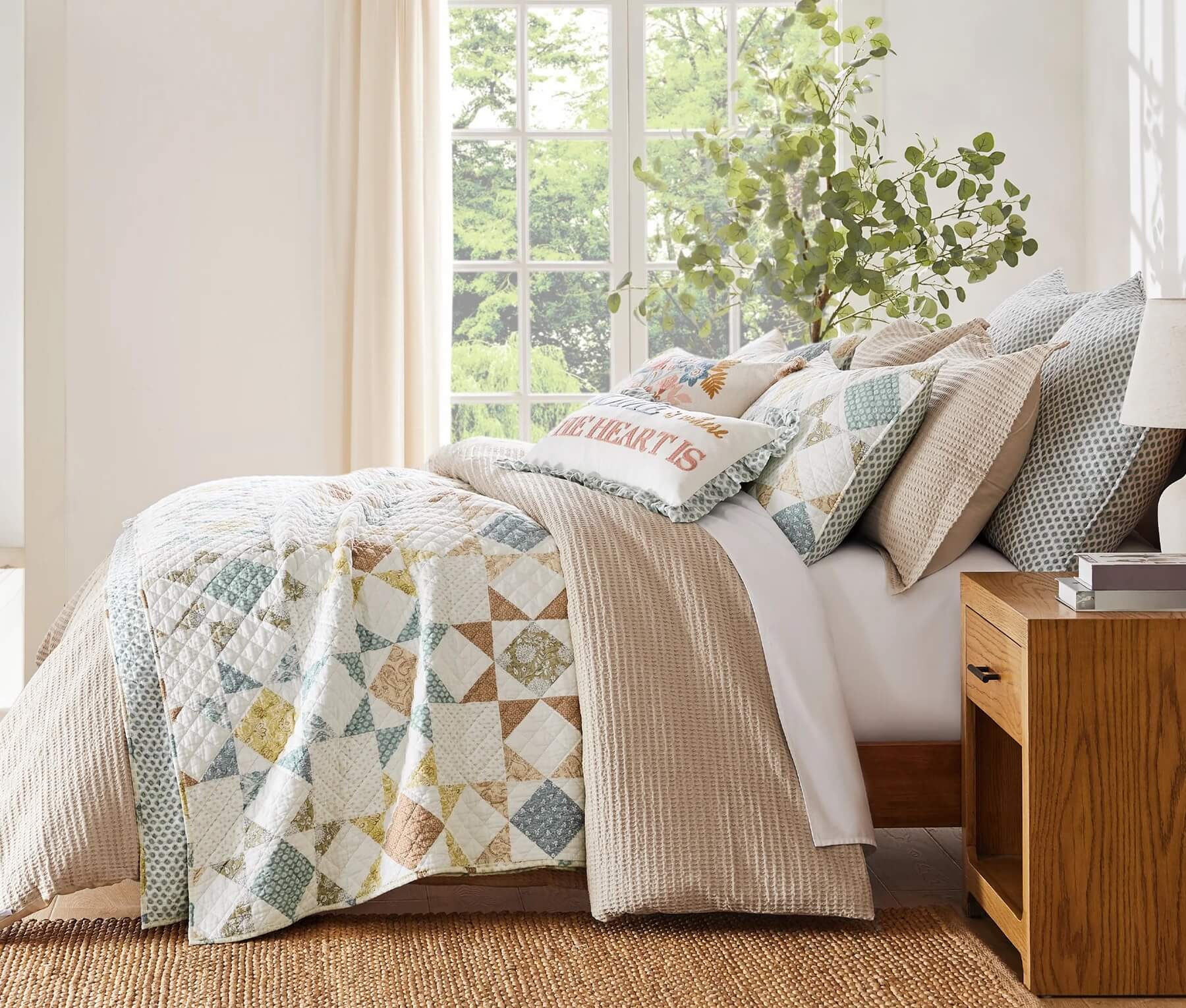
Lightweight duvet covers with breathable inserts or cotton quilts allow for better temperature control. Quilts offer coverage without the insulation of heavier bedding, making them especially useful for warm sleepers.
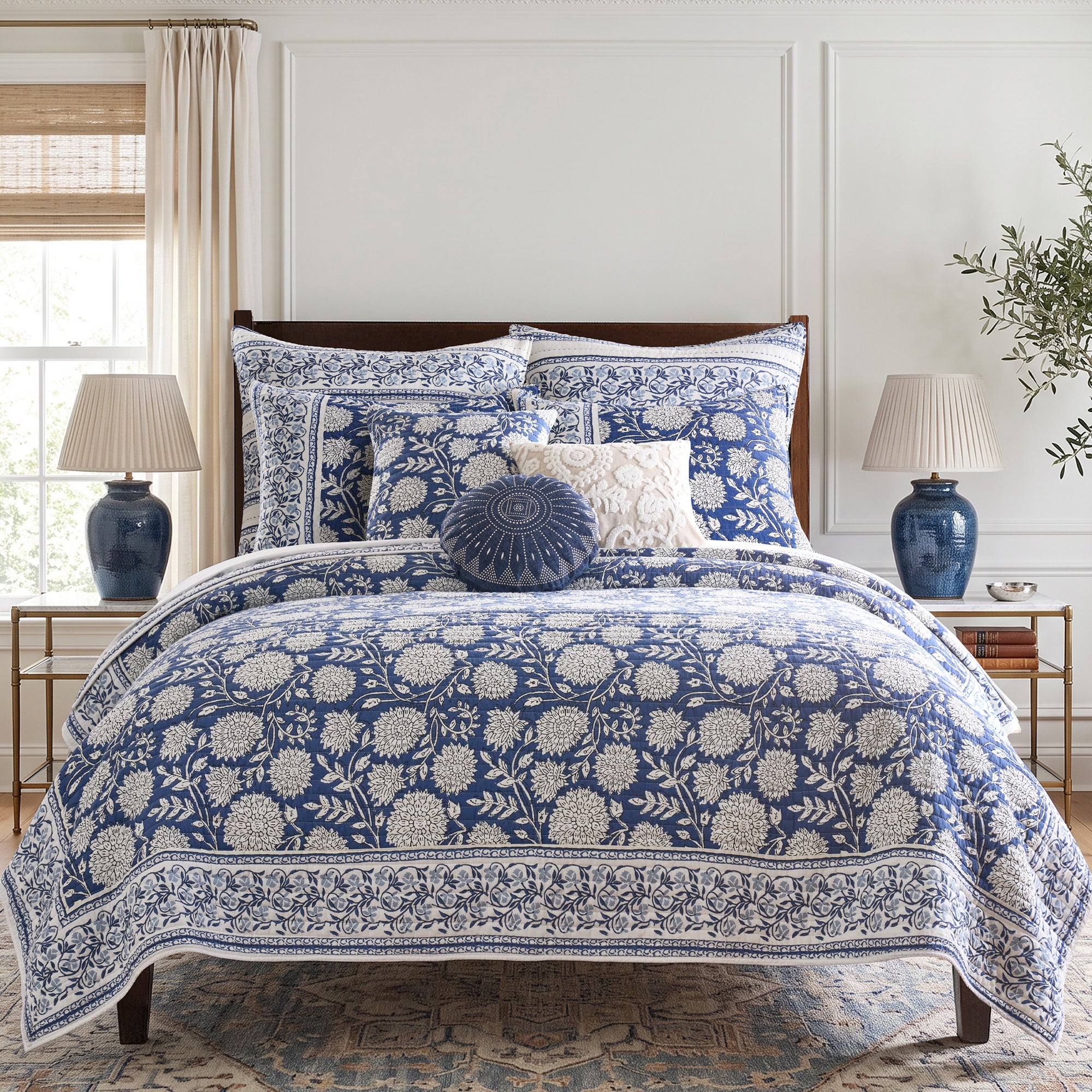
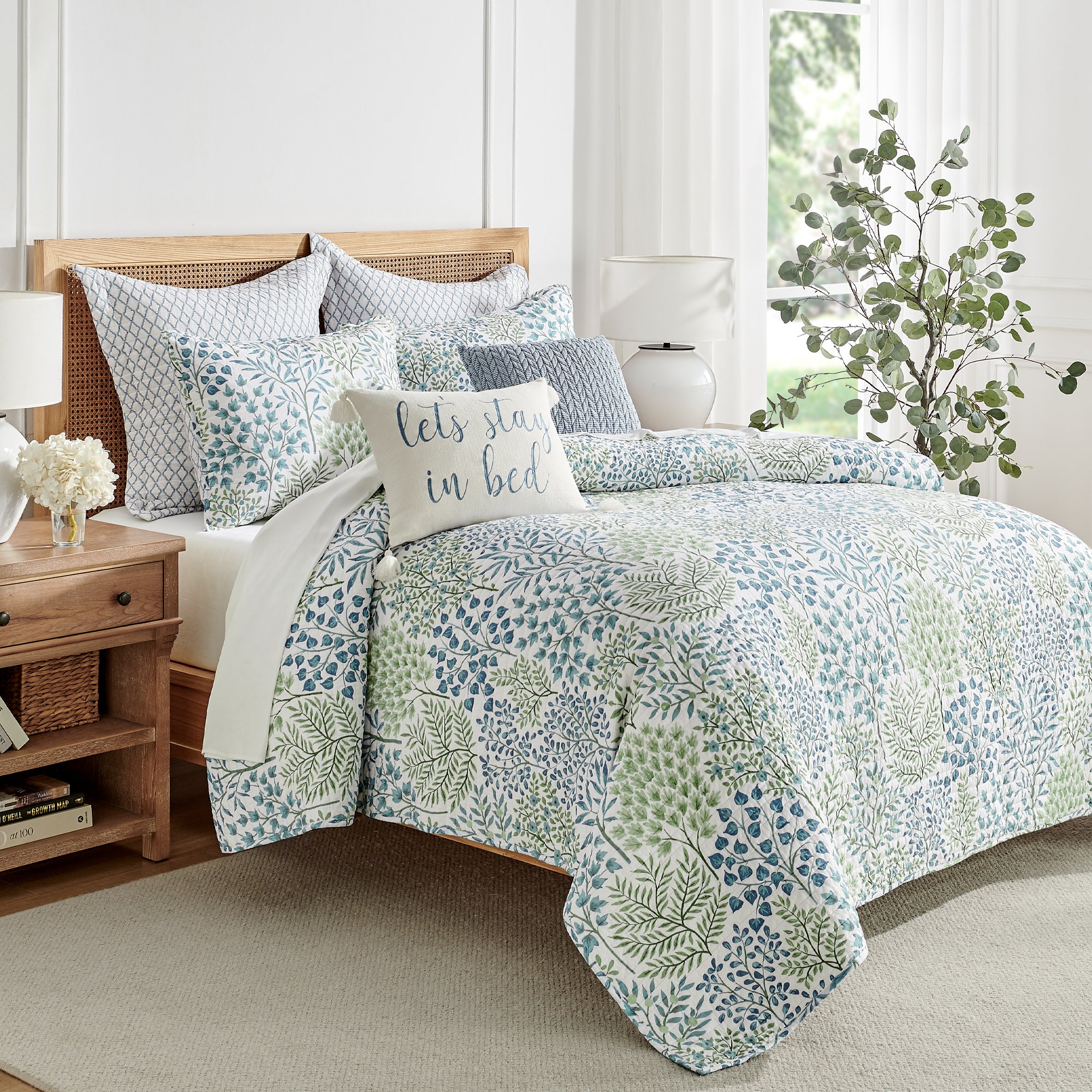
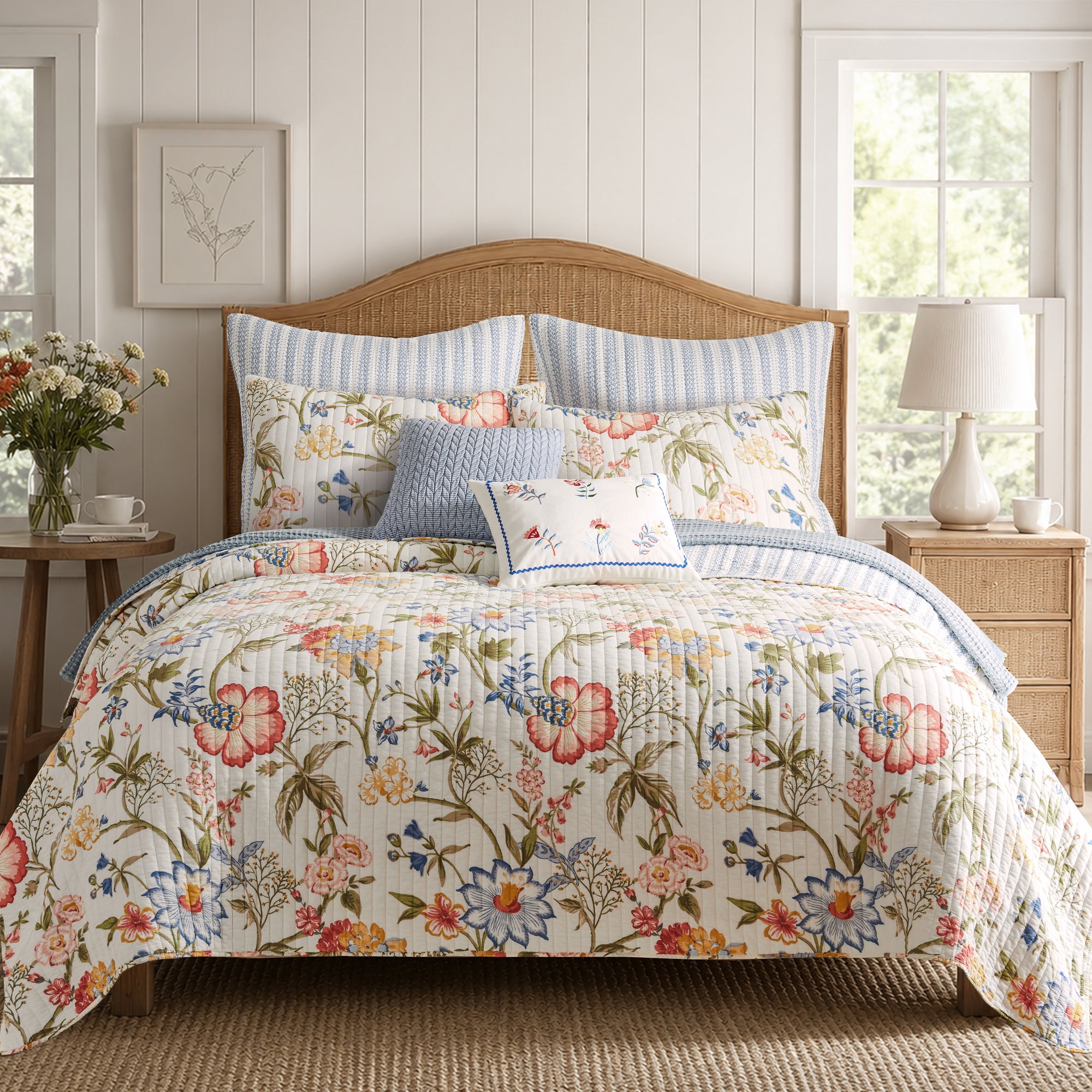
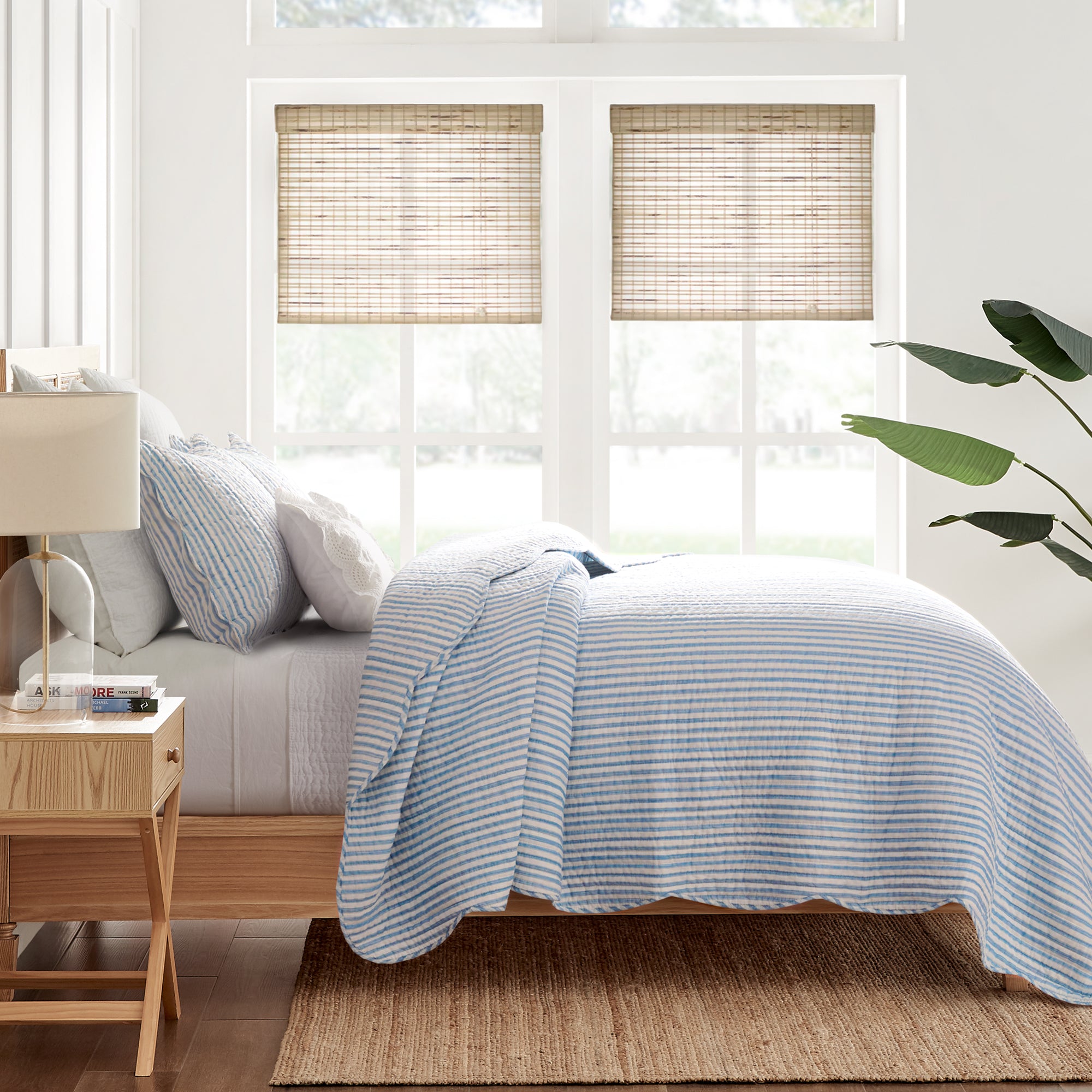
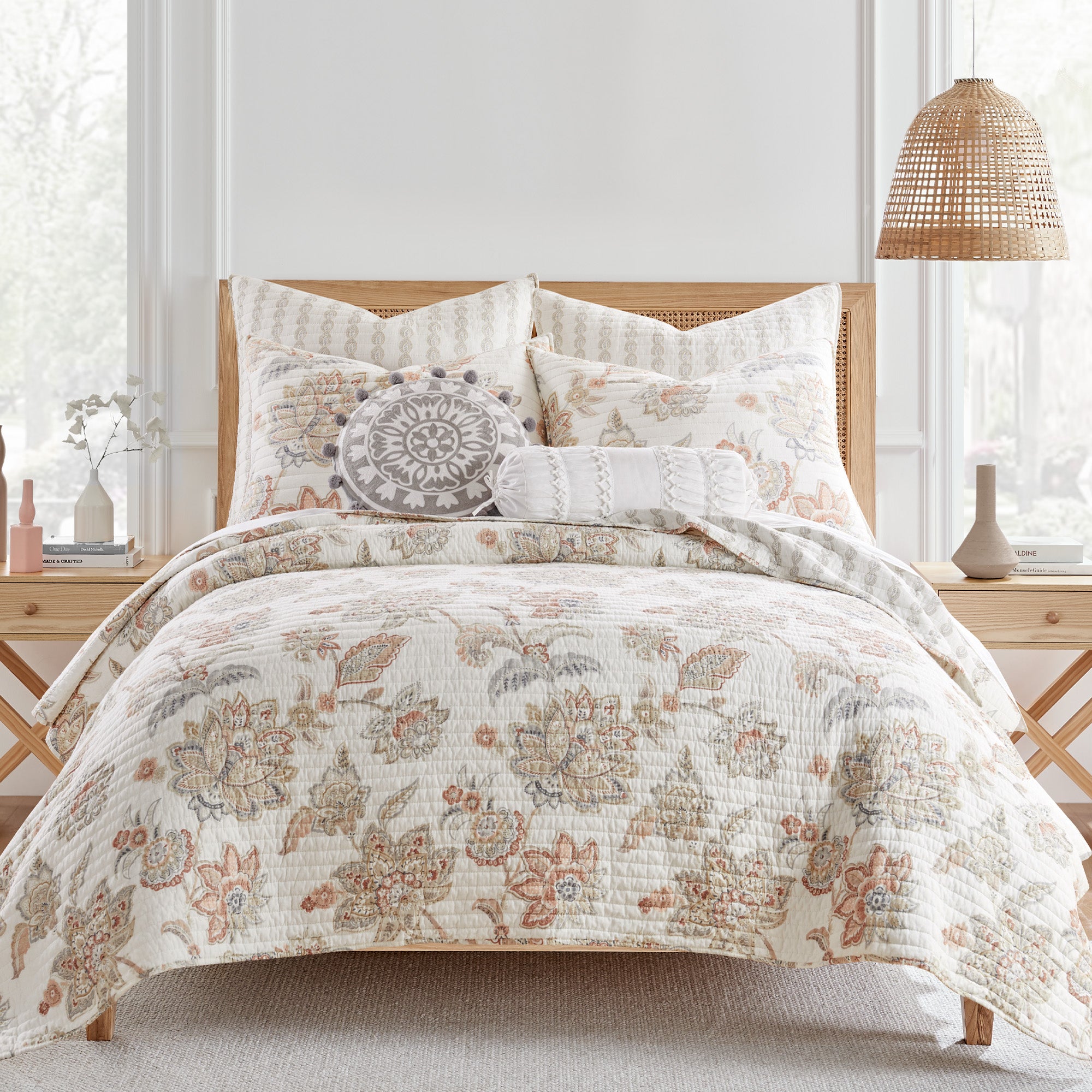
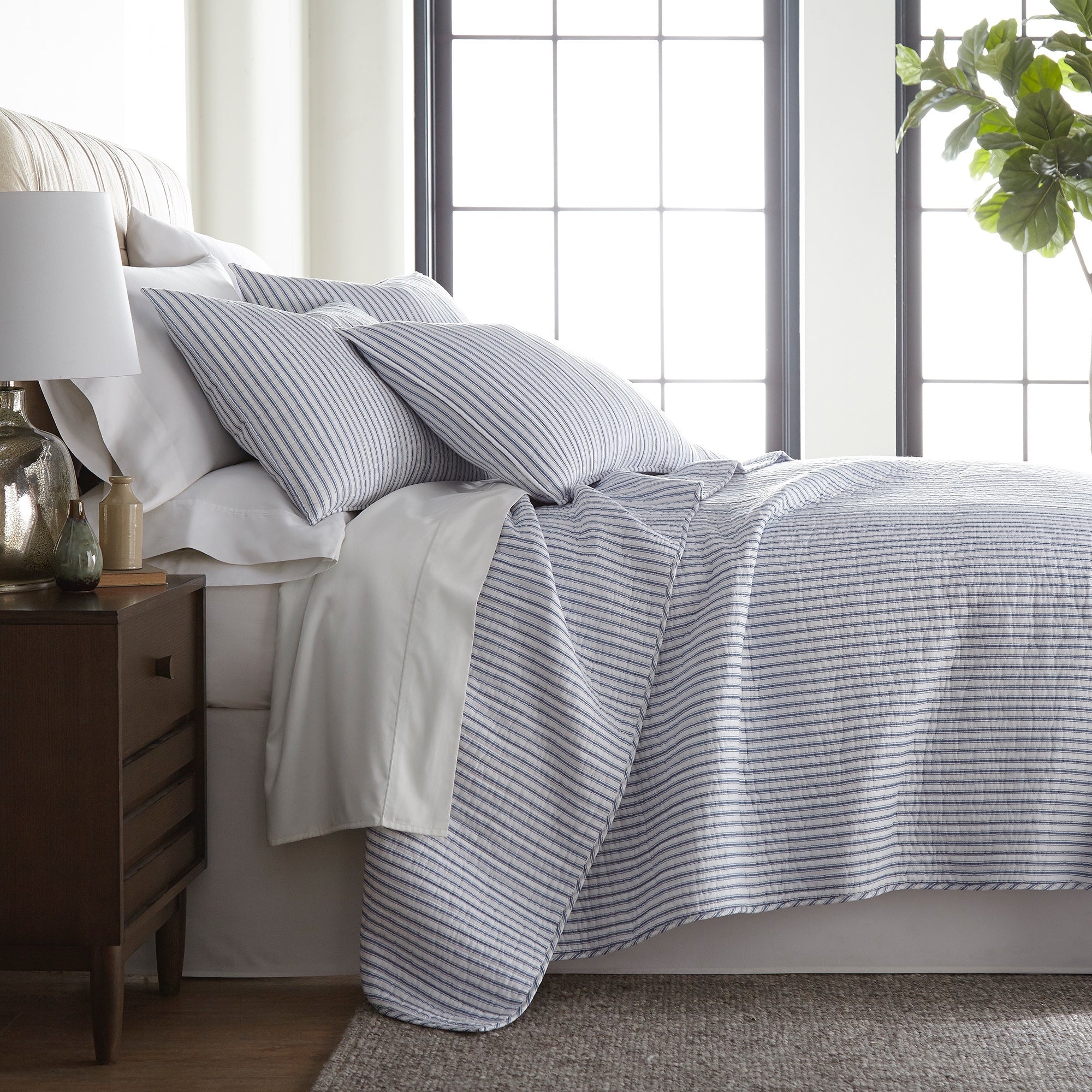
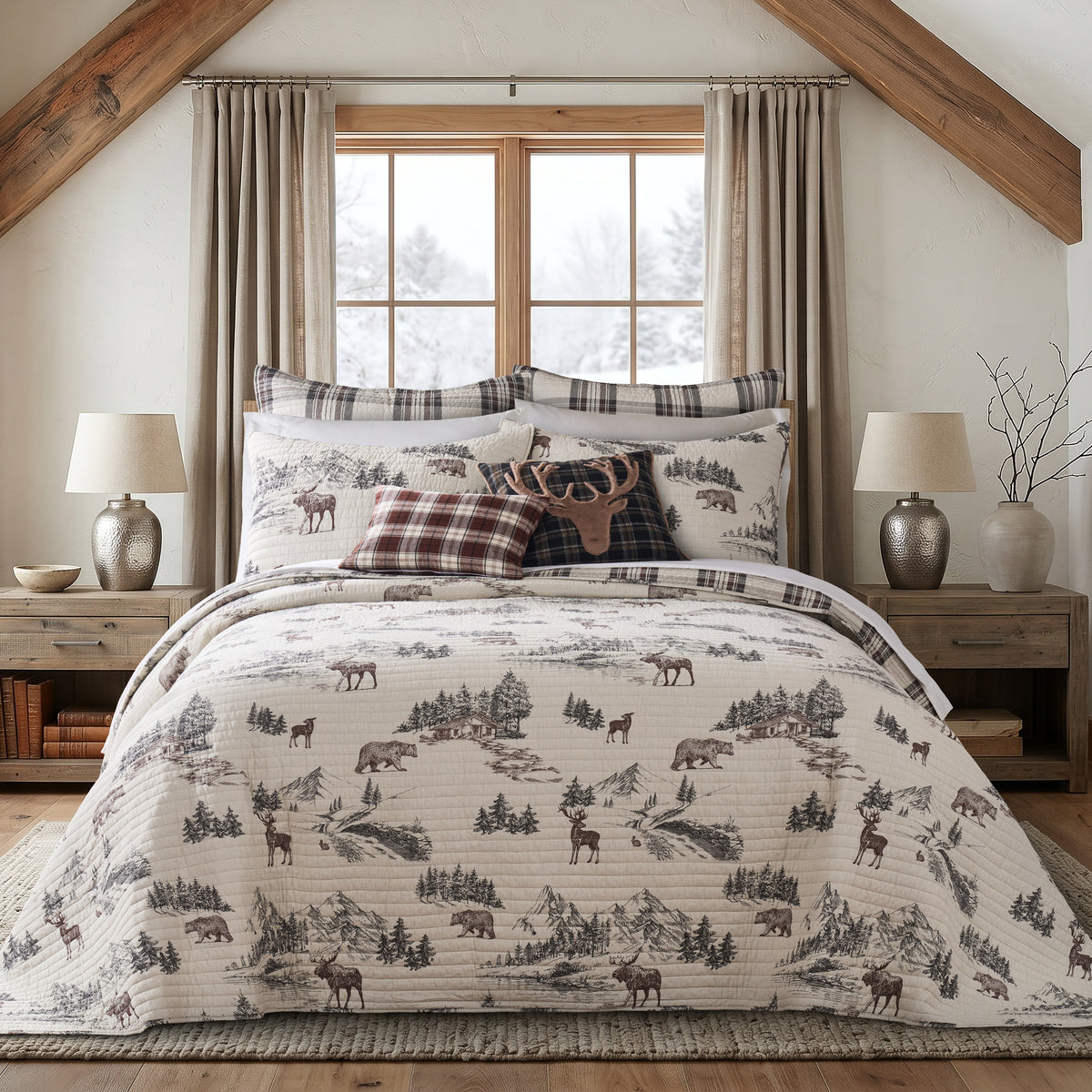
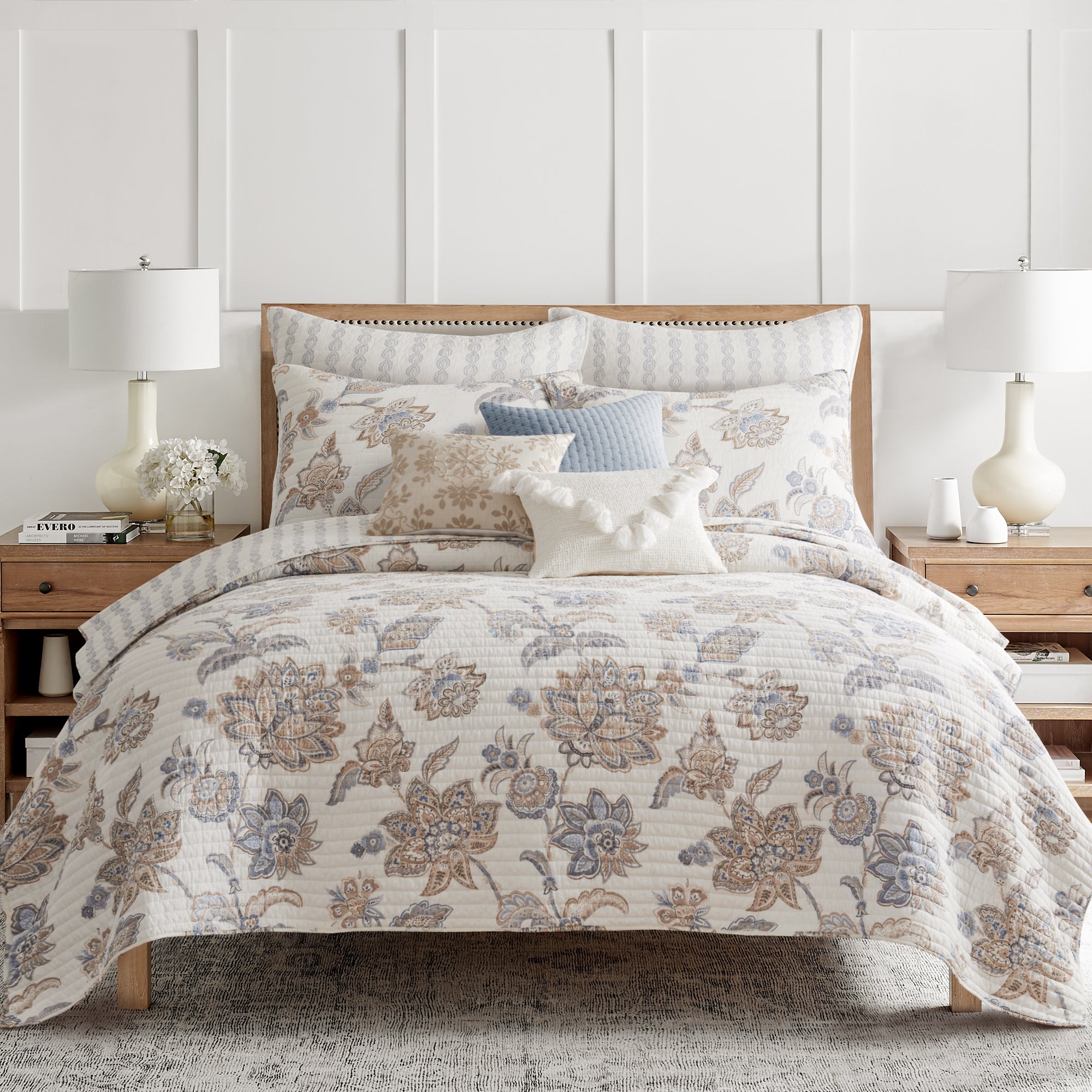
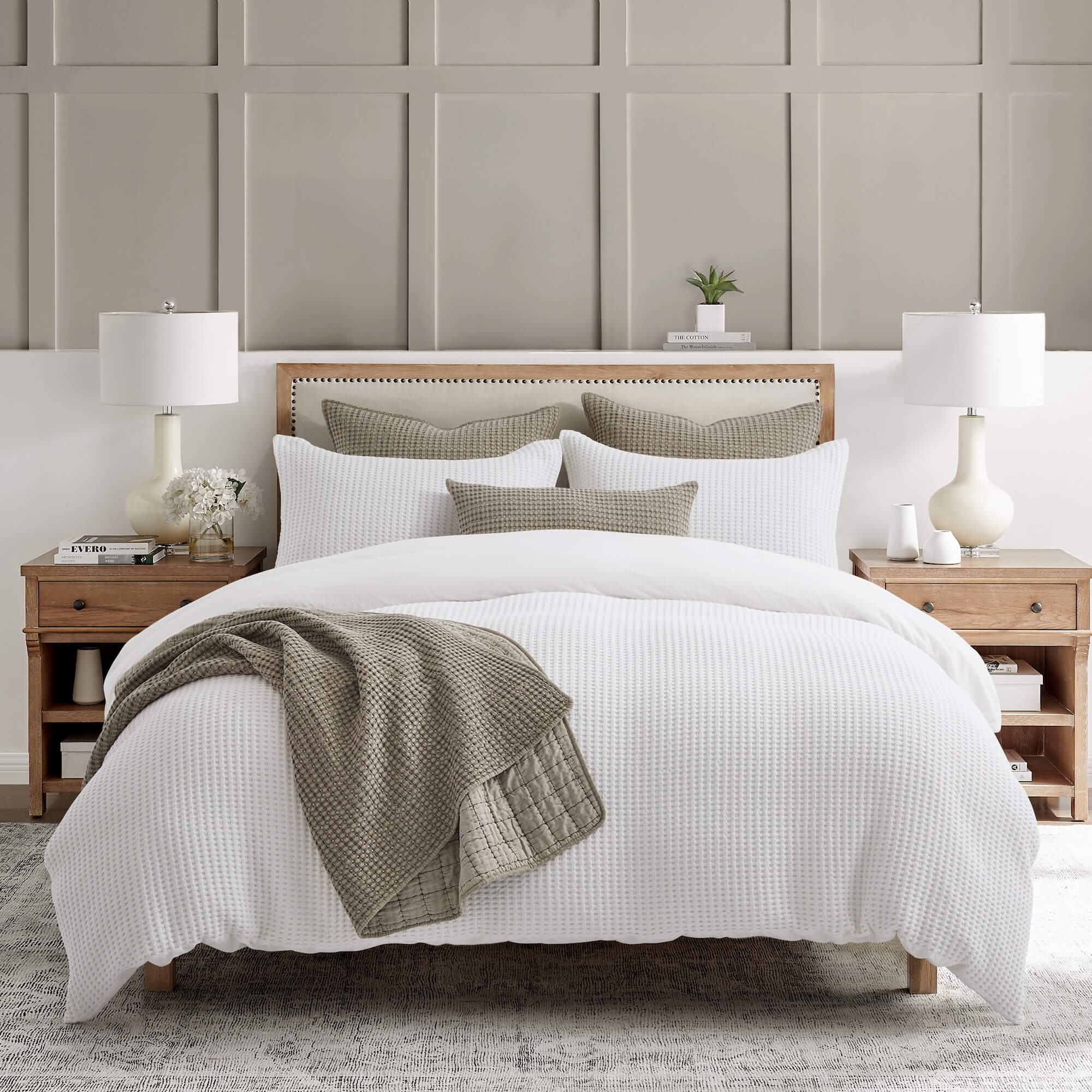
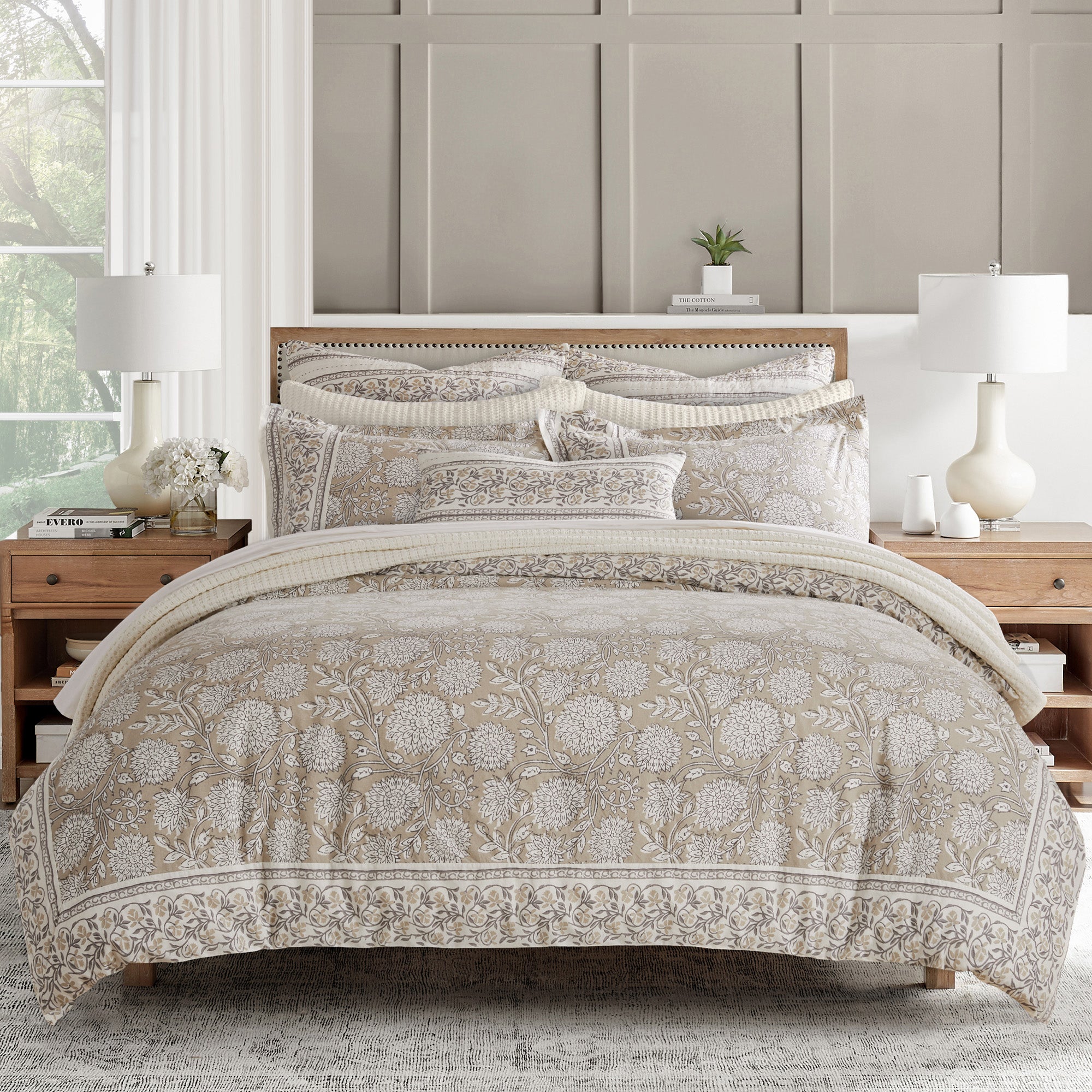
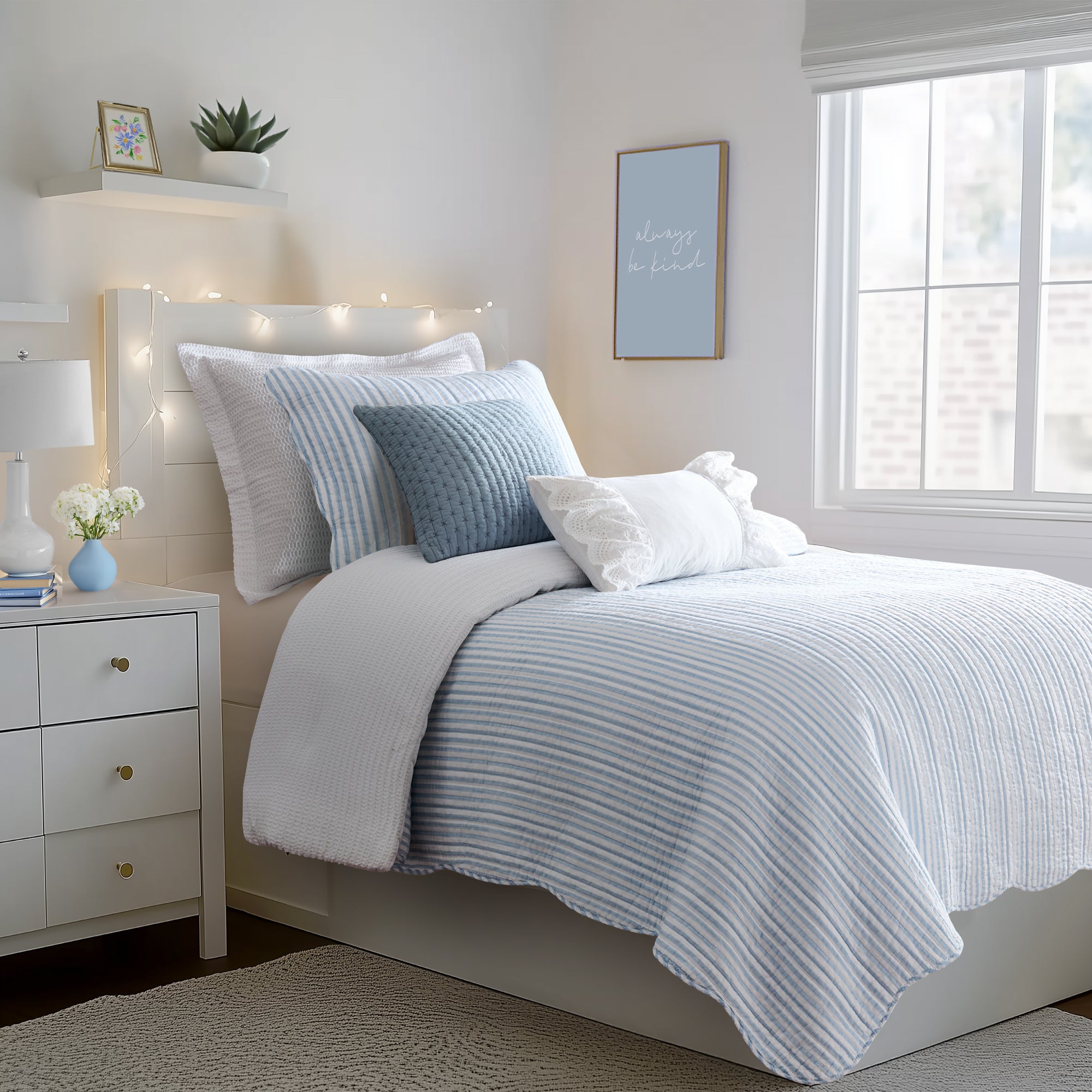
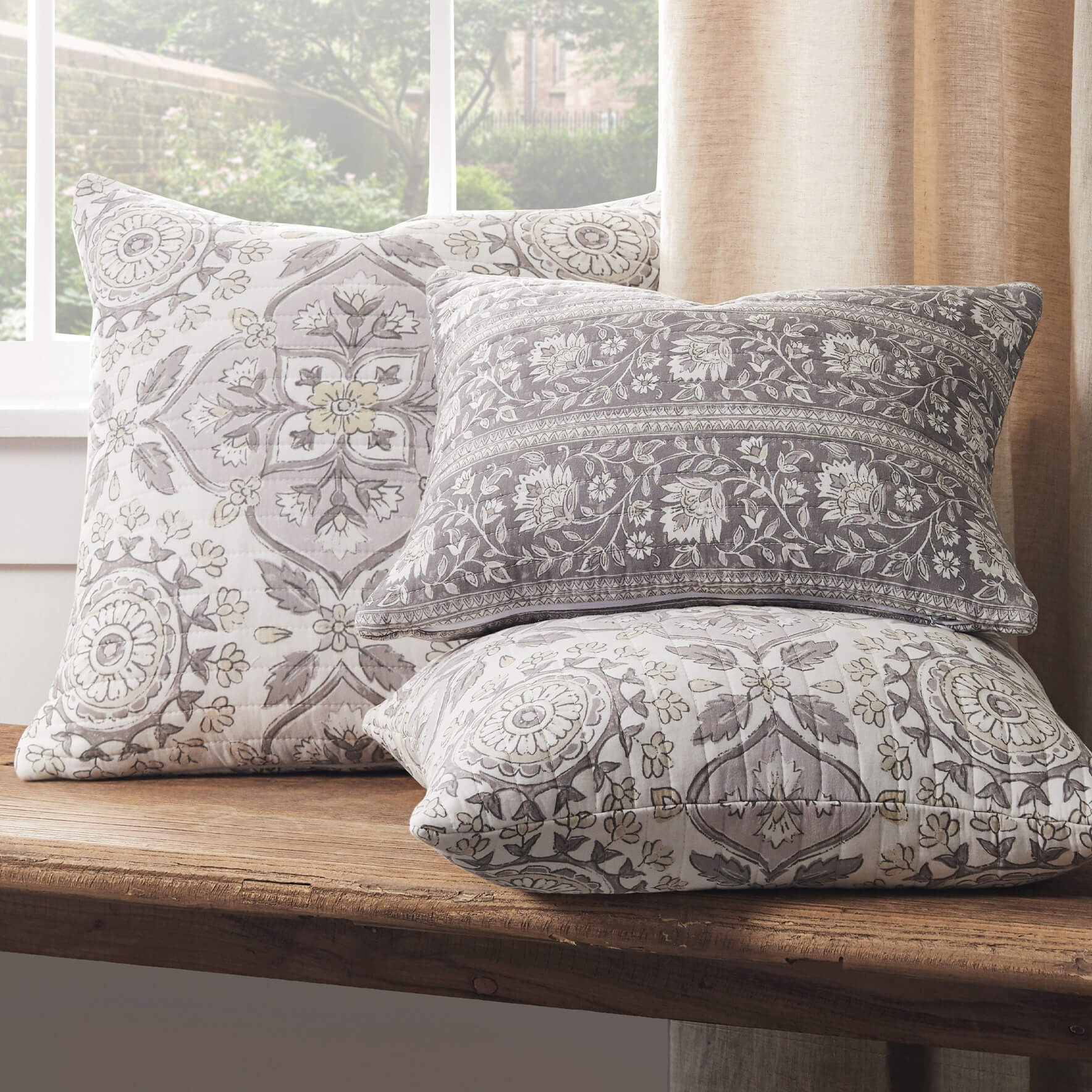
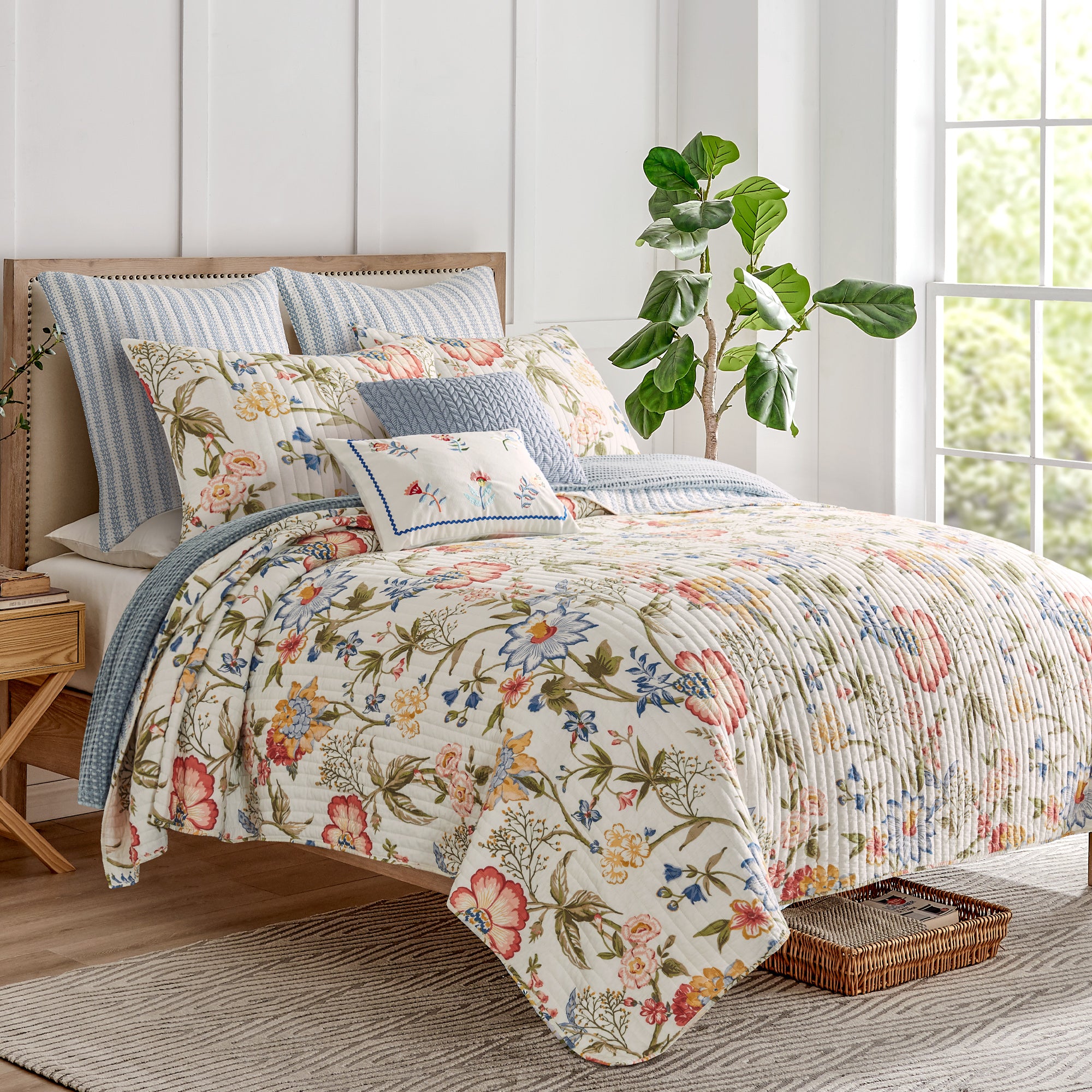
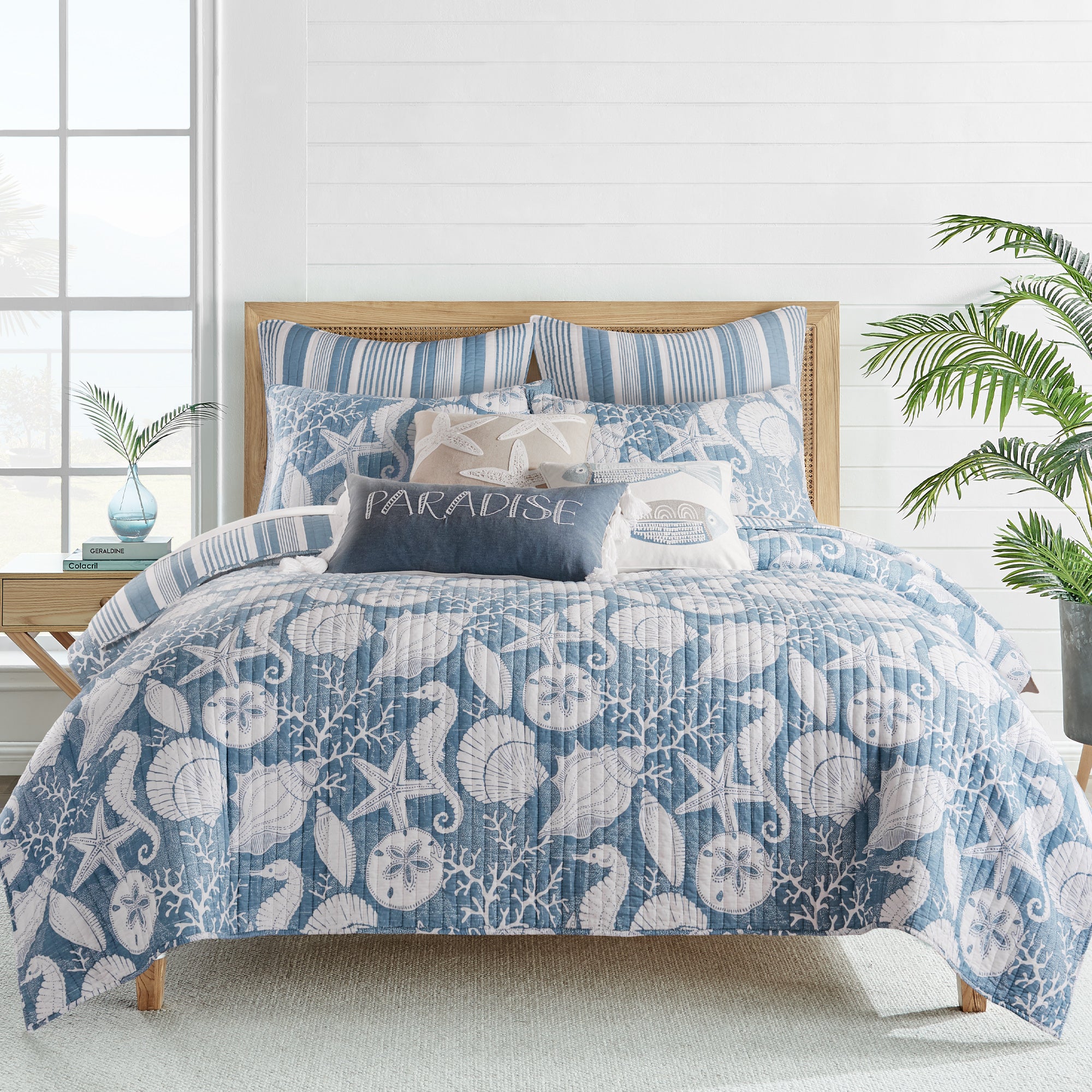
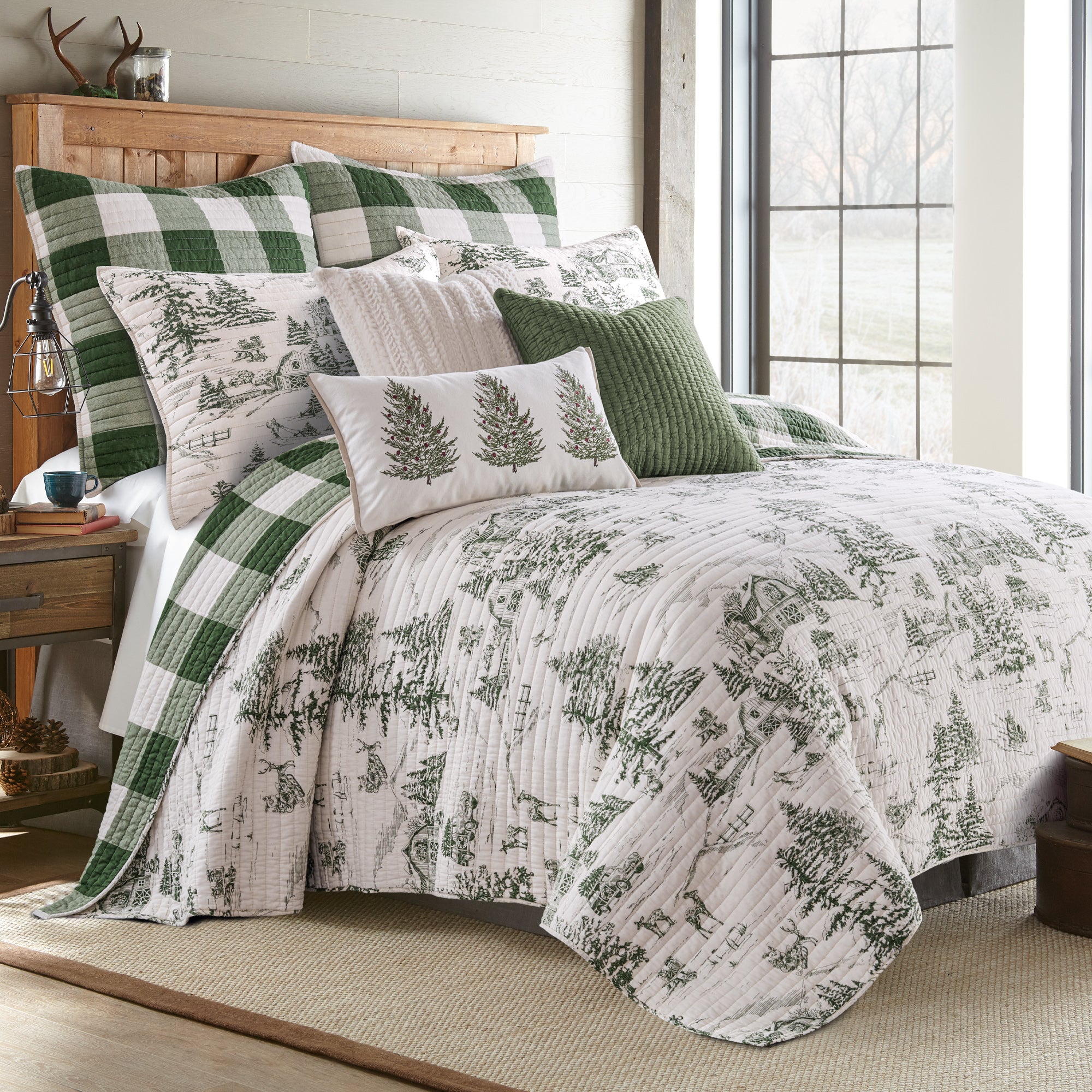
Levtex Home’s 100% cotton quilts, including styles from collections like English Forest, Adare, Maileen, + Martha Stripe are designed with breathable layering in mind. They provide cozy comfort without excessive heat retention.
Staying cool at night often comes down to flexibility. Lightweight layers make it easier to adjust as temperatures shift while you sleep.
Cooling Technologies for Mattresses and Pillows
Bedding does a lot of the work, but mattresses and pillows also influence sleep temperature. Some mattresses are designed with cooling features that promote airflow or reduce heat retention.
Hybrid mattresses, ventilated foam designs, and cooling mattress pads can help manage heat more effectively. Cooling mattress pads are a practical option for hot sleepers who want an added layer of comfort without replacing their mattress.
Bedding is a great place to start for those who struggle with temperature overnight. I’m a fan of sweat-wicking and cooling materials.Dr. Shelby Harris, PsyD, is a clinical psychologist specializing in behavioral sleep medicine in White Plains, New York
Pillows matter too. Breathable or gel-infused pillows may help prevent heat buildup around the head and neck, which is a common discomfort for hot sleepers.

Practical Bedding Solutions for Hot Sleepers
The most effective solutions for hot sleepers often combine breathable materials with thoughtful layering. Choosing the right sheets, top layers, and fabrics can significantly improve how your bed feels throughout the night.
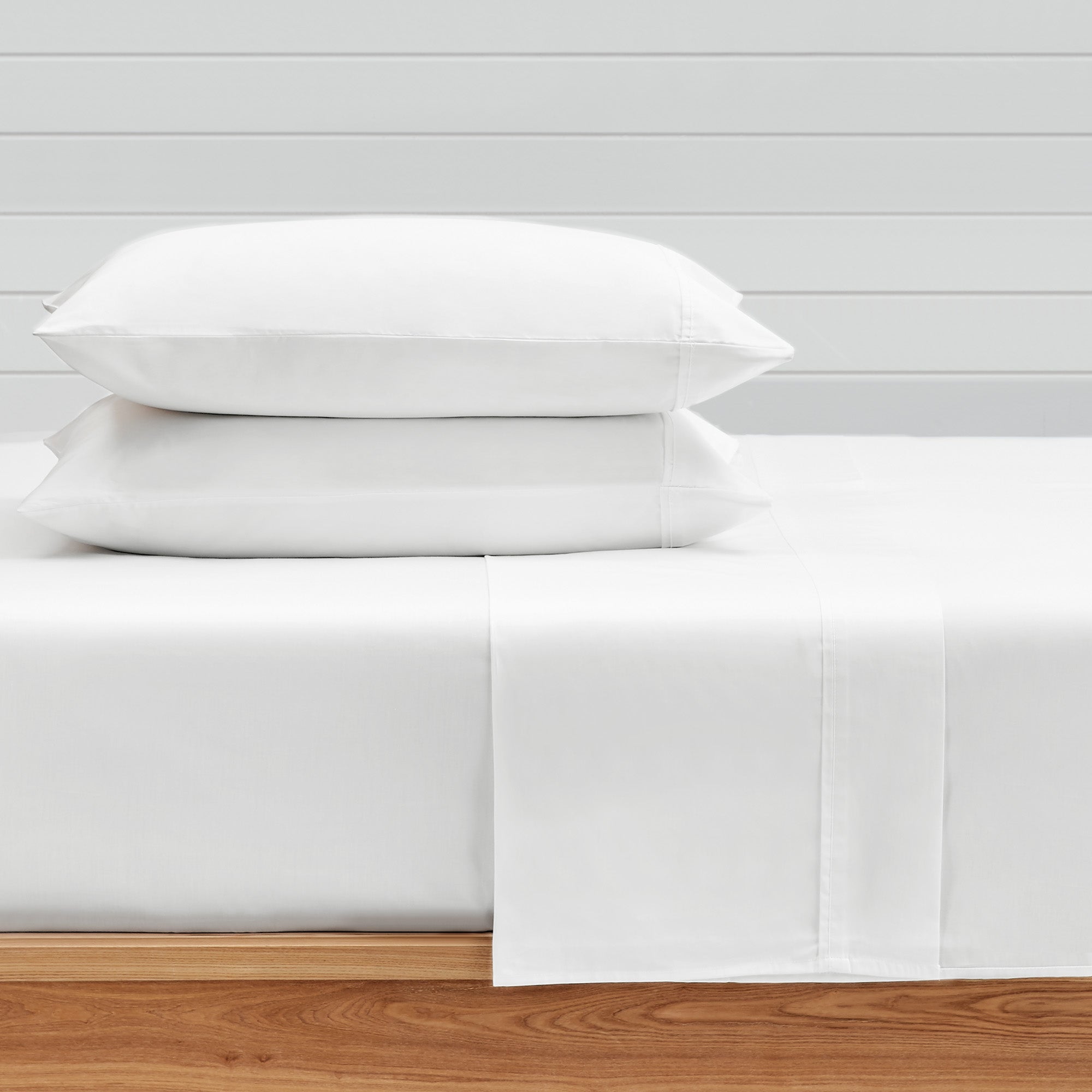
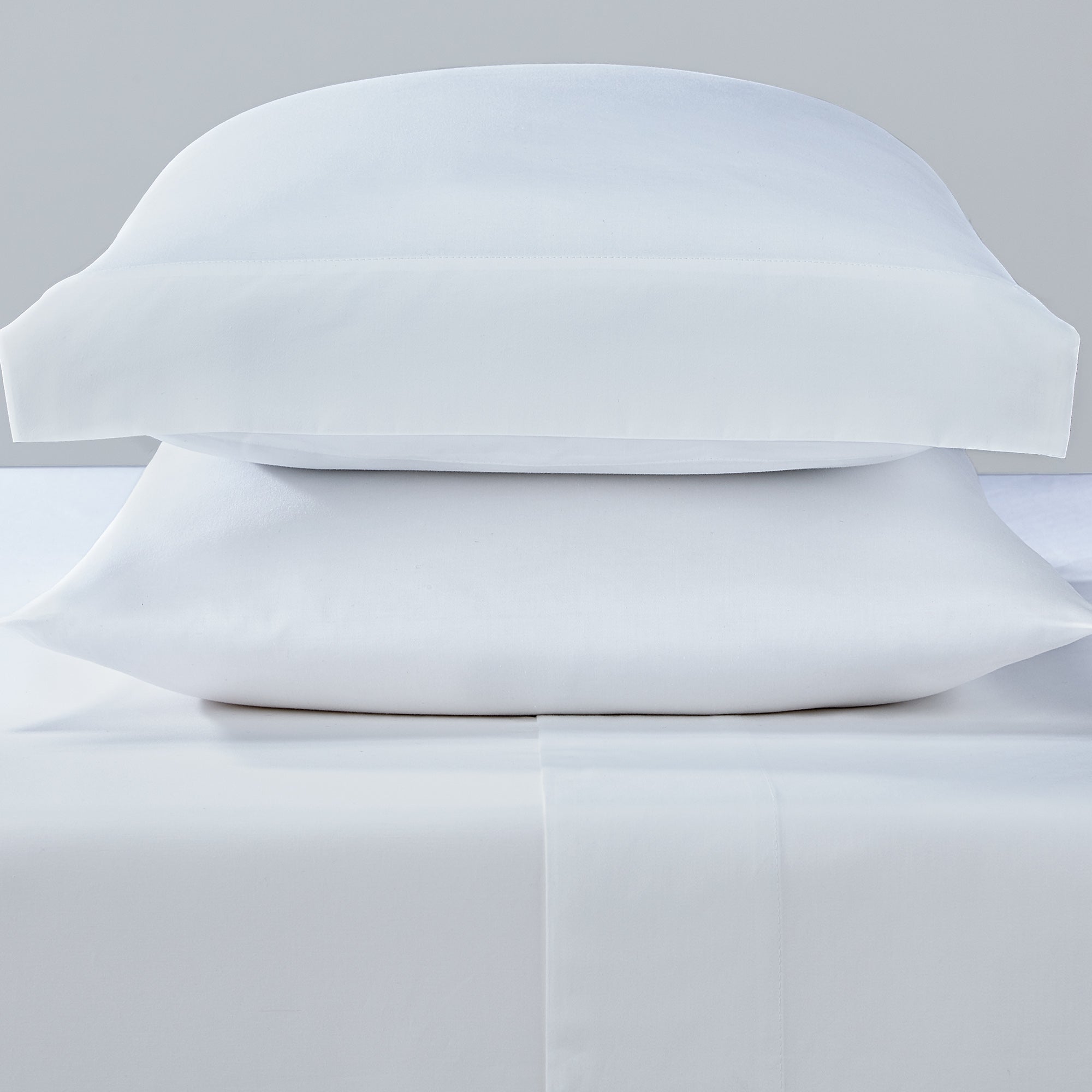
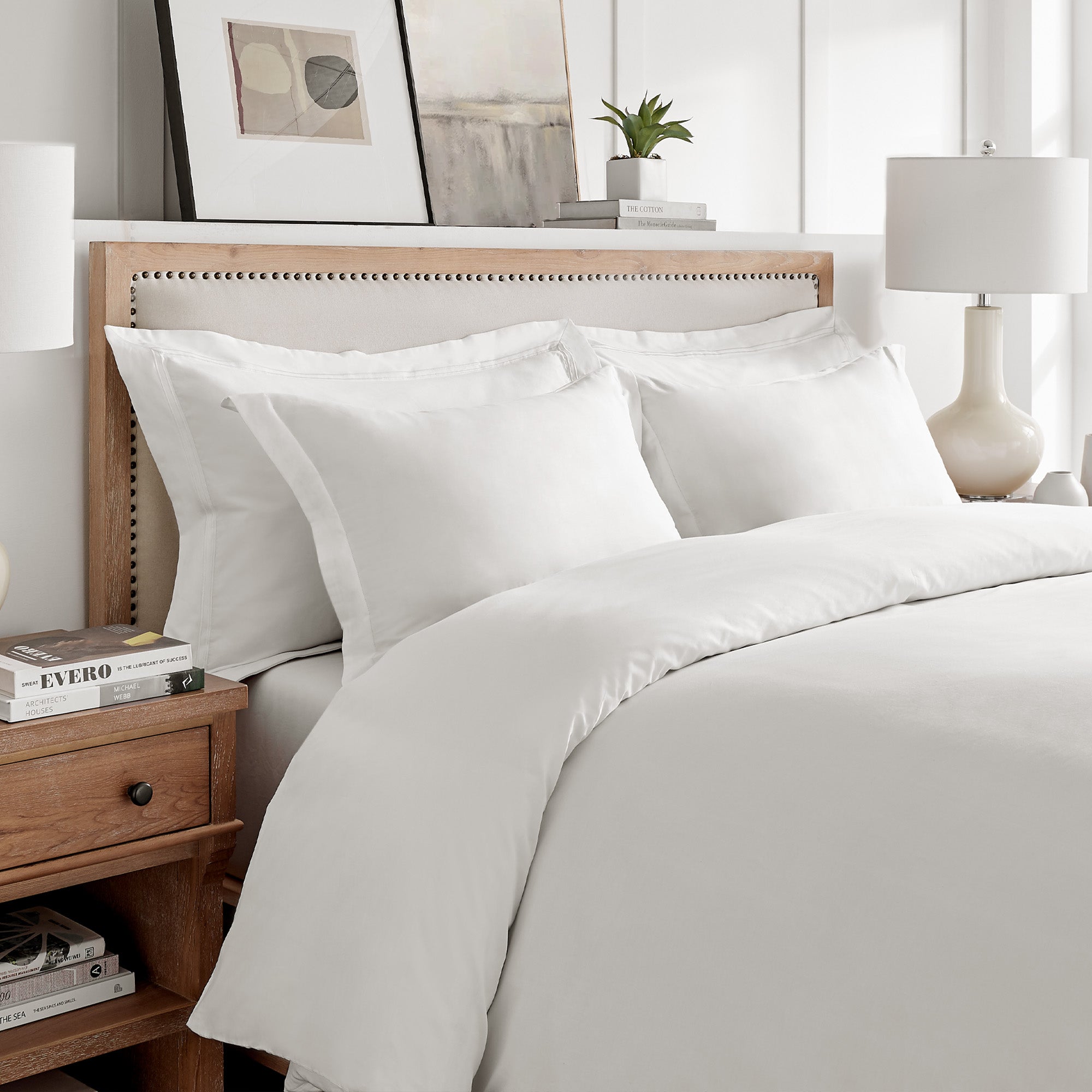
Levtex Home bedding focuses on natural, cotton-forward materials designed to support airflow and temperature regulation. Cotton sheets, cotton muslin, linen bedding, breathable duvet covers, and lightweight cotton quilts all work together to create a bed that adapts to your needs rather than trapping heat.
By prioritizing breathability and flexibility, hot sleepers can build a sleep environment that feels comfortable from bedtime to morning.
Conclusion: Cooler Nights with the Right Bedding for Hot Sleepers
Sleeping hot can make it harder to get the rest you need, but it does not have to be that way. With the right combination of bedroom adjustments, daily habits, and breathable bedding materials, cooler nights are well within reach.
From choosing linen sheets or cotton muslin bedding to layering with lightweight cotton quilts, small changes can add up to better sleep. Creating a cooler bed is about working with your body’s natural rhythms and surrounding yourself with materials that support comfort all night long.
FAQ
What are the best solutions for hot sleepers at night?
The most effective solutions for hot sleepers focus on keeping the body cool and supporting natural temperature regulation. This includes choosing breathable bedding like linen sheets, cotton percale, or lightweight cotton sheets, improving airflow with a fan, and keeping the bedroom cool. Pairing these changes with a supportive mattress and breathable pillow can significantly reduce heat buildup and improve sleep quality.
Are linen sheets or cotton sheets better for hot sleepers?
Both linen sheets and cotton sheets can work well for hot sleepers, but they offer slightly different benefits. Linen sheets and a linen duvet are especially effective at releasing heat and moisture, making them a popular solution for sleepers who run very hot. Cotton percale sheet sets are also a great option, offering a crisp, cool feel with excellent airflow. The best choice depends on how warm you sleep and the texture you prefer on your bed.
Does a duvet cover affect how hot you sleep?
Yes, a duvet cover plays an important role in how warm or cool your bed feels. A breathable duvet cover made from linen or lightweight cotton helps prevent heat from getting trapped around the body during the night. Pairing a linen duvet cover with a lightweight insert or blanket allows hot sleepers to layer more effectively and stay cool without sacrificing comfort.
Can a mattress and pillow help keep hot sleepers cool?
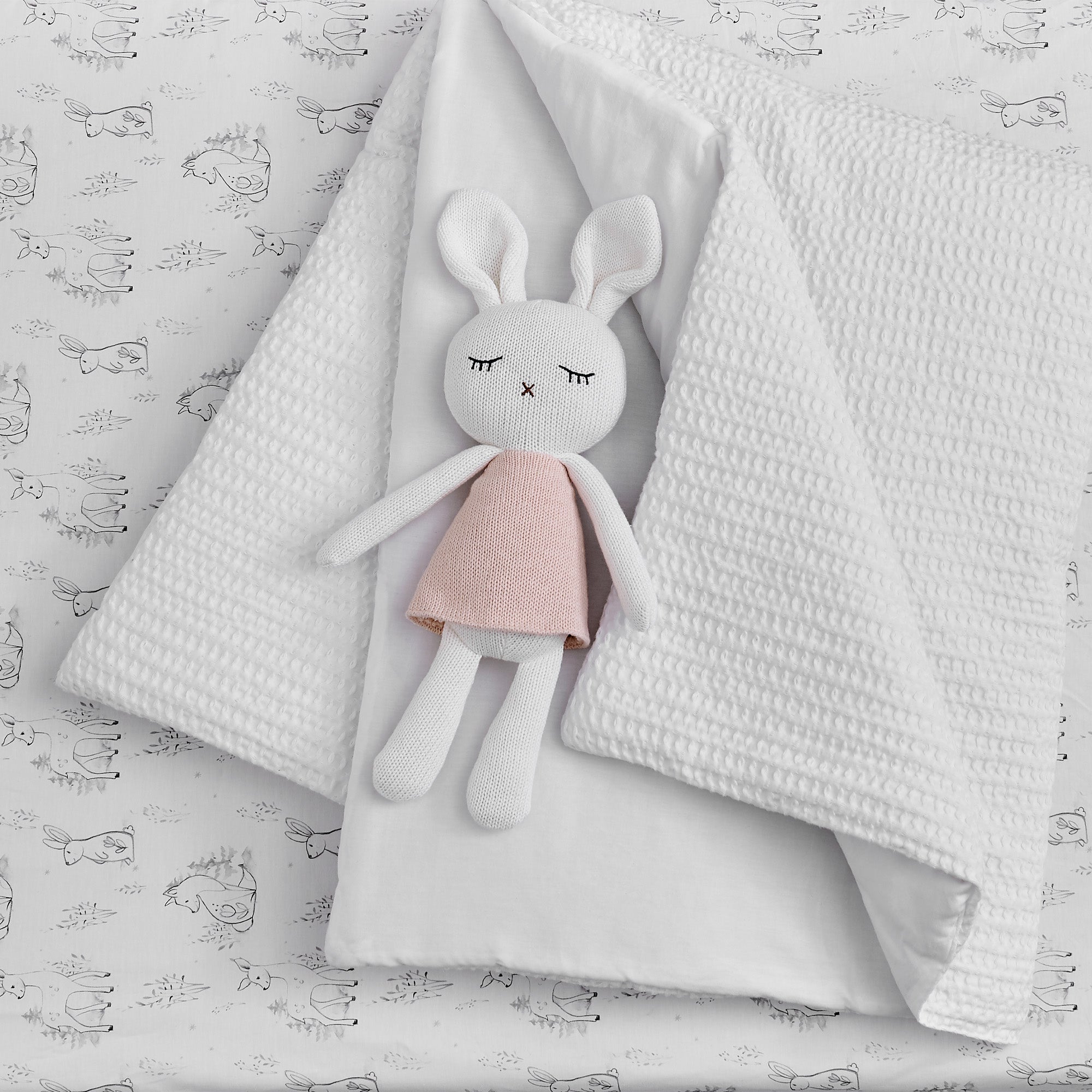
Absolutely. Cooling mattresses—especially hybrid mattresses designed for airflow—can help regulate body temperature and reduce heat retention. Adding a cooling mattress pad or choosing breathable pillows can further improve comfort. Together with cooling sheets, a breathable duvet cover, and proper airflow, the right mattress and pillow setup helps create a bed that stays cool, balanced, and comfortable all night long—for adults and even kids who tend to sleep warm.
References
1. Thermal environment and sleep quality,
National Institutes of Health
2. Best temperature for sleep,
Sleep Foundation
3. Best cooling sheets and bedding materials,
Forbes
4. Sleep temperature linked to sleep quality and wellbeing,
Gallup
5. How bedroom environment affects sleep,
Sleep Foundation
6. Hot Sleeper? So Are Our Editors — Shop Award-Winning Products That Keep Us Cool at Night,
Today