
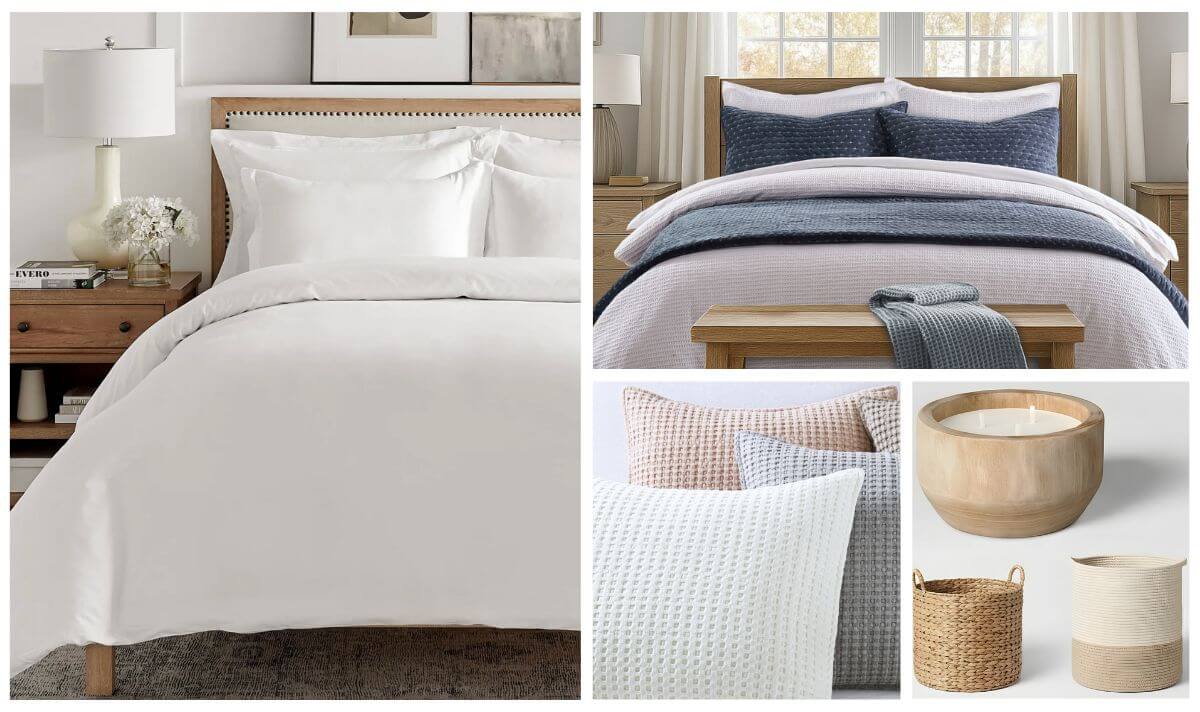
Small bedrooms are incredibly common, whether you are styling a guest room, a city apartment, or a home where square footage is at a premium. The good news is that a small bedroom does not have to feel tight, cluttered, or uninspired. With the right design choices, especially around bedding, texture, and color, even the smallest space can feel intentional, elevated, and visually larger.
A well-designed small bedroom feels intimate, cocoon-like, and calming. Larger bedrooms often slip into chaos, while a smaller one done right becomes a sanctuary where nothing feels wasted and everything feels considered.Lauren Saab, interior designer
Design experts agree that the key to a stylish small bedroom is not adding more. It is choosing better. Thoughtful furniture choices, lighting, wall treatments, and small personal touches can dramatically impact how spacious and pulled together a room appears. Bedding, in particular, plays a central role in shaping how a room looks and feels. Let’s break down the most effective small bedroom ideas that balance comfort, function, and style.
Start with Light and Layered Bedding
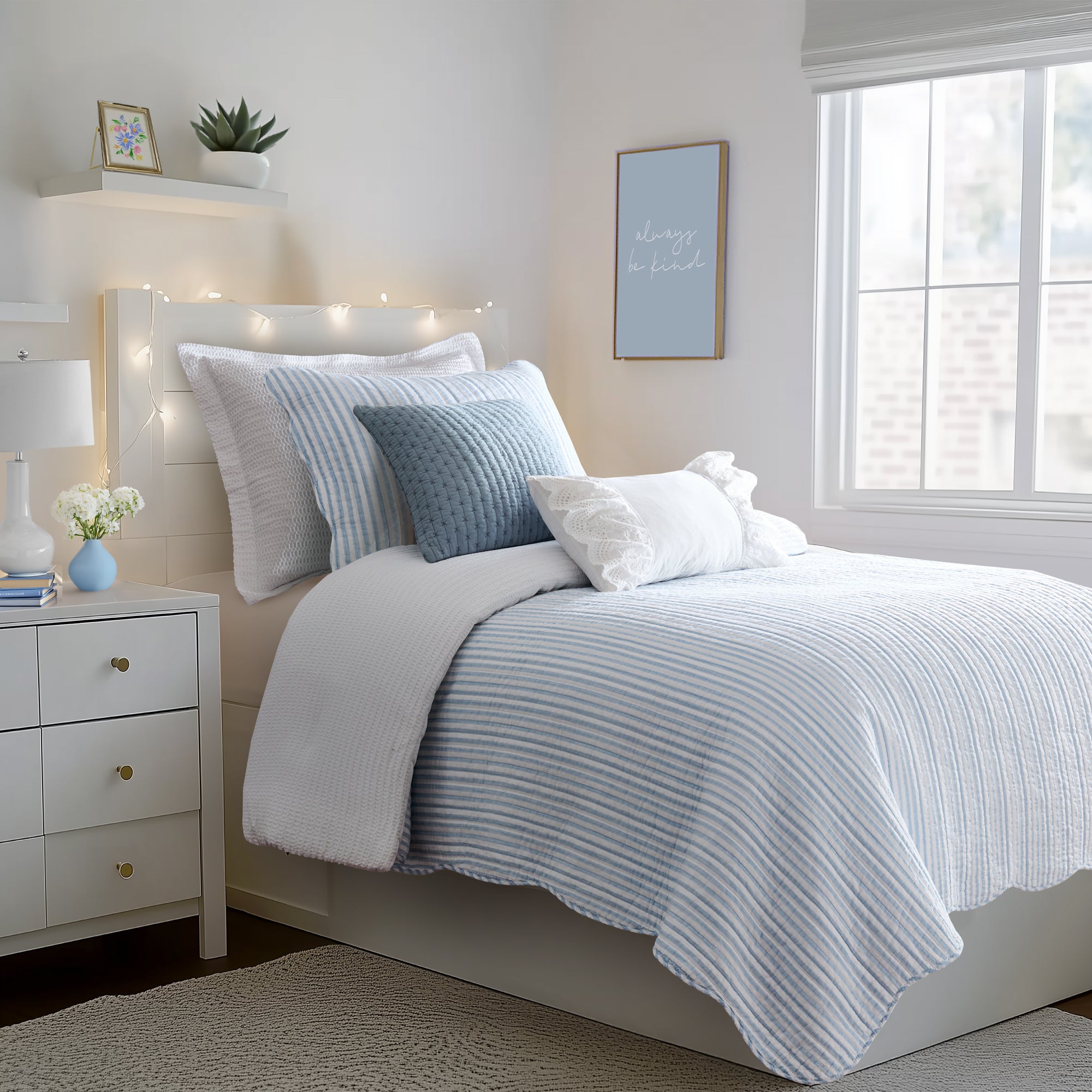
One of the most impactful small bedroom ideas is starting with light toned, layered bedding. Lighter colors reflect natural light, which instantly makes a room feel more open and breathable. When those light tones are layered thoughtfully, the bed becomes a polished focal point rather than visual clutter.
A well styled small bed often includes a light comforter or duvet, a coordinating cover for subtle contrast, and a restrained mix of pillows for structure.
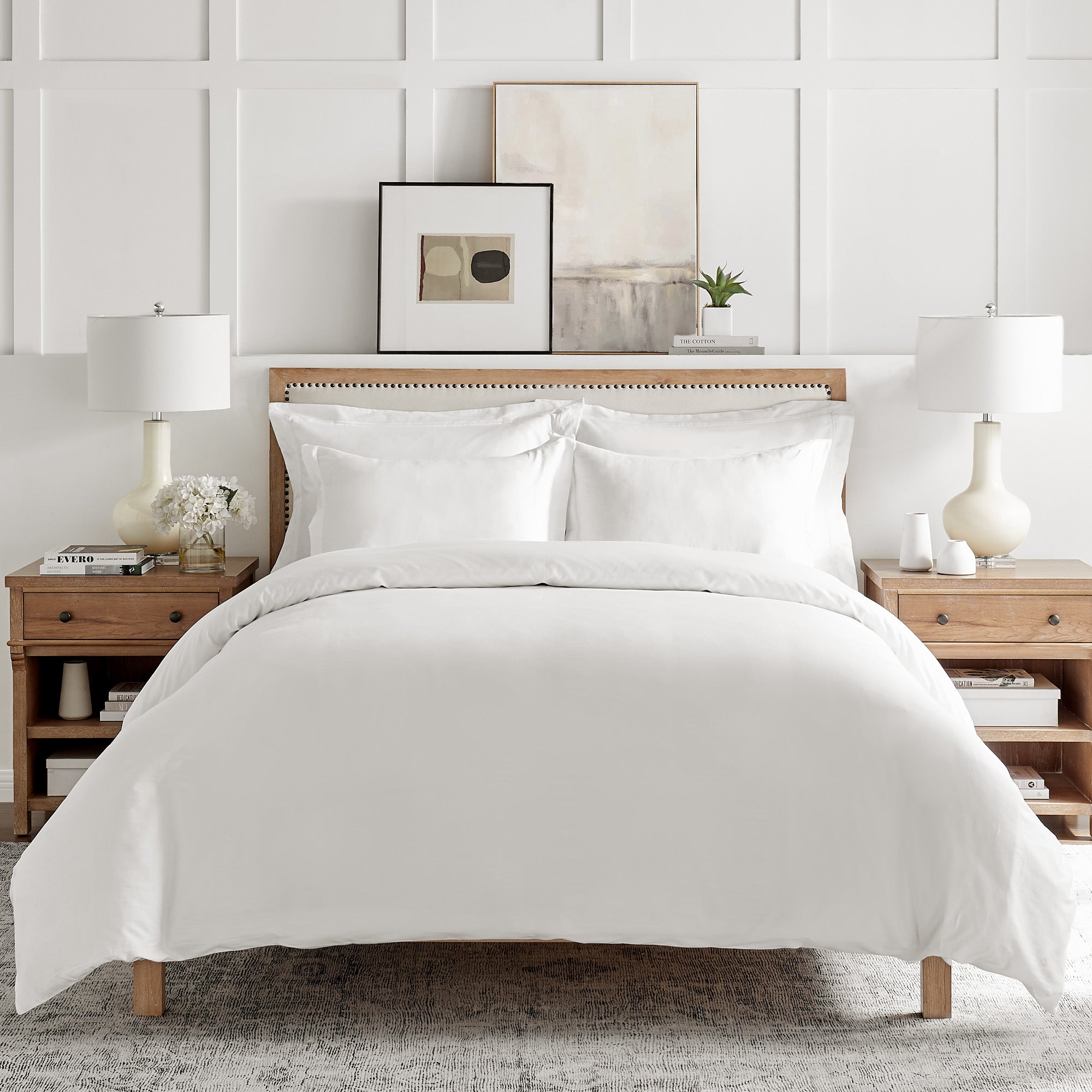
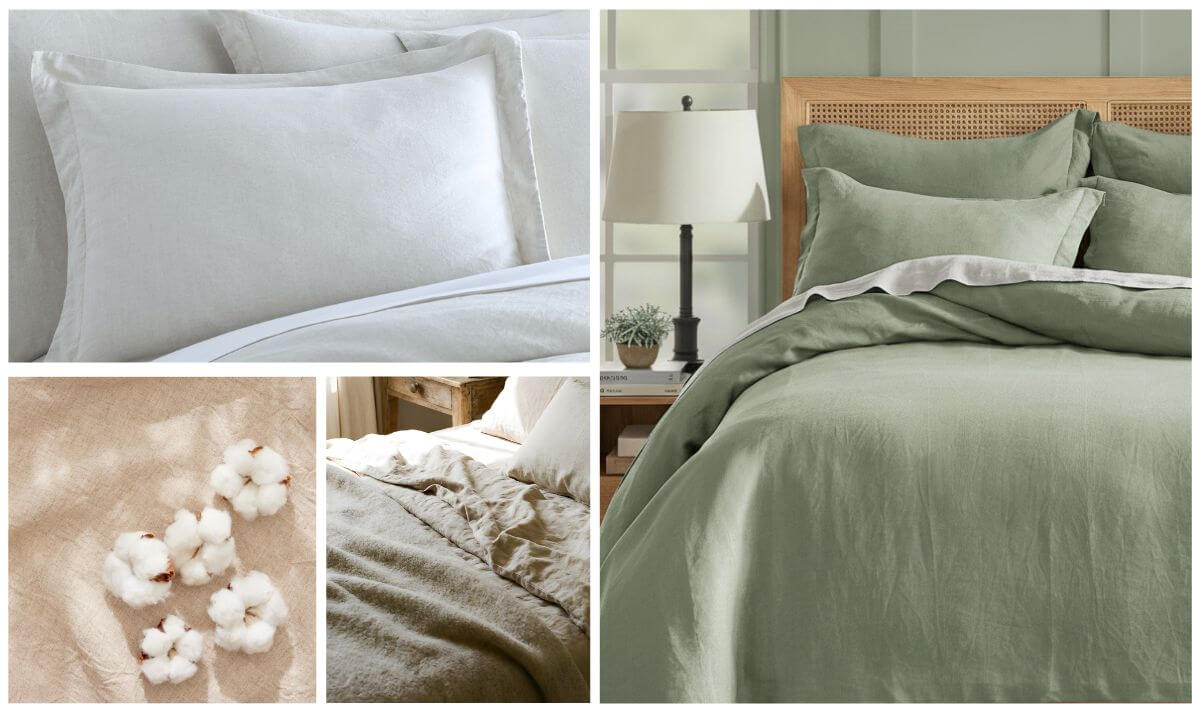
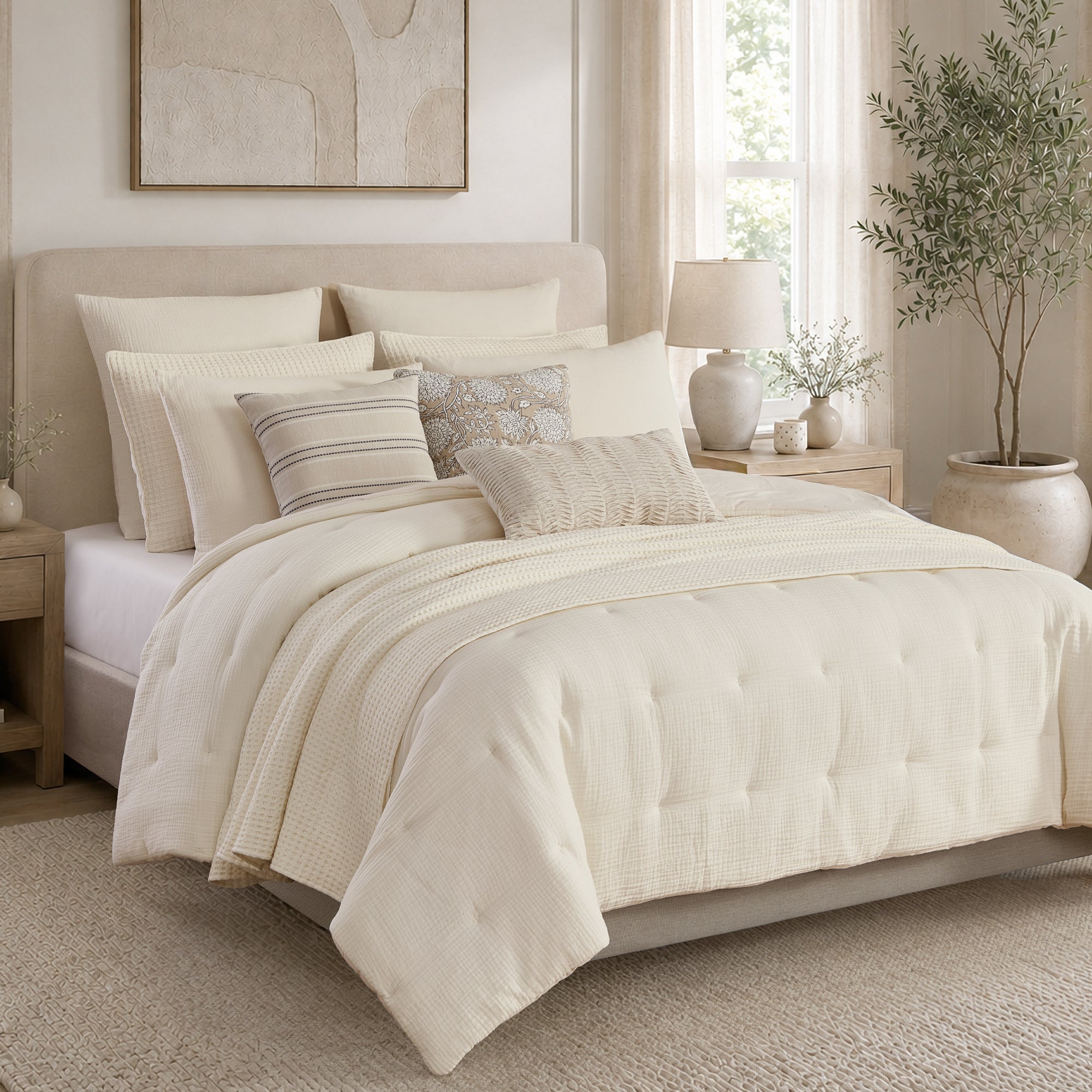
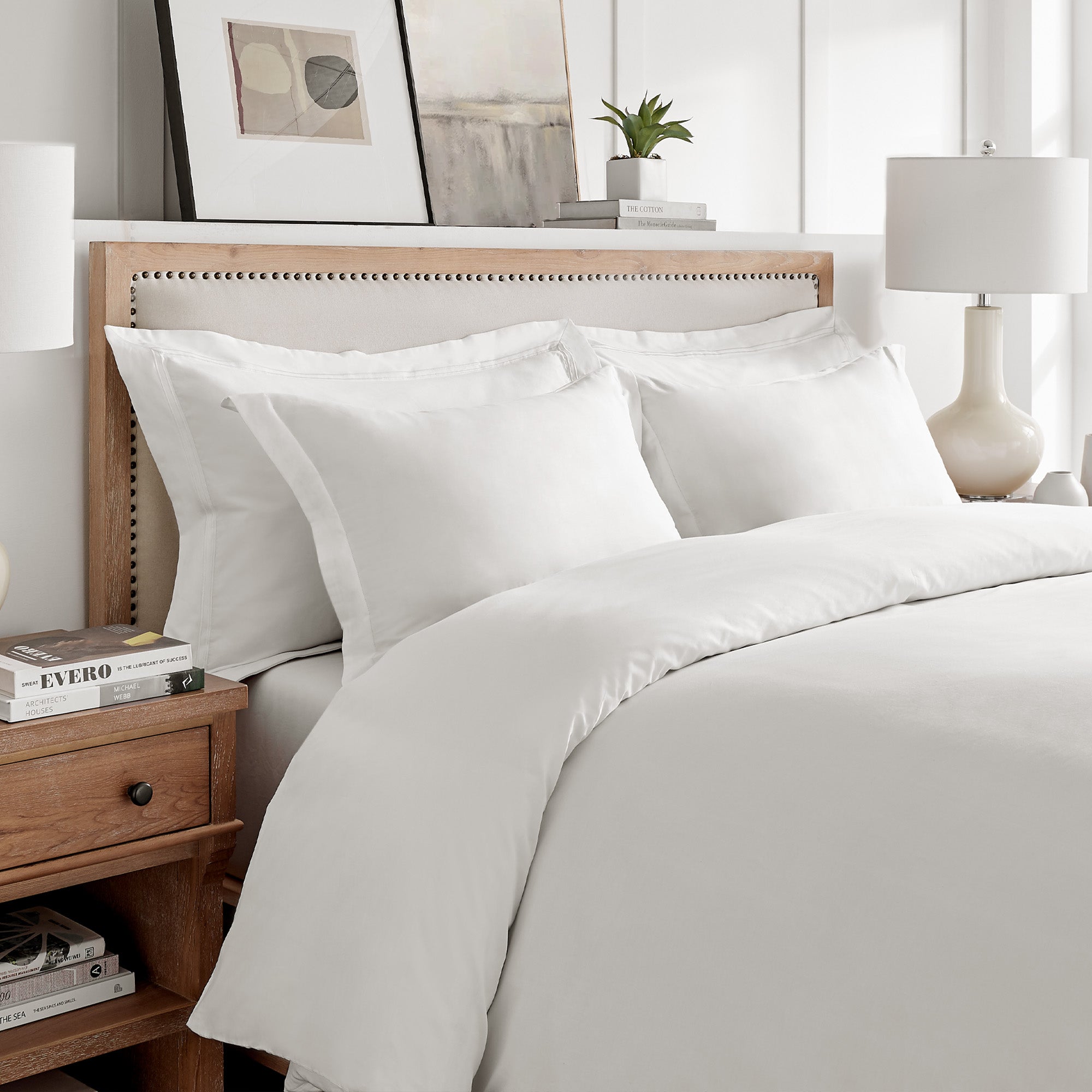
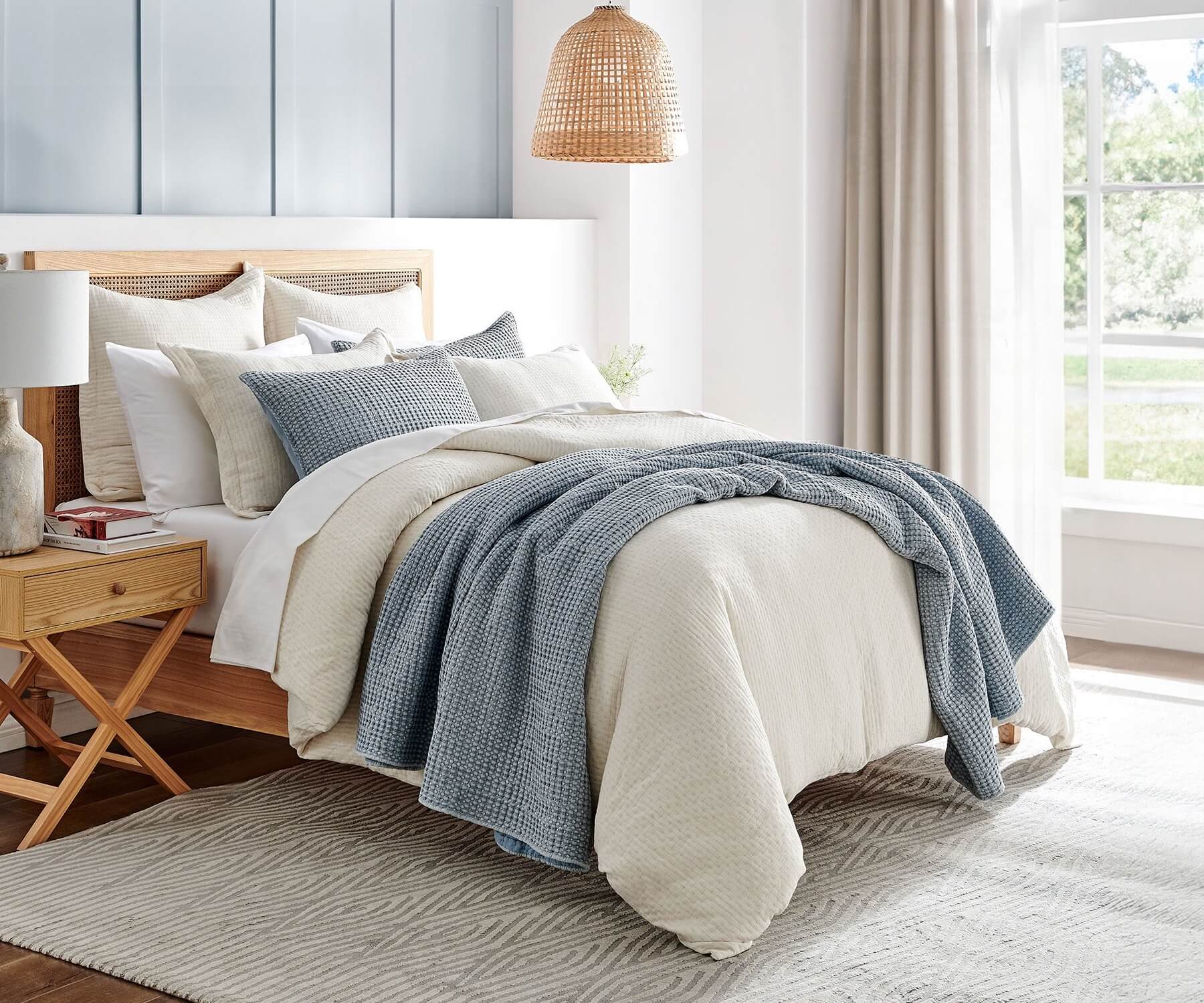
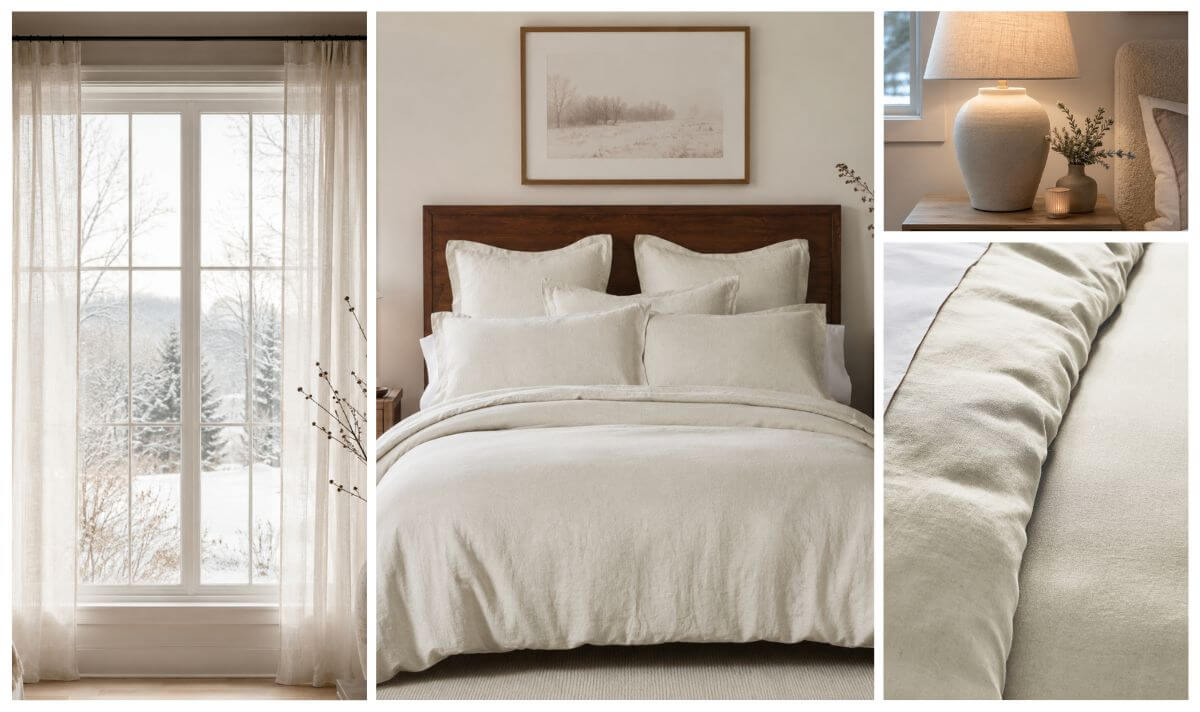
Relaxed, breathable fabrics like the Washed Linen collection work especially well in compact spaces. The lightweight feel and softly lived in texture create an airy foundation that keeps the bed feeling intentional without visually weighing the room down.
Design experts consistently emphasize the power of light palettes in compact rooms. Real Simple notes that, “Start with light colors, think soft pastels or pale neutrals that instantly create an airy feel. It’s like letting the room take a deep breath.”
Layering bedding adds dimension without overwhelming the room, helping the bedroom feel finished rather than crowded.

Choose Bedding with Texture, Not Bulk
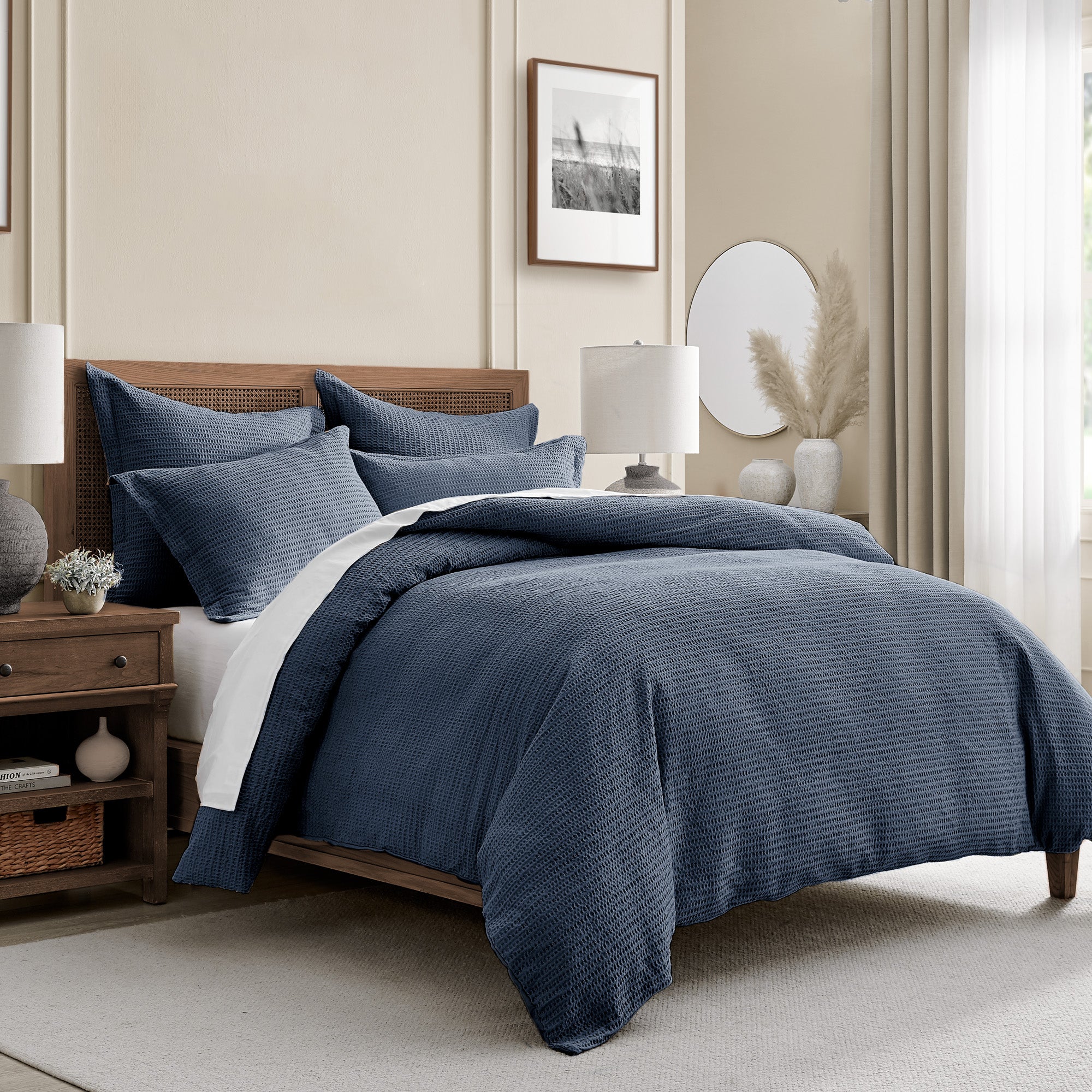
In a small bedroom, visual weight matters. Heavy, overly padded bedding can shrink a space, while textured fabrics create interest without adding bulk. This is where waffle and woven textures shine.
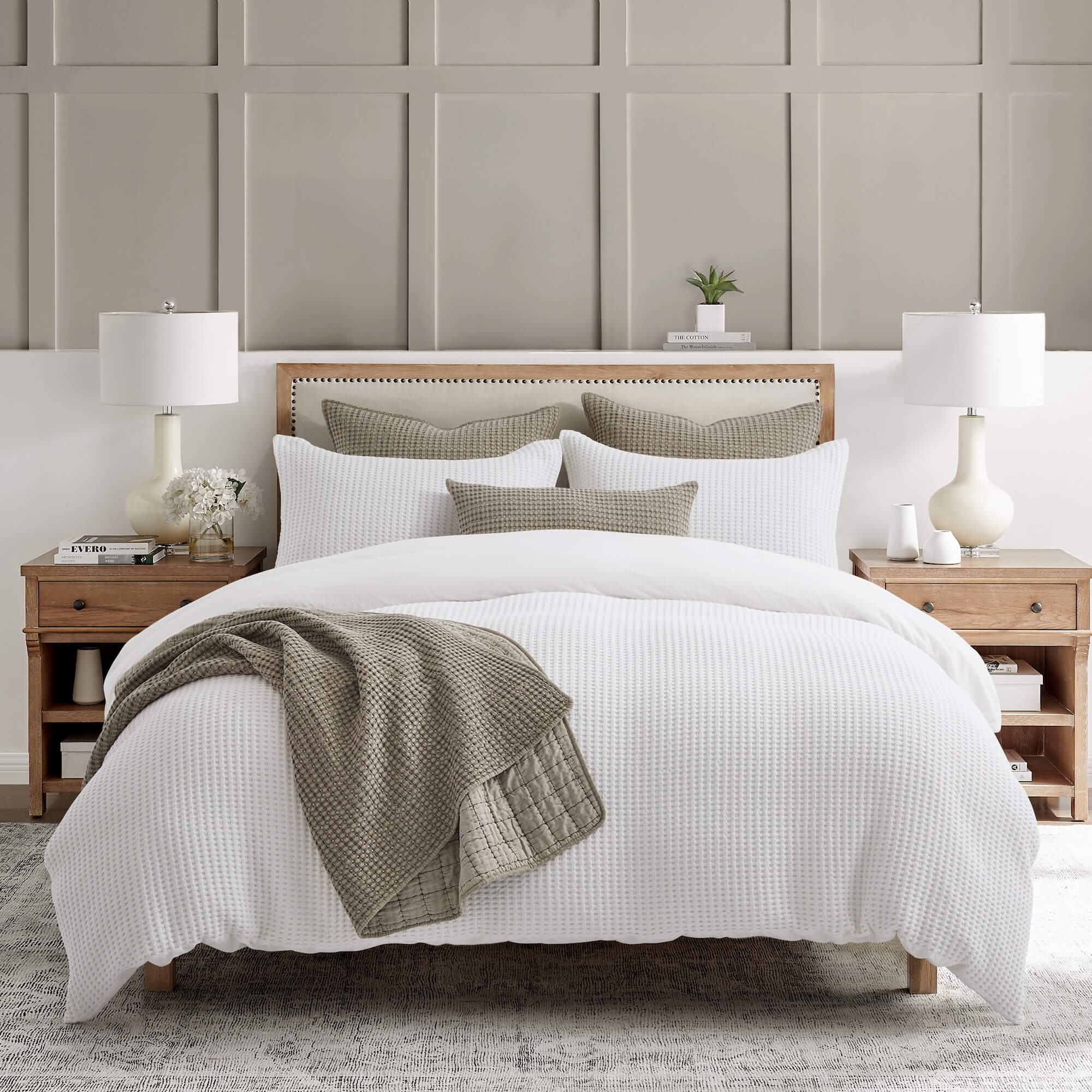
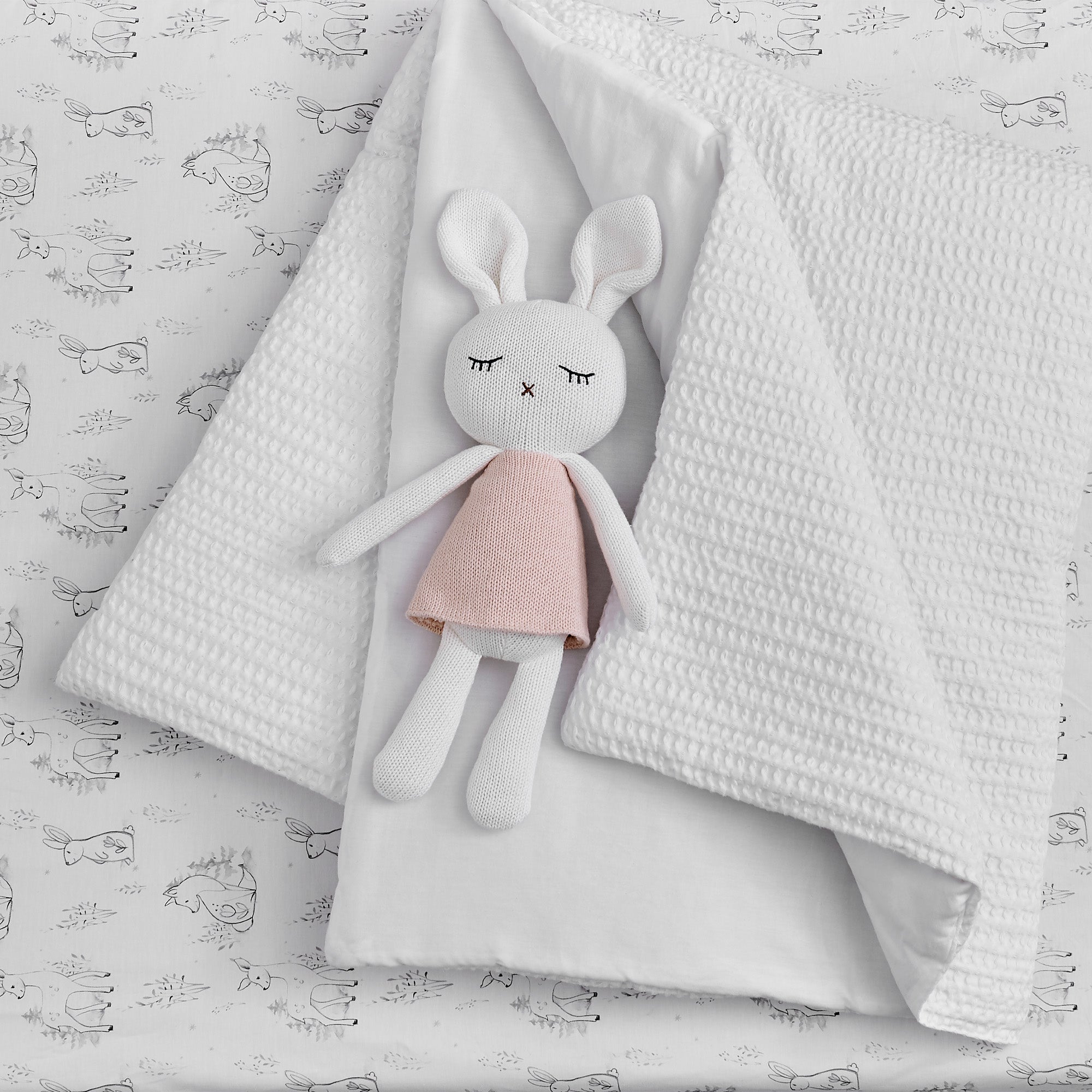
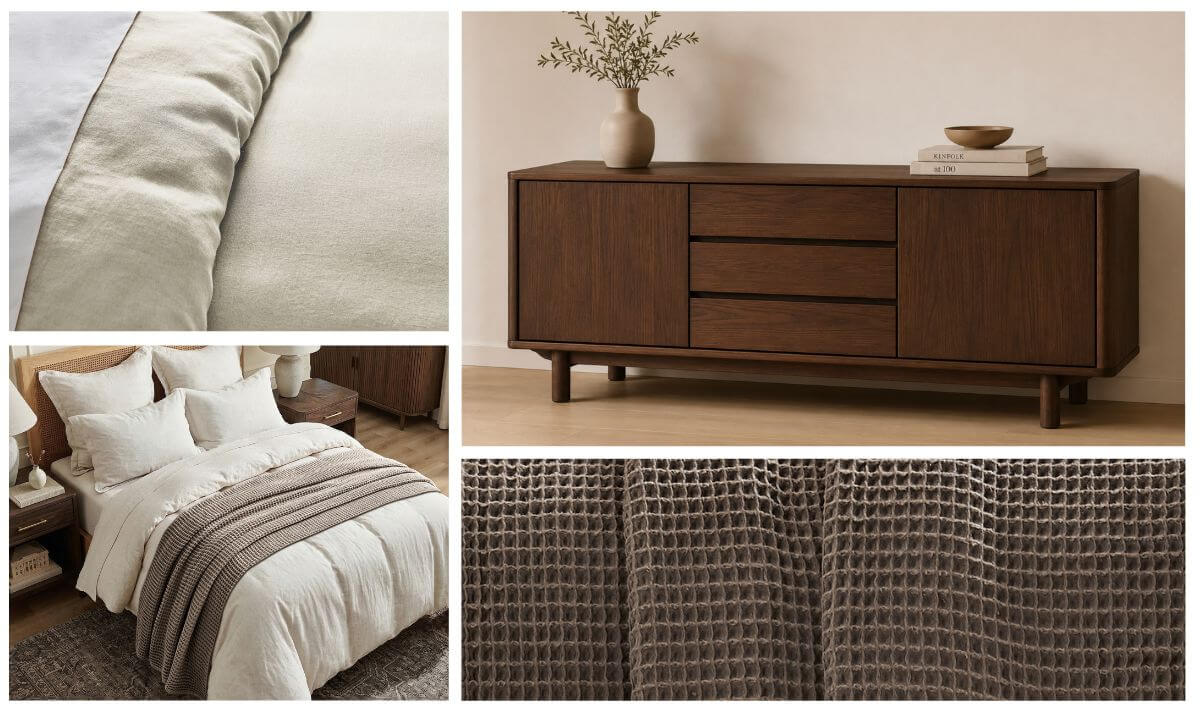
Textured bedding works especially well in small spaces because it adds depth without visual heaviness and keeps the overall look intentional. The Mills Waffle collection is a strong example of how texture can elevate a bed without adding bulk. Its structured waffle weave delivers dimension and softness while maintaining a clean, streamlined look that does not overwhelm a smaller room.
House Beautiful highlights that scale and proportion are critical in compact rooms, noting that oversized or heavy elements can overwhelm a space. Choosing texture over thickness allows bedding to feel rich and layered without dominating the room.
Coordinate Bedding Colors with Your Walls
Color continuity is one of the most overlooked small bedroom details. When bedding colors work in harmony with bedroom walls, the eye moves smoothly through the space, reducing visual breaks that can make a room feel smaller.
Oftentimes, people are afraid of bold colors when designing a small space. But it can actually have the opposite effect and make a space feel more expansive - especially when the color extends to the ceiling.Christina Higham, owner and principal of Sun Soul Style in Kauai, Hawaii
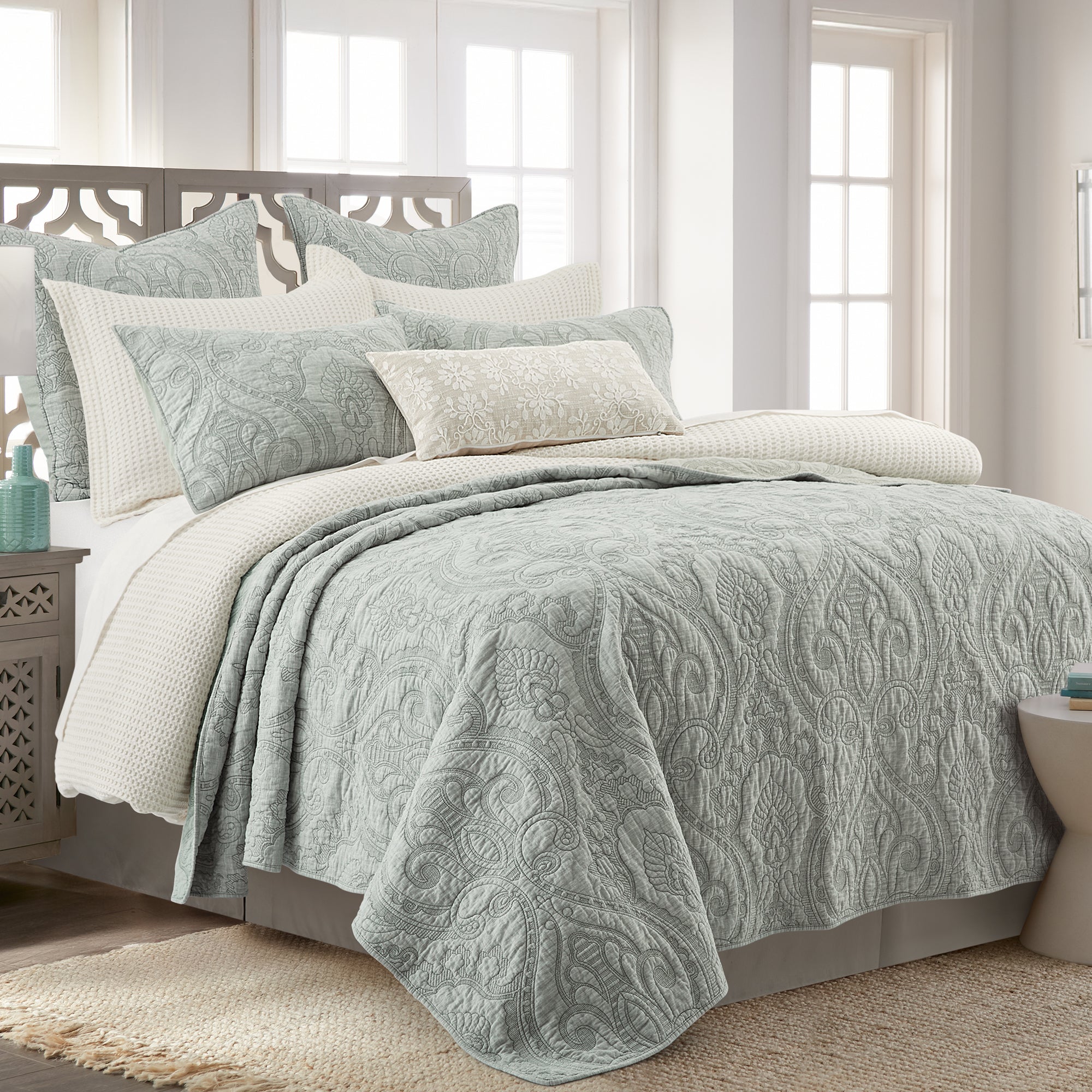
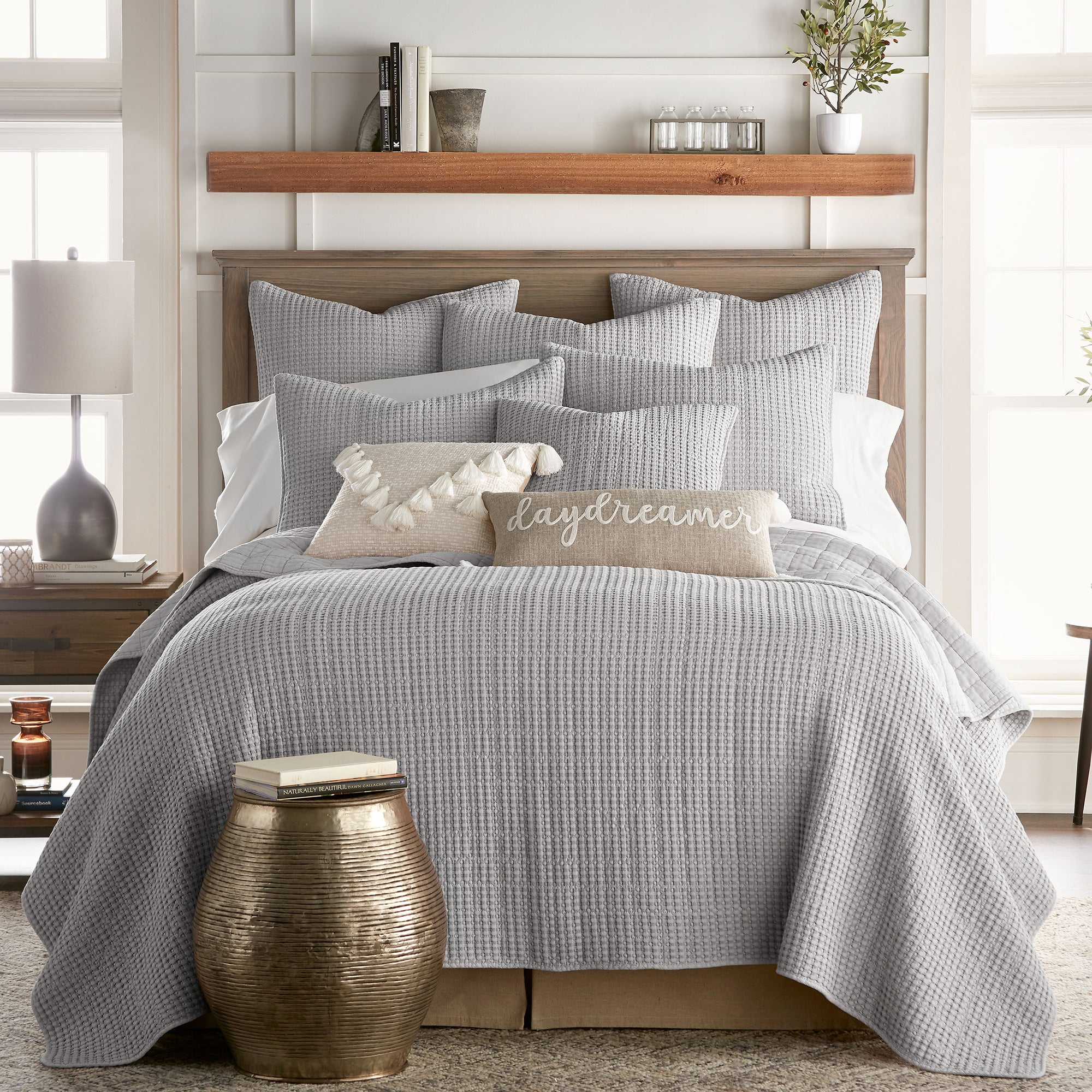
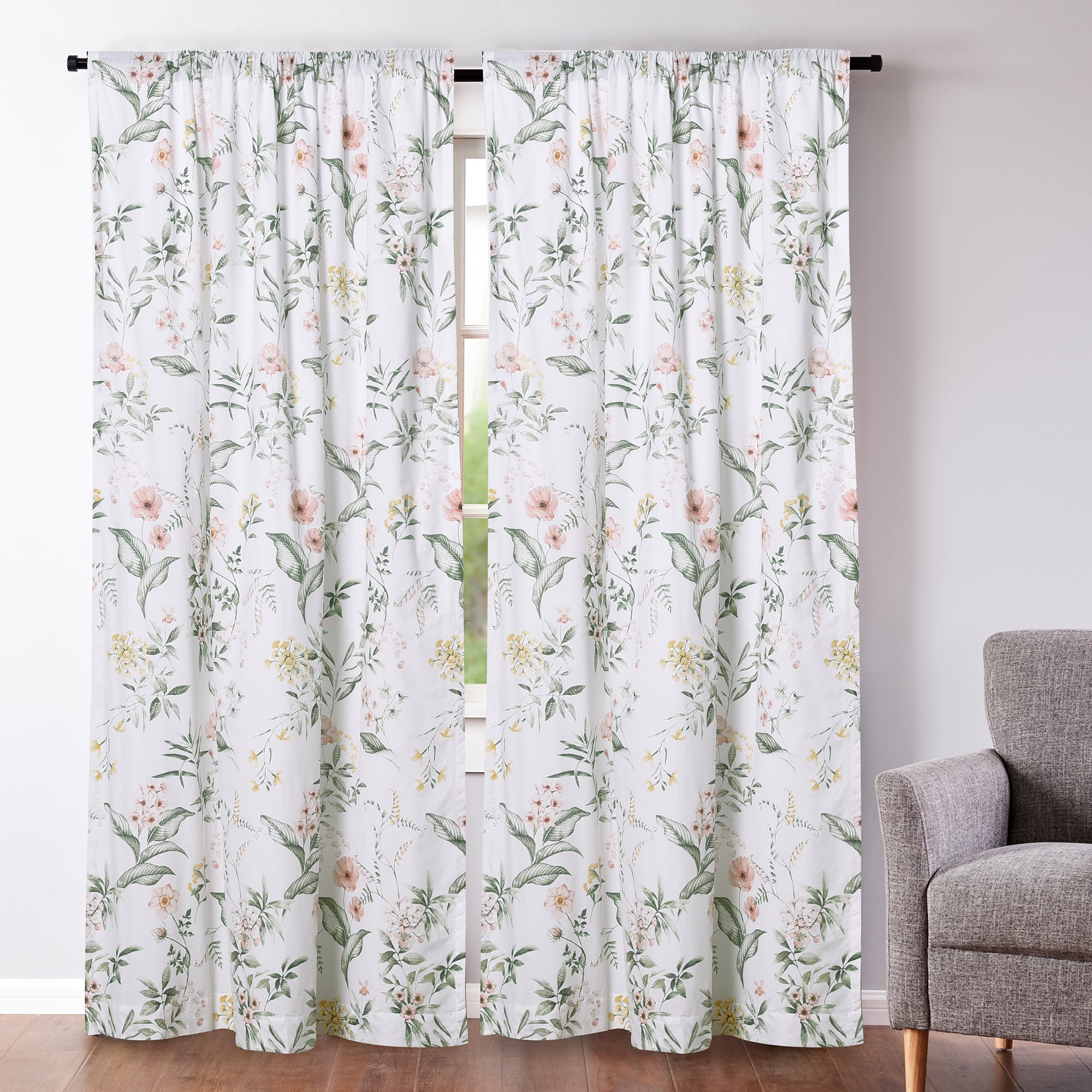
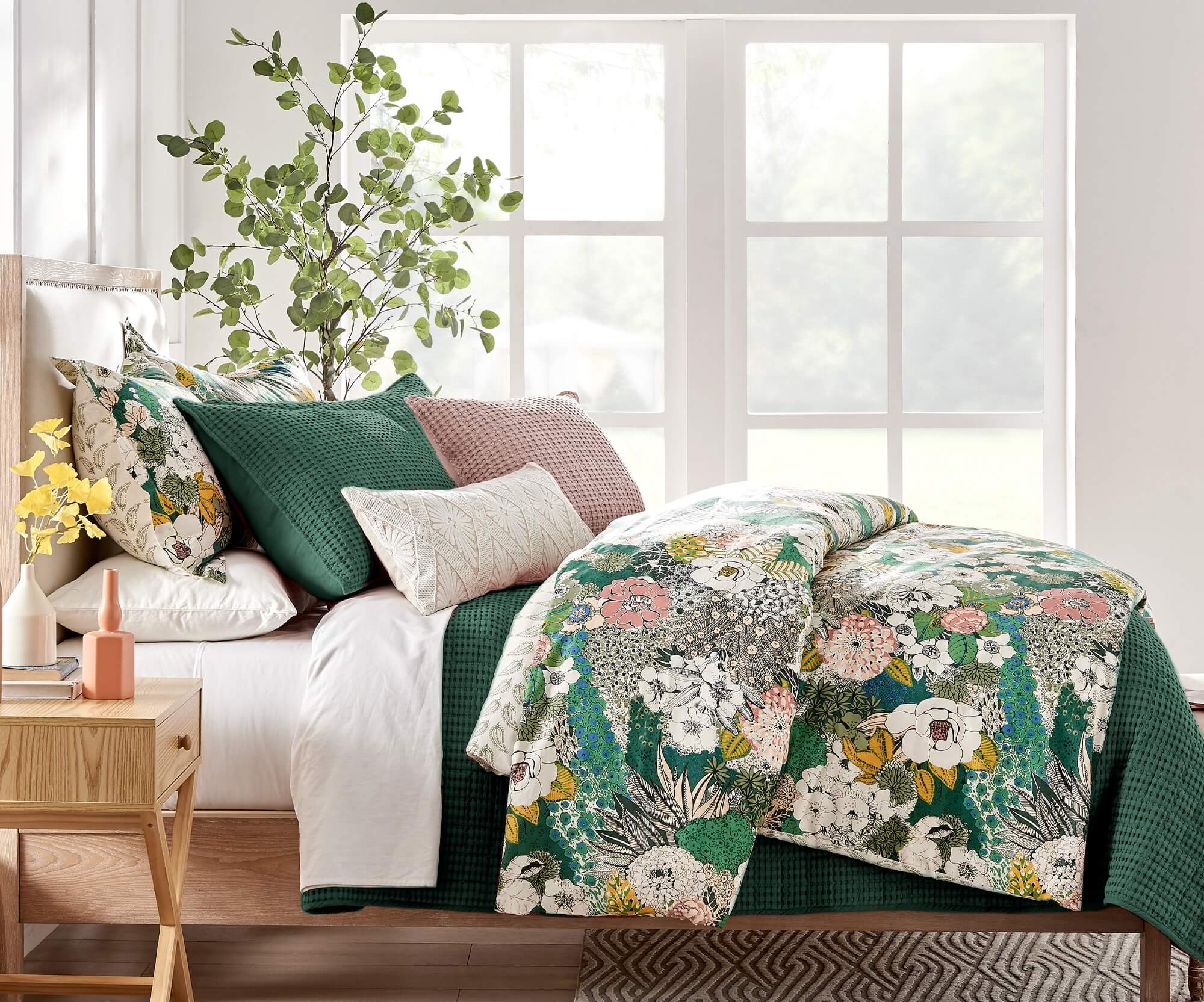
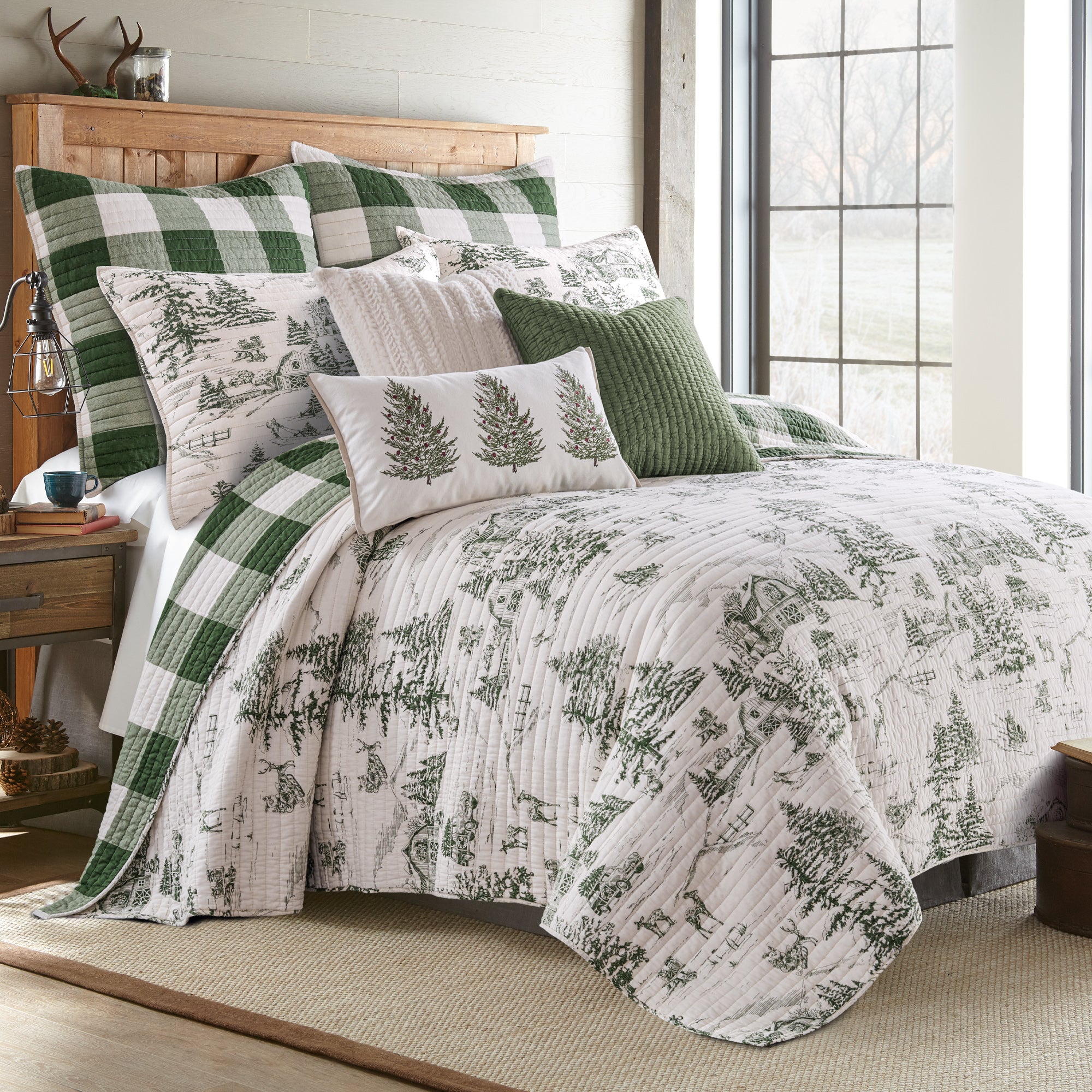
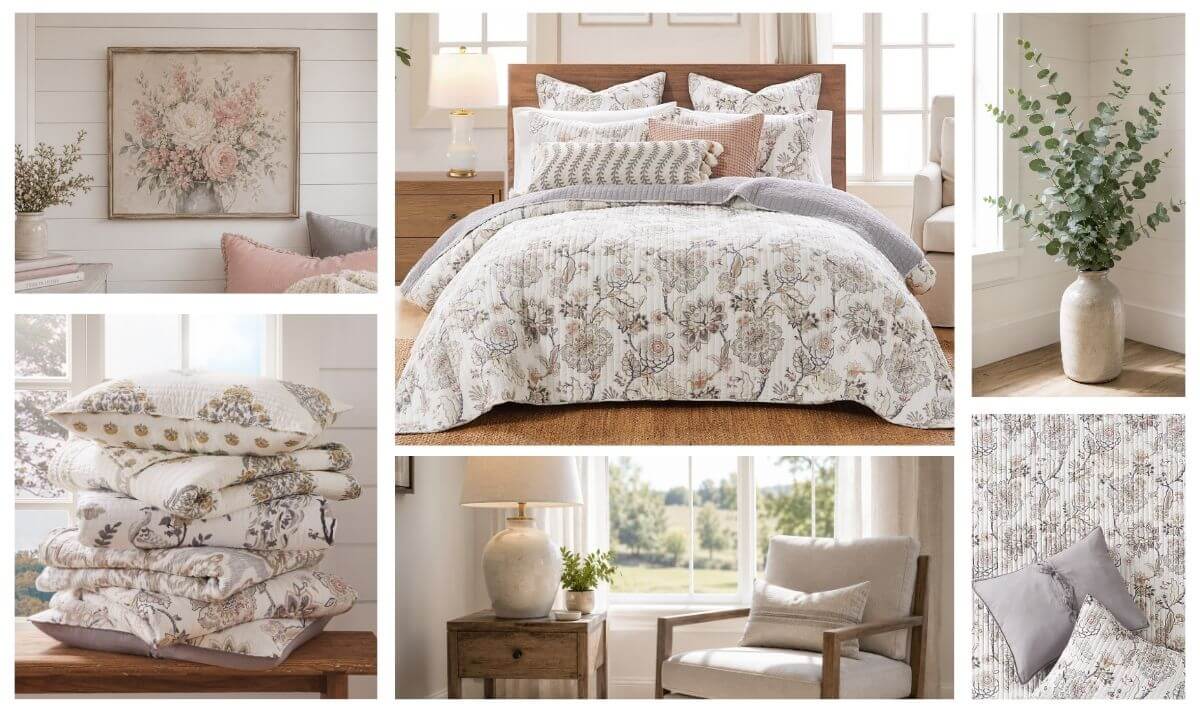
Tone on tone combinations such as soft greys, warm neutrals, or muted greens help create a cohesive room feel, minimize visual clutter, and make the bedroom feel calmer and more expansive. Soft, nature inspired palettes like the muted greens found in the Helena Sage collection are especially effective in small bedrooms, where a subtle color story can create calm without flattening the space.
House Beautiful emphasizes that coordinated color palettes help small rooms feel intentional rather than busy. In particularly tight spaces, choosing bedding that is one to two shades lighter or darker than the wall color can subtly lift the room without creating stark contrast.
Rethink the Bed Frame to Open Up the Space
The bed frame plays a major role in how spacious a small bedroom feels, yet it is often overlooked. Low profile bed frames, platform styles, or frames with exposed legs allow more visual breathing room. Seeing more floor beneath the bed helps trick the eye into perceiving a larger space.
Forget bulky platform beds and dust-ruffled frames. Raising the bed on slimmer legs with open space beneath instantly doubles the visual floor area. That bit of negative space lets the room breathe and convinces the eye it’s bigger and lighter.Lauren Saab, interior designer
Design forward bed frame ideas for small bedrooms include slim platform beds, upholstered frames with clean lines, and light wood or neutral finishes.
Avoid bulky footboards or heavy sleigh style frames, which can visually shorten the room. A streamlined bed frame allows the room to feel lighter, more modern, and more open.

Maximize Vertical and Underbed Storage
Smart storage is essential in any small bedroom, but how storage looks matters just as much as how it functions. Vertical solutions like tall dressers and shelving draw the eye upward, making ceilings feel higher, while underbed storage keeps clutter off the floor.
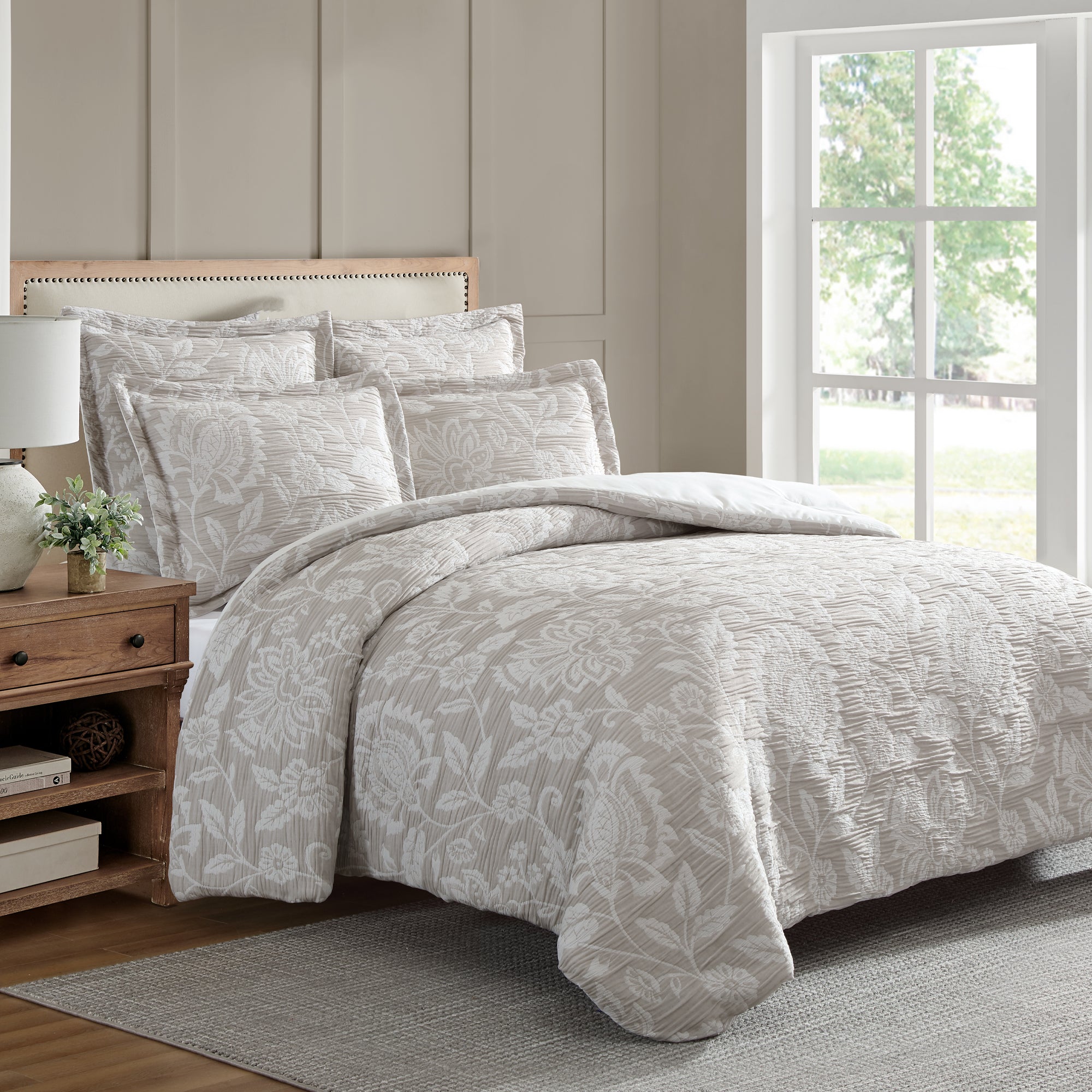
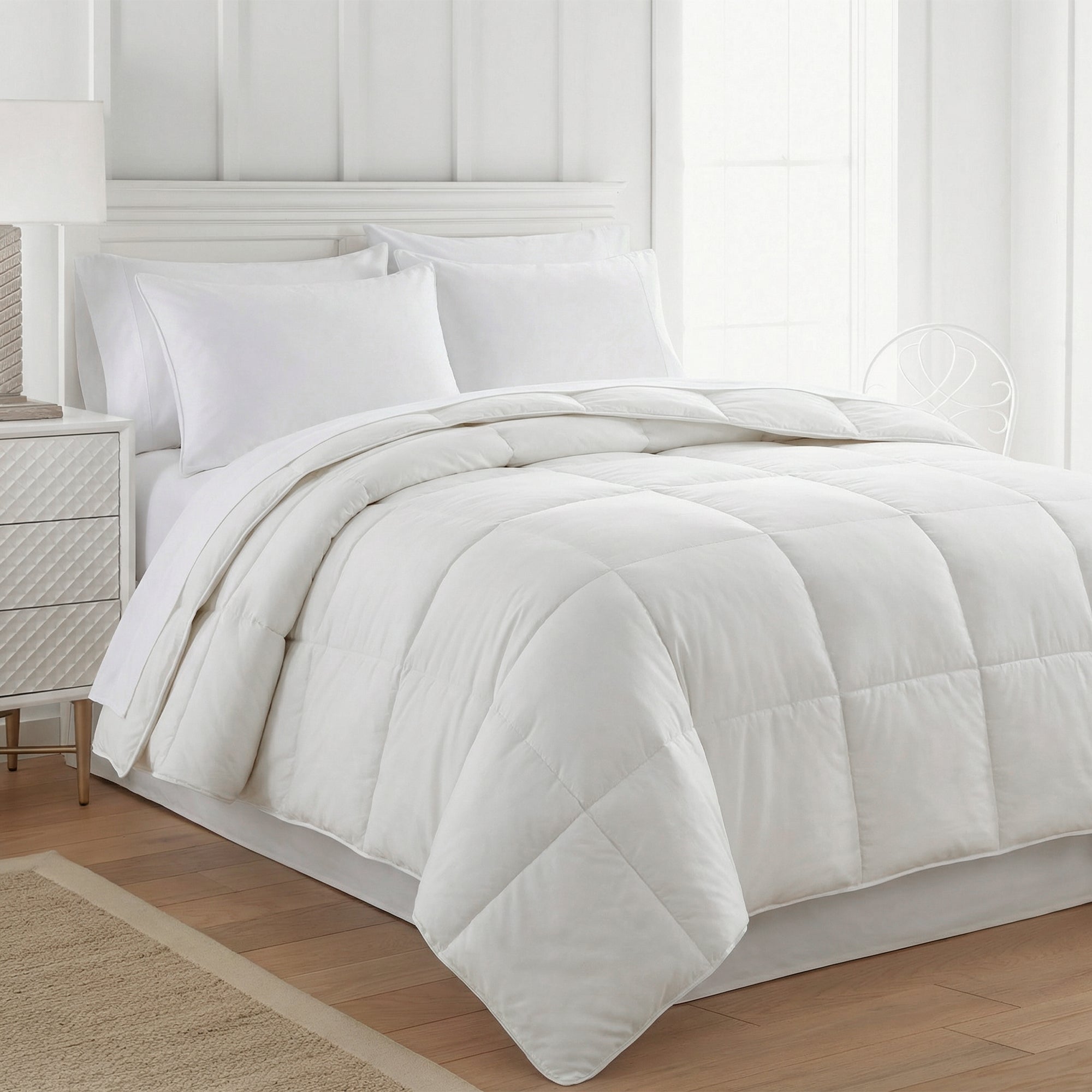
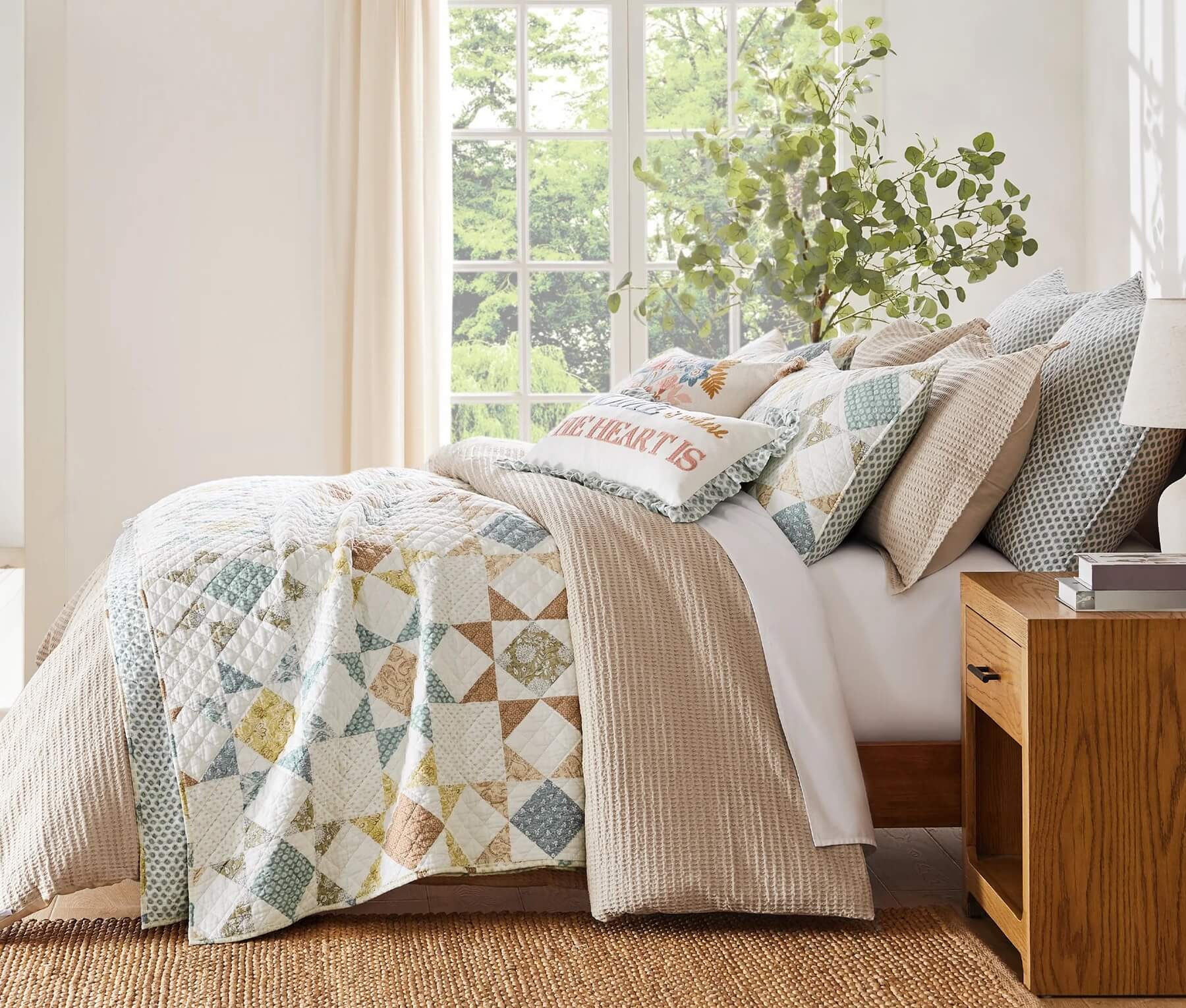
When storage is doing the heavy lifting, bedding benefits from being visually clean and cohesive. Streamlined options like the Sarrah Comforter Set help the bed stay visually calm and pulled together, allowing the room to feel intentional rather than cluttered.
Architectural Digest underscores the emotional impact of thoughtful storage, stating,
“Bedroom storage isn’t just about hiding clutter. It’s about creating a sense of calm.”
When storage is handled efficiently, the bed naturally becomes the visual anchor of the room.
Use Mirrors and Lighting to Expand the Room Feel
Few design tricks make as much impact in a small bedroom as mirrors and layered lighting. Strategically placed mirrors reflect both natural and artificial light, instantly making a room feel brighter and larger.
Smart mirror placement ideas include placing a large mirror opposite a window, using mirrored closet doors, or leaning a full length mirror against the wall.
Lighting also plays a critical role. Instead of relying solely on overhead lighting, layer in wall sconces or bedside lamps to free up surface space on nightstands. Warm, diffused lighting enhances the bedroom feel while reducing harsh shadows that can make rooms feel cramped.
A single overhead light can make a small space feel oppressive. It’s important to have additional ambient lighting.Corine Maggio, founder of CM Natural Designs
Ground the Room with the Right Rug Size
Rugs are one of the most effective non bedding tools for defining space in a small bedroom. The right rug grounds the bed, adds warmth, and visually expands the room when sized correctly.
For best results, choose a rug that extends beyond the sides of the bed, avoid tiny rugs that visually float, and stick to lighter tones or subtle patterns.
A properly sized rug creates a clear zone for the bed, helping the room feel more intentional and less fragmented.

Add Layers of Cozy Accents
Even a small bedroom benefits from warmth and softness, as long as accents are curated. Strategic layering with throws and accent pillows enhances comfort while reinforcing the room’s design story.
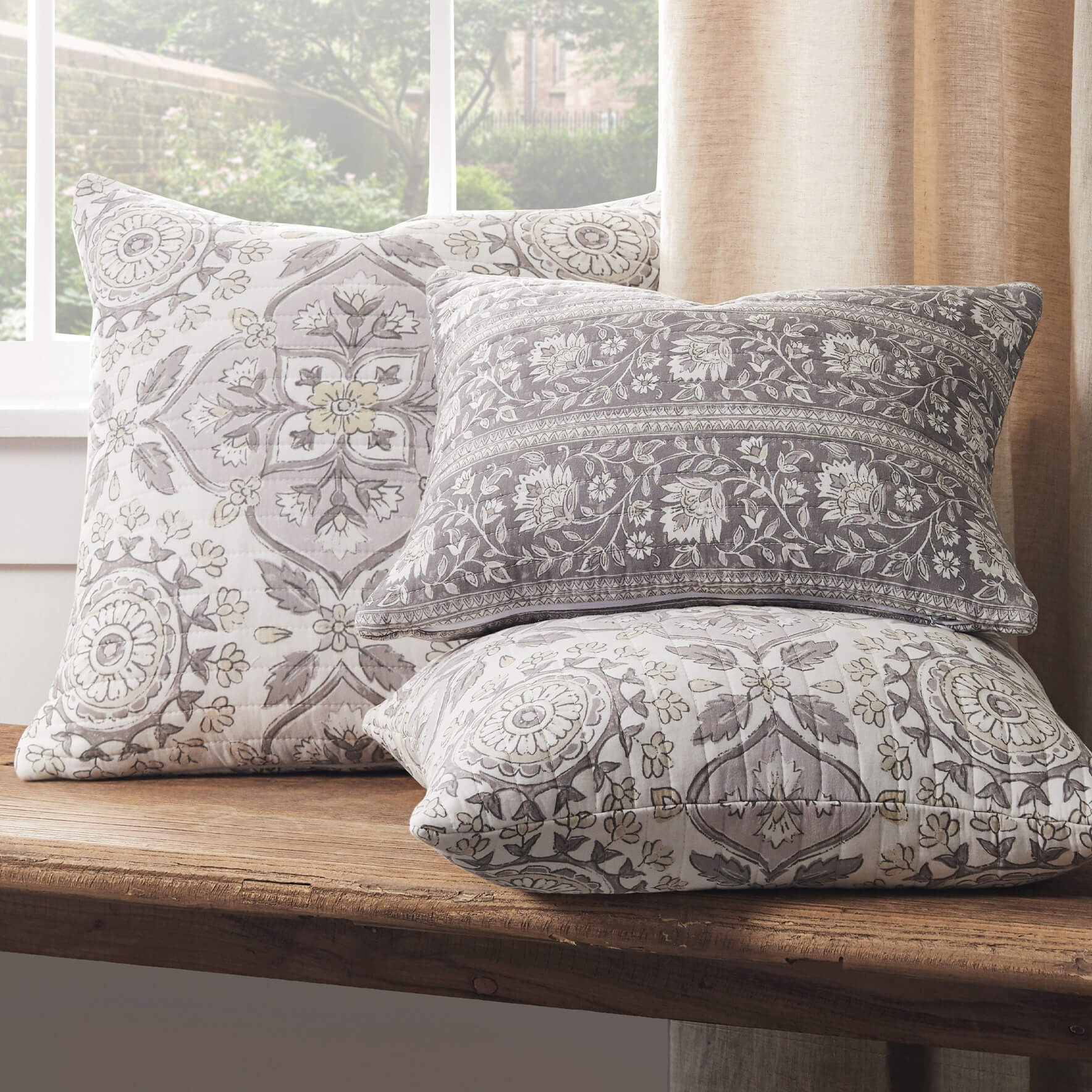
The key is restraint. Use one throw at the foot of the bed, a small number of decorative pillows, and textures that echo the bedding. Lightweight layers from the Cloud Waffle collection add softness and warmth without crowding the bed, reinforcing a cozy but breathable feel.
Overstuffing the bed with layers and pillows makes the whole room feel heavier. Mountains of cushions and bulky duvets swallow square footage and turn the bed into a barricade instead of a retreat. Stick to crisp bedding with two or three well-chosen pillows so the bed feels open, inviting, and proportionate to the room.Lauren Saab, interior designer
Southern Living points out that exposing more floor space and choosing lighter feeling elements helps rooms feel airier overall. When accents are coordinated instead of piled on, they enhance the bedroom feel without adding visual noise.
Play with Patterns and Seasonal Switches
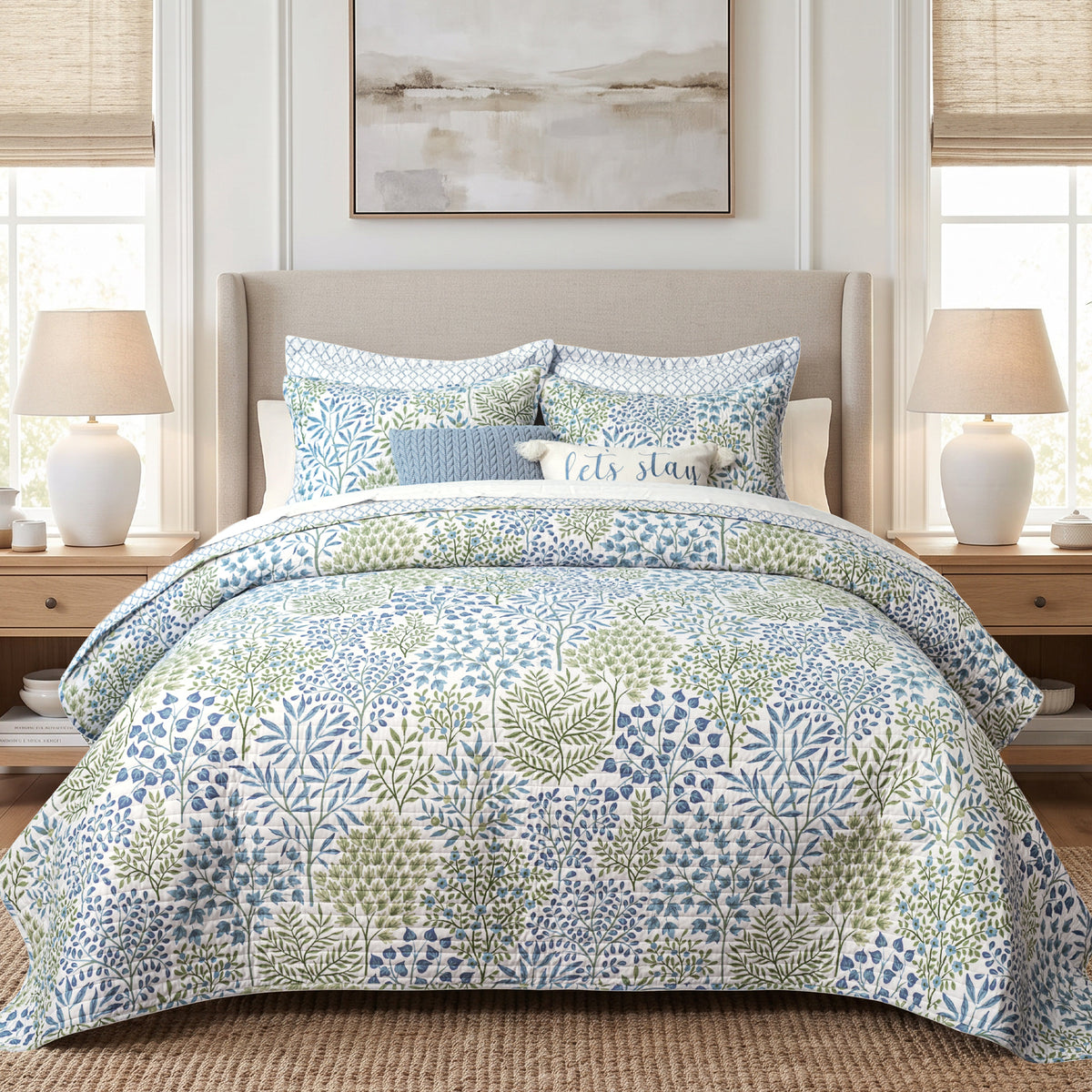
Pattern can absolutely work in a small bedroom when it is used with intention. Rather than layering multiple prints, one well chosen pattern can bring personality without overwhelming the space.
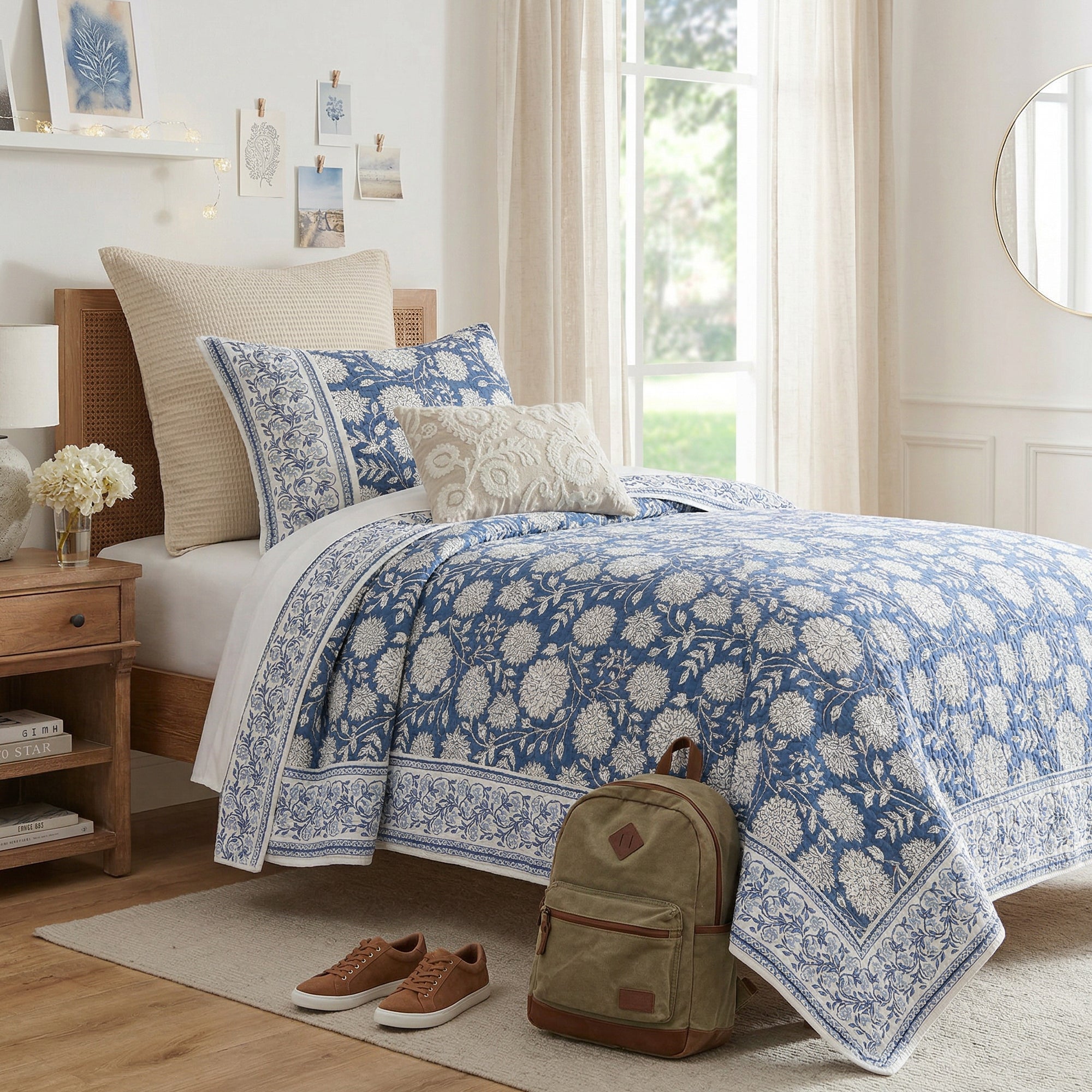
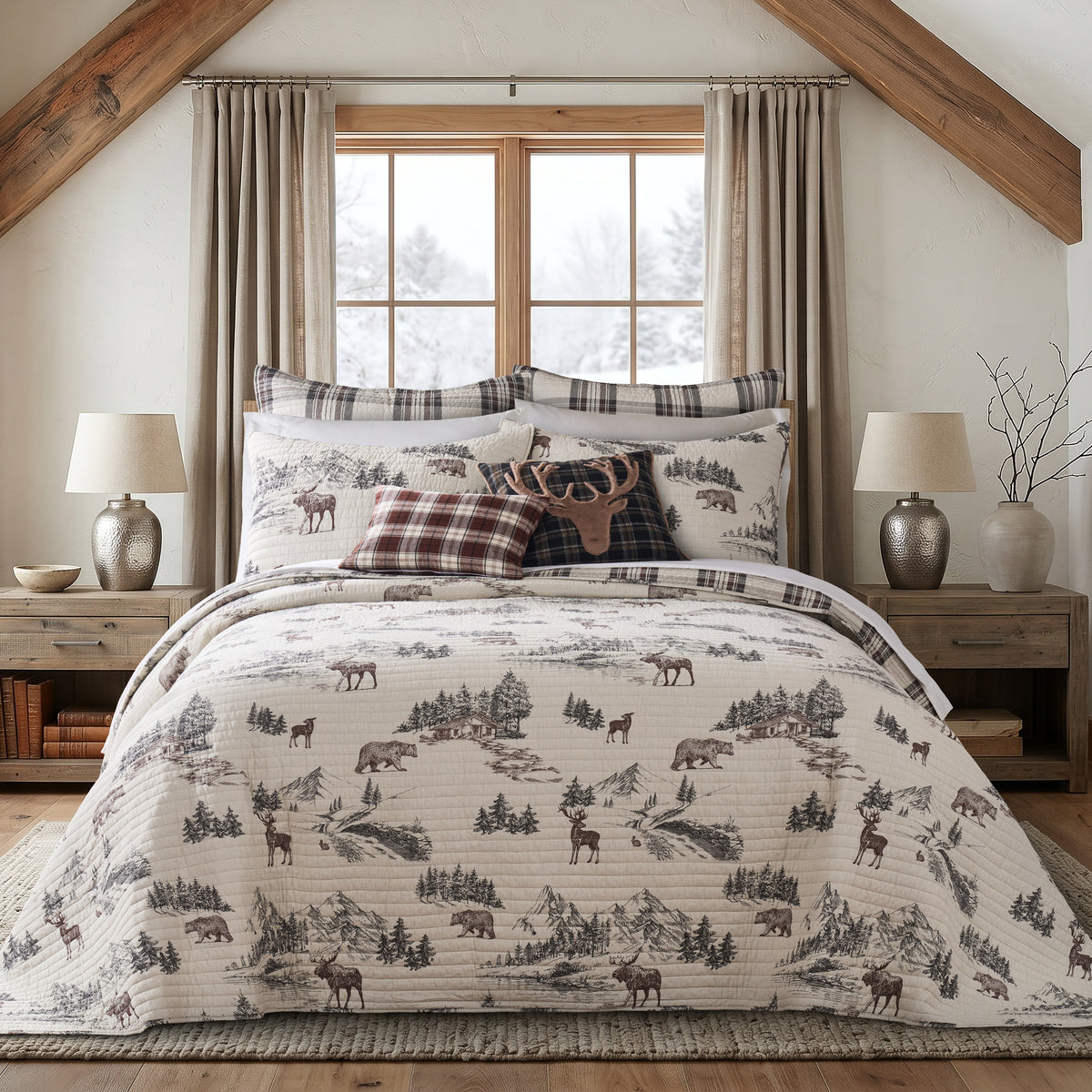
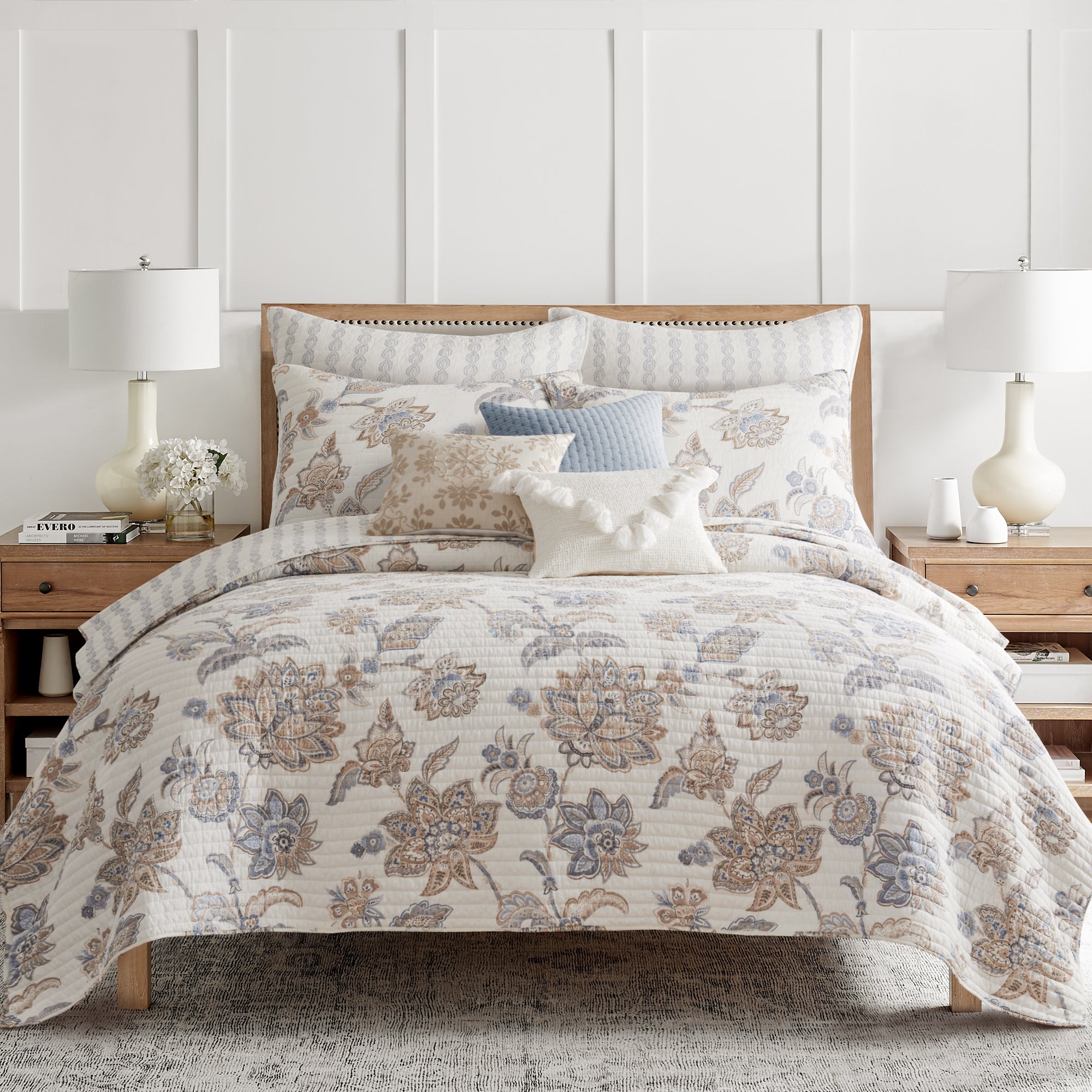
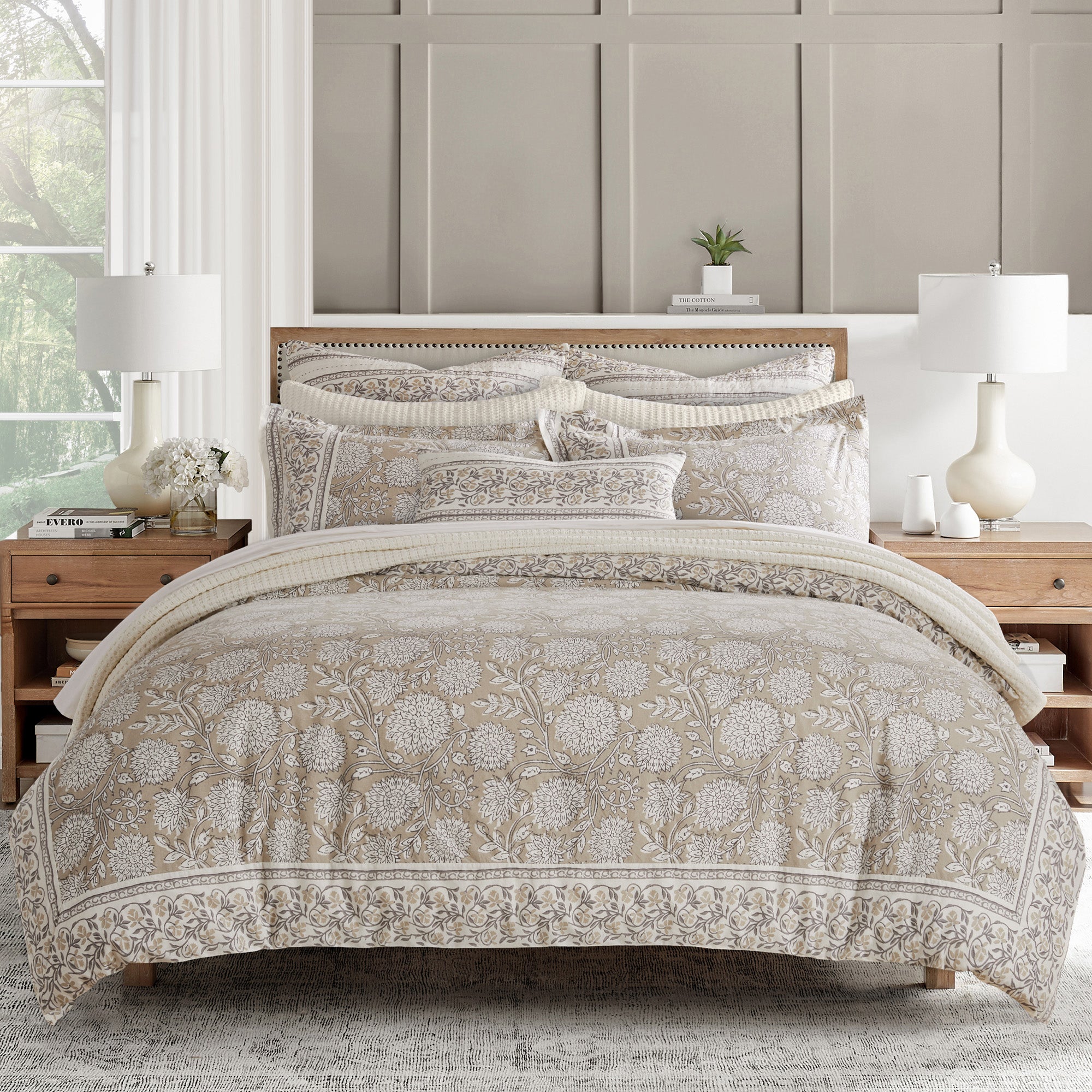
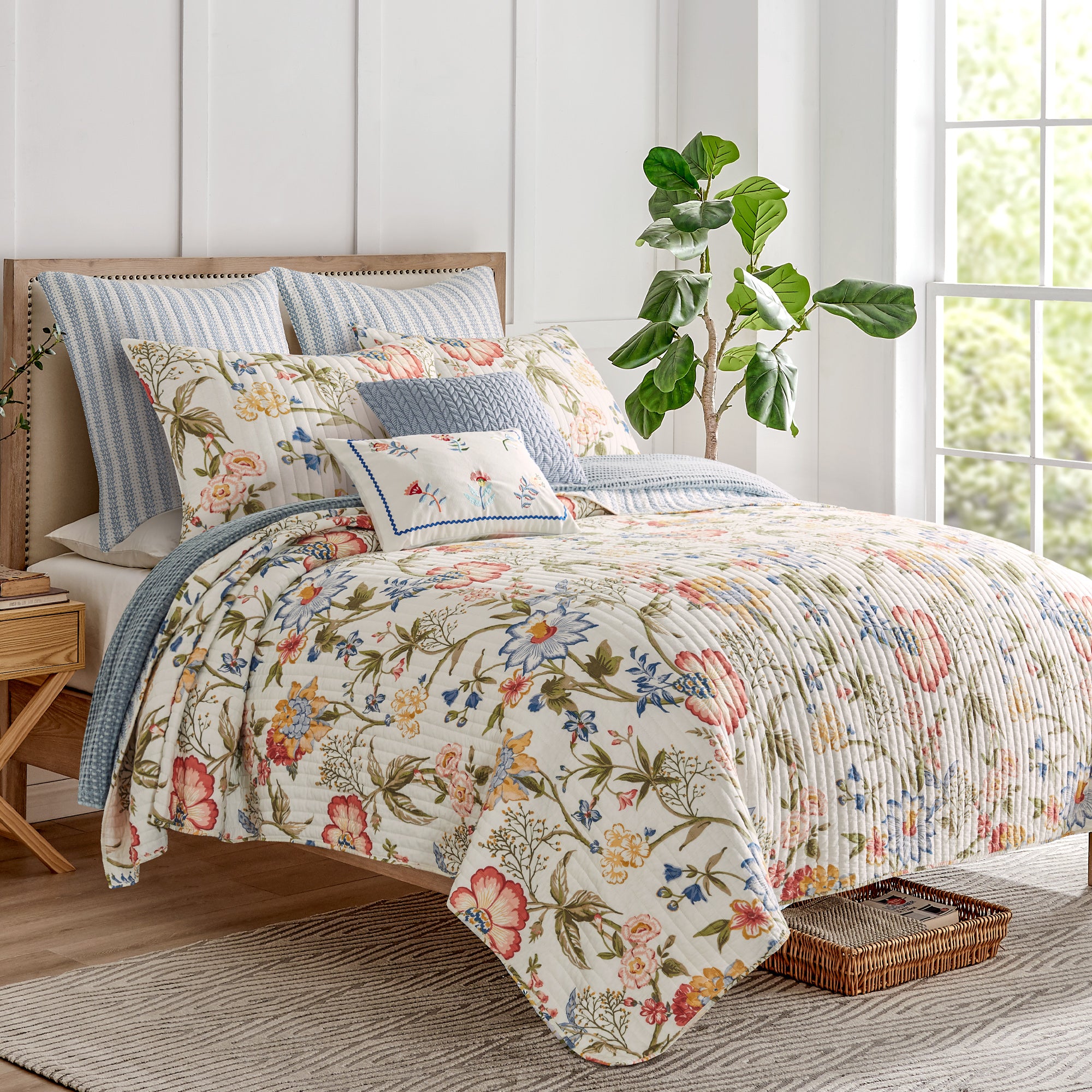
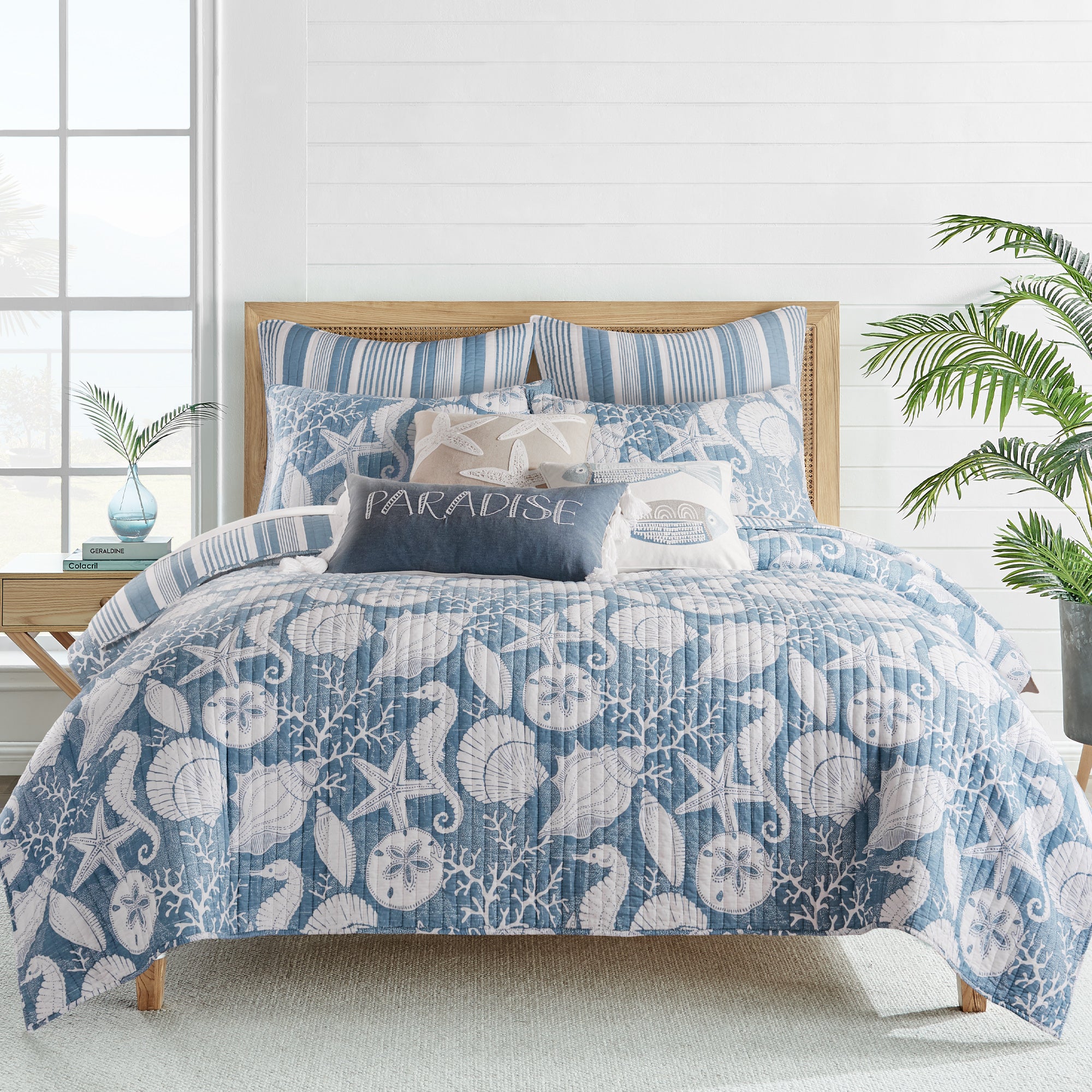
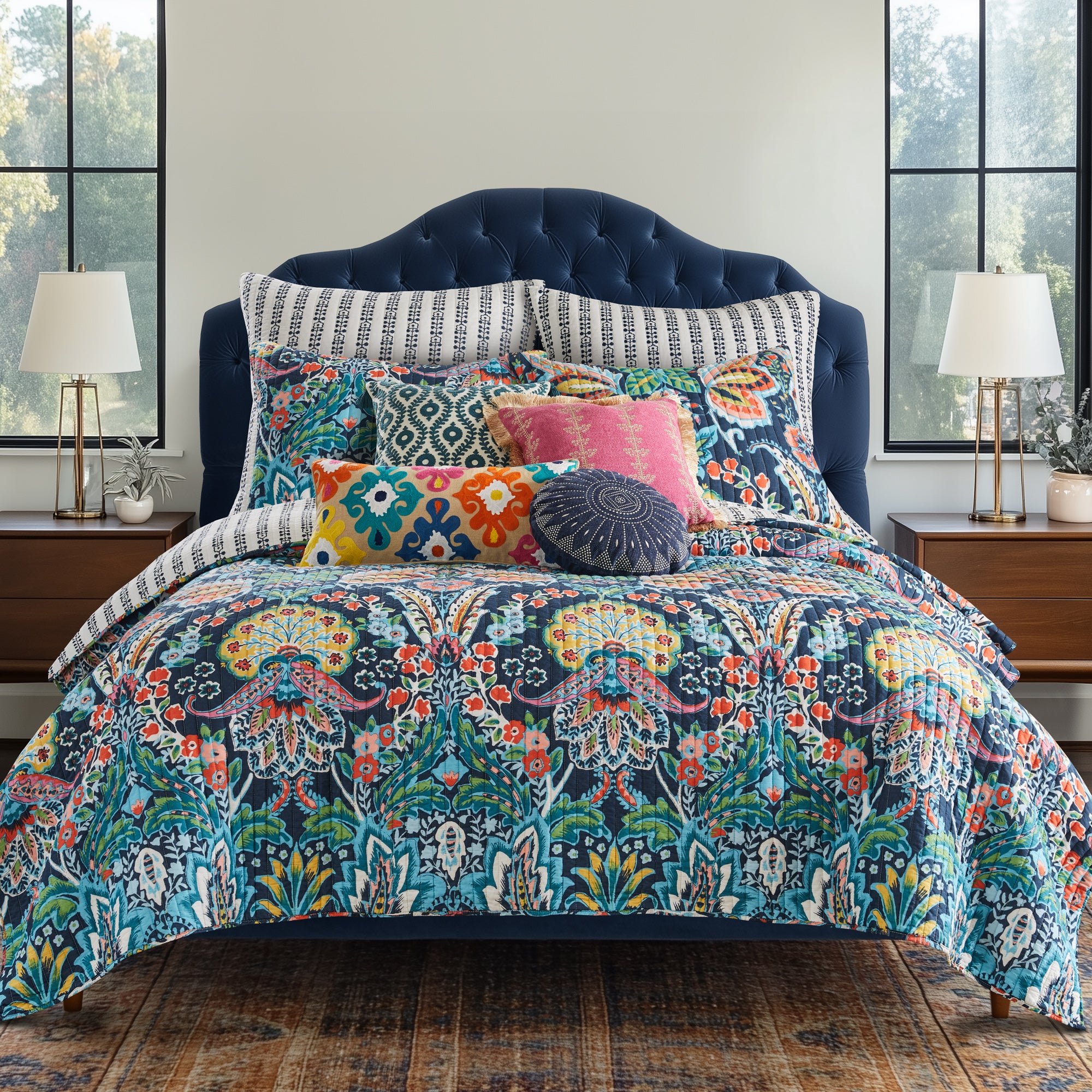
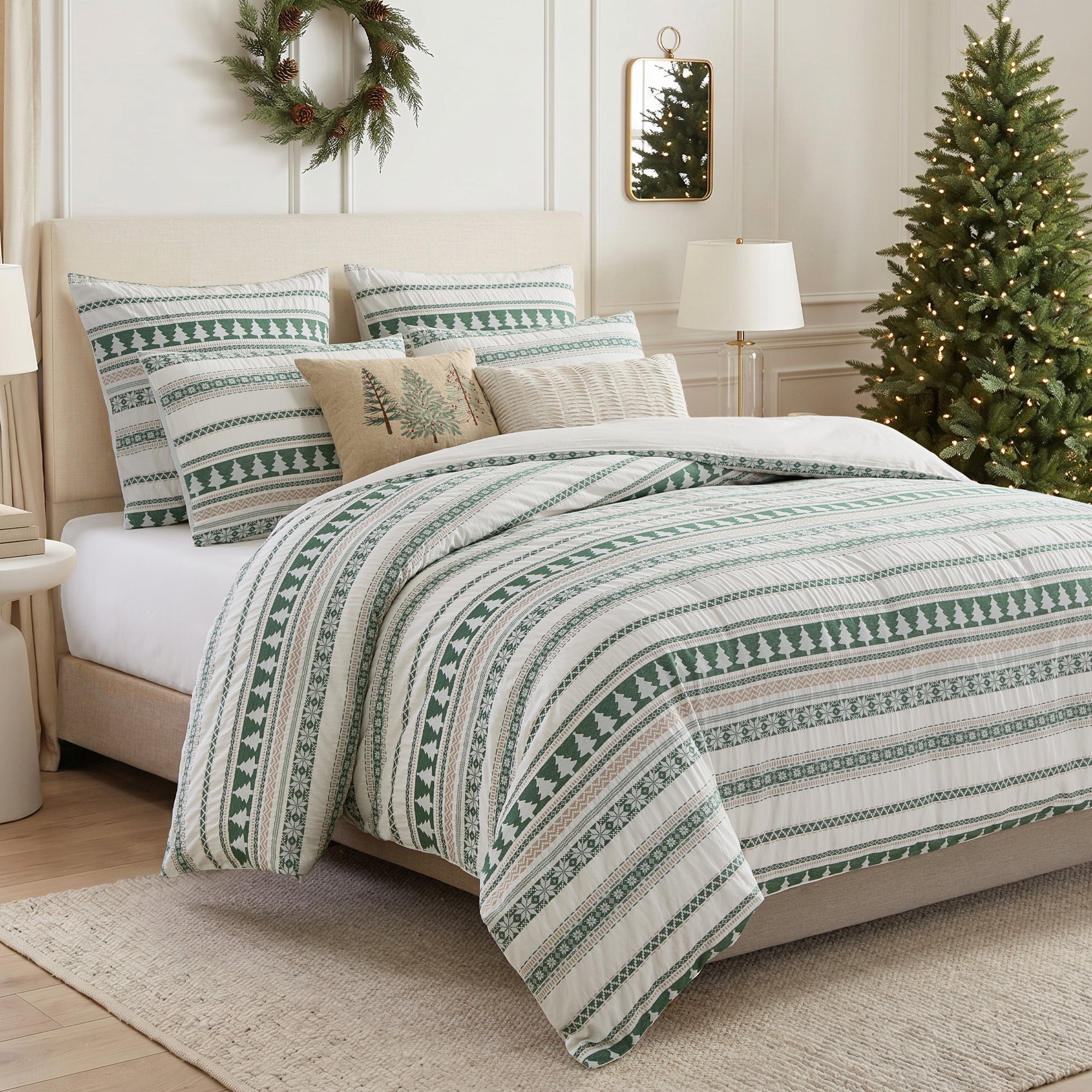
The Adare collection shows how a single patterned comforter or duvet can add depth and character to a small bedroom while still feeling balanced when paired with simpler textures and solid layers. Designers recommend letting one pattern lead, keeping surrounding colors simple, and switching patterns seasonally for easy refreshes.
Seasonal bedding swaps are one of the easiest ways to update a small bedroom without rearranging furniture or repainting walls.
Treat Bedding as Décor, Not an Afterthought
In a small bedroom, the bed dominates the visual landscape. Treating bedding as décor rather than just something functional is one of the smartest design moves you can make.
Complete, cohesive options like the Sarrah Comforter Set create a polished, pulled together look with minimal effort. When the bed feels intentional, the rest of the room does not need much to feel finished.
House Beautiful notes that focusing on scale and foundational elements like bedding can completely change how a room feels. Bedding becomes the design anchor, setting the tone for the entire space.
Conclusion: Small Bedroom, Big Design Impact
Small bedrooms do not need more furniture or bold tricks. They need thoughtful choices. Light, layered bedding, streamlined bed frames, smart storage, intentional lighting, color coordination, texture driven fabrics, and curated accents all work together to make compact spaces feel elevated and calm.
By treating bedding as a core design element, even the smallest bedroom can feel stylish, comfortable, and inviting.
Frequently Asked Questions
What bedding color makes a small bedroom look bigger?
Light neutrals, soft greys, and muted blues or greens reflect light and create a more open, airy bedroom feel. To enhance the room feel even more, pair light bedding with light colored bedroom walls and minimalist decor to reduce visual breaks. This bedroom idea works especially well in a small space or guest room where you want the room to feel calm, stylish, and easy to sleep in.
Should I use a duvet or a comforter in a small bedroom?
Both work well. Duvets offer flexibility for seasonal changes, while comforter sets provide a cohesive, streamlined look. For small bedroom ideas, a comforter in the right size can simplify the design and help the bed feel intentional rather than bulky. A duvet is also a smart option if you want to refresh the bedroom feel throughout the year without changing the entire room design.
How do I style a small bed to look more luxurious?
Layer intentionally with light bedding, a few textured pillows, and a coordinated throw. Focus on quality over quantity. Choosing a streamlined bed frame and limiting pillow sizes helps maintain a stylish small bedroom without crowding the space. Tiny bedroom touches like symmetry, thoughtful fabric choices, and clean lines make the room feel elevated and well designed.
What bedding fabrics are best for small bedrooms?
Textured yet lightweight fabrics such as waffle weaves and linen add depth without bulk, making them ideal for small spaces. These fabrics enhance the bedroom feel while keeping the bed breathable and visually light. In a guest bedroom or compact home layout, this design guide helps make the space feel cozy, polished, and easy to live with.
References
1. Want Your Small Bedroom to Feel Bigger? Designers Say These 8 Tips Really Work,
Real Simple
2. 27 Clever Small Bedroom Ideas That Make the Most Out of Your Space,
House Beautiful
3. 25 Organizer-Approved Small Bedroom Storage Ideas,
Architectural Digest
4. 33 Small Bedroom Ideas for When Your Bed Takes Up the Whole Damn Room,
Architectural Digest
5. We Asked a Designer How to Make a Small Bedroom Feel Bigger and It's Actually So Easy,
The Spruce